
Filter
5347
Filtered Results: 5347
Text search:
non-communicable
diseases
Featured
Recommendations
462
New Publications
1243
Language
Document type
No document type
2577
Studies & Reports
1085
Guidelines
665
Manuals
299
Strategic & Response Plan
246
Fact sheets
145
Training Material
98
Infographics
62
Resource Platforms
53
Situation Updates
36
Videos
28
Brochures
21
Dashboards/Maps
16
Online Courses
15
App
1
Countries / Regions
Global
558
India
198
South Africa
152
Kenya
148
Africa
135
Western and Central Europe
108
Ethiopia
106
Sierra Leone
103
Liberia
96
Uganda
89
Latin America and the Carribbean
89
Nepal
86
Nigeria
79
Bangladesh
72
Malawi
71
Myanmar / Burma
66
Ghana
61
Zambia
59
Rwanda
58
Syria
56
Tanzania
54
Ukraine
52
South–East Asia Region
52
Indonesia
50
Philippines
47
Congo, Democratic Republic of
43
Namibia
42
Asia
40
Eastern Europe
36
Cambodia
30
Mozambique
30
Lesotho
30
East and Southern Africa
29
West and Central Africa
29
Guinea
25
Zimbabwe
23
South Sudan
22
Eastern Europe and Central Asia
22
Germany
19
Middle East and North Africa
19
Russia
19
North America
19
Pakistan
18
Botswana
18
Western Pacific Region
18
Senegal
16
Brazil
15
Haiti
14
Eswatini/ Swaziland
14
Afghanistan
13
Yemen
13
Iraq
12
Burkina Faso
11
Venezuela
11
Thailand
10
Moldova
10
USA
9
Somalia
9
Jordan
9
Sudan
9
Colombia
9
Vietnam
9
Cameroon
8
Paraguay
8
Laos
8
Lebanon
7
Papua New Guinea
7
Argentina
7
United Kingdom
7
Turkey
6
China
6
Benin
6
Sri Lanka
6
Palestine
6
Kyrgyzstan
6
Saudi Arabia
5
Peru
5
Angola
5
Chile
5
Tajikistan
5
Iran
5
Central African Republic
4
Southern Africa
4
Kazakhstan
4
Georgia
4
Turkmenistan
4
Spain
4
Mali
3
Bolivia
3
Greece
3
Madagascar
3
Poland
3
Albania
3
Timor Leste/ East Timor
3
Jamaica
3
Mauritius
3
Portugal
3
Belarus
3
Bosnia and Herzegovina
3
Guinea-Bissau
2
Côte d’Ivoire / Ivory Coast
2
Togo
2
Egypt
2
Gambia
2
North Macedonia
2
Serbia
2
Hungary
2
Croatia
2
Ecuador
2
El Salvador
2
Mexico
2
Fiji
2
Bhutan
2
Canada
2
Romania
2
Japan
2
Azerbaijan
2
Morocco
1
Niger
1
Ireland
1
Singapore
1
Switzerland
1
Burundi
1
Honduras
1
Libya
1
Other region
1
Italy
1
Djibouti
1
Armenia
1
Mongolia
1
Qatar
1
Bulgaria
1
Estonia
1
Gabon
1
Denmark
1
France
1
Maldives
1
Tunisia
1
Israel
1
Latvia
1
Barbados
1
United Arab Emirates
1
Authors & Publishers
Publication Years
Category
Countries
1916
Public Health
880
Clinical Guidelines
409
Women & Child Health
211
Key Resources
196
Capacity Building
139
Pharmacy & Technologies
45
Annual Report MEDBOX
2
Toolboxes
NCDs
765
COVID-19
425
Mental Health
375
HIV
247
TB
219
Planetary Health
206
Rapid Response
170
Disability
152
Caregiver
149
Global Health Education
130
Conflict
129
Ebola
121
AMR
118
NTDs
87
Refugee
73
Natural Hazards
66
Pharmacy
61
Health Financing Toolbox
40
Zika
29
Polio
25
Specific Hazards
23
Cholera
20
Social Ethics
13
South Sudan
1
Typhoon
1
Health Financing
1
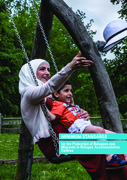
Guidelines for the development and implementation of institution-specific protection concepts
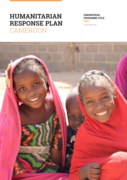
In 2021, the humanitarian community continued to support those in need, placing protection at the centre of its response. Learning from and building on past efforts, humanitarian actors will continue to respond and adapt their response to the various shocks impacting populations in Cameroon, such as...
13 July 2021. Eid al Adha is a festival during which Muslim families and friends unite to pray together and give alms, especially in the form of sacrificed animal meat. In light of the COVID-19 pandemic, this document highlights public health advice for social gatherings and religious practices that...
WHO published the first COVID-19 Strategic Response and Preparedness Plan (SPRP) on 3 February, 2020. This report highlights the main points of progress that were made up to 30 June 2020 under the three objectives outlined in the SPRP: scaling up international coordination and support; scaling up co...

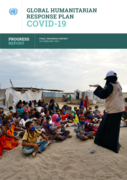
2020 was a year like no other. Amidst on-going humanitarian crises, largely fuelled by conflict and violence but also driven by the effects of climate change – such as the largest locust infestation in a generation – the world had to contend with a global pandemic. In less than one year (March-D...
In most contexts, the social stigma surrounding mental health issues exists because of cultural norms and a lack of understanding of mental health’s complexities and realities, resulting in isolation, increased vulnerability, and lack of support for people with mental health problems.
This stig...
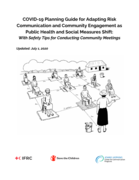
With Safety Tips for Conducting Community Meetings
Updated July 2020
This document includes key Risk Communication and Community Engagement (RCCE) considerations during shifting lockdown measures, safety measures for conducting in-person community meetings, and a template that brings both of these...
5 Nov. 2020
The policy brief provides a concise summary of information and considerations to ensure optimal management of influenza during the COVID-19 pandemic. It includes a list of technical guidance and other resources to assist policy makers with monitoring the situation, preventing seasonal i...
This guide is available in English, French, Spanish, Russian, Arabic and Chinese
This guide consolidates COVID-19 guidance for human resources for health managers and policy-makers at national, subnational and facility levels to design, manage and preserve the workforce necessary to manage the COVI...
Updated 28 December 2020
December 2020 — May 2021
The community-BFCI (c-BFCI) manual has been developed to facilitate training of CHVs and stakeholders providing nutrition sensitive services at community level. The manual covers a wide range of topics: basic nutrition, exclusive breastfeeding, complementary feeding, Breast Milk Substitutes Act, gro...
When situations occur in which unwanted events are rightly or wrongly connected with vaccination, they may erode confidence in vaccines and the authorities delivering them. This document presents the scientific evidence behind WHO’s recommendations on building and restoring confidence in vaccines ...

This guidance document is meant to support practitioners working in disaster prone contexts to develop and implement more effective integrated resilience programming. It promotes programming that cuts across different fields of work like rights awareness, food security, emergency preparedness, livel...
The plan aims to practice the preparedness measures and response functions which need to be coordinated among relevant departments and organizations to reduce the risk of earthquakes. The plan has two main parts: preparedness and response. The first part includes the preparedness measures which can ...
