Filter
764
Text search:
rights-based
approaches
Featured
68
196
Language
Document type
501
87
70
43
39
11
6
3
2
2
Countries
37
33
22
18
18
15
15
13
12
11
11
11
9
9
9
8
8
8
7
7
7
7
7
7
7
6
6
6
6
6
5
5
5
5
4
4
4
4
3
3
3
3
3
2
2
2
2
2
2
2
2
2
2
2
2
2
2
1
1
1
1
1
1
1
1
1
1
1
1
1
1
1
1
1
1
1
1
1
1
1
1
1
1
1
1
1
1
1
1
1
1
Authors & Publishers
Publication Years
Category
215
60
42
30
26
13
3
1
Toolboxes
157
106
78
36
33
23
19
19
18
10
8
7
5
5
3
2
2
2
2
2
1
1
Transforming health: Acclerating the attainment of health goals
The Minimum Standards for Protection Mainstreaming are a set of international standards designed to provide practical assistance to humanitarian actors to mainstream protection in the assessment, design, implementation, monitoring and evaluation of humanitarian programmes, projects and activities.
...
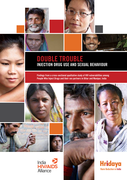
Findings from a cross-sectional qualitative study of HIV vulnerabilities among People Who Inject Drugs and their sex partners in Bihar and Manipur, India. The study is one of the first qualitative comparative studies to seek an in-depth understanding of the vulnerabilities to HIV acquisition among P
...
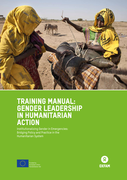
A toolkit for Implementation. Module 3: Participatory community assessment in maternal and newborn health
A Toolkit for Implementation. Module 5: Finalizing, monitoring and evaluating the IFC action plan
This paper brings together lessons from interviews with humanitarians and local responders, as well as existing literature, about the use of quarantine in urban environments during the humanitarian response to the Ebola Crisis
Second Generation, WHO Country Cooperation Strategy, 2010–2015, Namibia
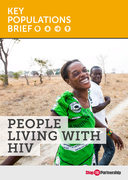
Key populations brief
Accessed November 2017
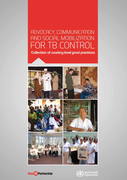
Collection of country-level good practices
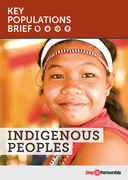
Key populations brief.
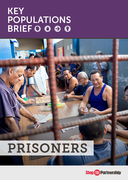
Key population brief.