Filter
639
Text search:
paraguay
Featured
29
195
Language
Document type
367
134
55
24
17
12
9
9
6
3
1
Countries
200
115
36
22
18
17
14
12
12
9
8
5
5
5
4
4
3
3
3
3
3
3
2
2
2
1
1
1
1
1
1
1
1
1
1
1
1
1
1
1
1
1
1
1
1
1
Authors & Publishers
Publication Years
Category
321
37
26
23
18
11
4
Toolboxes
69
53
48
44
32
32
25
17
12
11
11
8
7
6
6
6
5
3
3
2
1
1
El documento La carga de los trastornos mentales en la Región de las Américas, 2018 tiene como propósito mejorar la evaluación de las necesidades en materia de salud mental en la Región de las Américas al presentar un panorama actualizado y matizado de: a) la discapacidad debida a los trastorn
...
For the 24th consecutive year, PAHO has published the report Health Situation in the Americas: Core Indicators featuring the latest information on key indicators for the Region of the Americas. This 2018 edition includes data on the 82 core indicators for the countries, territories, and sub regions
...
World Drug Report 2017
-1-
Accessed: 14.03.2019
Tobacco control legislation: an introductory guide
WHO REPORT ON THE GLOBAL TOBACCO EPIDEMIC, 2017
1. Provide treatment for mental disorders in primary care
2. Ensure wider accessibility to essential psychotropic drugs
3. Provide care in the community
4. Educate the public
5. Involve communities, families and consumers
6. Establish national policies, programmes and legislation on mental heal
...
In the last quarter century, several projects emerged to reform mental health services in Latin American and Caribbean countries. Some did not survive the difficulties that inevitably arise in processes of change, and ended up disappearing before the intended changes could be introduced. Others, how
...

To understand the mental health treatment gap in the Region of the Americas by examining the prevalence of mental health disorders, use of mental health services, and the global burden of disease.
The WHO/UNICEF JMP report, WASH in Health Care Facilities, is the first comprehensive global assessment of water, sanitation and hygiene (WASH) in health care facilities. It also finds that 1 in 5 health care facilities has no sanitation service*, impacting 1.5 billion people. The report further rev
...
Global concerns: Implications for the future
Child Mental Health Atlas
This toolkit aims to provide you with a brief introduction of what SA and its core principles are, and how you as a student can apply several of the existing tools for your own school to really make a difference.
French, Spanish and Arabic Version available: https://ifmsa.org/social-acc
...
For those passionate about advancing public health education in their medical schools
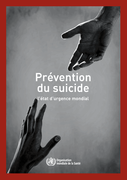
Le suicide est évitable. Pourtant, toutes les 40 secondes, une personne se suicide quelque part dans le monde et bien plus tentent de mettre fin à leurs jours. Aucune région ni aucune tranche d’âge n’est épargnée. Il touche toutefois particulièrement les jeunes de 15 à 29 ans, chez qui i
...
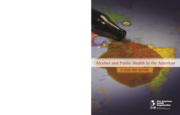
Making the Case for Alcohol as a Public Health Threat in the Region. The purpose of this document is to explain the need for making alcohol a top public health priority in the region and the need for national and regional action. Current evidence-based research shows that alcohol consumption and dri
...