
Filter
499
Text search:
Organizatión
Mundial
de
la
Salud
Featured
Recommendations
36
New Publications
79
Language
Document type
No document type
212
Guidelines
126
Studies & Reports
87
Strategic & Response Plan
27
Manuals
22
Training Material
10
Fact sheets
6
Brochures
4
Situation Updates
2
Resource Platforms
1
Infographics
1
Online Courses
1
Countries / Regions
Latin America and the Carribbean
69
Global
44
Paraguay
32
Colombia
29
Venezuela
22
Argentina
19
Peru
17
Brazil
13
Spain
8
Ecuador
7
Chile
7
Bolivia
4
Haiti
3
Mexico
3
Africa
3
Guinea-Bissau
2
Syria
2
Mozambique
2
El Salvador
2
Angola
2
North America
2
Uruguay
2
Guinea
1
Nigeria
1
Congo, Democratic Republic of
1
Morocco
1
Saudi Arabia
1
Pakistan
1
Iraq
1
Jordan
1
Afghanistan
1
Lebanon
1
Chad
1
Bangladesh
1
Sudan
1
Central African Republic
1
Dominican Republic
1
Honduras
1
Greece
1
Guatemala
1
Nicaragua
1
East and Southern Africa
1
West and Central Africa
1
Middle East and North Africa
1
South–East Asia Region
1
Western and Central Europe
1
Albania
1
Iran
1
Georgia
1
Tunisia
1
Authors & Publishers
Publication Years
Category
Countries
166
Clinical Guidelines
48
Women & Child Health
31
Public Health
26
Key Resources
15
Pharmacy & Technologies
6
Capacity Building
4
Toolboxes
COVID-19
80
TB
65
Mental Health
64
HIV
30
AMR
24
Disability
23
NTDs
19
Rapid Response
15
Planetary Health
15
Zika
10
NCDs
10
Caregiver
8
Natural Hazards
7
Global Health Education
7
Health Financing Toolbox
6
Cholera
5
Conflict
5
Refugee
5
Pharmacy
4
Ebola
2
Polio
1
Specific Hazards
1

Otros trastornos
Capítulo H.4
Editores: Laura Borredá Belda, Matías Irarrázaval & Andres Martin
Traductores: Sara Diego Castaño, Laura Álvarez Bravos, Rebeca Santonja & Beatriz Ortega
In sum, the goal is to understand the need to increase fiscal space for health as a prerequisite, but within the framework of efforts to transform the health system. These changes should foster equitable and efficient expenditures and create or strengthen comprehensive integrated health systems with
...
Burden of T. solium: Neurocysticercosis is a disease induced by T. solium larvae penetrating human tissues, especially the nervous system. Neurocysticercosis burdens economies, societies and individuals because of the impact of epilepsy on wages, health costs and social stigmatization of sufferers.
...
Rabies remains an under-reported neglected zoonosis with a case-fatality rate of almost 100% in humans and animals. Dog-mediated human rabies causes tens of thousands of human deaths annually despite being 100% preventable. More than 95% of human cases are caused by the bite of a rabies-infected dog
...
Versão 2. Última atualização 10 Março 2016
O protocolo contém orientações sobre definição de casos suspeitos, como identificação de alterações do Sistema Nervoso Central (SNC) durante
...
An interregional meeting on leishmaniasis among neighbouring endemic
countries in the Eastern Mediterranean, African and European regions was organized by the World Health Organization (WHO) Regional Office for the Eastern
Mediterranean in Amman,
...

Offical Statement
INT J TUBERC LUNG DIS 12(12):1376–1379
El estigma social asociado a COVID-19
recommended
Una guía para prevenir y abordar el estigma social
Social stigma in the context of health is the negative association between a person or group of people who share certain characteristics and a specific disease. In an outbreak, this may mean people are labelled, stereotyped, discriminated against,
...
This global progress report attempts to lay the groundwork for the kind of accelerated action needed. Section 1 presents key data, trends and developments in women’s, children’s and adolescents’ health and well-being. That is followed in Section 2 by a deeper dive into the impact of the COVID-
...
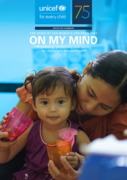
According to the latest available estimates, more than 1 in 7 adolescents aged 10–19 is estimated to live with a diagnosed mental disorder globally. Almost 46,000 adolescents die from suicide each year, among the top five causes of death for their age group. Meanwhile, wide gaps persist between me
...

Mem Inst Oswaldo Cruz , Rio de Janeiro, Vol. 110 (3): 377-386, May 2015
