
Filter
1334
Text search:
masks
Featured
221
180
Language
Document type
427
330
221
111
80
46
41
34
25
9
8
1
1
Countries
75
54
52
48
40
40
39
34
28
26
25
25
22
20
19
19
19
17
16
15
14
14
14
14
14
14
13
13
13
13
12
12
12
10
10
10
9
9
9
8
8
8
8
8
7
7
7
7
6
6
6
6
5
5
5
5
5
5
5
4
4
4
4
4
3
3
3
3
3
3
3
3
3
3
3
3
3
3
2
2
2
2
2
2
2
2
2
2
1
1
1
1
1
1
1
1
1
1
1
1
1
1
1
1
1
1
1
1
1
1
1
1
1
1
1
1
1
1
1
1
1
1
Authors & Publishers
Publication Years
Category
564
80
50
41
41
21
13
2
1
Toolboxes
626
105
75
67
50
35
27
27
23
22
19
17
15
13
8
7
6
6
6
5
5
4
2
Operational Guidelines
To provide quality maternal and newborn health services at health facilities in India.
Strengthening competency based training of health care providers for Reproductive Maternal Newborn Child & Adolescenct Health (RMNCH + A) services
The objective of the 2022 Compendium is to compile and highlight emerging innovative health technologies for low-resource settings. It presents a snapshot of technologies that are solutions to an unmet medical/health technology need or are likely to improve health outcomes and the quality of life. H
...
The aim of this brief is to ensure that the COVID-19 pandemic does not disrupt the supply of and demand generation for condoms. Sexual relations may be transformed in the new context of the pandemic, but they have not stopped. While access to male and female condoms has been critical in the global r
...
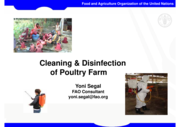
Educational materials (slide presentations) from FAO covering important biosecurity aspects in poultry farms
A rapid situation analysis in three districts
Accessed at March 2014
A Training Course for Service Providers
With this World Health Day, WHO is drawing attention to a group of diseases that are spread by insects and other vectors, the heavy health and economic burdens they impose, and what needs to be done to reduce these burdens. Many of these diseases have been historically confined to distinct geographi
...
This document provides information for WHO Member States, particularly low-income and middle-income countries, to strengthen preparedness and response plans with regard to the social and mental health consequences of biological and chemical attacks.
