
Filter
1673
Text search:
code
of
practice
Featured
154
473
Language
1608
55
27
23
23
17
11
7
6
5
5
4
4
4
4
4
4
4
3
3
3
3
3
3
3
3
2
2
2
2
2
2
2
2
2
2
2
2
2
2
1
1
1
1
1
1
1
1
1
1
1
1
1
1
1
1
Document type
1015
224
193
119
56
37
16
6
4
2
1
Countries
64
62
44
41
39
38
36
34
29
29
28
27
27
27
26
26
24
24
22
22
20
17
17
16
14
10
10
9
9
9
9
8
7
7
6
6
6
6
6
6
6
5
5
5
5
5
5
5
5
5
5
4
4
4
3
3
3
3
3
3
3
3
3
3
3
3
3
2
2
2
2
2
2
2
2
2
2
2
2
2
2
1
1
1
1
1
1
1
1
1
1
1
1
1
1
1
1
1
1
1
1
1
1
1
1
1
1
1
1
1
1
1
Authors & Publishers
142
73
60
46
38
34
33
27
25
14
14
13
12
10
10
10
10
10
9
9
9
9
9
8
8
8
7
7
7
6
6
6
6
6
5
5
5
5
5
5
5
5
5
4
4
4
4
4
4
4
4
4
4
4
4
4
4
4
4
4
4
4
3
3
3
3
3
3
3
3
3
3
3
3
3
3
3
3
3
3
3
3
3
3
3
3
3
3
3
3
3
3
3
3
3
3
3
3
3
3
3
3
3
3
3
3
3
3
3
3
2
2
2
2
2
2
2
2
2
2
2
2
2
2
2
2
2
2
2
2
2
2
2
2
2
2
2
2
2
2
2
2
2
2
2
2
2
2
2
2
2
2
2
2
2
2
2
2
2
2
2
2
2
2
2
2
2
2
2
2
2
2
2
2
2
2
2
2
2
2
2
2
2
2
2
2
2
2
2
2
2
2
2
2
2
2
2
2
2
2
2
2
2
2
2
2
2
2
2
2
2
2
2
2
2
2
2
2
2
2
2
2
2
2
2
1
1
1
1
1
1
1
1
1
1
1
1
1
1
1
1
1
1
1
1
1
1
1
1
1
1
1
1
1
1
1
1
1
1
1
1
1
1
1
1
1
1
1
1
1
1
1
1
1
1
1
1
1
1
1
1
1
1
1
1
1
1
1
1
1
1
1
1
1
1
1
1
1
1
1
1
1
1
1
1
1
1
1
1
1
1
1
1
1
1
1
1
1
1
1
1
1
1
1
1
1
1
1
1
1
1
1
1
1
1
1
1
1
1
1
1
1
1
1
1
1
1
1
1
1
1
1
1
1
1
1
1
1
1
1
1
1
1
1
1
1
1
1
1
1
1
1
1
1
1
1
1
1
1
1
1
1
1
1
1
1
1
1
1
1
1
1
1
1
1
1
1
1
1
1
1
1
1
1
1
1
1
1
1
1
1
1
1
1
1
1
1
1
1
1
1
1
1
1
1
1
1
1
1
1
1
1
1
1
1
1
1
1
1
1
1
1
1
1
1
1
1
1
1
1
1
1
1
1
1
1
1
1
1
1
1
1
1
1
1
1
1
1
1
1
1
1
1
1
1
1
1
1
1
1
1
1
1
1
1
1
1
1
1
1
1
1
1
1
1
1
1
1
1
1
1
1
1
1
1
1
1
1
1
1
1
1
1
1
1
1
1
1
1
1
1
1
1
1
1
1
1
1
1
1
1
1
1
1
1
1
1
1
1
1
1
1
1
1
1
1
1
1
1
1
1
1
1
1
1
1
1
1
1
1
1
1
1
1
1
1
1
1
1
1
1
1
1
1
1
1
1
1
1
1
1
1
1
1
1
1
1
1
1
1
1
1
1
1
1
1
1
1
1
1
1
1
1
1
1
1
1
1
1
1
1
1
1
1
1
1
1
1
1
1
1
1
1
1
1
1
1
1
1
1
1
1
1
1
1
1
1
1
1
1
1
1
1
1
1
1
1
1
1
1
1
1
1
1
1
1
1
1
1
1
1
1
1
1
1
1
1
1
1
1
1
1
1
1
1
1
1
1
1
1
1
1
1
1
1
1
1
1
1
1
1
1
1
1
1
1
1
1
1
1
1
1
1
1
1
1
1
1
1
1
1
1
1
1
1
1
1
1
1
1
1
1
1
1
1
1
1
1
1
1
1
1
1
1
1
1
1
1
1
1
1
1
1
1
1
1
1
1
1
1
1
1
1
1
1
1
1
1
1
1
1
1
1
1
1
1
1
1
1
1
1
1
1
1
1
1
1
1
1
1
1
1
1
1
1
1
1
1
1
1
1
1
1
1
1
1
1
1
1
1
1
1
1
1
1
1
1
1
1
1
1
1
1
1
1
1
1
1
1
1
1
1
1
1
1
1
1
1
1
1
1
1
1
1
1
1
1
1
1
1
1
1
1
1
1
1
1
1
1
1
1
1
1
1
1
1
1
1
1
1
1
1
1
1
1
1
1
1
1
1
1
1
1
1
1
1
1
1
1
1
1
1
1
1
1
1
1
1
1
1
1
1
1
1
1
1
1
1
1
1
1
1
1
1
1
1
1
1
1
1
1
1
1
1
1
1
1
1
1
1
1
1
1
1
1
1
1
1
1
1
1
1
1
1
1
1
1
1
1
1
1
1
1
1
1
1
1
1
1
1
1
1
1
1
1
1
1
1
1
1
1
1
1
1
1
1
1
1
1
1
1
1
1
1
1
1
1
1
1
1
1
1
1
1
1
1
1
1
1
1
1
1
1
1
1
1
1
1
1
1
1
1
1
1
1
1
1
1
1
1
1
1
1
1
1
1
1
1
1
1
1
1
1
1
1
1
1
1
1
1
1
1
1
1
1
1
1
1
1
1
1
1
1
1
1
1
1
1
1
1
1
1
1
1
1
1
1
1
1
1
1
1
1
1
1
1
1
1
1
1
1
1
1
1
1
1
1
1
1
1
1
1
1
1
1
1
1
1
1
1
1
1
1
1
1
1
1
1
1
1
1
1
1
1
1
1
1
1
1
1
1
1
1
1
1
1
1
1
1
1
1
1
1
1
1
1
1
1
1
1
1
1
1
1
1
1
1
1
1
1
1
1
1
1
1
1
1
1
1
1
1
1
1
1
1
1
1
1
1
1
1
1
1
1
1
1
1
1
1
1
1
1
1
1
1
1
1
1
1
1
1
1
1
1
1
1
1
1
1
1
1
1
1
1
1
1
1
1
1
1
1
1
1
1
1
1
1
1
1
1
1
1
1
1
1
1
1
1
1
1
1
1
1
1
1
1
1
1
1
1
1
1
1
1
1
1
1
1
1
1
1
1
1
1
1
1
1
1
1
1
1
1
1
1
1
1
1
1
1
1
1
1
1
1
1
1
1
1
1
1
1
1
1
1
1
1
1
1
1
1
1
1
1
1
1
1
1
1
1
1
1
1
1
1
1
1
1
1
1
1
1
1
1
1
1
1
1
1
1
1
1
1
1
1
1
1
1
1
1
1
1
1
1
1
1
1
1
1
1
1
1
1
1
1
1
1
1
1
1
1
1
1
1
1
1
1
1
1
1
1
1
1
1
1
1
1
1
1
1
1
1
1
1
1
1
1
1
1
1
1
1
1
1
1
1
1
1
1
1
1
1
1
1
1
1
1
1
1
1
1
1
1
1
1
1
1
1
1
1
1
1
1
1
1
1
1
1
1
1
1
1
1
1
1
1
1
1
1
1
1
1
1
1
1
1
1
1
1
1
1
1
1
1
1
1
1
1
1
1
1
1
1
1
1
1
1
1
1
1
1
1
1
1
1
1
1
1
1
1
1
1
1
1
1
1
1
1
1
1
1
1
1
1
1
1
1
1
1
1
1
1
1
1
1
1
1
1
1
1
1
1
1
1
1
1
1
1
1
1
1
1
1
1
1
1
1
1
1
1
1
1
1
1
1
1
1
1
1
1
1
1
1
1
1
1
1
1
1
1
1
1
1
1
1
1
1
1
1
1
1
1
1
1
1
1
1
1
1
1
1
1
1
1
1
1
1
1
1
1
1
1
1
1
1
1
1
1
1
1
1
1
1
1
1
1
1
1
1
1
1
1
1
1
1
1
1
1
1
1
1
1
1
1
1
1
1
1
1
1
1
1
1
1
1
1
1
1
1
1
1
1
1
1
1
1
1
1
1
1
1
1
1
1
1
1
1
1
1
1
1
1
1
1
1
1
1
1
1
1
1
1
1
1
1
1
1
1
1
1
1
1
1
1
1
1
1
1
1
1
1
1
1
1
1
1
1
1
1
1
1
1
1
1
1
1
1
1
1
1
1
1
1
1
1
1
1
Publication Years
307
1136
220
10
Category
648
132
87
70
68
34
30
6
Toolboxes
122
114
85
79
74
67
56
53
52
48
43
40
34
29
28
17
16
16
15
12
5
4
3
1
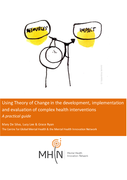
Using Theory of Change in the development, implementation and evaluation of complex health interventions. A practical guide
Mary De Silva, Lucy Lee& Grace Ryan
The Centre for Global Mental Health &the Mental Health Innovation Network
(2015)
C1
This guide provides a practical overview of the process of developing a Theory of Change, focusing on using a stakeholder-driven, workshop approach
...
to achieve this.
more
Ethiopia Antimicrobial Resistance Surveillance Plan
10 years after the UN general assembly special session on drugs
Universal Periodic Review of Albania - 33rd Session
Albania Center for Population and Development (ACPD); Albanian Association of People Living with HIVAIS; Roma Active Albania; STOP AIDS; Aksion Plus; et al.
(2019)
C2
Joint Stakeholder Submission
Accessed: 29.09.2019

Public Report
PQMC 0003-003-00 WHO PQMC PR June/2015, version 2.0
The main objective of this guidance is to provide scientific advice on public health principles and considerations for infection and prevention control of COVID-19 in migrant and refugee reception a
...
nd detention centres in the European Union and European Economic Area (EU/EEA) and the United Kingdom (UK).
more

The purpose of this guide is to offer recommendations for improving the implementation of non‑pharmacological public health measures during the COVID-19 response and compliance with these measures
...
by population groups in situations of vulnerability. This requires determining the main barriers to implementing these measures so that we can identify the groups and territories most affected during the different phases of the pandemic. With this objective in mind––and within the framework of an equity, human rights, and diversity approach––, policies, strategies, and interventions to accompany the implementation and flexibilization of the measures are recommended to ensure that no one is left behind.
more
Policy Brief.
Our understanding of how to diagnose and manage Long COVID is still evolving but the condition can be very debilitating. It is associated with a range of overlapping symptoms includin
...
g generalized chest and muscle pain, fatigue, shortness of breath, and cognitive dysfunction, and the mechanisms involved affect multiple system and include persisting inflammation, thrombosis, and autoimmunity. It can affect anyone, but women and health care workers seem to be at greater risk.
more
Background paper 9
The Independent Panel for Pandemic Preparedness and Response
May 2021
The Lancet Global Health January 24, 2022
Snakebite envenoming affects millions of people worldwide annually and is a significant source of mortality. Preventing and treating the problem is complex and requires collaboration among the field
...
s of public health, medicine, ecology, and laboratory science. After being removed from the category A neglected tropical disease (NTD) list in 2013, snakebite envenoming was reinstated in 2017 in response to antivenom shortages and advocacy from researchers and international NGOs. In 2019, the World Health Organization (WHO) set a target to halve the number of deaths and cases of snakebite envenoming by 2030.
more
Background
Cardiovascular diseases (CVDs) are one of the global leading causes of concern due to the rising prevalence and consequence of mortalit
...
y and disability with a heavy economic burden. The objective of the current study was to analyze the trend in CVD incidence, mortality, and mortality-to-incidence ratio (MIR) across the world over 28 years.
Methods
The age-standardized CVD mortality and incidence rates were retrieved from the Global Burden of Disease (GBD) Study 2017 for both genders and different world super regions with available data every year during the period 1990–2017. Additionally, the Human Development Index was sourced from the United Nations Development Programme (UNDP) database for all countries at the same time interval. The marginal modeling approach was implemented to evaluate the mean trend of CVD incidence, mortality, and MIR for 195 countries and separately for developing and developed countries and also clarify the relationship between the indices and Human Development Index (HDI) from 1990 to 2017.
Results
The obtained estimates identified that the global mean trend of CVD incidence had an ascending trend until 1996 followed by a descending trend after this year. Nearly all of the countries experienced a significant declining mortality trend from 1990 to 2017. Likewise, the global mean MIR rate had a significant trivial decrement trend with a gentle slope of 0.004 over the time interval. As such, the reduction in incidence and mortality rates for developed countries was significantly faster than developing counterparts in the period 1990–2017 (p < 0.05). Nevertheless, the developing nations had a more rather shallow decrease in MIR compared to developed ones.
Conclusions
Generally, the findings of this study revealed that there was an overall downward trend in CVD incidence and mortality rates, while the survival rate of CVD patients was rather stable. These results send a satisfactory message that global effort for controlling the CVD burden was quite successful. Nonetheless, there is an urgent need for more efforts to improve the survival rate of patients and lower the burden of this disease in some areas with an increasing trend of either incidence or mortality.
more
Midwifery Capacity Building Strategy for Northern Syria
2017-2021
Available in Arabic
During fresh fruit and vegetables (FFV) production, water is used for a variety of purposes. Even the water was conventionally treated and disinfected, it may still potentially contain human pathogens, albeit at low concentrations. A risk assessment
...
, appropriate to the national or local production context, should be conducted to assess the potential risks associated with a specific water source or supply in order to devise the appropriate risk mitigation strategies.
Since the 48th session of Codex Committee on Food Hygiene (CCFH) noted the importance of water safety and quality in food production and processing, FAO and WHO has undertaken the work on this subject. This report describes the output of the third in a series of meetings, which examined appropriate and fit-for-purpose microbiological criteria for water used with fresh fruit and vegetables. The advice herein will support decision making when applying the concept of fit-for-purpose water for use in the pre- and post-harvest production of fresh fruit and vegetables.
more
Waste Management & Research 39(1) DOI: 10.1177/0734242X211029175
