
Filter
770
Text search:
J.
Liu
Featured
Recommendations
67
New Publications
75
Language
Document type
No document type
262
Studies & Reports
206
Guidelines
189
Manuals
45
Fact sheets
37
Strategic & Response Plan
15
Training Material
6
Infographics
5
Situation Updates
4
Brochures
1
Countries / Regions
Russia
32
Global
30
Brazil
24
India
15
Middle East and North Africa
14
Western and Central Europe
14
Germany
13
Ethiopia
12
Syria
12
Latin America and the Carribbean
12
Kenya
11
Eastern Europe
11
Yemen
10
Peru
9
Asia
9
South Africa
8
Mozambique
8
Africa
8
Spain
8
Nigeria
7
Angola
7
Senegal
6
Uganda
6
Indonesia
6
Malawi
6
West and Central Africa
6
Sierra Leone
5
Guinea-Bissau
5
Nepal
5
Bangladesh
5
Ukraine
5
Ecuador
5
Vietnam
5
Burkina Faso
4
Mali
4
Ghana
4
Somalia
4
Tanzania
4
Sudan
4
Argentina
4
Colombia
4
Chile
4
East and Southern Africa
4
Eastern Europe and Central Asia
4
France
4
Guinea
3
Liberia
3
Congo, Democratic Republic of
3
Cameroon
3
Haiti
3
Philippines
3
South Sudan
3
South–East Asia Region
3
Western Pacific Region
3
Venezuela
3
Italy
3
Saudi Arabia
2
Niger
2
Lebanon
2
Zambia
2
Chad
2
Cambodia
2
Thailand
2
China
2
Rwanda
2
Benin
2
Bolivia
2
Lesotho
2
Myanmar / Burma
2
Laos
2
North America
2
Portugal
2
Belarus
2
Côte d’Ivoire / Ivory Coast
1
Morocco
1
USA
1
Pakistan
1
Iraq
1
Jordan
1
Afghanistan
1
Turkey
1
Egypt
1
Malaysia
1
Mauritania
1
Dominican Republic
1
North Macedonia
1
Austria
1
Switzerland
1
Cuba
1
Honduras
1
El Salvador
1
Libya
1
Guatemala
1
Madagascar
1
Mexico
1
Nicaragua
1
Sri Lanka
1
Paraguay
1
Armenia
1
Congo-Brazzaville
1
Canada
1
Qatar
1
Kazakhstan
1
Georgia
1
Belgium
1
Tunisia
1
United Kingdom
1
Israel
1
Latvia
1
Authors & Publishers
Publication Years
Category
Countries
241
Clinical Guidelines
58
Public Health
50
Women & Child Health
28
Key Resources
11
Capacity Building
4
Pharmacy & Technologies
4
General Guidelines
1
Toolboxes
COVID-19
233
Mental Health
77
Planetary Health
65
HIV
59
TB
41
NCDs
30
AMR
19
Caregiver
19
Disability
15
Pharmacy
14
Global Health Education
12
NTDs
12
Rapid Response
10
Ebola
7
Natural Hazards
6
Conflict
4
Zika
4
Health Financing Toolbox
3
Refugee
2
Polio
1
Specific Hazards
1
Social Ethics
1


DHS Working Papers No. 120
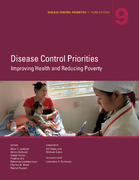
As the culminating volume in the DCP3 series, volume 9 will provide an overview of DCP3 findings and methods, a summary of messages and substantive lessons to be taken from DCP3, and a further discussion of cross-cutting and synthesizing topics across the first eight volumes. The introductory chapte
...
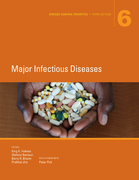
Infectious diseases are the leading cause of death globally, particularly among children and young adults. The spread of new pathogens and the threat of antimicrobial resistance pose particular challenges in combating these diseases. Major Infectious Diseases identifies feasible, cost-effective pack
...
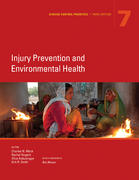
The substantial burden of death and disability that results from interpersonal violence, road traffic injuries, unintentional injuries, occupational health risks, air pollution, climate change, and inadequate water and sanitation falls disproportionally on low- and middle-income countries. Injury Pr
...
October 2009 | Volume 6 | Issue 10 | e1000162
Report of the Joint World Health Organization–Brien Holden Vision Institute Global Scientific Meeting on Myopia | University of New South Wales, Sydney, Australia 16–18 March 2015

The aim of these Guidelines is to provide a framework for the conservation and sustainable use of plants in medicine. To do this, the Guidelines describe the various tasks that should be carried out to ensure that where medicinal plants are taken from the wild, they are taken on a basis that is sust
...
The information provided here can be used to understand the current situation, increase attention to preterm births in Rwanda and to inform dialogue and action among stakeholders. Data can be used to identify the most important risk factors to target and gaps in care in order to identify and impleme
...
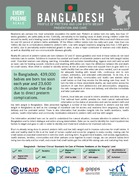
The information provided here can be used to understand the current situation, increase attention to preterm births in Rwanda and to inform dialogue and action among stakeholders. Data can be used to identify the most important risk factors to target and gaps in care in order to identify and impleme
...
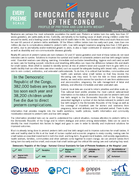
The information provided here can be used to understand the current situation, increase attention to preterm births in Rwanda and to inform dialogue and action among stakeholders. Data can be used to identify the most important risk factors to target and gaps in care in order to identify and impleme
...
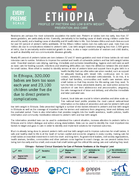
The information provided here can be used to understand the current situation, increase attention to preterm births in Rwanda and to inform dialogue and action among stakeholders. Data can be used to identify the most important risk factors to target and gaps in care in order to identify and impleme
...
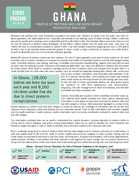
The information provided here can be used to understand the current situation, increase attention to preterm births in Rwanda and to inform dialogue and action among stakeholders. Data can be used to identify the most important risk factors to target and gaps in care in order to identify and impleme
...
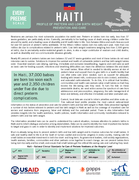
The information provided here can be used to understand the current situation, increase attention to preterm births in Rwanda and to inform dialogue and action among stakeholders. Data can be used to identify the most important risk factors to target and gaps in care in order to identify and impleme
...
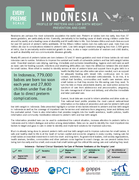
The information provided here can be used to understand the current situation, increase attention to preterm births in Rwanda and to inform dialogue and action among stakeholders. Data can be used to identify the most important risk factors to target and gaps in care in order to identify and impleme
...
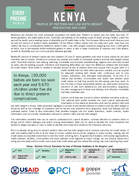
The information provided here can be used to understand the current situation, increase attention to preterm births in Rwanda and to inform dialogue and action among stakeholders. Data can be used to identify the most important risk factors to target and gaps in care in order to identify and impleme
...
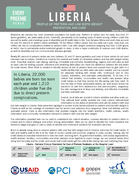
The information provided here can be used to understand the current situation, increase attention to preterm births in Rwanda and to inform dialogue and action among stakeholders. Data can be used to identify the most important risk factors to target and gaps in care in order to identify and impleme
...
The information provided here can be used to understand the current situation, increase attention to preterm births in Rwanda and to inform dialogue and action among stakeholders. Data can be used to identify the most important risk factors to target and gaps in care in order to identify and impleme
...
