
Filter
2204
Text search:
International
Medical
School
Initiative
Featured
142
621
Language
2119
59
33
32
15
13
8
6
3
2
2
2
2
2
2
1
1
1
1
1
1
1
1
1
1
1
1
1
1
1
1
Document type
1364
405
178
102
73
40
18
15
4
2
1
1
1
Countries
86
76
73
59
56
53
52
47
45
44
42
41
40
40
38
35
35
34
32
32
26
26
25
18
18
18
17
17
17
16
16
15
14
14
13
13
12
11
11
10
10
10
10
9
9
9
8
8
7
7
7
7
7
6
6
5
5
5
5
5
5
4
4
4
4
4
3
3
3
3
3
3
3
3
3
2
2
2
2
2
2
2
2
2
2
2
2
1
1
1
1
1
1
1
1
1
1
1
1
1
1
1
1
1
1
1
1
1
1
1
1
1
1
1
Authors & Publishers
240
112
103
65
63
63
60
46
35
22
18
15
14
14
13
10
10
10
10
10
9
9
8
8
8
8
8
7
7
6
6
6
6
6
6
6
6
6
6
6
6
5
5
5
5
5
5
5
5
5
5
5
5
5
5
5
4
4
4
4
4
4
4
4
4
4
4
4
4
4
4
4
4
4
4
4
4
4
4
4
4
4
4
4
4
4
4
4
3
3
3
3
3
3
3
3
3
3
3
3
3
3
3
3
3
3
3
3
3
3
3
3
3
3
3
3
3
3
3
3
3
3
3
3
3
3
3
3
3
3
3
3
3
2
2
2
2
2
2
2
2
2
2
2
2
2
2
2
2
2
2
2
2
2
2
2
2
2
2
2
2
2
2
2
2
2
2
2
2
2
2
2
2
2
2
2
2
2
2
2
2
2
2
2
2
2
2
2
2
2
2
2
2
2
2
2
2
2
2
2
2
2
2
2
2
2
2
2
2
2
2
2
2
2
2
2
2
2
2
2
2
2
2
2
2
2
2
2
2
2
2
2
2
2
2
2
2
2
2
2
2
2
2
2
2
2
2
2
2
2
2
2
2
2
2
2
2
2
2
2
2
2
2
2
1
1
1
1
1
1
1
1
1
1
1
1
1
1
1
1
1
1
1
1
1
1
1
1
1
1
1
1
1
1
1
1
1
1
1
1
1
1
1
1
1
1
1
1
1
1
1
1
1
1
1
1
1
1
1
1
1
1
1
1
1
1
1
1
1
1
1
1
1
1
1
1
1
1
1
1
1
1
1
1
1
1
1
1
1
1
1
1
1
1
1
1
1
1
1
1
1
1
1
1
1
1
1
1
1
1
1
1
1
1
1
1
1
1
1
1
1
1
1
1
1
1
1
1
1
1
1
1
1
1
1
1
1
1
1
1
1
1
1
1
1
1
1
1
1
1
1
1
1
1
1
1
1
1
1
1
1
1
1
1
1
1
1
1
1
1
1
1
1
1
1
1
1
1
1
1
1
1
1
1
1
1
1
1
1
1
1
1
1
1
1
1
1
1
1
1
1
1
1
1
1
1
1
1
1
1
1
1
1
1
1
1
1
1
1
1
1
1
1
1
1
1
1
1
1
1
1
1
1
1
1
1
1
1
1
1
1
1
1
1
1
1
1
1
1
1
1
1
1
1
1
1
1
1
1
1
1
1
1
1
1
1
1
1
1
1
1
1
1
1
1
1
1
1
1
1
1
1
1
1
1
1
1
1
1
1
1
1
1
1
1
1
1
1
1
1
1
1
1
1
1
1
1
1
1
1
1
1
1
1
1
1
1
1
1
1
1
1
1
1
1
1
1
1
1
1
1
1
1
1
1
1
1
1
1
1
1
1
1
1
1
1
1
1
1
1
1
1
1
1
1
1
1
1
1
1
1
1
1
1
1
1
1
1
1
1
1
1
1
1
1
1
1
1
1
1
1
1
1
1
1
1
1
1
1
1
1
1
1
1
1
1
1
1
1
1
1
1
1
1
1
1
1
1
1
1
1
1
1
1
1
1
1
1
1
1
1
1
1
1
1
1
1
1
1
1
1
1
1
1
1
1
1
1
1
1
1
1
1
1
1
1
1
1
1
1
1
1
1
1
1
1
1
1
1
1
1
1
1
1
1
1
1
1
1
1
1
1
1
1
1
1
1
1
1
1
1
1
1
1
1
1
1
1
1
1
1
1
1
1
1
1
1
1
1
1
1
1
1
1
1
1
1
1
1
1
1
1
1
1
1
1
1
1
1
1
1
1
1
1
1
1
1
1
1
1
1
1
1
1
1
1
1
1
1
1
1
1
1
1
1
1
1
1
1
1
1
1
1
1
1
1
1
1
1
1
1
1
1
1
1
1
1
1
1
1
1
1
1
1
1
1
1
1
1
1
1
1
1
1
1
1
1
1
1
1
1
1
1
1
1
1
1
1
1
1
1
1
1
1
1
1
1
1
1
1
1
1
1
1
1
1
1
1
1
1
1
1
1
1
1
1
1
1
1
1
1
1
1
1
1
1
1
1
1
1
1
1
1
1
1
1
1
1
1
1
1
1
1
1
1
1
1
1
1
1
1
1
1
1
1
1
1
1
1
1
1
1
1
1
1
1
1
1
1
1
1
1
1
1
1
1
1
1
1
1
1
1
1
1
1
1
1
1
1
1
1
1
1
1
1
1
1
1
1
1
1
1
1
1
1
1
1
1
1
1
1
1
1
1
1
1
1
1
1
1
1
1
1
1
1
1
1
1
1
1
1
1
1
1
1
1
1
1
1
1
1
1
1
1
1
1
1
1
1
1
1
1
1
1
1
1
1
1
1
1
1
1
1
1
1
1
1
1
1
1
1
1
1
1
1
1
1
1
1
1
1
1
1
1
1
1
1
1
1
1
1
1
1
1
1
1
1
1
1
1
1
1
1
1
1
1
1
1
1
1
1
1
1
1
1
1
1
1
1
1
1
1
1
1
1
1
1
1
1
1
1
1
1
1
1
1
1
1
1
1
1
1
1
1
1
1
1
1
1
1
1
1
1
1
1
1
1
1
1
1
1
1
1
1
1
1
1
1
1
1
1
1
1
1
1
1
1
1
1
1
1
1
1
1
1
1
1
1
1
1
1
1
1
1
1
1
1
1
1
1
1
1
1
1
1
1
1
1
1
1
1
1
1
1
1
1
1
1
1
1
1
1
1
1
1
1
1
1
1
1
1
1
1
1
1
1
1
1
1
1
1
1
1
1
1
1
1
1
1
1
1
1
1
1
1
1
1
1
1
1
1
1
1
1
1
1
1
1
1
1
1
1
1
1
1
1
1
1
1
1
1
1
1
1
1
1
1
1
1
1
1
1
1
1
1
1
1
1
1
1
1
1
1
1
1
1
1
1
1
1
1
1
1
1
1
1
1
1
1
1
1
1
1
1
1
1
1
1
1
1
1
1
1
1
1
1
1
1
1
1
1
1
1
1
1
1
1
1
1
1
1
1
1
1
1
1
1
1
1
1
1
1
1
1
1
1
1
1
1
1
1
1
1
1
1
1
1
1
1
1
1
1
1
1
1
1
1
1
1
1
1
1
1
1
1
1
1
1
1
1
1
1
1
1
1
1
1
1
1
1
1
1
1
1
1
1
1
1
1
1
1
1
1
1
1
1
1
1
1
1
1
1
1
1
1
1
1
1
1
1
1
1
1
1
1
1
1
1
1
1
1
1
1
1
1
1
1
1
1
1
1
1
1
1
1
1
1
1
1
1
1
1
1
1
1
1
1
1
1
1
1
1
1
1
1
1
1
1
1
1
1
1
1
1
1
1
1
1
1
1
1
1
1
1
1
1
1
1
1
1
1
1
1
1
1
1
1
1
1
1
1
1
1
1
1
1
1
1
1
1
1
1
1
1
1
1
1
1
1
1
1
1
1
1
1
1
1
1
1
1
1
1
1
1
1
1
1
1
1
1
1
1
1
1
1
1
1
1
1
1
1
1
1
1
1
1
1
1
1
1
1
1
1
1
1
1
1
1
1
1
1
1
1
1
1
1
1
1
1
1
1
1
1
1
1
1
1
1
1
1
1
1
1
1
1
1
1
1
1
1
1
1
1
1
1
1
1
1
1
1
1
1
1
1
1
1
1
1
1
1
1
1
1
1
1
1
1
1
1
1
1
1
1
1
1
1
1
1
1
1
1
1
1
1
1
1
1
1
1
1
1
1
1
1
1
1
1
1
1
1
1
1
1
1
1
1
1
1
1
1
1
1
1
1
1
1
1
1
1
1
1
1
1
1
1
1
1
1
1
1
1
1
1
1
1
1
1
1
1
1
1
1
1
1
1
1
1
1
1
1
1
1
1
1
1
1
1
1
1
1
1
1
1
1
1
1
1
1
1
1
1
1
1
1
1
1
1
1
1
1
1
1
1
1
1
1
1
1
1
1
1
1
1
1
1
1
1
1
1
1
1
1
1
1
1
1
1
1
1
1
1
1
1
1
1
1
1
1
1
1
1
1
1
1
1
1
1
1
1
1
1
1
1
1
1
1
1
1
1
1
1
1
1
1
1
1
1
1
1
1
1
1
1
1
1
1
1
1
1
1
1
1
1
1
1
1
1
1
1
1
1
1
1
1
1
1
1
1
1
1
1
1
1
1
1
1
1
1
1
1
1
1
1
1
1
1
1
1
1
1
1
1
1
1
1
1
1
1
1
1
1
1
1
1
1
1
1
1
1
1
1
1
1
1
1
1
1
1
1
1
1
1
1
1
1
1
1
1
1
1
1
1
1
1
1
1
1
1
1
1
1
1
1
1
1
1
1
1
1
1
1
1
1
1
1
1
1
1
1
1
1
1
1
1
1
1
1
1
1
1
1
1
1
1
1
1
1
1
1
1
1
1
1
1
1
1
1
1
1
1
1
1
1
1
1
1
1
1
1
1
1
1
1
1
1
1
1
1
1
1
1
1
1
1
1
1
1
1
1
1
1
1
1
1
1
1
1
1
1
1
1
1
1
1
1
1
1
1
1
1
1
1
1
1
1
1
1
1
1
1
1
1
1
1
1
1
1
1
1
1
1
1
1
1
1
1
1
1
1
1
1
1
1
1
1
1
1
1
1
1
1
1
1
1
1
1
1
1
1
1
1
1
1
1
1
1
1
1
1
1
1
1
1
1
1
1
1
1
1
1
1
1
1
1
1
1
1
1
1
1
1
1
1
1
1
1
1
1
1
1
1
1
1
1
1
1
1
1
1
1
1
1
1
1
1
1
1
1
1
1
1
1
1
1
1
1
1
1
1
1
1
1
1
1
1
1
1
1
1
1
1
1
1
1
1
1
1
1
1
1
1
1
1
1
1
1
1
1
1
1
1
1
1
1
1
1
1
1
1
1
1
1
1
1
1
1
1
1
1
1
1
1
1
1
1
1
1
1
1
1
1
1
1
1
1
1
1
1
1
1
1
1
1
1
1
1
1
1
1
1
1
1
1
1
1
1
1
1
1
1
1
1
1
1
1
1
1
1
1
1
1
1
1
1
1
1
1
1
1
1
1
1
1
1
1
1
1
1
1
1
1
1
1
1
1
1
1
1
1
1
1
1
1
1
1
1
1
1
1
1
1
1
1
1
1
1
1
Publication Years
501
1451
241
11
Category
875
153
146
111
63
29
8
1
1
1
Toolboxes
193
192
172
123
75
64
63
62
56
52
47
43
42
39
38
34
27
21
11
8
5
4
3
1
1
WHO published the first COVID-19 Strategic Response and Preparedness Plan (SPRP) on 3 February, 2020. This report highlights the main points of progress that were made up to 30 June 2020 under the three objectives outlined in the SPRP: scaling up internati
...
onal coordination and support; scaling up country preparedness and response by pillar; and accelerating research and innovation. The report also discusses some of the key challenges faced so far, and provides an update on the resource requirements for the next phase of WHO’s response as part of an unprecedented whole-of-UN approach to the pandemic.
more

Healthy maternal nutrition, exclusive breastfeeding, and optimal infant and young child nutrition are critical for appropriate growth and development, as well as reducing the risk of developing noncommunicable diseases (NCDs), for both mothers and children. On 7–8 November 2018 the WHO Regional Of
...
fice for Europe convened an international conference of key stakeholders to discuss good practices and share experiences on these important issues.
more
On 9 February 2021, a first webinar entitled “Expanding our understanding of Post COVID-19 condition” was held under the auspices of WHO and in consultation with the International Severe Acute Respiratory and Emerging Infection Consortium(ISARIC
...
), Global Research Collaboration for Infectious Disease Preparedness (GloPID-R), National Institutes of Health/National Institute of Allergy and Infectious Diseases(NIH/NIAID), Long Covid SOS and patient representatives.
more
The toolkit provides practical guidance and tools that can support efforts, including planning and implementation activities, to create dementia-inclusive societies.
The toolkit is divided into two parts. Part I contains background information and a conceptual framework for creating dementia-incl
...
usive societies. Part II includes four practical modules, each featuring a series of practical steps and exercises. The four modules focus on: starting a new dementia-friendly initiative (DFI), integrating dementia into an existing initiative, monitoring and evaluation a DFI, and scaling a DFI. The modules can be used together or separately and offer guidance that can be adapted to suit local needs and settings.
more
The health and socioeconomic crisis triggered by the COVID-19 pandemic has hit the countries of Latin America hard and laid bare the profound inequities about which numerous international, regional and national reports have sounded warnings in recen
...
t decades. In this context, the historical political and economic exclusion and marginalization of the more than 800 indigenous peoples in the region has been accentuated as a result of insufficient State responses to the crisis, which have not adequately considered the collective rights of these peoples and have had little cultural relevance.
This document provides an overview of the situation of indigenous peoples in the region in the face of the COVID-19 pandemic. It analyses both the State’s and indigenous peoples’ own responses to the crisis, as well as offering a set of recommendations to rectify the neglect of these peoples in the management of the pandemic, centring on their collective rights.
more
Cancer in sub-Saharan Africa
recommended
Lancet Oncol 2022; 23: e251–312Published OnlineMay 9, 2022 https://doi.org/10.1016/S1470-2045(21)00720-8
In sub-Saharan Africa (SSA), urgent action is needed to curb a growing crisis in cancer incidence and mortality.
Without rapid interventions, data estimates show a major increase in cancer mo
...
rtality from 520 348 in 2020 to about
1 million deaths per year by 2030. Here, we detail the state of cancer in SSA, recommend key actions on the basis of
analysis, and highlight case studies and successful models that can be emulated, adapted, or improved across the
region to reduce the growing cancer crises. Recommended actions begin with the need to develop or update national
cancer control plans in each country. Plans must include childhood cancer plans, managing comorbidities such as
HIV and malnutrition, a reliable and predictable supply of medication, and the provision of psychosocial, supportive,
and palliative care. Plans should also engage traditional, complementary, and alternative medical practices employed
by more than 80% of SSA populations and pathways to reduce missed diagnoses and late referrals. More substantial
investment is needed in developing cancer registries and cancer diagnostics for core cancer tests.
more
The "Questions and Answers on Prevention and control of Alcohol related harm" has been developed by WHO country office in Viet Nam with technical contribution from national and international experts in the field. This publication provides scientific
...
evidences on harms of alcohol use to the health of users as well as to others and society at large. It provides WHO recommendations for the most effective prevention measures in Viet Nam and will also help answer questions that policy makers may have on how to develop effective policies for prevention and control of alcohol related harms.
more
Global Vaccine Summit 2020 - Chair’s Summary
Global Alliance for Vaccines and Immunisation (Gavi)
Global Alliance for Vaccines and Immunisation (Gavi)
(2020)
CC
The UK government hosted the Global Vaccine Summit on June 4, 2020 under the patronage of the Rt. Hon. Boris Johnson, Prime Minister of the United Kingdom of Great Britain and Northern Ireland. The meeting was held by videoconference in light of the ongoing COVID-19 pandemic. 2. The Summit brought
...
together more than 300 people, including 42 Heads of State and Government. 62 countries were represented, notably 14 Gavi implementing countries, all of the G7 nations and 19 governments of the G20. Eminent participants also included H.E. Antonio Guterres, Secretary-General of the United Nations; H.E. Moussa Faki Mahamat, Chairperson of the African Union Commission; H.E. Dr Tedros Adhanom Ghebreyesus, WHO Director-General; H.E. Henrietta Fore, UNICEF Executive Director; Bill Gates, Co-Chair of the Bill & Melinda Gates Foundation; Ministers from implementing and donor countries; CEOs of vaccine manufacturing companies and private sector partners; leaders of UN and other international agencies; senior civil society representatives; and Gavi champions. A full list of the participants can be found in Annex.
more
The aim of the present paper is to review capacity building in public health nutrition (PHN), the need for which has been stressed for many years by a range of academics, national and international organisations. Although great strides have been mad
...
e worldwide in the science of nutrition, there remain many problems of undernutrition and increasingly of obesity and related chronic diseases. The main emphasis in capacity building has been on the nutrition and health workforce, but the causes of these health problems are multifactorial and require collaboration across sectors in their solution. This means that PHN capacity building has to go beyond basic nutrition and beyond the immediate health workforce to policy makers in other sectors. The present paper provides examples of capacity building activities by various organisations, including universities, industry and international agencies. Examples of web-based courses are given including an introduction to the e-Nutrition Academy. The scope is international but with a special focus on Africa. In conclusion, there remains a great need for capacity building in PHN but the advent of the internet has revolutionised the possibilities.
more
The Global Asthma Report (GAR) 2022, prepared by the Global Asthma Network (GAN), is the fourth such report (others 2011, 2014, 2018). GAN builds upon the work of the International Study of Asthma and Allergies in Childhood (ISAAC) and The
...
International Union Against Tuberculosis and Lung Disease (The Union) to monitor asthma and improve asthma care, particularly in low- and middle-income countries (LMICs).
more
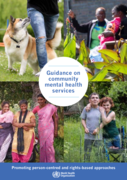
The WHO Guidance on community mental health services: Promoting person-centred and rights-based approaches document is part of the WHO Guidance and technical packages on community mental health services set of publications. It provides a detailed description of person-centred and human rights-based
...
approaches in mental health, and summary examples of good practice services around the world. It describes the linkages needed with housing, education, employment and social protection sectors, and presents examples of integrated regional and national networks of community-based mental health services. Specific recommendations and action steps are presented for developing community mental health services that respect human rights and focus on recovery. This comprehensive document is accompanied by a set of seven technical packages focused on specific categories of mental health services and guidance for setting up new services.
The WHO Guidance on community mental health services: Promoting person-centred and rights-based approaches is a set of publications that provides information and support to all stakeholders who wish to develop or transform their mental health system and services to align with international human rights standards including the UN Convention on the Rights of Persons with Disabilities.
more
Guide for coordinators and data collectors - The WHO Operational Package for Assessing, Monitoring and Evaluating Country Pharmaceutical Situations is intended as a useful tool for researchers, policy-makers, planners and others who need to use standardized measurement tools to gather data and other
...
information. In addition, the operational package can be used by international agencies and donors, by professional groups and nongovernmental organizations (NGOs).
more

Early Childhood Matters is a journal about early childhood. It looks at specific issues regarding the development of young children, in particular from a psychosocial perspective. It is published twice per year by the Bernard van Leer Foundation.
On Page 54 of this issue the article titled: "Par
...
enting in times of war: supporting caregivers and children in crisis" can be found. In this article: Humanitarian interventions to support and guide parents and caregivers in times of war can mitigate the negative effects of violence and chaos on children and promote their resilience and development. This article highlights recent findings from the International Rescue Committee’s parenting programmes in Syria, underscoring the importance of such programmes not only in strengthening caregiving practices but also in addressing the psychological needs of parents.
more

An estimated 1.3 billion people – or 16% of global population worldwide – experience a significant disability today. Persons with disabilities have the right to the highest attainable standard of health as those without disabilities. However, the WHO Global report on health equity for persons w
...
ith disabilities demonstrates that while some progress has been made in recent years, the world is still far from realizing this right for many persons with disabilities who continue to die earlier, have poorer health, and experience more limitations in everyday functioning than others. These poor health outcomes are due to unfair conditions faced by persons with disabilities in all facets of life, including in the health system itself. Countries have an obligation under international human rights law to address the health inequities faced by persons with disabilities. Furthermore, the Sustainable Development Goals and global health priorities will not progress without ensuring health for all.
more

The development of this Operational Roadmap has been driven by a growing consensus in Ukraine on the need to prioritize activities that are urgently required to address the mental health and psychosocial needs of the country’s population and also the importance of basing the response on existing s
...
tructures, resources and innovations introduced in reforms in past years.
According to this consensus, new resources mobilized by and for Ukraine should complement existing ones, in line with the national vision and with best international standards, and should be planned in a way that further strengthens the country’s mental health system.
The Government of Ukraine is committed to urgently addressing the mental health and psychosocial needs of the population, under the auspices of the First Lady of Ukraine and the leadership of the recently established Intersectoral Coordination Council for Mental Health and Psychological Assistance to Victims of the Armed Aggression of the Russian Federation against Ukraine (referred to in this document as the Intersectoral Coordination Council).
This Roadmap has been developed following a series of consultations with Ukrainian authorities and national and international agencies working in the area of mental health and psychosocial support (MHPSS) and engaged in emergency response in Ukraine. The consultation process was organized by the Ministry of Health of Ukraine (MOH) and supported by WHO Ukraine, under the auspices of the First Lady of Ukraine and in collaboration with the MHPSS Technical Working Group of Ukraine (MHPSS TWG Ukraine) and the IASC MHPSS Reference Group (IASC MHPSS RG), and building on substantial advances in the mental health sector under existing programmes in the country.
The Roadmap is informed by international technical guidance and national policies and plans, including the IASC Guidelines on MHPSS in Emergency Settings, the Minimum Services Package for MHPSS in Emergencies (MHPSS MSP), the IASC Common Monitoring and Evaluation Framework, the World Health Organization (WHO)’s Comprehensive Mental Health Action Plan 2013– 2030, the WHO European Framework for Action on Mental Health, the Concept for Development of Mental Health Care in Ukraine until 2030, the National Mental Health Action Plan for 2021–2023 and the National Recovery and Development Plan.
Informed by the overall goal of MHPSS assistance in Ukraine – to reduce suffering and improve the mental health and psychosocial well-being of the affected population – the Roadmap aims to provide a consolidated overview of envisioned MHPSS priorities, informed by the local context and the vision of the Government of Ukraine together with national and international partners, and with the best available evidence and resources, to all MHPSS stakeholders already engaged in or joining emergency response and recovery efforts in Ukraine.
As well as information on the context in Ukraine, the Roadmap includes:
• a list of evidence-based MHPSS interventions and services contextualized and introduced in Ukraine in recent years (described in Table 1) and
• a set of multisectoral actions to scale up MHPSS services in both the short and longer terms, informed by available evidence, international technical guidance and expert consensus (described in Table 2).
more
The 10 recommendations in the COP26 Special Report on Climate Change and Health propose a set of priority actions from the global health community to governments and policy makers, calling on them to act with urgency on the current climate and health crises.
The recommendations were developed in
...
consultation with over 150 organizations and 400 experts and health professionals. They are intended to inform governments and other stakeholders ahead of the 26th Conference of the Parties (COP26) of the United Nations Framework Convention on Climate Change (UNFCCC) and to highlight various opportunities for governments to prioritize health and equity in the international climate movement and sustainable development agenda. Each recommendation comes with a selection of resources and case studies to help inspire and guide policymakers and practitioners in implementing the suggested solutions
more
These consolidated guidelines on HIV testing services (HTS) bring together existing and new guidance on HTS across different settings and populations.
The World Health Organization (WHO) first released consolidated guidelines on HTS in 2015, in response to requests from Member States, national pr
...
ogramme managers and health workers for support to achieve the United Nations (UN) 90–90–90 global HIV targets – and specifically the first target of diagnosing 90% of all people with HIV. In 2016, based on new evidence, WHO released a supplement to address important new HIV testing approaches – HIV self-testing (HIVST) and provider-assisted referral.
Since the release of 2015 and 2016 HTS guidelines, new issues and more evidence have emerged. To address this, WHO has updated guidance on HIV testing services. In this guideline, WHO updates recommendation on HIVST and provides new recommendations on social network-based HIV testing approaches and western blotting (see box, next page). This guideline seeks to provide support to Member States, programme managers, health workers and other stakeholders seeking to achieve national and international goals to end the HIV epidemic as a public health threat by 2030.
These guidelines also provide operational guidance on HTS demand creation and messaging; implementation considerations for priority populations; HIV testing strategies for diagnosis HIV; optimizing the use of dual HIV/syphilis rapid diagnostic tests; and considerations for strategic planning and rationalizing resources such as optimal time points for maternal retesting
more
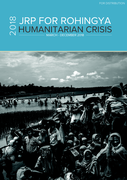
March - December 2018
The Government of Bangladesh has kept its borders open to Rohingya refugees and leads the humanitarian response. The people of Bangladesh continue to show tremendous generosity and hospitality in the face of a massive influx. In keeping with its policies, the Government of Ban
...
gladesh refers to the Rohingya as “Forcibly Displaced Myanmar Nationals”, in the present context. The UN system refers to this population as refugees, in line with the applicable international framework for protection and solutions, and the resulting accountabilities for the country of origin and asylum as well as the international community as a whole. In support of these efforts, the humanitarian community has rapidly scaled up its operations as well. Over a two-month period, the refugee population in Cox’s Bazar more than quadrupled.
more

In recent years, Rwanda has been on the fast track to achieve major health improvements for its entire population. With the support of government agencies and various non-governmental partners, the Ministry of Health (MoH) has endeavored to decentralize Rwanda’s health system and bring health serv
...
ices closer to the people. Guided by multitude of national and international development frameworks, Rwanda’s healthcare successes include the establishment of a community health insurance scheme (mutuelle de santé), a system of cooperative-financed community health workers in every village, and interventions for researching, preventing, and treating diseases like HIV/AIDS, TB, and malaria.
As the MoH continues to design innovative means to reach and surpass its prescribed health outcome targets, it will hold as core principles the integration of service provision, the increase in healthcare capacity, and the attainment of sustainable funding sources. Rwanda is committed to achieving the Millennium Development Goals by 2015 and has declared Family Planning (FP) a national priority for poverty reduction and socioeconomic development of the country. Modern contraceptive use has more than quadrupled from 2005 to 2010, rising from 10% to 45%, but the government’s Economic Development and Poverty Reduction Strategy calls for an increase the modern contraceptive prevalence to 70% by 2016. While structural changes in health care and supply chains have led to noteworthy improvements in FP and other services, there are still many challenges that must be overcome. As such, a strategic plan is needed to coordinate FP efforts around a well-defined set of objectives and responsibilities.
more

This working paper is a case study on South Sudan as an important refugee country of origin. The case study looks at issues of forced displacement in South Sudan and underscores the linkages between internally displaced persons and South Sudanese refugees. The case study highlights the importance of
...
understanding local contexts and root drivers of conflict and displacement. It reviews evaluations of programmes in South Sudan, including past efforts at state building and refugee resettlement to look at learning within the international community. The study was undertaken as part of a wider research project on learning from evaluations to improve responses to situations of forced displacement .
more
