
Filter
4188
Text search:
medical
professionals
Featured
387
1009
Language
4055
100
86
65
61
33
33
27
14
13
11
10
10
9
9
8
6
6
6
5
5
5
5
4
4
4
4
4
4
3
3
3
3
3
3
3
3
2
2
2
2
2
2
2
2
2
2
2
1
1
1
1
1
1
1
1
1
1
1
1
1
1
1
1
Document type
2391
616
556
273
123
82
68
33
16
14
7
4
3
Countries
163
131
130
117
112
111
90
83
76
65
64
63
58
54
54
54
52
45
41
40
39
39
35
34
30
30
27
24
23
23
21
21
20
20
20
19
19
18
18
17
17
17
16
15
15
15
15
15
14
13
13
12
12
11
9
9
9
9
8
8
8
8
8
8
7
7
7
6
6
6
6
5
5
5
5
5
5
4
4
4
4
4
4
3
3
3
3
3
3
3
3
3
3
3
3
3
2
2
2
2
2
2
2
2
2
2
2
2
2
2
2
2
2
2
2
1
1
1
1
1
1
1
1
1
1
1
1
1
1
1
1
1
1
Authors & Publishers
544
207
184
132
107
84
66
58
55
41
31
29
25
24
23
21
20
19
19
19
18
16
16
16
15
14
13
13
12
12
12
12
12
11
11
11
11
11
10
10
10
10
10
10
9
9
9
9
9
9
9
9
9
9
9
8
8
8
8
8
8
8
8
7
7
7
7
7
7
7
7
7
7
7
7
7
6
6
6
6
6
6
6
6
6
6
6
6
6
6
6
6
6
6
6
6
6
6
6
6
5
5
5
5
5
5
5
5
5
5
5
5
5
5
5
5
5
5
5
5
5
5
5
5
4
4
4
4
4
4
4
4
4
4
4
4
4
4
4
4
4
4
4
4
4
4
4
4
4
4
4
4
4
4
4
4
4
4
4
4
4
4
4
4
4
4
4
4
3
3
3
3
3
3
3
3
3
3
3
3
3
3
3
3
3
3
3
3
3
3
3
3
3
3
3
3
3
3
3
3
3
3
3
3
3
3
3
3
3
3
3
3
3
3
3
3
3
3
3
3
3
3
3
3
3
3
3
3
3
3
3
3
3
3
3
3
3
3
3
3
3
3
3
3
3
3
3
3
3
3
3
3
3
3
3
3
2
2
2
2
2
2
2
2
2
2
2
2
2
2
2
2
2
2
2
2
2
2
2
2
2
2
2
2
2
2
2
2
2
2
2
2
2
2
2
2
2
2
2
2
2
2
2
2
2
2
2
2
2
2
2
2
2
2
2
2
2
2
2
2
2
2
2
2
2
2
2
2
2
2
2
2
2
2
2
2
2
2
2
2
2
2
2
2
2
2
2
2
2
2
2
2
2
2
2
2
2
2
2
2
2
2
2
2
2
2
2
2
2
2
2
2
2
2
2
2
2
2
2
2
2
2
2
2
2
2
2
2
2
2
2
2
2
2
2
2
2
2
2
2
2
2
2
2
2
2
2
2
2
2
2
2
2
2
2
2
2
2
2
2
2
2
2
2
2
2
2
2
2
2
2
2
2
2
2
2
2
2
2
2
2
2
2
2
2
2
2
2
2
2
2
2
2
2
2
2
2
2
2
2
2
2
2
2
2
2
2
2
2
2
2
2
2
2
2
2
2
2
2
2
2
2
2
2
2
2
2
2
2
2
2
2
2
2
2
2
2
1
1
1
1
1
1
1
1
1
1
1
1
1
1
1
1
1
1
1
1
1
1
1
1
1
1
1
1
1
1
1
1
1
1
1
1
1
1
1
1
1
1
1
1
1
1
1
1
1
1
1
1
1
1
1
1
1
1
1
1
1
1
1
1
1
1
1
1
1
1
1
1
1
1
1
1
1
1
1
1
1
1
1
1
1
1
1
1
1
1
1
1
1
1
1
1
1
1
1
1
1
1
1
1
1
1
1
1
1
1
1
1
1
1
1
1
1
1
1
1
1
1
1
1
1
1
1
1
1
1
1
1
1
1
1
1
1
1
1
1
1
1
1
1
1
1
1
1
1
1
1
1
1
1
1
1
1
1
1
1
1
1
1
1
1
1
1
1
1
1
1
1
1
1
1
1
1
1
1
1
1
1
1
1
1
1
1
1
1
1
1
1
1
1
1
1
1
1
1
1
1
1
1
1
1
1
1
1
1
1
1
1
1
1
1
1
1
1
1
1
1
1
1
1
1
1
1
1
1
1
1
1
1
1
1
1
1
1
1
1
1
1
1
1
1
1
1
1
1
1
1
1
1
1
1
1
1
1
1
1
1
1
1
1
1
1
1
1
1
1
1
1
1
1
1
1
1
1
1
1
1
1
1
1
1
1
1
1
1
1
1
1
1
1
1
1
1
1
1
1
1
1
1
1
1
1
1
1
1
1
1
1
1
1
1
1
1
1
1
1
1
1
1
1
1
1
1
1
1
1
1
1
1
1
1
1
1
1
1
1
1
1
1
1
1
1
1
1
1
1
1
1
1
1
1
1
1
1
1
1
1
1
1
1
1
1
1
1
1
1
1
1
1
1
1
1
1
1
1
1
1
1
1
1
1
1
1
1
1
1
1
1
1
1
1
1
1
1
1
1
1
1
1
1
1
1
1
1
1
1
1
1
1
1
1
1
1
1
1
1
1
1
1
1
1
1
1
1
1
1
1
1
1
1
1
1
1
1
1
1
1
1
1
1
1
1
1
1
1
1
1
1
1
1
1
1
1
1
1
1
1
1
1
1
1
1
1
1
1
1
1
1
1
1
1
1
1
1
1
1
1
1
1
1
1
1
1
1
1
1
1
1
1
1
1
1
1
1
1
1
1
1
1
1
1
1
1
1
1
1
1
1
1
1
1
1
1
1
1
1
1
1
1
1
1
1
1
1
1
1
1
1
1
1
1
1
1
1
1
1
1
1
1
1
1
1
1
1
1
1
1
1
1
1
1
1
1
1
1
1
1
1
1
1
1
1
1
1
1
1
1
1
1
1
1
1
1
1
1
1
1
1
1
1
1
1
1
1
1
1
1
1
1
1
1
1
1
1
1
1
1
1
1
1
1
1
1
1
1
1
1
1
1
1
1
1
1
1
1
1
1
1
1
1
1
1
1
1
1
1
1
1
1
1
1
1
1
1
1
1
1
1
1
1
1
1
1
1
1
1
1
1
1
1
1
1
1
1
1
1
1
1
1
1
1
1
1
1
1
1
1
1
1
1
1
1
1
1
1
1
1
1
1
1
1
1
1
1
1
1
1
1
1
1
1
1
1
1
1
1
1
1
1
1
1
1
1
1
1
1
1
1
1
1
1
1
1
1
1
1
1
1
1
1
1
1
1
1
1
1
1
1
1
1
1
1
1
1
1
1
1
1
1
1
1
1
1
1
1
1
1
1
1
1
1
1
1
1
1
1
1
1
1
1
1
1
1
1
1
1
1
1
1
1
1
1
1
1
1
1
1
1
1
1
1
1
1
1
1
1
1
1
1
1
1
1
1
1
1
1
1
1
1
1
1
1
1
1
1
1
1
1
1
1
1
1
1
1
1
1
1
1
1
1
1
1
1
1
1
1
1
1
1
1
1
1
1
1
1
1
1
1
1
1
1
1
1
1
1
1
1
1
1
1
1
1
1
1
1
1
1
1
1
1
1
1
1
1
1
1
1
1
1
1
1
1
1
1
1
1
1
1
1
1
1
1
1
1
1
1
1
1
1
1
1
1
1
1
1
1
1
1
1
1
1
1
1
1
1
1
1
1
1
1
1
1
1
1
1
1
1
1
1
1
1
1
1
1
1
1
1
1
1
1
1
1
1
1
1
1
1
1
1
1
1
1
1
1
1
1
1
1
1
1
1
1
1
1
1
1
1
1
1
1
1
1
1
1
1
1
1
1
1
1
1
1
1
1
1
1
1
1
1
1
1
1
1
1
1
1
1
1
1
1
1
1
1
1
1
1
1
1
1
1
1
1
1
1
1
1
1
1
1
1
1
1
1
1
1
1
1
1
1
1
1
1
1
1
1
1
1
1
1
1
1
1
1
1
1
1
1
1
1
1
1
1
1
1
1
1
1
1
1
1
1
1
1
1
1
1
1
1
1
1
1
1
1
1
1
1
1
1
1
1
1
1
1
1
1
1
1
1
1
1
1
1
1
1
1
1
1
1
1
1
1
1
1
1
1
1
1
1
1
1
1
1
1
1
1
1
1
1
1
1
1
1
1
1
1
1
1
1
1
1
1
1
1
1
1
1
1
1
1
1
1
1
1
1
1
1
1
1
1
1
1
1
1
1
1
1
1
1
1
1
1
1
1
1
1
1
1
1
1
1
1
1
1
1
1
1
1
1
1
1
1
1
1
1
1
1
1
1
1
1
1
1
1
1
1
1
1
1
1
1
1
1
1
1
1
1
1
1
1
1
1
1
1
1
1
1
1
1
1
1
1
1
1
1
1
1
1
1
1
1
1
1
1
1
1
1
1
1
1
1
1
1
1
1
1
1
1
1
1
1
1
1
1
1
1
1
1
1
1
1
1
1
1
1
1
1
1
1
1
1
1
1
1
1
1
1
1
1
1
1
1
1
1
1
1
1
1
1
1
1
1
1
1
1
1
1
1
1
1
1
1
1
1
1
1
1
1
1
1
1
1
1
1
1
1
1
1
1
1
1
1
1
1
1
1
1
1
1
1
1
1
1
1
1
1
1
1
1
1
1
1
1
1
1
1
1
1
1
1
1
1
1
1
1
1
1
1
1
1
1
1
1
1
1
1
1
1
1
1
1
1
1
1
1
1
1
1
1
1
1
1
1
1
1
1
1
1
1
1
1
1
1
1
1
1
1
1
1
1
1
1
1
1
1
1
1
1
1
1
1
1
1
1
1
1
1
1
1
1
1
1
1
1
1
1
1
1
1
1
1
1
1
1
1
1
1
1
1
1
1
1
1
1
1
1
1
1
1
1
1
1
1
1
1
1
1
1
1
1
1
1
1
1
1
1
1
1
1
1
1
1
1
1
1
1
1
1
1
1
1
1
1
1
1
1
1
1
1
1
1
1
1
1
1
1
1
1
1
1
1
1
1
1
1
1
1
1
1
1
1
1
1
1
1
1
1
1
1
1
1
1
1
1
1
1
1
1
1
1
1
1
1
1
1
1
1
1
1
1
1
1
1
1
1
1
1
1
1
1
1
1
1
1
1
1
1
1
1
1
1
1
1
1
1
1
1
1
1
1
1
1
1
1
1
1
1
1
1
1
1
1
1
1
1
1
1
1
1
1
1
1
1
1
1
1
1
1
1
1
1
1
1
1
1
1
1
1
1
1
1
1
1
1
1
1
1
1
1
1
1
1
1
1
1
1
1
1
1
1
1
1
1
1
1
1
1
1
1
1
1
1
1
1
1
1
1
1
1
1
1
1
1
1
1
1
1
1
1
1
1
1
1
1
1
1
1
1
1
1
1
1
1
1
1
1
1
1
1
1
1
1
1
1
1
1
1
1
1
1
1
1
1
1
1
1
1
1
1
1
1
1
1
1
1
1
1
1
1
1
1
1
1
1
1
1
1
1
1
1
1
1
1
1
1
1
1
1
1
1
1
1
1
1
1
1
1
1
1
1
1
1
1
1
1
1
1
1
1
1
1
1
1
1
1
1
1
1
1
1
1
1
1
1
1
1
1
1
1
1
1
1
1
1
1
1
1
1
1
1
1
1
1
1
1
1
1
1
1
1
1
1
1
1
1
1
1
1
1
1
1
1
1
1
1
1
1
1
1
1
1
1
1
1
1
1
1
1
1
1
1
1
1
1
1
1
1
1
1
1
1
1
1
1
1
1
1
1
1
1
1
1
1
1
1
1
1
1
1
1
1
1
1
1
1
1
1
1
1
1
1
1
1
1
1
1
1
1
1
1
1
1
1
1
1
1
1
1
1
1
1
1
1
1
1
1
1
1
1
1
1
1
1
1
1
1
1
1
1
1
1
1
1
1
1
1
1
1
1
1
1
1
1
1
1
1
1
1
1
1
1
1
1
1
1
1
1
1
1
1
1
1
1
1
1
1
1
1
1
1
1
1
1
1
1
1
1
1
1
1
1
1
1
1
1
1
1
1
1
1
1
1
1
1
1
1
1
1
1
1
1
1
1
1
1
1
1
1
1
1
1
1
1
1
1
1
1
1
1
1
1
1
1
1
1
1
1
1
1
1
1
1
1
1
1
1
1
1
1
1
1
1
1
1
1
1
1
1
1
1
1
1
1
1
1
1
1
1
1
1
1
1
1
1
1
1
1
1
1
1
1
1
1
1
1
1
1
1
1
1
1
1
1
1
1
1
1
1
1
1
1
1
1
1
1
1
1
1
1
1
1
1
1
1
1
1
1
1
1
1
1
1
1
1
1
1
1
1
1
1
1
1
1
1
1
1
1
1
1
1
1
1
1
1
1
1
1
1
1
1
1
1
1
1
1
1
1
1
1
1
1
1
1
1
1
1
1
1
1
1
1
1
1
1
1
1
1
1
1
1
1
1
1
1
1
1
1
1
1
1
1
1
1
1
1
1
1
1
1
1
1
1
1
1
1
1
1
1
1
1
1
1
1
1
1
1
1
1
1
1
1
1
1
1
1
1
1
1
1
1
1
1
1
1
1
1
1
1
1
1
1
1
1
1
1
1
1
1
1
1
1
1
1
1
1
1
1
1
1
1
1
1
1
1
1
1
1
1
1
1
1
1
1
1
1
1
1
1
1
1
1
1
1
1
1
1
1
1
1
1
1
1
1
1
1
1
1
1
1
1
1
1
1
1
1
1
1
1
1
1
1
1
1
1
1
1
1
1
1
1
1
1
1
1
1
1
1
1
1
1
1
1
1
1
1
1
1
1
1
1
1
1
1
1
1
1
1
1
1
1
1
1
1
1
1
1
1
1
1
1
1
1
1
1
1
1
1
1
1
1
1
1
1
1
1
1
1
1
1
1
1
1
1
1
1
1
1
1
1
1
1
1
1
1
1
1
1
1
1
1
1
1
1
1
1
1
1
1
1
1
1
1
1
1
1
1
1
1
1
1
1
1
1
1
1
1
1
1
1
1
1
1
1
1
1
1
1
1
1
1
1
1
1
1
1
1
1
1
1
1
1
1
1
1
1
1
1
1
1
1
1
1
1
1
1
1
1
1
1
1
1
1
1
1
1
1
1
1
1
1
1
1
1
1
1
1
1
1
1
1
1
1
1
1
1
1
1
1
1
1
1
1
1
1
1
1
1
1
1
1
1
1
1
1
1
1
1
1
1
1
1
1
1
1
1
1
1
1
1
1
1
1
1
1
1
1
1
1
1
1
1
1
1
1
1
1
1
1
1
1
1
1
1
1
1
1
1
1
1
1
1
1
1
1
1
1
1
1
1
1
1
1
1
1
1
1
1
1
1
1
1
1
1
1
1
1
1
1
1
1
1
1
1
1
1
1
1
1
1
1
1
1
1
1
1
1
1
1
1
1
1
1
1
1
1
1
1
1
1
1
1
1
1
1
1
1
1
1
1
1
1
1
1
1
1
1
1
1
1
1
1
1
1
1
1
1
1
1
1
1
1
1
1
1
1
1
1
1
1
1
1
1
1
1
1
1
1
1
1
1
1
1
1
1
1
1
1
1
1
1
1
1
1
1
1
1
1
1
1
1
1
1
1
1
1
1
1
1
1
1
1
1
1
1
1
1
1
1
1
1
1
1
1
1
1
1
1
1
1
1
1
1
1
1
1
1
1
1
1
1
1
1
1
1
1
1
1
1
1
1
1
1
1
1
1
1
1
1
1
1
1
1
1
1
1
1
1
1
1
1
1
1
1
1
1
1
1
1
1
1
1
1
1
1
1
1
1
1
1
1
1
1
1
1
1
1
1
1
1
1
1
1
1
1
1
1
1
1
1
1
1
1
1
1
1
1
1
1
1
1
1
1
1
1
1
1
1
1
1
1
1
1
1
1
1
1
1
1
1
1
1
1
1
1
1
1
1
1
1
1
1
1
1
1
1
1
1
1
1
1
1
1
1
1
1
1
1
1
1
1
1
1
1
1
1
1
1
1
1
1
1
1
1
1
1
1
1
1
1
1
1
1
1
1
1
1
1
1
1
1
1
1
1
1
1
1
1
1
1
1
1
1
1
1
1
1
1
1
1
1
1
1
1
1
1
1
1
1
1
1
1
1
1
1
1
1
1
1
1
1
1
1
1
1
1
1
1
1
1
1
1
1
1
1
1
1
1
1
1
1
1
1
1
1
1
1
1
1
1
1
1
1
1
1
1
1
1
1
1
1
1
1
1
1
1
1
1
1
1
1
1
1
1
1
1
1
1
1
1
1
1
1
1
1
1
1
1
1
1
1
1
1
1
1
1
1
1
1
1
1
1
1
1
1
1
1
1
1
1
1
1
1
1
1
1
1
1
1
1
1
1
1
1
1
1
1
1
1
1
1
1
1
1
1
1
1
1
1
1
1
1
1
1
1
1
1
1
1
1
1
1
1
1
1
1
1
1
1
1
1
1
1
1
1
1
1
1
1
1
1
1
1
1
1
1
1
1
1
1
1
1
1
1
1
1
1
1
1
1
1
1
1
1
1
1
1
1
1
1
1
1
1
1
1
1
1
1
1
1
1
1
1
1
1
1
1
1
1
1
1
1
1
1
1
1
1
1
1
1
1
1
1
1
1
1
1
1
1
1
1
1
1
1
1
1
1
1
1
1
1
1
1
1
1
1
1
1
1
1
1
1
1
1
1
1
1
1
1
1
1
1
1
1
1
1
1
1
1
1
1
1
1
1
1
1
1
1
1
1
1
1
1
1
1
1
1
1
1
1
1
1
1
1
1
1
1
1
1
1
1
1
1
1
1
1
1
1
1
1
1
1
1
1
1
1
1
1
1
1
1
1
1
1
1
1
1
1
1
1
1
1
1
1
1
1
1
1
1
1
1
1
1
1
1
1
1
1
1
1
Publication Years
1040
2678
444
23
2
1
Category
1442
336
262
243
136
75
36
3
2
Toolboxes
498
304
232
223
198
163
134
133
129
115
113
111
102
97
78
65
45
30
29
25
15
11
7
2
1
The 2018 global health financing report presents health spending data for all WHO Member States between 2000 and 2016 based on the SHA 2011 methodology. It shows a transformation trajectory for the global spending on health, with increasing domestic public funding and declining external financing. T
...
his report also presents, for the first time, spending on primary health care and specific diseases and looks closely at the relationship between spending and service coverage
more
AidData has developed a set of open source data collection methods to track project-level data on suppliers of official finance who do not participate in global reporting systems. This codebook outlines the version 1.1 set of TUFF procedures that have been developed, tested, refined, and implemented
...
by AidData researchers and affiliated faculty at the College of William & Mary and Brigham Young University.
In the first iteration of this codebook, AidData's Media-Based Data Collection Methodology, Version 1.0, we referred to our data collection procedures as a “media-based data collection” (MBDC) methodology. The term “media-based” was misleading, as the methodology does not rely exclusively on media reports; rather, media reports are used only as a departure point, and are supplemented with case studies undertaken by scholars and non-governmental organizations, project inventories supplied through Chinese embassy websites, and grants and loan data published by recipient governments. In the interest of providing greater clarity, we now refer to our methodology for systematically gathering open source development finance information as the Tracking Underreported Financial Flows (TUFF) methodology. This codebook outlines the set of TUFF procedures that have been developed, tested, refined, and implemented by AidData staff and affiliated faculty at the College of William & Mary and Brigham Young University.
more
The Infection prevention and control in the context of coronavirus disease 2019 (COVID-19): a living guideline consolidates technical guidance developed and published during the COVID-19 pandemic into evidence-informed recommendations for infection prevention and control (IPC). This living guideline
...
is available both online and PDF.
**This version of the living guideline (version 5.0) **includes the following seven revised statements for the prevention, identification and management of SARS-CoV-2 infections among health and care workers:
a good practice statement on national and subnational testing strategies;
a good practice statement on passive syndromic surveillance of health and care workers;
a good practice statement on prioritizing health and care workers for SARS-CoV-2 testing;
a good practice statement on protocols for reporting and managing health and care worker exposures;
a good practice statement to limit in-person work of health and care workers with active SARS-CoV-2 infections;
a statement on high-risk exposures and quarantine; and,
a conditional recommendation on the duration of isolation for health and care workers.
Understanding the updated section
Prevention of infections in the health care setting includes a multi-pronged and multi-factorial approach that includes IPC and occupational health and safety measures and adherence to Public Health and Social Measures in the community by the health workforce. The underlying infection prevention and control strategy of this section is the notion that early identification of symptomatic cases, testing and quarantining/isolating health and care workers decreases the risk of nosocomial infection to patients and to other health and care workers.
more
This resource pack was developed for the country offices of the World Health Organization and national Public Health institutions, as an overview of the key information needed for advising their Member States in response to questions raised on human health due to influenza outbreaks or detections in
...
animals. It assembles the available information from WHO, FAO and WOAH, on recommendations and guidelines on influenza that might be relevant to a country experiencing detections or outbreaks of influenza in animals or facing suspicion of human infections with animal-origin influenza viruses. This resource pack updates the information provided in the Summary of Key Information Practical to Countries Experiencing Outbreaks of A(H5N1) and Other Subtypes of Avian Influenza, published in 2016. Additionally, the scope of this current document was broadened to address the risks to public health from all animal influenza viruses, not only avian influenza. Links to existing resources were updated and new resources were added where available.
more
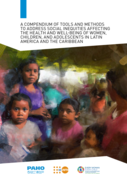
To support the achievement of health equity in the Region, the regional inter-agency movement Every Woman Every Child Latin America and the Caribbean (EWEC-LAC) advocates for and supports the use of equity and evidence-based policies, strategies and interventions to accelerate equitable progress in
...
the health of women, children and adolescents. Although progress has been made, great inequities persist. Women from the LAC region’s poorest countries are almost four times more likely to die due to complications during childbirth than those living in the wealthiest countries. Through the years, several tools, instruments and methods (TIMs) have been developed by global, regional and country partners that can be used to conduct systematic equity-based analyses and/or re-designs of health systems, programs, strategies and interventions. The main purpose of this document is to present an overview of existing TIMs that can be used by policymakers, program managers, development partners, nongovernmental organizations, academia and civil society partners to strengthen systematic identification, analysis and responding to social inequities in the health of women, children and adolescents in LAC. The TIMs included were identified through a systematic search process
more

Access to safe blood and blood products is recognized as one of the key requirements for delivery of modern health care in the journey towards health for all. The foundation of safe and sustainable blood supplies depends on the collection of blood from voluntary non-remunerated and low-risk donors.
...
Data from the WHO Global Database for Blood Safety (GDBS) brings out several inadequacies related to the supply and safety of blood and blood products. These inadequacies include a number of variations in safe blood practices across the world, including the quantity of blood donated (voluntary and replacement types), quality and adequate testing of the donated blood (immunohaematology [IH] and transfusion-transmitted infections [TTIs]), rational use of blood and blood components such as appropriate patient blood management protocols. These variations are very high in countries of the South-East Asian Region and most of them are either low- or middle-income countries (LMICs).
more
This report compiles data for the first time on the far-reaching consequences of uncontrolled hypertension, including heart attacks, strokes and premature death, along with substantial economic losses for communities and countries. It also contains information on the global, regional and country-lev
...
el burden of hypertension and progress of control efforts.
more
The key actions, activities, and approaches in this document are organized within each of the 5Cs (see Table 1 in the PDF) and those of the Strategic preparedness and response plan (SPRP) pillars as follows:
National action plan key activities, prioritized for the current context and the current
...
understanding of the threat of SARS-CoV-2
A. Transition from emergency response to longer term COVID-19 disease management.
B. Integrate activities into routine systems.
C. Strengthen global health security.
Special considerations for fragile, conflict-affected and vulnerable (including humanitarian) settings
WHO global and regional support to Member States to implement their national action plans
Key guidance documents for reference
This is a living document that will be updated to incorporate new technical guidance in response to the evolving epidemiological situation. National plans should be implemented in accordance with the principles of inclusiveness, respect for human rights, and equity.
more

The World Health Organization (WHO) is releasing the second edition of its Global Accelerated Action for the Health of Adolescents (AA-HA!) guidance. The document aims to equip governments to respond to the health and well-being challenges, opportunities and needs of adolescents.
The guidance pro
...
vides the latest available data on adolescent health and well-being. It also outlines an updated list of core indicators that data should be collected on. Globally, road injury was the top cause of death for adolescent males in 2019. Among female adolescents, the leading causes of death were diarrhoeal diseases among the younger group (10-14 years) and tuberculosis (TB) in the older group (15-19 years).
Over the last 20 years, mortality rates have declined among adolescents globally, with the largest decline in older (15–19 years) adolescent girls. For non-fatal diseases, the burden has not improved over the past two decades, with the main causes of ill health in this category being: mental health conditions (depressive and anxiety disorders, childhood behavioural disorders), iron deficiency anaemia, skin diseases and migraine.
Adolescent well-being depends on a range of factors, including healthy food, education, life skills and employability, connectedness, feeling valued by society, safe and supportive environments, resilience, and the freedom to make choices. To take an appropriately holistic approach, the guidance outlines how to take crosscutting action to support adolescent health and well-being, with mutually reinforcing interventions across sectors, such as health, education, social protection, and telecommunications. Targeted efforts are also required to engage adolescents, as they trust health systems less than adults do and are especially vulnerable to modern-day trends, like online bullying and gaming.
more
The Infection prevention and control in the context of coronavirus disease 2019 (COVID-19): a living guideline consolidates technical guidance developed and published during the COVID-19 pandemic into evidence-informed recommendations for infection prevention and control (IPC). This living guideline
...
is available both online and PDF.
This version of the living guideline (version 6.0) includes fifteen statements on IPC measures in health-care settings (screening and patient placement, ventilation, physical barriers, environmental cleaning, waste management, amongst others) as well as one statement on mask fit in the community context.
more
WHO-OHCHR launch new guidance to improve laws addressing human rights abuses in mental health care
Ahead of World Mental Health Day, the World Health Organization (WHO) and the Office of the High Commissioner on Human Rights (OHCHR) are jointly launching a new guidance, entitled "Mental health, h
...
uman rights and legislation: guidance and practice", to support countries to reform legislation in order to end human rights abuses and increase access to quality mental health care.
Human rights abuses and coercive practices in mental health care, supported by existing legislation and policies, are still far too common. Involuntary hospitalization and treatment, unsanitary living conditions and physical, psychological, and emotional abuse characterize many mental health services across the world.
more
In In recent years, China has increased its international engagement in health. Nonetheless, the lack
of data on contributions has limited efforts to examine contributions from China. Existing estimates that track
development assistance for health (DAH) from China have relied primarily on one data
...
set. Furthermore, little is known
about the disbursing agencies especially the multilaterals through which contributions are disbursed and how these
are changing across time. In this study, we generated estimates of DAH from China from 2007 through 2017 and
disaggregated those estimates by disbursing agency and health focus area.
more
This document presents the World Health Organization Operational framework for building climate resilient and low carbon health systems*. ***The framework's goal is to increase the climate resilience of health systems to protect and improve the health of communities in an unstable and changing clima
...
te, while optimizing the use of resources and implementing strategies to reduce GHG emissions. It aims to contribute to the design of transformative health systems that can provide safe and quality care in a changing climate.
Implementation of the framework's ten components would help health organizations, authorities, and programmes to be better able to anticipate, prevent, prepare for, and manage climate-related health risks and therefore decrease the burden of associated climate-sensitive health outcomes. Implementing low carbon health practices would contribute to climate change mitigation while also improving health outcomes. Achieving these aims is an important contribution to universal health coverage (UHC), global health security, and specific targets within the Sustainable Development Goals (SDGs). The document is a useful resource for decision-makers in health systems, including public health agencies, and other specialized institutions, and for decision-makers in health-determining sectors.
more
Today, the World Health Organization (WHO) is advancing the global fight against acute malnutrition in children under 5 with the launch of its new guideline on the prevention and management of wasting and nutritional oedema (acute malnutrition). This milestone is a crucial response to the persistent
...
global issue of acute malnutrition, which affects millions of children worldwide.
In 2015, the world committed to achieving the Sustainable Development Goals (SDGs), including the ambitious target of eliminating malnutrition in all of its forms by 2030. However, despite these commitments, the proportion of children with acute malnutrition has persisted at a worrying level, affecting an estimated 45 million children under five worldwide in 2022.
In 2022, approximately 7.3 million children received treatment for severe acute malnutrition (SAM). Although treatment coverage has increased, children with SAM in many of the worst affected countries are still unable to access the full necessary care for them to recover.
The Global Action Plan (GAP) on child wasting recognized the need for updated normative guidance to support governments in the prevention and management of acute malnutrition. WHO answered this call to action and developed a comprehensive guideline that provides evidence-based recommendations and good practice statements and will be followed by guidance and tools for implementation.
more
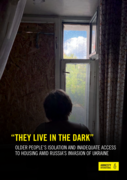
Ukraine: Russian invasion has forced older people with disabilities to endure isolation and neglect – new report
Many temporary shelters inaccessible to people with physical disabilities
Overburdened care system often provides few alternatives to institutions for older people
Authorities
...
and humanitarian actors must ensure an inclusive response
Displaced older people with disabilities in Ukraine are physically and financially unable to access adequate housing and care amid Russia’s ongoing invasion, sometimes leaving few alternatives to being placed in residential institutions, Amnesty International said in a new report.
more

This country cooperation strategy (CCS) outlines how the World Health Organization (WHO) will work with the Lao People’s Democratic Republic over the next five years (2024–2028), supporting the implementation of the five-year health sector development plans and the Health Sector Reform Strategy
...
2021–2030 to attain the Sustainable Development Goals (SDGs) by 2030.
The Lao People’s Democratic Republic experienced substantial economic growth in the 30 years prior to the coronavirus disease (COVID-19) pandemic, contributing to reduced poverty and significant progress toward the SDGs. However, the COVID-19 pandemic brought this development to a halt. It was anticipated that the COVID-19 recovery and the tremendous population growth in recent years would provide opportunities for a shift toward more sustainable and inclusive development in the years ahead. In 2023, however, the contrary was the case. Rural residents, including many ethnic minorities, continued to face marginalization because of limited access to education, health care and economic opportunities.
Despite the challenges of COVID-19 and other disease outbreaks, the country has made significant improvements in health. Nonetheless, progress has been uneven and not everyone has benefited from these achievements. In the mountainous region, many people lack access to quality health care because of the unequal distribution of well-trained health-care workers. Preventable deaths due to poor-quality health care for children and newborns, infants and mothers remain a concern, as do communicable diseases such as sexually transmitted infections and tuberculosis. The increasing burden of noncommunicable diseases and the health impact of worsening climate change further heighten the need for strengthened and resilient health systems, which are at risk due to an underfunded health sector and weak economy.
This CCS aims to address remaining and future challenges as well as health needs while creating an impact that is sustainable. It identifies three strategic priorities and nine deliverables (Table 1) to support the attainment of the national vision of Health for all by all, as articulated in the 9th Health Sector Development Plan 2021–2025. It contributes to the country’s goals to achieve universal health coverage, graduate from least developed country status by 2026 and attain SDGs by 2030.
more
Cardiovascular disease (CVD) is the leading cause of global deaths, with the majority occurring in low- and middle-income countries (LMIC). The primary and secondary prevention of CVD is suboptimal throughout the world, but the evidence-practice gaps are much more pronounced in LMIC. Barriers at the
...
patient, health-care provider, and health system level prevent the implementation of optimal primary and secondary prevention. Identification of the particular barriers that exist in resource-constrained settings is necessary to inform effective strategies to reduce the identified evidence-practice gaps. Furthermore, targeting modifiable factors that contribute most significantly to the global burden of CVD, including tobacco use, hypertension, and secondary prevention for CVD will lead to the biggest gains in mortality reduction. We review a select number of novel, resource-efficient strategies to reduce premature mortality from CVD, including: (1) effective measures for tobacco control; (2) implementation of simplified screening and management algorithms for those with or at risk of CVD, (3) increasing the availability and affordability of simplified and cost-effective treatment regimens including combination CVD preventive drug therapy, and (4) simplified delivery of health care through task-sharing (non-physician health workers) and optimizing self-management (treatment supporters). Developing and deploying systems of care that address barriers related to the above, will lead to substantial reductions in CVD and related mortality.
more
Cardiovascular diseases, principally ischemic heart disease (IHD), are the most important cause of death and disability in the majority of low- and lower-middle-income countries (LLMICs). In these countries, IHD mortality rates are significantly greater in individuals of a low socioeconomic status (
...
SES).
Three important focus areas for decreasing IHD mortality among those of low SES in LLMICs are (1) acute coronary care; (2) cardiac rehabilitation and secondary prevention; and (3) primary prevention. Greater mortality in low SES patients with acute coronary syndrome is due to lack of awareness of symptoms in patients and primary care physicians, delay in reaching healthcare facilities, non-availability of thrombolysis and coronary revascularization, and the non-affordability of expensive medicines (statins, dual anti-platelets, renin-angiotensin system blockers). Facilities for rapid diagnosis and accessible and affordable long-term care at secondary and tertiary care hospitals for IHD care are needed. A strong focus on the social determinants of health (low education, poverty, working and living conditions), greater healthcare financing, and efficient primary care is required. The quality of primary prevention needs to be improved with initiatives to eliminate tobacco and trans-fats and to reduce the consumption of alcohol, refined carbohydrates, and salt along with the promotion of healthy foods and physical activity. Efficient primary care with a focus on management of blood pressure, lipids and diabetes is needed. Task sharing with community health workers, electronic decision support systems, and use of fixed-dose combinations of blood pressure-lowering drugs and statins can substantially reduce risk factors and potentially lead to large reductions in IHD. Finally, training of physicians, nurses, and health workers in IHD prevention should be strengthened.
more
Background: Atherosclerotic cardiovascular diseases (ASCVD) including myocardial infarction, stroke and peripheral arterial disease continue to be major causes of premature death, disability and healthcare expenditure globally. Preventing the accumulation of cholesterol-containing atherogenic lipopr
...
oteins in the vessel wall is central to any healthcare strategy to prevent ASCVD. Advances in current concepts about reducing cumulative exposure to apolipoprotein B (apo B) cholesterol-containing lipoproteins and the emergence of novel therapies provide new opportunities to better prevent ASCVD. The present update of the World Heart Federation Cholesterol Roadmap provides a conceptual framework for the development of national policies and health systems approaches, so that potential roadblocks to cholesterol management and thus ASCVD prevention can be overcome.
more
ABSTRACT
More than 500 million people worldwide live with cardiovascular disease (CVD). Health systems today face fundamental challenges in delivering optimal care due to ageing populations, healthcare workforce constraints, financing, availability and affordability of CVD medicine, and service del
...
ivery.
Digital health technologies can help address these challenges. They may be a tool
to reach Sustainable Development Goal 3.4 and reduce premature mortality from
non-communicable diseases (NCDs) by a third by 2030. Yet, a range of fundamental barriers prevents implementation and access to such technologies. Health system governance, health provider, patient and technological factors can prevent or distort their implementation.
World Heart Federation (WHF) roadmaps aim to identify essential roadblocks on the pathway to effective prevention, detection, and treatment of CVD. Further, they aim to provide actionable solutions and implementation frameworks for local adaptation. This WHF Roadmap for digital health in cardiology identifies barriers to implementing digital health technologies for CVD and provides recommendations for overcoming them.
more
