Filter
4038
Filtered Results: 4038
Text search:
non
communicable
diseases
Featured
Recommendations
326
New Publications
933
Language
Document type
No document type
1840
Studies & Reports
936
Guidelines
473
Strategic & Response Plan
213
Manuals
171
Fact sheets
131
Training Material
58
Infographics
57
Resource Platforms
51
Situation Updates
30
Videos
28
Brochures
20
Dashboards/Maps
16
Online Courses
13
App
1
Countries / Regions
Global
510
India
144
Africa
124
South Africa
123
Kenya
119
Western and Central Europe
89
Ethiopia
85
Latin America and the Carribbean
79
Nepal
66
Sierra Leone
65
Uganda
63
Liberia
62
Bangladesh
56
Myanmar / Burma
55
Nigeria
53
Malawi
48
Ukraine
48
Indonesia
46
Zambia
43
Syria
42
Ghana
41
Rwanda
40
Philippines
39
South–East Asia Region
39
Namibia
35
Tanzania
34
Asia
34
Eastern Europe
34
Congo, Democratic Republic of
25
Mozambique
24
Lesotho
24
Cambodia
22
East and Southern Africa
22
West and Central Africa
22
Eastern Europe and Central Asia
19
North America
19
South Sudan
18
Zimbabwe
16
Middle East and North Africa
15
Western Pacific Region
15
Russia
15
Guinea
13
Brazil
13
Botswana
13
Yemen
13
Haiti
12
Pakistan
12
Germany
12
Burkina Faso
10
Senegal
10
Moldova
10
Afghanistan
9
Thailand
9
Sudan
9
Eswatini/ Swaziland
9
Venezuela
9
Somalia
8
Iraq
8
Jordan
8
Colombia
8
Paraguay
8
Argentina
7
USA
6
Cameroon
6
China
6
Kyrgyzstan
6
Lebanon
5
Peru
5
Chile
5
Palestine
5
Iran
5
Vietnam
5
Saudi Arabia
4
Turkey
4
Benin
4
Central African Republic
4
Angola
4
Laos
4
Kazakhstan
4
Georgia
4
Mali
3
Papua New Guinea
3
Madagascar
3
Sri Lanka
3
Poland
3
Southern Africa
3
Timor Leste/ East Timor
3
Tajikistan
3
Turkmenistan
3
Jamaica
3
Mauritius
3
United Kingdom
3
Bosnia and Herzegovina
3
Guinea-Bissau
2
Togo
2
Egypt
2
North Macedonia
2
Hungary
2
Ecuador
2
El Salvador
2
Bolivia
2
Mexico
2
Fiji
2
Bhutan
2
Albania
2
Romania
2
Japan
2
Portugal
2
Spain
2
Azerbaijan
2
Belarus
2
Côte d’Ivoire / Ivory Coast
1
Morocco
1
Gambia
1
Ireland
1
Singapore
1
Serbia
1
Croatia
1
Burundi
1
Greece
1
Libya
1
Other region
1
Djibouti
1
Armenia
1
Mongolia
1
Qatar
1
Bulgaria
1
Estonia
1
Maldives
1
Tunisia
1
Israel
1
Latvia
1
Barbados
1
United Arab Emirates
1
Authors & Publishers
Publication Years
Category
Countries
1494
Public Health
821
Clinical Guidelines
322
Women & Child Health
137
Key Resources
128
Capacity Building
88
Pharmacy & Technologies
35
Annual Report MEDBOX
2
General Guidelines
1
Toolboxes
NCDs
763
COVID-19
259
Mental Health
242
HIV
172
TB
171
Planetary Health
166
Rapid Response
122
Global Health Education
113
Conflict
102
Caregiver
98
AMR
83
Disability
80
NTDs
63
Ebola
58
Natural Hazards
49
Refugee
49
Health Financing Toolbox
40
Pharmacy
29
Zika
22
Polio
16
Specific Hazards
12
Cholera
11
Social Ethics
6
South Sudan
1
Typhoon
1
Health Financing
1
The toolkit provides practical guidance and tools that can support efforts, including planning and implementation activities, to create dementia-inclusive societies.
The toolkit is divided into two parts. Part I contains background information and a conceptual framework for creating dementia-incl...
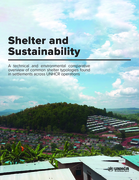
A technical and environmental comparative overview of common shelter typologies found in settlements across UNHCR operations
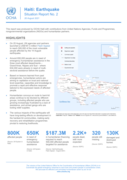
On 25 August, UN agencies and partners launched a US$187.3 million Flash Appeal to reach 500,000 of the most vulnerable people affected by the 14 August earthquake.
Around 650,000 people are in need of emergency humanitarian assistance in the three most affected departments – Grand’Anse, Nipp...
As countries commit to achieving universal health coverage, it is imperative to ensure that the design and delivery of palliative care services place attention on quality of care, with action needed across all domains of quality health services: effectiveness, safety, people-centredness, timeliness,...
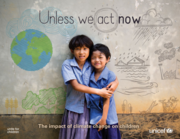
Today’s children, and their children, are the ones who will live with the consequences of climate change.
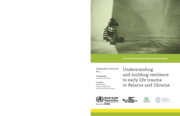
In 2018 and early 2019, the WHO Regional Office for Europe’s cultural contexts of health and well-being project worked alongside the University of Exeter’s WHO Collaborating Centre on Culture and Health, the Minsk Regional Centre for Psychiatry and Addiction, and the Institute of Mental Health o...
Known avoidable environmental risks to health cause at least 12.6 million deaths every year, and account for about one quarter of the global burden of disease (2016 data) (1). Air pollution alone causes about 7 million
deaths a year, placing it among the top global risks to health (2). Global envir...
Working towards better COVID-19 outcomes in the WHO European Region.From the first COVID-19 cases in Europe reported on
24 January 2020, the pandemic reached 1 million cases
within 3 months, 10 million cases within 8 months, and
100 million cases in Europe alone within 2 years. Over
the course o...
Consultancy Report May 2022
Despite the continuing war in Ukraine, the Government is preparing for the country’s recovery and reconstruction. Given the magnitude of the attacks on the health infrastructure and consequent disruption to health system functioning, reconstruction of the health system is integral to the countryâ€...
A global call to action to protect the mental health of health and care workers

This new guidance aims to support programme implementers, coordinators and others in humanitarian settings in their actions to counter suicide and self-harm in humanitarian contexts and to save lives.
Around the world, more than 2 billion people lack access to safely managed water, sanitation and hygiene services, with conflicts and climate change exacerbating the issue.
Unsafe and insufficient WASH facilities, especially in rural and remote areas, can lead to increased health complications fo...
HTS Teologiese Studies/Theological StudiesISSN: (Online) 2072-8050, (Print) 0259-9422P
Adolescent girls and young women (AGYW) remain disproportionately affected by HIV in Eastern and Southern Africa (ESA), with 26 per cent of new infections attributed to this population. AGYW face many personal, social and structural barriers to access, uptake and use of traditional HIV prevention me...
Cardiovascular diseases (CVDs) have collectively remained the leading causes of death worldwide and substantially contribute to loss of health and excess health system costs. The Global Burden of Diseases<...