
Filter
5306
Text search:
human
rights
approach
Featured
465
1309
Language
5126
149
114
85
72
46
35
18
7
6
6
6
5
5
5
4
4
4
4
4
3
3
3
3
3
3
3
3
3
2
2
2
2
2
2
2
2
1
1
1
1
1
1
1
1
1
1
1
1
1
1
1
1
1
1
1
1
1
1
1
1
1
1
Document type
3010
877
642
319
243
89
62
28
10
10
7
3
1
Countries
238
142
134
115
96
94
90
87
86
84
81
78
74
69
68
66
66
66
59
57
56
50
45
41
40
40
39
37
35
33
32
31
29
25
24
23
23
22
21
21
19
19
18
18
18
17
17
17
16
16
16
15
13
13
13
13
12
11
11
11
11
11
11
10
9
9
9
8
8
7
6
6
6
6
5
5
5
5
5
5
5
5
4
4
4
4
4
4
3
3
3
3
3
3
3
3
3
3
3
3
3
2
2
2
2
2
2
2
2
2
2
2
2
2
2
2
2
2
1
1
1
1
1
1
1
1
1
1
1
1
1
1
1
1
1
1
1
1
1
1
Authors & Publishers
862
342
229
204
177
143
120
119
58
46
39
35
31
29
29
28
26
25
24
23
22
22
21
21
20
20
19
19
19
18
18
18
17
17
17
17
16
15
15
14
14
13
13
13
13
13
12
12
12
12
12
12
12
11
11
11
11
10
10
10
10
10
10
10
9
9
9
9
9
9
9
9
8
8
8
8
8
8
7
7
7
7
7
7
7
7
7
7
7
7
7
7
7
7
6
6
6
6
6
6
6
6
6
6
6
6
6
6
6
6
6
6
6
6
6
5
5
5
5
5
5
5
5
5
5
5
5
5
5
5
5
5
5
5
5
5
5
5
5
5
5
5
5
5
5
5
5
5
5
5
5
5
5
5
5
4
4
4
4
4
4
4
4
4
4
4
4
4
4
4
4
4
4
4
4
4
4
4
4
4
4
4
4
4
4
4
4
4
4
4
4
4
4
4
4
4
4
4
4
4
4
4
4
4
4
4
4
4
4
4
4
3
3
3
3
3
3
3
3
3
3
3
3
3
3
3
3
3
3
3
3
3
3
3
3
3
3
3
3
3
3
3
3
3
3
3
3
3
3
3
3
3
3
3
3
3
3
3
3
3
3
3
3
3
3
3
3
3
3
3
3
3
3
3
3
3
3
3
3
3
3
3
3
3
3
3
3
3
3
3
3
3
3
3
3
3
3
3
3
3
3
3
3
3
3
3
3
3
3
3
3
2
2
2
2
2
2
2
2
2
2
2
2
2
2
2
2
2
2
2
2
2
2
2
2
2
2
2
2
2
2
2
2
2
2
2
2
2
2
2
2
2
2
2
2
2
2
2
2
2
2
2
2
2
2
2
2
2
2
2
2
2
2
2
2
2
2
2
2
2
2
2
2
2
2
2
2
2
2
2
2
2
2
2
2
2
2
2
2
2
2
2
2
2
2
2
2
2
2
2
2
2
2
2
2
2
2
2
2
2
2
2
2
2
2
2
2
2
2
2
2
2
2
2
2
2
2
2
2
2
2
2
2
2
2
2
2
2
2
2
2
2
2
2
2
2
2
2
2
2
2
2
2
2
2
2
2
2
2
2
2
2
2
2
2
2
2
2
2
2
2
2
2
2
2
2
2
2
2
2
2
2
2
2
2
2
2
2
2
2
2
2
2
2
2
2
2
2
2
2
2
2
2
2
2
2
2
2
2
2
2
2
2
2
2
2
2
2
2
2
2
2
2
2
2
2
2
2
2
2
2
2
2
2
2
2
2
2
2
2
2
2
2
2
2
2
2
2
2
2
2
2
2
2
2
2
2
2
2
2
2
2
2
2
2
2
2
2
2
2
2
2
2
2
2
2
2
2
2
2
2
2
2
2
2
2
2
2
2
2
2
2
2
2
2
1
1
1
1
1
1
1
1
1
1
1
1
1
1
1
1
1
1
1
1
1
1
1
1
1
1
1
1
1
1
1
1
1
1
1
1
1
1
1
1
1
1
1
1
1
1
1
1
1
1
1
1
1
1
1
1
1
1
1
1
1
1
1
1
1
1
1
1
1
1
1
1
1
1
1
1
1
1
1
1
1
1
1
1
1
1
1
1
1
1
1
1
1
1
1
1
1
1
1
1
1
1
1
1
1
1
1
1
1
1
1
1
1
1
1
1
1
1
1
1
1
1
1
1
1
1
1
1
1
1
1
1
1
1
1
1
1
1
1
1
1
1
1
1
1
1
1
1
1
1
1
1
1
1
1
1
1
1
1
1
1
1
1
1
1
1
1
1
1
1
1
1
1
1
1
1
1
1
1
1
1
1
1
1
1
1
1
1
1
1
1
1
1
1
1
1
1
1
1
1
1
1
1
1
1
1
1
1
1
1
1
1
1
1
1
1
1
1
1
1
1
1
1
1
1
1
1
1
1
1
1
1
1
1
1
1
1
1
1
1
1
1
1
1
1
1
1
1
1
1
1
1
1
1
1
1
1
1
1
1
1
1
1
1
1
1
1
1
1
1
1
1
1
1
1
1
1
1
1
1
1
1
1
1
1
1
1
1
1
1
1
1
1
1
1
1
1
1
1
1
1
1
1
1
1
1
1
1
1
1
1
1
1
1
1
1
1
1
1
1
1
1
1
1
1
1
1
1
1
1
1
1
1
1
1
1
1
1
1
1
1
1
1
1
1
1
1
1
1
1
1
1
1
1
1
1
1
1
1
1
1
1
1
1
1
1
1
1
1
1
1
1
1
1
1
1
1
1
1
1
1
1
1
1
1
1
1
1
1
1
1
1
1
1
1
1
1
1
1
1
1
1
1
1
1
1
1
1
1
1
1
1
1
1
1
1
1
1
1
1
1
1
1
1
1
1
1
1
1
1
1
1
1
1
1
1
1
1
1
1
1
1
1
1
1
1
1
1
1
1
1
1
1
1
1
1
1
1
1
1
1
1
1
1
1
1
1
1
1
1
1
1
1
1
1
1
1
1
1
1
1
1
1
1
1
1
1
1
1
1
1
1
1
1
1
1
1
1
1
1
1
1
1
1
1
1
1
1
1
1
1
1
1
1
1
1
1
1
1
1
1
1
1
1
1
1
1
1
1
1
1
1
1
1
1
1
1
1
1
1
1
1
1
1
1
1
1
1
1
1
1
1
1
1
1
1
1
1
1
1
1
1
1
1
1
1
1
1
1
1
1
1
1
1
1
1
1
1
1
1
1
1
1
1
1
1
1
1
1
1
1
1
1
1
1
1
1
1
1
1
1
1
1
1
1
1
1
1
1
1
1
1
1
1
1
1
1
1
1
1
1
1
1
1
1
1
1
1
1
1
1
1
1
1
1
1
1
1
1
1
1
1
1
1
1
1
1
1
1
1
1
1
1
1
1
1
1
1
1
1
1
1
1
1
1
1
1
1
1
1
1
1
1
1
1
1
1
1
1
1
1
1
1
1
1
1
1
1
1
1
1
1
1
1
1
1
1
1
1
1
1
1
1
1
1
1
1
1
1
1
1
1
1
1
1
1
1
1
1
1
1
1
1
1
1
1
1
1
1
1
1
1
1
1
1
1
1
1
1
1
1
1
1
1
1
1
1
1
1
1
1
1
1
1
1
1
1
1
1
1
1
1
1
1
1
1
1
1
1
1
1
1
1
1
1
1
1
1
1
1
1
1
1
1
1
1
1
1
1
1
1
1
1
1
1
1
1
1
1
1
1
1
1
1
1
1
1
1
1
1
1
1
1
1
1
1
1
1
1
1
1
1
1
1
1
1
1
1
1
1
1
1
1
1
1
1
1
1
1
1
1
1
1
1
1
1
1
1
1
1
1
1
1
1
1
1
1
1
1
1
1
1
1
1
1
1
1
1
1
1
1
1
1
1
1
1
1
1
1
1
1
1
1
1
1
1
1
1
1
1
1
1
1
1
1
1
1
1
1
1
1
1
1
1
1
1
1
1
1
1
1
1
1
1
1
1
1
1
1
1
1
1
1
1
1
1
1
1
1
1
1
1
1
1
1
1
1
1
1
1
1
1
1
1
1
1
1
1
1
1
1
1
1
1
1
1
1
1
1
1
1
1
1
1
1
1
1
1
1
1
1
1
1
1
1
1
1
1
1
1
1
1
1
1
1
1
1
1
1
1
1
1
1
1
1
1
1
1
1
1
1
1
1
1
1
1
1
1
1
1
1
1
1
1
1
1
1
1
1
1
1
1
1
1
1
1
1
1
1
1
1
1
1
1
1
1
1
1
1
1
1
1
1
1
1
1
1
1
1
1
1
1
1
1
1
1
1
1
1
1
1
1
1
1
1
1
1
1
1
1
1
1
1
1
1
1
1
1
1
1
1
1
1
1
1
1
1
1
1
1
1
1
1
1
1
1
1
1
1
1
1
1
1
1
1
1
1
1
1
1
1
1
1
1
1
1
1
1
1
1
1
1
1
1
1
1
1
1
1
1
1
1
1
1
1
1
1
1
1
1
1
1
1
1
1
1
1
1
1
1
1
1
1
1
1
1
1
1
1
1
1
1
1
1
1
1
1
1
1
1
1
1
1
1
1
1
1
1
1
1
1
1
1
1
1
1
1
1
1
1
1
1
1
1
1
1
1
1
1
1
1
1
1
1
1
1
1
1
1
1
1
1
1
1
1
1
1
1
1
1
1
1
1
1
1
1
1
1
1
1
1
1
1
1
1
1
1
1
1
1
1
1
1
1
1
1
1
1
1
1
1
1
1
1
1
1
1
1
1
1
1
1
1
1
1
1
1
1
1
1
1
1
1
1
1
1
1
1
1
1
1
1
1
1
1
1
1
1
1
1
1
1
1
1
1
1
1
1
1
1
1
1
1
1
1
1
1
1
1
1
1
1
1
1
1
1
1
1
1
1
1
1
1
1
1
1
1
1
1
1
1
1
1
1
1
1
1
1
1
1
1
1
1
1
1
1
1
1
1
1
1
1
1
1
1
1
1
1
1
1
1
1
1
1
1
1
1
1
1
1
1
1
1
1
1
1
1
1
1
1
1
1
1
1
1
1
1
1
1
1
1
1
1
1
1
1
1
1
1
1
1
1
1
1
1
1
1
1
1
1
1
1
1
1
1
1
1
1
1
1
1
1
1
1
1
1
1
1
1
1
1
1
1
1
1
1
1
1
1
1
1
1
1
1
1
1
1
1
1
1
1
1
1
1
1
1
1
1
1
1
1
1
1
1
1
1
1
1
1
1
1
1
1
1
1
1
1
1
1
1
1
1
1
1
1
1
1
1
1
1
1
1
1
1
1
1
1
1
1
1
1
1
1
1
1
1
1
1
1
1
1
1
1
1
1
1
1
1
1
1
1
1
1
1
1
1
1
1
1
1
1
1
1
1
1
1
1
1
1
1
1
1
1
1
1
1
1
1
1
1
1
1
1
1
1
1
1
1
1
1
1
1
1
1
1
1
1
1
1
1
1
1
1
1
1
1
1
1
1
1
1
1
1
1
1
1
1
1
1
1
1
1
1
1
1
1
1
1
1
1
1
1
1
1
1
1
1
1
1
1
1
1
1
1
1
1
1
1
1
1
1
1
1
1
1
1
1
1
1
1
1
1
1
1
1
1
1
1
1
1
1
1
1
1
1
1
1
1
1
1
1
1
1
1
1
1
1
1
1
1
1
1
1
1
1
1
1
1
1
1
1
1
1
1
1
1
1
1
1
1
1
1
1
1
1
1
1
1
1
1
1
1
1
1
1
1
1
1
1
1
1
1
1
1
1
1
1
1
1
1
1
1
1
1
1
1
1
1
1
1
1
1
1
1
1
1
1
1
1
1
1
1
1
1
1
1
1
1
1
1
1
1
1
1
1
1
1
1
1
1
1
1
1
1
1
1
1
1
1
1
1
1
1
1
1
1
1
1
1
1
1
1
1
1
1
1
1
1
1
1
1
1
1
1
1
1
1
1
1
1
1
1
1
1
1
1
1
1
1
1
1
1
1
1
1
1
1
1
1
1
1
1
1
1
1
1
1
1
1
1
1
1
1
1
1
1
1
1
1
1
1
1
1
1
1
1
1
1
1
1
1
1
1
1
1
1
1
1
1
1
1
1
1
1
1
1
1
1
1
1
1
1
1
1
1
1
1
1
1
1
1
1
1
1
1
1
1
1
1
1
1
1
1
1
1
1
1
1
1
1
1
1
1
1
1
1
1
1
1
1
1
1
1
1
1
1
1
1
1
1
1
1
1
1
1
1
1
1
1
1
1
1
1
1
1
1
1
1
1
1
1
1
1
1
1
1
1
1
1
1
1
1
1
1
1
1
1
1
1
1
1
1
1
1
1
1
1
1
1
1
1
1
1
1
1
1
1
1
1
1
1
1
1
1
1
1
1
1
1
1
1
1
1
1
1
1
1
1
1
1
1
1
1
1
1
1
1
1
1
1
1
1
1
1
1
1
1
1
1
1
1
1
1
1
1
1
1
1
1
1
1
1
1
1
1
1
1
1
1
1
1
1
1
1
1
1
1
1
1
1
1
1
1
1
1
1
1
1
1
1
1
1
1
1
1
1
1
1
1
1
1
1
1
1
1
1
1
1
1
1
1
1
1
1
1
1
1
1
1
1
1
1
1
1
1
1
1
1
1
1
1
1
1
1
1
1
1
1
1
1
1
1
1
1
1
1
1
1
1
1
1
1
1
1
1
1
1
1
1
1
1
1
1
1
1
1
1
1
1
1
1
1
1
1
1
1
1
1
1
1
1
1
1
1
1
1
1
1
1
1
1
1
1
1
1
1
1
1
1
1
1
1
1
1
1
1
1
1
1
1
1
1
1
1
1
1
1
1
1
1
1
1
1
1
1
1
1
1
1
1
1
1
1
1
1
1
1
1
1
1
1
1
1
1
1
1
1
1
1
1
1
1
1
1
1
1
1
1
1
1
1
1
1
1
1
1
1
1
1
1
1
1
1
1
1
1
1
1
1
1
1
1
1
1
1
1
1
1
1
1
1
1
1
1
1
1
1
1
1
1
1
1
1
1
1
1
1
1
1
1
1
1
1
1
1
1
1
1
1
1
1
1
1
1
1
1
1
1
1
1
1
1
1
1
1
1
1
1
1
1
1
1
1
1
1
1
1
1
1
1
1
1
1
1
1
1
1
1
1
1
1
1
1
1
1
1
1
1
1
1
1
1
1
1
1
1
1
1
1
1
1
1
1
1
1
1
1
1
1
1
1
1
1
1
1
1
1
1
1
1
1
1
1
1
1
1
1
1
1
1
1
1
1
1
1
1
1
1
1
1
1
1
1
1
1
1
1
1
1
1
1
1
1
1
1
1
1
1
1
1
1
1
1
1
1
1
1
1
1
1
1
1
1
1
1
1
1
1
1
1
1
1
1
1
1
1
1
1
1
1
1
1
1
1
1
1
1
1
1
1
1
1
1
1
1
1
1
1
1
1
1
1
1
1
1
1
1
1
1
1
1
1
1
1
1
1
1
1
1
1
1
1
1
1
1
1
1
1
1
1
1
1
1
1
1
1
1
1
1
1
1
1
1
1
1
1
1
1
1
1
1
1
1
1
1
1
1
1
1
1
1
1
1
1
1
1
1
1
1
1
1
1
1
1
1
1
1
1
1
1
1
1
1
1
1
1
1
1
1
1
1
1
1
1
1
1
1
1
1
1
1
1
1
1
1
1
1
1
1
1
1
1
1
1
1
1
1
1
1
1
1
1
1
1
1
1
1
1
1
1
1
1
1
1
1
1
1
1
1
1
1
1
1
1
1
1
1
1
1
1
1
1
1
1
1
1
1
1
1
1
1
1
1
1
1
1
1
1
1
1
1
1
1
1
1
1
1
1
1
1
1
1
1
1
1
1
1
1
1
1
1
1
1
1
1
1
1
1
1
1
1
1
1
1
1
1
1
1
1
1
1
1
1
1
1
1
1
1
1
1
1
1
1
1
1
1
1
1
1
1
1
1
1
1
1
1
1
1
1
1
1
1
1
1
1
1
1
1
1
1
1
1
1
1
1
1
1
1
1
1
1
1
1
1
1
1
1
1
1
1
1
1
1
1
1
1
1
1
1
1
1
1
1
1
1
1
1
1
1
1
1
1
1
1
1
1
1
1
1
1
1
1
1
1
1
1
1
1
1
1
1
1
1
1
1
1
1
1
1
1
1
1
1
1
1
1
1
1
1
1
1
1
1
1
1
1
1
1
1
1
1
1
1
1
1
1
1
1
1
1
1
1
1
1
1
1
1
1
1
1
1
1
1
1
1
1
1
1
1
1
1
1
1
1
1
1
1
1
1
1
1
1
1
1
1
1
1
1
1
1
1
1
1
1
1
1
1
1
1
1
1
1
1
1
1
1
1
1
1
1
1
1
1
1
1
1
1
1
1
1
1
1
1
1
1
1
1
1
1
1
1
1
1
1
1
1
1
1
1
1
1
1
1
1
1
1
1
1
1
1
1
1
1
1
1
1
1
1
1
1
1
1
1
1
1
1
1
1
1
1
1
1
1
1
1
1
1
1
1
1
1
1
1
1
1
1
1
1
1
1
1
1
1
1
1
1
1
1
1
1
1
1
1
1
1
1
1
1
1
1
1
1
1
1
1
1
1
1
1
1
1
1
1
1
1
1
1
1
1
1
1
1
1
1
1
1
1
1
1
1
1
1
1
1
1
1
1
1
1
1
1
1
1
1
1
1
1
1
1
1
1
1
1
1
1
1
1
1
1
1
1
1
1
1
1
1
1
1
1
1
1
1
1
1
1
1
1
1
1
1
1
1
1
1
1
1
1
1
1
1
1
1
1
1
1
1
1
1
1
1
1
1
1
1
1
1
1
1
1
1
1
1
1
1
1
1
1
1
1
1
1
1
1
1
1
1
1
1
1
1
1
1
1
1
1
1
1
1
1
1
1
1
1
1
1
1
1
1
1
1
1
1
1
1
1
1
1
1
1
1
1
1
1
1
1
1
1
1
1
1
1
1
1
1
1
1
1
1
1
1
1
1
1
1
1
1
1
1
1
1
1
1
1
1
1
1
1
1
1
1
1
1
1
1
1
1
1
1
1
1
1
1
1
1
1
1
1
1
1
1
1
1
1
1
1
1
1
1
1
1
1
1
1
1
1
1
1
1
1
1
1
1
1
1
1
1
1
1
1
1
1
1
1
1
1
1
1
1
1
1
1
1
1
1
1
1
1
1
1
1
1
1
1
1
1
1
1
1
1
1
1
1
1
1
1
1
1
1
1
1
1
1
1
1
1
1
1
1
1
1
1
1
1
1
1
1
1
1
1
1
1
1
1
1
1
1
1
1
1
1
1
1
1
1
1
1
1
1
1
1
1
1
1
1
1
1
1
1
1
1
1
1
1
1
1
1
1
1
1
1
1
1
1
1
1
1
1
1
1
1
1
1
1
1
1
1
1
1
1
1
1
1
1
1
1
1
1
1
1
1
1
1
1
1
1
1
1
1
1
1
1
1
1
1
1
1
1
1
1
1
1
1
1
1
1
1
1
1
1
1
1
1
1
1
1
1
1
1
1
1
1
1
1
1
1
1
1
1
1
1
1
1
1
1
1
1
1
1
1
1
1
1
1
1
1
1
Publication Years
1
1485
3307
488
21
1
2
1
Category
1571
412
356
331
254
108
50
9
3
1
Toolboxes
522
476
387
361
249
233
203
154
142
139
128
114
105
95
78
69
54
45
44
26
23
17
16
3
1
This guideline for the prevention and control of chikungunya fever
(CF) is intended for use by all peripheral health workers in the Region and
is based on the strategy outlined above. This document will focus mainly
on preventing, predicting and detecting outbreaks, and after detection,
investig
...
ating and containing them.
more
Comprehensive Guidelines for Prevention and Control of Dengue and Dengue Haemorrhagic Fever -Revised and expanded edition
World Health Organization WHO Regional Office for South-East Asia
WHO Regional Office for South-East Asia
(2011)
CC
Revised and expanded version of the Guidelines
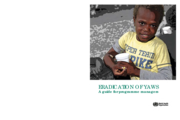
Yaws is a disfiguring non-venereal disease caused by infection with the spirochaete. Treponema pallidum subspecies pertenue which is closely related to the causative agent of syphilis and those of the other endemic treponematoses, bejel and pinta. The disease is endemic in certain areas of the World
...
Health Organization (WHO) African, South-East Asia and Western Pacific regions. Of the neglected tropical diseases identified for elimination and eradication, yaws is one of two diseases targeted for eradication. In 1949, the Second World Health Assembly adopted resolution WHA2.36, which addresses yaws, bejel and pinta as major public health problems that need attention.
more
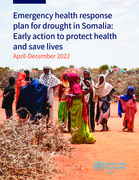
Nearly 260 000 people died in parts of Somalia between October 2010 and April 2012, including
133 000 children under five during the famine and food crisis in Somalia making it the worst famine in history.
A study commissioned and funded by the Food and Agriculture Organization of the United Natio
...
n’s food security and nutrition analysis unit for Somalia stated that the famine early warning systems clearly identified the risk of famine in South Central Somalia in 2010–2011 but timely action to prevent the onset of famine was not taken. The result was large scale
mortality, morbidity and population displacement.
more
Those who clean are the first line of defense against health care-associated infections (HAIs), and support efforts to reduce antimicrobial resistance (AMR).
Strengthening the training of this important group can contribute to resolving many of today’s public health challenges. This is importan
...
t given that cleaning both surfaces and hands is vital to control the transmission of a number of HAIs.
This two-part training package targets those who clean heath care facilities.
The Trainer’s Guide takes the user through how to prepare, deliver and sustain an effective training for those who clean. The Modules and Resources provides instructions, definitions, photographs, posters and specific illustrations of recommended practices
The package can be used by those who deliver environmental cleaning training programmes and/or those with a background in IPC including ministries of health, nongovernmental organizations, academic institutions, experts working in Quality of care, IPC and environmental cleaning/ Water, sanitation and Hygiene (WASH) and Health facility IPC focal points and onsite cleaning supervisors
more
The WHO Pharmaceuticals Newsletter provides you with the latest information on the safety of medicinal products and regulatory actions taken by authorities around the world.
In addition, this edition includes summary and recommendations from the virtual meeting of the members of the WHO Programme f
...
or International Drug Monitoring (PIDM) and other partners, which was held on 20 October 2022.
more
Operational guide: use of referral laboratories for the analysis of foodborne hazards in the Pacific
The Operational guide: use of referral laboratories for the analysis of foodborne hazards in the Pacific aims to strengthen the food analysis capacity of Pacific Island countries and areas by identifying national and reference laboratories capable of testing for priority foodborne hazards. The Pacif
...
ic Island countries and areas are often vulnerable to food safety incidents and emergencies due to their geographical distribution and dependence on food imports. The guide outlines key considerations for selecting referral laboratories and submitting samples to them, enabling continuous improvement of food safety systems and providing safe food for all. The target audiences are health and food safety authorities.
more
This publication is a compendium of 49 country examples highlighting efforts in improving refugees’ and migrants’ health following the adoption of the WHO Global Action Plan on Promoting the health of refugees and migrants at the seventy-second World Health Assembly, in May 2019.
At its 48th session of Codex Committee on Food Hygiene (CCFH), the Committee noted the importance of water quality and safety in food production and processing. CCFH requested the Food and Agriculture Organization of the United Nations
(FAO) and the World Health Organization (WHO) to provide guidan
...
ce for those scenarios where the use of “clean water” (i.e. water that does not compromise the safety of the food in the context of its use) was indicated in Codex texts and on
where it is appropriate to use “clean water”. In particular, guidance was sought for the use of irrigation water and “clean” seawater and on the safe reuse of processing water.
more
This document puts forward the joint position and vision of an expert, global, multistakeholder working group on implementing Kangaroo Mother Care (KMC) for all preterm or low birth weight (LBW) infants as the foundation for small and/or sick newborn care within maternal, newborn, and child health p
...
rogrammes, and spur collaborative global action. The document summarizes the background information, evidence, and rationale for making KMC available to every preterm or LBW newborn and seeks to galvanize the international maternal, newborn, and child health community and families to come together to support the implementation of KMC for all preterm or LBW infants to improve their and their mothers and families health and well-being.
This position paper is intended to be used by policy-makers (i.e. those responsible for national policy, guideline development and budget allocation), development partners, programme managers, health workforce leadership, practising clinicians, civil society leadership (e.g. parent and professional organizations) and researchers/research organizations involved in KMC implementation research.
more
This publication describes the first WHO public-benefit Target Product Profiles (TPPs) for snakebite antivenoms. It focuses on antivenoms for treatment of snakebite envenoming in sub-Saharan Africa. Four TPPs are described in the document:
Broad spectrum Pan-African polyvalent antivenoms: products
...
that are intended for widespread utility throughout sub-Saharan Africa for treatment of envenoming irrespective of the species of snake causing a bite. Monovalent antivenoms for specific use cases: for products for a single species (or genus) of snake (e.g., boomslangs or carpet viper antivenoms).
Syndromic Pan-African polyvalent antivenoms for neurotoxic envenoming: products that are intended for treatment of envenoming by species whose venoms are neurotoxic. Syndromic Pan-African polyvalent antivenoms for non-neurotoxic envenoming: products for snakebite envenoming where the effects are largely haemorrhagic, necrotic or procoagulant.
more
his publication provides an overview of social inequalities in several indicators related to the health of women, children, and adolescents in a region deemed as one with high levels of inequality: Latin America and the Caribbean (LAC). In order for it to serve as a baseline for the 2030 Agenda, emp
...
hasis is placed on examining these inequalities around the year 2014. The analysis suggests that reducing within-country disparities is a priority, as widespread social inequalities in health are identified among LAC countries.
more
This report highlights the work of the World Health Organization (WHO) in Zimbabwe towards contributing to the triple billion targets in the context of the Sustainable Development Goals (SDGs
The 2018 global health financing report presents health spending data for all WHO Member States between 2000 and 2016 based on the SHA 2011 methodology. It shows a transformation trajectory for the global spending on health, with increasing domestic public funding and declining external financing. T
...
his report also presents, for the first time, spending on primary health care and specific diseases and looks closely at the relationship between spending and service coverage
more
This action plan is intended for senior-level decision-makers in ministries of health, malaria
programme managers, entomologists, and epidemiologists working on malaria and other vectorborne diseases programmes. It is also intended for decision-makers and technical and advocacy
staff at other orga
...
nizations and stakeholders involved in public health, malaria control and
elimination, and urban and rural development.
more

The annual Development Co-operation Report brings new evidence, analysis and ideas on
sustainable development to members of the OECD Development Assistance Committee (DAC) and the international community more broadly. The objectives are to promote best practices and innovation in development co-ope
...
ration and to inform and shape policy reform and behaviour change to realise better lives and the Sustainable Development Goals for all
more

In 2024, we need US$1.5 billion to provide live-saving health care to millions of people in emergencies. An alarming combination of conflict, climate-related threats and increasing economic hardship mean an estimated 166 million people require health assistance.
In this version of the compendium, each guidance is coded using the International Classification of Health Interventions (ICHI).
The compendium provides a systematic compilation of published guidance from WHO and other UN organizations on health and environment. Guidance on policies and actions a
...
s well as awareness raising and capacity building interventions is presented for all major areas of health and environment. Guidance referring to priority settings for action such as cities and other urban settlements, housing, workplaces and health care facilities is also listed. For greater practical relevance, each guidance is classified according to principally involved sectors, level of implementation and instruments for implementation.
The compilation of guidance for each area of health and environment or priority setting for action is accompanied, as available, by information on main sources, exposure assessment and existing guideline values. Important tools and further resources are presented alongside.
This compilation of published guidance on health and environment highlights that a large number of actions across main topics of health and environment, concerning various sectors, and applicable to various levels are available to improve health and reduce environmental risks. This compendium is intended to serve as a repository and easy-to-use and useful resource for decision and policy makers in health and environment at various levels.
more
To survive and thrive, children and adolescents need good health, adequate nutrition, security, safety and a supportive clean environment, opportunities for early learning and education, responsive relationships and connectedness, and opportunities for personal autonomy and self-realization. To prom
...
ote their health and wellbeing, children and adolescents need support from parents, families, communities, surrounding institutions, and an enabling environment. Scheduled well care visits provide a critical opportunity for support of individual children, adolescents, parents, caregivers and families promote health and wellbeing. This guidance on scheduled child and adolescent well-care visits is the first in a series of publications to support the operationalization of the comprehensive agenda for child and adolescent health and wellbeing. It provides guidance on what is required to strengthen health systems and services to ensure healthy growth and development of all children and adolescents, and to support their parents and caregivers.
The guidance focuses on scheduled routine contacts with providers to support children and adolescents in their growth and developmental trajectory, as well as their primary caregivers and families. It outlines the rationale and objectives of well care visits and proposes a minimum 17 scheduled visits; describes the expected tasks during a contact; provides age-specific content to be address during each contact; and proposes actions to build on and maximize existing opportunities and resources.
more
Diabetes mellitus is one of the most common noncommunicable diseases worldwide. In the Eastern Mediterranean Region there has been a rapid increase in the incidence of diabetes mellitus and it is now the fourth leading cause of death. The increasing prevalence of diabetes mellitus, the emergence of
...
diabetes complications as a cause of early morbidity and mortality, and the enormous and mounting burden on health care systems make diabetes a priority health concern. These guidelines provide up-to-date, reliable and balanced information for the prevention and care of diabetes mellitus in the Region. The information is evidence-based and clearly stated to facilitate the use of the guidelines in daily practice. They are intended to benefit physicians at primary, secondary and tertiary level, general practitioners, internists and family medicine specialists, clinical dieticians and nurses as well as policy-makers at ministries of health. They provide the information necessary for decision-making by health care providers and patients themselves about disease management in the most commonly encountered situations.
more
