
Filter
2223
Text search:
workshop
Featured
144
715
Language
2079
51
36
29
25
15
13
10
5
4
2
2
2
2
2
2
2
1
1
1
1
1
1
1
1
1
1
1
1
1
1
Document type
1478
300
176
88
70
68
23
10
5
2
1
1
1
Countries
90
79
71
65
65
53
50
48
47
46
45
39
35
35
34
33
32
30
29
28
27
24
24
19
19
19
19
18
17
17
17
17
15
15
15
14
13
12
11
10
9
9
8
8
8
8
8
8
7
7
7
6
6
6
5
5
5
5
5
5
5
5
4
4
4
4
3
3
3
3
3
3
3
3
3
2
2
2
2
2
2
2
2
2
2
2
2
2
2
2
2
2
2
1
1
1
1
1
1
1
1
1
1
1
1
1
1
1
1
1
1
1
1
1
1
1
1
1
1
1
1
1
1
1
1
1
1
1
1
1
1
1
Authors & Publishers
180
109
97
60
55
52
47
43
35
29
21
18
16
15
15
14
14
14
13
12
12
11
9
9
9
8
8
8
8
8
8
8
8
8
8
8
8
7
7
7
7
7
7
7
7
7
6
6
6
6
6
6
6
6
6
6
6
6
6
5
5
5
5
5
5
5
5
5
5
5
5
5
5
5
5
5
5
4
4
4
4
4
4
4
4
4
4
4
4
4
4
4
4
4
4
4
4
4
4
4
4
4
4
4
4
3
3
3
3
3
3
3
3
3
3
3
3
3
3
3
3
3
3
3
3
3
3
3
3
3
3
3
3
3
3
3
3
3
3
3
3
3
3
3
3
3
3
3
3
3
3
3
3
2
2
2
2
2
2
2
2
2
2
2
2
2
2
2
2
2
2
2
2
2
2
2
2
2
2
2
2
2
2
2
2
2
2
2
2
2
2
2
2
2
2
2
2
2
2
2
2
2
2
2
2
2
2
2
2
2
2
2
2
2
2
2
2
2
2
2
2
2
2
2
2
2
2
2
2
2
2
2
2
2
2
2
2
2
2
2
2
2
2
2
2
2
2
2
2
2
2
2
2
2
2
2
2
2
2
2
2
2
2
2
2
2
2
2
2
2
2
2
2
2
2
2
2
2
2
2
2
2
2
2
2
2
2
2
2
2
2
2
2
2
2
2
2
2
2
2
2
2
2
2
2
2
2
2
2
2
2
2
2
2
2
2
2
2
2
2
2
2
2
2
2
2
2
2
2
2
2
2
2
2
2
2
2
1
1
1
1
1
1
1
1
1
1
1
1
1
1
1
1
1
1
1
1
1
1
1
1
1
1
1
1
1
1
1
1
1
1
1
1
1
1
1
1
1
1
1
1
1
1
1
1
1
1
1
1
1
1
1
1
1
1
1
1
1
1
1
1
1
1
1
1
1
1
1
1
1
1
1
1
1
1
1
1
1
1
1
1
1
1
1
1
1
1
1
1
1
1
1
1
1
1
1
1
1
1
1
1
1
1
1
1
1
1
1
1
1
1
1
1
1
1
1
1
1
1
1
1
1
1
1
1
1
1
1
1
1
1
1
1
1
1
1
1
1
1
1
1
1
1
1
1
1
1
1
1
1
1
1
1
1
1
1
1
1
1
1
1
1
1
1
1
1
1
1
1
1
1
1
1
1
1
1
1
1
1
1
1
1
1
1
1
1
1
1
1
1
1
1
1
1
1
1
1
1
1
1
1
1
1
1
1
1
1
1
1
1
1
1
1
1
1
1
1
1
1
1
1
1
1
1
1
1
1
1
1
1
1
1
1
1
1
1
1
1
1
1
1
1
1
1
1
1
1
1
1
1
1
1
1
1
1
1
1
1
1
1
1
1
1
1
1
1
1
1
1
1
1
1
1
1
1
1
1
1
1
1
1
1
1
1
1
1
1
1
1
1
1
1
1
1
1
1
1
1
1
1
1
1
1
1
1
1
1
1
1
1
1
1
1
1
1
1
1
1
1
1
1
1
1
1
1
1
1
1
1
1
1
1
1
1
1
1
1
1
1
1
1
1
1
1
1
1
1
1
1
1
1
1
1
1
1
1
1
1
1
1
1
1
1
1
1
1
1
1
1
1
1
1
1
1
1
1
1
1
1
1
1
1
1
1
1
1
1
1
1
1
1
1
1
1
1
1
1
1
1
1
1
1
1
1
1
1
1
1
1
1
1
1
1
1
1
1
1
1
1
1
1
1
1
1
1
1
1
1
1
1
1
1
1
1
1
1
1
1
1
1
1
1
1
1
1
1
1
1
1
1
1
1
1
1
1
1
1
1
1
1
1
1
1
1
1
1
1
1
1
1
1
1
1
1
1
1
1
1
1
1
1
1
1
1
1
1
1
1
1
1
1
1
1
1
1
1
1
1
1
1
1
1
1
1
1
1
1
1
1
1
1
1
1
1
1
1
1
1
1
1
1
1
1
1
1
1
1
1
1
1
1
1
1
1
1
1
1
1
1
1
1
1
1
1
1
1
1
1
1
1
1
1
1
1
1
1
1
1
1
1
1
1
1
1
1
1
1
1
1
1
1
1
1
1
1
1
1
1
1
1
1
1
1
1
1
1
1
1
1
1
1
1
1
1
1
1
1
1
1
1
1
1
1
1
1
1
1
1
1
1
1
1
1
1
1
1
1
1
1
1
1
1
1
1
1
1
1
1
1
1
1
1
1
1
1
1
1
1
1
1
1
1
1
1
1
1
1
1
1
1
1
1
1
1
1
1
1
1
1
1
1
1
1
1
1
1
1
1
1
1
1
1
1
1
1
1
1
1
1
1
1
1
1
1
1
1
1
1
1
1
1
1
1
1
1
1
1
1
1
1
1
1
1
1
1
1
1
1
1
1
1
1
1
1
1
1
1
1
1
1
1
1
1
1
1
1
1
1
1
1
1
1
1
1
1
1
1
1
1
1
1
1
1
1
1
1
1
1
1
1
1
1
1
1
1
1
1
1
1
1
1
1
1
1
1
1
1
1
1
1
1
1
1
1
1
1
1
1
1
1
1
1
1
1
1
1
1
1
1
1
1
1
1
1
1
1
1
1
1
1
1
1
1
1
1
1
1
1
1
1
1
1
1
1
1
1
1
1
1
1
1
1
1
1
1
1
1
1
1
1
1
1
1
1
1
1
1
1
1
1
1
1
1
1
1
1
1
1
1
1
1
1
1
1
1
1
1
1
1
1
1
1
1
1
1
1
1
1
1
1
1
1
1
1
1
1
1
1
1
1
1
1
1
1
1
1
1
1
1
1
1
1
1
1
1
1
1
1
1
1
1
1
1
1
1
1
1
1
1
1
1
1
1
1
1
1
1
1
1
1
1
1
1
1
1
1
1
1
1
1
1
1
1
1
1
1
1
1
1
1
1
1
1
1
1
1
1
1
1
1
1
1
1
1
1
1
1
1
1
1
1
1
1
1
1
1
1
1
1
1
1
1
1
1
1
1
1
1
1
1
1
1
1
1
1
1
1
1
1
1
1
1
1
1
1
1
1
1
1
1
1
1
1
1
1
1
1
1
1
1
1
1
1
1
1
1
1
1
1
1
1
1
1
1
1
1
1
1
1
1
1
1
1
1
1
1
1
1
1
1
1
1
1
1
1
1
1
1
1
1
1
1
1
1
1
1
1
1
1
1
1
1
1
1
1
1
1
1
1
1
1
1
1
1
1
1
1
1
1
1
1
1
1
1
1
1
1
1
1
1
1
1
1
1
1
1
1
1
1
1
1
1
1
1
1
1
1
1
1
1
1
1
1
1
1
1
1
1
1
1
1
1
1
1
1
1
1
1
1
1
1
1
1
1
1
1
1
1
1
1
1
1
1
1
1
1
1
1
1
1
1
1
1
1
1
1
1
1
1
1
1
1
1
1
1
1
1
1
1
1
1
1
1
1
1
1
1
1
1
1
1
1
1
1
1
1
1
1
1
1
1
1
1
1
1
1
1
1
1
1
1
1
1
1
1
1
1
1
1
1
1
1
1
1
1
1
1
1
1
1
1
1
1
1
1
1
1
1
1
1
1
1
1
1
1
1
1
1
1
1
1
1
1
1
1
1
1
1
1
1
1
1
1
1
1
1
1
1
1
1
1
1
1
1
1
1
1
1
1
1
1
1
1
1
1
1
1
1
1
1
1
1
1
1
1
1
1
1
1
1
1
1
1
1
1
1
1
1
1
1
1
1
1
1
1
1
1
1
1
1
1
1
1
1
1
1
1
1
1
1
1
1
1
1
1
1
1
1
1
1
1
1
1
1
1
1
1
1
1
1
1
1
1
1
1
1
1
1
1
1
1
1
1
1
1
1
1
1
1
1
1
1
1
1
1
1
1
1
1
1
1
1
1
1
1
1
1
1
1
1
1
1
1
1
1
1
1
1
1
1
1
1
1
1
1
1
1
1
1
1
1
1
1
1
1
1
1
1
1
1
1
1
1
1
1
1
1
1
1
1
1
1
1
1
1
1
1
1
1
1
1
1
1
1
1
1
1
1
1
1
1
1
1
1
1
1
1
1
1
1
1
1
1
1
1
1
1
1
1
1
1
1
1
1
1
1
1
1
1
1
1
1
1
1
1
1
1
1
1
1
1
1
1
1
1
1
1
1
1
1
1
1
1
1
1
1
1
1
1
1
1
1
1
1
1
1
1
1
1
1
1
1
1
1
1
1
1
1
1
1
1
1
1
1
1
1
1
1
1
1
1
1
1
1
1
1
1
1
1
1
1
1
1
1
1
1
1
1
1
1
1
1
1
1
1
1
1
1
1
1
1
1
1
1
1
1
1
1
1
1
1
1
1
1
1
1
1
1
1
1
1
1
1
1
1
1
1
1
1
1
1
1
1
1
1
1
1
1
1
1
1
1
1
1
1
1
1
1
1
1
1
1
1
1
1
1
1
1
1
1
1
1
1
1
1
1
1
1
1
1
1
1
1
1
1
1
1
1
1
1
1
1
1
1
1
1
1
1
1
1
1
1
1
1
1
1
1
1
1
1
1
1
1
1
1
1
1
1
1
1
1
1
1
1
1
1
1
1
1
1
1
1
1
1
1
1
1
1
1
1
1
1
1
1
1
1
1
1
1
1
1
1
1
1
1
1
1
1
1
1
1
1
1
1
1
1
1
1
1
1
1
1
1
1
1
1
1
1
1
1
1
1
1
1
1
1
1
1
1
1
1
1
1
1
1
1
1
1
1
1
1
1
1
1
1
1
1
1
1
1
1
1
1
1
1
1
1
1
1
1
1
1
1
1
1
1
1
1
1
1
1
1
1
1
1
1
1
1
1
1
1
1
1
1
1
1
1
1
1
1
1
1
1
1
1
1
1
1
1
1
1
1
1
1
1
1
1
1
1
1
1
1
1
1
1
1
1
1
1
1
1
1
1
1
1
1
Publication Years
1
374
1544
292
11
1
Category
939
108
107
106
88
78
12
3
Toolboxes
155
132
127
110
94
76
71
69
67
67
51
47
41
35
35
35
28
16
15
14
8
8
7
2
Disabled village children. 2nd edition
recommended
A guide for community health workers, rehabilitation workers, and families.
This manual covers identifying primary and secondary disabilities, developing skills for daily living, and working through behavior problems. The new 2018 edition features new topics, including mental and developmental di
...
sabilities, microcephaly and Zika, causes of birth defects and childhood disability, epilepsy and seizures, hearing loss and vision problems, HIV, leprosy, and more, and has updated information on polio, cerebral palsy, juvenile arthritis, muscular dystrophy, and medications.
Readers will find instructions on how to build six different wheelchairs using local resources; useful therapy techniques, such as making fun and educational toys; ideas for improving playground accessibility for all children; and low-cost rehabilitation aids and adaptations for home and community.
You can download chapter 4 for free. The complete book is available at Hesperian Book STore
more
WHO-SEARO in partnership with WHOCC AIIMS, UNICEF, UNFPA and USAID has prepared a training package for building capacity of healthcare teams in health facilities for continous quality improvement of maternal and newborn healthcare. The focus is on the care of mothers and newborns at the time of chil
...
d birth since a large proportion of maternal deaths, newborn deaths and stillbirths happen around that time.
more
PowerPoint slides outlining the National Pharmacy Council (NPC) of Rwanda

This document, Ghana’s National Newborn Health Strategy and Action Plan 2014–2018 outlines a targeted strategy for accelerating the reduction of newborn deaths in Ghana. Furthermore it provides a costed action plan with clearly marked timelines for implementation to facilitate resource mobilisat
...
ion, monitoring and evaluation, and scaling up of proposed newborn interventions. It is expected that all stakeholders working towards improving the health of children in Ghana will buy into this plan and collaborate towards attainment of the goals and objectives outlined here.
more
PowerPoint Slides for the Geneva IAPAC meeting , 13 October 2016 by Sabin Nsanzimana, MD -Division Manager, HIV, STIs and Viral Hepatitis
Institute of HIV Disease Prevention and Control, Rwanda Biomedical Center AND Basel Clinical Epidemiology& Biostatistics and SwissTPH , University of Basel, Swit
...
zerland
more
A case study of the Essential Health Care Package in Swaziland
Magagula, Samuel V.
Regional Network for Equity in Health in east and southern Africa (EQUINET)
(2017)
C1
Regional Network for Equity in Health in east and southern Africa (EQUINET): Disussion Paper 112
The Essential Health Benefit (EHB) is known as Essential Health Care Package (EHCP) in Swaziland. This desk review provides evidence on the experience of EHCPs in Swaziland and includes available po ... licy documents and research reports. more
The Essential Health Benefit (EHB) is known as Essential Health Care Package (EHCP) in Swaziland. This desk review provides evidence on the experience of EHCPs in Swaziland and includes available po ... licy documents and research reports. more
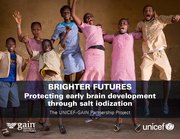
The UNICEF-GAIN Partnership Project
The report notes that iodine deficiency is a leading cause of preventable brain damage worldwide. Insufficient iodine during pregnancy and infancy results in neurological and psychological deficits, reducing a child’s IQ by 8 to 10 points. This translates ... into major losses in the cognitive capital of entire nations and thus their socio-economic development.
The report outlines urgent steps to reduce the risk of mental impairment to babies’ growing brains:
• Integrate salt iodization into national plans to support children’s nutrition and brain development in early childhood;
• Align salt iodization and salt reduction agendas; • Establish surveillance systems to identify unreached populations;
• Strengthen regulatory systems to enforce existing legislation on salt iodization;
• Recognize the growing importance of fortified foods as potential sources of iodized salt. more
The report notes that iodine deficiency is a leading cause of preventable brain damage worldwide. Insufficient iodine during pregnancy and infancy results in neurological and psychological deficits, reducing a child’s IQ by 8 to 10 points. This translates ... into major losses in the cognitive capital of entire nations and thus their socio-economic development.
The report outlines urgent steps to reduce the risk of mental impairment to babies’ growing brains:
• Integrate salt iodization into national plans to support children’s nutrition and brain development in early childhood;
• Align salt iodization and salt reduction agendas; • Establish surveillance systems to identify unreached populations;
• Strengthen regulatory systems to enforce existing legislation on salt iodization;
• Recognize the growing importance of fortified foods as potential sources of iodized salt. more
This report is primarily intended for the community of policymakers and researchers concerned about the rising risks of domestic, regional, and global infectious disease epidemics, and the collective failure to take the coordinated actions required to reduce such risks. These risks include the expec
...
ted health, economic, and societal costs that are borne by countries, regions, and even all nations in the case of pandemics (which are worldwide epidemics). These risks also include the consequences of increasing antimicrobial resistance (AMR) and its spread within regions and globally. A necessary first step is to monitor whether a broad range of stakeholders are acting to prevent outbreaks from becoming epidemics, whether their capacities to respond to epidemics are robust, and whether preparedness to respond to pandemics and limit the resulting economic and health damage is improving. Analyzing the adequacy of these efforts is vitally important for the decisions of policymakers to invest in the public health and disaster-risk management capacities. Early and effective control of disease outbreaks prevents substantial health and economic costs whether or not the disease can spread globally and become a pandemic.
more
The document contains a set of indicators that can be used for monitoring traditional and complementary medicine (T&CM) systems in a country.
The core indicator set consists of 16 indicators that were considered essential and collectively able to provide information on T&CM inputs, processes and ou
...
tputs. A longer list of reference indicators is also available for countries that wish to monitor more indicators or that want to consider alternative metrics that would better suit each country’s T&CM situation, priorities and monitoring capacities.
Each core and reference indicator is accompanied by a set of metadata. This provides information on the indicator rationale, definitions, data elements (numerator, denominator and data disaggregation), frequency of measurement, and data sources. It is a guide towards more standardized data measurement as well as data interpretation.
more

Birth defect has been an emerging major cause of child mortality in the region. Scarcity of the birth defects information hampers policy decisions and control measures at national level. In order to create evidence for action for birth defects prevention in the region, WHO-SEARO in collaboration wit
...
h CDC, USA has developed and launched a regional electronic database on birth defects. This surveillance database allows data collection on newborn health, birth defects and stillbirths cases and provides real time information at hospitals and national level.
Training of the hospital health staffs and data managers in the birth defects surveillance network; at regional, national and at hospital levels is recognized as essential for expansion of this database and to assure quality of data. A two days training module for hospital based birth defects surveillance was developed using a guide for operation and facilitator guide. more
Training of the hospital health staffs and data managers in the birth defects surveillance network; at regional, national and at hospital levels is recognized as essential for expansion of this database and to assure quality of data. A two days training module for hospital based birth defects surveillance was developed using a guide for operation and facilitator guide. more
To implement the set of recommendations on the marketing of foods and non-alcoholic beverages to children
With the growing obesity crisis among children, WHO and other public health advocates and consumer groups have called for restrictions on advertising of ‘unhealthy foods’ high in salt, ... sugar and fat to children. Each day, children in the South East Asia Region are exposed to large volume of marketing of unhealthy foods that may influence children’s food preferences and consumption patterns and is associated with childhood overweight and obesity.
The definition of ‘unhealthy’ is debatable, and therefore, an objective method of describing foods as healthy or unhealthy is needed. A nutrient profile model does just that and therefore, a nutrition profile model for South East Asia was developed. The model is consistent with international guidance for preventing chronic disease and is a simple system with clear cut-offs for defining which foods are not suitable for advertising to children. more
With the growing obesity crisis among children, WHO and other public health advocates and consumer groups have called for restrictions on advertising of ‘unhealthy foods’ high in salt, ... sugar and fat to children. Each day, children in the South East Asia Region are exposed to large volume of marketing of unhealthy foods that may influence children’s food preferences and consumption patterns and is associated with childhood overweight and obesity.
The definition of ‘unhealthy’ is debatable, and therefore, an objective method of describing foods as healthy or unhealthy is needed. A nutrient profile model does just that and therefore, a nutrition profile model for South East Asia was developed. The model is consistent with international guidance for preventing chronic disease and is a simple system with clear cut-offs for defining which foods are not suitable for advertising to children. more

Draft May 2011
The first ever nursing and midwifery services policy document in the history of MoPH was developed with the following aims:
1. Create a positive environment for Nursing and Midwifery Policy and Practice
2. Promote education, training and career development for nurses an ... d midwives.
3. Contribute to the strengthening of health systems and services
4. Monitor the development of nursing and midwifery professions and ensure their quality
5. Streamline Nursing and Midwifery Workforce Management
6. Develop Partnerships for Nursing and Midwifery Services more
The first ever nursing and midwifery services policy document in the history of MoPH was developed with the following aims:
1. Create a positive environment for Nursing and Midwifery Policy and Practice
2. Promote education, training and career development for nurses an ... d midwives.
3. Contribute to the strengthening of health systems and services
4. Monitor the development of nursing and midwifery professions and ensure their quality
5. Streamline Nursing and Midwifery Workforce Management
6. Develop Partnerships for Nursing and Midwifery Services more
The Capacity Project used the Learning for Performance (LFP) approach to develop the family planning (FP), HIV/AIDS and gender components included in the competency-based A1 nursing and midwifery pre-service curricula. LFP was also used to adapt the Rwanda national FP curriculum to an on-the-job tra
...
ining approach. This study documents the implementation of the and the lessons learned from its application in preservice education and in-service training in Rwanda.
more
NUDOR’s first strategic plan (2010-2016) focused on establishing NUDOR as a viable, well-run organisation. Significant progress has been made towards these aims and therefore the strategy and has been reviewed by NUDOR board, secretariat and member organisations. The updated strategic plan now cov
...
ers the period 2015 – 2020 for which three strategic aims have been agreed.
1. Representation and accountability: NUDOR will be accountable to and effectively represent members’ interests through the delivery of projects and priorities agreed by member organisations, and by facilitating joint working amongst members.
2. Capacity building and resource mobilization: NUDOR and its member organisations are strengthened to fulfil its mandates by developing its technical skills, research and insight, sustainability and outreach.
3. Advocacy and influencing: NUDOR will work to ensure that the needs and rights of all persons with disabilities are recognised by all, mainstreamed in laws and policies at all levels of government, and in programmes of other institutions focusing on areas of education, health and poverty reduction.
more
This document presents the findings of the National Census of Persons with Disabilities in Rwanda. The preliminary result of this census has been used to produce a summary analysis of tables and figures. It shall be possible to derive basic socio-demographic indicators as well as to obtain the estim
...
ate of persons with disability in Rwanda, all of which shall serve as a reference to the categorization activity planned to be done in the near future by a medical committee from the Ministry of Health. The data of this report relate to (1) Persons with disability size for various administrative units (Districts and Provinces), (2) Distribution of Persons with disabilities by sex, age, marital status and type of disabilities.
more
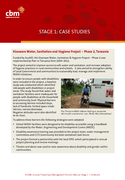
Inclusive Project Cycle Management
This document addresses the issue of the medical and rehabilitative care of persons with physical disabilities. It is understood that this policy is to be integrated with the policy documents of other advisory working groups. It should also be emphasised that the physical disability work of CBM occu
...
rs within the context of CBM’s Disability and Development Policy, with a human rights perspective and working toward full inclusion of people with disabilities within
their society.
more

The report explores strategies for sustaining the country’s responses to the three diseases and eventually transitioning away from external funding and programmatic support. It takes stock of Kenya’s health financing landscape and identifies opportunities and challenges for sustaining effective
...
coverage of HIV, TB, and malaria services in the long run, mindful of macro-fiscal and institutional constraints. The report informs ongoing dialogue within government, including among the Ministry of Health, National Treasury, Council of Governors, and National AIDS Control Council, as well as between government and development partners.
more
