
Filter
513
Text search:
asylum
seekers
Featured
48
141
Language
Document type
209
169
44
30
23
14
14
3
2
2
1
1
1
Countries
61
46
37
19
18
16
12
12
12
11
11
11
10
8
8
8
7
6
6
6
6
6
5
5
5
5
4
3
3
3
3
3
3
3
3
3
3
3
3
3
2
2
2
2
2
2
2
2
2
2
2
2
2
2
2
2
2
2
2
1
1
1
1
1
1
1
1
1
1
1
1
1
1
1
1
1
1
1
1
1
1
1
1
1
1
1
1
1
1
1
Authors & Publishers
Publication Years
Category
129
15
15
10
9
5
1
1
Toolboxes
174
79
64
49
25
21
11
9
8
6
5
4
3
3
3
2
1
1
1
1
Vanquishing violence and vulnerability in humanitarian settings
Background paper for the joint African Union–UNAIDS (in capacity of serving
Chair of H6) high-level side event at the 73rd United Nations General Assembly,
24 September 2018, at UNHQ, Conference Room 3
UNAIDS | 2016–2021 Strategy
Accessed: 20.11.2019
How we respond both now and going forward will help mitigate the impact of COVID-19, and to the extent possible preserve children’s rights to Survive, Learn, and Be Protected. We will focus our efforts on the most critical work essential to maintaining these commitments to the extent possible.
Methicillin-resistant Staphylococcus aureus(MRSA) strainsor multidrug-resistant S.aureus, initially described in 1960s,emerged in the last decade as a cause of nosocomial infections responsible for rapidly progressive, potential fatal diseases including life-threatening pneumonia, necrotizing fascii
...
Infectious diseases like COVID-19 can disrupt the environments in which children grow and develop. Disruptions to families, friendships, daily routines and the wider community can have negative consequences for children’s well-being, development and protection. In addition, measures used to preven
...
This policy paper outlines key health financing policy actions for countries to ensure universal access to health services and financial protection for people fleeing conflict. It focuses on three policy areas – granting entitlement and ensure access to the full range of needed health services for
...
March – June 2020
This update: 3 April 2020
Refugees and migrants face similar health threats from COVID-19 as their host populations. However, inadequate access to essential services and exclusion may makes early detection, testing, diagnosis, contact tracing and seeking care for COVID-19 difficult for refugees and migrants thus increasing t
...
Updated on 6 APRIL 2020
There are serious concerns that the situation might escalate in the next weeks modelling the epi curve of other regions. The interlinkages between human mobility and the current pandemic of COVID-19 are well established, and while international flights have been suspended i
...
Accessed on 21.05.2020
Considering a hotline? This set of tools will help you assess, set up and manage different types of channels to communicate with communities during humanitarian crises.
South Africa reported it fist case of COVID-19 on 5 March 2020. While the first cases were imported, local transmission has led to a rapid increase in the number of cases. As of 21 April 2020, more than 3,400 cases and 58 deaths had been confirmed. On 15 March, President Cyril Ramaphosa declared a n
...
Coronavirus Disease-19 (COVID-19) was declared a global pandemic on 11 March 2020, and Malawi declared its first case on 2 April. As of 30 April, there were 36 confirmed positive cases of COVID-19 and 3 deaths. A State of Disaster was declared by President Arthur Peter Mutharika on 20 March and a 21
...
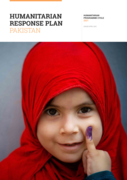
his revision to the Disaster Management Team’s (DMT) multi-sector response plan for COVID-19 is meant to align the multi-sector plan with the Department of Health’s COVID-19 Emergency Response Plan issued on 24 April 2020. Additionally, at the time of this version, the Department of Education an
...

While the full effects of COVID-19 remain unknown, the pandemic continues to profoundly impact regional migration and mobility dynamics, with deep health, social and economic consequences for the most vulnerable, including migrants, displaced populations and their host communities, and returnees.
