Filter
546
Text search:
World
Health
Organization
WHO,
WASH
Cluster,
Health
Cluster
Featured
Recommendations
74
New Publications
208
Language
Document type
No document type
298
Studies & Reports
79
Guidelines
66
Strategic & Response Plan
46
Manuals
29
Situation Updates
21
Fact sheets
4
Training Material
3
Countries / Regions
Sierra Leone
21
Global
21
Nepal
20
South Sudan
18
Myanmar / Burma
17
Liberia
16
Bangladesh
16
Yemen
16
Syria
13
Kenya
13
Malawi
13
Nigeria
11
Ukraine
11
Ethiopia
10
Philippines
10
Mozambique
10
Congo, Democratic Republic of
9
India
9
Venezuela
9
Uganda
8
Africa
8
Haiti
7
Zimbabwe
6
Tanzania
6
Rwanda
5
South Africa
5
Sudan
5
Central African Republic
5
Madagascar
5
Guinea
4
Ghana
4
Niger
4
Somalia
4
Colombia
4
Latin America and the Carribbean
4
Mali
3
Cameroon
3
Pakistan
3
East and Southern Africa
3
West and Central Africa
3
Western and Central Europe
3
Burkina Faso
2
Senegal
2
Iraq
2
Jordan
2
Lebanon
2
Zambia
2
Indonesia
2
Namibia
2
Eswatini/ Swaziland
2
South–East Asia Region
2
Eastern Europe and Central Asia
2
Asia
2
Palestine
2
Iran
2
Guinea-Bissau
1
Morocco
1
Saudi Arabia
1
Togo
1
Afghanistan
1
Turkey
1
Cambodia
1
Malaysia
1
Papua New Guinea
1
Brazil
1
Hungary
1
Burundi
1
Greece
1
Libya
1
Lesotho
1
Sri Lanka
1
Middle East and North Africa
1
Western Pacific Region
1
Poland
1
Albania
1
Laos
1
Russia
1
Romania
1
Moldova
1
Georgia
1
Tunisia
1
Belarus
1
Authors & Publishers
Publication Years
Category
Countries
253
Key Resources
58
Clinical Guidelines
25
Women & Child Health
25
Public Health
23
Capacity Building
10
Pharmacy & Technologies
1
Toolboxes
COVID-19
83
Conflict
51
Natural Hazards
29
Ebola
27
Rapid Response
24
Disability
21
Cholera
19
Planetary Health
18
Refugee
12
HIV
11
Mental Health
11
AMR
9
Global Health Education
8
Caregiver
7
TB
5
NTDs
5
Pharmacy
4
Zika
3
Specific Hazards
2
Polio
1
South Sudan
1
Typhoon
1
Health Financing Toolbox
1
NCDs
1
The information provided here can be used to understand the current situation, increase attention to preterm births in Rwanda and to inform dialogue and action among stakeholders. Data can be used to identify the most important risk factors to target and gaps in care in order to identify and impleme
...
The information provided here can be used to understand the current situation, increase attention to preterm births in Rwanda and to inform dialogue and action among stakeholders. Data can be used to identify the most important risk factors to target and gaps in care in order to identify and impleme
...

This landscape analysis aims to:
1. Identify and document supportive policies and best practices in family planning program implementation
2. Assess the quality of family planning service provision
3. Propose recommendations for scaling up best family planning practices and new interv ...
1. Identify and document supportive policies and best practices in family planning program implementation
2. Assess the quality of family planning service provision
3. Propose recommendations for scaling up best family planning practices and new interv ...
The community based programme aims to address the psychosocial needs of children and youth through helping to rebuild peaceful child- and youth-friendly communities through the use of cultural, creative, recreational, sportive and social activities. Within War Child, the community-based approach is
...

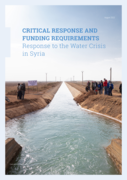
In September 2021, the UN and its partners presented a response plan to mitigate the impact of the water crisis in northern and north-east Syria which requested US$200 million to assist up to 3.4 million of the over five million people estimated to be affected by the water crisis in northern Syria b
...
The well-being of children in sub-Saharan Africa is under siege from all directions since the advent of the COVID-19 pandemic. The region is now suffering its first-ever economic recession, pushing about 50 million people into extreme poverty, a majority of whom are children.

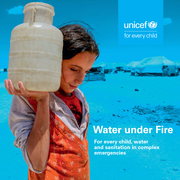
UNICEF trucks water to the camps where people displaced by the conflict have temporarily settled. UNICEF also installed latrines, showers and water storage tanks in the camps and distributed family hygiene kits to protect children against waterborne diseases.