
Filter
9118
Text search:
regional
health
Featured
737
2351
Language
8070
586
333
242
209
121
78
61
39
30
12
10
9
9
8
8
8
7
6
6
5
5
5
5
5
5
5
5
4
4
4
4
4
3
3
3
3
3
3
3
3
3
3
3
3
2
2
2
2
2
2
2
2
1
1
1
1
1
1
1
1
1
1
1
1
1
1
1
1
Document type
4896
1679
1065
477
397
218
143
121
48
31
24
6
4
1
1
Countries
400
269
246
234
217
194
179
171
163
161
155
143
138
130
126
119
118
118
104
102
96
94
94
88
87
86
79
78
77
77
72
70
70
67
66
65
62
61
55
55
54
52
46
46
45
44
42
41
41
32
32
32
30
30
28
27
27
26
25
25
24
24
22
21
20
20
20
19
19
18
18
18
16
15
14
14
14
13
11
11
11
11
10
10
10
10
9
9
8
8
8
8
8
8
8
8
8
7
7
7
7
7
7
7
6
6
6
6
6
5
5
5
4
4
4
4
4
4
4
4
4
3
3
3
3
3
3
3
3
3
3
3
3
2
2
2
2
2
2
2
2
2
2
2
2
1
1
1
1
1
1
1
1
1
1
1
1
1
Authors & Publishers
1234
460
398
292
267
196
146
146
137
97
94
89
62
59
52
50
49
44
42
41
41
39
38
37
37
36
33
32
31
31
31
29
29
29
28
28
27
27
26
25
24
24
24
23
23
23
22
21
21
21
21
21
21
20
20
20
20
20
20
19
19
19
19
19
19
19
19
19
18
17
17
16
16
16
16
15
15
14
14
14
14
14
14
14
13
13
13
13
13
13
12
12
12
12
12
12
12
12
12
12
11
11
11
11
11
11
11
11
11
11
11
10
10
10
10
10
10
10
10
10
10
10
10
10
9
9
9
9
9
9
9
9
9
9
9
9
9
9
9
9
9
8
8
8
8
8
8
8
8
8
8
8
8
8
8
8
8
8
7
7
7
7
7
7
7
7
7
7
7
7
7
7
7
7
7
7
7
7
7
7
7
7
7
7
7
7
7
7
6
6
6
6
6
6
6
6
6
6
6
6
6
6
6
6
6
6
6
6
6
6
6
6
6
6
6
6
6
6
6
6
6
6
6
6
6
6
6
6
6
6
5
5
5
5
5
5
5
5
5
5
5
5
5
5
5
5
5
5
5
5
5
5
5
5
5
5
5
5
5
5
5
5
5
5
5
5
5
5
5
5
5
5
5
5
5
5
5
5
5
5
5
5
5
5
5
5
5
5
5
5
5
5
5
4
4
4
4
4
4
4
4
4
4
4
4
4
4
4
4
4
4
4
4
4
4
4
4
4
4
4
4
4
4
4
4
4
4
4
4
4
4
4
4
4
4
4
4
4
4
4
4
4
4
4
4
4
4
4
4
4
4
4
4
4
4
4
4
4
4
4
4
4
4
4
4
4
4
4
4
4
4
4
4
4
4
4
4
3
3
3
3
3
3
3
3
3
3
3
3
3
3
3
3
3
3
3
3
3
3
3
3
3
3
3
3
3
3
3
3
3
3
3
3
3
3
3
3
3
3
3
3
3
3
3
3
3
3
3
3
3
3
3
3
3
3
3
3
3
3
3
3
3
3
3
3
3
3
3
3
3
3
3
3
3
3
3
3
3
3
3
3
3
3
3
3
3
3
3
3
3
3
3
3
3
3
3
3
3
3
3
3
3
3
3
3
3
3
3
3
3
3
3
3
3
3
3
3
3
3
3
3
3
3
3
3
3
3
3
3
3
3
3
3
3
3
3
3
3
3
3
3
3
3
3
3
3
3
3
3
3
3
3
3
3
3
3
3
3
3
3
3
3
3
3
3
3
3
3
3
3
3
3
3
3
3
3
3
3
3
3
3
2
2
2
2
2
2
2
2
2
2
2
2
2
2
2
2
2
2
2
2
2
2
2
2
2
2
2
2
2
2
2
2
2
2
2
2
2
2
2
2
2
2
2
2
2
2
2
2
2
2
2
2
2
2
2
2
2
2
2
2
2
2
2
2
2
2
2
2
2
2
2
2
2
2
2
2
2
2
2
2
2
2
2
2
2
2
2
2
2
2
2
2
2
2
2
2
2
2
2
2
2
2
2
2
2
2
2
2
2
2
2
2
2
2
2
2
2
2
2
2
2
2
2
2
2
2
2
2
2
2
2
2
2
2
2
2
2
2
2
2
2
2
2
2
2
2
2
2
2
2
2
2
2
2
2
2
2
2
2
2
2
2
2
2
2
2
2
2
2
2
2
2
2
2
2
2
2
2
2
2
2
2
2
2
2
2
2
2
2
2
2
2
2
2
2
2
2
2
2
2
2
2
2
2
2
2
2
2
2
2
2
2
2
2
2
2
2
2
2
2
2
2
2
2
2
2
2
2
2
2
2
2
2
2
2
2
2
2
2
2
2
2
2
2
2
2
2
2
2
2
2
2
2
2
2
2
2
2
2
2
2
2
2
2
2
2
2
2
2
2
2
2
2
2
2
2
2
2
2
2
2
2
2
2
2
2
2
2
2
2
2
2
2
2
2
2
2
2
2
2
2
2
2
2
2
2
2
2
2
2
2
2
2
2
2
2
2
2
2
2
2
2
2
2
2
2
2
2
2
2
2
2
2
2
2
2
2
2
2
2
2
2
2
2
2
2
2
2
2
2
2
2
2
2
2
2
2
2
2
2
2
2
2
2
2
2
2
2
2
2
2
2
2
2
2
2
2
2
2
2
2
2
2
2
2
2
2
2
2
2
2
2
2
2
2
2
2
2
2
2
2
2
2
2
2
2
2
2
2
2
2
2
2
2
2
2
2
2
2
2
2
2
2
2
2
2
2
2
2
2
2
2
2
2
2
2
2
2
2
2
2
2
2
2
2
2
2
2
2
2
2
2
2
2
2
2
2
2
2
2
2
2
2
2
2
2
2
1
1
1
1
1
1
1
1
1
1
1
1
1
1
1
1
1
1
1
1
1
1
1
1
1
1
1
1
1
1
1
1
1
1
1
1
1
1
1
1
1
1
1
1
1
1
1
1
1
1
1
1
1
1
1
1
1
1
1
1
1
1
1
1
1
1
1
1
1
1
1
1
1
1
1
1
1
1
1
1
1
1
1
1
1
1
1
1
1
1
1
1
1
1
1
1
1
1
1
1
1
1
1
1
1
1
1
1
1
1
1
1
1
1
1
1
1
1
1
1
1
1
1
1
1
1
1
1
1
1
1
1
1
1
1
1
1
1
1
1
1
1
1
1
1
1
1
1
1
1
1
1
1
1
1
1
1
1
1
1
1
1
1
1
1
1
1
1
1
1
1
1
1
1
1
1
1
1
1
1
1
1
1
1
1
1
1
1
1
1
1
1
1
1
1
1
1
1
1
1
1
1
1
1
1
1
1
1
1
1
1
1
1
1
1
1
1
1
1
1
1
1
1
1
1
1
1
1
1
1
1
1
1
1
1
1
1
1
1
1
1
1
1
1
1
1
1
1
1
1
1
1
1
1
1
1
1
1
1
1
1
1
1
1
1
1
1
1
1
1
1
1
1
1
1
1
1
1
1
1
1
1
1
1
1
1
1
1
1
1
1
1
1
1
1
1
1
1
1
1
1
1
1
1
1
1
1
1
1
1
1
1
1
1
1
1
1
1
1
1
1
1
1
1
1
1
1
1
1
1
1
1
1
1
1
1
1
1
1
1
1
1
1
1
1
1
1
1
1
1
1
1
1
1
1
1
1
1
1
1
1
1
1
1
1
1
1
1
1
1
1
1
1
1
1
1
1
1
1
1
1
1
1
1
1
1
1
1
1
1
1
1
1
1
1
1
1
1
1
1
1
1
1
1
1
1
1
1
1
1
1
1
1
1
1
1
1
1
1
1
1
1
1
1
1
1
1
1
1
1
1
1
1
1
1
1
1
1
1
1
1
1
1
1
1
1
1
1
1
1
1
1
1
1
1
1
1
1
1
1
1
1
1
1
1
1
1
1
1
1
1
1
1
1
1
1
1
1
1
1
1
1
1
1
1
1
1
1
1
1
1
1
1
1
1
1
1
1
1
1
1
1
1
1
1
1
1
1
1
1
1
1
1
1
1
1
1
1
1
1
1
1
1
1
1
1
1
1
1
1
1
1
1
1
1
1
1
1
1
1
1
1
1
1
1
1
1
1
1
1
1
1
1
1
1
1
1
1
1
1
1
1
1
1
1
1
1
1
1
1
1
1
1
1
1
1
1
1
1
1
1
1
1
1
1
1
1
1
1
1
1
1
1
1
1
1
1
1
1
1
1
1
1
1
1
1
1
1
1
1
1
1
1
1
1
1
1
1
1
1
1
1
1
1
1
1
1
1
1
1
1
1
1
1
1
1
1
1
1
1
1
1
1
1
1
1
1
1
1
1
1
1
1
1
1
1
1
1
1
1
1
1
1
1
1
1
1
1
1
1
1
1
1
1
1
1
1
1
1
1
1
1
1
1
1
1
1
1
1
1
1
1
1
1
1
1
1
1
1
1
1
1
1
1
1
1
1
1
1
1
1
1
1
1
1
1
1
1
1
1
1
1
1
1
1
1
1
1
1
1
1
1
1
1
1
1
1
1
1
1
1
1
1
1
1
1
1
1
1
1
1
1
1
1
1
1
1
1
1
1
1
1
1
1
1
1
1
1
1
1
1
1
1
1
1
1
1
1
1
1
1
1
1
1
1
1
1
1
1
1
1
1
1
1
1
1
1
1
1
1
1
1
1
1
1
1
1
1
1
1
1
1
1
1
1
1
1
1
1
1
1
1
1
1
1
1
1
1
1
1
1
1
1
1
1
1
1
1
1
1
1
1
1
1
1
1
1
1
1
1
1
1
1
1
1
1
1
1
1
1
1
1
1
1
1
1
1
1
1
1
1
1
1
1
1
1
1
1
1
1
1
1
1
1
1
1
1
1
1
1
1
1
1
1
1
1
1
1
1
1
1
1
1
1
1
1
1
1
1
1
1
1
1
1
1
1
1
1
1
1
1
1
1
1
1
1
1
1
1
1
1
1
1
1
1
1
1
1
1
1
1
1
1
1
1
1
1
1
1
1
1
1
1
1
1
1
1
1
1
1
1
1
1
1
1
1
1
1
1
1
1
1
1
1
1
1
1
1
1
1
1
1
1
1
1
1
1
1
1
1
1
1
1
1
1
1
1
1
1
1
1
1
1
1
1
1
1
1
1
1
1
1
1
1
1
1
1
1
1
1
1
1
1
1
1
1
1
1
1
1
1
1
1
1
1
1
1
1
1
1
1
1
1
1
1
1
1
1
1
1
1
1
1
1
1
1
1
1
1
1
1
1
1
1
1
1
1
1
1
1
1
1
1
1
1
1
1
1
1
1
1
1
1
1
1
1
1
1
1
1
1
1
1
1
1
1
1
1
1
1
1
1
1
1
1
1
1
1
1
1
1
1
1
1
1
1
1
1
1
1
1
1
1
1
1
1
1
1
1
1
1
1
1
1
1
1
1
1
1
1
1
1
1
1
1
1
1
1
1
1
1
1
1
1
1
1
1
1
1
1
1
1
1
1
1
1
1
1
1
1
1
1
1
1
1
1
1
1
1
1
1
1
1
1
1
1
1
1
1
1
1
1
1
1
1
1
1
1
1
1
1
1
1
1
1
1
1
1
1
1
1
1
1
1
1
1
1
1
1
1
1
1
1
1
1
1
1
1
1
1
1
1
1
1
1
1
1
1
1
1
1
1
1
1
1
1
1
1
1
1
1
1
1
1
1
1
1
1
1
1
1
1
1
1
1
1
1
1
1
1
1
1
1
1
1
1
1
1
1
1
1
1
1
1
1
1
1
1
1
1
1
1
1
1
1
1
1
1
1
1
1
1
1
1
1
1
1
1
1
1
1
1
1
1
1
1
1
1
1
1
1
1
1
1
1
1
1
1
1
1
1
1
1
1
1
1
1
1
1
1
1
1
1
1
1
1
1
1
1
1
1
1
1
1
1
1
1
1
1
1
1
1
1
1
1
1
1
1
1
1
1
1
1
1
1
1
1
1
1
1
1
1
1
1
1
1
1
1
1
1
1
1
1
1
1
1
1
1
1
1
1
1
1
1
1
1
1
1
1
1
1
1
1
1
1
1
1
1
1
1
1
1
1
1
1
1
1
1
1
1
1
1
1
1
1
1
1
1
1
1
1
1
1
1
1
1
1
1
1
1
1
1
1
1
1
1
1
1
1
1
1
1
1
1
1
1
1
1
1
1
1
1
1
1
1
1
1
1
1
1
1
1
1
1
1
1
1
1
1
1
1
1
1
1
1
1
1
1
1
1
1
1
1
1
1
1
1
1
1
1
1
1
1
1
1
1
1
1
1
1
1
1
1
1
1
1
1
1
1
1
1
1
1
1
1
1
1
1
1
1
1
1
1
1
1
1
1
1
1
1
1
1
1
1
1
1
1
1
1
1
1
1
1
1
1
1
1
1
1
1
1
1
1
1
1
1
1
1
1
1
1
1
1
1
1
1
1
1
1
1
1
1
1
1
1
1
1
1
1
1
1
1
1
1
1
1
1
1
1
1
1
1
1
1
1
1
1
1
1
1
1
1
1
1
1
1
1
1
1
1
1
1
1
1
1
1
1
1
1
1
1
1
1
1
1
1
1
1
1
1
1
1
1
1
1
1
1
1
1
1
1
1
1
1
1
1
1
1
1
1
1
1
1
1
1
1
1
1
1
1
1
1
1
1
1
1
1
1
1
1
1
1
1
1
1
1
1
1
1
1
1
1
1
1
1
1
1
1
1
1
1
1
1
1
1
1
1
1
1
1
1
1
1
1
1
1
1
1
1
1
1
1
1
1
1
1
1
1
1
1
1
1
1
1
1
1
1
1
1
1
1
1
1
1
1
1
1
1
1
1
1
1
1
1
1
1
1
1
1
1
1
1
1
1
1
1
1
1
1
1
1
1
1
1
1
1
1
1
1
1
1
1
1
1
1
1
1
1
1
1
1
1
1
1
1
1
1
1
1
1
1
1
1
1
1
1
1
1
1
1
1
1
1
1
1
1
1
1
1
1
1
1
1
1
1
1
1
1
1
1
1
1
1
1
1
1
1
1
1
1
1
1
1
1
1
1
1
1
1
1
1
1
1
1
1
1
1
1
1
1
1
1
1
1
1
1
1
1
1
1
1
1
1
1
1
1
1
1
1
1
1
1
1
1
1
1
1
1
1
1
1
1
1
1
1
1
1
1
1
1
1
1
1
1
1
1
1
1
1
1
1
1
1
1
1
1
1
1
1
1
1
1
1
1
1
1
1
1
1
1
1
1
1
1
1
1
1
1
1
1
1
1
1
1
1
1
1
1
1
1
1
1
1
1
1
1
1
1
1
1
1
1
1
1
1
1
1
1
1
1
1
1
1
1
1
1
1
1
1
1
1
1
1
1
1
1
1
1
1
1
1
1
1
1
1
1
1
1
1
1
1
1
1
1
1
1
1
1
1
1
1
1
1
1
1
1
1
1
1
1
1
1
1
1
1
1
1
1
1
1
1
1
1
1
1
1
1
1
1
1
1
1
1
1
1
1
1
1
1
1
1
1
1
1
1
1
1
1
1
1
1
1
1
1
1
1
1
1
1
1
1
1
1
1
1
1
1
1
1
1
1
1
1
1
1
1
1
1
1
1
1
1
1
1
1
1
1
1
1
1
1
1
1
1
1
1
1
1
1
1
1
1
1
1
1
1
1
1
1
1
1
1
1
1
1
1
1
1
1
1
1
1
1
1
1
1
1
1
1
1
1
1
1
1
1
1
1
1
1
1
1
1
1
1
1
1
1
1
1
1
1
1
1
1
1
1
1
1
1
1
1
1
1
1
1
1
1
1
1
1
1
1
1
1
1
1
1
1
1
1
1
1
1
1
1
1
1
1
1
1
1
1
1
1
1
1
1
1
1
1
1
1
1
1
1
1
1
1
1
1
1
1
1
1
1
1
1
1
1
1
1
1
1
1
1
1
1
1
1
1
1
1
1
1
1
1
1
1
1
1
1
1
1
1
1
1
1
1
1
1
1
1
1
1
1
1
1
1
1
1
1
1
1
1
1
1
1
1
1
1
1
1
1
1
1
1
1
1
1
1
1
1
1
1
1
1
1
1
1
1
1
1
1
1
1
1
1
1
1
1
1
1
1
1
1
1
1
1
1
1
1
1
1
1
1
1
1
1
1
1
1
1
1
1
1
1
1
1
1
1
1
1
1
1
1
1
1
1
1
1
1
1
1
1
1
1
1
1
1
1
1
1
1
1
1
1
1
1
1
1
1
1
1
1
1
1
1
1
1
1
1
1
1
1
1
1
1
1
1
1
1
1
1
1
1
1
1
1
1
1
1
1
1
1
1
1
1
1
1
1
1
1
1
1
1
1
1
1
1
1
1
1
1
1
1
1
1
1
1
1
1
1
1
1
1
1
1
1
1
1
1
1
1
1
1
1
1
1
1
1
1
1
1
1
1
1
1
1
1
1
1
1
1
1
1
1
1
1
1
1
1
1
1
1
1
1
1
1
1
1
1
1
1
1
1
1
1
1
1
1
1
1
1
1
1
1
1
1
1
1
1
1
1
1
1
1
1
1
1
1
1
1
1
1
1
1
1
1
1
1
1
1
1
1
1
1
1
1
1
1
1
1
1
1
1
1
1
1
1
1
1
1
1
1
1
1
1
1
1
1
1
1
1
1
1
1
1
1
1
1
1
1
1
1
1
1
1
1
1
1
1
1
1
1
1
1
1
1
1
1
1
1
1
1
1
1
1
1
1
1
1
1
1
1
1
1
1
1
1
1
1
1
1
1
1
1
1
1
1
1
1
1
1
1
1
1
1
1
1
1
1
1
1
1
1
1
1
1
1
1
1
1
1
1
1
1
1
1
1
1
1
1
1
1
1
1
1
1
1
1
1
1
1
1
1
1
1
1
1
1
1
1
1
1
1
1
1
1
1
1
1
1
1
1
1
1
1
1
1
1
1
1
1
1
1
1
1
1
1
1
1
1
1
1
1
1
1
1
1
1
1
1
1
1
1
1
1
1
1
1
1
1
1
1
1
1
1
1
1
1
1
1
1
1
1
1
1
1
1
1
1
1
1
1
1
1
1
1
1
1
1
1
1
1
1
1
1
1
1
1
1
1
1
1
1
1
1
1
1
1
1
1
1
1
1
1
1
1
1
1
1
1
1
1
1
1
1
1
1
1
1
1
1
1
1
1
1
1
1
1
1
1
1
1
1
1
1
1
1
1
1
1
1
1
1
1
1
1
1
1
1
1
1
1
1
1
1
1
1
1
1
1
1
1
1
1
1
1
1
1
1
1
1
1
1
1
1
1
1
1
1
1
1
1
1
1
1
1
1
1
1
1
1
1
1
1
1
1
1
1
1
1
1
1
1
1
1
1
1
1
1
1
1
1
1
1
1
1
1
1
1
1
1
1
1
1
1
1
1
1
1
1
1
1
1
1
1
1
1
1
1
1
1
1
1
1
1
1
1
1
1
1
1
1
1
1
1
1
1
1
1
1
1
1
1
1
1
1
1
1
1
1
1
1
1
1
1
1
1
1
1
1
1
1
1
1
1
1
1
1
1
1
1
1
1
1
1
1
1
1
1
1
1
1
1
1
1
1
1
1
1
1
1
1
1
1
1
1
1
1
1
1
1
1
1
1
1
1
1
1
1
1
1
1
1
1
1
1
1
1
1
1
1
1
1
1
1
1
1
1
1
1
1
1
1
1
1
1
1
1
1
1
1
1
1
1
1
1
1
1
1
1
1
1
1
1
1
1
1
1
1
1
1
1
1
1
1
1
1
1
1
1
1
1
1
1
1
1
1
1
1
1
1
1
1
1
1
1
1
1
1
1
1
1
1
1
1
1
1
1
1
1
1
1
1
1
1
1
1
1
1
1
1
1
1
1
1
1
1
1
1
1
1
1
1
1
1
1
1
1
1
1
1
1
1
1
1
1
1
1
1
1
1
1
1
1
1
1
1
1
1
1
1
1
1
1
1
1
1
1
1
1
1
1
1
1
1
1
1
1
1
1
1
1
1
1
1
1
1
1
1
1
1
1
1
1
1
1
1
1
1
1
1
1
1
1
1
1
1
1
1
1
1
1
1
1
1
1
1
1
1
1
1
1
1
1
1
1
1
1
1
1
1
1
1
1
1
1
1
1
1
1
1
1
1
1
1
1
1
1
1
1
1
1
1
1
1
1
1
1
1
1
1
1
1
1
1
1
1
1
1
1
1
1
1
1
1
1
1
1
1
1
1
1
1
1
1
1
1
1
1
1
1
1
1
1
1
1
1
1
1
1
1
1
1
1
1
1
1
1
1
1
1
1
1
1
1
1
1
1
1
1
1
1
1
1
1
1
1
1
1
1
1
1
1
1
1
1
1
1
1
1
1
1
1
1
1
1
1
1
1
1
1
1
1
1
1
1
1
1
1
1
1
1
1
1
1
1
1
1
1
1
1
1
1
1
1
1
1
1
1
1
1
1
1
1
1
1
1
1
1
1
1
1
1
1
1
1
1
1
1
1
1
1
1
1
1
1
1
1
1
1
1
1
1
1
1
1
1
1
1
1
1
1
1
1
1
1
1
1
1
1
1
1
1
1
1
1
1
1
1
1
1
1
1
1
1
1
1
1
1
1
1
1
1
1
1
1
1
1
1
1
1
1
1
1
1
1
1
1
1
1
1
1
1
1
1
1
1
1
1
1
1
1
1
1
1
1
1
1
1
1
1
1
1
1
1
1
1
1
1
1
1
1
1
1
1
1
1
1
1
1
1
1
1
1
1
1
1
1
1
1
1
1
1
1
1
1
1
1
1
1
1
1
1
1
1
1
1
1
1
1
1
1
1
1
1
1
1
1
1
1
1
1
1
1
1
1
1
1
1
1
1
1
1
1
1
1
1
1
1
1
1
1
1
1
1
1
1
1
1
1
1
1
1
1
1
1
1
1
1
1
1
1
1
1
1
1
1
1
1
1
1
1
1
1
1
1
1
1
1
1
1
1
1
1
1
1
1
1
1
1
1
1
1
1
1
1
1
1
1
1
1
1
1
1
1
1
1
1
1
1
1
1
1
1
1
1
1
1
1
1
1
1
1
1
1
1
1
1
1
1
1
1
1
1
1
1
1
1
1
1
1
1
1
1
1
1
1
1
1
1
1
1
1
1
1
1
1
1
1
1
1
1
1
1
1
1
1
1
1
1
1
1
1
1
1
1
1
1
1
1
1
1
1
1
1
1
1
1
1
1
1
1
1
1
1
1
1
1
1
1
1
1
1
1
1
1
1
1
1
1
1
1
1
1
1
1
1
1
1
1
1
1
1
1
1
1
1
1
1
1
1
1
1
1
1
1
1
1
1
1
1
1
1
1
1
1
1
1
1
1
1
1
1
1
1
1
1
1
1
1
1
1
1
1
1
1
1
1
1
1
1
1
1
1
1
1
1
1
1
1
1
1
1
1
1
1
1
1
1
1
1
1
1
1
1
1
1
1
1
1
1
1
1
1
1
1
1
1
1
1
1
1
1
1
1
1
1
1
1
1
1
1
1
1
1
1
1
1
1
1
1
1
1
1
1
1
1
1
1
1
1
1
1
1
1
1
1
1
1
1
1
1
1
1
1
1
1
1
1
1
1
1
1
1
1
1
1
1
1
1
1
1
1
1
1
1
1
1
1
1
1
1
1
1
1
1
1
1
1
1
1
1
1
1
1
1
1
1
1
1
1
1
1
1
1
1
1
1
1
1
1
1
1
1
1
1
1
1
1
1
1
1
1
1
1
1
1
1
1
1
1
1
1
1
1
1
1
1
1
1
1
1
1
1
1
1
1
1
1
1
1
1
1
1
1
1
1
1
1
1
1
1
1
1
1
1
1
1
1
1
1
1
1
1
1
1
1
1
1
1
1
1
1
1
1
1
1
1
1
1
1
1
1
1
1
1
1
1
1
1
1
1
1
1
1
1
1
1
1
1
1
1
1
1
1
1
1
1
1
1
1
1
1
1
1
1
1
1
1
1
1
1
1
1
1
1
1
1
1
1
1
1
1
1
1
1
1
1
1
1
1
1
1
1
1
1
1
1
1
1
1
1
1
1
1
1
1
1
1
1
1
1
1
1
1
1
1
1
1
1
1
1
1
1
1
1
1
1
1
1
1
1
1
1
1
1
1
1
1
1
1
1
1
1
1
1
1
1
1
1
1
1
1
1
1
1
1
1
1
1
1
1
1
1
1
1
1
1
1
1
1
1
1
1
1
1
1
1
1
1
1
1
1
1
1
1
1
1
1
1
1
1
1
1
1
1
1
1
1
1
1
1
1
1
1
1
1
1
1
1
1
1
1
1
1
1
1
1
1
1
1
1
1
1
1
1
1
1
1
1
1
1
1
1
1
1
1
1
1
1
1
1
1
1
1
1
1
1
1
1
1
1
1
1
1
1
1
1
1
1
1
1
1
1
1
1
1
1
1
1
1
1
1
1
1
1
1
1
1
1
1
1
1
1
1
1
1
1
1
1
1
1
1
1
1
1
1
1
1
1
1
1
1
1
1
1
1
1
1
1
1
1
1
1
1
1
1
1
1
1
1
1
1
1
1
1
1
1
1
1
1
1
1
1
1
1
1
1
1
1
1
1
1
1
1
1
1
1
1
1
1
1
1
1
1
1
1
1
1
1
1
1
1
1
1
1
1
1
1
1
1
1
1
1
1
1
1
1
1
1
1
1
1
1
1
1
1
1
1
1
1
1
1
1
1
1
1
1
1
1
1
1
1
1
1
1
1
1
1
1
1
1
1
1
1
1
1
1
1
1
1
1
1
1
1
1
1
1
1
1
1
1
1
1
1
1
1
1
1
1
1
1
1
1
1
1
1
1
1
1
1
1
1
1
1
1
1
1
1
1
1
1
1
1
1
1
1
1
1
1
1
1
1
1
1
1
1
1
1
1
1
1
1
1
1
1
1
1
1
1
1
1
1
1
1
1
1
1
1
1
1
1
1
1
1
1
1
1
1
1
1
1
1
1
1
1
1
1
1
1
1
1
1
1
1
1
1
1
1
1
1
1
1
1
1
1
1
1
1
1
1
1
1
1
1
1
1
1
1
1
1
1
1
1
1
1
1
1
1
1
1
1
1
1
1
1
1
1
1
1
1
1
1
1
1
1
1
1
1
1
1
1
1
1
1
1
1
1
1
1
1
1
1
1
1
1
1
1
1
1
1
1
1
1
1
1
1
1
1
1
1
1
1
1
1
1
1
1
1
1
1
1
1
1
1
1
1
1
1
1
1
1
1
1
1
1
1
1
1
1
1
1
1
1
1
1
1
1
1
1
1
1
1
1
1
1
1
1
1
1
1
1
1
1
1
1
1
1
1
1
1
1
1
1
1
1
1
1
1
1
1
1
1
1
1
1
1
1
1
1
1
1
1
1
1
1
1
1
1
1
1
1
1
1
1
1
1
1
1
1
1
1
1
1
1
1
1
1
1
1
1
1
1
1
1
1
1
1
1
1
1
1
1
1
1
1
1
1
1
1
1
1
1
1
1
1
1
1
1
1
1
1
1
1
1
1
1
1
1
1
1
1
1
1
1
1
1
1
1
1
1
1
1
1
1
1
1
1
1
1
1
1
1
1
1
1
1
1
1
1
1
1
1
1
1
1
1
1
1
1
1
1
1
1
1
1
1
1
1
1
1
1
1
1
1
1
1
1
1
1
1
1
1
1
1
1
1
1
1
1
1
1
1
1
1
1
1
1
1
1
1
1
1
1
1
1
1
1
1
1
1
1
1
1
1
1
1
1
1
1
1
1
1
1
1
1
1
1
1
1
1
1
1
1
1
1
1
1
1
1
1
1
1
1
1
1
1
1
1
1
1
1
1
1
1
1
1
1
1
1
1
1
1
1
1
1
1
1
1
1
1
1
1
1
1
1
1
1
1
1
1
1
1
1
1
1
1
1
1
1
1
1
1
1
1
1
1
1
1
1
1
1
1
1
1
1
1
1
1
1
1
1
1
1
1
1
1
1
1
1
1
1
1
1
1
1
1
1
1
1
1
1
1
1
1
1
1
1
1
1
1
1
1
1
1
1
1
1
1
1
1
1
1
1
1
1
1
1
1
1
1
1
1
1
1
1
1
1
1
1
1
1
1
1
1
1
1
1
1
1
1
1
1
1
1
1
1
1
1
1
1
1
1
1
1
1
1
1
1
1
1
1
1
1
1
1
1
1
1
1
1
1
1
1
1
1
1
1
1
1
1
1
1
1
1
1
1
1
1
1
1
1
1
1
1
1
1
1
1
1
1
1
1
1
1
1
1
1
1
1
1
1
1
1
1
1
1
1
1
1
1
1
1
1
1
1
1
1
1
1
1
1
1
1
1
1
1
1
1
1
1
1
1
1
1
1
1
1
1
1
1
1
1
1
1
1
1
1
1
1
1
1
1
1
1
1
1
1
1
1
1
1
1
1
1
1
1
1
1
1
1
1
1
1
1
1
1
1
1
1
1
1
1
1
1
1
1
1
1
1
1
1
1
1
1
1
1
1
1
1
1
1
1
1
1
1
1
1
1
1
1
1
1
1
1
1
1
1
1
1
1
1
1
1
1
1
1
1
1
1
1
1
1
1
1
1
1
1
1
1
1
1
1
1
1
1
1
1
1
1
1
1
1
1
1
1
1
1
1
1
1
1
1
1
1
1
1
1
1
1
1
1
1
1
1
1
1
1
1
1
1
1
1
1
1
1
1
1
1
1
1
1
1
1
1
1
1
1
1
1
1
1
1
1
1
1
1
1
1
1
1
1
1
1
1
1
1
1
1
1
1
1
1
1
1
1
1
1
1
1
1
1
1
1
1
1
1
1
1
1
1
1
1
1
1
1
1
1
1
1
1
1
1
1
1
1
1
1
1
1
1
1
1
1
1
1
1
1
1
1
1
1
1
1
1
1
1
1
1
1
1
1
1
1
1
1
1
1
1
1
1
1
1
1
1
1
1
1
1
1
1
1
1
1
1
1
1
1
1
1
1
1
1
1
1
1
1
1
1
1
1
1
1
1
1
1
1
1
1
1
1
1
1
1
1
1
1
1
1
1
1
1
1
1
1
1
1
1
1
1
1
1
1
1
1
1
1
1
1
1
1
1
1
1
1
1
1
1
1
1
1
1
1
1
1
1
1
1
1
1
1
1
1
1
1
1
1
1
1
1
1
1
1
1
1
1
1
1
1
1
1
1
1
1
1
1
1
1
1
1
1
1
1
1
1
1
1
1
1
1
1
1
1
1
1
1
1
1
1
1
1
1
1
1
1
1
1
1
1
1
1
1
1
1
1
1
1
1
1
1
1
1
1
1
1
1
1
1
1
1
1
1
1
1
1
1
1
1
1
1
1
1
1
1
1
1
1
1
1
1
1
1
1
1
1
1
1
1
1
1
1
1
1
1
1
1
1
1
1
1
1
1
1
1
1
1
1
1
1
1
1
Publication Years
1
1
2813
5473
776
48
3
1
1
1
Category
3431
628
484
478
343
151
108
8
3
Toolboxes
911
662
587
482
421
343
335
300
268
261
221
213
195
182
161
153
129
106
97
65
63
51
20
8
2
1
El presente informe regional sobre la situación de la tuberculosis en las Américas contiene la información correspondiente al 2019, provista por los países de la Región a través del sistema de recolección de datos de TB de la OMS. Esta inform
...
ación ha sido consolidada y analizada a nivel regional. Su objetivo, además de presentar la situación epidemiológica y programática de la TB en las Américas, es sensibilizar, motivar e incentivar a todas las partes involucradas en la prevención y el control de esta enfermedad, para acelerar los esfuerzos hacia su eliminación en la Región y alcanzar las metas de la Estrategia Fin de la TB. En el informe se consignan los logros, pero también las brechas en el trabajo que se realiza en aspectos de diagnóstico, tratamiento, comorbilidades, poblaciones vulnerables, factores de riesgo y financiación, entre otros asuntos. A partir de la información presentada, se brindan unas recomendaciones concretas para seguir avanzando.
more
The 12th Meeting of the Regional Certification Commission (RCC) for the Polio Endgame in the Region of the Americas was conducted virtually due to the pandemic of COVID-19. The meeting was composed of 5 steps:
Step 1: An introductory meeting betw
...
een RCC members and Secretariat
Step 2: Assessment of the annual and containment reports by the reviewers
Step 3: Observations and recommendations review
Step 4: A meeting between RCC Chair and the Secretariat to review the draft report and general recommendations of the meeting
Step 5: RCC meeting to review and approve the recommendations to each country and the final report and recommendations of the meeting
more
In May the Sixty-sixth World Health Assembly adopted resolution WHA66.12 (1) on 17 neglected tropical diseases (NTDs). Among other measures, the resolution urges Member States to:
• ensure country ownership of prevention, control, elimination an
...
d eradication programmes;
• expand and implement interventions and advocate for predictable, long-term international financing for activities related to control and capacity strengthening;
• integrate control programmes into primary health-care services and existing programmes;
• ensure optimal programme management and implementation;
• achieve and maintain universal access to interventions and reach the targets of the roadmap.
more
The cholera outbreak has affected 14 countries in the WHO African Region. The climate-induced natural disasters such as cyclone and flooding in the southern African region and drought in the Horn of Africa led to increase in cases of cholera in many of the affected countries. With the rainy season c
...
ommencement in the west African region there is risk of more cholera outbreaks on the horizon. The trend across the region is being closely monitored and this highlights the need for Member States to enhance readiness, heighten surveillance and institute preventive and control measures in communities and around border crossings to prevent and mitigate cross border infection. Since 1 January 2022, a cumulative number of 213 443 cholera cases has been reported to the WHO Regional Office for Africa (AFRO), including 3 951 deaths with a case fatality ratio (CFR) of 1.9% as of 16 July 2023 (Table 1). Malawi accounts for 28% (58 941) of the total cases and 45% (1 766) of all deaths reported, and together with Cameroon, Democratic Republic of the Congo, Mozambique, and Nigeria contribute to 85% (181 300) of the overall caseload and 88% (3 464) of cumulative deaths. In Epidemiologic week 28, six countries Burundi, Cameroon, Ethiopia, Kenya, Malawi and Mozambique reported a total of 667 new cases.
more
Attraction and Retention of Rural Primary Health-care Workers in the Asia Pacific Region
Liu Xiaoyun; Zhu, Anna; Tang, Shenglan
World Health Organization, Regional Office for South-East Asia
(2018)
C_WHO
The Asia Pacific Observatory on Health Systems and Policies is a collaborative partnership which supports and promotes evidence-based health policy making in the Asia Pacific Region. Based in WHO’
...
s Regional Office for South-East Asia, it brings together governments, international agencies, foundations, civil society and the research community with the aim of linking systematic and scientific analysis of health systems in the Asia Pacific Region with the decision-makers who shape policy and practice.
more
Situational Analysis: 13-23 October 2014
Report prepared using the WHO/SEARO workbook tool for undertaking a situational analysis of medicines in health care delivery in low and middle income countries
Report prepared using the WHO/SEARO workbook tool for undertaking a situational analysis of medicines in health care delivery in low and middle income countries
Strategy, responsiveness and preparedness of the Syrian health care system in the short, mid and long term
Ebens, B., E. Fosse, M. Niechzial, et al.
World Health Organisation (WHO), Regional Office for Eastern Management
(2016)
C_WHO

It provides insight into WHO’s work that aims to improve the health of the people of the United Republic of Tanzania in collaboration with key stakeholders.
No Public Health without Refugee and Migrant health.
This report, the first of its kind, creates an evidence base with the aim of catalysing progress towards developing and promoting migrant-sensit
...
ive health systems in the 53 Member States of the WHO European Region and beyond. This report seeks to illuminate the causes, conse-quences and responses to the health needs and challenges faced by refugees and migrants in the Region, while also providing a snapshot of the progress being made across the Region. Additionally, the report seeks to identify gaps that require further action through collaboration, to improve the collection and availability of high-quality data and to stimulate policy initiatives
more
COMPENDIUM of health system responses to large-scale migration in the WHO European Region
recommended
The scale of international migration in the WHO European Region has increased substantially in the last decade. The dynamics of large-scale migration pose specific challenges and opportunities to health systems, and responses will differ from countr
...
y to country. Strengthening health system responses is one of the priority areas in the 2016 Strategy and action plan for refugee and migrant health in the WHO European Region. Its agreed actions include the identification and mapping of practices for developing and delivering health services that respond to the needs of refugees, asylum seekers and migrants. This compendium aims to collect and present some of these practices in the form of case studies. Selected in 2016, the case studies reflect experience from different levels of administration in a variety of European countries, and during the different phases of the migration journey.
more
Technical guidance.
This technical guidance aims to inform policy and practice development specifically related to improving the health of older refugees and migrants within the European Union and the larger WHO European Region. Both ageing and mig
...
ration are in themselves complex multidimensional processes shaped by a range of factors at the micro, meso and macro levels over the life-course of the individual, but also with intertwined trajectories. Relevant areas for policy-making include healthy ageing over the life-course, supportive environments, people-centred health and long-term care services, and strengthening the evidence base and research
more
Essential health care service disruption due to COVID-19: lessons for sustainability in Nigeria
AHOP National Centre based in Nigeria
World Health Organization WHO, Regional Office Africa
(2022)
C_WHO
The brief concludes that sustaining the continuity of EHS requires policies that ensure a whole-society and systems strengthening approach. This involves increased health care investment, community engagement, disease control regulations, and multis
...
ector approaches to improve resilience, EHS quality, and equity.
more
Nurses play a key role in the provision of primary health care (PHC) and the coordination and organization of medical care overall. Nurses are often the first point of contact with the health
...
system and have an important role to play in leaving no one behind.
Large-scale reform of PHC in Ukraine started in 2018, and evolving and expanding practices have led to new challenges for both medical facilities and staff. It has become critically important to initiate new practices in the organization of the nursing profession, to adapt and increase their competencies, invest in skills development and create more nursing posts.
more
Peru − Progress in health and sciences in 200 years of independence
Carrillo-Larco; R.M.; Guzman-Vilca, W. C.; Leon-Velarde, F.; et al.
The Lancet Regional Health - Americas
(2021)
CC
Peru celebrates 200 years of independence in 2021. Over this period of independent life, and despite the turbulent socio-political scenarios, from internal armed conflict to economic crisis to political instability over the last 40 years, Peru has experienced major changes on its epidemiological and
...
population health profile. Major advancements in maternal and child health as well as in communicable diseases have been achieved in recent decades, and today
Peru faces an increasing burden of non-communicable diseases including mental health conditions. In terms of the configuration of the public health system, Peru has also strived to secure country-wide optimal health care, struggling in particular to improve primary health care and intercultural services.
more
n 2015, Member States of the United Nations adopted the 2030 Agenda for Sustainable Development and its accompanying Sustainable Development Goals (SDGs), with the third goal of the agenda focusing on health – good
...
health and well-being. This has the attainment of universal health coverage (UHC) as its umbrella target. Since then, the WHO Regional Office for Africa has been supporting countries plan, and monitor progress towards this goal. This report represents an analysis of the evidence so far countries are making towards this goal, and includes the effect COVID-19 has had on its attainment so far. It also makes recommendations on how countries can prioritize their health actions post COVID-19, in a manner that allows acceleration of progress towards UHC.
more
Oral diseases are among the most common chronic diseases worldwide and constitute a major public health problem due to the huge health and economic burden on individuals, families, societies, and
...
health care systems. The recent emphasis on the role of determinants of health, common risk factors and their recognition in the context of the growing burden of noncommunicable diseases (NCDs) provides good opportunities for integrating oral health into NCD prevention and control efforts. This Strategy for oral health in South-East Asia, 2013-2020, presents guidance to Member States in developing national policy and action plans to improve oral health within existing socioeconomic, cultural, political and health system contexts. It expresses the consensus on major strategies in the area of oral health promotion as well as oral disease prevention and control for the South-East Asia Region aiming at reducing the health and socioeconomic burden resulting from oral diseases, reducing oral health inequities, and improving the quality of life of the population.
more
Assessment of the quality of institutional care for adults with psychosocial and intellectual disabilities in the WHO European Region.
The specific objectives of the project were to address gaps in knowledge about the number and characteristics of such long-term institutions and to identify deficie
...
ncies in current care standards through the lens of the United Nations Convention on the Rights of Persons with Disabilities. This publication examines and rates the quality of care and protection of human rights in selected institutions in over 20 countries in the Region using the WHO QualityRights toolkit. It identifies steps to take to continue progress toward deinstitutionalization and to ensure respect for the rights of people with psychosocial and intellectual disabilities.
more
56th directing council - 70th session of the regional committee of WHO for the Americas
Pan American Health Organization; World Health Organization (Americas); Observatorio Regional de Recursos Humanos de Salud
(2018)
C_WHO
Washington, D.C., USA, 23-27 September 2018
Provisional Agenda Item 4.6
CD56/10, Rev. 1 31 August 2018
Original: Spanish
Ukrainian decentralization reform has increased and democratized local government responsibility for health care at the level of local government closest to communities and has increased regional an
...
d local government responsibility for public health. Decentralization affects health system reform in three important areas: health financing, individual health services and public health.
more
It summarizes guidance on how to manage – and when to refer – children and adolescents presenting with common complaints and conditions. It includes information to enable primary health care providers to coordinate the continued care of children
...
and adolescents with long-term conditions and diseases managed by specialists. Preventive and promotive measures from the newborn period to adolescence include advice on the timing and content of well-child visits, the promotion of early childhood development and health messages for adolescents.
This Pocket Book aims to improve the diagnosis and management of common conditions in children and adolescents that can be managed at the outpatient level. It helps to improve the use of laboratory and other diagnostic measures and the rational use of essential drugs and equipment.
more
WHO-SEARO in partnership with WHOCC AIIMS, UNICEF, UNFPA and USAID has prepared a training package for building capacity of healthcare teams in health facilities for continous quality improvement of maternal and newborn healthcare. The focus is on t
...
he care of mothers and newborns at the time of child birth since a large proportion of maternal deaths, newborn deaths and stillbirths happen around that time.
more
Improving the quality of care for mothers and newborns in health facilities: learner's manual. Version 02.
World Health Organization (WHO), Regional Office for South-East Asia
WHOCC AIIMS, UNICEF, UNFPA and USAID
(2017)
C_WHO
A training package for building capacity of healthcare teams in health facilities for continous quality improvement of maternal and newborn healthcare. The focus is on the care of mothers and newborns at the time of child birth since a large proport
...
ion of maternal deaths, newborn deaths and stillbirths happen around that time.
The 4-Step POCQI (Point of care Quality Improvement) package includes Coaching manual and Learner manual that present a demystified and simple model of quality improvement at the level of health facilities using local data to identify quality gaps, analyse underlying causes and improve health care practices in their own specific context without much additional resources.
more

The purpose of this pocketbook is to provide clear guidance on current best management practices for VHF across health-care facilities
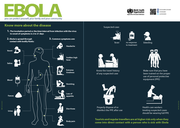
Strengthening health-system emergency preparedness.

What are the common health problems of refugees and migrants arriving in the European Region?
The most frequent health problems of newly arrived refugees and migrants include accidental injuries, hypothermia, burns, gastrointestinal illnesses, cardiovascular events, pregnancy- and delivery-related complications, diabetes and hypertension. Fe
...
male refugees and migrants frequently face specific challenges, particularly in maternal, newborn and child health, sexual and reproductive health, and violence. The exposure of refugees and migrants to the risks associated with population movements – psychosocial disorders, reproductive health problems, higher newborn mortality, drug abuse, nutrition disorders, alcoholism and exposure to violence – increase their vulnerability to noncommunicable diseases (NCDs)
more
Four simple steps to practice quality improvement at health facility level
The Report describes the evaluation of WHO's contribution to the Maternal Health Program in South-East Asia Region. This was an independent evaluation conducted in 2015 by Amaltas, a Delhi based organization. The evaluation highlights the progress i
...
n five countries, namely Bangladesh, Indonesia, Myanmar, Nepal and Sri Lanka and provides specific recommendations for Organizational Learning and Development. This report will be useful for all those interested in WHO's work on Maternal Health Program in the Region.
more

State of Health in the WHO African Region
recommended
This report is not a country scorecard. Rather, its purpose is to act as a compass to guide progress towards health in the SDGs.
There has been a significant improvement in the state of health in
...
the region with healthy life expectancy - time spent in full health - in the region increasing from 50.9 years to 53.8 between 2012 and 2015 - the most marked increase of any region in the world.
What is making Africans sick is changing. The top killers are still lower respiratory infections, HIV and diarrhoeal disease and countries have routinely focused on preventing and treating this trio, often through specialized programmes. The payoff has been significant declines in deaths due to these diseases. There has been a 50% reduction in the burden of disease caused by what have been the top 10 killers since 2000 and death rates have dropped from 87.7 to 51.1 deaths per 100,000 persons between 2000 and 2015...
Chronic diseases like heart disease and cancer are now claiming more lives with a person aged 30 to 70 in the region having a one in five chance of dying from a noncommunicable disease (NCDs).
Countries are specifically failing to provide essential services to two critical age groups – adolescents and the elderly...
more

The report focuses on several key areas where health outcomes are falling short, and provides insight into ways in which countries can improve the situation for their children and adolescents. Areas in focus include mental
...
health, overweight/obesity and adolescent risk-taking behaviour.
The report shows, for example, that:
- mental health remains a neglected subject – only one quarter of countries are collecting data on the number of children treated by a mental health professional;
- half of countries do not regulate the marketing of food to children, despite the fact that childhood obesity rates are high across the Region and physical activity rates are low;
- almost half of countries have no policy that affects the availability of unhealthy foods at school;
- 2 in 5 girls and 1 in 3 boys who are having sex do not protect themselves; and
one third of countries do not offer legal access to contraception without parental consent for those under 18 years of age.
more
A stated objective of WHO’s European Mental Health Action Plan 2013–2020 is to ensure better information and knowledge for service planning, development, monitoring and evaluation, including requesting Member States to report on the indicato
...
rs in the Plan.
Progress towards achieving the internationally agreed mental health objectives and targets is monitored in the periodic WHO Mental Health Atlas, which collates global information on mental health policies, resources and services.
This booklet provides a snapshot of the situation in countries in the WHO European region with regard to a number of core mental health targets and indicators, derived from the WHO’s Mental Health Atlas 2017.
more
The European Mental Health Action Plan 2013–2020
recommended
Mental disorders are one of the top public health challenges in the WHO European Region, affecting about 25% of the population every year. In all countries, mental health problems are much more prev
...
alent among the people who are most deprived. The WHO European Region therefore faces diverse challenges affecting both the mental well-being of the population and the provision and quality of care for people with mental health problems.
The European Mental Health Action Plan focuses on seven interlinked objectives and proposes effective action to strengthen mental health and well-being. Investing in mental health is essential for the sustainability of health and socioeconomic policies in the European Region. The Action Plan corresponds to the four priority areas of the European policy framework for health and wellbeing, Health 2020, and will contribute directly to its implementation.
more
Mental health conditions affect one in 10 people at any one time and account for a large proportion of non-fatal disease burden. There is a high degree of comorbidity between mental health condition
...
s such as depression and other noncommunicable diseases (NCDs), including cardiovascular disease, diabetes and alcohol-use disorders. Mental disorders share common features with other NCDs, including many underlying causes and overarching consequences, their high interdependency and tendency to co-occur, and their predilection to being best managed using integrated approaches.
more
New and updated information.
Adverse health effects of hot weather and heat-waves are largely preventable. Prevention requires a portfolio of actions at different levels:from health system pr
...
eparedness, coordinated with meteorological early warning systems, to timely public and medical advice andimprovements to housing and urban planning. This publication offers detailed information for various target audiences, and on medicaladvice and treatment practices
more

Public Health Aspects of Mental Health Among Migrants and Refugees: A Review of the Evidence on Mental Health Care for Refugees, Asylum Seekers and Irregular Migrants in the WHO European Region
Priebe, S.; D. Giacco, and Rawda El-Nagib.
World Health Organization WHO; Regional Office Europe
(2016)
C_WHO
Health Evidence Network Synthesis Report, No. 47
The increasing number of refugees, asylum seekers and irregular migrants poses a challenge for mental health services in Europe. This review found t
...
hat these groups are exposed to risk factors for mental disorders before, during and after migration. The prevalence rates of psychotic, mood and substance use disorders in these groups are variable but overall are similar to those in the host populations; however, the rates of post-traumatic stress disorder in refugees and asylum seekers are higher.
more
An information package for school staff
La violencia contra las mujeres y las niñas es generalizada en la Región de las Américas, y tiene enormes consecuencias para su salud y bienestar, así como el de sus familias y sus comunidades. Se trata de un costo inaceptable que puede ser prevenido mediante acciones basadas en la evidencia, pr
...
omovidas por las políticas y los protocolos del sector de la salud, y la colaboración con otros sectores. El presente informe es el primero de su tipo y representa un hito importante para la Región. Se basa específicamente en los compromisos asumidos por los Estados Miembros en la Estrategia y plan de acción sobre el fortalecimiento del sistema de salud para abordar la violencia contra la mujer. El informe ofrece un análisis de los esfuerzos para avanzar en la prevención de la violencia contra las mujeres en la Región por medio de políticas de salud, protocolos clínicos, planes multisectoriales y otros enfoques relevantes. La atención a este tema es oportuna, ya que la pandemia de COVID-19 ha dado más visibilidad a esta esfera de trabajo. En este informe se ofrece información crucial sobre los esfuerzos llevados a cabo en la Región, de los cuales se puede aprender y utilizar el conocimiento extraído en el futuro para prevenir y responder a la violencia contra las mujeres y las niñas en todo el mundo.
more
This policy paper outlines key health financing policy actions for countries to ensure universal access to health services and financial protection for people fleeing conflict. It focuses on three p
...
olicy areas – granting entitlement and ensure access to the full range of needed health services for people fleeing conflict, making additional funding available and strengthening purchasing arrangements. Policy guidance is illustrated using country examples from Europe. The paper’s recommendations are relevant to all countries in Europe.
more
Policy considerations for the WHO European Region
24 April 2020
Across the Western Pacific Region COVID-19 is placing enormous strain on health and economic systems apart from direct threats to personal health safety and livelihood the pandemic also has signific
...
ant implications on mental health and psychosocial well being adversity is an established risk factor for mental health problems thus the impact of COVID-19 on mental health is expected to be large diverse and far reaching mental health and psychosocial support mhpss are essential components of a public health response to COVID-19 this guidance note provides 10 activities that may be integrated in national COVID-19 response and mitigation plans
more
18 March 2020
WHO and public health authorities around the world are acting to contain the COVID-19 outbreak. However, this time of crisis is generating stress throughout the population. The considerations presented in this document have been dev
...
eloped by the WHO Department of Mental Health and Substance Use as a series of messages that can be used in communications to support mental and psychosocial well-being in different target groups during the outbreak.
more
Practical considerations
It provides more detailed and practical guidance for continuing services for each life stage across the life-course continuum. As such, both documents should be read and used together. The countries in South-East Asia and the Pacific regions would like to adapt the guidance
...
within the national and sub-national continuity plans, based on the local situation of COVID-19 transmission, containment response and health system capacity.
more
La violencia contra las niñas y los niños está muy extendida en la Región de las Américas y adopta diversas formas, todas ellas inaceptables. Este informe es un hito para la Región porque es el primero de su tipo. Se basa en INSPIRE: siete estrategias para poner fin a la violencia contra las n
...
iñas y los niños, un paquete técnico con estrategias basadas en la mejor evidencia disponible y con el mayor potencial para poner fin a la violencia contra la niñez. El lector encontrará un análisis de las estrategias y los enfoques para prevenir y responder a la violencia contra la infancia en las Américas
more
Childhood obesity is a major public health problem globally, which could undermine progress towards achieving the Sustainable Development Goals. Prevention is recognized as the most efficient means of curbing the epidemic; however, given the scale o
...
f the problem and the many children who need professional support due to the severity of the disease and/or obesity-related complications, health systems all over Europe must take steps to develop obesity management systems. The aim of this project was to assess the response of health care delivery systems in 19 countries in the WHO European Region to the childhood obesity epidemic.
more
Recommendations for health care professionals – the experience from Latvia

This checklist helps to identify the necessary measures to be implemented to mitigate infection transmission among travellers and ground-crossing staff in the context of the COVID-19 pandemic. It features key questions and considerations for gauging the capacity of responding to COVID-19 transmissio
...
n risks and informing on reducing them at and around ground crossings. It does so in the form of a structured questionnaire. The guidance will have particular relevance for National International Health Regulations Focal Points and competent authorities at the point of entry, including relevant representatives of ground crossing authority/ies of the country such as public health authorities, and representatives from other sectors, including law enforcement, customs and migration.
more
Interim Framework for the South-East Asia Region 28 October 2020

The report “Build back fairer: achieving health equity in the Eastern Mediterranean Region” provides ground breaking insights into the state of health inequities in the Region and urges countrie
...
s to take action to address the social determinants of health to reverse the worsening trend of inequity – aggravated by the COVID-19 pandemic, ongoing conflict, mass movements of people, environmental challenges, gender inequities and unemployment.
more
Drawing light from the pandemic: A new strategy for health and sustainable development (2021)
Available in English, French, German and Russian
This training module is designed to equip HWs with knowledge and communication skills to build their confidence and support them in their ability to promote acceptance of COVID-19 vaccination among other HWs.
Urbanization, land use, global trade and industrialization have led to profound and negative impacts on nature, biodiversity and ecosystems across the world. The ongoing depletion of natural resources not only afects environmental conditions but also has an enormous impact on the well-being and secu
...
rity of societies.
This report provides an overview of the impacts of the natural environment on human health. It presents the ways nature and ecosystems can support and protect health and well-being, and describes how nature degradation and loss of biodiversity can threaten human health.
more
This report presents country, regional and global estimates of low birth weight for 2000, together with a detailed description of the methods used in calculating the estimates. Some limited data on trends are also included. The limitations of low-bi
...
rth-weight data are described and recommendations are made for further improvements in the data for this important indicator of health.
more
Climate change is a verified, global phenomenon, but its consequences will not be evenly distributed. Developing countries and small island nations will be the most affected. Countries will experience more frequent extreme weather events and resulting changes in water quality and availability, incre
...
ased contamination of air, and food security problems. Health impact due to climate change include diarrhoeal diseases, vector-borne diseases, heat stress, malnutrition, deaths and injuries due to extreme weather events and mental stress.
more

Current evidence that the climate is changing is overwhelming. Impacts of climate change and variability are being observed: more intense heat-waves, fires and floods; and increased prevalence of food- water- and vector-borne diseases. Climate change will put pressure on environmental and
...
health determinants, such as food safety, air pollution and water quantity and quality. A climate-resilient future depends fundamentally on reducing greenhouse gas emissions. Limiting warming to below 2 °C requires transformational technological, institutional, political and behavioural changes: the foundations for this are laid out in the Paris Agreement of December 2015. The health sector can lead by example, shifting to environmentally friendly practices and minimizing its carbon emissions. A climate-resilient future will increasingly depend on managing and reducing climate change risks to protect health. In the near term, this can be enhanced by including climate change in national health programming and creating climate-resilient health systems.
more
There is a broad consensus nowadays that the Earth is warming up as a result of greenhouse gas emissions caused by anthropogenic activities. It is also clear that current trends in the fields of energy, development and population growth will lead to continuous and ever more dramatic climate change.
...
This is bound to affect the fundamental prerequisites for maintaining good health: clean air and water, sufficient food and adequate housing. The planet will warm up gradually, but the consequences of the extreme weather conditions such as frequent
storms, floods, droughts and heat-waves will have sudden onset and acute repercussions. It is widely accepted that climate change will have an impact on the spread of infectious diseases in Europe, which is likely to bring about new public health risks in the majority of cases. Transmission of infectious diseases depends on a number of factors, including climate and environmental elements. Foodborne and waterborne diseases, for instance, are associated with high temperatures. Disease-transmitting vectors (e.g. mosquitoes, sandflies and ticks) are highly sensitive to climate conditions, including temperature and humidity; their geographical distribution will widen as climate conditions change, potentially allowing them to spread into regions where they are not currently able to live.
The primary purpose of this manual on climate change and infectious diseases is to raise the awareness and the level of knowledge of health workers at national, regional and local levels in the former Yugoslav Republic of Macedonia on the health risks associated with climate change and infectious diseases. This manual was devel-
oped as part of the WHO Regional Office for Europe project, Protecting health from climate change: a seven–country initiative, implemented with financial support from the German Federal Ministry for the Environment, Nature Conservation and Nuclear Safety.
more
This brief summarizes the lessons learned across Europe on the redevelopment of contaminated sites as a part of urban planning and renewal. Specifically, it aims to provide information on the health and environmental impacts to be considered during
...
site redevelopment projects, and to identify good practice and relevant local experiences to support effective, healthy and sustainable redevelopment of contaminated sites. As such, this brief offers key messages to support the work of local decision-makers, planners, practitioners, researchers and civil society organizations.
more
India: health system review
Srivastava, Swati, Karan, Anup K., Bhan, Nandita, Mukhopadhya, Indranil. et al.
.World Health Organization (WHO), Regional Office for South-East Asia
(2022)
C_WHO


This European compendium was produced to provide operational examples of the new nursing and midwifery roles and new service delivery models currently being employed across the Region. The case studies directly relate to the priority areas in Health
...
2020 and exemplify the types of activities needed to fully implement the objectives within the Strategic Directions framework.
more
The Guidelines for the Prevention, Surveillance and Management of COVID-19 Infection amongst Health Care Workers (HCW) in Zimbabwe were developed to prevent, detect and manage HCW COVID-19 infection, an emerging pandemic affecting the whole world. T
...
he HCW is at the fore front of this pandemic, thus the need for standardised operating procedures is of utmost importance. These guidelines therefore seek to reduce the significant morbidity and mortality among the HCW, ultimately ensuring the reduction of the cost to the health care worker and the Ministry of Health and Child Care (MoHCC) as a whole. The Ministry of Health and Child Care requires that all health care workers in various health care settings follow infection prevention and control procedures.
more
ndependent of the current conflict, the health sector in Ukraine faces several critical shortcomings. In particular, the country has an oversupply of hospitals and an undersupply of primary care and diagnostic facilities. Addressing these limitation
...
s will require substantial amounts of capital investment, but constraints on public finances in the post-war context will reduce the Government’s ability to fund the needed reconfiguration. Multiple international financial institutions have stated their intention to support reconstruction in the aftermath of the war. The use of public–private partnerships (PPPs) may support the achievement of these outcomes and their use in Ukraine is likely to remain an important issue for Government policy-makers and their partners to consider in a variety of post-war scenarios.
more
Monitoring financial protection and utilization of health services in Mongolia 2009-2018 is based on national representative household socioeconomic surveys. The study finds that between 2009 and 2018, despite ambitious
...
health reforms, the incidence of catastrophic health spending and impoverishing spending at the relative poverty line have increased. These increases were mainly driven by out-of-pocket spending on medicines and inpatient care. In the same period, inequity in access to and utilization of health services remained constant among population groups. Evidence suggests health financing policies need to be further strengthened to make progress towards universal health coverage. Continuous tracking of out-of-pocket payments and service utilization to inform policymaking is needed.
more
La XV Reunión de la Comisión Regional de Certificación de la Erradicación de la Polio en la Región de las Américas se llevó a cabo del 25 al 27 de octubre del 2022 en Atlanta, Estados Unidos. Durante la reunión, La Comisión
...
Regional de Certificación (RCC, por su sigla en inglés) analizó y validó 6 informes de contención y 4 informes anuales de los países que no entregaron el Informe Anual 2021 en tiempo para su revisión durante la XIV reunión. La RCC también se reunió con el programa doméstico de polio de los Estados Unidos para discutir la situación del brote de cVDPV2. Todos los miembros de la RCC analizaron y aprobaron los resultados de validación y el informe final de la reunión
more
Workshop Report: Dhaka, Bangladesh 12-15 June 2023
The workshop aimed to support countries in the prioritization and acceleration of NCD prevention and management with a specific focus on accelerating the prevention and control of hypertension and diabetes, identifying the most impactful NCD interventions within their context, closing the gaps in ca
...
ncer care services through regional collaboration and integrating NCD services in when responding to emergencies.
more

