
Filter
7772
Text search:
prevention
guidelines
Featured
768
2023
Language
6938
325
308
212
119
103
38
37
31
12
12
10
9
9
9
7
6
6
6
5
5
5
5
5
5
5
5
4
4
4
4
4
4
4
4
4
4
3
3
3
3
3
3
3
3
2
2
2
2
2
2
2
2
2
2
2
2
1
1
1
1
1
1
1
1
1
1
1
1
1
Document type
4398
1287
996
417
273
151
115
63
22
16
16
6
5
1
1
Countries
362
278
235
169
156
151
150
147
146
136
128
117
117
112
112
107
100
100
90
84
76
73
72
71
69
63
61
61
59
58
52
49
48
48
47
47
46
44
43
43
41
40
38
35
34
32
30
30
29
27
22
22
19
16
16
16
16
15
15
14
14
13
13
13
12
12
12
11
11
11
10
10
10
10
10
10
9
8
8
8
7
7
7
7
7
7
6
6
6
6
6
6
5
5
5
5
4
4
4
4
4
4
4
4
4
4
4
4
4
3
3
3
3
3
3
3
3
3
3
2
2
2
2
2
2
2
2
2
2
2
2
2
2
1
1
1
1
1
1
1
1
1
1
1
1
1
1
1
1
1
1
1
1
1
Authors & Publishers
1027
452
392
274
178
147
139
130
117
61
51
51
50
49
49
46
46
39
38
37
37
36
35
33
33
32
32
31
30
30
30
28
26
25
25
24
23
22
22
22
22
21
21
21
20
20
20
20
19
19
19
19
18
18
18
17
17
17
17
16
16
16
16
16
15
15
14
14
14
14
14
14
14
14
14
14
13
13
13
13
13
13
13
13
12
12
12
12
12
11
11
11
11
11
11
11
10
10
10
10
10
10
10
10
10
10
10
10
10
10
10
10
9
9
9
9
9
9
9
9
8
8
8
8
8
8
8
8
8
8
8
8
8
8
8
8
8
8
8
7
7
7
7
7
7
7
7
7
7
7
7
7
7
7
7
7
7
7
7
7
7
7
7
7
7
7
7
7
7
7
7
7
7
7
6
6
6
6
6
6
6
6
6
6
6
6
6
6
6
6
6
6
6
6
6
6
6
6
6
6
6
6
6
6
6
6
6
6
6
6
6
6
6
6
6
6
6
6
5
5
5
5
5
5
5
5
5
5
5
5
5
5
5
5
5
5
5
5
5
5
5
5
5
5
5
5
5
5
5
5
5
5
5
5
5
5
5
5
5
5
5
5
5
5
5
5
5
5
5
5
5
5
5
5
5
5
5
5
5
5
4
4
4
4
4
4
4
4
4
4
4
4
4
4
4
4
4
4
4
4
4
4
4
4
4
4
4
4
4
4
4
4
4
4
4
4
4
4
4
4
4
4
4
4
4
4
4
4
4
4
4
4
4
4
4
4
4
4
4
4
4
4
4
4
4
4
4
4
4
4
4
4
4
4
3
3
3
3
3
3
3
3
3
3
3
3
3
3
3
3
3
3
3
3
3
3
3
3
3
3
3
3
3
3
3
3
3
3
3
3
3
3
3
3
3
3
3
3
3
3
3
3
3
3
3
3
3
3
3
3
3
3
3
3
3
3
3
3
3
3
3
3
3
3
3
3
3
3
3
3
3
3
3
3
3
3
3
3
3
3
3
3
3
3
3
3
3
3
3
3
3
3
3
3
3
3
3
3
3
3
3
3
3
3
3
3
3
3
3
3
3
3
3
3
3
3
3
3
3
3
3
3
3
3
3
3
3
3
3
3
3
3
3
3
3
3
3
3
3
3
3
3
3
3
3
3
3
3
3
3
3
3
3
3
3
3
3
3
3
3
3
3
3
3
3
3
3
2
2
2
2
2
2
2
2
2
2
2
2
2
2
2
2
2
2
2
2
2
2
2
2
2
2
2
2
2
2
2
2
2
2
2
2
2
2
2
2
2
2
2
2
2
2
2
2
2
2
2
2
2
2
2
2
2
2
2
2
2
2
2
2
2
2
2
2
2
2
2
2
2
2
2
2
2
2
2
2
2
2
2
2
2
2
2
2
2
2
2
2
2
2
2
2
2
2
2
2
2
2
2
2
2
2
2
2
2
2
2
2
2
2
2
2
2
2
2
2
2
2
2
2
2
2
2
2
2
2
2
2
2
2
2
2
2
2
2
2
2
2
2
2
2
2
2
2
2
2
2
2
2
2
2
2
2
2
2
2
2
2
2
2
2
2
2
2
2
2
2
2
2
2
2
2
2
2
2
2
2
2
2
2
2
2
2
2
2
2
2
2
2
2
2
2
2
2
2
2
2
2
2
2
2
2
2
2
2
2
2
2
2
2
2
2
2
2
2
2
2
2
2
2
2
2
2
2
2
2
2
2
2
2
2
2
2
2
2
2
2
2
2
2
2
2
2
2
2
2
2
2
2
2
2
2
2
2
2
2
2
2
2
2
2
2
2
2
2
2
2
2
2
2
2
2
2
2
2
2
2
2
2
2
2
2
2
2
2
2
2
2
2
2
2
2
2
2
2
2
2
2
2
2
2
2
2
2
2
2
2
2
2
2
2
2
2
2
2
2
2
2
2
2
2
2
2
2
2
2
2
2
2
2
2
2
2
2
2
2
2
2
2
2
2
2
2
2
2
2
2
2
2
2
2
2
2
2
2
2
2
2
2
2
2
2
2
2
2
2
2
2
2
2
2
2
2
2
2
2
2
2
2
2
2
2
2
2
2
2
2
2
2
2
2
2
2
2
2
2
2
2
2
2
2
2
2
2
2
2
2
2
2
2
2
2
2
2
2
2
2
2
2
2
2
2
2
2
2
2
2
2
2
2
2
2
2
2
2
2
2
2
2
2
2
2
2
2
2
2
2
2
2
2
2
2
2
2
1
1
1
1
1
1
1
1
1
1
1
1
1
1
1
1
1
1
1
1
1
1
1
1
1
1
1
1
1
1
1
1
1
1
1
1
1
1
1
1
1
1
1
1
1
1
1
1
1
1
1
1
1
1
1
1
1
1
1
1
1
1
1
1
1
1
1
1
1
1
1
1
1
1
1
1
1
1
1
1
1
1
1
1
1
1
1
1
1
1
1
1
1
1
1
1
1
1
1
1
1
1
1
1
1
1
1
1
1
1
1
1
1
1
1
1
1
1
1
1
1
1
1
1
1
1
1
1
1
1
1
1
1
1
1
1
1
1
1
1
1
1
1
1
1
1
1
1
1
1
1
1
1
1
1
1
1
1
1
1
1
1
1
1
1
1
1
1
1
1
1
1
1
1
1
1
1
1
1
1
1
1
1
1
1
1
1
1
1
1
1
1
1
1
1
1
1
1
1
1
1
1
1
1
1
1
1
1
1
1
1
1
1
1
1
1
1
1
1
1
1
1
1
1
1
1
1
1
1
1
1
1
1
1
1
1
1
1
1
1
1
1
1
1
1
1
1
1
1
1
1
1
1
1
1
1
1
1
1
1
1
1
1
1
1
1
1
1
1
1
1
1
1
1
1
1
1
1
1
1
1
1
1
1
1
1
1
1
1
1
1
1
1
1
1
1
1
1
1
1
1
1
1
1
1
1
1
1
1
1
1
1
1
1
1
1
1
1
1
1
1
1
1
1
1
1
1
1
1
1
1
1
1
1
1
1
1
1
1
1
1
1
1
1
1
1
1
1
1
1
1
1
1
1
1
1
1
1
1
1
1
1
1
1
1
1
1
1
1
1
1
1
1
1
1
1
1
1
1
1
1
1
1
1
1
1
1
1
1
1
1
1
1
1
1
1
1
1
1
1
1
1
1
1
1
1
1
1
1
1
1
1
1
1
1
1
1
1
1
1
1
1
1
1
1
1
1
1
1
1
1
1
1
1
1
1
1
1
1
1
1
1
1
1
1
1
1
1
1
1
1
1
1
1
1
1
1
1
1
1
1
1
1
1
1
1
1
1
1
1
1
1
1
1
1
1
1
1
1
1
1
1
1
1
1
1
1
1
1
1
1
1
1
1
1
1
1
1
1
1
1
1
1
1
1
1
1
1
1
1
1
1
1
1
1
1
1
1
1
1
1
1
1
1
1
1
1
1
1
1
1
1
1
1
1
1
1
1
1
1
1
1
1
1
1
1
1
1
1
1
1
1
1
1
1
1
1
1
1
1
1
1
1
1
1
1
1
1
1
1
1
1
1
1
1
1
1
1
1
1
1
1
1
1
1
1
1
1
1
1
1
1
1
1
1
1
1
1
1
1
1
1
1
1
1
1
1
1
1
1
1
1
1
1
1
1
1
1
1
1
1
1
1
1
1
1
1
1
1
1
1
1
1
1
1
1
1
1
1
1
1
1
1
1
1
1
1
1
1
1
1
1
1
1
1
1
1
1
1
1
1
1
1
1
1
1
1
1
1
1
1
1
1
1
1
1
1
1
1
1
1
1
1
1
1
1
1
1
1
1
1
1
1
1
1
1
1
1
1
1
1
1
1
1
1
1
1
1
1
1
1
1
1
1
1
1
1
1
1
1
1
1
1
1
1
1
1
1
1
1
1
1
1
1
1
1
1
1
1
1
1
1
1
1
1
1
1
1
1
1
1
1
1
1
1
1
1
1
1
1
1
1
1
1
1
1
1
1
1
1
1
1
1
1
1
1
1
1
1
1
1
1
1
1
1
1
1
1
1
1
1
1
1
1
1
1
1
1
1
1
1
1
1
1
1
1
1
1
1
1
1
1
1
1
1
1
1
1
1
1
1
1
1
1
1
1
1
1
1
1
1
1
1
1
1
1
1
1
1
1
1
1
1
1
1
1
1
1
1
1
1
1
1
1
1
1
1
1
1
1
1
1
1
1
1
1
1
1
1
1
1
1
1
1
1
1
1
1
1
1
1
1
1
1
1
1
1
1
1
1
1
1
1
1
1
1
1
1
1
1
1
1
1
1
1
1
1
1
1
1
1
1
1
1
1
1
1
1
1
1
1
1
1
1
1
1
1
1
1
1
1
1
1
1
1
1
1
1
1
1
1
1
1
1
1
1
1
1
1
1
1
1
1
1
1
1
1
1
1
1
1
1
1
1
1
1
1
1
1
1
1
1
1
1
1
1
1
1
1
1
1
1
1
1
1
1
1
1
1
1
1
1
1
1
1
1
1
1
1
1
1
1
1
1
1
1
1
1
1
1
1
1
1
1
1
1
1
1
1
1
1
1
1
1
1
1
1
1
1
1
1
1
1
1
1
1
1
1
1
1
1
1
1
1
1
1
1
1
1
1
1
1
1
1
1
1
1
1
1
1
1
1
1
1
1
1
1
1
1
1
1
1
1
1
1
1
1
1
1
1
1
1
1
1
1
1
1
1
1
1
1
1
1
1
1
1
1
1
1
1
1
1
1
1
1
1
1
1
1
1
1
1
1
1
1
1
1
1
1
1
1
1
1
1
1
1
1
1
1
1
1
1
1
1
1
1
1
1
1
1
1
1
1
1
1
1
1
1
1
1
1
1
1
1
1
1
1
1
1
1
1
1
1
1
1
1
1
1
1
1
1
1
1
1
1
1
1
1
1
1
1
1
1
1
1
1
1
1
1
1
1
1
1
1
1
1
1
1
1
1
1
1
1
1
1
1
1
1
1
1
1
1
1
1
1
1
1
1
1
1
1
1
1
1
1
1
1
1
1
1
1
1
1
1
1
1
1
1
1
1
1
1
1
1
1
1
1
1
1
1
1
1
1
1
1
1
1
1
1
1
1
1
1
1
1
1
1
1
1
1
1
1
1
1
1
1
1
1
1
1
1
1
1
1
1
1
1
1
1
1
1
1
1
1
1
1
1
1
1
1
1
1
1
1
1
1
1
1
1
1
1
1
1
1
1
1
1
1
1
1
1
1
1
1
1
1
1
1
1
1
1
1
1
1
1
1
1
1
1
1
1
1
1
1
1
1
1
1
1
1
1
1
1
1
1
1
1
1
1
1
1
1
1
1
1
1
1
1
1
1
1
1
1
1
1
1
1
1
1
1
1
1
1
1
1
1
1
1
1
1
1
1
1
1
1
1
1
1
1
1
1
1
1
1
1
1
1
1
1
1
1
1
1
1
1
1
1
1
1
1
1
1
1
1
1
1
1
1
1
1
1
1
1
1
1
1
1
1
1
1
1
1
1
1
1
1
1
1
1
1
1
1
1
1
1
1
1
1
1
1
1
1
1
1
1
1
1
1
1
1
1
1
1
1
1
1
1
1
1
1
1
1
1
1
1
1
1
1
1
1
1
1
1
1
1
1
1
1
1
1
1
1
1
1
1
1
1
1
1
1
1
1
1
1
1
1
1
1
1
1
1
1
1
1
1
1
1
1
1
1
1
1
1
1
1
1
1
1
1
1
1
1
1
1
1
1
1
1
1
1
1
1
1
1
1
1
1
1
1
1
1
1
1
1
1
1
1
1
1
1
1
1
1
1
1
1
1
1
1
1
1
1
1
1
1
1
1
1
1
1
1
1
1
1
1
1
1
1
1
1
1
1
1
1
1
1
1
1
1
1
1
1
1
1
1
1
1
1
1
1
1
1
1
1
1
1
1
1
1
1
1
1
1
1
1
1
1
1
1
1
1
1
1
1
1
1
1
1
1
1
1
1
1
1
1
1
1
1
1
1
1
1
1
1
1
1
1
1
1
1
1
1
1
1
1
1
1
1
1
1
1
1
1
1
1
1
1
1
1
1
1
1
1
1
1
1
1
1
1
1
1
1
1
1
1
1
1
1
1
1
1
1
1
1
1
1
1
1
1
1
1
1
1
1
1
1
1
1
1
1
1
1
1
1
1
1
1
1
1
1
1
1
1
1
1
1
1
1
1
1
1
1
1
1
1
1
1
1
1
1
1
1
1
1
1
1
1
1
1
1
1
1
1
1
1
1
1
1
1
1
1
1
1
1
1
1
1
1
1
1
1
1
1
1
1
1
1
1
1
1
1
1
1
1
1
1
1
1
1
1
1
1
1
1
1
1
1
1
1
1
1
1
1
1
1
1
1
1
1
1
1
1
1
1
1
1
1
1
1
1
1
1
1
1
1
1
1
1
1
1
1
1
1
1
1
1
1
1
1
1
1
1
1
1
1
1
1
1
1
1
1
1
1
1
1
1
1
1
1
1
1
1
1
1
1
1
1
1
1
1
1
1
1
1
1
1
1
1
1
1
1
1
1
1
1
1
1
1
1
1
1
1
1
1
1
1
1
1
1
1
1
1
1
1
1
1
1
1
1
1
1
1
1
1
1
1
1
1
1
1
1
1
1
1
1
1
1
1
1
1
1
1
1
1
1
1
1
1
1
1
1
1
1
1
1
1
1
1
1
1
1
1
1
1
1
1
1
1
1
1
1
1
1
1
1
1
1
1
1
1
1
1
1
1
1
1
1
1
1
1
1
1
1
1
1
1
1
1
1
1
1
1
1
1
1
1
1
1
1
1
1
1
1
1
1
1
1
1
1
1
1
1
1
1
1
1
1
1
1
1
1
1
1
1
1
1
1
1
1
1
1
1
1
1
1
1
1
1
1
1
1
1
1
1
1
1
1
1
1
1
1
1
1
1
1
1
1
1
1
1
1
1
1
1
1
1
1
1
1
1
1
1
1
1
1
1
1
1
1
1
1
1
1
1
1
1
1
1
1
1
1
1
1
1
1
1
1
1
1
1
1
1
1
1
1
1
1
1
1
1
1
1
1
1
1
1
1
1
1
1
1
1
1
1
1
1
1
1
1
1
1
1
1
1
1
1
1
1
1
1
1
1
1
1
1
1
1
1
1
1
1
1
1
1
1
1
1
1
1
1
1
1
1
1
1
1
1
1
1
1
1
1
1
1
1
1
1
1
1
1
1
1
1
1
1
1
1
1
1
1
1
1
1
1
1
1
1
1
1
1
1
1
1
1
1
1
1
1
1
1
1
1
1
1
1
1
1
1
1
1
1
1
1
1
1
1
1
1
1
1
1
1
1
1
1
1
1
1
1
1
1
1
1
1
1
1
1
1
1
1
1
1
1
1
1
1
1
1
1
1
1
1
1
1
1
1
1
1
1
1
1
1
1
1
1
1
1
1
1
1
1
1
1
1
1
1
1
1
1
1
1
1
1
1
1
1
1
1
1
1
1
1
1
1
1
1
1
1
1
1
1
1
1
1
1
1
1
1
1
1
1
1
1
1
1
1
1
1
1
1
1
1
1
1
1
1
1
1
1
1
1
1
1
1
1
1
1
1
1
1
1
1
1
1
1
1
1
1
1
1
1
1
1
1
1
1
1
1
1
1
1
1
1
1
1
1
1
1
1
1
1
1
1
1
1
1
1
1
1
1
1
1
1
1
1
1
1
1
1
1
1
1
1
1
1
1
1
1
1
1
1
1
1
1
1
1
1
1
1
1
1
1
1
1
1
1
1
1
1
1
1
1
1
1
1
1
1
1
1
1
1
1
1
1
1
1
1
1
1
1
1
1
1
1
1
1
1
1
1
1
1
1
1
1
1
1
1
1
1
1
1
1
1
1
1
1
1
1
1
1
1
1
1
1
1
1
1
1
1
1
1
1
1
1
1
1
1
1
1
1
1
1
1
1
1
1
1
1
1
1
1
1
1
1
1
1
1
1
1
1
1
1
1
1
1
1
1
1
1
1
1
1
1
1
1
1
1
1
1
1
1
1
1
1
1
1
1
1
1
1
1
1
1
1
1
1
1
1
1
1
1
1
1
1
1
1
1
1
1
1
1
1
1
1
1
1
1
1
1
1
1
1
1
1
1
1
1
1
1
1
1
1
1
1
1
1
1
1
1
1
1
1
1
1
1
1
1
1
1
1
1
1
1
1
1
1
1
1
1
1
1
1
1
1
1
1
1
1
1
1
1
1
1
1
1
1
1
1
1
1
1
1
1
1
1
1
1
1
1
1
1
1
1
1
1
1
1
1
1
1
1
1
1
1
1
1
1
1
1
1
1
1
1
1
1
1
1
1
1
1
1
1
1
1
1
1
1
1
1
1
1
1
1
1
1
1
1
1
1
1
1
1
1
1
1
1
1
1
1
1
1
1
1
1
1
1
1
1
1
1
1
1
1
1
1
1
1
1
1
1
1
1
1
1
1
1
1
1
1
1
1
1
1
1
1
1
1
1
1
1
1
1
1
1
1
1
1
1
1
1
1
1
1
1
1
1
1
1
1
1
1
1
1
1
1
1
1
1
1
1
1
1
1
1
1
1
1
1
1
1
1
1
1
1
1
1
1
1
1
1
1
1
1
1
1
1
1
1
1
1
1
1
1
1
1
1
1
1
1
1
1
1
1
1
1
1
1
1
1
1
1
1
1
1
1
1
1
1
1
1
1
1
1
1
1
1
1
1
1
1
1
1
1
1
1
1
1
1
1
1
1
1
1
1
1
1
1
1
1
1
1
1
1
1
1
1
1
1
1
1
1
1
1
1
1
1
1
1
1
1
1
1
1
1
1
1
1
1
1
1
1
1
1
1
1
1
1
1
1
1
1
1
1
1
1
1
1
1
1
1
1
1
1
1
1
1
1
1
1
1
1
1
1
1
1
1
1
1
1
1
1
1
1
1
1
1
1
1
1
1
1
1
1
1
1
1
1
1
1
1
1
1
1
1
1
1
1
1
1
1
1
1
1
1
1
1
1
1
1
1
1
1
1
1
1
1
1
1
1
1
1
1
1
1
1
1
1
1
1
1
1
1
1
1
1
1
1
1
1
1
1
1
1
1
1
1
1
1
1
1
1
1
1
1
1
1
1
1
1
1
1
1
1
1
1
1
1
1
1
1
1
1
1
1
1
1
1
1
1
1
1
1
1
1
1
1
1
1
1
1
1
1
1
1
1
1
1
1
1
1
1
1
1
1
1
1
1
1
1
1
1
1
1
1
1
1
1
1
1
1
1
1
1
1
1
1
1
1
1
1
1
1
1
1
1
1
1
1
1
1
1
1
1
1
1
1
1
1
1
1
1
1
1
1
1
1
1
1
1
1
1
1
1
1
1
1
1
1
1
1
1
1
1
1
1
1
1
1
1
1
1
1
1
1
1
1
1
1
1
1
1
1
1
1
1
1
1
1
1
1
1
1
1
1
1
1
1
1
1
1
1
1
1
1
1
1
1
1
1
1
1
1
1
1
1
1
1
1
1
1
1
1
1
1
1
1
1
1
1
1
1
1
1
1
1
1
1
1
1
1
1
1
1
1
1
1
1
1
1
1
1
1
1
1
1
1
1
1
1
1
1
1
1
1
1
1
1
1
1
1
1
1
1
1
1
1
1
1
1
1
1
1
1
1
1
1
1
1
1
1
1
1
1
1
1
1
1
1
1
1
1
1
1
1
1
1
1
1
1
1
1
1
1
1
1
1
1
1
1
1
1
1
1
1
1
1
1
1
1
1
1
1
1
1
1
1
1
1
1
1
1
1
1
1
1
1
1
1
1
1
1
1
1
1
1
1
1
1
1
1
1
1
1
1
1
1
1
1
1
1
1
1
1
1
1
1
1
1
1
1
1
1
1
1
1
1
1
1
1
1
1
1
1
1
1
1
1
1
1
1
1
1
1
1
1
1
1
1
1
1
1
1
1
1
1
1
1
1
1
1
1
1
1
1
1
1
1
1
1
1
1
1
1
1
1
1
1
1
1
1
1
1
1
1
1
1
1
1
1
1
1
1
1
1
1
1
1
1
1
1
1
1
1
1
1
1
1
1
1
1
1
1
1
1
1
1
1
1
1
1
1
1
1
1
1
1
1
1
1
1
1
1
1
1
1
1
1
1
1
1
1
1
1
1
1
1
1
1
1
1
1
1
1
1
1
1
1
1
1
1
1
1
1
1
1
1
1
1
1
1
1
1
1
1
1
1
1
1
1
1
1
1
1
1
1
1
1
1
1
1
1
1
1
1
1
1
1
1
1
1
1
1
1
1
1
1
1
1
1
1
1
1
1
1
1
1
1
1
1
1
1
1
1
1
1
1
1
1
1
1
1
1
1
1
1
1
1
1
1
1
1
1
1
1
1
1
1
1
1
1
1
1
1
1
1
1
1
1
1
1
1
1
1
1
1
1
1
1
1
1
1
1
1
1
1
1
1
1
1
1
1
1
1
1
1
1
1
1
1
1
1
1
1
1
1
1
1
1
1
1
1
1
1
1
1
1
1
1
1
1
1
1
1
1
1
1
1
1
1
1
1
1
1
1
1
1
1
1
1
1
1
1
1
1
1
1
1
1
1
1
1
1
1
1
1
1
1
1
1
1
1
1
1
1
1
1
1
1
1
1
1
1
1
1
1
1
1
1
1
1
1
1
1
1
1
1
1
1
1
1
1
1
1
1
1
1
1
1
1
1
1
1
1
1
1
1
1
1
1
1
1
1
1
1
1
1
1
1
1
1
1
1
1
1
1
1
1
1
1
1
1
1
1
1
1
1
1
1
1
1
1
1
1
1
1
1
1
1
1
1
1
1
1
1
1
1
1
1
1
1
1
1
1
1
1
1
1
1
1
1
1
1
1
1
1
1
1
1
1
1
1
1
1
1
1
1
1
1
1
1
1
1
1
1
1
1
1
1
1
1
1
1
1
1
1
1
1
1
1
1
1
1
1
1
1
1
1
1
1
1
1
1
1
1
1
1
1
1
1
1
1
1
1
1
1
1
1
1
1
1
1
1
1
1
1
1
1
1
1
1
1
1
1
1
1
1
1
1
1
1
1
1
1
1
1
1
1
1
1
1
1
1
1
1
1
1
1
1
1
1
1
1
1
1
1
1
1
1
1
1
1
1
1
1
1
1
1
1
1
1
1
1
1
1
1
1
1
1
1
1
1
1
1
1
1
1
1
1
1
1
1
1
1
1
1
1
1
1
1
1
1
1
1
1
1
1
1
1
1
1
1
1
1
1
1
1
1
1
1
1
1
1
1
1
1
1
1
1
1
1
1
1
1
1
1
1
1
1
1
1
1
1
1
1
1
1
1
1
1
1
1
1
1
1
1
1
1
1
1
1
1
1
1
1
1
1
1
1
1
1
1
1
1
1
1
1
1
1
1
1
1
1
1
1
1
1
1
1
1
1
1
1
1
1
1
1
1
1
1
1
1
1
1
1
1
1
1
1
1
1
1
1
1
1
1
1
1
1
1
1
1
1
1
1
1
1
1
1
1
1
1
1
1
1
1
1
1
1
1
1
1
1
1
1
1
1
1
1
1
1
1
1
1
1
1
1
1
1
1
1
1
1
1
1
1
1
1
1
1
1
1
1
1
1
1
1
1
1
1
1
1
1
1
1
1
1
1
1
1
1
1
1
1
1
1
1
1
1
1
1
1
1
1
1
1
1
1
1
1
1
1
1
1
1
1
1
1
1
1
1
1
1
1
1
1
1
1
1
1
1
1
1
1
1
1
1
1
1
1
1
1
1
1
1
1
1
1
1
1
1
1
1
1
1
1
1
1
1
1
1
1
1
1
1
1
1
1
1
1
1
1
1
1
1
1
1
1
1
1
1
1
1
1
1
1
1
1
1
1
1
1
1
1
1
1
1
1
1
1
1
1
1
1
1
1
1
1
1
1
1
1
1
1
1
1
1
1
1
1
1
1
1
1
1
1
1
1
1
1
1
1
1
1
1
1
1
1
1
1
1
1
1
1
1
1
1
1
1
1
1
1
1
1
1
1
1
1
1
1
1
1
1
1
1
1
1
1
1
1
1
1
1
1
1
1
1
1
1
1
1
1
1
1
1
1
1
1
1
1
1
1
1
1
1
1
1
1
1
1
1
1
1
1
1
1
1
1
1
1
1
1
1
1
1
1
1
1
1
1
1
1
1
1
1
1
1
1
1
1
1
1
1
1
1
1
1
1
1
1
1
1
1
1
1
1
1
1
1
1
1
1
1
1
1
1
1
1
1
1
1
1
1
1
1
1
1
1
1
1
1
1
1
1
1
1
1
1
1
1
1
1
1
1
1
1
1
1
1
1
1
1
1
1
1
1
1
1
1
1
1
1
1
1
1
1
1
1
1
1
1
1
1
1
1
1
1
1
1
1
1
1
1
1
1
1
1
1
1
1
1
1
1
1
1
1
1
1
1
1
1
1
1
1
1
1
1
1
1
1
1
1
1
1
1
1
1
1
1
1
1
1
1
1
1
1
1
1
1
1
1
1
1
1
1
1
1
1
1
1
1
1
1
1
1
1
1
1
1
1
1
1
1
1
1
1
1
1
1
1
1
1
1
1
1
1
1
1
1
1
1
1
1
1
1
1
1
1
1
1
1
1
1
1
1
1
1
1
1
1
1
1
1
1
1
1
1
1
1
1
1
1
1
1
1
1
1
1
1
1
1
1
1
1
1
1
1
1
1
1
1
1
1
1
1
1
1
1
1
1
1
1
1
1
1
1
1
1
1
1
1
1
1
1
1
1
1
1
1
1
1
1
1
1
1
1
1
1
1
1
1
1
1
1
1
1
1
1
1
1
1
1
1
1
1
1
1
1
1
1
1
1
1
1
1
1
1
1
1
1
1
1
1
1
1
1
1
1
1
1
1
1
1
1
1
1
1
1
1
1
1
1
1
1
1
1
1
1
1
1
1
1
1
1
1
1
1
1
1
1
1
1
1
1
1
1
1
1
1
1
1
1
1
1
1
1
1
1
1
1
1
1
1
1
1
1
1
1
1
1
1
1
1
1
1
1
1
1
1
1
1
1
1
1
1
1
1
1
1
1
1
1
1
1
1
1
1
1
1
1
1
1
1
1
1
1
1
1
1
1
1
1
1
1
1
1
1
1
1
1
1
1
1
1
1
1
1
1
1
1
1
Publication Years
2049
4925
755
39
2
1
1
Category
3009
690
462
437
296
168
98
11
3
3
Toolboxes
758
715
526
500
299
267
223
210
196
192
162
149
142
135
113
81
80
76
71
44
36
28
12
2
1
The goal of this addendum is to help management and staff
minimize the risk of TB transmission at facilities in resource limited settings in which a.) HIV-infected persons receive diagnosis, care, treatment,
and/or support, and b.) there is a high prevalence of HIV infection, both known
and
...
undiagnosed, in settings such as prisons, jails, other
detention centers, and drug rehabilitation centers.
more
Management, control and prevention of tuberculosis - Guidelines for health care providers
Prof. C. Abobltins, L. Brown, Prof N. Curtis, et al.
Department of Health & Human Services; State Goverment Victoria
(2015)
C2
It summarizes guidance on how to manage – and when to refer – children and adolescents presenting with common complaints and conditions. It includes information to enable primary health care providers to coordinate the continued care of children and adolescents with long-term conditions and dise
...
ases managed by specialists. Preventive and promotive measures from the newborn period to adolescence include advice on the timing and content of well-child visits, the promotion of early childhood development and health messages for adolescents.
This Pocket Book aims to improve the diagnosis and management of common conditions in children and adolescents that can be managed at the outpatient level. It helps to improve the use of laboratory and other diagnostic measures and the rational use of essential drugs and equipment.
more
2020 Focused Updates to the Asthma Management Guidelines: A Report from the National Asthma Education and Prevention Program Coordinating Committee Expert Panel Working Group
Cloutier, M. M.; Baptist, A.P.; Teach, S.J.; et al.
The Journal of Allergy and Clinical Immunology
(2020)
CC2
The2020 Focused Updates to the Asthma Management Guidelines: A Report from the National Asthma Education and Prevention Program Coordinating Committee Expert Panel Working Group was coordinated and
...
supported by the National Heart, Lung, and Blood Institute (NHLBI) of the National Institutes of Health. It is designed to improve patient care and support informed decision making about asthma management in the clinical setting. This update addresses six priority topic areas as determined by the state of the science at the time of a needs assessment, and input from multiple stakeholders:
• Fractional Exhaled Nitric Oxide Testing
• Indoor Allergen Mitigation
• Intermittent Inhaled Corticosteroids
• Long-Acting Muscarinic Antagonists
• Immunotherapy in the Treatment of Allergic Asthma
• Bronchial Thermoplasty
more
This document provides guidance on the application of non-pharmaceutical countermeasures to minimise the spread of the 2019 novel coronavirus (2019-nCoV) in the population. Some of the measures proposed refer specifically to certain phases of the epidemic (containment or mitigation phases), and can
...
be adapted depending on the assessed severity/impact of the infection. Other measures are valid for all phases of an epidemic.
The guidance is based on the current knowledge of the 2019-nCoV and evidence available on other viral respiratory pathogens, mainly the Severe Acute Respiratory Syndrome coronavirus (SARS-CoV), the Middle East Respiratory Syndrome-related coronavirus (MERS-CoV) and seasonal or pandemic influenza viruses.
more
These Guidelines on prudent use of antimicrobials in human health are based on a technical report prepared by the European Centre for Disease Prevention and Control (ECDC) with input from EU Member
...
States experts and stakeholders, which should be referred to for details of the methodology used in creating the guidelines as well as for additional references
more
Suicide first aid guidelines for The Philippines
recommended
These guidelines are a general set of recommendations about how you can help someone who may be at rick of suicide. Each individual is unique and it is important to tailor your support to that person´s needs. Also, the
...
guidelines are designed to be suitable for providing first aid in the Philippines. They might not be suitable for other cultural groups or for countries with different health systems.
more
Non-pharmaceutical interventions (NPI) are public health measures that aim to prevent and/or control SARS-CoV-2 transmission in the community. As long as there is no effective and safe vaccine to protect those at risk of severe COVID-19, NPI are the most effective public health interventions against
...
COVID-19. These ECDC guidelines detail available options for NPI in various epidemiologic scenarios, assess the evidence for their effectiveness and address implementation issues, including potential barriers and facilitators.
more
Sexually Transmitted Diseases Treatment Guidelines, 2015
Centers for Disease Control and Prevention
(2015)
CC
These guidelines outline the minimum operational guidance for infection prevention and control (IPC) in ambulances transferring suspected or confirmed COVID-19 patients. Ambulance staff should be tr
...
ained in the procedures outlined here as part of their induction and prior to starting work. They are to be supported by their operating organization with available personal protective equipment (PPE) and cleaning materials. These guidelines are subject to adaptation according to the specific operational context. Standard infection control precautions must be used with all patients.
more
This joint ECDC-European Union Aviation Safety Agency (EASA) document aims to support Member States in determining a coordinated approach to reduce the risks related to the movement of people by air within and between the EU/EEA countries and the UK in the context of the COVID-19 pandemic, noting th
...
at the impact of quarantine and testing is likely to vary according to levels of ongoing community transmission, and in the context of ECDC’s current advice that non-essential travel should be avoided during the end-of year festive period
more
MMWR. Recommendations and Reports:
December 16, 2005 / 54(RR15);49-55
MMWR: Recommendations and Reports / Vol. 62 / No. 9
Morbidity and Mortality Weekly Report
October 25, 2013
Detonation of a nuclear weapon or activation of a radiological dispersal device could cause radioactively contaminated decedents. These guidelines are designed to address both of these scenarios. They could also be applicable in other instances whe
...
re decedents’ bodies are contaminated with radioactive material (e.g. reactor accidents, transportation accidents involving radioactive material, or
the discharge of a decedent from a hospital after injection or implantation of a radiopharmaceutical). These guidelines suggest ways for medical examiners, coroners, and morticians to deal with loose surface contamination, internal contamination, or shrapnel on or in decedents’ bodies.
more
Biobehavioural Survey Guidelines - For Populations at risk for HIV
A. Abdul-Quader; M. Berry; T. Bingham; J. Burnett; et al.
Centers for Diseases Control and Prevention; UNAIDS; World Health Organization; et al.
(2017)
C_WHO
Global HIV Strategic Information Working Group
Sexually Transmitted Diseases Treatment Guidelines, 2015. Pocket guide
Centers for Disease Control and Prevention
(2015)
CC
Sexually Transmitted Diseases Treatment Guidelines, 2015. Wall Chart
Centers for Disease Control and Prevention
(2015)
CC
Because malaria cases are seen relatively rarely in North America, misdiagnosis by clinicians and laboratorians has been a commonly documented problem in published reports. However, malaria may be a common illness in areas where it is transmitted and therefore the diagnosis of malaria should routine
...
ly be considered for any febrile person who has traveled to an area with known malaria transmission in the past several months preceding symptom onset.
more
African Antibiotic Treatment Guidelines for Common Bacterial Infections and Syndromes – Recommended Antibiotic Treatments in Adult Patients
recommended
Africa Centres for Disease Control and Prevention Center for Disease Dynamics, Economics & Policy
Africa Centres for Disease Control and Prevention Center for Disease Dynamics, Economics & Policy
(2021)
CC
African Antibiotic Treatment Guidelines for Common Bacterial Infections and Syndromes – Final Report
Africa Centres for Disease Control and Prevention Center for Disease Dynamics, Economics & Policy
Africa Centres for Disease Control and Prevention Center for Disease Dynamics, Economics & Policy
(2021)
CC
The application of digital health technology is growing at a rapid rate in Africa, with the goals of improving the delivery of healthcare services and more effectively reaching out to remote and underserved communities. The lack of enabling guidelines
...
and standards across the continent, on the other hand, makes it difficult to share data in a meaningful way across the continent.
Considering this, Africa Centres for Disease Control and Prevention (Africa CDC) established a task force of 24 members to provide expertise and guidance in the development of AU HIE guidelines and standards. Members of the task force were subject matter experts working in Africa and internationally on the collection, analysis, and exchange of health information. Some of these experts had been involved in previous consultations on defining Africa CDC’s health information systems strategy. A chairperson, co-chairperson, and secretary were elected to engage the task force members in different technical working groups.
more
The application of digital health technology is growing at a rapid rate in Africa, with the goals of improving the delivery of healthcare services and more effectively reaching out to remote and underserved communities. The lack of enabling guidelines
...
and standards across the continent, on the other hand, makes it difficult to share data in a meaningful way across the continent.
Considering this, Africa Centres for Disease Control and Prevention (Africa CDC) established a task force of 24 members to provide expertise and guidance in the development of AU HIE guidelines and standards. Members of the task force were subject matter experts working in Africa and internationally on the collection, analysis, and exchange of health information. Some of these experts had been involved in previous consultations on defining Africa CDC’s health information systems strategy. A chairperson, co-chairperson, and secretary were elected to engage the task force members in different technical working groups.
more

Division of Global Migration and Quarantine
April 16, 2012
Covid-19 Test to Treat Guidelines
recommended
n response to the outbreak, the Africa Centres for Disease Control and Prevention (Africa CDC) has been supporting African Union Member States in responding to the COVID-19 pandemic through a variety of interventions such as non-pharmaceutical inter
...
ventions, quarantine, testing, isolation, contact tracing, and clinical management. The Test to Treat guideline aims to increase continental testing efforts and reduce COVID-19 transmission in Africa and put-up response measures to control the impact of the virus, both to limit spread and to reduce substantially the risks of severe health outcomes related to COVID-19 infection. These countermeasures include highly effective vaccines and boosters, rapid testing options for monitoring exposure, and effective therapeutic options for both pre-exposure prevention and treatment of mild-to-moderate disease, oxygen therapy for moderate-severe disease, all of which can potentially be updated efficiently as new variants emerge that may affect the effectiveness of the available tools.
more
Prevention Guidelines on Marburg virus disease
Prevention and Control of Cholera Uganda
recommended
Operational Guidelines for the national and district health workers & planners.
These new approaches include use of selective chemotherapy, Rapid Diagnostic Tests (RDTs), Zinc for treatment of cholera in children and complementary use of OCV
The intent of these guidelines is to develop a holistic, coordinated, proactive and technology driven strategy for management of biological disasters through a culture of prevention, mitigation and
...
preparedness to generate a prompt and effective response in the event of an emergency. The document contains comprehensive guidelines for preparedness activities, biosafety and biosecurity measures, capacity development, specialised health care and laboratory facilities, strengthening of the existing legislative/
regulatory framework, mental health support, response, rehabilitation and recovery, etc. It specifically lays down the approach for implementation of the guidelines by the central ministries/departments, states, districts and other stakeholders, in a time bound manner.
more

As part of our commitment to the fight against NCDs, Nigeria was signatory to the political declaration at the UN General Assembly High Level Meeting on NCDs in September 2011. Thus, the purpose of this document is to develop and ensure the implementation of policies and p
...
rogrammes that will engender and guarantee a healthy lifestyle and quality health for all Nigerians. The core sections include background, scope of the policy, policy goal, strategic thrusts for implementation, programme management and coordination, roles of stakeholders and partnership coordination. It is expected that with the adoption of this policy, the control and prevention of NCDs and their associated risk factors will be well integrated at all levels of government and health care delivery system in Nigeria. This policy document is therefore a stepping stone towards the development of guidelines for the prevention and management of NCDs.
more
The main aim of these guidelines is to enable the central units of national TB and HIV/AIDS programmes to support districts to plan, coordinate and implement collaborative TB/HIV activities. These guidelin
...
es reinforce current medical understanding, that highly active antiretroviral treatment (HAART) has decreased TB incidence of people living with HIV/AIDS. They are comprehensive, giving an overview of the range of activities that could be undertaken in high burden TB/HIV countries or where a rising prevalence of HIV might fuel TB. Activities highlight the need for comprehensive care, prevention and support for adults living with HIV/AIDS. Comprehensive TB and HIV care and prevention rely on full implementation of the DOTS strategy as part of a wide ranging HIV/AIDS care and prevention programme as well as collaborative TB and HIV programme activities.
more
HIV prevention, diagnosis, treatment and care for key populations
World Health Organization; UMAIDS; UNDP; et al.
(2017)
C_WHO
Policy Brief
Consolidated Guidelines
Updated 2016
WHO/HIV/2017.05
These guidelines for the prevention and management of cardiovascular diseases are a critical ingredient for streamlining care across the entire health services provision continuum. They
...
are a strategic component in achieving universal health coverage, securing affordable health care and improving the livelihood of all Kenyans which in turn will guarantee a healthy nation working towards sustainable development and prosperity.These guidelines bring to the fore the need for availability of skilled human resource, sustained adequate funding and partnership building at all levels of governance. It provides clear roles for health workers at the different levels of our devolved system which will ensure a harmonized referral system with basic cardiovascular diseases treatment services available closest to the people while decongesting the county and national referral facilities.
more
under National Program for Prevention and Control of Cancer, Diabetes, CVD & Stroke (NPCDCS) in
12th five year plan (2012-17)
This is a complete training package on “TB Infection Prevention and Control in health facilities”, that is based on the Bangladesh “National Guidelines for Tuberculosis Infection Control”. T
...
he package is designed for people responsible for TB infection prevention and control in health facilities, and it includes the training curriculum, the facilitators’ manual and the participants’ manual.
more

The main objective of the malaria prevention and control programme in Somalia is to prevent mortality and reduce morbidity due to malaria. The groups most vulnerable to the disease, children aged under 5 years and pregnant women, are especially targ
...
eted. Effective case management - early diagnosis and treatment - is a critical component of malaria prevention and control. To achieve the main objective of reducing malaria morbidity and prevention of malaria mortality, the availability of safe, effective, affordable and accessible anti-malarial drugs is a prerequisite.
more
Interim practical manual supporting implementation of the WHO guidelines on core components of infection prevention and control programmes
The content of these guidelines goes beyond the technicalities of medical needs with additional insights into community empowerment, possible access to welfare and economic opportunities and similar issues. If these are adequately explored, the heal
...
th and quality of life of people affected and their families would be greatly restored.
more
An Addendum to Sexual and Reproductive Health (SRH) Policy Guidelines and Service Standards
Handbook of COVID-19 Prevention and Treatment
recommended
Handbook of COVID-19 Prevention and Treatment, expecting to share their invaluable practical advice and references with medical staff around the world. This handbook compared and analyzed the experience of other experts in China, and provides good r
...
eference to key departments such as hospital infection management, nursing, and outpatient clinics. This handbook provides comprehensive guidelines and best practices by China's top experts for coping with COVID-19.
This handbook, provided by the First Affiliated Hospital of Zhejiang University, describes how organizations can minimize the cost while maximizing the effect of measures to manage and control the coronavirus outbreak. The handbook also discusses why hospitals and other healthcare institutions should have command centers when encountering a large-scale emergency in the context of COVID-19. This handbook also includes the following:
- Technical strategies for addressing issues during emergencies.
- Treatment methods to treat the critically ill.
- Efficient clinical decision-making support.
- Best practices for key departments like inflection management and outpatient clinics.
more
The Infection Prevention and Control (IPC) Assessment Framework (IPCAF) is a tool to support the implementation of the World Health Organization (WHO) Guidelines on core components of IPC programmes
...
at the acute health care facility level. The user should be familiar with the contents of these guidelines, including the Interim practical manual supporting the implementation of the IPC core components at the facility level before using this tool. The IPCAF is a systematic tool that can provide a baseline assessment of the IPC programme and activities within a health care facility, as well as ongoing evaluations through repeated administration to document progress over time and facilitate improvement.
more
Guidelines on hepatitis B and C testing
recommended
Testing and diagnosis of hepatitis B (HBV) and C (HCV) infection is the gateway for access to both prevention and treatment services, and is a crucial component of an effective response to the hepatitis epidemic. Early identification of persons with
...
chronic HBV or HCV infection enables them to receive the necessary care and treatment to prevent or delay progression of liver disease. Testing also provides an opportunity to link people to interventions to reduce transmission, through counselling on risk behaviours and provision of prevention commodities (such as sterile needles and syringes) and hepatitis B vaccination.
more
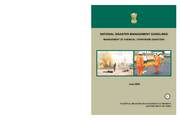
"National Disaster Management Guidelines: Management
of Chemical (Terrorism) Disasters (are intended to
focus on all aspects of the disaster management
cycle, including prevention measures such a
...
s
surveillance and intelligence, mitigation of direct
and indirect risks, preparedness in terms of
capacity development of human resources and
infrastructure development, as well as relief,
rehabilitation and reconstruction/recovery."
more
The guidelines are presented in the form of the following chapters:
Chapter 1: Floods status and context
Chapter 2: Institutional framework and financial arrangements
Chapter 3: Flood preven ... tion, preparedness and mitigation
Chapter 4: Flood forecasting and warning in India
Chapter 5: Dams, reservoirs and other water shortages
Chapter 6: Regulation and enforcement
Chapter 7: Capacity development
Chapter 8: Flood response
Chapter 9: Implementation of guidelines: preparation of flood management plans
Chapter 10: Summary of action points more
Chapter 1: Floods status and context
Chapter 2: Institutional framework and financial arrangements
Chapter 3: Flood preven ... tion, preparedness and mitigation
Chapter 4: Flood forecasting and warning in India
Chapter 5: Dams, reservoirs and other water shortages
Chapter 6: Regulation and enforcement
Chapter 7: Capacity development
Chapter 8: Flood response
Chapter 9: Implementation of guidelines: preparation of flood management plans
Chapter 10: Summary of action points more
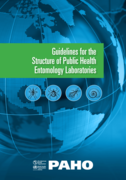
This document provides countries with recommendations for structuring a public health entomology laboratory network. The document will help countries to identify their areas of need and determine how the entomology network can be strengthened, especially in the context of a decentralized health syst
...
em. The recommendations also consider the different degrees of development and different entomological research needed to support disease prevention and control activities.
more
The Guidelines on promotive and preventive mental health interventions for adolescents - Helping Adolescents thrive (HAT), provide evidence-informed recommendations on psychosocial interventions to promote mental health, prevent mental disorders, an
...
d reduce self-harm and other risk behaviours among adolescents.
The HAT Guidelines aims to inform policy development, service planning and the strengthening of health and education systems, and facilitate mainstreaming of adolescent mental health promotion and prevention strategies across sectors and delivery platforms.
more
This one-day consultation workshop brought together both organizations of persons with disabilities (DPOs) and humanitarian actors to:-Identify priority areas for gender mainstreaming and GBV prevention and response across the
...
Guidelines.-Collect useful resources, promising practices and other relevant information for gender and GBV actors to be integrated into the Guidelines.-Map opportunities for gender and GBV actors in the region to contribute to later phases of the Guidelines development and roll-out process.
more
These guidelines were developed as part of Kenya's fast-track plan to end AIDS among adolescents and young people. Based on research into adolescent and young key populations in Kenya and elsewhere, they outline a package of HIV
...
prevention services, and emphasize the need to combine biobehavioural interventions with services in education, job skills training, mental health, and social care and protection.
more
The Guidelines on promotive and preventive mental health interventions for adolescents - Helping Adolescents thrive (HAT), provide evidence-informed recommendations on psychosocial interventions to promote mental health, prevent mental disorders, an
...
d reduce self-harm and other risk behaviours among adolescents.
The HAT Guidelines aims to inform policy development, service planning and the strengthening of health and education systems, and facilitate mainstreaming of adolescent mental health promotion and prevention strategies across sectors and delivery platforms.
more
The updated guidelines present a standard minimum dataset, priority indicators and recommendations to strengthen data use across HIV prevention, testing and treatment, and linkages to services for s
...
exually transmitted infections, viral hepatitis, tuberculosis and cervical cancer. The guidelines also cover the use of routinely collected data for HIV surveillance (including measurement of HIV prevalence and incidence) and emphasize the use of data from different sources to gain a better picture of epidemiologic trends. The whole collection you can download from here https://www.who.int/publications/i/item/9789240055315
more

The updated guidelines present a standard minimum dataset, priority indicators and recommendations to strengthen data use across HIV prevention, testing and treatment, and linkages to services for s
...
exually transmitted infections, viral hepatitis, tuberculosis and cervical cancer. The guidelines also cover the use of routinely collected data for HIV surveillance (including measurement of HIV prevalence and incidence) and emphasize the use of data from different sources to gain a better picture of epidemiologic trends.
more

In 2019, following a request from the Codex Committee on Food Hygiene (CCFH), the Codex Alimentarius Committee (CAC) approved new work at its 42nd Session on the development of guidelines for the control of Shiga toxin-producing Escherichia coli (ST
...
EC) in leafy vegetables and in sprouts.
The objective of the report was to evaluate commodity-specific interventions used at all stages of fresh fruit and vegetable production from primary production to post-harvest activities, transportation, point of sale and consumer use. Emphasis was placed on the identification and evaluation of interventions used throughout the world to reduce microbiological hazards of fresh fruits and vegetables that contribute to the risk of foodborne illnesses, taking into consideration their effectiveness, practicality and suitability.
more
In 2019, following a request from the Codex Committee on Food Hygiene (CCFH), the Codex Alimentarius Committee (CAC) approved new work at its 42nd Session on the development of guidelines for the control of Shiga toxin-producing Escherichia coli (ST
...
EC) in leafy vegetables and in sprouts.
The objective of the report was to evaluate commodity-specific interventions used at all stages of fresh fruit and vegetable production from primary production to post-harvest activities, transportation, point of sale and consumer use. Emphasis was placed on the identification and evaluation of interventions used throughout the world to reduce microbiological hazards of fresh fruits and vegetables that contribute to the risk of foodborne illnesses, taking into consideration their effectiveness, practicality and suitability.
more
Patients with diabetes are at increased risk of developing cardiovascular disease (CVD) with its manifestations of coronary artery disease (CAD), heart failure (HF), atrial fibrillation (AF), and stroke, as well as aortic and peripheral artery diseases. In addition, diabetes is a major risk factor f
...
or developing chronic kidney disease (CKD), which in itself is associated with developing CVD. The combination of diabetes with these cardio-renal comorbidities enhances the risk not only for cardiovascular (CV) events but also for CV and all-cause mortality. The current European Society of Cardiology (ESC) Guidelines on the management of cardiovascular disease in patients with diabetes are designed to guide prevention and management of the manifestations of CVD in patients with diabetes based on data published until end of January 2023. Over the last decade, the results of various large cardiovascular outcome trials (CVOTs) in patients with diabetes at high CV risk with novel glucose- lowering agents, such as sodium–glucose co-transporter-2 (SGLT2) inhibitors and glucagon-like peptide-1 (GLP-1) receptor agonists (RAs), but also novel non-steroidal mineralocorticoid receptor antagonists (MRAs), such as finerenone have substantially expanded available therapeutic op-
tions, leading to numerous evidence-based recommendations for the management of this patient population.
more

Consolidated guidelines on the Use of Antiretroviral Drugs for Treating and Preventing HIV Infection
recommended
2nd edition. These guidelines provide guidance on the diagnosis of human immunodeficiency virus (HIV) infection, the use of antiretroviral (ARV) drugs for treating and preventing HIV infection and the care of people living with HIV. They are structu
...
red along the continuum of HIV testing, prevention, treatment and care
more
The guidelines begin with an overview of the determinants of mental health among children and adolescents before reviewing related South African policies and legislation. The document then discusses strategies to build skills among caregivers, teach
...
ers and other frontline providers of mental health interventions as well as those for counselling professionals. The guidelines conclude by identifying priority areas for mental health services among children and adolescents, including the prevention of child and substance abuse as well as services for those living with intellectual disabilities
more
This 2011 update of Guidelines for the programmatic management of drug-resistant tuberculosis is intended as a tool for use by public health professionals working in response
to the Sixty-second World Health Assembly’s resolution on
...
prevention and control of multidrug-resistant tuberculosis and extensively drug-resistant tuberculosis.
more

Ebola: WHO Guidelines for Burial Protocols for the Burial Management Team
WiRed International
(2015)
Burial Management Teams have a difficult job resolving two critical issues relevant to their tasks. First, they must safeguard and ensure infection control and prevention for team members, family members and members of the community. Second, they mu
...
st remain sensitive to the cultural and religious practices of families and others affected by Ebola deaths. This module, based solidly on WHO guidelines, provides burial management teams with practices appropriate to ensure infection control and to remain sensitive to religious and cultural burial practices.
more
WHO Recommendations 2018 Update
The primary audience for these recommendations includes health professionals who are responsible for developing national and local health care guidelines and protocols (particularly those related to PPH
...
prevention and treatment) and those involved in the provision of care to women and their newborns during labour and childbirth, including midwives, nurses, general medical practitioners and obstetricians, as well as managers of maternal and child health programmes, and relevant staff in ministries of health and training institutions, in all settings.
more
Chronic HIV Care with ARV Therapy and Prevention
World Health Organization
(2007)
C_WHO
Integrated Management of Adolescent and Adult Illness
Integrated Management of Childhood Illness
Interim Guidelines for health workers at health centre or district hospital outpatient clinic
Guidelines for the management of pregnant and breastfeeding women in the context of Ebola virus disease
recommended
To save the lives of mothers and their babies, mitigate complications, and limit the spread of disease, it is critical that recommendations are made on the prevention, treatment, and surveillance of women who are exposed to EVD, acquire EVD during p
...
regnancy or breastfeeding, or survive EVD with ongoing pregnancies. These guidelines are the first to provide such recommendations.
more
Recognizing the importance of the critical role of community health in disaster management, the Amref health Africa has
developed this operational guide to provide policy direction on COVID-19 response at community level. This guide has
been developed in collaboration with all the implementing cou
...
ntries in supporting prevention and control of COVID-19.
With a strong community COVID-19 response system at community level, we can all contribute to prevention and control
of COVID-19, and thereby improve health and livelihoods for all people
more
Welcome to the Infection Prevention and Control (IPC) training package. IPC is a major challenge for health care systems around the world and there is a significant opportunity to reduce avoidable morbidity and mortality through improvements to IPC.
...
Health care-associated infections (HAIs) and antimicrobial resistance (AMR) can be significantly reduced through effective IPC. The guidelines cover a range of topics including the core components of IPC programmes, hand hygiene, and the prevention of surgical site infection.
more
Intended for use primarily by those responsible for developing policies and directing the working practices of nurses, midwives and other frontline health-care providers, these guidelines aim to promote and strengthen the case against the medicaliza
...
tion of female genital mutilation and support and protect nurses, midwives and other health personnel in adhering to WHO guidelines not to close an opened-up infibulation.
more
The Pharmaceutical Forum of the Americas (PFA) has previously published guidelines and organised campaigns for community pharmacists on the prevention, detection and control of arbovirus infections
...
in 2018 with a grant from the FIP Foundation for Pharmacy Education and Research. Building on that expertise, FIP joined efforts with the PFA and is now publishing its first-ever handbook to support pharmacists in the
area of vector-borne diseases. As the integration of the regional forums in FIP advances, such collaborative projects are tangible results of an increasingly regionally informed and regionally targeted work by FIP.
more
The "Primary Healthcare Standard Treatment Guidelines and Essential Medicines List" by the South African National Department of Health provides evidence-based guidelines for diagnosing and managing
...
common medical conditions at the primary healthcare level. This document includes treatment protocols for various health issues, such as infections, chronic diseases, maternal and child health, mental health, and emergency care. It aims to standardize care, promote rational medicine use, and ensure equitable access to essential medications across South Africa. The guidelines emphasize prevention, accurate diagnosis, and efficient treatment strategies to improve patient outcomes.
more

Best practice portal: standards and guidelines
recommended
The Best practice portal is a resource for professionals, policymakers and researchers in the drugs field. We provide information on the available evidence on drug-related prevention, treatment and harm reduction, focusing on the European context. T
...
he evidence is compiled following an explicit methodological process.
more
22 April 2022, This document provides updated interim recommendations on the use of masks by health workers providing care to patients with suspected or confirmed COVID-19. This update is prompted by new evidence around mask use and COVID-19 transmission, as well as the emergence of variants of conc
...
ern including Omicron. Masks continue to be a critical tool to prevent the spread of COVID-19. These interim guidelines supersede the recommendations provided in the WHO recommendations on mask use by health workers, in light of the Omicron variant of concern published on 22 December 2022.
WHO continually evaluates the emerging evidence and will review these interim recommendations within two months and issue new guidance as needed.
more

Antimicrobial resistance(AMR) poses a serious threat to human, animal and environmental health. Implementing ethical practice guidelines on how to use antimicrobials effectively and responsibly within the pig industry will c
...
ontribute in reducing and preventing antimicrobial resistance within the pig industry of South Africa. Members of Pig Vet Society (PVS) SA hereby commit themselvesto put these guidelines into good use in order to preserve the future and effectiveness of antimicrobials. PVS aims to be the leader in prevention of antimicrobial resistance and to encourage the pig industry to work together in achieving this.
more

The product of all this work is the Standard Treatment Guideline and Essential Medicines List of Common Medical Conditions in the Kingdom of Swaziland. These systematically developed statements are designed to assist practitioners in making decisions about appropriate treatment for specific clinical
...
conditions. They are meant to reflect expert consensus based on a review of current and published scientific evidence of acceptable approaches to diagnosis, man-agement, or prevention of specific conditions.It is enlightening to note that section A of the document contains the STG, and effort has been made to have the conditions commonly encountered in Swaziland classified according to systems. Written in simple, clear language, each section consists of a short definition followed by common symptoms and signs of the disease or condition and then management (pharmacological and nonpharmacological)
more
Accessed: 02.05.2020
These interim IPC recommendations for health settings have been developed through the contributions of many individuals and institutions, such as the Centers for Disease Control-Kenya; ITECH; US Agency for International Development (USAID) Medicines, Technologies, and Pharmaceu
...
tical Services (MTaPS) Program; and WHO that are committed to ensuring that the transmission of COVID-19 to HCWs and the public within the health care setting is limited. The Ministry of Health (MOH) through the Directorate of Health Standards Quality Assurance and Regulations wishes to thank all the contributing authors led by the sub-committee on case management and IPC for the COVID-19 response for their expertise and time given to writing these guidelines.
more
Throughout the gestational period, it is important for obstetric health care facilities to strengthen health counselling, screening, and follow-ups for pregnant women, while incorporating screening, hand hygiene practice, good respiratory etiquette and infection
...
prevention control precautions. These screening procedures will help determine individualised precautions necessary, such as the wearing of face masks during consultations.
more
This Collection links to the websites of providers of free training. We monitor these links regularly, however if the training providers change their websites, some of these links may not work. All other resources on the Humanitarian Library can be downloaded directly from the Library. This Collecti
...
on is monitored daily to identify new and updated materials.
This Collection contains technical guidelines from leading global institutions to support the operation of medical centres responding to the Covid-19 virus. Current guidance comes from the European Center for disease prevention and control, Centre Hospitalier de Grenoble, Elsevier, Health Protection Surveillance Center, Public Health England, Stadt Essen and the World Health Organisation.
more

COVID-19 Infection Prevention and Control Sameeksha (Hindi; review) compiles recent key IPC resources on COVID from scientific journals, WHO guidelines, Ministry of Health and Family Welfare /Govern
...
ment of India guidelines, and trainings and IPC resources. The intended target audience for this includes clinical and public health professionals in both public and private sector in India.
more
This publication provides recommendations for the management of critically ill adult patients with COVID-19 being treated in intensive care units (ICUs) in the Americas. These clinical practice guidelines provide evidence-informed recommendations fo
...
r identifying markers and mortality risk factors in critically ill patients, as well as infection control, sample collection, supportive care (respiratory and hemodynamic), pharmacological treatment, early rehabilitation, diagnostic imaging use, prevention of complications, and discharge requirements. The recommendations are for all health care staff caring for patients in emergency departments and ICUs. These guidelines are also intended for use by decisionmakers and government entities involved in the management of patients with COVID-19 in ICUs in the Region of the Americas.
more
No country can claim to be free from health-care associated infections, therefore, improvement of infection prevention and control (IPC) strategies is essential. WHO recommends the use of multimodal improvement strategies to implement IPC interventi
...
ons. These include each item of standard and transmission-based precautions according to national guidelines or standard operating procedures and under the coordination of the national IPC focal point (or team, if existing). This publication consists of three focused improvement tools, called “aide-memoires”, which focus on 1) respiratory and hand hygiene, 2) personal protective equipment, and 3) environmental cleaning, waste and linen management, all elements of standard, droplet/contact and airborne precautions.
more
The Updated guidelines on Management of tuberculosis in children and adolescents include new recommendations that cover diagnostic approaches for TB, shorter treatment for children with non-severe drug-susceptible TB, a new option for the treatment
...
of TB meningitis, the use of bedaquiline and delamanid in young children with multidrug- and rifampicin-resistant TB and decentralized and family-centred, integrated models of care for TB case detection and prevention in children and adolescents.
more
The socioeconomic factors and public health inadequacies that facilitated the rapid spread of this infection continue to exist. As it is a new and emerging disease it has not received sufficient coverage yet in the medical curricula of Member States. Specific treatment is not available, and there is
...
no vaccine for the prevention of chikungunya fever. It has therefore become imperative to develop guidelines, based on the limited clinical experience gathered from managing patients so far, for appropriate management of patients in communities and in health facilities. Experts engaged in managing patients with chikungunya fever in the Region were brought together by the WHO Regional Office for South-East Asia to outline guidelines for managing various situations and stages of the disease.
The socioeconomic factors and public health inadequacies that facilitated the rapid spread of this infection continue to exist. As it is a new and emerging disease it has not received sufficient coverage yet in the medical curricula of Member States. Specific treatment is not available, and there is no vaccine for the prevention of chikungunya fever. It has therefore become imperative to develop guidelines, based on the limited clinical experience gathered from managing patients so far, for appropriate management of patients in communities and in health facilities. Experts engaged in managing patients with chikungunya fever in the Region were brought together by the WHO Regional Office for South-East Asia to outline guidelines for managing various situations and stages of the disease. This publication is the end result of that exercise and is intended to assist health-care providers in planning and implementing appropriate care to patients with chikungunya fever according to their actual clinical conditions
more
Effective infection prevention and control (IPC) is the cornerstone of every health system. As of 2023, 17 Member States have a functioning IPC programme; 19 countries have developed national IPC guideline
...
s; and 13 countries have adopted multimodel intervention strategies to improve th
more
Objective: To identify gaps in national stroke guidelines that could be bridged to enhance the quality of stroke care services in low- and
middle-income countries.
Methods: We systematically searched medical databases and websites of medical socie
...
ties and contacted international organizations.
Country-specific guidelines on care and control of stroke in any language published from 2010 to 2020 were eligible for inclusion. We reviewed
each included guideline for coverage of four key components of stroke services (surveillance, prevention, acute care and rehabilitation).
We also assessed compliance with the eight Institute of Medicine standards for clinical practice guidelines, the ease of implementation of
guidelines and plans for dissemination to target audiences.
Findings: We reviewed 108 eligible guidelines from 47 countries, including four low-income, 24 middle-income and 19 high-income countries.
Globally, fewer of the guidelines covered primary stroke prevention compared with other components of care, with none recommending
surveillance. Guidelines on stroke in low- and middle-income countries fell short of the required standards for guideline development;
breadth of target audience; coverage of the four components of stroke services; and adaptation to socioeconomic context. Fewer low- and
middle-income country guidelines demonstrated transparency than those from high-income countries. Less than a quarter of guidelines
encompassed detailed implementation plans and socioeconomic considerations.
Conclusion: Guidelines on stroke in low- and middle-income countries need to be developed in conjunction with a wider category of
health-care providers and stakeholders, with a full spectrum of translatable, context-appropriate interventions.
more
Version-1, June 2018
This document provides 3MDG stakeholders with essential information on SRHR indicators, derived from the 3MDG Logical Framework, Data Dictionary for Health Service Indicators (2014 June, DoPH, MoHA), A Guide to Monitoring and Evaluating Adolescent Reproductive Health Progra ... ms (MEASURE Evaluation, June 2000) and Monitoring National Cervical Cancer Prevention and Control Programmes (WHO, PAHO, 2013). Partners are strongly encouraged to integrate the SRHR indicators into their ongoing monitoring and evaluation (M&E) activities.
These indicators are designed to help partners assess the current state of their activities, their progress towards achieving their targets, and contribution towards the national response. This guideline is designed to improve the quality and consistency of data collected at the township level, which will enhance the accuracy of conclusions drawn when the data are aggregated. more
This document provides 3MDG stakeholders with essential information on SRHR indicators, derived from the 3MDG Logical Framework, Data Dictionary for Health Service Indicators (2014 June, DoPH, MoHA), A Guide to Monitoring and Evaluating Adolescent Reproductive Health Progra ... ms (MEASURE Evaluation, June 2000) and Monitoring National Cervical Cancer Prevention and Control Programmes (WHO, PAHO, 2013). Partners are strongly encouraged to integrate the SRHR indicators into their ongoing monitoring and evaluation (M&E) activities.
These indicators are designed to help partners assess the current state of their activities, their progress towards achieving their targets, and contribution towards the national response. This guideline is designed to improve the quality and consistency of data collected at the township level, which will enhance the accuracy of conclusions drawn when the data are aggregated. more
The global increase of healthcare-associated infections (HAI) presents a growing concern in healthcare worldwide. According to the European Centre for Disease Prevention and Control (ECDC), the annual number of HAI exceeds
...
2.6million and produces the highest estimated amount of disability-adjust-ed-life-years, surpassing all other reported communicable diseases in the European Union and European Economic Area. Multi-drug-resistant Gram-negative (MDR-GN) bacteria have become increasingly common as a cause for HAI, such as central line-as-sociated bloodstream infections, wound or surgical site infections and catheter-associated urinary tract infections
more
COVID-19: Training slides based on guidelines for case-finding, diagnosis, management and public health response in South Africa
Centre for Respiratory Diseases and Meningitis and Outbreak Response
National Department of Health, South Africa
(2020)
C2
Outline
• Welcome and objectives
• Microbiology, epidemiology and clinical presentation
• Surveillance for imported cases including case definitions
• Laboratory diagnosis • Infection prevention and hospital readiness
• Patient
...
flow and actions required at each step
• Co-ordinating a public health response
more
The WHO operational handbook on tuberculosis: tuberculosis preventive treatment is the companion, implementation guide to the 2020 WHO guidelines on TB preventive treatment.[1] Just as these guidelines
...
are the first to be released under the rubric of the WHO consolidated TB guidelines, this handbook will be the first in a modular series of practical guides meant for the implementers of various aspects of the programmatic management TB.
more
Evidence-based guidelines are one of the most useful tools for improving public health and clinical practice. Their purpose is to formulate interventions based on strong evidence of efficacy, avoid unnecessary risks, use resources efficiently, reduc
...
e clinical variability and, in essence, improve health and ensure quality care, which is the purpose of health systems and services. These guidelines were developed following the GRADE methodology, with the support of a panel of clinical experts from different countries, all convened by the Pan American Health Organization. By responding to twelve key questions about the clinical diagnosis and treatment of dengue, chikungunya, and Zika, evidence-based recommendations were formulated for pediatric, youth, adult, older adult, and pregnant patients who are exposed to these diseases or have a suspected or confirmed diagnosis of infection. The purpose of the guidelines is to prevent progression to severe forms of these diseases and the fatal events they may cause. The recommendations are intended for health professionals, including general, resident, and specialist physicians, nursing professionals, and medical and nursing students, who participate in caring for patients with suspected dengue, chikungunya, or Zika. They are also intended for health unit managers and the executive teams of national arboviral disease prevention and control programs, who are responsible for facilitating the process of implementing these guidelines.
more
In the current absence of vaccine for COVID-19, public health response target breaking the chain of infection by focusing on the mode of transmission. This paper summarizes current evidence-base around the transmission dynamics, pathogenic, and clinical features of COVID-19, to critically identify i
...
f there are any gaps in the current IPC guidelines.
more
Evidence shows that FGM can cause several physical, mental and sexual health complications in girls and women, and in newborns. Health-care providers play an important role in supporting girls and women living with FGM, and improving their health and well-being. They are in a unique position to infl
...
uence and change the attitudes of their patients about FGM.
WHO is committed to scaling up the health-sector response to address FGM prevention and care. One aspect is to strengthen the quality of FGM prevention and care services by building the capacity of health-care providers. Several guidance materials have been produced to target health-care providers. These include FGM content for training curricula, clinical guidelines and a clinical handbook.
This training manual complements previous publications by building person-centred communication skills specifically for FGM prevention.
more
International Society of Paediatric Surgical Oncology (IPSO) Surgical Practice Guidelines
recommended
ecancer has just published a comprehensive set of guidelines for paediatric cancer surgery, applicable to low and high resource settings across the world. You can read the guidelines online
The
...
guidelines have been developed by the International Society of Paediatric Surgical Oncology (IPSO) with authors from both High Income Countries and Lower and Middle Income Countries, and have been further validated by experts in the respective fields with the aim of providing evidence-based information for surgeons who care for children with cancer.
These guidelines include information on the care and treatment of children with malignancies, including making a diagnosis, obtaining adequate venous access, performing a surgical resection for solid tumours (with staging and reconstruction), performing procedures for cancer prevention and its late effects, and managing complications of treatment; all with the goal of improving survival and quality of life.
more
This guideline provides updated, evidence-informed guidance on the percentage of total fat in the diet to reduce the risk of unhealthy weight gain.
This guideline is intended for a wide audience involved in the development, design and implementation of policies and programmes in nutrition and pub
...
lic health. This guideline includes a recommended level of total fat intake which can be used by policy-makers and programme managers to address various aspects of dietary fat in their populations through a range of policy actions and public health interventions.
The guidance in this guideline replaces previous WHO guidance on total fat intake, including that from the 1989 WHO Study Group on Diet, Nutrition and the Prevention of Chronic Diseases and the 2002 Joint WHO/FAO Expert Consultation on Diet, Nutrition and the Prevention of Chronic Diseases. The guidance in this guideline should be considered in the context of that from other WHO guidelines on healthy diets.
more
The reader acknowledges that this report is intended as an evidence-based asthma management strategy, for the use of health professionals and policy-makers. It is based, to the best of our knowledge, on current best evidence and medical knowledge and practice at the date of publication. When assessi
...
ng and treating patients, health professionals are strongly advised to use their own professional judgment, and to take into account local and national regulations and guidelines. GINA cannot be held liable or responsible for inappropriate healthcare associated with the use of this document, including any use which is not in accordance with applicable local or national regulations or guidelines.
more
The reader acknowledges that this report is intended as an evidence-based asthma management strategy, for the use of health professionals and policy-makers. It is based, to the best of our knowledge, on current best evidence and medical knowledge and practice at the date of publication. When assessi
...
ng and treating patients, health professionals are strongly advised to use their own professional judgment, and to take into account local or national regulations and guidelines. GINA cannot be held liable or responsible for inappropriate healthcare associated with the use of this document, including any use which is not in accordance with applicable local or national regulations or guidelines.
more
Questions and Answers for Pediatric Healthcare Providers: Infants and Zika Virus Infection
Centers for Disease Prevention and Control
(2016)
C_CDC
Interim guidelines developed by CDC for healthcare providers in the United States caring for infants born to mothers who while pregnant traveled to or resided in an area with Zika virus transmission. These
...
guidelines include recommendations for the evaluation, testing, and management of infants with and without microcephaly or intracranial calcifications detected.
more
