Filter
7977
Text search:
national
primary
health
care
Featured
667
2251
Language
7686
203
156
123
79
55
43
39
12
12
11
9
8
8
8
7
7
7
6
6
5
5
5
5
5
5
5
5
4
4
4
4
4
4
4
3
3
3
3
3
3
3
3
3
3
3
2
2
2
2
2
2
2
2
2
2
2
2
1
1
1
1
1
1
1
1
1
Document type
4793
1290
899
374
285
102
97
83
20
14
11
3
1
Countries
403
306
264
206
188
183
173
168
166
150
144
138
129
127
124
120
118
99
98
97
93
92
79
74
69
62
61
60
58
58
55
48
48
44
40
39
38
37
37
35
34
32
30
29
28
27
27
26
25
25
23
23
22
20
19
19
18
18
17
16
15
14
14
14
14
14
13
13
12
12
12
11
11
10
9
9
9
8
8
8
8
7
7
6
6
6
6
6
6
5
5
5
5
5
5
4
4
4
4
4
4
4
4
4
3
3
3
3
3
3
3
3
3
3
2
2
2
2
2
2
2
2
2
2
2
2
2
2
2
2
2
2
2
1
1
1
1
1
1
1
1
1
1
1
1
1
Authors & Publishers
972
380
365
281
221
184
145
137
120
78
56
47
46
43
42
39
39
34
33
32
32
31
31
29
28
26
26
25
25
25
25
25
24
24
24
24
24
24
23
23
23
22
21
21
20
20
19
19
19
18
18
18
18
18
18
18
17
17
17
17
16
16
16
16
16
15
15
15
14
14
14
14
13
13
13
13
13
13
12
12
12
12
12
12
12
12
12
11
11
11
11
11
11
11
11
11
10
10
10
10
10
10
10
10
10
10
9
9
9
9
9
9
9
9
9
9
9
9
9
8
8
8
8
8
8
8
8
8
8
8
8
8
8
8
8
8
8
7
7
7
7
7
7
7
7
7
7
7
7
7
7
7
7
7
7
7
7
7
7
7
7
7
7
7
6
6
6
6
6
6
6
6
6
6
6
6
6
6
6
6
6
6
6
6
6
6
6
6
6
6
6
5
5
5
5
5
5
5
5
5
5
5
5
5
5
5
5
5
5
5
5
5
5
5
5
5
5
5
5
5
5
5
5
5
5
5
5
5
5
5
5
5
5
5
5
5
5
5
5
5
5
5
5
5
5
5
4
4
4
4
4
4
4
4
4
4
4
4
4
4
4
4
4
4
4
4
4
4
4
4
4
4
4
4
4
4
4
4
4
4
4
4
4
4
4
4
4
4
4
4
4
4
4
4
4
4
4
4
4
4
4
4
4
4
4
4
4
4
4
4
4
4
4
4
4
4
4
4
4
4
4
4
4
4
4
4
4
4
3
3
3
3
3
3
3
3
3
3
3
3
3
3
3
3
3
3
3
3
3
3
3
3
3
3
3
3
3
3
3
3
3
3
3
3
3
3
3
3
3
3
3
3
3
3
3
3
3
3
3
3
3
3
3
3
3
3
3
3
3
3
3
3
3
3
3
3
3
3
3
3
3
3
3
3
3
3
3
3
3
3
3
3
3
3
3
3
3
3
3
3
3
3
3
3
3
3
3
3
3
3
3
3
3
3
3
3
3
3
3
3
3
3
3
3
3
3
3
3
3
3
3
3
3
3
3
3
3
3
3
3
3
3
3
3
3
3
3
3
3
3
3
3
3
3
3
3
3
3
3
3
3
3
3
2
2
2
2
2
2
2
2
2
2
2
2
2
2
2
2
2
2
2
2
2
2
2
2
2
2
2
2
2
2
2
2
2
2
2
2
2
2
2
2
2
2
2
2
2
2
2
2
2
2
2
2
2
2
2
2
2
2
2
2
2
2
2
2
2
2
2
2
2
2
2
2
2
2
2
2
2
2
2
2
2
2
2
2
2
2
2
2
2
2
2
2
2
2
2
2
2
2
2
2
2
2
2
2
2
2
2
2
2
2
2
2
2
2
2
2
2
2
2
2
2
2
2
2
2
2
2
2
2
2
2
2
2
2
2
2
2
2
2
2
2
2
2
2
2
2
2
2
2
2
2
2
2
2
2
2
2
2
2
2
2
2
2
2
2
2
2
2
2
2
2
2
2
2
2
2
2
2
2
2
2
2
2
2
2
2
2
2
2
2
2
2
2
2
2
2
2
2
2
2
2
2
2
2
2
2
2
2
2
2
2
2
2
2
2
2
2
2
2
2
2
2
2
2
2
2
2
2
2
2
2
2
2
2
2
2
2
2
2
2
2
2
2
2
2
2
2
2
2
2
2
2
2
2
2
2
2
2
2
2
2
2
2
2
2
2
2
2
2
2
2
2
2
2
2
2
2
2
2
2
2
2
2
2
2
2
2
2
2
2
2
2
2
2
2
2
2
2
2
2
2
2
2
2
2
2
2
2
2
2
2
2
2
2
2
2
2
2
2
2
2
2
2
2
2
2
2
2
2
2
2
2
2
2
2
2
2
2
2
2
2
2
2
2
2
2
2
2
2
2
2
2
2
2
2
2
2
2
2
2
2
2
2
2
2
2
2
2
2
2
2
2
2
2
2
2
2
2
2
2
2
2
2
2
2
2
2
2
2
2
2
2
2
2
2
2
2
2
2
2
2
2
2
2
2
2
2
2
2
2
2
2
2
2
2
2
2
2
2
2
2
2
2
2
2
2
2
2
2
2
2
2
2
2
2
2
2
2
2
2
2
2
2
2
1
1
1
1
1
1
1
1
1
1
1
1
1
1
1
1
1
1
1
1
1
1
1
1
1
1
1
1
1
1
1
1
1
1
1
1
1
1
1
1
1
1
1
1
1
1
1
1
1
1
1
1
1
1
1
1
1
1
1
1
1
1
1
1
1
1
1
1
1
1
1
1
1
1
1
1
1
1
1
1
1
1
1
1
1
1
1
1
1
1
1
1
1
1
1
1
1
1
1
1
1
1
1
1
1
1
1
1
1
1
1
1
1
1
1
1
1
1
1
1
1
1
1
1
1
1
1
1
1
1
1
1
1
1
1
1
1
1
1
1
1
1
1
1
1
1
1
1
1
1
1
1
1
1
1
1
1
1
1
1
1
1
1
1
1
1
1
1
1
1
1
1
1
1
1
1
1
1
1
1
1
1
1
1
1
1
1
1
1
1
1
1
1
1
1
1
1
1
1
1
1
1
1
1
1
1
1
1
1
1
1
1
1
1
1
1
1
1
1
1
1
1
1
1
1
1
1
1
1
1
1
1
1
1
1
1
1
1
1
1
1
1
1
1
1
1
1
1
1
1
1
1
1
1
1
1
1
1
1
1
1
1
1
1
1
1
1
1
1
1
1
1
1
1
1
1
1
1
1
1
1
1
1
1
1
1
1
1
1
1
1
1
1
1
1
1
1
1
1
1
1
1
1
1
1
1
1
1
1
1
1
1
1
1
1
1
1
1
1
1
1
1
1
1
1
1
1
1
1
1
1
1
1
1
1
1
1
1
1
1
1
1
1
1
1
1
1
1
1
1
1
1
1
1
1
1
1
1
1
1
1
1
1
1
1
1
1
1
1
1
1
1
1
1
1
1
1
1
1
1
1
1
1
1
1
1
1
1
1
1
1
1
1
1
1
1
1
1
1
1
1
1
1
1
1
1
1
1
1
1
1
1
1
1
1
1
1
1
1
1
1
1
1
1
1
1
1
1
1
1
1
1
1
1
1
1
1
1
1
1
1
1
1
1
1
1
1
1
1
1
1
1
1
1
1
1
1
1
1
1
1
1
1
1
1
1
1
1
1
1
1
1
1
1
1
1
1
1
1
1
1
1
1
1
1
1
1
1
1
1
1
1
1
1
1
1
1
1
1
1
1
1
1
1
1
1
1
1
1
1
1
1
1
1
1
1
1
1
1
1
1
1
1
1
1
1
1
1
1
1
1
1
1
1
1
1
1
1
1
1
1
1
1
1
1
1
1
1
1
1
1
1
1
1
1
1
1
1
1
1
1
1
1
1
1
1
1
1
1
1
1
1
1
1
1
1
1
1
1
1
1
1
1
1
1
1
1
1
1
1
1
1
1
1
1
1
1
1
1
1
1
1
1
1
1
1
1
1
1
1
1
1
1
1
1
1
1
1
1
1
1
1
1
1
1
1
1
1
1
1
1
1
1
1
1
1
1
1
1
1
1
1
1
1
1
1
1
1
1
1
1
1
1
1
1
1
1
1
1
1
1
1
1
1
1
1
1
1
1
1
1
1
1
1
1
1
1
1
1
1
1
1
1
1
1
1
1
1
1
1
1
1
1
1
1
1
1
1
1
1
1
1
1
1
1
1
1
1
1
1
1
1
1
1
1
1
1
1
1
1
1
1
1
1
1
1
1
1
1
1
1
1
1
1
1
1
1
1
1
1
1
1
1
1
1
1
1
1
1
1
1
1
1
1
1
1
1
1
1
1
1
1
1
1
1
1
1
1
1
1
1
1
1
1
1
1
1
1
1
1
1
1
1
1
1
1
1
1
1
1
1
1
1
1
1
1
1
1
1
1
1
1
1
1
1
1
1
1
1
1
1
1
1
1
1
1
1
1
1
1
1
1
1
1
1
1
1
1
1
1
1
1
1
1
1
1
1
1
1
1
1
1
1
1
1
1
1
1
1
1
1
1
1
1
1
1
1
1
1
1
1
1
1
1
1
1
1
1
1
1
1
1
1
1
1
1
1
1
1
1
1
1
1
1
1
1
1
1
1
1
1
1
1
1
1
1
1
1
1
1
1
1
1
1
1
1
1
1
1
1
1
1
1
1
1
1
1
1
1
1
1
1
1
1
1
1
1
1
1
1
1
1
1
1
1
1
1
1
1
1
1
1
1
1
1
1
1
1
1
1
1
1
1
1
1
1
1
1
1
1
1
1
1
1
1
1
1
1
1
1
1
1
1
1
1
1
1
1
1
1
1
1
1
1
1
1
1
1
1
1
1
1
1
1
1
1
1
1
1
1
1
1
1
1
1
1
1
1
1
1
1
1
1
1
1
1
1
1
1
1
1
1
1
1
1
1
1
1
1
1
1
1
1
1
1
1
1
1
1
1
1
1
1
1
1
1
1
1
1
1
1
1
1
1
1
1
1
1
1
1
1
1
1
1
1
1
1
1
1
1
1
1
1
1
1
1
1
1
1
1
1
1
1
1
1
1
1
1
1
1
1
1
1
1
1
1
1
1
1
1
1
1
1
1
1
1
1
1
1
1
1
1
1
1
1
1
1
1
1
1
1
1
1
1
1
1
1
1
1
1
1
1
1
1
1
1
1
1
1
1
1
1
1
1
1
1
1
1
1
1
1
1
1
1
1
1
1
1
1
1
1
1
1
1
1
1
1
1
1
1
1
1
1
1
1
1
1
1
1
1
1
1
1
1
1
1
1
1
1
1
1
1
1
1
1
1
1
1
1
1
1
1
1
1
1
1
1
1
1
1
1
1
1
1
1
1
1
1
1
1
1
1
1
1
1
1
1
1
1
1
1
1
1
1
1
1
1
1
1
1
1
1
1
1
1
1
1
1
1
1
1
1
1
1
1
1
1
1
1
1
1
1
1
1
1
1
1
1
1
1
1
1
1
1
1
1
1
1
1
1
1
1
1
1
1
1
1
1
1
1
1
1
1
1
1
1
1
1
1
1
1
1
1
1
1
1
1
1
1
1
1
1
1
1
1
1
1
1
1
1
1
1
1
1
1
1
1
1
1
1
1
1
1
1
1
1
1
1
1
1
1
1
1
1
1
1
1
1
1
1
1
1
1
1
1
1
1
1
1
1
1
1
1
1
1
1
1
1
1
1
1
1
1
1
1
1
1
1
1
1
1
1
1
1
1
1
1
1
1
1
1
1
1
1
1
1
1
1
1
1
1
1
1
1
1
1
1
1
1
1
1
1
1
1
1
1
1
1
1
1
1
1
1
1
1
1
1
1
1
1
1
1
1
1
1
1
1
1
1
1
1
1
1
1
1
1
1
1
1
1
1
1
1
1
1
1
1
1
1
1
1
1
1
1
1
1
1
1
1
1
1
1
1
1
1
1
1
1
1
1
1
1
1
1
1
1
1
1
1
1
1
1
1
1
1
1
1
1
1
1
1
1
1
1
1
1
1
1
1
1
1
1
1
1
1
1
1
1
1
1
1
1
1
1
1
1
1
1
1
1
1
1
1
1
1
1
1
1
1
1
1
1
1
1
1
1
1
1
1
1
1
1
1
1
1
1
1
1
1
1
1
1
1
1
1
1
1
1
1
1
1
1
1
1
1
1
1
1
1
1
1
1
1
1
1
1
1
1
1
1
1
1
1
1
1
1
1
1
1
1
1
1
1
1
1
1
1
1
1
1
1
1
1
1
1
1
1
1
1
1
1
1
1
1
1
1
1
1
1
1
1
1
1
1
1
1
1
1
1
1
1
1
1
1
1
1
1
1
1
1
1
1
1
1
1
1
1
1
1
1
1
1
1
1
1
1
1
1
1
1
1
1
1
1
1
1
1
1
1
1
1
1
1
1
1
1
1
1
1
1
1
1
1
1
1
1
1
1
1
1
1
1
1
1
1
1
1
1
1
1
1
1
1
1
1
1
1
1
1
1
1
1
1
1
1
1
1
1
1
1
1
1
1
1
1
1
1
1
1
1
1
1
1
1
1
1
1
1
1
1
1
1
1
1
1
1
1
1
1
1
1
1
1
1
1
1
1
1
1
1
1
1
1
1
1
1
1
1
1
1
1
1
1
1
1
1
1
1
1
1
1
1
1
1
1
1
1
1
1
1
1
1
1
1
1
1
1
1
1
1
1
1
1
1
1
1
1
1
1
1
1
1
1
1
1
1
1
1
1
1
1
1
1
1
1
1
1
1
1
1
1
1
1
1
1
1
1
1
1
1
1
1
1
1
1
1
1
1
1
1
1
1
1
1
1
1
1
1
1
1
1
1
1
1
1
1
1
1
1
1
1
1
1
1
1
1
1
1
1
1
1
1
1
1
1
1
1
1
1
1
1
1
1
1
1
1
1
1
1
1
1
1
1
1
1
1
1
1
1
1
1
1
1
1
1
1
1
1
1
1
1
1
1
1
1
1
1
1
1
1
1
1
1
1
1
1
1
1
1
1
1
1
1
1
1
1
1
1
1
1
1
1
1
1
1
1
1
1
1
1
1
1
1
1
1
1
1
1
1
1
1
1
1
1
1
1
1
1
1
1
1
1
1
1
1
1
1
1
1
1
1
1
1
1
1
1
1
1
1
1
1
1
1
1
1
1
1
1
1
1
1
1
1
1
1
1
1
1
1
1
1
1
1
1
1
1
1
1
1
1
1
1
1
1
1
1
1
1
1
1
1
1
1
1
1
1
1
1
1
1
1
1
1
1
1
1
1
1
1
1
1
1
1
1
1
1
1
1
1
1
1
1
1
1
1
1
1
1
1
1
1
1
1
1
1
1
1
1
1
1
1
1
1
1
1
1
1
1
1
1
1
1
1
1
1
1
1
1
1
1
1
1
1
1
1
1
1
1
1
1
1
1
1
1
1
1
1
1
1
1
1
1
1
1
1
1
1
1
1
1
1
1
1
1
1
1
1
1
1
1
1
1
1
1
1
1
1
1
1
1
1
1
1
1
1
1
1
1
1
1
1
1
1
1
1
1
1
1
1
1
1
1
1
1
1
1
1
1
1
1
1
1
1
1
1
1
1
1
1
1
1
1
1
1
1
1
1
1
1
1
1
1
1
1
1
1
1
1
1
1
1
1
1
1
1
1
1
1
1
1
1
1
1
1
1
1
1
1
1
1
1
1
1
1
1
1
1
1
1
1
1
1
1
1
1
1
1
1
1
1
1
1
1
1
1
1
1
1
1
1
1
1
1
1
1
1
1
1
1
1
1
1
1
1
1
1
1
1
1
1
1
1
1
1
1
1
1
1
1
1
1
1
1
1
1
1
1
1
1
1
1
1
1
1
1
1
1
1
1
1
1
1
1
1
1
1
1
1
1
1
1
1
1
1
1
1
1
1
1
1
1
1
1
1
1
1
1
1
1
1
1
1
1
1
1
1
1
1
1
1
1
1
1
1
1
1
1
1
1
1
1
1
1
1
1
1
1
1
1
1
1
1
1
1
1
1
1
1
1
1
1
1
1
1
1
1
1
1
1
1
1
1
1
1
1
1
1
1
1
1
1
1
1
1
1
1
1
1
1
1
1
1
1
1
1
1
1
1
1
1
1
1
1
1
1
1
1
1
1
1
1
1
1
1
1
1
1
1
1
1
1
1
1
1
1
1
1
1
1
1
1
1
1
1
1
1
1
1
1
1
1
1
1
1
1
1
1
1
1
1
1
1
1
1
1
1
1
1
1
1
1
1
1
1
1
1
1
1
1
1
1
1
1
1
1
1
1
1
1
1
1
1
1
1
1
1
1
1
1
1
1
1
1
1
1
1
1
1
1
1
1
1
1
1
1
1
1
1
1
1
1
1
1
1
1
1
1
1
1
1
1
1
1
1
1
1
1
1
1
1
1
1
1
1
1
1
1
1
1
1
1
1
1
1
1
1
1
1
1
1
1
1
1
1
1
1
1
1
1
1
1
1
1
1
1
1
1
1
1
1
1
1
1
1
1
1
1
1
1
1
1
1
1
1
1
1
1
1
1
1
1
1
1
1
1
1
1
1
1
1
1
1
1
1
1
1
1
1
1
1
1
1
1
1
1
1
1
1
1
1
1
1
1
1
1
1
1
1
1
1
1
1
1
1
1
1
1
1
1
1
1
1
1
1
1
1
1
1
1
1
1
1
1
1
1
1
1
1
1
1
1
1
1
1
1
1
1
1
1
1
1
1
1
1
1
1
1
1
1
1
1
1
1
1
1
1
1
1
1
1
1
1
1
1
1
1
1
1
1
1
1
1
1
1
1
1
1
1
1
1
1
1
1
1
1
1
1
1
1
1
1
1
1
1
1
1
1
1
1
1
1
1
1
1
1
1
1
1
1
1
1
1
1
1
1
1
1
1
1
1
1
1
1
1
1
1
1
1
1
1
1
1
1
1
1
1
1
1
1
1
1
1
1
1
1
1
1
1
1
1
1
1
1
1
1
1
1
1
1
1
1
1
1
1
1
1
1
1
1
1
1
1
1
1
1
1
1
1
1
1
1
1
1
1
1
1
1
1
1
1
1
1
1
1
1
1
1
1
1
1
1
1
1
1
1
1
1
1
1
1
1
1
1
1
1
1
1
1
1
1
1
1
1
1
1
1
1
1
1
1
1
1
1
1
1
1
1
1
1
1
1
1
1
1
1
1
1
1
1
1
1
1
1
1
1
1
1
1
1
1
1
1
1
1
1
1
1
1
1
1
1
1
1
1
1
1
1
1
1
1
1
1
1
1
1
1
1
1
1
1
1
1
1
1
1
1
1
1
1
1
1
1
1
1
1
1
1
1
1
1
1
1
1
1
1
1
1
1
1
1
1
1
1
1
1
1
1
1
1
1
1
1
1
1
1
1
1
1
1
1
1
1
1
1
1
1
1
1
1
1
1
1
1
1
1
1
1
1
1
1
1
1
1
1
1
1
1
1
1
1
1
1
1
1
1
1
1
1
1
1
1
1
1
1
1
1
1
1
1
1
1
1
1
1
1
1
1
1
1
1
1
1
1
1
1
1
1
1
1
1
1
1
1
1
1
1
1
1
1
1
1
1
1
1
1
1
1
1
1
1
1
1
1
1
1
1
1
1
1
1
1
1
1
1
1
1
1
1
1
1
1
1
1
1
1
1
1
1
1
1
1
1
1
1
1
1
1
1
1
1
1
1
1
1
1
1
1
1
1
1
1
1
1
1
1
1
1
1
1
1
1
1
1
1
1
1
1
1
1
1
1
1
1
1
1
1
1
1
1
1
1
1
1
1
1
1
1
1
1
1
1
1
1
1
1
1
1
1
1
1
1
1
1
1
1
1
1
1
1
1
1
1
1
1
1
1
1
1
1
1
1
1
1
1
1
1
1
1
1
1
1
1
1
1
1
1
1
1
1
1
1
1
1
1
1
1
1
1
1
1
1
1
1
1
1
1
1
1
1
1
1
1
1
1
1
1
1
1
1
1
1
1
1
1
1
1
1
1
1
1
1
1
1
1
1
1
1
1
1
1
1
1
1
1
1
1
1
1
1
1
1
1
1
1
1
1
1
1
1
1
1
1
1
1
1
1
1
1
1
1
1
1
1
1
1
1
1
1
1
1
1
1
1
1
1
1
1
1
1
1
1
1
1
1
1
1
1
1
1
1
1
1
1
1
1
1
1
1
1
1
1
1
1
1
1
1
1
1
1
1
1
1
1
1
1
1
1
1
1
1
1
1
1
1
1
1
1
1
1
1
1
1
1
1
1
1
1
1
1
1
1
1
1
1
1
1
1
1
1
1
1
1
1
1
1
1
1
1
1
1
1
1
1
1
1
1
1
1
1
1
1
1
1
1
1
1
1
1
1
1
1
1
1
1
1
1
1
1
1
1
1
1
1
1
1
1
1
1
1
1
1
1
1
1
1
1
1
1
1
1
1
1
1
1
1
1
1
1
1
1
1
1
1
1
1
1
1
1
1
1
1
1
1
1
1
1
1
1
1
1
1
1
1
1
1
1
1
1
1
1
1
1
1
1
1
1
1
1
1
1
1
1
1
1
1
1
1
1
1
1
1
1
1
1
1
1
1
1
1
1
1
1
1
1
1
1
1
1
1
1
1
1
1
1
1
1
1
1
1
1
1
1
1
1
1
1
1
1
1
1
1
1
1
1
1
1
1
1
1
1
1
1
1
1
1
1
1
1
1
1
1
1
1
1
1
1
1
1
1
1
1
1
1
1
1
1
1
1
1
1
1
1
1
1
1
1
1
1
1
1
1
1
1
1
1
1
1
1
1
1
1
1
1
1
1
1
1
1
1
1
1
1
1
1
1
1
1
1
1
1
1
1
1
1
1
1
1
1
1
1
1
1
1
1
1
1
1
1
1
1
1
1
1
1
1
1
1
1
1
1
1
1
1
1
1
1
1
1
1
1
1
1
1
1
1
1
1
1
1
1
1
1
1
1
1
1
1
1
1
1
1
1
1
1
1
1
1
1
1
1
1
1
1
1
1
1
1
1
1
1
1
1
1
1
1
1
1
1
1
1
1
1
1
1
1
1
1
1
1
1
1
1
1
1
1
1
1
1
1
1
1
1
1
1
1
1
1
1
1
1
1
1
1
1
1
1
1
1
1
1
1
1
1
1
1
1
1
1
1
1
1
1
1
1
1
1
1
1
1
1
1
1
1
1
1
1
1
1
1
1
1
1
1
1
1
1
1
1
1
1
1
1
1
1
1
1
1
1
1
1
1
1
1
1
1
1
1
1
1
1
1
1
1
1
1
1
1
1
1
1
1
1
1
1
1
1
1
1
1
1
1
1
1
1
1
1
1
1
1
1
1
1
1
1
1
1
1
1
1
1
1
1
1
1
1
1
1
1
1
1
1
1
1
1
1
1
1
1
1
1
1
1
1
1
1
1
1
1
1
1
1
1
1
1
1
1
1
1
1
1
1
1
1
1
1
1
1
1
1
1
1
1
1
1
1
1
1
1
1
1
1
1
1
1
1
1
1
1
1
1
1
1
1
1
1
1
1
1
1
1
1
1
1
1
1
1
1
1
1
1
1
1
1
1
1
1
1
1
1
1
1
1
1
1
1
1
1
1
1
1
1
1
1
1
1
1
1
1
1
1
1
1
1
1
1
1
1
1
1
1
1
1
1
1
1
1
1
1
1
1
1
1
1
1
1
1
1
1
1
1
1
1
1
1
1
1
1
1
1
1
1
1
1
1
1
1
1
1
1
1
1
1
1
1
1
1
1
1
1
1
1
1
1
1
1
1
1
1
1
1
1
1
1
1
1
1
1
1
1
1
1
1
1
1
1
1
1
1
1
1
1
1
1
1
1
1
1
1
1
1
1
1
1
1
1
1
1
1
1
1
1
1
1
1
1
1
1
1
1
1
1
1
1
1
1
1
1
1
1
1
1
1
1
1
1
1
1
1
1
1
1
1
1
1
1
1
1
1
1
1
1
1
1
1
1
1
1
1
1
1
1
1
1
1
1
1
1
1
1
1
1
1
1
1
1
1
1
1
1
1
1
1
1
1
1
1
1
1
1
1
1
1
1
1
1
1
1
1
1
1
1
1
1
1
1
1
1
1
1
1
1
1
1
1
1
1
1
1
1
1
1
1
1
1
1
1
1
1
1
1
1
1
1
1
1
1
1
1
1
1
1
1
1
1
1
1
1
1
1
1
1
1
1
1
1
1
1
1
1
1
1
1
1
1
1
1
1
1
1
1
1
1
1
1
1
1
1
1
1
1
1
1
1
1
1
1
1
1
1
1
1
1
1
1
1
1
1
1
1
1
1
1
1
1
1
1
1
1
1
1
1
1
1
1
1
1
1
1
1
1
1
1
1
1
1
1
1
1
1
1
1
1
1
1
1
1
1
1
1
1
1
1
1
1
1
1
1
1
1
1
1
1
1
1
1
1
1
1
1
1
1
1
1
1
1
1
1
1
1
1
1
1
1
1
1
1
1
1
1
1
1
1
1
1
1
1
1
1
1
1
1
1
1
1
1
1
1
1
1
1
1
1
1
1
1
1
1
1
1
1
1
1
1
1
1
1
1
1
1
1
1
1
1
1
1
1
1
1
1
1
1
1
1
1
1
1
1
1
1
1
1
1
1
1
1
1
1
1
1
1
1
1
1
1
1
1
1
1
1
1
1
1
1
1
1
1
1
1
1
1
1
1
1
1
1
1
1
1
1
1
1
1
1
1
1
1
1
1
1
1
1
1
1
1
1
1
1
1
1
1
1
1
1
1
1
1
1
1
1
1
1
1
1
1
1
1
1
1
1
1
1
1
1
1
1
1
1
1
1
1
1
1
1
1
1
1
1
1
1
1
1
1
1
1
1
1
1
1
1
1
1
1
1
1
1
1
1
1
1
1
1
1
1
1
1
1
1
1
1
1
1
1
1
1
1
1
1
1
1
1
1
1
1
1
1
1
1
1
1
1
1
1
1
1
1
1
1
1
1
1
1
1
1
1
1
1
1
1
1
1
1
1
1
1
1
1
1
1
1
1
1
1
1
1
1
1
1
1
1
1
1
1
1
1
1
1
1
1
1
1
1
1
1
1
1
1
1
1
1
1
1
1
1
1
1
1
1
1
1
1
1
1
1
1
1
1
1
1
1
1
1
1
1
1
1
1
1
1
1
1
1
1
1
1
1
1
1
1
1
1
1
1
1
1
1
1
1
1
1
1
1
1
1
1
1
1
1
1
1
1
1
1
1
1
1
1
1
1
1
1
1
1
1
1
1
1
1
1
1
1
1
1
1
1
1
1
1
1
1
1
1
1
1
1
1
1
1
1
1
1
1
1
1
1
1
1
1
1
1
1
1
1
1
1
1
1
1
1
1
1
1
1
1
1
1
1
1
1
1
1
1
1
1
1
1
1
1
1
1
1
1
1
1
1
1
1
1
1
1
1
1
1
1
1
1
1
1
1
1
1
1
1
1
1
1
1
1
1
1
1
1
1
1
1
1
1
1
1
1
1
1
1
1
1
1
1
1
1
1
1
1
1
1
1
1
1
1
1
1
1
1
1
1
1
1
1
1
1
1
1
1
1
1
1
1
1
1
1
1
1
1
1
1
1
1
1
1
1
1
1
1
1
1
1
1
1
1
1
1
1
1
1
1
1
1
1
1
1
1
1
1
1
1
1
1
1
1
1
1
1
1
1
1
1
1
1
1
1
1
1
1
1
1
1
1
1
1
1
1
1
1
1
1
1
1
1
1
1
1
1
1
1
1
1
1
1
1
1
1
1
1
1
1
1
1
1
1
1
1
1
1
1
1
1
1
1
1
1
1
1
1
1
1
1
1
1
1
1
1
1
1
1
1
1
1
1
1
1
1
1
1
1
1
1
1
1
1
1
1
1
1
1
1
1
1
1
1
1
1
1
1
1
1
1
1
1
1
1
1
1
1
1
1
1
1
1
1
1
1
1
1
1
1
1
1
1
1
1
1
1
1
1
1
1
1
1
1
1
1
1
1
1
1
1
1
1
1
1
1
1
1
1
1
1
1
1
1
1
1
1
1
1
1
1
1
1
1
1
1
1
1
1
1
1
1
1
1
1
1
1
1
1
1
1
1
1
1
1
1
1
1
1
1
1
1
1
1
1
1
1
1
1
1
1
1
1
1
1
1
1
1
1
1
1
1
1
1
1
1
1
1
1
1
1
1
1
1
1
1
1
1
1
1
1
1
1
1
1
1
1
1
1
1
1
1
1
1
1
1
1
1
1
1
1
1
1
1
1
1
1
1
1
1
1
1
1
1
1
1
1
1
1
1
1
1
1
1
1
1
1
1
1
1
1
1
1
1
1
1
1
1
1
1
1
1
1
1
1
1
1
1
1
1
1
1
1
1
1
1
1
1
1
1
1
1
1
1
1
1
1
1
1
1
1
1
1
1
1
1
1
1
1
1
1
1
1
1
1
1
1
1
1
1
1
1
1
1
1
1
1
1
1
1
1
1
1
1
1
1
1
1
1
1
1
1
1
1
1
1
1
1
1
1
1
1
1
1
1
1
1
1
1
1
1
1
1
1
1
1
1
1
1
1
1
1
1
1
1
1
1
1
1
1
1
1
1
1
1
1
1
1
1
1
1
1
1
1
1
1
1
1
1
1
1
1
1
1
1
1
1
1
1
1
1
1
1
1
1
1
1
1
1
1
1
1
1
1
1
1
1
1
1
1
1
1
1
1
1
1
1
1
1
1
1
1
1
1
1
1
1
1
1
Publication Years
2008
5183
742
41
2
1
Category
3350
576
468
410
256
137
72
5
3
1
Toolboxes
671
582
560
380
353
235
227
197
192
191
178
176
162
145
129
129
83
74
39
36
31
27
26
2
2
2

The 2030 health-related Sustainable Development Goals call on countries to end AIDS as a public health threat and also to achieve universal health
...
coverage. The World Health Organization (WHO) promotes primary health care (PHC) as the key mechanism for achieving universal health coverage, and the PHC approach is also essential for ending AIDS and reaching other Sustainable Development Goal targets.
The PHC approach is defined as a whole-of-society approach to health that aims to maximize the level and distribution of health and well-being through three components: (1) primary care and essential public health functions as the core of integrated health services; (2) multisectoral policy and action; and (3) empowered people and communities.
This publication helps decision-makers to consider and optimize the synergies between existing and future assets and investments intended for both PHC and disease-specific responses, including HIV. Specifically, it aims to:
• provide guidance to policy-makers, health system managers and programmatic leads from both PHC and HIV backgrounds regarding opportunities to jointly advance their respective efforts to strengthen PHC and end AIDS as a public health threat; and
• provide a resource for all stakeholders who seek to contribute to strengthening PHC and ending AIDS as a public health threat in a synergistic manner, including people living with HIV, members of key and vulnerable populations, community and civil society representatives, people working in all areas of health systems, researchers, funders and private-sector decision-makers.
more
Measures to strengthen primary health-care systems in low- and middle-income countries
Etienne V Langlois, Andrew Mc Kenzie, Helen Schneider & Jeffrey W Mecaskey
World Health Organization
(2020)
C_WHO
Primary health care offers a cost–effective route to achieving universal health cov
...
erage (UHC). However, primary health-care systems are weak in many low- and middle-income countries and often fail to provide comprehensive, people-centred, integrated care. We analysed the primary health-care systems in 20 low- and middle-income countries using a semi-grounded approach. Options for strengthening primary health-care systems were identified by thematic content analysis. We found that: (i)despite the growing burden of noncommunicable disease, many low- and middle-income countries lacked funds for preventive services; (ii)community health workers were often under-resourced, poorly supported and lacked training; (iii)out-of-pocket expenditure exceeded 40% of total health expenditure in half the countries studied, which affected equity; and (iv)health insurance schemes were hampered by the fragmentation of public and private systems, underfunding, corruption and poor engagement of informal workers. In 14 countries, the private sector was largely unregulated. Moreover, community engagement in primary health care was weak in countries where services were largely privatized. In some countries, decentralization led to the fragmentation of primary health care. Performance improved when financial incentives were linked to regulation and quality improvement, and community involvement was strong. Policy-making should be supported by adequate resources for primary health-care implementation and government spending on primary health care should be increased by at least 1% of gross domestic product. Devising equity-enhancing financing schemes and improving the accountability of primary health-care management is also needed. Support from primary health-care systems is critical for progress towards UHC in the decade to 2030.
more
Core Competencies in Adolescent Health and Development for Primary Care Providers
Pierre André Michaud, Valentina Baltag, Venkatraman Chandra-Mouli et al.
World Health Organization (WHO)
(2015)
Including a Tool to Assess the Adolescent Health and Development Component in Pre-Service Education of Health-Care Providers
Accessed 15th of October 2015
The role of community health workers in the re-engineering of primary health care in rural Eastern Cape
Karl le Roux, Ingrid M le Roux, Nokwanele Mbewu & Emily Davis
South African Family Practice
(2015)
CC

The Millennium Development Goals (MDGs) showed
that global commitment and collective action
could significantly reduce the disease burdens of
three deadly communicable diseases: HIV/AIDS,
tuberculosis (TB) and malaria. The MDGs helped
focus efforts on these three deadly diseases
and leveraged
...
disease-specific programmes and
financing, thus achieving significant progress.
more
There are many calls for improved integration between
primary care and public health, but also sizeable obstacles to achieving
this, such as diff
...
erences in the ways the two sectors are organised and
financed, as well as differences in education, culture and approach.
This article, based on a new Observatory policy brief, describes the
types of interventions that come into consideration, the principles
that should be followed, and the factors that can facilitate successful
collaboration. While there is no universal template that can be followed
by all countries, improved integration promises to yield substantial
benefits to patients and wider populations.
more
USAID funded/ Primary Health Care Project in Iraq (PHCPI) in cooperation with Iraqi Ministry of Health
...
(MOH) aims to promote Primary Health Care (PHC) services provided by Primary Health Care Clinics (PHCCs) in Iraq in order to achieve the development goal in enhancing the PHC provision system through achieving the following results: First: Enhancing management and operations systems, which support clinical care. Second: Improving the quality of the delivered PHC according to quality standards. Third: Enhancing and expanding local community participation and partnership in PHC. Maintaining the medical & service devices in the hospitals and health clinics besides making them function according to the adapted standard specifications, lead to providing most efficient medical services for people and accomplish the purposes for which they were invented. Maintenance and repair of facilities and infrastructure, and keeping them safe and clean are also of the important approaches for the results referred to in (first) and (second) above. This can be achieved through enhancing and developing facilities, and medical & service devices management. This guideline seeks to develop work mechanism for engineers, technicians and the PHCCs’ facilities and medical & service equipment maintenance workers; clarify the concept of maintenance, its importance and classifications in health area, its planning and implementation, the tasks and duties of other directorates and departments of the Ministry in relation to all kinds of maintenance. Add to that preparing documents and forms, which are used in documenting and monitoring the steps required to be accomplished in the maintenance of PHCCs’ facilities and medical & service equipment, for the equipment to perform the best possible services for people and get their satisfaction.
more
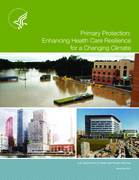
Best Practices Report.PART 1 Primary Protection: Enhancing Health Care Resilience for a Changing Climatei
...
Primary Protection: EnhancingU.S. Department of Health and Human Services
more
A Global Perspective
Essential Drug list on page 36!!
Updates for the integrated management of childhood illness (IMCI) - Guideline.
As part of its response to the global epidemic of obesity, WHO has issued guidelines to support primary healthcare workers identify and manage children who are overweigh
...
t or obese. Specifically, all infants and children aged less than 5 years presenting to primary health-care facilities should have both weight and height measured in order to determine their weight-for-height and their nutritional status according to WHO child growth standards. Comparing a child's weight with norms for its length/height is an effective way to assess for both wasting and overweight
more
This South-East Asia Regional Strategy for Primary Health Care: 2022-2030 aims to accelerate progress in all countries of the Region towards univer
...
sal health coverage (UHC), health security and the health-related Sustainable Development Goals (SDGs). It is intended to provide Member States with guidance on facilitating PHC-orientation through the identification of seven values and 12 strategic actions that collectively embody the philosophy and practice of PHC, enunciated in the 1978 Declaration of Alma-Ata and reaffirmed in the 2018 Declaration of Astana.
more

This document provides an overview of strategic purchasing of nutrition services within primary health care. It introduces key terms and payment me
...
thods for countries to use in preparing to transform their health financial systems to scale up nutrition services. It does so by introducing nutritional perspectives to strategic health purchasing core areas: What to buy, From whom to buy and How to buy.
more
This report describes the activities of the WHO European Centre for Primary Health Care in 2022.The Centre accelerated face-to-face country support
...
after the wake of the COVID-19 pandemic to support countries in engaging in analysis and diagnosis, developing strategies and policies, building capacity and tracking implementation progress and impact. The Centre delivered intensive support in the countries of the Universal Health Coverage Partnership. The Centre continued to develop policy guidance, publish good practices, have capacity-building activities and policy dialogues and solidified its signature product Let’s Talk Primary Health Care talk show platform. The highlight of 2022 was the launch of two WHO Primary Health Care Demonstration Platforms to facilitate cross-country experience exchange.
more
This treatment guideline is intended to assist clinicians in the Behavioral Health department in treatment planning and service delivery for patients with Post Traumatic Stress Disorder (PTSD). It may also assist clinicians treating patients who hav
...
e some of the signs and symptoms of PTSD but who do not meet the full criteria of PTSD. The treatment guideline is not intended to cover every aspect of clinical practice, but to focus specifically on the treatment models and modalities that clinicians in our outpatient treatment setting could provide. These guidelines were developed through a process of literature review and discussion amongst clinicians in the Behavioral Health department and represent a consensus recommendation for service provision for this disorder. The guideline is intended to inform both clinical and administrative practices with the explicit goals of outlining treatment that is: effective, efficient, culturally relevant and acceptable to clinicians, program managers, and patients.
more

Sunsari Technical College Journal Oktober 2012
Inequality of access to palliative care and symptom relief is one of the greatest disparities in global health care (1). Currently, there is avoida
...
ble suffering on a massive scale due to lack of access to palliative care and symptom relief in low- and middle-income countries (LMICs) (1). Yet basic palliative care that can prevent or relieve most suffering due to serious or life-threatening health conditions can be taught easily to generalist clinicians, can be provided in the community and requires only simple, inexpensive medicines and equipment. For these reasons, the World Health Assembly (WHA) resolved that palliative care is "an ethical responsibility of health systems"(2). Further, most patients who need palliative care are at home and prefer to remain there. Thus, it is imperative that palliative care be provided in the community as part of primary care. This document was written to assist ministries of health and health care planners, implementers and managers to integrate palliative care and symptom control into primary health care (PHC).
more
The Lancet Global Health January 24, 2022
These guidelines are designed for ICRC and other health professionals – nurses, midwifes, doctors – who either lack experience in antenatal care or are not used to working in countries where med
...
ical infrastructure is underdeveloped or non-existent
more
The manual contains basic principles of prescribing followed by chapters on medicines used in psychotic disorders; depressive disorders; bipolar disorders; generalised anxiety and sleep disorders; obsessive-compulsive disorders and panic attacks; and alcohol and opioid dependence
What are the FP and CAC competencies?
Through the clear articulation of the family planning and comprehensive abortion care (FP and CAC) competencies for the primary
...
health care workforce, the aim is to advance improvements in FP and CAC service delivery by aligning health worker education approaches with population health needs and health system demands.
This document, which describes these competencies in detail, is intended to:
be a foundational tool to be adopted and adapted by educators and regulators for FP and CAC providers (students) with a pre-service training pathway of at least 12 months;
describe competencies that are relevant to current and future health practice;
enable widespread use of the competencies not only for curriculum development for pre-service education, but also for in-service education, regulation, qualifications, quality assurance, personal development, performance evaluation, recruitment, management and career progression;
focus on the core functions of FP and CAC providers within broader efforts towards achieving universal health coverage
more
This document, Programme and curriculum development guide, presents a systematic approach to developing programmes and curricula for implementation of the family planning (FP) and comprehensive abortion care (CAC) competencies,and the theory behind
...
the approach. Specifically, the aim is for effective implementation of these competencies in the context of pre-service education and training, post-graduate studies and continuing professional development (CPD). This guide is designed for programme and curriculum developers who are preparing or revising formal education and training programmes and curricula for the FP and CAC workforce.
This guide proposes a new FP and CAC Educational Design Model for programme and curriculum development. This model can support competency-based education (CBE) for current and future FP and CAC services, with a pre-service training pathway of at least 12 months, and can also support in-service training. CBE provides the most effective means to orient educational programmes and curricula towards effective health services that meet population health needs, and this Educational Design Model provides a guide for linking the competencies required to provide a range of health services
more
Effective implementation of WHO PEN, combined with other very cost effective population-wide interventions, will help even resource constrained settings to attain the global voluntary targets related to reduction of premature mortality and preventionof heart attacks and strokes.
Defining Disability - A Guideline for Medical Doctors and Primary Health Care Workforce
Prof. AHM E. Hussain; Dr. N. Mohammad; Dr. Md. R. Karim; et al.
Government of the People's Republic of Bangladesh DGHS Directorate General of Health Services Ministry of Health and Family Welfare ; NCDC; drra; et al.
(2019)
C2
January 2019
Non Communicable Disease Control Programme Directorate General of Health Services Health Services Division, Ministry of Health & Fa
...
mily Welfare
more
The "WHO Package of Essential Noncommunicable (PEN) Disease Interventions for Primary Health Care" provides a set of cost-effective, evidence-based
...
interventions to address noncommunicable diseases (NCDs) such as cardiovascular diseases, diabetes, chronic respiratory diseases, and cancers. Designed for implementation in primary healthcare settings, especially in low-resource environments, the package includes protocols for screening, diagnosis, treatment, and management of these diseases. The document emphasizes an integrated approach, supporting universal health coverage by empowering healthcare workers with practical tools to improve NCD care. It aims to reduce premature mortality from NCDs and enhance global health equity.
more

This document describes the key areas that national governments should consider for the introduction and scale-up of point-of-care (POC) diagnostics within
...
national programmes, as new innovative POC technologies are being introduced into the market. The next steps taken to include these new innovations within the broader context of national diagnostic networks of conventional laboratories could influence the achievement of the 2030 Fast Track targets for ending the AIDS epidemic.
POC diagnostics, when strategically introduced and integrated into national diagnostic networks, may help catalyse changes that improve the way diagnostics and clinical services are delivered. This document distils this understanding based on programmatic and market experiences of introducing POC diagnostics through catalytic investments in POC HIV technologies across numerous countries in sub-Saharan Africa. more
POC diagnostics, when strategically introduced and integrated into national diagnostic networks, may help catalyse changes that improve the way diagnostics and clinical services are delivered. This document distils this understanding based on programmatic and market experiences of introducing POC diagnostics through catalytic investments in POC HIV technologies across numerous countries in sub-Saharan Africa. more
Petersenet al.International Journal of Mental Health Systems2011,5:8http://www.ijmhs.com/content/5/1/8
Community health workers (CHWs) play a significant role in Primary health Care due to their prox
...
imity to households, communities and the health care system. Many studies focus on CHWs and the work they do. However, few have examined their experiences and identity and how that might influence how they view and perform their roles. The objectives of the study were to: Describe the role of CHWs in community-based health care in Northern Cape, Identify the perceived barriers and enablers to CHWs role performance, Explore CHWs views regarding the support from the communities and the formal healthcare system in Northern Cape. An exploratory qualitative design using focus groups was adopted. Forty-six (46) CHWs were purposively selected using the critical case sampling approach. Data were collected through three focus group interviews in three regions. Analysis followed the Graneheim & Lundman thematic analysis. Three themes emerged from data: perceived contribution to Primary Health Care, recognition of CHWs role, measures to improve working conditions. Findings showed that CHWs were engaged in various health and social care roles, they believed that they made a significant contribution to PHC, and that the health system persistently relied on their services. The enabler for finding meaning in their work was the positive community response and the good relations they had with the team leaders. The major barrier was the structure of the CHWs programme and the perceived lack of support by the government. The complex issues CHWs address in the community call for a review of their roles and workload as well as the support they receive from the formal healthcare system.
more
Cancer, diabetes, heart disease and stroke, chronic respiratory disease
This article unites the latest guidelines on the management of arterial hypertension in primary health care in Portuguese speaking countries includ
...
ing Brazil, Angola, Mozambique, São Tomé e Príncipe, Cape Verde, among others.
more
Health systems context(s) for integrating mental health into primary health care in six Emerald countries: a situation analysis
Mugisha J.; Abdulmalik, J.; Hanlon C; et al.
International Journal of Mental Health Systems; BioMed Central
(2017)
C1
Mugisha et al. Int J Ment Health Syst (2017) 11:7 DOI 10.1186/s13033-016-0114-2
Infant Psychiatry
Chapter B.2
Procurement and supply management activities are fundamental to consistent and reliable access to essential medicines and health products. To reduce the impact of CVD, action needs to be taken to improve prevention, diagnosis,
...
care and management of CVD diseases. Affordable essential medicines and technologies to manage CVD disease must be available where and when they are required. Medicines and technologies need to be managed appropriately to ensure that the correct medicines are selected, procured in the right quantities, distributed to facilities in a timely manner, and handled and stored in a way that maintains their quality. This needs to be backed up by policies that enable sufficient quantities to be procured in order to reduce cost inefficiencies, ensure the reliability and security of the distribution system, and encourage the appropriate use of these health products. In order to avoid stock-outs and the disruption of treatment, all related activities need to be conducted in a timely manner, with performance continually monitored, and prompt action taken in response to problems that may arise. Additionally, medication must be dispensed correctly and used rationally by the healthcare provider and patient alike. The purpose of this guide is to explain the necessary steps.
more
Many low-resource settings have a shortage of physicians and health workers. (1) In order to provide patient-centred continuous care more effectively, pri
...
mary care systems can include team-based care strategies in their clinic workflows and protocols. Team-based care uses multidisciplinary teams (which may involve new staff, or the shifting of tasks among existing staff). Teams can include patients themselves, primary care physicians, and other allied health professionals, such as nurses, pharmacists, counsellors, social workers, nutritionists, community health workers, or others. Teams reduce the burden on physicians by utilizing the skills of trained health workers. Strong evidence shows that team-based care is effective in improving hypertension control among patients in a cost-effective way. (2) Some amount of task shifting/team-based care is already taking place in many settings; this module provides further guidance on how to maximize this approach for greater impact.
more
Health Economics Review, 2016 6:7 -Published: 11 February 2016
The HEARTS technical package provides a strategic approach to improving cardiovascular health in countries. It comprises six modules and an implementation guide. This package supports Ministries of Health
...
to strengthen CVD management in primary health care settings. The practical, step-by step modules are supported by an overarching technical document that provides a rationale and framework for this integrated approach to the management of NCDs.
more

In 2013, WHO and the Foundation for Innovative New Diagnostics convened a meeting of Buruli ulcer experts in Geneva, Switzerland (9) at which two priority unmet needs in diagnosis were identified:
a diagnostic test for early detection of Buruli ulcer in symptomatic patients with sufficient positive
...
predictive value to put patients on appropriate treatment; and
a screening test at the primary health care or community level for symptomatic patients with ulcer
In March 2018, they convened a global meeting with the aim of establishing an action plan to develop new diagnostic solutions for Buruli ulcer and to create a framework of collaboration to address unmet needs in diagnostics for the disease. The participants agreed to develop a target product profile (TPP) to address the need for a rapid diagnostic test for use at the primary health-care level.
more
Background: Community Health Workers (CHWs) have a positive impact on the provision of community-based
primary health
...
care through screening, treatment, referral, psychosocial support, and accompaniment. With a
broad scope of work, CHW programs must balance the breadth and depth of tasks to maintain CHW motivation for
high-quality care delivery. Few studies have described the CHW perspective on intrinsic and extrinsic motivation to
enhance their programmatic activities.
Methods: We utilized an exploratory qualitative study design with CHWs employed in the household model in Neno
District, Malawi, to explore their perspectives on intrinsic and extrinsic motivators and dissatisfiers in their work. Data
was collected in 8 focus group discussions with 90 CHWs in October 2018 and March–April 2019 in seven purposively
selected catchment areas. All interviews were audiotaped, transcribed verbatim, coded, and analyzed using Dedoose.
Results: Themes of complex intrinsic and extrinsic factors were generated from the perspectives of the CHWs in
the focus group discussions. Study results indicate that enabling factors are primarily intrinsic factors such as positive
patient outcomes, community respect, and recognition by the formal health care system but can lead to the chal-
lenge of increased scope and workload. Extrinsic factors can provide challenges, including an increased scope and
workload from original expectations, lack of resources to utilize in their work, and rugged geography. However, a posi-
tive work environment through supportive relationships between CHWs and supervisors enables the CHWs.
Conclusion: This study demonstrated enabling factors and challenges for CHW performance from their perspec-
tive within the dual-factor theory. We can mitigate challenges through focused efforts to limit geographical distance,
manage workload, and strengthen CHW support to reinforce their recognition and trust. Such programmatic empha-
sis can focus on enhancing motivational factors found in this study to improve the CHWs’ experience in their role. The
engagement of CHWs, the communities, and the formal health care system is critical to improving the care provided
to the patients and communities, along with building supportive systems to recognize the work done by CHWs for
the primary health care systems.
more
2006-2008 programme report
The objective of Critical Considerations and Actions for Achieving Universal Access to Sexual and Reproductive Health in the Context of Universal Health Coverage through a
...
Primary Health Care Approach is to provide guidance to WHO Member States for ensuring progress towards universal access to comprehensive sexual and reproductive health (SRH) in the context of primary health care (PHC)- and universal health coverage (UHC)-related policy and strategy reforms.
more
Protecting Patients, Supporting Practitioners in Tandem.
HRI Global is an independent health consultancy which specialises in Whole Health System Strengthening in the public and private sector by i
...
mplementing the 12-Pillar Clinical Governance Programme (12-PCGP) in primary, secondary and tertiary health facilities/institutions; by working with the management and staff of the institutions and with local and national government. The programme protects patients and supports practitioners in tandem, enabling the facilities to become clinically governed to deliver quality and patient-centered care.
HRI Global is the founder and lead implementer of the 12-Pillar Clinical Governance Programme, which was designed and piloted in Cross River State, Nigeria, in 2004. HRI Global’s home-grown version of Clinical Governance is suitable for low and middle income countries (LMICs) in both government and privately-owned health facilities.
more
Beat the heat: child health amid heatwaves in Europe and Central Asia finds that half of these children died from heat-related illnesses in their first year of life. Most children died during the summer months.
"Around half of children across Eur
...
ope and Central Asia – or 92 million children – are already exposed to frequent heatwaves in a region where temperatures are rising at the fastest rate globally. The increasingly high temperatures can have serious health complications for children, especially the youngest children, even in a short space of time. Without care, these complications can be life-threatening,” said Regina De Dominicis UNICEF Regional Director for Europe and Central Asia.
Heat exposure has acute effects on children, even before they are born, and can result in pre-term births, low birth weight, stillbirth, and congenital anomalies. Heat stress is a direct cause of infant mortality, can affect infant growth and cause a range of paediatric diseases. The report also notes that extreme heat caused the loss of more than 32,000 years of healthy life among children and teenagers in the region.
As the temperatures continue to rise, UNICEF urges governments across Europe and Central Asia to:
- Integrate strategies to reduce the impact of heatwaves including through National Determined Contributions (NDC), National Adaptation Plans (NAP), and disaster risk reduction and disaster management policies with children at the centre of these plans
Invest in heat health action plans and primary health care to more adequately support heat-related illness among children
- Invest in early warning systems, including heat alert systems
- Adapt education facilities to reduce the temperatures in the areas children play in and equip teachers with skills to respond to heat stress
- Adapt urban design and infrastructure including ensuring buildings, particularly those housing the most vulnerable communities are equipped to minimize heat exposure
- Secure the provision of safe water, particularly in countries with deteriorating water quality and availability.
UNICEF works with governments, partners and communities across the region to build resilience against heatwaves. This includes equipping teachers, community health workers and families with the skills and knowledge to respond to heat stress.
more
The meeting was held from 26 to 27 March 2018 to review and discuss the following topics:
Advances and challenges in the use of fTLC, and new approaches to detecting mycolactone using monoclonal antibodies (mAbs).
The status of development of rapid diagnostic tests (RDTs) targeting the MUL
...
_3720 protein.
The role of PCR as a reference test, and hurdles in providing a confirmatory diagnosis and in establishing a quality assurance programme.
New molecular tools with potential for implementation at a level lower than in the national or regional reference laboratory, such as loop-mediated isothermal amplification (LAMP) and recombinase polymerase amplification (RPA).
The need to harmonize and standardize methods for collection and preparation of specimens, so samples can be referred for diagnosis and stored for evaluation of new diagnostic tests in optimal conditions.
Barriers to accessing early diagnosis and treatment, including coordination at the programme level, and lack of adequate diagnostic tools.
Defining target product profiles (TPPs) to guide the development of new diagnostic tools that can be applied at different levels of the health system. Participants agreed that two TPPs would be developed to address the current gaps: (i) a rapid test for BU diagnosis at the primary health-care level; and (ii) a test for diagnosis of BU that can also assist in treatment monitoring and differential diagnosis at the district hospital or reference centre.
more
The objective of this book is to provide health workers with easily accessible information on important aspects of the medicines commonly used at primary
...
care level in Zimbabwe. Medicines are a crucial part of the management of most of our patients, yet many medicines are potentially dangerous if not used correctly (by either prescriber or patient). It is important to have up-to-date information not only on the indications for, and the dose of a particular medicine, but also the contra-indications and reasons for special care, possible side effects and interactions with other medicine or medicines. The patient must also have information on how to use the preparation, what side effects may occur, and when to return for help.
more
Primary Care 101
recommended
Symptom-based integrated approach to the adult in primary care.
Primary Care 101 is a comprehe
...
nsive clinical practice guideline that aims to equip nurses and other clinicians to diagnose and manage common adult conditions at primary level.
Tb; HIV; Asthma/COPD; cardiovascular disease; diabetes; Mental health conditions; Epilepsy; Musculoskeletal disorders; Women’s health
more
The Primary Care Innovator’s Handbook
recommended
Voices from Leaders in the Field
Towards the Peoples Health Assembly Book - 5
Good primary care may lead to fewer avoidable hospitalizations, but unsafe primary care can caus
...
e avoidable illness and injury, leading to unnecessary hospitalizations, and in some cases, disability and even death.Implementing system changes and practices are crucial to improve safety at all levels of health care. Recognizing the paucity of accessible information on primary care, World Health Organization (WHO) set up a Safer Primary Care Expert Working Group. The Working Group reviewed the literature, prioritized areas in need of further research and compiled a set of nine monographs which cover selected priority technical topics. WHO is publishing this technical series to make the work of these distinguished experts available to everyone with an interest in Safer Primary Care.The aim of this technical series is to provide a compendium of information on key issues that can impact safety in the provision of primary health care.
more
National Guidelines for Home Based Care Services
Ministry of Health and Social Welfare, National AIDS Control Programme, Tanzania
Ministry of Health and Social Welfare, Tanzania
(2010)
C1
This guide presents new knowledge and guidelines on the provision of care to persons living with HIV/AIDS, in accordance with the last guidelines of the World Health Organization (WHO) published in
...
2006 and adapted to the Rwandan national context. It thus responds to the need by the Ministry of Health to improve the skills of the actors in the health sector as well as the quality of care and antiretroviral treatment offered in both public and private health facilities countrywide.
more
National Comprehensive HIV Prevention, Care, and Treatment Training for Pharmacy Professionals. Participant Manual
Ministry of Health, Federal Democratic Republic of Ethiopia
Ministry of Health, Federal Democratic Republic of Ethiopia
(2018)
CC
In line with its decentralization principle, the Ethiopian Health Policy has achieved great progress in improving access to comprehensive HIV/AIDS services to the majority of the population. Both quality and coverage of servi
...
ces have improved significantlysince the initiation of the free ART program in 2005. The role of health workforce in general and that of pharmacy professionals assumes a central position in these achievements. To further enhance accessibility and quality of services, capacity buildingof health cadres is critical. Therefore, this comprehensive HIV prevention, care and treatment training material is prepared with the primarily intention to build the capacity of pharmacy professionals at all levels so that they can contribute to the provision of HIV services.
more
The National Guideline for Neonatal Care and Establishment of Neonatal Care Unit aims to provide health
...
workers with all basics and necessary knowledge and skills to provide appropriate care at the most vulnerable period in a newborn’s life. This guideline will be available to all health facilities as a reference book for health workers. The book contains up-to-date evidence-based information and management of newborns with a range of needs in the initial newborn period
more
Technical Series on Safer Primary Care
Towards the Peoples Health Assembly Book -5
The WHO Training Resource on Primary Ear and Hearing Care is a new set of four training manuals aimed at equipping primary
...
health care workers in
developing countries with simple and effective methods to reduce the burden of ear and hearing disorders.
more
National consolidated Guidelines for comprehensive HIV prevention, care and treatment
World Health Organization (Africa)
(2018)
C_WHO
“Continuum of HIV services refers to a comprehensive package of HIV prevention, diagnostic, treatment, care and support services provided for people at risk of HIV infection or living with HIV and their families”
August, 2018
National Strategy and Action Plan for Clubfoot Care in Bangladesh
Dr. A. M. Z. Hussain; Dr. Rizvi; Dr. Qavi; et al.
Government of the People's Republic of Bangladesh DGHS Directorate General of Health Services Ministry of Health and Family Welfare ; Sustainable Clubfoot Care in Bangladesh
(2015)
C2
December 2015
National guidelines for of Clubfoot
Essential health care service disruption due to COVID-19: lessons for sustainability in Nigeria
AHOP National Centre based in Nigeria
World Health Organization WHO, Regional Office Africa
(2022)
C_WHO
The brief concludes that sustaining the continuity of EHS requires policies that ensure a whole-society and systems strengthening approach. This involves increased health care investment, community
...
engagement, disease control regulations, and multisector approaches to improve resilience, EHS quality, and equity.
more
Diabetes mellitus (DM) is a global epidemic with significant morbidity. Diabetic
retinopathy (DR) is the specific microvascular complication of DM and affects 1 in 3 persons with DM. DR remains a leading cause of vision loss in working adult populations. Patients with severe levels of DR are report
...
ed to have poorer quality of life and reduced levels of physical, emotional, and social well-being, and they utilize more health care resources.
Epidemiological studies and clinical trials have shown that optimal control of blood glucose, blood pressure, and blood lipids can reduce the risk of developing retinopathy and slow its progression. Timely treatment with laser photocoagulation, and increasingly, the appropriate use of intraocular administration of vascular endothelial growth factor (VEGF) inhibitors can prevent visual loss in vision- threatening retinopathy, particularly diabetic macular edema (DME). Since visual loss may not be present in the earlier stages of retinopathy, regular screening of persons with diabetes is essential to enable early intervention.
more
The purpose of this manual is to provide guidance in the design, implementation and evaluation of a course that aims to build and strengthen the capacity of health personnel to manage eye patients at prima
...
ry-level health facilities in the African Region. The course falls within the remit of continuous professional development in its broadest sense. Its content focuses on simple evidence-based practice that can be easily carried out in primary-level health facilities all over Africa.
This manual is intended for use by course directors and facilitators. Its intended audience includes all persons who wish to commission, support or offer a course serving the above aims, including pre-service training. This manual sets out the requisite steps for the preparation and organization of such a course.
more