
Filter
3248
Text search:
low
and
middle-income
countries
Featured
261
689
Language
Document type
1553
907
360
135
107
69
37
25
23
13
7
5
2
1
1
Countries
267
92
72
66
65
61
52
47
46
37
37
37
37
36
36
36
33
32
32
29
28
27
26
25
24
22
21
20
19
19
18
18
17
17
17
15
15
13
13
12
12
12
11
11
10
10
10
9
9
9
9
8
8
7
7
7
6
6
6
6
5
5
5
5
5
5
5
5
5
4
4
4
4
4
4
3
3
3
3
3
3
3
3
3
3
2
2
2
2
2
2
2
2
2
2
2
2
1
1
1
1
1
1
1
1
1
1
1
1
1
1
1
1
1
1
1
1
1
1
1
1
1
1
1
Authors & Publishers
Publication Years
Category
846
316
292
197
114
38
27
3
2
Toolboxes
363
357
269
194
179
171
157
139
131
117
98
46
40
38
34
32
19
12
12
6
3
2
1
1
1
Background: Asthma and chronic obstructive pulmonary disease (COPD) cause a considerable burden of morbidity
and mortality in low-income
...
The seven essential features of practice for scaling up are described with great clarity. They are practical and universal, and encourage local innovation. They include policy, funding
...

Every year, an estimated 15 million babies are born preterm – before 37 weeks of pregnancy. That is more than 1 in 10 live births. Approximately 1 million children die each year worldwide due to complications from their early birth. Those that survive often face a lifetime of ill-health including
...
Background
In the prevention of cardiovascular disease, a WHO target is that at least 50% of eligible people use statins. Robust evidence is needed to monitor progress towards this target in low-income an
...
Introduction Community health workers (CHWs) are increasingly being tasked to prevent and manage cardiovascular disease (CVD) and its risk factors in underserved populations in
...
Background: Primary health care (PHC) is a driving force for advancing towards universal health coverage (UHC). PHC-oriented health systems bring enormous benefits but require substantial financial investments. Here, we aim to present measures for PHC investments
...
Introduction
In 2017, development assistance for health (DAH) comprised 5.3% of total health spending in lowincome countries. Despite the key role DAH plays in global health-spending, little is known about the characteristics of assistance that ma
...
تحمل العبء الأكبر على كبار السن في الدول ذات الدخل 19تأثير جائحة الكوفيد-2020المتدني والمتوسط - رؤى من عام
The report shows that older people are not getting the healthcare treatments they desperately need. The COVID-1
...
Childhood immunisation is one of the most cost-effective health interventions. However, despite its known value, global access to vaccines remains far from complete. Although supply-side constraints lead to inadequate vaccine coverage in many health systems, there is no comprehensive analysis of the
...

This research aims to identify a core set of clinical skills for working in
a Community Based Rehabilitation (CBR) setting, and to discuss whether they are appropriate for task shifting to a new or an alternative cadre of rehabilitation workers.
The Lancet Global Health Published:May 12, 2020DOI:https://doi.org/10.1016/S2214-109X(20)30229-1
The objective of this report is to assess the situational landscape during mid-May 2020 surrounding the value chain of the production and distribution of generic antiretroviral medicines in low-
...
Int J Hyg Environ Health. 2019 Jun; 222(5): 765–777. doi: 10.1016/j.ijheh.2019.05.004;
To develop updated estimates in response to new exposure and exposure-response data of the
burden of diarrhoea, respiratory infections, malnutrition, schisto
...

Front. Public Health, 30 April 2021 | https://doi.org/10.3389/fpubh.2021.628744
Petersen et al. Int J Ment Health Syst (2016) 10:30 DOI 10.1186/s13033-016-0060-z

Front. Med., 27 November 2020 | https://doi.org/10.3389/fmed.2020.594728. The Checklist included eight actions for implementing rural pathways in LMICs: establishing community needs; policies and partners; exploring existing workers
...
Background
The ambitious development agenda of the Sustainable Development Goals (SDGs) requires substantial investments across several sectors, including for SDG 3 (healthy lives and wellbeing). No estimates of the additional resources needed to
...
Urbanisation has been associated with temporal and geographical differences in asthma prevalence in low-income and
...
One of the main limitations to accessing hearing aids is the lack of diagnostic and rehabilitative services, especially at primary and secondary levels of care. This is due to the small number of sp
...
This policy brief identifies and explains the main reasons behind the rise of antimicrobial resistance (AMR) associated with improper use of antibiotics in the livestock sector. Focusing on the low-
...
Severe and difficult asthma in a low- and middle-inc
...
Tuberculosis (TB) is the deadliest infectious disease in most low- and middle-income
...
Cardiovascular diseases, principally ischemic heart disease (IHD), are the most important cause of death and disability in the majority of low- and
...
Climate change is damaging human health now and is projected to have a greater impact in the future. Low- and
...
The document addresses the pressing issues of global malnutrition and the urgent need to build workforce capacity in public health nutrition, particularly in low-
...
What is already known about this topic?
Roughly 80% of the global disease burden caused by diabetes comes from low-and-middle
...
Background
Access to medicines is important for long‐term care of cardiovascular diseases and hypertension. This study provides a cross‐country assessment of availability, prices, and affordabi
...
Results from studies evaluating the effectiveness of focused psychosocial support interventions in children exposed to traumatic events in humanitarian settings in low-income and
...
The Global Status Report on Noncommunicable Diseases (NCDs) 2014 by the World Health Organization outlines the global impact of NCDs, including cardiovascular diseases, cancer, diabetes, and chronic respiratory diseases, which are responsible for a
...

A general consensus exists that as a country develops economically, health spending per capita rises and the share of that spending that is prepaid through government or private mechanisms also rises. However, the speed
...
Background: The amount of resources, particularly prepaid resources, available for health can affect access to health care and health outcomes. Although health spending tends to increase with economic development, tremendous variation exists among h
...

About reesource gaps for low and middle income count
...

Background
Low- and middle-income countries
...

In low- and middle-income middle-
...

Overcoming barriers in low- and middle-income countr
...
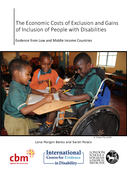
Evidence from Low and Middle Income Countries
...
Donor financing to low- and middle-income countries
...
The growing challenges for people in low and middle-income
...
Injection practices worldwide and especially in low- and middle-
...
It is of utmost importance to low-income countries and some lower-middle
...
Most of the global burden of sepsis occurs in low- and middle-income
...
While epidemiological data for type 1 diabetes (T1D) in low/middle-income countries,
...
The compendium provides guidance on low-cost handwashing facilities that can be widely used in low and
...
For the primary health worker in a low/middle-income country (LMIC) setting, delivering quality primary care is challenging. This is often complica
...

Development assistance for health (DAH) is an important part of financing healthcare in low- and middle-
...
Background
Asthma remains highly prevalent, with more severe symptoms in low-income to middle-income
...
Mental health problems represent the greatest global burden of disease among children and adolescents. There is, however, lack of policy development and implementation for child
...
Accessed: 02.05.2020
The COVID-19 Hygiene Hub is a free service to help actors in low- and middle-in
...
INTRODUCTION: Health service use among the public can decline during outbreaks and had been predicted among low and
...
The article "Under- and over-diagnosis of COPD: a global perspective" reviews the worldwide variation in the prevalence of chronic obstructive pulmonary disease (COPD) and issues related to its misd
...
This document provides information for WHO Member States, particularly low-income and middle-income
...
Non-communicable diseases (NCDs) account for 72% of all deaths globally and this proportion is growing. Greatest increases in NCD mortality are seen in low-income
...

Inequality of access to palliative care and symptom relief is one of the greatest disparities in global health care (1). Currently, there is avoidable suffering on a massive scale due to lack of access to palliative care
...
An evidence-informed approach for non-formal, out-of-school CSE programmes that aims to reach young people from left-behind populations
This guidance is intended to assist anyone designing and/or implementing CSE in out-of-school settings, especial
...

A variety of international organizations are involved in mobilizing resources from both public and private
sources and using them to extend development assistance to
...
Official development assistance (ODA) is one of the most important means for donor countries to foster diplomatic relations with low- and
...
Cardiovascular disease (CVD) is the leading cause of global deaths, with the majority occurring in low- and middle-
...
More than 40% of the world population is 24 years old or younger, the vast majority of whom live in low- and lower middle–
...
Non-Communicable Diseases (NCDs), including mental disorders, currently pose one of the biggest threats to health and development globally, particularly in low
...
The mhGAP guideline supports countries to strengthen capacity to deal with the growing burden of mental, neurological and substance use (MNS) conditions a
...
This report seeks to uncover the extent to which global goals crowd in international financing, inform domestic policy priorities, and navigate progress toward development outcomes in low-
...
Cancer is an emerging public health problem in sub-Saharan Africa due to population growth, ageing and westernisation of lifestyles. In this piece, we use data from Mozambique over a 50-year period to illustrate cancer epidemiological trends in
...
Q 12: In children and adolescents with anxiety disorders, what is the effectiveness and safety, considering system issues in low-
...
Chapter · January 2009 DOI: 10.1007/978-0-387-72711-0_25
D.D. Celentano and C. Beyrer (eds.), Public Health Aspects of HIV/AIDS in Low and
...

The Global Antibiotic Resistance Partnership (GARP) aims to address the challenge of antibiotic resistance by developing actionable Policy Proposals in Vietnam and four other low-
...
Sepsis remains a leading cause of mortality and morbidity, especially during the first five days of life and in low
...
The report reveals that good IPC programmes can reduce health care infections by 70 %. oday, out of every 100 patients in acute-care hospitals, seven patients in high-income countries and 15 patient
...
Hypertension is the leading preventable risk factor for cardiovascular diseases and disability globally. In low- and
...
The article "Time to Align: Development Cooperation for the Prevention and Control of Non-Communicable Diseases" argues for greater international cooperation and investment in addressing non-communi
...
The Lancet Global Health Volume 9, ISSUE 3, e361-e365, March 01, 2021
The public health community has tried for decades to show, through evidence-based research, that safe water, sanitation, and hygiene (WASH)
...
Cardiovascular disease, diabetes, chronic obstructive pulmonary disease, cancers, and other non-communicable diseases are among the leading causes of morbidity and mortality in
...
Direct acting antivirals (DAAs) have revolutionized treatment for hepatitis C. Combi-
nations of DAAs can cure infection with HCV in 12 weeks, are highly effective and
have limited side-effects. Affordability of DAAs has impr
...
2nd edition
WASH FIT is a risk-based, continuous improvement framework with a set of tools for undertaking water, sanitation and hygiene (WASH) improvements as part of wider quality improvements in health care facilities. It is aimed at small prima
...
4 April 2020
This interim guidance on oxygen sources and distribution strategies for COVID-19 treatment has been adapted from WHO and UNICEF’s technical specifications
...
WHO list of priority medical devices for management of cardiovascular diseases and diabetes
recommended
This publication was developed in response to the need for a reference list of priority medical devices required for management of noncommunicable diseases (NCDs), focusing on cardiovascular diseases and diabetes, especially for
...
The Programme identifies the essential services to be provided by the health, social services, police and justice sectors as well as guidelines for the coordination of essential services and the gov
...
The WHO estimates that 19 million children aged 15 years or younger are visually impaired. Of these, 1.4 million are irreversibly blind and need visual rehabilitation interventions for full psychological a
...
Breast cancer is the most common cancer worldwide and the leading cause of cancer deaths among women, disproportionately affecting low- and
...
Pregnancy and childbirth during adolescence profoundly affects the lives of millions of girls worldwide, and is a leading cause of maternal mortality and
...
Cardiovascular diseases remain the leading cause of morbidity and mortality worldwide. There are significant differences in the burden of cardiovascular disease and associated risk factors, across h
...
Air pollution is one of the leading causes of health complications and mortality worldwide, especially affecting lower-income groups, who tend to be more exposed and vulnerable. This study documents
...
The substantial burden of death and disability that results from interpersonal violence, road traffic injuries, unintentional injuries, occupational health risks, air pollution, climate change, and
...

People younger than 20 years comprise 35% of the global population and 40% of the global population of least-developed nations. The number of children - neonates, infants, children, and adolescents
...
Anaemia is a global public health concern, especially afflicting adolescent girls, women 15–49 years of age, pregnant women, and children in low- and
...
The objective of this project was to list the medical devices required to provide the essential reproductive, maternal, newborn and child health interventions defined by existing WHO guidelines and
...
Financing Global Health 2016: Development Assistance, Public and Private Health Spending for the Pursuit of Universal Health Coverage presents a complete analysis of the resources available for health in 184
...
Asthma is the most common non-communicable disease in children and remains one of the most common throughout the life course. The great majority of the burden of this disease is seen in low-income
...
Chronic respiratory diseases, such as asthma and
chronic obstructive pulmonary disease, kill more than
four million people every year and affect hundreds
of millions more. These diseases erode th
...
The substantial burden of death and disability that results from interpersonal violence, road traffic injuries, unintentional injuries, occupational health risks, air pollution, climate change, and
...
AMCC, a Non-Governmental Organization (NGO) association governed by the law of 1901, the French branch of the INCTR (International Network for Treatment and Research on Cancer) mainly oriented towards women's
...
In October 2022, President Biden signed the Global Malnutrition Prevention and Treatment Act (GMPTA) into law, which directs USAID to prevent and treat malnutrition globally. The GMPTA further codif
...
The article outlines the prioritized research agenda for the prevention and control of chronic respiratory diseases (CRDs) as part of the World Health Organization's (WHO) action plan on noncommunicable diseases (NCDs) from 2008 to 2013. It highligh
...
The document is a handbook on implementing the mBreatheFreely program, an mHealth initiative by the World Health Organization (WHO) and the International Telecommunication Union (ITU) aimed at improving the management of asthma
...
The World Health Organization (WHO) fact sheet on ambient (outdoor) air quality and health highlights the significant health risks posed by outdoor air pollution. It reports that in 2019, ambient air pollution was responsible for approximately 4.2 m
...
In 2014, the International Study of Asthma and Allergies in Childhood (ISAAC) reported that the highest prevalence of symptoms of severe asthma was found in the low-
...
Asthma is the most common chronic condition in children worldwide. It affects daytime activities, sleep and school attendance and causes anxiety to parents, families
...
For decades, pollution and its harmful effects on people’s health, the environment, and the planet have been neglected both by Governments and th
...
Background: Sustainable Development Goal (SDG) 3 aims to “ensure healthy lives and promote well-being for all at all ages”. While a substantial effort has been made to quantify progress towards SDG3, less research has focused on tracking spendin
...
The COVID-19 pandemic highlighted gaps in health surveillance systems, disease prevention, and treatment globally. Among the many factors that might have led to these gaps is the issue of the financing of national health systems, especially in
...
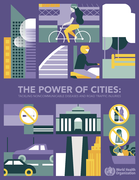
The report is geared towards mayors, local government officials and city policy planners.It highlights key areas where city leaders can tackle the drivers of NCDs, including tobacco use, air pollution, poor diets
...
