
Filter
5436
Text search:
illness
Featured
557
1340
Language
5163
156
144
116
91
48
42
36
14
12
12
11
10
8
8
8
8
7
7
7
7
6
6
6
6
5
5
5
5
4
4
4
4
4
4
3
3
3
3
3
3
3
2
2
2
2
2
2
2
2
2
2
2
1
1
1
1
1
1
1
1
1
1
1
1
1
1
1
1
1
1
1
Document type
3140
730
699
291
174
131
124
49
33
27
18
9
5
1
Countries
324
187
148
144
120
116
112
107
99
95
93
81
72
71
70
66
65
64
63
51
45
42
41
39
38
37
34
34
33
33
33
31
30
27
27
26
24
23
23
22
21
20
20
19
19
17
17
17
17
16
15
14
12
12
11
10
9
9
9
8
8
8
8
8
7
7
7
6
6
6
6
5
5
5
5
5
4
4
4
4
4
4
4
3
3
3
3
3
3
3
3
3
3
3
3
3
3
3
2
2
2
2
2
2
2
2
2
2
2
2
2
2
2
2
1
1
1
1
1
1
1
1
1
1
1
1
1
1
1
1
1
1
1
1
1
Authors & Publishers
723
314
209
147
134
130
110
76
75
60
43
39
35
34
32
31
31
30
28
28
28
23
22
21
21
19
19
18
18
18
17
17
17
16
16
15
15
15
15
14
14
13
13
13
13
13
13
12
12
12
12
12
11
11
11
11
11
10
10
10
10
10
10
10
10
10
9
9
9
9
9
9
9
9
8
8
8
8
8
8
8
8
8
8
8
8
7
7
7
7
7
7
7
7
7
7
7
7
7
7
6
6
6
6
6
6
6
6
6
6
6
6
6
6
6
6
6
6
6
6
6
6
6
6
6
6
6
6
5
5
5
5
5
5
5
5
5
5
5
5
5
5
5
5
5
5
5
5
5
5
5
5
5
5
5
5
5
5
5
5
5
5
5
5
4
4
4
4
4
4
4
4
4
4
4
4
4
4
4
4
4
4
4
4
4
4
4
4
4
4
4
4
4
4
4
4
4
4
4
4
4
4
4
4
4
4
4
4
4
4
4
4
4
4
4
4
4
4
4
4
4
4
4
4
4
3
3
3
3
3
3
3
3
3
3
3
3
3
3
3
3
3
3
3
3
3
3
3
3
3
3
3
3
3
3
3
3
3
3
3
3
3
3
3
3
3
3
3
3
3
3
3
3
3
3
3
3
3
3
3
3
3
3
3
3
3
3
3
3
3
3
3
3
3
3
3
3
3
3
3
3
3
3
3
3
3
3
3
3
3
3
3
3
3
3
3
3
3
3
3
3
3
3
3
3
3
3
3
3
3
3
3
3
3
3
3
3
3
3
3
3
3
3
3
3
2
2
2
2
2
2
2
2
2
2
2
2
2
2
2
2
2
2
2
2
2
2
2
2
2
2
2
2
2
2
2
2
2
2
2
2
2
2
2
2
2
2
2
2
2
2
2
2
2
2
2
2
2
2
2
2
2
2
2
2
2
2
2
2
2
2
2
2
2
2
2
2
2
2
2
2
2
2
2
2
2
2
2
2
2
2
2
2
2
2
2
2
2
2
2
2
2
2
2
2
2
2
2
2
2
2
2
2
2
2
2
2
2
2
2
2
2
2
2
2
2
2
2
2
2
2
2
2
2
2
2
2
2
2
2
2
2
2
2
2
2
2
2
2
2
2
2
2
2
2
2
2
2
2
2
2
2
2
2
2
2
2
2
2
2
2
2
2
2
2
2
2
2
2
2
2
2
2
2
2
2
2
2
2
2
2
2
2
2
2
2
2
2
2
2
2
2
2
2
2
2
2
2
2
2
2
2
2
2
2
2
2
2
2
2
2
2
2
2
2
2
2
2
2
2
2
2
2
2
2
2
2
2
2
2
2
2
2
2
2
2
2
2
2
2
2
2
2
2
2
2
2
2
2
2
2
2
2
2
2
2
2
2
2
2
2
2
2
2
2
2
2
2
2
2
2
2
2
2
2
2
2
2
2
2
2
2
2
2
2
2
2
2
2
2
2
2
2
2
2
2
2
2
2
2
2
2
2
2
2
2
2
2
2
2
2
2
2
2
2
2
2
2
2
2
2
2
2
2
2
2
2
2
2
2
2
2
2
2
1
1
1
1
1
1
1
1
1
1
1
1
1
1
1
1
1
1
1
1
1
1
1
1
1
1
1
1
1
1
1
1
1
1
1
1
1
1
1
1
1
1
1
1
1
1
1
1
1
1
1
1
1
1
1
1
1
1
1
1
1
1
1
1
1
1
1
1
1
1
1
1
1
1
1
1
1
1
1
1
1
1
1
1
1
1
1
1
1
1
1
1
1
1
1
1
1
1
1
1
1
1
1
1
1
1
1
1
1
1
1
1
1
1
1
1
1
1
1
1
1
1
1
1
1
1
1
1
1
1
1
1
1
1
1
1
1
1
1
1
1
1
1
1
1
1
1
1
1
1
1
1
1
1
1
1
1
1
1
1
1
1
1
1
1
1
1
1
1
1
1
1
1
1
1
1
1
1
1
1
1
1
1
1
1
1
1
1
1
1
1
1
1
1
1
1
1
1
1
1
1
1
1
1
1
1
1
1
1
1
1
1
1
1
1
1
1
1
1
1
1
1
1
1
1
1
1
1
1
1
1
1
1
1
1
1
1
1
1
1
1
1
1
1
1
1
1
1
1
1
1
1
1
1
1
1
1
1
1
1
1
1
1
1
1
1
1
1
1
1
1
1
1
1
1
1
1
1
1
1
1
1
1
1
1
1
1
1
1
1
1
1
1
1
1
1
1
1
1
1
1
1
1
1
1
1
1
1
1
1
1
1
1
1
1
1
1
1
1
1
1
1
1
1
1
1
1
1
1
1
1
1
1
1
1
1
1
1
1
1
1
1
1
1
1
1
1
1
1
1
1
1
1
1
1
1
1
1
1
1
1
1
1
1
1
1
1
1
1
1
1
1
1
1
1
1
1
1
1
1
1
1
1
1
1
1
1
1
1
1
1
1
1
1
1
1
1
1
1
1
1
1
1
1
1
1
1
1
1
1
1
1
1
1
1
1
1
1
1
1
1
1
1
1
1
1
1
1
1
1
1
1
1
1
1
1
1
1
1
1
1
1
1
1
1
1
1
1
1
1
1
1
1
1
1
1
1
1
1
1
1
1
1
1
1
1
1
1
1
1
1
1
1
1
1
1
1
1
1
1
1
1
1
1
1
1
1
1
1
1
1
1
1
1
1
1
1
1
1
1
1
1
1
1
1
1
1
1
1
1
1
1
1
1
1
1
1
1
1
1
1
1
1
1
1
1
1
1
1
1
1
1
1
1
1
1
1
1
1
1
1
1
1
1
1
1
1
1
1
1
1
1
1
1
1
1
1
1
1
1
1
1
1
1
1
1
1
1
1
1
1
1
1
1
1
1
1
1
1
1
1
1
1
1
1
1
1
1
1
1
1
1
1
1
1
1
1
1
1
1
1
1
1
1
1
1
1
1
1
1
1
1
1
1
1
1
1
1
1
1
1
1
1
1
1
1
1
1
1
1
1
1
1
1
1
1
1
1
1
1
1
1
1
1
1
1
1
1
1
1
1
1
1
1
1
1
1
1
1
1
1
1
1
1
1
1
1
1
1
1
1
1
1
1
1
1
1
1
1
1
1
1
1
1
1
1
1
1
1
1
1
1
1
1
1
1
1
1
1
1
1
1
1
1
1
1
1
1
1
1
1
1
1
1
1
1
1
1
1
1
1
1
1
1
1
1
1
1
1
1
1
1
1
1
1
1
1
1
1
1
1
1
1
1
1
1
1
1
1
1
1
1
1
1
1
1
1
1
1
1
1
1
1
1
1
1
1
1
1
1
1
1
1
1
1
1
1
1
1
1
1
1
1
1
1
1
1
1
1
1
1
1
1
1
1
1
1
1
1
1
1
1
1
1
1
1
1
1
1
1
1
1
1
1
1
1
1
1
1
1
1
1
1
1
1
1
1
1
1
1
1
1
1
1
1
1
1
1
1
1
1
1
1
1
1
1
1
1
1
1
1
1
1
1
1
1
1
1
1
1
1
1
1
1
1
1
1
1
1
1
1
1
1
1
1
1
1
1
1
1
1
1
1
1
1
1
1
1
1
1
1
1
1
1
1
1
1
1
1
1
1
1
1
1
1
1
1
1
1
1
1
1
1
1
1
1
1
1
1
1
1
1
1
1
1
1
1
1
1
1
1
1
1
1
1
1
1
1
1
1
1
1
1
1
1
1
1
1
1
1
1
1
1
1
1
1
1
1
1
1
1
1
1
1
1
1
1
1
1
1
1
1
1
1
1
1
1
1
1
1
1
1
1
1
1
1
1
1
1
1
1
1
1
1
1
1
1
1
1
1
1
1
1
1
1
1
1
1
1
1
1
1
1
1
1
1
1
1
1
1
1
1
1
1
1
1
1
1
1
1
1
1
1
1
1
1
1
1
1
1
1
1
1
1
1
1
1
1
1
1
1
1
1
1
1
1
1
1
1
1
1
1
1
1
1
1
1
1
1
1
1
1
1
1
1
1
1
1
1
1
1
1
1
1
1
1
1
1
1
1
1
1
1
1
1
1
1
1
1
1
1
1
1
1
1
1
1
1
1
1
1
1
1
1
1
1
1
1
1
1
1
1
1
1
1
1
1
1
1
1
1
1
1
1
1
1
1
1
1
1
1
1
1
1
1
1
1
1
1
1
1
1
1
1
1
1
1
1
1
1
1
1
1
1
1
1
1
1
1
1
1
1
1
1
1
1
1
1
1
1
1
1
1
1
1
1
1
1
1
1
1
1
1
1
1
1
1
1
1
1
1
1
1
1
1
1
1
1
1
1
1
1
1
1
1
1
1
1
1
1
1
1
1
1
1
1
1
1
1
1
1
1
1
1
1
1
1
1
1
1
1
1
1
1
1
1
1
1
1
1
1
1
1
1
1
1
1
1
1
1
1
1
1
1
1
1
1
1
1
1
1
1
1
1
1
1
1
1
1
1
1
1
1
1
1
1
1
1
1
1
1
1
1
1
1
1
1
1
1
1
1
1
1
1
1
1
1
1
1
1
1
1
1
1
1
1
1
1
1
1
1
1
1
1
1
1
1
1
1
1
1
1
1
1
1
1
1
1
1
1
1
1
1
1
1
1
1
1
1
1
1
1
1
1
1
1
1
1
1
1
1
1
1
1
1
1
1
1
1
1
1
1
1
1
1
1
1
1
1
1
1
1
1
1
1
1
1
1
1
1
1
1
1
1
1
1
1
1
1
1
1
1
1
1
1
1
1
1
1
1
1
1
1
1
1
1
1
1
1
1
1
1
1
1
1
1
1
1
1
1
1
1
1
1
1
1
1
1
1
1
1
1
1
1
1
1
1
1
1
1
1
1
1
1
1
1
1
1
1
1
1
1
1
1
1
1
1
1
1
1
1
1
1
1
1
1
1
1
1
1
1
1
1
1
1
1
1
1
1
1
1
1
1
1
1
1
1
1
1
1
1
1
1
1
1
1
1
1
1
1
1
1
1
1
1
1
1
1
1
1
1
1
1
1
1
1
1
1
1
1
1
1
1
1
1
1
1
1
1
1
1
1
1
1
1
1
1
1
1
1
1
1
1
1
1
1
1
1
1
1
1
1
1
1
1
1
1
1
1
1
1
1
1
1
1
1
1
1
1
1
1
1
1
1
1
1
1
1
1
1
1
1
1
1
1
1
1
1
1
1
1
1
1
1
1
1
1
1
1
1
1
1
1
1
1
1
1
1
1
1
1
1
1
1
1
1
1
1
1
1
1
1
1
1
1
1
1
1
1
1
1
1
1
1
1
1
1
1
1
1
1
1
1
1
1
1
1
1
1
1
1
1
1
1
1
1
1
1
1
1
1
1
1
1
1
1
1
1
1
1
1
1
1
1
1
1
1
1
1
1
1
1
1
1
1
1
1
1
1
1
1
1
1
1
1
1
1
1
1
1
1
1
1
1
1
1
1
1
1
1
1
1
1
1
1
1
1
1
1
1
1
1
1
1
1
1
1
1
1
1
1
1
1
1
1
1
1
1
1
1
1
1
1
1
1
1
1
1
1
1
1
1
1
1
1
1
1
1
1
1
1
1
1
1
1
1
1
1
1
1
1
1
1
1
1
1
1
1
1
1
1
1
1
1
1
1
1
1
1
1
1
1
1
1
1
1
1
1
1
1
1
1
1
1
1
1
1
1
1
1
1
1
1
1
1
1
1
1
1
1
1
1
1
1
1
1
1
1
1
1
1
1
1
1
1
1
1
1
1
1
1
1
1
1
1
1
1
1
1
1
1
1
1
1
1
1
1
1
1
1
1
1
1
1
1
1
1
1
1
1
1
1
1
1
1
1
1
1
1
1
1
1
1
1
1
1
1
1
1
1
1
1
1
1
1
1
1
1
1
1
1
1
1
1
1
1
1
1
1
1
1
1
1
1
1
1
1
1
1
1
1
1
1
1
1
1
1
1
1
1
1
1
1
1
1
1
1
1
1
1
1
1
1
1
1
1
1
1
1
1
1
1
1
1
1
1
1
1
1
1
1
1
1
1
1
1
1
1
1
1
1
1
1
1
1
1
1
1
1
1
1
1
1
1
1
1
1
1
1
1
1
1
1
1
1
1
1
1
1
1
1
1
1
1
1
1
1
1
1
1
1
1
1
1
1
1
1
1
1
1
1
1
1
1
1
1
1
1
1
1
1
1
1
1
1
1
1
1
1
1
1
1
1
1
1
1
1
1
1
1
1
1
1
1
1
1
1
1
1
1
1
1
1
1
1
1
1
1
1
1
1
1
1
1
1
1
1
1
1
1
1
1
1
1
1
1
1
1
1
1
1
1
1
1
1
1
1
1
1
1
1
1
1
1
1
1
1
1
1
1
1
1
1
1
1
1
1
1
1
1
1
1
1
1
1
1
1
1
1
1
1
1
1
1
1
1
1
1
1
1
1
1
1
1
1
1
1
1
1
1
1
1
1
1
1
1
1
1
1
1
1
1
1
1
1
1
1
1
1
1
1
1
1
1
1
1
1
1
1
1
1
1
1
1
1
1
1
1
1
1
1
1
1
1
1
1
1
1
1
1
1
1
1
1
1
1
1
1
1
1
1
1
1
1
1
1
1
1
1
1
1
1
1
1
1
1
1
1
1
1
1
1
1
1
1
1
1
1
1
1
1
1
1
1
1
1
1
1
1
1
1
1
1
1
1
1
1
1
1
1
1
1
1
1
1
1
1
1
1
1
1
1
1
1
1
1
1
1
1
1
1
1
1
1
1
1
1
1
1
1
1
1
1
1
1
1
1
1
1
1
1
1
1
1
1
1
1
1
1
1
1
1
1
1
1
1
1
1
1
1
1
1
1
1
1
1
1
1
1
1
1
1
1
1
1
1
1
1
1
1
1
1
1
1
1
1
1
1
1
1
1
1
1
1
1
1
1
1
1
1
1
1
1
1
1
1
1
1
1
1
1
1
1
1
1
1
1
1
1
1
1
1
1
1
1
1
1
1
1
1
1
1
1
1
1
1
1
1
1
1
1
1
1
1
1
1
1
1
1
1
1
1
1
1
1
1
1
1
1
1
1
1
1
1
1
1
1
1
1
1
1
1
1
1
1
1
1
1
1
1
1
1
1
1
1
1
1
1
1
1
1
1
1
1
1
1
1
1
1
1
1
1
1
1
1
1
1
1
1
1
1
1
1
1
1
1
1
1
1
1
1
1
1
1
1
1
1
1
1
1
1
1
1
1
1
1
1
1
1
1
1
1
1
1
1
1
1
1
1
1
1
1
1
1
1
1
1
1
1
1
1
1
1
1
1
1
1
1
1
1
1
1
1
1
1
1
1
1
1
1
1
1
1
1
1
1
1
1
1
1
1
1
1
1
1
1
1
1
1
1
1
1
1
1
1
1
1
1
1
1
1
1
1
1
1
1
1
1
1
1
1
1
1
1
1
1
1
1
1
1
1
1
1
1
1
1
1
1
1
1
1
1
1
1
1
1
1
1
1
1
1
1
1
1
1
1
1
1
1
1
1
1
1
1
1
1
1
1
1
1
1
1
1
1
1
1
1
1
1
1
1
1
1
1
1
1
1
1
1
1
1
1
1
1
1
1
1
1
1
1
1
1
1
1
1
1
1
1
1
1
1
1
1
1
1
1
1
1
1
1
1
1
1
1
1
1
1
1
1
1
1
1
1
1
1
1
1
1
1
1
1
1
1
1
1
1
1
1
1
1
1
1
1
1
1
1
1
1
1
1
1
1
1
1
1
1
1
1
1
1
1
1
1
1
1
1
1
1
1
1
1
1
1
1
1
1
1
1
1
1
1
1
1
1
1
1
1
1
1
1
1
1
1
1
1
1
1
1
1
1
1
1
1
1
1
1
1
1
1
1
1
1
1
1
1
1
1
1
1
1
1
1
1
1
1
1
1
1
1
1
1
1
1
1
1
1
1
1
1
1
1
1
1
1
1
1
1
1
1
1
1
1
1
1
1
1
1
1
1
1
1
1
1
1
1
1
1
1
1
1
1
1
1
1
1
1
1
1
1
1
1
1
1
1
1
1
1
1
1
1
1
1
1
1
1
1
1
1
1
1
1
1
1
1
1
1
1
1
1
1
1
1
1
1
1
1
1
1
1
1
1
1
1
1
1
1
1
1
1
1
1
1
1
1
1
1
1
1
1
1
1
1
1
1
1
1
1
1
1
1
1
1
1
1
1
1
1
1
1
1
1
1
1
1
1
1
1
1
1
1
1
1
1
1
1
1
1
1
1
1
1
1
1
1
1
1
1
1
1
1
1
1
1
1
1
1
1
1
1
1
1
1
1
1
1
1
1
1
1
1
1
1
1
1
1
1
1
1
1
1
1
1
1
1
1
1
1
1
1
1
1
1
1
1
1
1
1
1
1
1
1
1
1
1
1
1
1
1
1
1
1
1
1
1
1
1
1
1
1
1
1
1
1
1
1
1
1
1
1
1
1
1
1
1
1
1
1
1
1
1
1
1
1
1
1
1
1
1
1
1
1
1
1
1
1
1
1
1
1
1
1
1
1
1
1
1
1
1
1
1
1
1
1
1
1
1
1
1
1
1
1
1
1
1
1
1
1
1
1
1
1
1
1
1
1
1
1
1
1
1
1
1
1
1
1
1
1
1
1
1
1
1
1
1
1
1
1
1
1
1
1
1
1
1
1
1
1
1
1
1
1
1
1
1
1
1
1
1
1
1
1
1
1
1
1
1
1
1
1
1
1
1
1
1
1
1
1
1
1
1
1
1
1
1
1
1
1
1
1
1
1
1
1
1
1
1
1
1
1
1
1
1
1
1
1
1
1
1
1
1
1
1
1
1
1
1
1
1
1
1
1
1
1
1
1
1
1
1
1
1
1
1
1
1
1
1
1
1
1
1
1
1
1
1
1
1
1
1
1
1
1
1
1
1
1
1
1
1
1
1
1
1
1
1
1
1
1
1
1
1
1
1
1
1
1
1
1
1
1
1
1
1
1
1
1
1
1
1
1
1
1
1
1
1
1
1
1
1
1
1
1
1
1
1
1
1
1
1
1
1
1
1
1
1
1
1
1
1
1
1
1
1
1
1
1
1
1
1
1
1
1
1
1
1
1
1
1
1
1
1
1
1
1
1
1
1
1
1
1
1
1
1
1
1
1
1
1
1
1
1
1
1
1
1
1
1
1
1
1
1
1
1
1
1
1
1
1
1
1
1
1
1
1
1
1
1
1
1
1
1
1
1
1
1
1
1
1
1
1
1
1
1
1
1
1
1
1
1
1
1
1
1
1
1
1
1
1
1
1
1
1
1
1
1
1
1
1
1
1
1
1
1
1
1
1
1
1
1
1
1
1
1
1
1
1
1
1
1
1
1
1
1
1
1
1
1
1
1
1
1
1
1
1
1
1
1
1
1
1
1
1
1
1
1
1
1
1
1
1
1
1
1
1
1
1
1
1
1
1
1
1
1
1
1
1
1
1
1
1
1
1
1
1
1
1
1
1
1
1
1
1
1
1
1
1
1
1
1
1
1
1
1
1
1
1
1
1
1
1
1
1
1
1
1
1
1
1
1
1
1
1
1
1
1
1
1
1
1
1
1
1
1
1
1
1
1
1
1
1
1
1
1
1
1
1
1
1
1
1
1
1
1
1
1
1
1
1
1
1
1
1
1
1
1
1
1
1
1
1
1
1
1
1
1
1
1
1
1
1
1
1
1
1
1
1
1
1
1
1
1
1
1
1
1
1
1
1
1
1
1
1
1
1
1
1
1
1
1
1
1
1
1
1
1
1
1
1
1
1
1
1
1
1
1
1
1
1
1
1
1
1
1
1
1
1
1
1
1
1
1
1
1
1
1
1
1
1
1
1
1
1
1
1
1
1
1
1
1
1
1
1
1
1
1
1
1
1
1
1
1
1
1
1
1
1
1
1
1
1
1
1
1
1
1
1
1
1
1
1
1
1
1
1
1
1
1
1
1
1
1
1
1
1
1
1
1
1
1
1
1
1
1
1
1
1
1
1
1
1
1
1
1
1
1
1
1
1
1
1
1
1
1
1
1
1
1
1
1
1
1
1
1
1
1
1
1
1
1
1
1
1
1
1
1
1
1
1
1
1
1
1
1
1
1
1
1
1
1
1
1
1
1
1
1
1
1
1
1
1
1
1
1
1
1
1
1
1
1
1
1
1
1
Publication Years
1433
3315
653
32
2
1
Category
1984
440
317
276
149
141
44
4
2
1
Toolboxes
632
619
301
223
212
204
203
194
172
130
108
95
94
92
85
76
58
53
41
36
32
24
19
1
Globally each year, millions of people suffer illness or lose their lives because the vaccines, medicines and diagnostic tests that they need are either unavailable or unaffordable – and this lack of access to medicine is acute in low- and middle-
...
in-
come countries (LMICs). While the COVID-19 pandemic laid this inequity bare, it also saw the pharmaceutical industry develop and bring new vaccines and treat- ments to market at unprecedented speed. As the world emerges from the worst
of this crisis, pharmaceutical companies are now at an important juncture, where lessons learned from the pandemic can prove pivotal in finding solutions to bridge long-standing gaps in access to medicine in LMICs.
more
Clinical management standard operating procedures.
Ebola virus disease (EVD) is a life-threatening multisystem illness associated with fever and gastrointestinal (GI) symptoms that frequently leads to hypovolaemia, metabolic acidosis, hypoglycaemia
...
, and multi-organ failure. The prolonged 2013–2016 EVD outbreak in West Africa allowed for an evolution of care such that by outbreak end many patients received individualized and optimized supportive care (oSoC), including volume resuscitation, symptom control, laboratory and bedside monitoring of glucose, electrolyte levels and organ dysfunction, as well as rapid detection and treatment of co-infections, potentially contributing to the downward trend in the case fatality rate (CFR).
This guidance should serve as a foundation for oSoC that should be followed to ensure both the best possible chance for survival and allow for reliable comparison of investigational therapeutic interventions as part of a randomized controlled trial. This guideline provides recommendations for the management of adults and children.
more
Emerging respiratory viruses, including nCoV: methods for detection, prevention, response and control
recommended
Coronaviruses are a large family of viruses that are known to cause illness ranging from the common cold to more severe diseases such as Middle East Respiratory Syndrome (MERS) and Severe Acute Respiratory Syndrome (SARS).
A novel coronavirus (CoV)
...
was identified in 2019 in Wuhan, China. This is a new coronavirus that has not been previously identified in humans.
This course provides a general introduction to nCoV and emerging respiratory viruses and is intended for public health professionals, incident managers and personnel working for the United Nations, international organizations and NGOs.
This course is also available in the following languages:
français - Español - 中文 - Português - العربية - русский - Türkçe - српски језик - فارسی - हिन्दी, हिंदी - македонски јазик - Tiếng Việt - Indian sign language - magyar - Bahasa Indonesia - বাংলা - اردو - Kiswahili - አማርኛ - ଓଡିଆ - Hausa - Tetun - Deutsch - Èdè Yorùbá - Asụsụ Igbo - ਪੰਜਾਬੀ - isiZulu
more
Poor sanitary conditions in disaster-stricken areas result in higher risk for diarrheal illness in vulnerable populations, especially children. This disease negatively impacts the nutritional status of affected children and cause
...
s significant morbidity and mortality. Early diagnosis and treatment are thus essential to reduce the impact of diarrheal diseases on people affected by disasters. Early identification of cases allows the implementation of measures needed to prevent or lessen outbreaks that can occur in displaced populations in this context. The use of primary care management tools, such as the Integrated Management of Childhood Illness (IMCI) strategy is highly important.This module will first discuss diarrheal diseases and their management, and dehydration and its treatments.
more
Key questions
What is already known?
Critical illness is common throughout the world and COVID-19 has caused a global surge of critically ill patients.
There are large gaps in the quality of care for critically ill patients, especially in
...
low-staffed and low-resourced settings, and mortality rates are high.
Essential Emergency and Critical Care (EECC) is the effective lifesaving care of low-cost and low-complexity that all critically ill patients should receive in all wards in all hospitals in the world.
What are the new findings?
The clinical processes that comprise EECC and the essential care of critically ill patients with COVID-19 have been specified in a large consensus among clinical experts worldwide.
The resource requirements for hospitals to be ready to provide this care has been described.
What do the new findings imply?
The findings can be used across medical specialties in hospitals worldwide to prioritise and implement essential care for reducing preventable deaths.
Inclusion of the EEEC processes could increase the impact of pandemic preparedness and response programmes and policies for health systems strengthening.
more
The advice on this page provides information for individuals and families on ways to prevent illness and stay healthy, based on WHO recommendations.
Human schistosomiasis, a parasitic and often chronic illness, is one of the major neglected tropical diseases worldwide. It is estimated that 240 million people suffer from schistosomiasis, with more than 200000 fatalities recorded each year. Schist
...
osomiasis is caused by an infection of the blood fluke Schistosoma and is transmitted to humans through direct contact with infected water.
more
Neonatal tetanus (NT), a severe newborn illness from the toxigenic strains of Clostridium tetani, persists in middle- and low-income countries due to non-sterile childbirth practices. Unlike smallpox and polio, tetanus cannot be eradicated: Clostrid
...
ium tetani spores exist in the environment, and animal reservoirs. However, elimination as a public health issue is achievable through widespread tetanus vaccination, clean deliveries, and proper umbilical cord care. The goal of eliminating maternal and neonatal tetanus (MNT) as a public health problem is considered met when all municipalities in a country have an annual incidence rate of NT of less than 1 case per 1000 live births. The Region of the Americas achieved the maternal and neonatal tetanus elimination (MNTE) target in 2017 when elimination was validated in the Republic of Haiti. Yet maintaining this progress requires continued efforts. High vaccination coverage, booster doses in countries lacking them, hygienic practices, and strong maternal and child health services are key. The Pan American Health Organization’s (PAHO) integrated maternal and neonatal immunization platform further strengthens this fight against early childhood diseases.
more
Effective malaria case management requires quick access to diagnostics and antimalarial treatments to reduce illness and death. Artemisinin-based combination therapy (ACT) has been essential to malaria treatment since 2001, as it combines artemisini
...
n for rapid parasite reduction with a partner drug to ensure complete cure. However, resistance to antimalarial drugs, where parasites survive standard doses, threatens malaria control.
more
Facilitators can be a mix of doctors, trainers of integrated management of childhood illness (IMCI), nutritionists, public health officers (or otherwise according to each country’s situation) and needs of individual countries. Some countries may
...
consider it important to include a doctor in the team to ensure that certain components such as correct identification of danger signs, counselling on developmental milestones and some of the elements of feeding. Whatever the composition of the teams, facilitators should have good training, experience and good communication skills.
more
Good primary care may lead to fewer avoidable hospitalizations, but unsafe primary care can cause avoidable illness and injury, leading to unnecessary hospitalizations, and in some cases, disability and even death.Implementing system changes and pra
...
ctices are crucial to improve safety at all levels of health care. Recognizing the paucity of accessible information on primary care, World Health Organization (WHO) set up a Safer Primary Care Expert Working Group. The Working Group reviewed the literature, prioritized areas in need of further research and compiled a set of nine monographs which cover selected priority technical topics. WHO is publishing this technical series to make the work of these distinguished experts available to everyone with an interest in Safer Primary Care.The aim of this technical series is to provide a compendium of information on key issues that can impact safety in the provision of primary health care.
more
"Heat Wave Guidelines aim to facilitate the stakeholders in preparing a Heat Wave Action Plan by providing insights into heat-related illness and the necessary mitigative and response actions to be undertaken. It will also help in mobilization of an
...
d coordination among various ministries/departments, individuals and communities to help and protect their neighbours, friends, relatives, and themselves against avoidable health problems during spell of very hot weather."
more
This brief report examines the extent to which community-based treatment and integration support are provided for people living with mental illness across 15 selected Asia-Pacific economies. Some of the key findings are discussed in light of the div
...
ersity of economies and cultural contexts.
BJPSYCH INTERNATIONALVOLUME 15 NUMBER 4 NOVEMBER 201
more

One way to help clients become more Aware of self-stigma is using the Internalized Stigma of Mental Illness (ISMI) to start discussion.
It is a 29-item measure with five subscales: alienation, stereotype endorsement, perceived discrimination, socia
...
l withdrawal, and stigma resistance. The person is asked how much s/he agrees or disagrees with each statement, on a 1-4 scale. A full copy of the ISMI is on the back of this handout. In addition to its use in research, the ISMI is an excellent way to start discussions about self-stigma -- to increase awareness and understanding about how stigma can come up in one’s thinking and one’s life.
It can also highlight areas of strength and resilience.
more
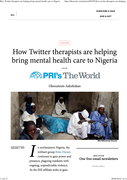
DM for Care
In northeastern Nigeria—“Boko Haram’s den”—at least 3 in 10 people suffer from untreated mental illness. Despite high suicide rates and risks of radicalization, care is reserved for treating substance use or disorders like sc
...
hizophrenia.
Nonprofits like NEEM Foundation and Mentally Aware Nigeria Initiative are working to provide mental health first aid via Twitter and Whatsapp. NEEM also helps reintegrate former Boko Haram fighters, and MANI runs a suicide hotline and advocates for decriminalizing suicide attempts.
“Our counselors are volunteer psychiatrists and medical officers that are, a lot of times, the thin line between life and death,” says MANI’s Rasheedat Olarinoye.
more

For Kids: How to keep COVID away
recommended
This visual story was created for kids to better understand the 2019 novel coronavirus and the COVID-19 illness it causes.
Lifeology is a platform that brings together scientists, artists, writers and broader audiences in the creation of educatio
...
nal content including mobile-friendly Lifeology mini-courses that can reach anyone.
more
Faith-based organizations (FBOs) and leaders can play a major role in saving lives and reducing illness related to COVID-19. They are a primary source of support and comfort for their members. Often trusted more than governments or health-agencies,
...
faith leaders can share health information to protect their communities that will be more likely to be accepted than from other sources.
By sharing simple steps to prevent COVID-19 faith organizations can promote helpful information, reduce fear and stigma, and provide reassurance to people in their communities. Because faith leaders are integrated into their communities through service and compassionate networks, they are often able to reach the most vulnerable among us with assistance and health information. In short, they are a critical link in the safety net for vulnerable people in their communities.
more
Supportive Practices for Mental Health Professionals During Pandemic-Related Social Distancing
Mental Health Technology Transfer Center Network
Funded by Substance Abuse and Mental Health Services Administration
(2020)
C1
Social distancing is the deliberate increasing of physical space between people to stop or slow down the spread of a highly contagious illness. It is a strategy sometimes recommended by public health officials during pandemics. For mental health pro
...
fessionals, the challenges that accompany social distancing can place significant roadblocks to daily work. Some agencies and organizations may struggle to continue to provide critical services while also protecting employees’ health.
more
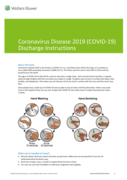
Coronavirus disease 2019 is also known as COVID-19. It is a viral illness that infects the lungs. It is caused by a virus called SARS-associated coronavirus (SARS-CoV-2). This illness was first seen
...
in late 2019 in China and has spread across the world.
The signs of COVID-19 are like the flu, and you may have a cough, fever, and it may be hard to breathe. It spreads easily through droplets with the virus when you sneeze or cough. The germs also survive on surfaces like tables, door handles, and telephones. That means you can become sick if you touch a surface with the virus and then touch your face.
Some people have a mild case of COVID-19 and are able to stay at home until they feel better. Others may need to be in the hospital if they are very sick. People with COVID-19 most often have to isolate themselves for about 2 weeks.
Last Reviewed Date: 2020-03-16
more
Accessed: 02.05.2020
Coronaviruses are a large family of viruses that are known to cause illness ranging from the common cold to more severe diseases such as Middle East Respiratory Syndrome (MERS) and Severe Acute Respiratory Syndrome (SARS).
In December 2019 a novel coronavirus (2019-nCoV) was identified as the causative agent of a severe acute respiratory illness among people exposed in a seafood market in Wuhan, China; • Human-to-human transmission has been documented, including in
...
healthcare workers, and aerosol-generating procedures (AGP)† may play a role in the spread of the disease; • There are uncertainties in the natural history of the 2019-nCoV, including source(s), transmissibility mechanisms, viral shedding, and persistence of the virus in the environment and on fomites; • As of 6 February 2020, the following precautions are recommended for the care of patients with suspected or confirmed cases of 2019-nCoV: o For any suspected or confirmed cases of 2019-nCoV: standard + contact + droplet precautions o For any suspected or confirmed cases of 2019-nCoV and AGP: standard + contact + airborne precautions • The use of personal protective equipment (PPE) by healthcare workers requires an evaluation of the risk related to healthcare-related activities;
more
Shielding is a term used to describe the protection of individuals at high risk of severe COVID-19 illness by separating them from the general population.
The global coronavirus pandemic, which has brought death to hundreds of thousands and serious illness to millions more, also poses profound spiritual questions and real challenges to Christians everywhere.
The pandemic itself has become a fundament
...
al test of our faith in God and God’s providence, and it urges us to earnest re-examination of our relationship to God, each other, and the natural world.
In Healing the World, the World Council of Churches offers these eight Bible studies to facilitate our coming to terms—as individuals, groups, and communities of faith—with the loss, fear, and confusion engendered by the pandemic, and the bracing prospect of building the world anew.
more
Nurses have four fundamental responsibilities: to promote health, to prevent illness, to restore health and to alleviate suffering. The need for nursing is universal. Inherent in nursing is a respect for human rights, including cultural rights, the
...
right to life and choice, to dignity and to be treated with respect. Nursing care is respectful of and unrestricted by considerations of age, colour, creed, culture,disability or illness, gender, sexual orientation, nationality,politics, race or social status.Nurses render health services to the individual, the family and the community and coordinate their services with those of related groups.
The ICN Code of Ethics for Nurses has four principal elements that outline the standards of ethical conduct.
more
The world faces grave consequences from the lack of available mental health services and treatment. Mental illness impacts every country, culture and community, with the World Health Organization (WHO) stating that 10% of the global burden of diseas
...
e is related to mental, neurological and substance use disorders. In low-and middle-income countries, more than 75% of people with mental disorders receive no treatment at all for their disorder. During 2020, as a result of the global pandemic, 93% of countries reported their mental health services were either halted or interrupted (WHO, 2020e). WHO reported a 25% increase in depression and anxiety alone during the pandemic. The Organisation for Economic Co-operation and Development estimates depression and anxiety cost the global economy US $1 trillion dollars a year. All nurses have a health care role in mental health and substance use. ICN strongly advocates for the investment of further education and professional development in this area in order to support individuals and communities achieve the highest attainable standard of health which includes
physical, mental and social wellbeing.
more
Chagas disease, or American trypanosomiasis, is an illness that can cause serious heart and stomach problems. It is caused by a parasite. Chagas disease is common in Latin America, especially in poor, rural areas. It can also be found in the United
...
States, most often in people who were infected before they moved to the U.S.
more
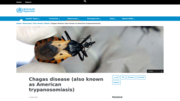
Chagas disease, also known as American trypanosomiasis, is a potentially life-threatening illness caused by the protozoan parasite Trypanosoma cruzi. About 6–7 million people worldwide are estimated to be infected with T. cruzi. The disease is f
...
ound mainly in endemic areas of 21 continental Latin American countries, where it has been mostly transmitted to humans and other mammals by contact with faeces or urine of triatomine bugs (vector-borne), known as kissing bugs, among many other popular names, depending on the geographical area.
more
Website last accessed on 31.03.23
Dengue is a mosquito-borne viral infection causing a severe flu-like illness and, sometimes causing a potentially lethal complication called severe dengue. The incidence of dengue has increased 30-fold over the
...
last 50 years. Up to 50-100 million infections are now estimated to occur annually in over 100 endemic countries, putting almost half of the world’s population at risk.
more
Medical devices are used for the prevention, diagnosis and treatment of illness and diseases and for rehabilitation. WHO developed guidance on medical device donation in 2011, which has been now reviewed, with new evidence, new references on conside
...
rations for medical device solicitation and provision, risks associated with inappropriate donations, the responsibilities of donors and recipient, and the steps they should follow before, during and after a donation. It includes three sections: description of major problems that may be faced during the donation process, listing of best practices for donors and recipients and addressing situations requiring special attention. It also has three annexes for further reading: the criteria for the acceptability of a donation, literature review on donations of medical devices between 2010 and 2023 and a flyer. This document is intended to improve the quality of medical devices donations, including medical equipment, single-use medical devices and in-vitro diagnostics, to provide maximum benefit to all stakeholders. The considerations can be used to develop institutional or national policies and regulations for medical devices donations. This document is intended for use by any organization, expert or practitioner involved in the donation, procurement, management of medical devices, including health workers, biomedical engineers, health managers, policymakers, donors, nongovernmental organizations and academic institutions.
more
Multidrug-resistant tuberculosis (MDR-TB) and extensively drug-resistant
tuberculosis (XDR-TB) increasingly occur in resource-constrained settings.
In the context of a national response to MDR- and XDR-TB, health workers in
TB clinics (in district hospitals and some accredited health centres) wil
...
l need
to diagnose MDR-TB, initiate second-line anti-TB drugs, and monitor MDRTB
treatment.
Management of MDR-TB: a field guide was created to help health workers
carry out these tasks. It is a job aid that medical officers and TB nurses
are meant use frequently during the day for quick reference. This module
is closely related to other clinical guideline modules in the Integrated
Management of Adolescent and Adult Illness (IMAI) series. In particular, the
approach to chronic disease management is taken from General principles
of good chronic care in the IMAI series.
more
Antimicrobial resistance (AMR) has emerged as a major public health problem all over the world. Infections caused by resistant microbes fail to respond to treatment, resulting in prolonged illness and greater risk of death. This document focuses on
...
the mechanism to develop a practically applicable hospital antibiotic policy and standard treatment guidelines (STG). In addition, the document contains information on various effective strategies for implementation of STG. It also discusses various activities and information required for the development of the antibiogram, antibiotic policy and standard treatment guidelines, such as surveillance programmes, the cause and controlling strategies for AMR and HAI; performance measures of antibiogram, antibiotic policy and standard treatment guidelines. A model hospital STG for community-acquired pneumonia in adults is included.
more
Accessed 21 July 2021:The Caregiver Booklet is designed to help patients,family members, and community caregivers in the home-based care of serious long term illness. Home care is best for many people with long term illnesses,including those w
...
ho are close to the end of life. All patients being cared for at home should be first assessed and treated by a health worker, who will help caregivers provide high quality home care and ensure that medicines are taken correctly.
This booklet explains how to:
1. Deal with specific symptoms.
2. Provide care for terminal and bedridden patients at home.
3. Decide when to seek help from a health facility.
more

Swahili language version of Warning Signs in Pregnancy. It is a film showing warning signs for women to watch out for during pregnancy and how they can try to avoid complication and illness during pregnancy and childbirth.
Translation thanks to Y
...
ussuf Hamad & Ritva Niemi
more
Reproductive, Maternal, Newborn, and Child Health
Robert E. Black, Ramanan Laxminarayan, Marleen Temmerman; et al.
International Bank for Reconstruction and Development The World Bank
(2016)
CC
Disease Control Priorities –3rdEdition, Volume 2.
This book focuses on maternal conditions, childhood illness, and malnutrition. Specifically, the chapters address acute illness and undernutritio
...
n in children, principally under age 5. It also covers maternal mortality, morbidity, stillbirth, and influences to pregnancy and pre-pregnancy. It also includes the transition to older childhood, in particular, the overlap and commonality with the child development volume
more

This is a basic form for reporting individual cases of plague. It asks for information regarding patient history and the course of the illness. In addition, it offers space for laboratory results, the case status, and epidemiological information.
For 50 SAM children with medical complications and for a paediatric ward of 10-15 beds for 3 months
The PED/SAM kit is especially designed to provide medicines, renewables and equipment suitable for children and to treat the common childhood illness
...
including severe acute malnutrition with medical complications.
This kit does NOT contain any food supplements, TB, HIV medicines or vaccines.
more
Healthy me, healthy us: a guide for community members about good health and staying healthy with chronic illness

Cryptococcal disease is one of the most common opportunistic infections among people living with advanced HIV disease and is a major contributor to severe illness, morbidity, and mortality, particularly in sub-Saharan Africa.
These guidelines up
...
date the recommendations that were first released in 2018 on diagnosing, preventing, and managing cryptococcal disease. In response to important new evidence that became available in 2021, these new guidelines strongly recommend a single high dose of liposomal amphotericin B as part of the preferred induction regimen for the treatment of cryptococcal meningitis in people living with HIV. This simplified regimen - a single high dose of liposomal amphotericin B paired with other standard medicines (flucytosine and fluconazole) - is as effective as the previous WHO standard of care, with the benefits of lower toxicity and fewer monitoring demands.
The objective of these guidelines is to provide updated, evidence-informed recommendations for treating adults, adolescents and children living with HIV who have cryptococcal disease. These guidelines are aimed at HIV programme managers, policymakers, national treatment advisory boards, implementing partners and health-care professionals providing care for people living with HIV in resource-limited settings with a high burden of cryptococcal disease.
more

Overview: Risk communication and community engagement are essential for any disease outbreak response. This is particularly critical during outbreaks of Ebola which may create fear in the public and frontline responders alike due to severe presentation of symptoms, misunderstanding of the causes of
...
illness and high fatality rates. This document outlines some of the key considerations for risk communication and community engagement response to Ebola outbreak in Democratic Republic of the Congo.
Ebola outbreaks have been associated with misinformation and false rumours. In the context of RCCE, rumours refer to unsubstantiated information, claims or beliefs about what is causing the disease or how it can be treated/cured. If not proactively addressed in culturally appropriate ways, misinformation and rumours can lead to the further rapid spread of the disease and unnecessary deaths, severe disease, suffering, and societal and economic loss.
The publication includes a 'Rumour Tracking Tool' (Annex II).
more
Young children are especially susceptible to exposure to trauma. Rates of abuse and neglect among this population are staggering. This article presents a review of relevant literature, including research findings specific to early childhood vulnerability to trauma, symptoms associated with traumatic
...
events, diagnostic validity of early childhood trauma, and treatments for young children. In the past, misconceptions about the mental health of young children have hindered accurate diagnosis and treatment of trauma-related mental illness. Due to the prevalence of trauma exposure in early childhood, counselors are encouraged to become familiar with ways that clients and families are impacted and methods for treatment. Implications for future research also are presented.
more
This guide was developed by AACAP to give reliable information about medication
used to treat bipolar disorder in children and adolescents to parents whose children
have been diagnosed with the illness.
No one wants the words “post-traumatic stress disorder” and “children” to appear in the same sentence. But recent events like the Sandy Hook elementary school shooting are reminders that children as well as adults can be exposed to events that cause this debilitating but highly treatable men
...
tal illness.Previous posts in this series explained why I advocate for children with post-traumatic stress disorder (PTSD), explored 5 myths and misconceptions about PTSD in children, and defined both trauma and PTSD from a child’s point of view. This post explores some of the causes of PTSD in kids.
more
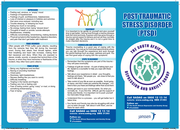
Brochure on PTSD: If you are like many South Africans and have been the victim of violent crime, abuse, accidents, loss, or illness, you may be suffering from a very real illness – Post Traumatic
...
Stress Disorder or PTSD. Many victims of trauma in South Africa don’t get help because they feel embarrassed, they think that acting brave and tough is the ‘manly’ thing to do, they have seen so much violence that they feel ‘numb’, or they refuse to believe what happened.
more
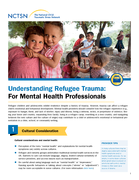
Refugee children and adolescents exhibit resilience despite a history of trauma. However, trauma can affect a refugee
child’s emotional and behavioral development. Mental health providers should consider how the refugee experience (e.g.,
exposure to hunger, thirst, and lack of shelter; injury an
...
d illness; being a witness, victim, or perpetrator of violence; fleeing
your home and country; separating from family; living in a refugee camp; resettling in a new country; and navigating
between the new culture and the culture of origin) may contribute to a child or adolescent’s emotional or behavioral presentation
in a clinic, school, or community setting.
more
This report examines how urban living affects residents’ mental health and happiness, and ways to use this information to create saner and happier cities. Some often-cited studies suggest that urban living increases mental illness and unhappiness,
...
but a critical review indicates that much of this research is incomplete and biased, and the issues are complex, often involving trade-offs between risk factors. City living may increase some forms of psychosis and mood disorders, drug addiction, and some people’s unhappiness, but tends reduce dementia, alcohol abuse and suicide rates, and many people are happier in cities than they would be in smaller communities. This report examines specific mechanisms by which urban living can affect mental health and happiness, and identities practical strategies that communities and individuals can use to increase urban mental health and happiness. This analysis suggests that it is possible to create sane and happy cities.
more
The World Health Organization (WHO) defines mental health as ‘a state of well-being in which the individual realizes his or her own abilities, can cope with the normal stresses of life, can work productively and fruitfully, and is able to make a contribution to his or her community’. Mental
...
illness refers to all of the diagnosable mental disorders, which are characterised by abnormalities in thinking, feelings or behaviours. Mental illness is closely related to vulnerability, both in its causes and in its effects. Globally, 14 per cent of the global burden of disease is attributed to mental illness – with 75 per cent of those affected being found in low-income countries – which includes a broad spectrum of diagnoses, from common mental illnesses such as anxiety and
substance abuse, to severe illnesses like psychosis.
more
Haiti, one of the poorest countries in the world, was devastated by an earthquake in 2010. The disaster uncovered the realities of a non-existent mental health care system with only ten psychiatrists nationwide. Attempts were made to assess the increased prevalence of mental
...
illness, likely due to the trauma to which many were exposed. Several interventions were carried out with aims to integrate mental health into primary health care services. The interplay between socio-cultural beliefs and health (both mental and physical) in Haiti has been widely commented upon by both foreign aid and local caregivers. Observations frequently highlight barriers to the willingness of patients to seek care and to their acceptance of biomedicine over traditional Vodou beliefs. The perception of Haitian beliefs as barriers to the availability and acceptance of mental health care has intensified the difficulty in providing effective recommendations and interventions both before and after the earthquake. Argued in this review is the importance of considering the interactions between socio-cultural beliefs and mental health when developing models for the prevention, screening, classification and management of mental illness in Haiti. These interactions, especially relevant in mental health care and post-disaster contexts, need to be acknowledged in any healthcare setting. The successes and failures of Haiti’s situation provide an example for global consideration.
more
The chain-free initiative evolved in response to an urgent need to: provide technical and financial support for hospital reform, improve domestic conditions for people with mental illness, develop community care programmes, raise mental health liter
...
acy in the community and among health workers, and ensure that basic rights are monitored and guaranteed
Accessed April 9,2019
more
The Lancet Published Online June 11, 2019 http://dx.doi.org/10.1016/S0140-6736(19)30934-1
More than one-in-five people living in conflict-affected areas suffers from a mental illness, according to a new UN-backed report, prompting the World Health
...
Organization (WHO) to call for increased, sustained investment in mental health services in those zones.
Around 22 per cent of those affected, suffer depression, anxiety or post-traumatic stress disorder, according to this analysis.
The study also shows that about nine per cent of conflict-affected populations have a moderate to severe mental health condition; substantially higher than the global estimate for these mental health conditions in the general population.
more

Helping Children Live with HIV offers a holistic approach by building on the existing knowledge of parents and caregivers and respecting the importance of other local resources. It integrates health care, illness prevention, and psychosocial support
...
for children and families coping with poverty, food insecurity, emotional trauma, loss, as well as stigma and discrimination.
This guide is intended for broad use by parents, family members, and health workers in home settings and throughout community-based health programs.
To learn more, view the table of contents and a sample chapter, and to buy your copy of this essential new resource from Hesperian.
more

Who is Covid? What is it doing in town? And how can we keep it away?
This visual story was created for kids to better understand the 2019 novel coronavirus and the COVID-19 illness it causes. Written by Signe Elisabeth Aasberg, PhD, illustrated
...
by Elfy Chiang, presented by Lifeology, reviewed by our children.
more
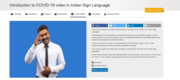
This course consists of a video which provides an introduction to COVID-19 in Indian Sign Language.
Coronaviruses are a large family of viruses that are known to cause illness ranging from the common cold to more severe diseases such as Middle Ea
...
st Respiratory Syndrome (MERS) and Severe Acute Respiratory Syndrome (SARS).
A novel coronavirus (COVID-19) was identified in 2019 in Wuhan, China. This is a new coronavirus that has not been previously identified in humans.
This course consists of a video which provides an introduction to COVID-19 in Indian Sign Language.
more
Coronavirus disease 2019 (COVID-19) is an acute infectious respiratory disease caused by a newly discovered coronavirus (SARS-CoV-2).
Most people infected with the COVID-19 virus experience mild to moderate respiratory illness and recover without
...
requiring special treatment, the disease presentation is more likely to be severe in older people, and those with underlying medical problems like cardiovascular disease, diabetes, chronic respiratory disease, etc.
more
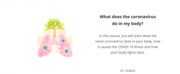
In this course, you will learn what the novel coronavirus does in your body, how it causes the COVID-19 illness and how your body fights back.
Coronavirus and HIV. The impact of the new coronavirus pandemic on people with HIV, sexual health and HIV services. The new virus is called severe acute respiratory syndrome coronavirus 2 (SARS-CoV-2) while the illness it causes is coronavirus disea
...
se 2019 (COVID-19).
more
March 2020
The number of African Union Member States reporting COVID-
19 cases is increasing and there is a likelihood of community transmission. The WHO recently modified the COVID-19 suspect case definition to include severe acute respiratory infection and advises testing of all severe acute res
...
piratory illness (SARI) cases.1 However, many Member States have not yet started implementing these changes, they are still focussing surveillance efforts on individuals with travel history to an area with local COVID-19 transmission. This means patients with similar symptoms, but no apparent contact, may not
be investigated.
more
March 2020
The number of African Union Member States reporting COVID-
19 cases is increasing and there is a likelihood of community transmission. The WHO recently modified the COVID-19 suspect case definition to include severe acute respiratory infection and advises testing of all severe acute r
...
espiratory illness (SARI) cases.1 However, many Member States have not yet started implementing these changes, they are still focussing surveillance efforts on individuals with travel history to an area with local COVID-19 transmission. This means patients with similar symptoms, but no apparent contact, may not
be investigated.
more
The WHO COVID-19 Clinical management: living guidance contains the Organization’s most up-to-date recommendations for the clinical management of people with COVID-19. Providing guidance that is comprehensive and holistic for the optimal care of COVID-19 patients throughout their entire
...
illness is important. The latest version of this living guideline is available in pdf format (via the ‘Download’ button) and via an online platform, and is updated regularly as new evidence emerges. No further updates to the previous existing recommendations were made in this latest version.
This updated (fifth) version contains 16 new recommendations for the rehabilitation of adults with post COVID-19 condition (see Chapter 24)
This updated (fourth) version contains three new recommendations regarding hospitalized patients with severe or critical COVID-19
more
Older people, and people of all ages with pre-existing medical conditions (such as diabetes, high blood pressure, heart disease, lung disease, or cancer) appear to develop serious illness more often than others. Here's how you can protect yourself.
NHỮNG CÂN NHẮC VÀ KHUYẾN NGHỊ THIẾT THỰC CHO CÁC NHÀ LÃNH ĐẠO TÔN GIÁO VÀ CỘNG ĐỒNG TÔN GIÁO TRONG BỐI CẢNH COVID-19
Practical considerations and recommendations for religious leaders and faith-based communities in the context of COVID-19
Religious leaders, faith
...
-based organizations, and faith communities can play a major role in saving lives and reducing illness related to COVID-19.1 They are a primary source of support, comfort, guidance, and direct health care and social service, for the communities they serve. Religious leaders of faith-based organizations and communities of faith can share health information to protect their own members and wider communities, which may be more likely to be accepted than from other sources. They can provide pastoral and spiritual support during public health emergencies and other health challenges and can advocate for the needs of vulnerable populations.
more
Spirituality involves a sense of connectedness, meaning making and transcendence. There is abundant published research that focuses on the importance of spirituality to patients and their families during times of illness and distress. However over t
...
he last decade there has also been a growing awareness about the importance of considering the need to address peoples’ spiritual needs in the workplace. Engaging in ones own personal spirituality involves connecting with the inner self, becoming more self aware of ones humanity and limitations. Engaging with ones personal spirituality can also mean that people begin to greater find meaning and purpose in life and at work. This may be demonstrated in the workplace by collegial relationships and teamwork. Those who engage with their own spirituality also engage more easily with others through a connectedness with other staff and by aligning their values with the respective organization if they fit well with ones personal values.
more
It is intended for use among clinicians taking care of moderate to severe COVID-19 cases.
The COVID-19 outbreak has brought with it the need for improved critical care for patients who develop severe disease. The majority of COVID-19 patients present with mild to moderate
...
illness, 15% develop severe illness and about 5% develop critical conditions needing intensive care unit (ICU) care, requiring noninvasive or invasive ventilation
more
Health workers participating in pandemic response are exposed to many different occupational risks to health and safety. These include: COVID-19 infection, illness, and transmission to others; fatigue from working longer hours and heavy workload, in
...
sufficient sleep or rest, dehydration, and inadequate nutrition; musculoskeletal injury from handling of patients and heavy objects, prolonged work while using personal protective equipment which can cause heat stress, skin and mucosal damage; workplace violence and stigma, and a variety of mental health problems, emotional distress and occupational burn-out.
All health workers require knowledge and skills to protect themselves and others from the occupational risks they encounter, so that they can work safely and effectively. This course consists of five sections in response to these needs: Module 1: Infectious risks to health and safety
Module 2: Physical risks to health and safety
Module 3: Psychosocial risks to health and safety
Module 4: Basic occupational health and safety in health services.
This course is also available in the following languages: македонски - Português_ Spanish
more
Because malaria cases are seen relatively rarely in North America, misdiagnosis by clinicians and laboratorians has been a commonly documented problem in published reports. However, malaria may be a common illness in areas where it is transmitted an
...
d therefore the diagnosis of malaria should routinely be considered for any febrile person who has traveled to an area with known malaria transmission in the past several months preceding symptom onset.
more
COVID-19 Vaccines: 1 Safety Surveillance 2 Manual
While there is no indication that pregnant women have an increased susceptibility to infection with SARS-CoV-2, there is evidence that pregnancy may increase the risk of severe illness and mortality
...
from COVID-19 disease in comparison with non-pregnant women of reproductive age. As seen with non-pregnant women, a high proportion of pregnant women have asymptomatic SARS-CoV-2 infection and severe disease is associated with recognized medical (e.g., high body-mass index (BMI), diabetes, pre-existing pulmonary or cardiac conditions) and social (e.g., social deprivation, ethnicity) risk factors. Pregnant women with symptomatic COVID-19 appear to have an increased risk of intensive care unit admission, mechanical ventilation and death in comparison with non-pregnant women of reproductive age, although the absolute risks remain low. COVID-19 may increase the risk of preterm birth, compared with pregnant women without COVID-19, although the evidence is inconclusive.
more
Modelling the health impacts of disruptions to essential health services during COVID-19 Module 1
Several epidemiological models have been created to assess the potential impact of disruptions to essential health services caused by COVID-19 on morbidity and mortality from conditions other than COVI
...
D-19 illness. This guide presents models that have been used to assess these indirect impacts. The effects have been studied in various settings, using a variety of models.
The guide is intended for people who need to understand what the models say, their construction and their underlying assumptions, or need to use models and their outcomes for planning and programme development and to support policy decisions for a country or region.
more
15 July 2021. This report describes the demographics, clinical presentation, clinical outcomes, and risk factors among people living with HIV (PLHIV) who have been hospitalized for suspected or confirmed COVID-19.
The specific objectives of the analysis were to:
describe the clinical char
...
acteristics and outcomes of PLHIV hospitalized for COVID-19
assess whether PLHIV hospitalized with COVID-19 were at increased risk of presenting with severe or critical illness at admission and were at increased risk of in-hospital death compared to individuals not infected with HIV
assess risk factors associated with severe or critical illness at hospital admission and of in-hospital death among PLHIV hospitalized for COVID-19.
more
Myths & COVID-19 Vaccinations
recommended
Issue Brief no. 16. 20 Sept 2021.
Many studies have shown the effectiveness of vaccination against COVID-19 and that it protects against severe
illness. A high vaccination rate is needed to combat the pandemic worldwide. Due to misinformation and
...
myths,
there is still a great hesitancy to vaccinate . With this Issue Brief, we would like to present various myths and provide
you with educational materials on the respective topics for communication in the MEDBOX
more
Abridge Course for Physicians. Facilitator guide for modules, Integrated Management of Neonatal and Childhood Illness (IMNCI)
Shortages of healthcare workers is detrimental to the health of communities, especially children. This paper describes the process of capacity building Community Health Volunteers (CHVs) to deliver integrated preventive and curative package of care of services to manage common childhood
...
illness in hard-to-reach communities in Bondo Subcounty, Kenya
more
17 Febr. 2022. As part of the “Strategy to Achieve Global COVID-19 Vaccination by mid-2022”, global targets of 40% population coverage by end of 2021 and 70% coverage by June 2022 have been set by the World Health Organization (WHO), to successfully prevent severe
...
illness and deaths, minimize social disruption and economic consequences of COVID-19, curtail the emergence of new SARS-CoV-2 variants of concern (VOCs) and ultimately control the pandemic.
more
Therapeutics for Ebola virus disease
recommended
The WHO Ebola Virus Disease (EVD) Clinical management: living guidance contains the Organization’s most up-to-date recommendations for the clinical management of people with EVD. Providing guidance that is comprehensive and holistic for the optimal care of patients with EVD throughout their
...
illness is important.
The living guidance is available in both pdf format (via the ‘Download’ button) and via an online platform in both French and English, and is updated regularly as new evidence emerges.
This first version of the Clinical management for EVD living guidance contains four new recommendations regarding use of therapeutics for EVD, this includes two strong recommendations for the use of monoclonal antibody therapies. This new living guideline is written to accompany the optimized supportive care (oSoC) for EVD standard operating procedures (5, 6). The living guideline aims to summarize high quality evidence for EVD therapeutics and make recommendations for their use.
more
The war is having a devastating impact on health and human capital in Ukraine and is expected to affect generations to come. The most obvious effects on health are immediate: an estimated 4,339 conflict-related deaths and 5,246 people injured. Less visible is the
...
illness caused, and exacerbated, by people not being able to access care for acute and chronic conditions.
more
Chagas disease is a tropical disease caused by a parasite called Trypansoma cruzi and is primarily spread by Triatomine bugs. It is estimated to affect 6-7 million people, mostly in Latin America, and can cause devastating chronic illness. In this v
...
ideo we take a look at the disease, what it is, and ways to control its spread.
more
Cette brochure contient des conseils et des informations sur les soins intensifs. Elle vous explique comment peuvent être traitées les maladies graves (critical illness) et à quoi la convalescence peut ressembler.
Tous les patients n’ont pas l
...
es mêmes effets décrits, mais il est plus que probable qu’ils en présenteront certaines similitudes s’ils ont passé plusieurs jours aux soins intensifs.
more
Chikungunya virus (CHIKV) is a re-emerging mosquito borne alphavirus responsible
for the recent outbreak in the Americas. Immunologically naïve population in the Americas favors the spread of epidemics. Chikungunya fever is characterized by an abrupt febrile
...
illness, polyarthralgia and maculopapular rash. In chikungunya fever, shock or severe hemorrhage is very rarely observed; the onset is more acute and the duration of fever is shorter than dengue disease. The pain is much more pronounced and localized to the joints and tendons in chikungunya fever, in comparison to dengue fever. There is no specific and effective antiviral therapy and vaccines are still in trails. The only effective preventive measures consist of individual protection against mosquito bites and vector control. Disease prevention is important due to the
economic burden it entails. Clinicians need to distinguish chikungunya fever between dengue fever and other diseases to give a successful treatment and prevent disease spreading.
more
This facilitator’s manual is designed to support the implementation of the Dengue Clinical Management training course. The guide contains specific instructions for the facilitator and provides:
- a detailed description of the clinical course of dengue
...
illness, which reflects the dynamic and systemic nature of dengue that has crucial bearing on the patient’s management;
- a detailed description of the basic pathophysiological changes of severe dengue (i.e. plasma leakage and hypovolaemia/shock) and guidance on the recognition of these changes and appropriate action of management;
- a brief discussion on WHO classification (1997) and its limitations;
- guidance on the differential diagnoses that can be confused with dengue or vice versa; they were described according to the stage of disease;
- a more focused guide on the disease monitoring in accordance with the dynamic changes as the disease progresses;
- emphasis on the importance of monitoring the plasma leakage (haemodynamic status of the patient, clinical signs of plasma leakage and haematocrit);
- a clearer algorithm for fluid management in cases of severe dengue; and
- emphasis on the importance of recognizing or suspecting significant occult bleed. Keep the facilitator’s manual with you each day as you prepare and deliver the information. Use it as a reference when delivering classroom presentations, but avoid reading directly from it during sessions.
more
Background and aims: Current coverage of mental health care in low- and middle-income countries is limited, not only in terms of access to services but also in terms of financial protection of persons in need of care and treatment. This is especially pertinent considering the established relationshi
...
p between mental illness and poverty and the need to ensure the financial risk protection of persons with mental disorders and their families as part of country's efforts to attain universal health coverage. This study set out to review the health and socio-economic contexts of Nigeria as well as to generate strategies for sustainable mental health financing that will be feasible, within the specific context of the country.
more

The WHO COVID-19 Clinical management: living guidance contains the most up-to-date recommendations for the clinical management of people with COVID-19. Providing guidance that is comprehensive and holistic for the optimal care of COVID-19 patients throughout their entire
...
illness is important.
more
The Coronavirus Disease 2019 (COVID-19) has had a continuous and robust impact on world health. The resulting COVID-19 pandemic has had a devastating physical, mental and fiscal impact on the millions of people living with noncommunicable diseases (NCDs), as they have a higher risk of severe
...
illness and death from COVID-19. COVID-19 has been associated with an
excess in all-cause and cardiovascular disease (CVD) mortality beyond that related to the infection itself and its immediate consequences. Studies in the
United Kingdom (UK) and United States of America (USA) have clearly shown increasing deaths from ischemic heart disease, stroke and hypertensive disease due to COVID-19. Overall, the impact has been greater in individuals with lower socioeconomic status, even in high income nations.
more
Advanced HIV disease (defined in persons living with HIV with a CD4 cell count of <200cells/mm3 or presenting with a WHO Stage 3/4 AIDS-defining illness) poses a challenge to many countries globally and is responsible for significant mortality and m
...
orbidity among people living with HIV. In 2017, WHO recommended a package of care for the prevention and management of advanced HIV disease. The package was composed of screening tests, diagnostics, prophylaxis, rapid antiretroviral therarpy initiation and enhanced adherence counselling.
more
The ICMR type 1 diabetes guidelines come at a time when the SARS-CoV-2 pandemic
has disproportionately affected people with diabetes population, exposing them to a
high risk for severe illness and mortality. Globally, diabetes was responsible for
...
over fourmillion deaths in the year 2019. It was the leading cause of end-stage kidney disease, adult-onset blindness and cardiovascular diseases. Further, there was a considerable heterogeneity in the prevalence of complications and deaths associated with diabetes across the countries.
more
The webpage from the Pan American Health Organization (PAHO) discusses the heightened risk that individuals with noncommunicable diseases (NCDs)—such as cardiovascular diseases, diabetes, and cancer—face regarding severe illness and mortality fr
...
om COVID-19. It emphasizes the necessity of informing the public about these health risks and adapting healthcare services to ensure the continuity of essential NCD care during the pandemic. The page provides information and guidance for healthcare providers and the public on managing NCDs in the context of COVID-19, highlighting the importance of addressing NCDs and their risk factors with a medium- to long-term perspective.
more
The webpage from the Pan American Health Organization (PAHO) discusses the heightened risk that individuals with noncommunicable diseases (NCDs)—such as cardiovascular diseases, diabetes, and cancer—face regarding severe illness and mortality fr
...
om COVID-19. It emphasizes the necessity of informing the public about these health risks and adapting healthcare services to ensure the continuity of essential NCD care during the pandemic. The page provides information and guidance for healthcare providers and the public on managing NCDs in the context of COVID-19, highlighting the importance of addressing NCDs and their risk factors with a medium- to long-term perspective.
more
Under-diagnosis of asthma in ‘under-fives’ may be alleviated by improved inquiry into disease history. We assessed a questionnaire-based screening tool for asthma among 614 ‘under-fives’ with severe respiratory illness in Uganda. The questio
...
nnaire responses were compared to post hoc consensus diagnoses by three pediatricians who were guided by study definitions that were based on medical history, physical examination findings, laboratory and radiological tests, and response to bronchodilators. Children with asthma or bronchiolitis were categorized as “asthma syndrome”. Using this approach, 253 (41.2%) had asthma syndrome. History of and present breathing difficulties and present cough and wheezing was the best performing combination of four questionnaire items [sensitivity 80.8% (95% CI 77.6–84.0); specificity 84.7% (95% CI 81.8–87.6)]. The screening tool for asthma syndrome in ‘under-fives’ may provide a simple, cheap and quick method of identifying children with possible asthma. The validity and reliability of this tool in primary care settings should be tested.
more
Globally, it is estimated that 1 billion people suffer from acute and chronic respiratory conditions, making them major causes of illness and death. Although there is a relative lack of data and evidence on lung diseases beyond tuberculosis (TB) in
...
Sub-Saharan Africa (SSA), their estimated regional burden is large and growing. In addition, there is a poorly understood relationship between infections, such as TB, and non-infectious causes of lung health problems. The problem in lung diseases in SSA is exacerbated by many factors, including under-prioritisation, under-treatment and weak preventative measures.
more
On March 16, 2023, the Tanzania Ministry of Health declared an outbreak of an unidentified illness in Bukoba district, Kagera region. A group of seven individuals presented with fever, vomiting, bleeding from various body orifices, and kidney failur
...
e, sparking suspicion of a contagious disease. Laboratory results from patients and the deceased confirmed the Marburg virus disease (MVD) outbreak on March 21, 2023.
more
In a prospective cohort study in Bangwe primary care clinic, Blantyre, Malawi, all adults (18 years or older) presenting with an acute illness were screened for TB symptoms (cough, fever, night sweats, weight loss). Demographic characteristics were
...
linked to exit interview by fingerprint bioidentification. Multivariable logistic regression models were constructed to estimate the proportion completing same-visit HIV testing, comparing between those with and without TB symptoms.
more
This manual was developed based on the recommendations of a global technical consultation on child health in humanitarian emergencies co-organized by WHO and UNICEF at the end of 2003. WHO in collaboration with the Centre for Refugee and Disaster Response, Bloomberg School of Public Health, Johns Ho
...
pkins University undertook a systematic review in 2004. It demonstrated that existing guidelines, including The Integrated Management of Childhood Illness (IMCI), do not cover all priority conditions in emergencies. The objective of this manual is to provide comprehensive guidance on child care in emergencies.
more
Taking Care of a Baby at Home After Birth: What Families Need to Do
CoreGroup; Safe the Children; USAID; et al.
(2011)
This flipbook, released in Nov. 2011, contains key messages that pregnant women and their families need in order to plan care of an infant at home right after birth. It focuses on essential actions families can take both to prevent newborn death and illnes
...
s and to promote healthy newborn development.
more
This is a pocket-sized manual for use by doctors, senior nurses and other senior health workers who are responsible for the care of young children at the first referral level in developing countries. It presents up-to-date clinical guidelines which are based on a review of the available published ev
...
idence by subject experts, for both inpatient and outpatient care in small hospitals where basic laboratory facilities and essential drugs and inexpensive medicines are available. It focuses on the inpatient management of the major causes of childhood mortality, such as pneumonia, diarrhoea, severe malnutrition, malaria, meningitis, measles, HIV infection and related conditions. It covers neonatal problems and surgical conditions of children which can be managed in small hospitals. This pocket book is part of a series of documents and tools that support the Integrated Management of Childhood Illness (IMCI).
more
Ebola
WiRed International
(2014)
Ebola online Training cours in French
It is important for all people in regions threatened by Ebola to understand basic issues related to the disease. This module offers non-professionals a useful overview of Ebola, including how people contract Ebola, who is at highest risk and the signs and sympt
...
oms of the illness. The module describes what Ebola does to the human body and tells you what you should do if you think you or a friend or family member has Ebola. Further, the module looks at how the illness is diagnosed, how it is treated and how to protect yourself against it.
more
Health Guide To Switzerland - The Swiss healthcare system in brief – a guide for immigrants to Switzerland
Schweizerisches Rotes Kreuz
(2017)
C1
Where must I go if I feel unwell or have had an accident? Is medical treatment free in Switzerland or must I pay for it? What should I do in an emergency? What types of insurance do I need? How can I protect myself from illness? Where can I find hea
...
lth information in my own language? The Health Guide to Switzerland answers these and many other qüstions. Available in 18 languages: Albanian, Arabic, English, French, German, Italian, Croatian/Serbian/Bosnian, Portugüse, Spanish, Russian, Turkish, Thai, Tamil, Tigrinya, Vietnamese, Urdu, Farsi, Somali. For other languages check following link: http://www.migesplus.ch/publikationen/gesundheitsversorgung/show/gesundheitswegweiser-schweiz-3-komplett-überarbeitete-auflage/
more

ScientificWorldJournal. 2007 Nov 12;7:1799-809.
Research indicates that family reaction to the birth of a disabled child changes according to the type of disability and the child's diagnostic category. The differences are probably an indirect consequence of anticipated or actual reactions by those
...
surrounding the disabled child and the family, in addition to parental reactions. Many researchers have recently mentioned the positive coping and functioning of many families with developmentally disabled children. In the past there was a tendency to emphasize issues of illness and pressures, spousal strain and maladjustment within the family, while presently they are replaced with questions concerning positive adjustment, satisfaction, acceptance, and spousal harmony. Rather than perceiving the family as a helpless victim, it is perceived as a unit that adapts by a process of structuring. Professionals must acknowledge the importance of the family, this change towards a positive attitude towards disability and that the controls decisions concerning the disabled child and the family.
more
Fever Diagnostic Technology Landscape
recommended
1st edition.
Unitaid’s report describes a slate of new devices that can more efficiently identify dangerously ill children so that they can be treated immediately. These tools make it easier to recognize danger signs, and support integrated approaches to reducing childhood deaths from the three
...
greatest childhood killers: malaria, pneumonia and diarrhoea.
The report also highlights tests that can determine whether or not a child has an illness that can be treated with antibiotics. Viral infections are a common cause of childhood fevers, but cannot be cured with antibiotics. Although many children seeking care at clinics have fever, three-quarters by some estimates, only a small fraction of those have an illness that can be treated with an antimalarial or antibiotic drug
more
Infectious diseases are the leading cause of death globally, particularly among children and young adults. The spread of new pathogens and the threat of antimicrobial resistance pose particular challenges in combating these diseases. Major Infectious Diseases identifies feasible, cost-effective pack
...
ages of interventions and strategies across delivery platforms to prevent and treat HIV/AIDS, other sexually transmitted infections, tuberculosis, malaria, adult febrile illness, viral hepatitis, and neglected tropical diseases. The volume emphasizes the need to effectively address emerging antimicrobial resistance, strengthen health systems, and increase access to care. The attainable goals are to reduce incidence, develop innovative approaches, and optimize existing tools in resource-constrained settings.
Large File: 136 MB!!!!! Please download from the website link!
more
Policy Note #4: Myanmar Health Systems in Transition Policy Notes Series
Protecting people from financial hardship when they fall ill is one of the two key elements of universal health coverage (UHC). In practice, this means that the majority of health care costs have to be met from government ... revenues so that services are provided free or with a small affordable co-payment. The alternative is to rely on pre-payment through some form of insurance, where risks are pooled across all contributors.
The challenge in Myanmar is that at present neither approach is functioning. Government spending is too low to meet people’s health needs and the proportion of the population covered by insurance is negligible. As a result, families face a stark choice in the event of serious illness: either defer treatment and face the consequences, or incur what can amount to catastrophic expenses and a downward spiral of disinvestment and poverty. more
Protecting people from financial hardship when they fall ill is one of the two key elements of universal health coverage (UHC). In practice, this means that the majority of health care costs have to be met from government ... revenues so that services are provided free or with a small affordable co-payment. The alternative is to rely on pre-payment through some form of insurance, where risks are pooled across all contributors.
The challenge in Myanmar is that at present neither approach is functioning. Government spending is too low to meet people’s health needs and the proportion of the population covered by insurance is negligible. As a result, families face a stark choice in the event of serious illness: either defer treatment and face the consequences, or incur what can amount to catastrophic expenses and a downward spiral of disinvestment and poverty. more

National Strategic Plan for Newborn and Child Health Development (2015-2018)
The Republic of the Union of Myanmar, Ministry of Health, Department of Health, Child Health Division
World Health Organization (WHO), Country Office for Myanmar
(2015)
C_WHO
No publication year indicated
The specific objectives of the plan are to:
- Scale up evidence-based, cost effective interventions through effective strategies within a HSS approach and provide equitable coverage with quality.
- Reduce neonatal mortality by improved home-based newborn ... care, early identification of sick newborns and improved access to institutional newborn care of adequate quality.
- Reduce common childhood illness related mortality (due to pneumonia and diarrhoea in all areas and malaria in endemic areas) by improving key family and community practices, community-based early diagnosis and management and referral care for complicated cases. more
The specific objectives of the plan are to:
- Scale up evidence-based, cost effective interventions through effective strategies within a HSS approach and provide equitable coverage with quality.
- Reduce neonatal mortality by improved home-based newborn ... care, early identification of sick newborns and improved access to institutional newborn care of adequate quality.
- Reduce common childhood illness related mortality (due to pneumonia and diarrhoea in all areas and malaria in endemic areas) by improving key family and community practices, community-based early diagnosis and management and referral care for complicated cases. more
Fact Sheet, May 2018.
Nipah virus (NiV) is a zoonotic virus (it is transmitted from animals to humans) and can also be transmitted through contaminated food or directly between people. In infected people, it causes a range of illnesses from asymptomatic (subclinical) infection to acute respiratory
...
illness and fatal encephalitis. The virus can also cause severe disease in animals such as pigs, resulting in significant economic losses for farmers
more
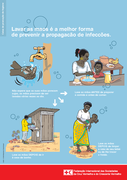
The poster highlights the critical role of handwashing in preventing the spread of infections. It emphasizes the importance of washing hands multiple times a day, even if they do not appear dirty, as handwashing is the most effective way to reduce the risk of
...
illness. Specific recommendations include washing hands after using the toilet, before preparing food or eating, and after cleaning or changing a baby's diaper. The message underlines the need for consistent hygiene practices to protect health and prevent infections.
more
