
Filter
6967
Text search:
health-care
workers
Featured
724
1836
Language
6638
181
147
130
77
75
39
25
13
10
8
8
8
7
7
7
6
6
6
5
5
5
5
5
4
4
4
4
4
4
4
4
4
4
4
4
3
3
3
3
3
3
3
2
2
2
2
2
2
2
2
2
1
1
1
1
1
1
1
1
1
1
1
1
1
1
Document type
3971
975
922
371
257
156
133
90
39
17
12
11
7
1
Countries
277
230
221
200
189
181
163
163
154
132
120
109
108
105
104
104
101
91
89
85
85
81
68
68
60
58
50
49
47
47
45
44
44
43
40
38
37
36
34
33
33
32
32
31
29
26
24
24
21
21
20
20
19
17
17
17
15
15
15
15
14
14
14
12
12
10
10
10
9
9
9
9
9
9
9
8
8
7
7
7
6
6
6
6
6
6
6
5
5
5
5
5
5
5
4
4
4
4
4
4
4
4
4
4
4
3
3
3
3
3
3
3
3
3
2
2
2
2
2
2
2
2
2
2
2
2
2
1
1
1
1
1
1
1
1
1
1
1
1
1
1
1
1
1
1
1
Authors & Publishers
1010
407
297
225
182
166
145
144
125
62
51
45
41
38
38
37
33
33
31
30
29
29
29
29
27
27
27
26
25
24
24
23
23
23
22
22
21
21
20
20
19
19
19
18
18
18
18
17
17
17
16
16
16
16
16
15
15
15
15
15
14
14
13
13
13
13
13
13
13
13
13
12
12
12
12
12
12
12
12
12
12
11
11
11
11
11
11
11
11
10
10
10
10
10
10
10
9
9
9
9
9
9
9
9
9
9
9
9
9
9
9
8
8
8
8
8
8
8
8
8
8
8
8
8
8
8
7
7
7
7
7
7
7
7
7
7
7
7
7
7
7
7
7
7
7
7
7
7
7
7
6
6
6
6
6
6
6
6
6
6
6
6
6
6
6
6
6
6
6
6
6
6
6
6
6
6
6
6
5
5
5
5
5
5
5
5
5
5
5
5
5
5
5
5
5
5
5
5
5
5
5
5
5
5
5
5
5
5
5
5
5
5
5
5
5
5
5
5
5
5
5
5
5
5
5
5
5
5
4
4
4
4
4
4
4
4
4
4
4
4
4
4
4
4
4
4
4
4
4
4
4
4
4
4
4
4
4
4
4
4
4
4
4
4
4
4
4
4
4
4
4
4
4
4
4
4
4
4
4
4
4
4
4
4
4
4
4
4
4
4
3
3
3
3
3
3
3
3
3
3
3
3
3
3
3
3
3
3
3
3
3
3
3
3
3
3
3
3
3
3
3
3
3
3
3
3
3
3
3
3
3
3
3
3
3
3
3
3
3
3
3
3
3
3
3
3
3
3
3
3
3
3
3
3
3
3
3
3
3
3
3
3
3
3
3
3
3
3
3
3
3
3
3
3
3
3
3
3
3
3
3
3
3
3
3
3
3
3
3
3
3
3
3
3
3
3
3
3
3
3
3
3
3
3
3
3
3
3
3
3
3
3
3
3
3
3
3
3
3
3
3
3
3
3
3
3
3
3
3
3
3
3
3
3
3
3
3
2
2
2
2
2
2
2
2
2
2
2
2
2
2
2
2
2
2
2
2
2
2
2
2
2
2
2
2
2
2
2
2
2
2
2
2
2
2
2
2
2
2
2
2
2
2
2
2
2
2
2
2
2
2
2
2
2
2
2
2
2
2
2
2
2
2
2
2
2
2
2
2
2
2
2
2
2
2
2
2
2
2
2
2
2
2
2
2
2
2
2
2
2
2
2
2
2
2
2
2
2
2
2
2
2
2
2
2
2
2
2
2
2
2
2
2
2
2
2
2
2
2
2
2
2
2
2
2
2
2
2
2
2
2
2
2
2
2
2
2
2
2
2
2
2
2
2
2
2
2
2
2
2
2
2
2
2
2
2
2
2
2
2
2
2
2
2
2
2
2
2
2
2
2
2
2
2
2
2
2
2
2
2
2
2
2
2
2
2
2
2
2
2
2
2
2
2
2
2
2
2
2
2
2
2
2
2
2
2
2
2
2
2
2
2
2
2
2
2
2
2
2
2
2
2
2
2
2
2
2
2
2
2
2
2
2
2
2
2
2
2
2
2
2
2
2
2
2
2
2
2
2
2
2
2
2
2
2
2
2
2
2
2
2
2
2
2
2
2
2
2
2
2
2
2
2
2
2
2
2
2
2
2
2
2
2
2
2
2
2
2
2
2
2
2
2
2
2
2
2
2
2
2
2
2
2
2
2
2
2
2
2
2
2
2
2
2
2
2
2
2
2
2
2
2
2
2
2
2
2
2
2
2
2
2
2
2
2
2
2
2
2
2
2
2
2
2
2
2
2
2
2
2
2
2
2
2
2
2
2
2
2
2
2
2
2
2
2
2
2
2
2
2
2
2
2
2
2
2
2
2
2
2
2
2
2
2
2
2
2
2
2
2
2
2
2
2
2
2
2
2
2
2
2
2
2
2
2
2
2
2
2
1
1
1
1
1
1
1
1
1
1
1
1
1
1
1
1
1
1
1
1
1
1
1
1
1
1
1
1
1
1
1
1
1
1
1
1
1
1
1
1
1
1
1
1
1
1
1
1
1
1
1
1
1
1
1
1
1
1
1
1
1
1
1
1
1
1
1
1
1
1
1
1
1
1
1
1
1
1
1
1
1
1
1
1
1
1
1
1
1
1
1
1
1
1
1
1
1
1
1
1
1
1
1
1
1
1
1
1
1
1
1
1
1
1
1
1
1
1
1
1
1
1
1
1
1
1
1
1
1
1
1
1
1
1
1
1
1
1
1
1
1
1
1
1
1
1
1
1
1
1
1
1
1
1
1
1
1
1
1
1
1
1
1
1
1
1
1
1
1
1
1
1
1
1
1
1
1
1
1
1
1
1
1
1
1
1
1
1
1
1
1
1
1
1
1
1
1
1
1
1
1
1
1
1
1
1
1
1
1
1
1
1
1
1
1
1
1
1
1
1
1
1
1
1
1
1
1
1
1
1
1
1
1
1
1
1
1
1
1
1
1
1
1
1
1
1
1
1
1
1
1
1
1
1
1
1
1
1
1
1
1
1
1
1
1
1
1
1
1
1
1
1
1
1
1
1
1
1
1
1
1
1
1
1
1
1
1
1
1
1
1
1
1
1
1
1
1
1
1
1
1
1
1
1
1
1
1
1
1
1
1
1
1
1
1
1
1
1
1
1
1
1
1
1
1
1
1
1
1
1
1
1
1
1
1
1
1
1
1
1
1
1
1
1
1
1
1
1
1
1
1
1
1
1
1
1
1
1
1
1
1
1
1
1
1
1
1
1
1
1
1
1
1
1
1
1
1
1
1
1
1
1
1
1
1
1
1
1
1
1
1
1
1
1
1
1
1
1
1
1
1
1
1
1
1
1
1
1
1
1
1
1
1
1
1
1
1
1
1
1
1
1
1
1
1
1
1
1
1
1
1
1
1
1
1
1
1
1
1
1
1
1
1
1
1
1
1
1
1
1
1
1
1
1
1
1
1
1
1
1
1
1
1
1
1
1
1
1
1
1
1
1
1
1
1
1
1
1
1
1
1
1
1
1
1
1
1
1
1
1
1
1
1
1
1
1
1
1
1
1
1
1
1
1
1
1
1
1
1
1
1
1
1
1
1
1
1
1
1
1
1
1
1
1
1
1
1
1
1
1
1
1
1
1
1
1
1
1
1
1
1
1
1
1
1
1
1
1
1
1
1
1
1
1
1
1
1
1
1
1
1
1
1
1
1
1
1
1
1
1
1
1
1
1
1
1
1
1
1
1
1
1
1
1
1
1
1
1
1
1
1
1
1
1
1
1
1
1
1
1
1
1
1
1
1
1
1
1
1
1
1
1
1
1
1
1
1
1
1
1
1
1
1
1
1
1
1
1
1
1
1
1
1
1
1
1
1
1
1
1
1
1
1
1
1
1
1
1
1
1
1
1
1
1
1
1
1
1
1
1
1
1
1
1
1
1
1
1
1
1
1
1
1
1
1
1
1
1
1
1
1
1
1
1
1
1
1
1
1
1
1
1
1
1
1
1
1
1
1
1
1
1
1
1
1
1
1
1
1
1
1
1
1
1
1
1
1
1
1
1
1
1
1
1
1
1
1
1
1
1
1
1
1
1
1
1
1
1
1
1
1
1
1
1
1
1
1
1
1
1
1
1
1
1
1
1
1
1
1
1
1
1
1
1
1
1
1
1
1
1
1
1
1
1
1
1
1
1
1
1
1
1
1
1
1
1
1
1
1
1
1
1
1
1
1
1
1
1
1
1
1
1
1
1
1
1
1
1
1
1
1
1
1
1
1
1
1
1
1
1
1
1
1
1
1
1
1
1
1
1
1
1
1
1
1
1
1
1
1
1
1
1
1
1
1
1
1
1
1
1
1
1
1
1
1
1
1
1
1
1
1
1
1
1
1
1
1
1
1
1
1
1
1
1
1
1
1
1
1
1
1
1
1
1
1
1
1
1
1
1
1
1
1
1
1
1
1
1
1
1
1
1
1
1
1
1
1
1
1
1
1
1
1
1
1
1
1
1
1
1
1
1
1
1
1
1
1
1
1
1
1
1
1
1
1
1
1
1
1
1
1
1
1
1
1
1
1
1
1
1
1
1
1
1
1
1
1
1
1
1
1
1
1
1
1
1
1
1
1
1
1
1
1
1
1
1
1
1
1
1
1
1
1
1
1
1
1
1
1
1
1
1
1
1
1
1
1
1
1
1
1
1
1
1
1
1
1
1
1
1
1
1
1
1
1
1
1
1
1
1
1
1
1
1
1
1
1
1
1
1
1
1
1
1
1
1
1
1
1
1
1
1
1
1
1
1
1
1
1
1
1
1
1
1
1
1
1
1
1
1
1
1
1
1
1
1
1
1
1
1
1
1
1
1
1
1
1
1
1
1
1
1
1
1
1
1
1
1
1
1
1
1
1
1
1
1
1
1
1
1
1
1
1
1
1
1
1
1
1
1
1
1
1
1
1
1
1
1
1
1
1
1
1
1
1
1
1
1
1
1
1
1
1
1
1
1
1
1
1
1
1
1
1
1
1
1
1
1
1
1
1
1
1
1
1
1
1
1
1
1
1
1
1
1
1
1
1
1
1
1
1
1
1
1
1
1
1
1
1
1
1
1
1
1
1
1
1
1
1
1
1
1
1
1
1
1
1
1
1
1
1
1
1
1
1
1
1
1
1
1
1
1
1
1
1
1
1
1
1
1
1
1
1
1
1
1
1
1
1
1
1
1
1
1
1
1
1
1
1
1
1
1
1
1
1
1
1
1
1
1
1
1
1
1
1
1
1
1
1
1
1
1
1
1
1
1
1
1
1
1
1
1
1
1
1
1
1
1
1
1
1
1
1
1
1
1
1
1
1
1
1
1
1
1
1
1
1
1
1
1
1
1
1
1
1
1
1
1
1
1
1
1
1
1
1
1
1
1
1
1
1
1
1
1
1
1
1
1
1
1
1
1
1
1
1
1
1
1
1
1
1
1
1
1
1
1
1
1
1
1
1
1
1
1
1
1
1
1
1
1
1
1
1
1
1
1
1
1
1
1
1
1
1
1
1
1
1
1
1
1
1
1
1
1
1
1
1
1
1
1
1
1
1
1
1
1
1
1
1
1
1
1
1
1
1
1
1
1
1
1
1
1
1
1
1
1
1
1
1
1
1
1
1
1
1
1
1
1
1
1
1
1
1
1
1
1
1
1
1
1
1
1
1
1
1
1
1
1
1
1
1
1
1
1
1
1
1
1
1
1
1
1
1
1
1
1
1
1
1
1
1
1
1
1
1
1
1
1
1
1
1
1
1
1
1
1
1
1
1
1
1
1
1
1
1
1
1
1
1
1
1
1
1
1
1
1
1
1
1
1
1
1
1
1
1
1
1
1
1
1
1
1
1
1
1
1
1
1
1
1
1
1
1
1
1
1
1
1
1
1
1
1
1
1
1
1
1
1
1
1
1
1
1
1
1
1
1
1
1
1
1
1
1
1
1
1
1
1
1
1
1
1
1
1
1
1
1
1
1
1
1
1
1
1
1
1
1
1
1
1
1
1
1
1
1
1
1
1
1
1
1
1
1
1
1
1
1
1
1
1
1
1
1
1
1
1
1
1
1
1
1
1
1
1
1
1
1
1
1
1
1
1
1
1
1
1
1
1
1
1
1
1
1
1
1
1
1
1
1
1
1
1
1
1
1
1
1
1
1
1
1
1
1
1
1
1
1
1
1
1
1
1
1
1
1
1
1
1
1
1
1
1
1
1
1
1
1
1
1
1
1
1
1
1
1
1
1
1
1
1
1
1
1
1
1
1
1
1
1
1
1
1
1
1
1
1
1
1
1
1
1
1
1
1
1
1
1
1
1
1
1
1
1
1
1
1
1
1
1
1
1
1
1
1
1
1
1
1
1
1
1
1
1
1
1
1
1
1
1
1
1
1
1
1
1
1
1
1
1
1
1
1
1
1
1
1
1
1
1
1
1
1
1
1
1
1
1
1
1
1
1
1
1
1
1
1
1
1
1
1
1
1
1
1
1
1
1
1
1
1
1
1
1
1
1
1
1
1
1
1
1
1
1
1
1
1
1
1
1
1
1
1
1
1
1
1
1
1
1
1
1
1
1
1
1
1
1
1
1
1
1
1
1
1
1
1
1
1
1
1
1
1
1
1
1
1
1
1
1
1
1
1
1
1
1
1
1
1
1
1
1
1
1
1
1
1
1
1
1
1
1
1
1
1
1
1
1
1
1
1
1
1
1
1
1
1
1
1
1
1
1
1
1
1
1
1
1
1
1
1
1
1
1
1
1
1
1
1
1
1
1
1
1
1
1
1
1
1
1
1
1
1
1
1
1
1
1
1
1
1
1
1
1
1
1
1
1
1
1
1
1
1
1
1
1
1
1
1
1
1
1
1
1
1
1
1
1
1
1
1
1
1
1
1
1
1
1
1
1
1
1
1
1
1
1
1
1
1
1
1
1
1
1
1
1
1
1
1
1
1
1
1
1
1
1
1
1
1
1
1
1
1
1
1
1
1
1
1
1
1
1
1
1
1
1
1
1
1
1
1
1
1
1
1
1
1
1
1
1
1
1
1
1
1
1
1
1
1
1
1
1
1
1
1
1
1
1
1
1
1
1
1
1
1
1
1
1
1
1
1
1
1
1
1
1
1
1
1
1
1
1
1
1
1
1
1
1
1
1
1
1
1
1
1
1
1
1
1
1
1
1
1
1
1
1
1
1
1
1
1
1
1
1
1
1
1
1
1
1
1
1
1
1
1
1
1
1
1
1
1
1
1
1
1
1
1
1
1
1
1
1
1
1
1
1
1
1
1
1
1
1
1
1
1
1
1
1
1
1
1
1
1
1
1
1
1
1
1
1
1
1
1
1
1
1
1
1
1
1
1
1
1
1
1
1
1
1
1
1
1
1
1
1
1
1
1
1
1
1
1
1
1
1
1
1
1
1
1
1
1
1
1
1
1
1
1
1
1
1
1
1
1
1
1
1
1
1
1
1
1
1
1
1
1
1
1
1
1
1
1
1
1
1
1
1
1
1
1
1
1
1
1
1
1
1
1
1
1
1
1
1
1
1
1
1
1
1
1
1
1
1
1
1
1
1
1
1
1
1
1
1
1
1
1
1
1
1
1
1
1
1
1
1
1
1
1
1
1
1
1
1
1
1
1
1
1
1
1
1
1
1
1
1
1
1
1
1
1
1
1
1
1
1
1
1
1
1
1
1
1
1
1
1
1
1
1
1
1
1
1
1
1
1
1
1
1
1
1
1
1
1
1
1
1
1
1
1
1
1
1
1
1
1
1
1
1
1
1
1
1
1
1
1
1
1
1
1
1
1
1
1
1
1
1
1
1
1
1
1
1
1
1
1
1
1
1
1
1
1
1
1
1
1
1
1
1
1
1
1
1
1
1
1
1
1
1
1
1
1
1
1
1
1
1
1
1
1
1
1
1
1
1
1
1
1
1
1
1
1
1
1
1
1
1
1
1
1
1
1
1
1
1
1
1
1
1
1
1
1
1
1
1
1
1
1
1
1
1
1
1
1
1
1
1
1
1
1
1
1
1
1
1
1
1
1
1
1
1
1
1
1
1
1
1
1
1
1
1
1
1
1
1
1
1
1
1
1
1
1
1
1
1
1
1
1
1
1
1
1
1
1
1
1
1
1
1
1
1
1
1
1
1
1
1
1
1
1
1
1
1
1
1
1
1
1
1
1
1
1
1
1
1
1
1
1
1
1
1
1
1
1
1
1
1
1
1
1
1
1
1
1
1
1
1
1
1
1
1
1
1
1
1
1
1
1
1
1
1
1
1
1
1
1
1
1
1
1
1
1
1
1
1
1
1
1
1
1
1
1
1
1
1
1
1
1
1
1
1
1
1
1
1
1
1
1
1
1
1
1
1
1
1
1
1
1
1
1
1
1
1
1
1
1
1
1
1
1
1
1
1
1
1
1
1
1
1
1
1
1
1
1
1
1
1
1
1
1
1
1
1
1
1
1
1
1
1
1
1
1
1
1
1
1
1
1
1
1
1
1
1
1
1
1
1
1
1
1
1
1
1
1
1
1
1
1
1
1
1
1
1
1
1
1
1
1
1
1
1
1
1
1
1
1
1
1
1
1
1
1
1
1
1
1
1
1
1
1
1
1
1
1
1
1
1
1
1
1
1
1
1
1
1
1
1
1
1
1
1
1
1
1
1
1
1
1
1
1
1
1
1
1
1
1
1
1
1
1
1
1
1
1
1
1
1
1
1
1
1
1
1
1
1
1
1
1
1
1
1
1
1
1
1
1
1
1
1
1
1
1
1
1
1
1
1
1
1
1
1
1
1
1
1
1
1
1
1
1
1
1
1
1
1
1
1
1
1
1
1
1
1
1
1
1
1
1
1
1
1
1
1
1
1
1
1
1
1
1
1
1
1
1
1
1
1
1
1
1
1
1
1
1
1
1
1
1
1
1
1
1
1
1
1
1
1
1
1
1
1
1
1
1
1
1
1
1
1
1
1
1
1
1
1
1
1
1
1
1
1
1
1
1
1
1
1
1
1
1
1
1
1
1
1
1
1
1
1
1
1
1
1
1
1
1
1
1
1
1
1
1
1
1
1
1
1
1
1
1
1
1
1
1
1
1
1
1
1
1
1
1
1
1
1
1
1
1
1
1
1
1
1
1
1
1
1
1
1
1
1
1
1
1
1
1
1
1
1
1
1
1
1
1
1
1
1
1
1
1
1
1
1
1
1
1
1
1
1
1
1
1
1
1
1
1
1
1
1
1
1
1
1
1
1
1
1
1
1
1
1
1
1
1
1
1
1
1
1
1
1
1
1
1
1
1
1
1
1
1
1
1
1
1
1
1
1
1
1
1
1
1
1
1
1
1
1
1
1
1
1
1
1
1
1
1
1
1
1
1
1
1
1
1
1
1
1
1
1
1
1
1
1
1
1
1
1
1
1
1
1
1
1
1
1
1
1
1
1
1
1
1
1
1
1
1
1
1
1
1
1
1
1
1
1
1
1
1
1
1
1
1
1
1
1
1
1
1
1
1
1
1
1
1
1
1
1
1
1
1
1
1
1
1
1
1
1
1
1
1
1
1
1
1
1
1
1
1
1
1
1
1
1
1
1
1
1
1
1
1
1
1
1
1
1
1
1
1
1
1
1
1
1
1
1
1
1
1
1
1
1
1
1
1
1
1
1
1
1
1
1
1
1
1
1
1
1
1
1
1
1
1
1
1
1
1
1
1
1
1
1
1
1
1
1
1
1
1
1
1
1
1
1
1
1
1
1
1
1
1
1
1
1
1
1
1
1
1
1
1
1
1
1
1
1
1
1
1
1
1
1
1
1
1
1
1
1
1
1
1
1
1
1
1
1
1
1
1
1
1
1
1
1
1
1
1
1
1
1
1
1
1
1
1
1
1
1
1
1
1
1
1
1
1
1
1
1
1
1
1
1
1
1
1
1
1
1
1
1
1
1
1
1
1
1
1
1
1
1
1
1
1
1
1
1
1
1
1
1
1
1
1
1
1
1
1
1
1
1
1
1
1
1
1
1
1
1
1
1
1
1
1
1
1
1
1
1
1
1
1
1
1
1
1
1
1
1
1
1
1
1
1
1
1
1
1
1
1
1
1
1
1
1
1
1
1
1
1
1
1
1
1
1
1
1
1
1
1
1
1
1
1
1
1
1
1
1
1
1
1
1
1
1
1
1
1
1
1
1
1
1
1
1
1
1
1
1
1
1
1
1
1
1
1
1
1
1
1
1
1
1
1
1
1
1
1
1
1
1
1
1
1
1
1
1
1
1
1
1
1
1
1
1
1
1
1
1
1
1
1
1
1
1
1
1
1
1
1
1
1
1
1
1
1
1
1
1
1
1
1
1
1
1
1
1
1
1
1
1
1
1
1
1
1
1
1
1
1
1
1
1
1
1
1
1
1
1
1
1
1
1
1
1
1
1
1
1
1
1
1
1
1
1
1
1
1
1
1
1
1
1
1
1
1
1
1
1
1
1
1
1
1
1
1
1
1
1
1
1
1
1
1
1
1
1
1
1
1
1
1
1
1
1
1
1
1
1
1
1
1
1
1
1
1
1
1
1
1
1
1
1
1
1
1
1
1
1
1
1
1
1
1
1
1
1
1
1
1
1
1
1
1
1
1
1
1
1
1
1
1
1
1
1
1
1
1
1
1
1
1
1
1
1
1
1
1
1
1
1
1
1
1
1
1
1
1
1
1
1
1
1
1
1
1
1
1
1
1
1
1
1
1
1
1
1
1
1
1
1
1
1
1
1
1
1
1
1
1
1
1
1
1
1
1
1
1
1
1
1
1
1
1
1
1
1
1
1
1
1
1
1
1
1
1
1
1
1
1
1
1
1
1
1
1
1
1
1
1
1
1
1
1
1
1
1
1
1
1
1
1
1
1
1
1
1
1
1
1
1
1
1
1
1
1
1
1
1
1
1
1
1
1
1
1
1
1
1
1
1
1
1
1
1
1
1
1
1
1
1
1
1
1
1
1
1
1
1
1
1
1
1
1
1
1
1
1
1
1
1
1
1
1
1
1
1
1
1
1
1
1
1
1
1
1
1
1
1
1
1
1
1
1
1
1
1
1
1
1
1
1
1
1
1
1
1
1
1
1
1
1
1
1
1
1
1
1
1
1
1
1
1
1
1
1
1
1
1
1
1
1
1
1
1
1
1
1
1
1
1
1
1
1
1
1
1
1
1
1
1
1
1
1
1
1
1
1
1
1
1
1
1
1
1
1
1
1
1
1
1
1
1
1
1
1
1
1
1
1
1
1
1
1
1
1
1
1
1
1
1
1
1
1
1
1
1
1
1
1
1
1
1
1
1
1
1
1
1
1
1
1
1
1
1
1
1
1
1
1
1
1
1
1
1
1
1
1
1
1
1
1
1
1
1
1
1
1
1
1
1
1
1
1
1
1
1
1
1
1
1
1
1
1
1
1
1
1
1
1
1
1
1
1
1
1
1
1
1
1
1
1
1
1
1
1
1
1
1
1
1
1
1
1
1
1
1
1
1
1
1
1
1
1
1
1
1
1
1
1
1
1
1
1
1
1
1
1
1
1
1
1
1
1
1
1
1
1
1
1
1
1
1
1
1
1
1
1
1
1
1
1
1
1
1
1
1
1
1
1
1
1
1
1
1
1
1
1
1
1
1
1
1
1
1
1
1
1
1
1
1
1
1
1
1
1
1
1
1
1
1
1
1
1
1
1
1
1
1
1
1
1
1
1
1
1
1
1
1
1
1
1
1
1
1
1
1
1
1
1
1
1
1
1
1
1
1
1
1
1
1
1
1
1
1
1
1
1
1
1
1
1
1
1
1
1
1
1
1
1
1
1
1
1
1
1
1
1
1
1
1
1
1
1
1
1
1
1
1
1
1
1
1
1
1
1
1
1
1
1
1
1
1
1
1
1
1
1
1
1
1
1
1
1
1
1
1
1
1
1
1
1
1
1
1
1
1
1
1
1
Publication Years
1988
4242
685
47
4
1
Category
2738
498
407
368
262
173
57
3
3
3
Toolboxes
838
577
461
369
316
282
237
211
190
139
134
118
111
110
89
87
70
43
41
35
34
34
31
1
1
This revised trainer's guide contains a prototype training schedule for four days. Teaching and learning strategies are highly interactive, using participatory and experiential approach. Training outcomes include developing skills in assessment of clients for risk factors; conduct basic screening pr
...
ocedures and interpreting the results; holding health education sessions on risk factor modification; promoting healthy lifestyle; and mobilizing communities. The manual is divided into six modules.
more

COVID-19 disproportionately affects the poor and vulnerable. Community health workers are poised to play a pivotal role in fighting the pandemic, especially in countries with less resilient health systems. Drawing from practitioner expertise across
...
four WHO regions, this article outlines the targeted actions needed at different stages of the pandemic to achieve the following goals: (1) PROTECT healthcare workers, (2) INTERRUPT the virus, (3) MAINTAIN existing healthcare services while surging their capacity, and (4) SHIELD the most vulnerable from socioeconomic shocks. While decisive action must be taken now to blunt the impact of the pandemic in countries likely to be hit the hardest, many of the investments in the supply chain, compensation, dedicated supervision, continuous training and performance management necessary for rapid community response in a pandemic are the same as those required to achieve universal healthcare and prevent the next epidemic.
BMJ Global Health2020;5:e002550. doi:10.1136/bmjgh-2020-002550
more
This checklist is the first step in identifying and prioritizing areas of action for improving the protection of health and safety of health workers in line with WHO–ILO Global Framework for National Occupational Health Programmes for Health
...
Workers.
It is designed to be filled out in discussion with management, responsible officers for occupational health, environmental health, infection prevention and control, human resources and representatives of workers in the health facility. This participatory approach will provide a variety of perspectives and a more comprehensive basis for identifying the existing preventive measures, possible problems and solutions for continuous improvement.
more
Nutrition training of health and agriculture workers can help to reduce child undernutrition. Specifically, trained health extension workers cancontribute through frequent nutrition counselling of c
...
aregivers. Evidence from systematic reviews has showed that providing nutrition training targeting health workers can improve feeding frequency, energy intake, and dietary diversity of children aged six months to two years. Scaling up of nutrition training for health and agriculture workers presents a potential entry point to improve nutrition status among childrenFood insecurity and nutrition deficiency are a common phenomenon in Ethiopia.
more
In this era, grand challenges lies in biodiversity loss, climate change, and global noncommunicable diseases signify that planet and humanity are in crisis. Scholarly evidence from human and animal kingdom suggest that there is an optimism in planetary health which can provide a unique and novel con
...
cept where efforts toward survival and remediation can be made. With accurate navigation, the current challenges can be mitigated leading to a new reality, one in which the core value is the well‐being of all. This paper discusses the drivers of planetary health and the role of community health workers (CHWs) in making health‐care system more resilient that can produce multiple benefits to community and overall planetary health. A web‐based international database such as Google, Google Scholar, SCOPUS/MEDLINE/PubMed, and JSTOR was searched relevant to a planetary health framework. The study findings suggest that CHWs can offer health care interventions through environmental health cobenefits across the spectrum of health effects of climate change cause and effects. These actions have been divided into four major categories (i. health care promotion and prevention, ii. health care strengthening, iii. advocacy, and iv. education and research) that CHWs perform through a variety of roles and functions they are engaged in protecting planetary health. CHWs contribute toward achieving sustainable development goals such as planetary health and focus on environment sustainability and well‐being of entire mankind.
more
The Knowledge Guide provides guidance on how health workers can apply the Standards to their own practice. For each of the nine competencies and their specific behaviours in the Standards, the Knowledge Guide examines in detail how a health worker's
...
knowledge, skills and attitudes can reach the stated benchmark for providing people-centred health services to refugees and migrants. The Knowledge Guide also details the learning outcomes that reflect the behaviours that a health worker will demonstrate once they have achieved the Competency Standards.
The Knowledge Guide is designed for educators and health workers to assist in designing or integrating learning content to enable attainment of the identified knowledge, skills and attitudes.
more
This training guide applies a participatory approach, reflecting the considerable evidence that adults learn best by practicing and reflecting on their experiences. It thus emphasizes exercises to improve skills in counseling that support clients to adopt optimal nutrition practices. Women’s nutri
...
tion and infant feeding in the context of HIV are also addressed. Guidelines to link the prevention of malnutrition with treatment via the Integrated Management of Acute Malnutrition are also included. It can also be conducted with nutrition managers to equip them to provide supportive supervision to health and community workers.
more
There is a broad consensus nowadays that the Earth is warming up as a result of greenhouse gas emissions caused by anthropogenic activities. It is also clear that current trends in the fields of energy, development and population growth will lead to continuous and ever more dramatic climate change.
...
This is bound to affect the fundamental prerequisites for maintaining good health: clean air and water, sufficient food and adequate housing. The planet will warm up gradually, but the consequences of the extreme weather conditions such as frequent
storms, floods, droughts and heat-waves will have sudden onset and acute repercussions. It is widely accepted that climate change will have an impact on the spread of infectious diseases in Europe, which is likely to bring about new public health risks in the majority of cases. Transmission of infectious diseases depends on a number of factors, including climate and environmental elements. Foodborne and waterborne diseases, for instance, are associated with high temperatures. Disease-transmitting vectors (e.g. mosquitoes, sandflies and ticks) are highly sensitive to climate conditions, including temperature and humidity; their geographical distribution will widen as climate conditions change, potentially allowing them to spread into regions where they are not currently able to live.
The primary purpose of this manual on climate change and infectious diseases is to raise the awareness and the level of knowledge of health workers at national, regional and local levels in the former Yugoslav Republic of Macedonia on the health risks associated with climate change and infectious diseases. This manual was devel-
oped as part of the WHO Regional Office for Europe project, Protecting health from climate change: a seven–country initiative, implemented with financial support from the German Federal Ministry for the Environment, Nature Conservation and Nuclear Safety.
more
Despite recent global declines, under-five mortality remains high in many of the poorest countries. Barriers to timely
quality care, including user fees, distance to facilities and the availability of trained health workers and medical supplies,
...
hinder progress in further reducing morbidity and mortality
more
Ebola: Infection Prevention and Control for Health Care Workers in Community and Health Care Settings
WiRed International
(2015)
Ebola infections among health care providers can have devastating effects on individuals, on health car
...
e systems and on the communities they serve. This module discusses WHO and CDC infection prevention and control measures that health care facilities should follow to prepare for and to contain an infectious disease outbreak. The module covers infection prevention and control (IPC) in a community and health care setting and looks at IPC in general patient care and in the care of suspected or confirmed cases of Ebola. The module also reviews environment cleaning and the management of linen and waste. Finally the module reviews non-patient care activities, such as IPC in burial procedures, and offers a comprehensive final quiz to help users confirm their understanding of the material.
more
National Tuberclosis and
Leprosy Programme (NTLP)
This guide is intended for use by mentors of nurses, midwives, doctors and other health care workers providing HEID services. Large File 18 MB
Course contents: What is Leprosy? Leprosy is a disease caused by a micro-organism called Mycobacterium leprae

28 Dec 2020. The main objective of these guidelines is to provide tools for staff working in the field of immunization to support effective communication between health personnel and the general population, with the aim of strengthening, maintaining or recovering trust in vaccines and the immunizati
...
on programs in the Region of the Americas.
Available in English, Spanish and Portuguese
more
Supportive supervision is considered critical to community health worker programme performance, but there is relatively little understanding of how it can be sustainably done at scale. Supportive supervision is a holistic concept that encompasses three key functions: management (ensuring performance
...
), education (promoting development) and support (responding to needs and problems). Drawing on the experiences of the ward-based outreach team (WBOT) strategy, South Africa’s national community health worker (CHW) programme, this paper explores and describes approaches to supportive supervision in policy and programme guidelines and how these are implemented in supervision practices in the North West Province, an early adopter of the WBOT strategy. Outreach teams typically consist of six CHWs plus a nurse outreach team leader (OTL).
more

Brazil ́s response is taking place in strict compliance with the International Health Regulations (IHR) 2005.
Brazil created the Emergency Operations Center (COE) and immediately notified WHO when the first case in Brazilian territory
was confirmed on February 26.
The standards define 10 key competencies for health and care workers to support self-care in their clinical practice as well as the specific, measurable behaviours that demonstrate those competencies, focusing on people-centredness; decision-making;
...
effective communication; collaboration; evidence-informed practice, and personal conduct.
more
The knowledge guide is the second publication in the Self-care competency framework to support health and care workers.
This describes how health and care workers can apply each of the 10 compete
...
ncy standards in their work, detailing the necessary knowledge, skills and attitudes that underpin the required behaviours.
more




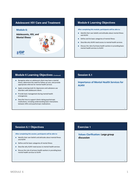
A Training Curriculum for Multidisciplinary Healthcare Teams. This innovative training package aims to empower multidisciplinary health workers to have the confidence and skills to provide comprehensive, youth-friendly HIV services that support adol
...
escents’ healthy development, psychosocial well being, retention, adherence, sexual and reproductive health, and eventual transition to adult HIV services.
more
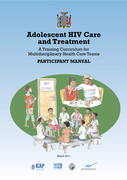
The curriculum, which complements the national pediatric ART training, was finalized in 2011 and was subsequently implemented nationally. The training curriculum includes a 15-module Trainer Manual, a Participant Manual, and accompanying PowerPoint slides.








Adolescent HIV Care and Treatment: A Training Curriculum for Health Workers - Participant Manual
T. Colton; V. Allread; E. Abrams; et al.
ICAP Columbia University (Mailman School of Public Health)
(2012)
C2

This manual provides practical guidelines for the management of children with severe malnutrition. It seeks to promote the best available therapy so as to reduce the risk of death, shorten the length of time spent in hospital, and facilitate rehabilitation and full recovery. Emphasis is given to the
...
management of severely malnourished children in hospital and health centres; the management of severely malnourished children in disaster situations and refugee camps and of severely malnourished adolescents and adults is also considered briefly.
more
Health Systems for Outcomes Publication | The government of Rwanda has identified human resources for health as one of its policy priorities. This study aims to contribute to building a better understanding of health worker choice and behaviour, and to improve evidence based polcies.
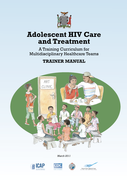
Adolescent HIV Care and Treatment: A Training Curriculum for Health Workers - Trainer Manual (Introduction Section 1-3)
T. Colton; V. Allread; E. Abrams; et al.
ICAP Columbia University (Mailman School of Public Health)
(2012)
C2
Trainer Manual Introduction (Section 1-3)
This document presents an evidence-informed Checklist for implementing rural pathways to train and support the rural
health workforce in low and middle income countries (LMIC). Rural areas are the most underserviced around the world.
Health, safety and wellbeing of the Healthcare workers is a prerequisite for good quality of care and patient satisfaction in health services. Healthcare facilities that are not safe for workers and
...
patients are not resilient to any shock arising from hostile events, outbreaks or any other emergencies. Occupational Safety and Health Act (2005) and the National Occupational Safety and Health Policy of Zanzibar require the development of stringent systems for managing occupational safety and health in all workplaces and the health system in general.
These Policy Guidelines have been developed by the Ministry of Health in consultation with the Ministry responsible for Labour and other stakeholders, such as organizations of workers, employers and professional associations in the health sector. The purpose of these guidelines is to foster the implementation of the international commitments and the national legislation regarding decent work in the health system as well as to improve the quality of care and the resilience of health facilities.
more
Accessed April 2014

Online training
Coronavirus disease 2019 (COVID-19) Quick Reference for Health Workers Case
Centre for Respiratory Diseases and Meningitis, South Africa
National Institute for Communicable Diseases (NICD)
(2020)
C2
On the 31st December 2019, the World Health Organization (WHO) China country office reported a cluster of pneumonia cases in Wuhan City, Hubei Province of China now known to be caused by a novel virus. Severe acute respiratory syndrome coronavirus 2 (SARS-CoV-2) has been confirmed as the causative v
...
irus of Coronavirus disease 2019 (COVID-19). Cases have now been identified in over 100 countries including South Africa.
more

2019 Novel Coronavirus Disease Outbreak: What Health Care Workers Should Know (Arabic)
African Union; Africa CDC Centres for Disease Control and Prevention (Safeguarding Africa's Health)
African Union; Africa CDC Centres for Disease Control and Prevention (Safeguarding Africa's Health)
(2020)
C2
Accessed: 02.04.2020

Bebildertes Arzt-Patient-Gespräch in 25 Sprachen mit Symptomen, Diagnostik und Procedere.
Illustrated doctor-patient-interview in 25 languages containing symptoms, diagnosis and procedures. For Health
...
Care Professionals.
Grundsprache Deutsch:Albanisch, Amharisch, Arabisch, Bulgarisch, Chinesisch, Englisch, Farsi, Französisch, Griechisch, Italienisch, Kurdisch, Niederländisch, Pashtu, Polnisch, Rumänisch, Russisch, Schwedisch, Serbisch, Somali, Spanisch, Tigrinya, Tschechisch, Türkisch, Urdu, Vietnamesisch
more
This Curriculum Guide accompanies the Refugee and Migrant Health: Global Competency Standards for Health Workers and the Knowledge Guide to support the operationalization of the Standards. The Curriculum Guide provides guidance for institutions, hea
...
lth organizations and individuals engaged in the education and training of health practitioners and health administrators to support incorporation of the knowledge, skills and attitudes set out in the Knowledge Guide into curricula and for assessment of the achievement of the relevant learning outcomes and Competency Standards.
more
Quick reference guide
CONCLUSIONS: The roles performed by CHWs are broad, varied and essential for diabetes and hypertension management. However, basic knowledge about diabetes and hypertension remains poor while training is unstandardised and haphazard. These need to be improved if community-based NCD management is to b
...
e successful. The potential of peer education as a complementary mechanism to formal training needs as well as support and supervision in the workplace requires further assessment
more
One of the many gender inequities in the health and care workforce that COVID-19 has exposed is around the fit and design of Personal Protective Equipment (PPE). The rapid onset and scale of COVID-19 led to shortages of PPE in most countries, causing preventable infection and mortality among healthc
...
are workers and others on the front lines. Even though most health workers are women, manufacturing specifications for medical PPE are usually drawn up based on the male body and there have been many reports of PPE not designed for women's bodies.
more
The Perinatal Mental Health Project (PMHP) provides training to health
workers and community-based workers involved in caring for mothers. This
handbook is intended as a supplement to this trainin
...
g programme and as a
resource to anyone involved with mothers and mothers-to-be.
The handbook should be used in an active way: use it and add to it as best
suits your local setting. The intended outcome of this handbook is to improve
the quality of service offered to women in emotional distress and to
meet the needs of maternal health workers, like you, who want to be better
equipped in this task.
The handbook covers a range of topics. Each chapter has a clear set of
learning objectives and a summary. Some chapters include practical activities
which should help with linking the theory with your practice.
more
Adapted from the WHO's Decision-Making Tool for family
planning clients and providers
TB HIV Training Manual for Community Health Workers
Arkangelo Ali Association; The Global Fund; UNDP; et al.
Arkangelo Ali Association; The Global Fund; UNDP; et al.
(2009)
C2
First Edition, July 2009
Trainers’ Manual
Human Resources for Health201816:49; https://doi.org/10.1186/s12960-018-0315-7

This document aims to help EU/EEA public health authorities in the tracing and management of persons, including healthcare workers, who had contact with COVID-19 cases. It outlines the key steps of contact tracing, including contact identification,
...
listing and follow-up, in the context of the COVID-19 response.
more
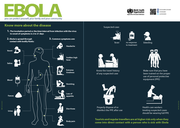
The Journal of Infectious Diseases, jiy435, https://doi.org/10.1093/infdis/jiy435.
Many outbreaks reported high proportions of infected HWs. Similar HW infection rates and exposure risk factors in both past and recent EVD and MVD outbreaks emphasize the need to improve the implementation of approp
...
riate infection control measures consistently across all healthcare settings.
more
This is a case-ascertained prospective investigation of all identified health care contacts working in a health
...
care facility in which a laboratory confirmed 2019-nCoV infected patient (see 2.2 Study population) receives care. Note that this study can be done in health care facilities at all 3 levels of a health system – not just in hospitals. It is intended to provide epidemiological and serologic information which will inform the identification of risk factors 2019-nCoV infection among health care workers.
There are three primary objectives of this investigation among health care workers in a health care setting where a 2019-nCoV infected patient is being cared for:
To better understand the extent of human-to-human transmission among health care workers, by estimating the secondary infection rate1 for health care worker contacts at an individual level.
To characterize the range of clinical presentation of infection and the risk factors for infection among health care workers.
To evaluate effectiveness of infection prevention and control measures among health care workers
To evaluate effectiveness of infection prevention and control programmes at health facility and national level
more
The Guidelines for the Prevention, Surveillance and Management of COVID-19 Infection amongst Health Care Workers (HCW) in Zimbabwe were developed t
...
o prevent, detect and manage HCW COVID-19 infection, an emerging pandemic affecting the whole world. The HCW is at the fore front of this pandemic, thus the need for standardised operating procedures is of utmost importance. These guidelines therefore seek to reduce the significant morbidity and mortality among the HCW, ultimately ensuring the reduction of the cost to the health care worker and the Ministry of Health and Child Care (MoHCC) as a whole. The Ministry of Health and Child Care requires that all health care workers in various health care settings follow infection prevention and control procedures.
more
Facilitator's Guide. This guide is designed to assist facilitators in training community health workers (CHWs) and community volunteers (CVs) in integrating community-based TB services into their work. The training will help community
...
workers who already provide numerous services to understand TB and contribute to prevention, care and support services in their communities
more
The skin of a patient is the first and most visible structure of the body that any health-care worker encounters during the course of an examination. To the patient, it is also highly visible, and a
...
ny disease that affects it is noticeable and will have an impact on personal and social well-being. The skin is therefore an important entry point for both diagnosis and management. Many diseases of humans are associated with changes to the skin, ranging from symptoms such as itching to changes in colour, feel and appearance.
This training guide explains how to identify the signs and symptoms of neglected tropical diseases of the skin through their visible characteristics. It also contains information on how to diagnose and manage common skin problems that front-line health workers may encounter.
more
- A Skills Building Program for Clinicians and Non-Clinicians. Adherence guidelines- slide deck- training course for health providers
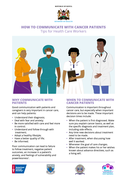
Reducing Stigma and Discrimination Related to HIV and AIDS - Training for Health Care Workers
EndGenderHealth
(2004)
C2
Trainer's Manual
EngenderHealth would like to thank the following staff and consultants for their contribution to the develop- ment, field testing and publication of this manual: Betty Farrell, Isaiah Ndong, Peter Twyman, Julie Becker, Amy Shire, Fabio Saini, Damien Wohlfahrt, Jill Tabbutt-Henry, L
...
event Catagay, B.P. Singh, Joseph Ruminjo, Jean Ahlborg, Asiwa Obishai, Mofoluke Shobowale, Karen Landovitz, Anna Kurica, Maaza Seyoum, Tewodros Gebremichael, Antigoni Koumpounis, Wuleta Betemariam, Paul Perchal, Elan Shultz, Georgia Holt, Benjamin Weil, and Mark Barone.
more
Revised Version 2011
Occupational health and safety programmes aim to prevent diseases and injuries arising out of, linked with or occurring in the course of work, while improving the quality and safety of care, safeguarding the health workforce and promoting environmental sustainability in the health sector.
This gu
...
ide provides an overview of the key elements of occupational health and safety programmes for health workers at national, subnational and facility levels, as well as advice for the development and implementation of such programmes. Health workers exposure risk assessment and management in the context of COVID-19 virus
more
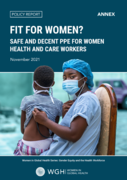
One of the many gender inequities in the health and care workforce that COVID-19 has exposed is around the fit and design of Personal Protective Equipment (PPE). The rapid onset and scale of COVID-19 led to shortages of PPE in most countries, causing preventable infection and mortality among healthc
...
are workers and others on the front lines. Even though most health workers are women, manufacturing specifications for medical PPE are usually drawn up based on the male body and there have been many reports of PPE not designed for women's bodies.
more
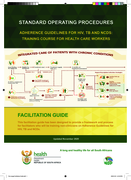
The target audience for this training course is non-clinicians such as Home Based Carers, Community Caregivers, Youth Care Workers, Peer educators, Community Health Workers etc. primarily those who
...
will be providing adherence counselling to clients with HIV, TB, Hypertension and Diabetes. This group of non-clinicians play a vital role in helping to reduce the workload of nursing staff. Amongst others, non- clinicians educate clients and provide emotional support in a manner that makes each client feel like they are receiving focused, individual attention. Non-clinicians are often in close contact with communities and, therefore, able to understand and play a role in alleviating health service barriers in the community.
Facility managers may also be part of the target audience in order to ensure that they understand the components of the minimum package of interventions to support linkage, adherence and retention in care.
Further, their attendance seeks to ensure that non-clinicians receive necessary assistance and support when they have to implement what they have learned back into their workplaces.
more
STANDARD OPERATING PROCEDURES
PARTICIPANT GUIDE
This Participant Guide has been designed to assist health facilities and community based non-clinicians to develop skills to provide linkage to care, adherence and retention in care services for chronic conditions
The war in Ukraine will have direct and indirect health consequences on conflict affected people, including internally displaced people and refugees. Governments in countries receiving refugees are providing them with access to healthcare. This document aims to provide information to guide individua
...
l health assessment carried out by frontline health providers at border areas, reception centres, transit centres and individual clinics as well as national public health agencies/authorities in countries receiving refugees and third country nationals.
more
High Transmission Areas: Key Populations
Version 1.1 July 2016
The purpose of this document is to describe standard operating procedures for viral load monitoring, including the schedule for viral load testing when used for routine monitoring of children, adolescents and adults on ART; interpretation of results; patient management; an ... d specimen collection, preparation and transport. This template document to be adapted for use in various contexts and is one component of a viral load monitoring toolkit, to be used in conjunction with ICAP’s Viral Load Monitoring Flipchart and Enhanced Adherence Treatment Plan. more
The purpose of this document is to describe standard operating procedures for viral load monitoring, including the schedule for viral load testing when used for routine monitoring of children, adolescents and adults on ART; interpretation of results; patient management; an ... d specimen collection, preparation and transport. This template document to be adapted for use in various contexts and is one component of a viral load monitoring toolkit, to be used in conjunction with ICAP’s Viral Load Monitoring Flipchart and Enhanced Adherence Treatment Plan. more
