Filter
3845
Text search:
health
impacts
Featured
255
876
Language
Document type
1709
1083
376
214
177
112
67
50
18
12
10
9
4
2
Countries
249
119
95
84
70
69
69
66
66
64
62
61
59
52
49
47
44
43
42
39
38
35
35
34
34
32
32
32
31
31
28
28
27
26
25
24
24
24
23
21
20
19
17
17
17
17
16
15
15
15
15
13
12
12
12
11
11
11
11
10
10
10
10
9
8
8
8
8
8
7
7
7
6
6
6
6
6
5
5
5
5
4
4
4
4
4
4
4
4
4
4
4
3
3
3
3
3
3
3
3
3
3
3
3
3
2
2
2
2
2
2
2
2
2
1
1
1
1
1
1
1
1
1
1
1
1
1
1
1
1
1
1
1
1
1
1
1
1
1
1
1
1
Authors & Publishers
Publication Years
Category
1294
222
204
163
99
64
9
6
1
Toolboxes
510
475
316
209
155
153
131
107
105
94
92
92
89
74
73
56
54
42
31
13
13
10
8
4
2
2
Fully functioning water, sanitation, hygiene (WASH) and health care waste management services are a critical aspect of infection prevention and control (IPC) practices, and ensuring patient safety and quality of care. Such services are also essentia
...
The American Journal of Tropical Medicine and Hygiene Volume 106: Issue 1 p.12-14.he piece highlights a body of research that suggests tiny plastic particles could disrupt immune and endocrine systems, damage organs, and cause other health probl
...

The International Rescue Committee (IRC) and the United Nations Children’s Fund (UNICEF) have newly developed "Caring for Child Survivors of Sexual Abuse Guidelines" for health and psychosocial providers in humanitarian settings - “CCS Guideline
...
To assess the impact of the COVID-19 pandemic on health and HIV expenditure, UNAIDS carried out a modelling study on fiscal space for health and HIV. From a sample of 28 countries, three countriesâ€
...
Donor funding for HIV programs has increased rapidly over the past decade, raising questions about whether other health services in recipient-country health systems are being crowded out or strength
...
Background: The impacts of air pollutants on health range from short-term health impairments to hospital admissions
and deaths. Climate change is
...
Pandemics and outbreaks have differential impacts on women and men. From risk of exposure and biological susceptibility to infection to the social and economic implications, individuals’ experiences are likely to vary according to
...
13 May 2021
To avoid a reversal of progress from the adverse impacts of the COVID-19 pandemic, new knowledge and lessons from successful programmatic innovations are urgently needed to improve TB prevention and care. Experience can provide evidence
...
The far-reaching impacts of the COVID-19 pandemic underscore the critical need for evidence-informed, transparent and inclusive decision-making. Policy-makers have grappled with complex choices amidst uncertainty. They have constantly reassessed res
...

Rabies is a global public health problem with important socioeconomic impacts. Human rabies is preventable; almost all cases are transmitted through the bite of a rabid dog. Elimination of human rab
...
In this edition, the Antimicrobial Resistance chapter discusses the growing, dangerous trend of antimicrobial resistance and the potential catastrophic consequences on global health.
The Nanomaterials chapter talks about this relatively new techno
...
The IHME webpage discusses alcohol use as a significant global health risk, responsible for over 1.8 million deaths annually. It highlights age-related differences in alcohol's health
...
This report provides an overview of the operations and activities of the WHO Country Office in Ukraine in 2023. Despite the acute health impacts of the war in Ukraine, the Country Office continued i
...
This brief summarizes the lessons learned across Europe on the redevelopment of contaminated sites as a part of urban planning and renewal. Specifically, it aims to provide information on the health and environmental
...
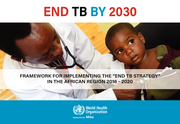
Tuberculosis (TB) control in the African Region has evolved since the disease was declared a global emergency by the World Health Organization (WHO) in 1993. Member States have adopted and implemented successive global and regional strategies and re
...
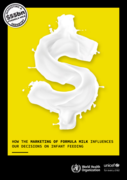
This report - the largest of its kind to date - draws on the experiences of over 8,500 women and 300 health professionals across eight countries. It exposes the aggressive marketing practices used by the formula milk industry, and highlights
...
Nature, biodiversity and health: an overview of interconnections
Urbanization, land use, global trade and industrialization have led to profound and negative impacts on nature, biodiversity and ec
...
The pandemic has emphasized the high risk of avoidable harm to patients, health workers, and the general public, and has identified a range of safety gaps across all core components of health system
...
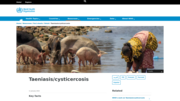
Humans can become infected with T. saginata or T. asiatica when they consume infected beef meat or pig liver tissue, respectively, which has not been adequately cooked, but taeniasis due to T. saginata or T. asiatica has no major impact on human health
...

The Generic All-Hazards Risk Assessment and Planning Tool for Mass Gathering Events (“All-Hazards MG RA Tool”) aims to support Member States and mass gathering events organizers.
The tool is based on the principles of the World Health Organiz
...

This results report for the biennium 2020–2021 presents the progress towards the triple billion targets, outcomes and outputs, based on the GPW 13 results framework and indicators. It uses structured methodologies, both quantitative and qualitative, for measuring and analysing the achievements and
...
Human health and well-being are intimately linked to the state of the environment. Water, sanitation and hygiene (WASH), climate change, air pollution and exposure to hazardous chemicals are major causes of environment-related burden of disease acro
...
The WHO fact sheet on household air pollution highlights that around 2.1 billion people rely on solid fuels like wood and coal for cooking, using open fires or inefficient stoves. This leads to severe indoor air pollution, contributing to about 3.2 million premature deaths each year, including over
...
The WHO fact sheet on household air pollution highlights that around 2.1 billion people rely on solid fuels like wood and coal for cooking, using open fires or inefficient stoves. This leads to severe indoor air pollution, contributing to about 3.2 million premature deaths each year, including over
...
The WHO fact sheet on household air pollution highlights that around 2.1 billion people rely on solid fuels like wood and coal for cooking, using open fires or inefficient stoves. This leads to severe indoor air pollution, contributing to about 3.2 million premature deaths each year, including over
...
The WHO fact sheet on household air pollution highlights that around 2.1 billion people rely on solid fuels like wood and coal for cooking, using open fires or inefficient stoves. This leads to severe indoor air pollution, contributing to about 3.2 million premature deaths each year, including over
...
The World Health Organization (WHO) fact sheet on ambient (outdoor) air quality and health highlights the significant health risks posed by outdoor
...
The World Health Organization (WHO) fact sheet on ambient (outdoor) air quality and health highlights the significant health risks posed by outdoor
...
The World Health Organization (WHO) fact sheet on ambient (outdoor) air quality and health highlights the significant health risks posed by outdoor
...
The World Health Organization (WHO) fact sheet on ambient (outdoor) air quality and health highlights the significant health risks posed by outdoor
...
The World Health Organization (WHO) fact sheet on ambient (outdoor) air quality and health highlights the significant health risks posed by outdoor
...
Psoriasis, which can involve the skin, nails and joints, is a chronic, painful, disfiguring and disabling noncommunicable disease (NCD) for which there is no cure. It negatively impacts on quality of life. Some of those who suffer from the disease d
...
27 May 2021
All countries should increase their level of preparedness, alert and response to identify, manage and care for new cases of COVID-19. Countries should prepare to respond to different public health scenarios, recognizing that there is no
...
The guidance provides critical considerations and practical checklists to keep schools safe. It also advises national and local authorities on how to adapt and implement emergency plans for educational facilities.
In the event of school closures, the guidance includes recommendations to mitigate
...
interim guidance, 27 May 2021
All countries should increase their level of preparedness, alert and response to identify, manage and care for new cases of COVID-19. Countries should prepare to respond to different public health scenarios, recognizin
...

Available in Chinese, English, French, Russian and Spanish; WHO and UNICEF policy brief, 19 April 2021
Persons with disabilities are disproportionately impacted by COVID-19, both directly because of infection, and indirectly because of restrictions to reduce the spread of the virus. Persons with di
...
Taking a multisectoral, One Health approach is necessary to address complex health threats at the human-animal-environment interface, such as rabies, zoonotic influenza, anthrax, and Rift Valley fev
...
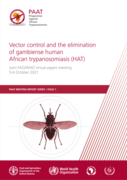
The main purpose of the meeting was to review tsetse control tools, activities and their contribution to the elimination of gHAT and the monitoring thereof. Seven endemic countries provided reports on recent and ongoing vector control interventions at the national level (Angola, Cameroon, Côte d’
...
This document focus on the direct consequences of the virus (morbidity and mortality) in specific populations and on the results of measures aimed at mitigating the spread of the virus, with indirect impacts on socio-economic conditions. In this com
...
Access to NCD medicines: emergent issues during the COVID-19 pandemic and key structural factors
recommended
The coronavirus disease (COVID-19) pandemic exacerbated pre-existing inequalities in the treatment and care of noncommunicable diseases (NCDs). This report examines the effect of the COVID-19 pandemic on access to NCD medicines, and the policies and strategies implemented by countries and
...
The chapter Dementia in Latin America and the Caribbean: Prevalence, Incidence, Impact, and Trends over Time, is part of the publication series titled “Decade of Healthy Aging: situation and challenges”. This document aims to provide an outline of the current situation in Latin America and the C
...
Today there is a new nutrition reality. It is a reality where undernutrition (such as micronutrient deficiencies, stunting and wasting) , overweight, obesity and diet-related noncommunicable diseases (NCDs) like diabetes and cancer now coexist in the same countries, communities, households and even
...
The coronavirus disease (COVID-19) pandemic exacerbated pre-existing inequalities in the treatment and care of noncommunicable diseases (NCDs). This report examines the effect of the COVID-19 pandemic on access to NCD medicines, and the policies and strategies implemented by countries and
...
The Guidance on global monitoring for diabetes prevention and control by WHO provides a comprehensive framework to support countries in tracking and managing diabetes prevention, care, and outcomes. This document outlines indicators across 4 domains: healt
...
Six months in, the indirect impacts of COVID-19 take a toll on health, social and economic outcomes.
A new respiratory infectious disease, COVID-19, caused by a new coronavirus called SARS-CoV-2, emerged in early December 2019. Since then, the virus has spread to India and 106 other countries in Asia, Europe, North America, Africa, and Oceania. On March 11, the World
...
Through the USAID-funded Organized Network of Services for Everyone’s Health (ONSE) Activity, MSH is assisting Malawi’s National Malaria Control Program to provide high-quality malaria services at the facility and community levels in 10 district
...
For thousands of years, humans have been using wildlife for commercial and subsistence purposes. Wildlife trade takes place at local, national and international levels, with different forms of wildlife, such as live animals, partly processed products and finished products. Wildlife is a vital source
...
The article "The silent epidemic of COPD in Africa" discusses the under-recognized yet significant prevalence of chronic obstructive pulmonary disease (COPD) in Africa. Despite being the third leading cause of death worldwide, COPD remains poorly studied and largely unknown in sub-Saharan Africa. Th
...
The webpage from the Institute for Health Metrics and Evaluation (IHME) provides an analysis of air pollution as a significant global health risk. It details how air pollution contributes to severe
...
Bonchial asthma is the most common chronic respiratory disease in the world. In Kenya, it has been estimated that about 7.5% of the Kenyan population, nearly 4 million people, are currently living with asthma. Many cases tend to be underdiagnosed and undertreated which leads to high levels of morbid
...

The prevalence of chronic non-communicable diseases such as diabetes, cardiovascular diseases and cancers has been on the increase in Kenya in the recent past. This has been occasioned by changes in social and demographic situation in the country. The life expectancy
...
Women, the elderly, adolescents, youth, and children,
persons with disabilities, indigenous populations, refugees,
migrants, and minorities experience the highest degree
of socio-economic marginalization. Marginalized people
become even more vulnerable in emergencies.1 This is due
to factors su
...

Antimicrobial resistance (AMR) is a global human, animal, plant and environment health threat that needs to be addressed by every country. The impacts of AMR are wide-ranging in terms of human
...
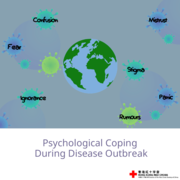
The psychological impacts in face of public health crisis.
It is understandable for people to experience the fear and
anxiety in face of uncertainty; they can help us cope with
the situation in s
...

Our spiritual health profoundly impacts our physical health, well-being, and quality of life. Just as medical professionals care for our bodies and
...
Health care waste can be difficult to treat and dispose of safely. The environmental and health impacts of waste put extra pressure on resources. T
...
Young people living in the Central African Republic, Chad, Nigeria, Guinea, and Guinea-Bissau are the most at risk of the impacts of climate change, threatening their health, education, and protecti
...

The Lancet Planetary Health Volume 6, ISSUE 4, e342-e349, April 01, 2022. Human impacts on earth-system processes are overshooting several planetary boundaries, driving a crisis of ecological break
...
The COVID-19 pandemic is having far reaching impacts, well beyond the health crisis and needs, with the most severe impacts experienced in the poor
...
Infectious diseases cause over one billion human infections per year, with millions of deaths each year globally. Extensive health and financial burden is seen from both established and emerging infectious diseases. Infectious diseases also affect p
...
The EU's air quality directives (2008/50/EC Directive on Ambient Air Quality and Cleaner Air for Europe and 2004/107/EC Directive on heavy metals and polycyclic aromatic hydrocarbons in ambient air) set pollutant concentrations thresholds that shall not be exceeded in a given period of time. In case
...
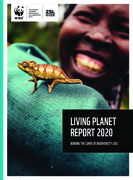
At a time when the world is reeling from the deepest global disruption and health crisis of a lifetime, this year’s Living Planet
report provides unequivocal and alarming evidence that nature is unraveling and that our planet is flashing red war
...

Cholera which disproportionally impacts poor countries and the most vulnerable continues to affect at least 47 countries across the globe, resulting in an estimated 1.3 – 4 million cases, and 21,000 - 143,000 deaths per year worldwide. In Ethiopia
...
The outbreak of COVID-19 comes with unpredictable primary and secondary impacts on vulnerable and food-insecure populations across the world. Mortality and morbidity appear to be most acute for elderly people, and those with underlying
...
Virtually all (99.9 percent) of Southeast Asia’s 656.1 million people live in areas where particulate pollution exceeds the World Health Organization (WHO) guideline of 5 μg/m³. Despite the lockdowns of the pandemic, pollution continued to rise
...
In response to the first cases of coronavirus disease 2019 (COVID-19) reported on the continent, many African Union Member States implemented large-scale public health and social measures (PHSM) rapidly. These measures were aimed at reducing transmi
...

This document lays out economic arguments for investing in the Access to COVID-19 Tools Accelerator (ACT-Accelerator). Framed within an overall context that recognizes the broader human health and societal
...
A toolkit for pharmacists.
Emerging data show that medication errors and adverse events cause significant harm to patients’ health and
well-being. It is estimated that the burden of adverse events due to medicines is now comparable to that of
w
...
Environment International Volume 86, January 2016, Pages 14-23
Climate change refers to long-term shifts in weather conditions and patterns of extreme weather events. It may lead to changes in health threat to human beings, multiplying existing
...
PNAS | March 4, 2014 | vol. 111 | no. 9
Malaria is an important disease that has a global distribution and significant health burden. The spatial limits of its distribution and seasonal activity are sensitive to climate factors, as well as the loca
...
the current surge in cases follows unprecedented flooding that began in mid-June 2022. With the current flood crisis affecting the national health system capacity and the growing humanitarian situation, there is a high risk of serious
...

This paper focuses on the Sustainable Development Goals related to poverty, economic growth, inequality, health, food production and the environment. It presents concrete examples of the underlying and complex aspects of antibiotic resistance and it
...
Antibiotic stewardship refers to coordinated efforts and activities that seek to measure and improve use of antibiotics. Implementation of ASPs has demonstrated positive public health and clinical impacts
...
The article investigates the global burden and risk factors of chronic obstructive pulmonary disease (COPD). It emphasizes that COPD is a leading cause of morbidity and mortality worldwide, with significant health and economic
...

Infectious diseases, such as COVID-19, can have a significant impact on children’s and their caregivers’
wellbeing beyond the disease itself. In terms of child protection, there are three main potential
secondary impacts:
- Neglect and lack
...
Child friendly spaces (CFS) have become a widely
used approach to protect and provide psychosocial
support to children in emergencies. However,
little evidence documents their outcomes and
impacts. There is widespread commitment among
humanitar
...
According to the Report, cascading and interlinked crises are putting the 2030 Agenda for Sustainable Development in grave danger, along with humanity’s very own survival. The Report highlights the severity and magnitude of the challenges before us. The confluence of crises, dominated by COVID-19,
...
The pandemic presents tough choices for governments, local communities, health and school systems, as well as families and businesses: How to re-open safely? How to safeguard people’s lives and protect their livelihoods? Where to allocate scarce r
...
COVID-19 has resulted in an unprecedented global crisis. As the pandemic spreads and countries around the world continue to struggle to contain its health and socio-economic consequences, UNRWA is issuing a new humanitarian appeal from August throug
...

Rwanda first confirmed cases of coronavirus disease 2019 (COVID-19) in March 2020. Although the number of cases has been low, health system resources are being redirected to respond and an increasing number of children are affected by the socio-econ
...

Antimicrobial Resistance or AMR continues to pose a major threat to human development and to the fight against infectious diseases. It also endangers animal health and welfare, and food production, and severely
...
The COVID-19 pandemic has been the biggest disaster in living memory, on almost any measure. More than 6.5 million people are confirmed to have died in less than three years, and the pandemic’s indirect impacts have touched the lives of virtually
...
When explosive weapons are used in populated areas, they have direct and indirect impacts
on the provision of services, community cohesion, humanitarian access, regular support for
basic needs, physical safety, mental
...
The interim Emergency Response Preparedness (ERP) guidance is designed to be a short technical step-by-step guide aimed at non-Humanitarian Response Plan (HRP) countries to support the development, or strengthening, of preparedness measures to ensure that country teams are operationally ready to imp
...
To its credit, Chile has implemented a highly successful vaccine program and taken a number of other important public health measures to improve the well-being of its inhabitants. Nevertheless, these measures have proved insufficient to curb the
...
The pamphlet "Marijuana" explains the effects and risks of cannabis use. It describes THC, the psychoactive compound in cannabis, which binds to cannabinoid receptors in the brain, causing effects like relaxation, altered perception, and euphoria. Short-term effects include red eyes, hunger, and anx
...
PEPFAR Malawi’s Country Operational Plan (COP) 2021 reflects a culmination of strong interagency collaboration between the PEPFAR Malawi team, Government of Malawi (GoM), and civil society organizations (CSOs) to mitigate the devastating impacts o
...
This research report offers community perceptions of COVID-19 from migrants, refugees, host communities and indigenous populations in nine countries in the Americas: Argentina, Brazil, Bolivia, Colombia, Guatemala, Nicaragua, Jamaica, Panama and Trinidad and Tobago.
It reveals the myriad
...
Alcohol has historically, and continues to, hold an important role in social engagement and bonding for many. Social drinking or moderate alcohol consumption for many is pleasurable.
However, alcohol consumption – especially in excess – is linked to a number of negative outcomes: as a risk fa
...
The pamphlet "What is Addiction" explains addiction as a chronic, relapsing brain disease characterized by compulsive drug seeking and use, despite harmful consequences. It highlights the dangers of different drug categories, including sedatives, stimulants, and hallucinogens, and their potential
...
Since the release of the first volume in May 2020, the COVID-19 pandemic has continued to rage around the world. By mid-March, 2021, countries around the globe had reported over 123 million cases—a nearly five-fold increase since this report’s previous volume—and over 2.7 million deaths attrib
...

Ocean plastic pollution has reached crisis level: every minute, more than an entire garbage truck of plastic makes its way into the world’s oceans—roughly 11 million metric tons annually. While plastic waste presents an immediate threat to marine wildlife and ecosystems, this global challenge al
...
Impacts Éonomiques d’un Mauvais Assainissement En Afrique (Bénin)
The war in Ukraine has had devasting impact on women and girls
worldwide, widening gender gaps and increasing rates of food insecurity, malnutrition and energy poverty. This brief reviews the available evidence of that impact, recommending urgent attention to its consequences for women and girls. I
...

As the war in Ukraine pushes food, fuel and fertilizer prices toward record levels putting food security in many of the world’s poorest countries at risk, the UN’s International Fund for Agricultural Development (IFAD) today launched a Crisis Response Initiative to ensure that small-scale farmer
...
“All sectors of humanitarian response are critical to providing an adequate and holistic response for children who have survived different types of violence, exploitation, abuse and neglect. Following the immediate humanitarian response, all humanitarian sectors have an important contribution to m
...
The Youth.gov webpage on "Substance Use/Misuse" provides information and resources about preventing and addressing substance abuse among youth. It highlights risk factors, prevention strategies, and support programs designed to reduce substance use and its negative
...
What near-term climate impacts should worry us most?
Supporting the most exposed and vulnerable societies to reduce
regional and global climate risks