Filter
91
Text search:
gingivitis
Featured
10
32
Language
Document type
62
20
4
3
1
1
Countries / Regions
9
6
5
4
4
4
4
3
3
3
3
3
2
2
2
2
2
1
1
1
1
1
Authors & Publishers
Publication Years
Category
56
12
4
4
2
Toolboxes
14
6
4
2
2
2
1
1
1
1

Version 1.1 July 2016
The purpose of this document is to describe standard operating procedures for viral load monitoring, including the schedule for viral load testing when used for routine monitoring of children, adolescents and adults on ART; interpretation of results; patient management; an ...
The purpose of this document is to describe standard operating procedures for viral load monitoring, including the schedule for viral load testing when used for routine monitoring of children, adolescents and adults on ART; interpretation of results; patient management; an ...
These guidelines aim to guide all health care providers in Myanmar, accommodating the situation of different settings in the context of progressive decentralization of HIV services. Notable changes from the previous edition include:
• diagnosis of HIV
• update on the initiation of ART
...
• diagnosis of HIV
• update on the initiation of ART
...
Article, January 2008
Síndromes paralíticos, parálisis cerebral, down, trastorno del espectro autista, parkinson y discapacidad mental o psíquica
Serie Documentos Técnico Normativos 442
This document defines the framework for Malawi’s National HIV Programs. Considering public health benefits and risks, as well as funding and resource implications, deviations from these guidelines are not supported by the Ministry of Health.
Document also available in Arabic, Chinese and Vietnamese. For other language versions go to http://www.schn.health.nsw.gov.au/parents-and-carers/fact-sheets/teeth-caring-for-your-childs-teeth


(Published with Decision No. 3003/QðBYT dated 19/8/2009 of the Minister of Health)

accessed Febr. 6, 2020
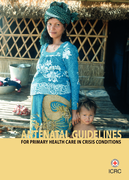
These guidelines are designed for ICRC and other health professionals – nurses, midwifes, doctors – who either lack experience in antenatal care or are not used to working in countries where medical infrastructure is underdeveloped or non-existent