
Filter
6202
Text search:
food
access
Featured
535
1810
Language
6050
134
99
79
78
43
31
26
14
13
12
9
9
9
9
8
8
8
7
7
6
5
5
4
4
4
4
4
4
4
4
4
4
4
4
4
4
3
3
3
3
3
3
3
3
3
3
2
2
2
2
2
2
2
2
2
2
2
2
1
1
1
1
1
1
1
Document type
3460
1161
668
285
254
127
103
89
18
15
11
4
3
1
1
Countries
243
235
212
146
146
145
130
130
128
127
121
121
115
105
100
90
90
89
86
85
78
76
74
74
71
60
54
50
50
48
44
42
39
38
38
37
36
31
30
27
26
25
25
24
23
23
22
22
22
21
21
21
21
19
18
17
17
17
16
14
14
13
13
12
12
11
11
10
10
10
10
9
8
8
8
7
7
7
7
6
6
6
6
5
5
5
5
5
5
4
4
4
4
4
4
4
4
4
4
4
3
3
3
3
3
3
3
3
3
3
2
2
2
2
2
2
2
2
2
2
2
2
2
2
2
2
2
2
2
2
2
1
1
1
1
1
1
1
1
1
1
1
1
1
1
1
1
1
1
1
1
1
Authors & Publishers
593
255
253
156
148
142
98
98
93
69
39
38
37
35
35
34
34
33
33
31
31
31
29
29
27
27
27
26
26
24
24
23
23
22
22
22
20
20
20
20
18
18
18
18
17
17
16
16
16
16
15
15
15
14
14
14
14
14
13
13
13
13
12
12
12
12
11
11
11
11
11
11
11
11
10
10
10
10
10
10
10
10
10
9
9
9
9
9
9
9
9
9
8
8
8
8
8
8
8
8
8
8
8
8
8
8
7
7
7
7
7
7
7
7
7
7
7
7
7
7
7
7
7
7
7
7
7
7
7
7
7
7
7
6
6
6
6
6
6
6
6
6
6
6
6
6
6
6
6
6
6
6
6
6
6
6
6
6
6
6
6
6
6
6
6
6
6
6
6
6
6
5
5
5
5
5
5
5
5
5
5
5
5
5
5
5
5
5
5
5
5
5
5
5
5
5
5
5
5
5
5
5
5
5
5
5
5
5
5
5
5
5
5
5
5
5
4
4
4
4
4
4
4
4
4
4
4
4
4
4
4
4
4
4
4
4
4
4
4
4
4
4
4
4
4
4
4
4
4
4
4
4
4
4
4
4
4
4
4
4
4
4
4
4
4
4
4
4
4
4
4
4
4
4
4
4
4
3
3
3
3
3
3
3
3
3
3
3
3
3
3
3
3
3
3
3
3
3
3
3
3
3
3
3
3
3
3
3
3
3
3
3
3
3
3
3
3
3
3
3
3
3
3
3
3
3
3
3
3
3
3
3
3
3
3
3
3
3
3
3
3
3
3
3
3
3
3
3
3
3
3
3
3
3
3
3
3
3
3
3
3
3
3
3
3
3
3
3
3
3
3
3
3
3
3
3
3
3
3
3
3
3
3
2
2
2
2
2
2
2
2
2
2
2
2
2
2
2
2
2
2
2
2
2
2
2
2
2
2
2
2
2
2
2
2
2
2
2
2
2
2
2
2
2
2
2
2
2
2
2
2
2
2
2
2
2
2
2
2
2
2
2
2
2
2
2
2
2
2
2
2
2
2
2
2
2
2
2
2
2
2
2
2
2
2
2
2
2
2
2
2
2
2
2
2
2
2
2
2
2
2
2
2
2
2
2
2
2
2
2
2
2
2
2
2
2
2
2
2
2
2
2
2
2
2
2
2
2
2
2
2
2
2
2
2
2
2
2
2
2
2
2
2
2
2
2
2
2
2
2
2
2
2
2
2
2
2
2
2
2
2
2
2
2
2
2
2
2
2
2
2
2
2
2
2
2
2
2
2
2
2
2
2
2
2
2
2
2
2
2
2
2
2
2
2
2
2
2
2
2
2
2
2
2
2
2
2
2
2
2
2
2
2
2
2
2
2
2
2
2
2
2
2
2
2
2
2
2
2
2
2
2
2
2
2
2
2
2
2
2
2
2
2
2
2
2
2
2
2
2
2
2
2
2
2
2
2
2
2
2
2
2
2
2
2
2
2
2
2
2
2
2
2
2
2
2
2
2
2
2
2
2
2
2
2
2
2
2
2
2
2
2
2
2
2
2
2
2
2
2
2
2
2
2
2
2
2
2
2
2
2
2
2
2
2
2
2
2
2
2
2
2
2
2
2
2
2
2
2
2
2
2
2
2
2
2
2
2
2
2
2
2
2
2
2
2
2
2
2
2
2
2
2
2
2
2
2
2
2
1
1
1
1
1
1
1
1
1
1
1
1
1
1
1
1
1
1
1
1
1
1
1
1
1
1
1
1
1
1
1
1
1
1
1
1
1
1
1
1
1
1
1
1
1
1
1
1
1
1
1
1
1
1
1
1
1
1
1
1
1
1
1
1
1
1
1
1
1
1
1
1
1
1
1
1
1
1
1
1
1
1
1
1
1
1
1
1
1
1
1
1
1
1
1
1
1
1
1
1
1
1
1
1
1
1
1
1
1
1
1
1
1
1
1
1
1
1
1
1
1
1
1
1
1
1
1
1
1
1
1
1
1
1
1
1
1
1
1
1
1
1
1
1
1
1
1
1
1
1
1
1
1
1
1
1
1
1
1
1
1
1
1
1
1
1
1
1
1
1
1
1
1
1
1
1
1
1
1
1
1
1
1
1
1
1
1
1
1
1
1
1
1
1
1
1
1
1
1
1
1
1
1
1
1
1
1
1
1
1
1
1
1
1
1
1
1
1
1
1
1
1
1
1
1
1
1
1
1
1
1
1
1
1
1
1
1
1
1
1
1
1
1
1
1
1
1
1
1
1
1
1
1
1
1
1
1
1
1
1
1
1
1
1
1
1
1
1
1
1
1
1
1
1
1
1
1
1
1
1
1
1
1
1
1
1
1
1
1
1
1
1
1
1
1
1
1
1
1
1
1
1
1
1
1
1
1
1
1
1
1
1
1
1
1
1
1
1
1
1
1
1
1
1
1
1
1
1
1
1
1
1
1
1
1
1
1
1
1
1
1
1
1
1
1
1
1
1
1
1
1
1
1
1
1
1
1
1
1
1
1
1
1
1
1
1
1
1
1
1
1
1
1
1
1
1
1
1
1
1
1
1
1
1
1
1
1
1
1
1
1
1
1
1
1
1
1
1
1
1
1
1
1
1
1
1
1
1
1
1
1
1
1
1
1
1
1
1
1
1
1
1
1
1
1
1
1
1
1
1
1
1
1
1
1
1
1
1
1
1
1
1
1
1
1
1
1
1
1
1
1
1
1
1
1
1
1
1
1
1
1
1
1
1
1
1
1
1
1
1
1
1
1
1
1
1
1
1
1
1
1
1
1
1
1
1
1
1
1
1
1
1
1
1
1
1
1
1
1
1
1
1
1
1
1
1
1
1
1
1
1
1
1
1
1
1
1
1
1
1
1
1
1
1
1
1
1
1
1
1
1
1
1
1
1
1
1
1
1
1
1
1
1
1
1
1
1
1
1
1
1
1
1
1
1
1
1
1
1
1
1
1
1
1
1
1
1
1
1
1
1
1
1
1
1
1
1
1
1
1
1
1
1
1
1
1
1
1
1
1
1
1
1
1
1
1
1
1
1
1
1
1
1
1
1
1
1
1
1
1
1
1
1
1
1
1
1
1
1
1
1
1
1
1
1
1
1
1
1
1
1
1
1
1
1
1
1
1
1
1
1
1
1
1
1
1
1
1
1
1
1
1
1
1
1
1
1
1
1
1
1
1
1
1
1
1
1
1
1
1
1
1
1
1
1
1
1
1
1
1
1
1
1
1
1
1
1
1
1
1
1
1
1
1
1
1
1
1
1
1
1
1
1
1
1
1
1
1
1
1
1
1
1
1
1
1
1
1
1
1
1
1
1
1
1
1
1
1
1
1
1
1
1
1
1
1
1
1
1
1
1
1
1
1
1
1
1
1
1
1
1
1
1
1
1
1
1
1
1
1
1
1
1
1
1
1
1
1
1
1
1
1
1
1
1
1
1
1
1
1
1
1
1
1
1
1
1
1
1
1
1
1
1
1
1
1
1
1
1
1
1
1
1
1
1
1
1
1
1
1
1
1
1
1
1
1
1
1
1
1
1
1
1
1
1
1
1
1
1
1
1
1
1
1
1
1
1
1
1
1
1
1
1
1
1
1
1
1
1
1
1
1
1
1
1
1
1
1
1
1
1
1
1
1
1
1
1
1
1
1
1
1
1
1
1
1
1
1
1
1
1
1
1
1
1
1
1
1
1
1
1
1
1
1
1
1
1
1
1
1
1
1
1
1
1
1
1
1
1
1
1
1
1
1
1
1
1
1
1
1
1
1
1
1
1
1
1
1
1
1
1
1
1
1
1
1
1
1
1
1
1
1
1
1
1
1
1
1
1
1
1
1
1
1
1
1
1
1
1
1
1
1
1
1
1
1
1
1
1
1
1
1
1
1
1
1
1
1
1
1
1
1
1
1
1
1
1
1
1
1
1
1
1
1
1
1
1
1
1
1
1
1
1
1
1
1
1
1
1
1
1
1
1
1
1
1
1
1
1
1
1
1
1
1
1
1
1
1
1
1
1
1
1
1
1
1
1
1
1
1
1
1
1
1
1
1
1
1
1
1
1
1
1
1
1
1
1
1
1
1
1
1
1
1
1
1
1
1
1
1
1
1
1
1
1
1
1
1
1
1
1
1
1
1
1
1
1
1
1
1
1
1
1
1
1
1
1
1
1
1
1
1
1
1
1
1
1
1
1
1
1
1
1
1
1
1
1
1
1
1
1
1
1
1
1
1
1
1
1
1
1
1
1
1
1
1
1
1
1
1
1
1
1
1
1
1
1
1
1
1
1
1
1
1
1
1
1
1
1
1
1
1
1
1
1
1
1
1
1
1
1
1
1
1
1
1
1
1
1
1
1
1
1
1
1
1
1
1
1
1
1
1
1
1
1
1
1
1
1
1
1
1
1
1
1
1
1
1
1
1
1
1
1
1
1
1
1
1
1
1
1
1
1
1
1
1
1
1
1
1
1
1
1
1
1
1
1
1
1
1
1
1
1
1
1
1
1
1
1
1
1
1
1
1
1
1
1
1
1
1
1
1
1
1
1
1
1
1
1
1
1
1
1
1
1
1
1
1
1
1
1
1
1
1
1
1
1
1
1
1
1
1
1
1
1
1
1
1
1
1
1
1
1
1
1
1
1
1
1
1
1
1
1
1
1
1
1
1
1
1
1
1
1
1
1
1
1
1
1
1
1
1
1
1
1
1
1
1
1
1
1
1
1
1
1
1
1
1
1
1
1
1
1
1
1
1
1
1
1
1
1
1
1
1
1
1
1
1
1
1
1
1
1
1
1
1
1
1
1
1
1
1
1
1
1
1
1
1
1
1
1
1
1
1
1
1
1
1
1
1
1
1
1
1
1
1
1
1
1
1
1
1
1
1
1
1
1
1
1
1
1
1
1
1
1
1
1
1
1
1
1
1
1
1
1
1
1
1
1
1
1
1
1
1
1
1
1
1
1
1
1
1
1
1
1
1
1
1
1
1
1
1
1
1
1
1
1
1
1
1
1
1
1
1
1
1
1
1
1
1
1
1
1
1
1
1
1
1
1
1
1
1
1
1
1
1
1
1
1
1
1
1
1
1
1
1
1
1
1
1
1
1
1
1
1
1
1
1
1
1
1
1
1
1
1
1
1
1
1
1
1
1
1
1
1
1
1
1
1
1
1
1
1
1
1
1
1
1
1
1
1
1
1
1
1
1
1
1
1
1
1
1
1
1
1
1
1
1
1
1
1
1
1
1
1
1
1
1
1
1
1
1
1
1
1
1
1
1
1
1
1
1
1
1
1
1
1
1
1
1
1
1
1
1
1
1
1
1
1
1
1
1
1
1
1
1
1
1
1
1
1
1
1
1
1
1
1
1
1
1
1
1
1
1
1
1
1
1
1
1
1
1
1
1
1
1
1
1
1
1
1
1
1
1
1
1
1
1
1
1
1
1
1
1
1
1
1
1
1
1
1
1
1
1
1
1
1
1
1
1
1
1
1
1
1
1
1
1
1
1
1
1
1
1
1
1
1
1
1
1
1
1
1
1
1
1
1
1
1
1
1
1
1
1
1
1
1
1
1
1
1
1
1
1
1
1
1
1
1
1
1
1
1
1
1
1
1
1
1
1
1
1
1
1
1
1
1
1
1
1
1
1
1
1
1
1
1
1
1
1
1
1
1
1
1
1
1
1
1
1
1
1
1
1
1
1
1
1
1
1
1
1
1
1
1
1
1
1
1
1
1
1
1
1
1
1
1
1
1
1
1
1
1
1
1
1
1
1
1
1
1
1
1
1
1
1
1
1
1
1
1
1
1
1
1
1
1
1
1
1
1
1
1
1
1
1
1
1
1
1
1
1
1
1
1
1
1
1
1
1
1
1
1
1
1
1
1
1
1
1
1
1
1
1
1
1
1
1
1
1
1
1
1
1
1
1
1
1
1
1
1
1
1
1
1
1
1
1
1
1
1
1
1
1
1
1
1
1
1
1
1
1
1
1
1
1
1
1
1
1
1
1
1
1
1
1
1
1
1
1
1
1
1
1
1
1
1
1
1
1
1
1
1
1
1
1
1
1
1
1
1
1
1
1
1
1
1
1
1
1
1
1
1
1
1
1
1
1
1
1
1
1
1
1
1
1
1
1
1
1
1
1
1
1
1
1
1
1
1
1
1
1
1
1
1
1
1
1
1
1
1
1
1
1
1
1
1
1
1
1
1
1
1
1
1
1
1
1
1
1
1
1
1
1
1
1
1
1
1
1
1
1
1
1
1
1
1
1
1
1
1
1
1
1
1
1
1
1
1
1
1
1
1
1
1
1
1
1
1
1
1
1
1
1
1
1
1
1
1
1
1
1
1
1
1
1
1
1
1
1
1
1
1
1
1
1
1
1
1
1
1
1
1
1
1
1
1
1
1
1
1
1
1
1
1
1
1
1
1
1
1
1
1
1
1
1
1
1
1
1
1
1
1
1
1
1
1
1
1
1
1
1
1
1
1
1
1
1
1
1
1
1
1
1
1
1
1
1
1
1
1
1
1
1
1
1
1
1
1
1
1
1
1
1
1
1
1
1
1
1
1
1
1
1
1
1
1
1
1
1
1
1
1
1
1
1
1
1
1
1
1
1
1
1
1
1
1
1
1
1
1
1
1
1
1
1
1
1
1
1
1
1
1
1
1
1
1
1
1
1
1
1
1
1
1
1
1
1
1
1
1
1
1
1
1
1
1
1
1
1
1
1
1
1
1
1
1
1
1
1
1
1
1
1
1
1
1
1
1
1
1
1
1
1
1
1
1
1
1
1
1
1
1
1
1
1
1
1
1
1
1
1
1
1
1
1
1
1
1
1
1
1
1
1
1
1
1
1
1
1
1
1
1
1
1
1
1
1
1
1
1
1
1
1
1
1
1
1
1
1
1
1
1
1
1
1
1
1
1
1
1
1
1
1
1
1
1
1
1
1
1
1
1
1
1
1
1
1
1
1
1
1
1
1
1
1
1
1
1
1
1
1
1
1
1
1
1
1
1
1
1
1
1
1
1
1
1
1
1
1
1
1
1
1
1
1
1
1
1
1
1
1
1
1
1
1
1
1
1
1
1
1
1
1
1
1
1
1
1
1
1
1
1
1
1
1
1
1
1
1
1
1
1
1
1
1
1
1
1
1
1
1
1
1
1
1
1
1
1
1
1
1
1
1
1
1
1
1
1
1
1
1
1
1
1
1
1
1
1
1
1
1
1
1
1
1
1
1
1
1
1
1
1
1
1
1
1
1
1
1
1
1
1
1
1
1
1
1
1
1
1
1
1
1
1
1
1
1
1
1
1
1
1
1
1
1
1
1
1
1
1
1
1
1
1
1
1
1
1
1
1
1
1
1
1
1
1
1
1
1
1
1
1
1
1
1
1
1
1
1
1
1
1
1
1
1
1
1
1
1
1
1
1
1
1
1
1
1
1
1
1
1
1
1
1
1
1
1
1
1
1
1
1
1
1
1
1
1
1
1
1
1
1
1
1
1
1
1
1
1
1
1
1
1
1
1
1
1
1
1
1
1
1
1
1
1
1
1
1
1
1
1
1
1
1
1
1
1
1
1
1
1
1
1
1
1
1
1
1
1
1
1
1
1
1
1
1
1
1
1
1
1
1
1
1
1
1
1
1
1
1
1
1
1
1
1
1
1
1
1
1
1
1
1
1
1
1
1
1
1
1
1
1
1
1
1
1
1
1
1
1
1
1
1
1
1
1
1
1
1
1
1
1
1
1
1
1
1
1
1
1
1
1
1
1
1
1
1
1
1
1
1
1
1
1
1
1
1
1
1
1
1
1
1
1
1
1
1
1
1
1
1
1
1
1
1
1
1
1
1
1
1
1
1
1
1
1
1
1
1
1
1
1
1
1
1
1
1
1
1
1
1
1
1
1
1
1
1
1
1
1
1
1
1
1
1
1
1
1
1
1
1
1
1
1
1
1
1
1
1
1
1
1
1
1
1
1
1
1
1
1
1
1
1
1
1
1
1
1
1
1
1
1
1
1
1
1
1
1
1
1
1
1
1
1
1
1
1
1
1
1
1
1
1
1
1
1
1
1
1
1
1
1
1
1
1
1
1
1
1
1
1
1
1
1
1
1
1
1
1
1
1
1
1
1
1
1
1
1
1
1
1
1
1
1
1
1
1
1
1
1
1
1
1
1
1
1
1
1
1
1
1
1
1
1
1
1
1
1
1
1
1
1
1
1
1
1
1
1
1
1
1
1
1
1
1
1
1
1
1
1
1
1
1
1
1
1
1
1
1
1
1
1
1
1
1
1
1
1
1
1
1
1
1
1
1
1
1
1
1
1
1
1
1
1
1
1
1
1
1
1
1
1
1
1
1
1
1
1
1
1
1
1
1
1
1
1
1
1
1
1
1
1
1
1
1
1
1
1
1
1
1
1
1
1
1
1
1
1
1
1
1
1
1
1
1
1
1
1
1
1
1
1
1
1
1
1
1
1
1
1
1
1
1
1
1
1
1
1
1
1
1
1
1
1
1
1
1
1
1
1
1
1
1
1
1
1
1
1
1
1
1
1
1
1
1
1
1
1
1
1
1
1
1
1
1
1
1
1
1
1
1
1
1
1
1
1
1
1
1
1
1
1
1
1
1
1
1
1
1
1
1
1
1
1
1
1
1
1
1
1
1
1
1
1
1
1
1
1
1
1
1
1
1
1
1
1
1
1
1
1
1
1
1
1
1
1
1
1
1
1
1
1
1
1
1
1
1
1
1
1
1
1
1
1
1
1
1
1
1
1
1
1
1
1
1
1
1
1
1
1
1
1
1
1
1
1
1
1
1
1
1
1
1
1
1
1
1
1
1
1
1
1
1
1
1
1
1
1
1
1
1
1
1
1
1
1
1
1
1
1
1
1
1
1
1
1
1
1
1
1
1
1
1
1
1
1
1
1
1
1
1
1
1
1
1
1
1
1
1
1
1
1
1
1
1
1
1
1
1
1
1
1
1
1
1
1
1
1
1
1
1
1
1
1
1
1
1
1
1
1
1
1
1
1
1
1
1
1
1
1
1
1
1
1
1
1
1
1
1
1
1
1
1
1
1
1
1
1
1
1
1
1
1
1
1
1
1
1
1
1
1
1
1
1
1
1
1
1
1
1
1
1
1
1
1
1
1
1
1
1
1
1
1
1
1
1
1
1
1
1
1
1
1
1
1
1
1
1
1
1
1
1
1
1
1
1
1
1
1
1
1
1
1
1
1
1
1
1
1
1
1
1
1
1
1
1
1
1
1
1
1
1
1
1
1
1
1
1
1
1
1
1
1
1
1
1
1
1
1
1
1
1
1
1
1
1
1
1
1
1
1
1
1
1
1
1
1
1
1
1
1
1
1
1
1
1
1
1
1
1
1
1
1
1
1
1
1
1
1
1
1
1
1
1
1
1
1
1
1
1
1
1
1
1
1
1
1
1
1
1
1
1
1
1
1
1
1
1
1
1
1
1
1
1
1
1
1
1
1
1
1
1
1
1
1
1
1
1
1
1
1
1
1
1
1
1
1
1
1
1
1
1
1
1
1
1
1
1
1
1
1
1
1
1
1
1
1
1
1
1
1
1
1
1
1
1
1
1
1
1
1
1
1
1
1
1
1
1
1
1
1
1
1
1
1
1
1
1
1
1
1
1
1
1
1
1
1
1
1
1
1
1
1
1
1
1
1
1
1
1
1
1
1
1
1
1
1
1
1
1
1
1
1
1
1
1
1
1
1
1
1
1
1
1
1
1
1
1
1
1
1
1
1
1
1
1
1
1
1
1
1
1
1
1
1
1
1
1
1
1
1
1
1
1
1
1
1
1
1
1
1
1
1
1
1
1
1
1
1
1
1
1
1
1
1
1
1
1
1
1
1
1
1
1
1
1
1
1
1
1
1
1
1
1
1
1
1
1
1
1
1
1
1
1
1
1
1
1
1
1
1
1
1
1
1
1
1
1
1
1
1
1
1
1
1
1
1
1
1
1
1
1
1
1
1
1
1
1
1
1
1
1
1
1
1
1
1
1
1
1
1
1
1
1
1
1
1
1
1
1
1
1
1
1
1
1
1
1
1
1
1
1
1
1
1
1
1
1
1
1
1
1
1
1
1
1
1
1
1
1
1
1
1
1
1
1
1
1
1
1
1
1
1
1
1
1
1
1
1
1
1
1
1
1
1
1
1
1
1
1
1
1
1
1
1
1
1
1
1
1
1
1
1
1
1
1
1
1
1
1
1
1
1
1
1
1
1
1
1
1
1
1
1
1
1
1
1
1
1
1
1
1
1
1
1
1
1
1
1
1
1
1
1
1
1
1
1
1
1
1
1
1
1
1
1
1
1
1
1
1
1
1
1
1
1
1
1
1
1
1
1
1
1
1
1
1
1
1
1
1
1
1
1
1
1
1
1
1
1
1
1
1
1
1
1
1
1
1
1
1
1
1
1
1
1
1
1
1
1
1
1
1
1
1
1
1
1
1
1
1
1
1
1
1
1
1
1
1
1
1
1
1
1
1
1
1
1
1
1
1
1
1
1
1
1
1
1
1
1
1
1
1
1
1
1
1
1
1
1
1
1
1
1
1
1
1
1
1
1
1
1
1
1
1
1
1
1
1
1
1
1
1
1
1
1
1
1
1
1
1
1
1
1
1
1
1
1
1
1
1
1
1
1
1
1
1
1
1
1
1
1
1
1
1
1
1
1
1
1
1
1
1
1
1
1
1
1
1
1
1
1
1
1
1
1
1
1
1
1
1
1
1
1
1
1
1
1
1
1
1
1
1
1
1
1
1
1
1
1
1
1
1
1
1
1
1
1
1
1
1
1
1
1
1
1
1
1
1
1
1
1
1
1
1
1
1
1
1
1
1
1
1
1
1
1
1
1
1
1
1
1
1
1
1
1
1
1
1
1
1
1
1
1
1
1
1
1
1
1
1
1
Publication Years
1758
3824
591
27
2
Category
2525
328
324
301
301
132
39
9
3
Toolboxes
565
358
357
329
322
232
218
200
185
157
155
155
135
129
94
93
82
66
53
43
26
24
14
11
2
National guidelines for food and nutritional support and care for people living with HIV/AIDS
Ministry of Health, Rwanda
(2014)
Accessed on March 2014
Surge in climate change-related disasters poses growing threat to food security
The Global Early Warning – Early Action (EWEA) report on food security and agriculture is developed by the Food and Agriculture Organization of the United Nations (FAO). The report is part of FAOâ
...
€™s EWEA system, which aims to translate forecasts and early warnings into anticipatory action.
more
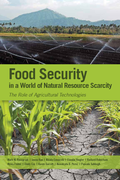
Food Security in a World of Natural Resource Scarcity. The Role of Agricultural Technologies
Mark W. Rosegrant | Jawoo Koo | Nicola Cenacchi; et al.
International Food Policy Research Institute
(2014)
This book is aimed at policymakers in ministries of agriculture and national agricultural research institutes, as well as multilateral development banks and the private sector and provides guidance on various technology strategies and which to pursue as competition grows for land, water, and energy
...
across productive sectors and even increasingly across borders. Climate change, population, and income growth will drive food demand in the coming decades. Food prices are also expected to significantly increase between 2005 and 2050 and the number of people at risk of hunger in the developing world would grow from 881 million in 2005 to more than a billion people by 2050. This book endeavors to respond to the challenge of growing food sustainably without degrading our natural resource bas
more
The companion Handbook on Humanitarian Access presents the normative framework pertaining to humanitarian access in situations of armed conflict, and therefore serves as a useful reference source fo
...
r humanitarian practitioners on the normative framework.
This initial version of the Field Manual – labeled Version 1.0 – was elaborated by Conflict Dynamics International in collaboration with the FDFA and the UN Office for the Coordination of Humanitarian Affairs (OCHA).
Development of the structured approach and guidance contained in this Manuel
involved a consultation process which included bilateral meetings with humanitarian organizations, regional consultation events and consultations during several field visits, including dedicated field missions
more

Overcoming barriers in low- and middle-income countries
For the first time, this year’s report includes information on hepatitis C diagnostics. With a focus on selected countries with diverse HCV epidemics, the report provides updates on the various dimensions of
...
access to HCV diagnostics and pharmaceutical products, including product pricing, the regulatory environment and patent status, which together shape the national hepatitis response in different settings. It highlights key areas for action by ministries of health and other government decision-makers, pharmaceutical manufacturers and technical partners.
more
Guidance to implement the Framework for Action for Food Security and Nutrition in Protracted Crises (CFS-FFA) | Background Note
Improving Access to and Appropriate Use of Medicines for Mental Disorders
recommended
Corrado Barbui, Tarun Dua, Kavitha Kolappa et al.
World Health Organization and Calouste Gulbenkian Foundation
(2017)
C_WHO

Health Policy Plan (2017) 32 (5): 603-612; 10 pp. 318 kB
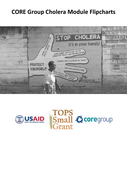
CORE Group has developed a module to improve preparedness for and response of communities in countries at risk of a cholera epidemic. The module consists of four lesson plans with accompanying flipcharts, intended to be delivered through community health workers. The lessons target mothers and careg
...
ivers of children under age five, a group that is at particular risk of death if infected. The module shares information about symptoms and risks; what families can do to prevent infection; how, when, and where to seek care; and what actions to take in the aftermath of an outbreak.
more
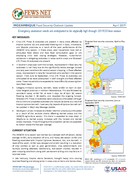
Emergency assistance needs are anticipated to be atypically high through 2019/20 lean season.
The 2018/19 rainy season was marked by a delayed start of season, below average rainfall, early cessation of rains, and heavy late season rainfall and flooding associated with Tropical Cyclones Desmond, I
...
dai, and Kenneth.
In most of the south, rainfall was delayed and erratic resulting in a reduction of area planted as well as poor germination, crop establishment, and multiple planting attempts. Additionally, mid-season dryness resulted in poor cropping conditions along with permanent wilting and crop failure in localized areas.
more
This year’s report should dispel any lingering doubts that the world is moving backwards in its efforts to end hunger, food insecurity and malnutrition in all its forms. We are now only eight years away from 2030, but the distance to reach many of
...
the SDG 2 targets is growing wider each year. There are indeed efforts to make progress towards SDG 2, yet they are proving insufficient in the face of a more challenging and uncertain context. The intensification of the major drivers behind recent food insecurity and malnutrition trends (i.e. conflict, climate extremes and economic shocks) combined with the high cost of nutritious foods and growing inequalities will continue to challenge food security and nutrition. This will be the case until agrifood systems are transformed, become more resilient and are delivering lower cost nutritious foods and affordable healthy diets for all, sustainably and inclusively.
more
HIV, Food Security and Nutrition
UNAIDS (Joint United Nations Programme on HIVAIDS); World Health Organization; WFP World Food Programme
(2008)
C2
Policy Brief
Food safety and antimicrobial resistance research: A One Health perspective. Presented at the Emerging Pathogens Institute Seminar Series, Gainesville, Florida, 26 July 2019
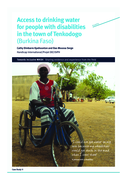
Since 2001, local NGO Dakupa,1 with the support of WaterAid, began to implement a water, sanitation and hygiene (WASH) project in several urban municipalities in the Central East region of Burkina Faso. In line with the principles of equity and inclusion, the objective of this project was to improve
...
access to WASH services for people with
disabilities (PWD) through the construction of accessible water points and latrines. To date, about ten wheelchair accessible standpipes have been constructed in places such as the town of Tenkodogo, the subject of this study.
more
As the number of transboundary pest and animal and foodborne disease outbreaks rises, so does the number of people who are chronically hungry due to these and other factors. The correlation can be explained by the link between our health and that of the planet. We rely on land and sea for the produc
...
tion of safe and quality foods for our daily nourishment. Pests and disease epidemics negatively impact the quality, quantity and safety of our food sources, and cripple economic growth and efficiencies in production. Furthermore, the epidemic and endemic levels of the pathogens and disease vectors can be difficult to control. This is why FAO stresses and promotes the special efforts required for cost-effective preventive measures rather than the more expensive control, disinfestation, treatment and disposal measures. When preventive measures are late or difficult, preparedness and contingency plans must be in place to enable rapid response. Early warning systems, based on close monitoring, surveillance, and timely reporting are fundamental to warn and empower communities to safeguard their livelihoods and assets by enhancing disease and pest prevention measures and for government services to take immediate measures to protect communities and national economies.
more
This Interim Guidance is intended for field coordinators, site managers and public health personnel, as well as national and local governments and the wider humanitarian community working in humanitarian situations at food distribution sites, who ar
...
e involved in the decision making and implementation of multi-sectorial COVID-19 outbreak readiness and response activities – the Guidance is therefore relevant for all Humanitarian Clusters and their partners.
more
Unlike foot and mouth disease, the avian flu, e-coli or listeria, the COVID-19 pandemic has not spread directly through livestock or agriculture commodities, and has therefore not directly disrupted on-farm production. However, the crisis is undermining the ability of farms and agri-enterprises to e
...
nsure consistent supplies of food to markets due to enforced closures, labour shortages resulting from illness, and slowdowns in operations caused by physical distancing and lockdowns.
more
The United Nations Network on Migration is committed to supporting all partners in pursuit of the implementation of the Global Compact for Safe, Orderly and Regular Migration, recognizing that this cooperative framework provides an invaluable tool for ensuring inclusive, collective responses to COVI
...
D-19 and its impact.
To that end, this briefing is part of a series by the Network looking at different aspects of the COVID-19 pandemic and how they relate to migrants and their communities. The document provides practical guidance to States and other stakeholders for an improved common understanding of safe and inclusive access to services for migrants. The brief makes the case for enhanced access to services for migrants in the context of COVID-19 preparedness, prevention, and response – and beyond.
more
This technical report presents results from the FEEDcities Project – eastern Europe and central Asia. This cross-sectional survey was conducted in Ashgabat, Turkmenistan in October 2016 to evaluate the local urban food environment. It characterize
...
d the vending sites, the food offered and the nutritional composition of the industrial and homemade street foods available in these settings. It also described the nutritional composition of ready-to-eat foods sold in supermarkets and at vending sites in food courts. The policy implications of the findings are outlined.
more
The second edition of the joint WHO, WIPO and WTO
publication “Promoting Access to Medical Technologies
and Innovation: Intersections between public health,
intellectual property and trade” (the Trilateral Study),*
...
published in 2020, included a special insert mapping the
challenges posed by the COVID-19 pandemic in relation
to the integrated health, trade and IP policy framework set
out in the study. The Trilateral Study and the special insert
were designed to serve as background reference for policy-
makers in the widest sense – lawmakers, government
officials, delegates to international organizations, non-
governmental organizations (NGOs) and researchers
who seek a comprehensive presentation of the full range
of issues, including institutions and legal concepts with
which they may be unfamiliar. It is also designed to serve
as a factual resource for the three organizations’ technical
cooperation activities.
This update revises the information contained in that
insert in the light of more recent developments as of
30 August 2021. Further updates will be made to reflect
subsequent developments.
more
English Analysis on World about Agriculture, Climate Change and Environment, Epidemic and more; published on 15 Dec 2021 by FAO and UNICEF
English Analysis on World about Food and Nutrition and Epidemic; published on 13 Dec 2021 by FAO
Tracking progress on food and agriculture-related SDG indicators 2021 -
Food and Agriculture Organization of the United Nations

Lancet Glob Health 2021 Published Online December 13, 2021 https://doi.org/10.1016/S2214-109X(21)00463-
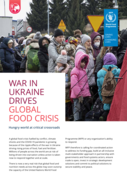
A global food crisis fuelled by conflict, climate shocks and the COVID-19 pandemic is growing because of the ripple effects of the war in Ukraine driving rising prices of food, fuel and fertilizer.
...
Millions of people across the world are at risk of being driven into starvation unless action is taken now to respond together and at scale. Due to the unprecedented overlap of crises, WFP’s annual operational requirements are at an all-time high of US$22.2 billion, with confirmed contributions so far at US$4.8 billion (22 percent). WFP is calling for coordinated action to address this crisis.
more
Lancet Planet Health 2022;6: e760–68
The emergence of COVID-19 has drawn the attention of health researchers sharply back to the role that food systems can play in generating human disease burden. But emerging pandemic threats are just one dimens
...
ion of the complex relationship between agriculture and infectious disease, which is evolving rapidly, particularly in low-income and middle-income countries (LMICs) that are undergoing rapid food system transformation. This changing relationship is examined through four current disease issues.
more

The number of people facing acute food insecurity1 is growing at an alarming rate in the European Union (EU) Member States of Central Eastern Europe. COVID-19 and the resulting disruption to global markets, trade, and
...
food supply chains have negatively affected food security since 2020; now, this has been compounded by the Russian invasion of Ukraine. Women and girls who have been displaced from Ukraine into Hungary are facing tremendous obstacles to their safety and wellbeing, particularly given the link between food insecurity and gender-based violence (GBV). Urgent policy responses and concrete actions are needed to support low-income households and vulnerable communities, particularly women and their families displaced from Ukraine, to stem this growing crisis.
more
Kangaroo mother care (KMC) is a critical strategy to care for preterm and low birth weight infants in resource-limited settings. Despite evidence of its effectiveness and low cost, coverage has remained low, largely due to sociocultural barriers. We aimed to better understand social norms and commun
...
ity perceptions of preterm infants and KMC (facility-initiated and community-continued) in Malawi, a country with a high preterm birth rate, to inform a pilot social and behavior change program.
more
Policy Brief 2 June 2020
The COVID-19 pandemic is a health and human crisis threatening the food security and nutrition of millions of people around the world. Hundreds of millions of people were already suffering from hunger and malnutrition befor
...
e the virus hit and, unless immediate action is taken, we could see a global food emergency. In the longer term, the combined effects of COVID-19 itself, as well as corresponding mitigation measures and the emerging global recession could, without large-scale coordinated action, disrupt the functioning of food systems. Such disruption can result in consequences for health and nutrition of a severity and scale unseen for more than half a century.
more
FAO speech: The Problem of Food Loss: Challenges from the Catholic Social Teaching and Responses from Caritas
Cardinal Luis Antonio G. Tagle, Archbishop of Manila, President of Caritas Internationalis
Caritas Internationalis
(2019)
CC
Speech of the President of Caritas Internationalis to the FAO regarding food loss and responses from Caritas
The acute food insecurity and malnutrition situation in South Sudan is deteriorating as a result of the economic crisis, repeated climatic shocks – primarily widespread flooding – and conflict and insecurity. The inflow of returnees and refugees
...
fleeing the conflict in Sudan is exacerbating the situation – putting additional pressure on an already fragile country.
more
This scoping study done in Myanmar offers the chance for FoodSTART+ to explore prospects for future partnerships in another important country of the region. The study was done from October 2016 to February 2017 and included visits to selected major potato and cassava production areas to meet with re
...
spective stakeholders and market actors.
Although root and tuber crop (RTC) production in Myanmar has gradually increased since the late 1990s, they still lag behind the other major crops like rice. No RTCs are included in the country’s list of primary important crops even though potatoes are regularly consumed in daily meals while other common RTCs like cassava, elephant foot yam and sweetpotato are consumed occasionally. RTCs primarily contribute to food security and livelihoods through the income generated from their sale, whether fresh or processed, rather than directly through consumption. more
Although root and tuber crop (RTC) production in Myanmar has gradually increased since the late 1990s, they still lag behind the other major crops like rice. No RTCs are included in the country’s list of primary important crops even though potatoes are regularly consumed in daily meals while other common RTCs like cassava, elephant foot yam and sweetpotato are consumed occasionally. RTCs primarily contribute to food security and livelihoods through the income generated from their sale, whether fresh or processed, rather than directly through consumption. more

An evaluation of WFP’s operation. Evaluation Report
The Protracted Relief and Recovery Operation (PRRO) main components include: relief assistance; food assistance for assets (FFA); nutrition support to women, children and HIV/TB patients; sc ... hool feeding (SF) and capacity building. The evaluation scope covers the design phase and all activities up to this evaluation (January 2013-September 2016). Since the PRRO was extended through December 2017, the purpose is not as a final evaluation, but to provide results on achievements that can inform current and future operations more
The Protracted Relief and Recovery Operation (PRRO) main components include: relief assistance; food assistance for assets (FFA); nutrition support to women, children and HIV/TB patients; sc ... hool feeding (SF) and capacity building. The evaluation scope covers the design phase and all activities up to this evaluation (January 2013-September 2016). Since the PRRO was extended through December 2017, the purpose is not as a final evaluation, but to provide results on achievements that can inform current and future operations more
Disability Inclusion in Drought and Food Crisis Emergency Response
CBM, Handicap International, Kenya Red Cross Society and the Association of the Physically Disabled of Kenya
CBM Australia; CBM Emergency Response Unit
(2011)
This factsheet provides base level information to practitioners for awareness raising, training, advocacy, project design and proposal writing. The information may be used and sent out widely, with reference to the Kenya Red Cross, The Association of the Physically Disabled of Kenya, CBM and Handica
...
p International. The overall information in this factsheet is also applicable to older persons and other vulnerable groups
more
Globally each year, millions of people suffer illness or lose their lives because the vaccines, medicines and diagnostic tests that they need are either unavailable or unaffordable – and this lack of access to medicine is acute in low- and middle-
...
in-
come countries (LMICs). While the COVID-19 pandemic laid this inequity bare, it also saw the pharmaceutical industry develop and bring new vaccines and treat- ments to market at unprecedented speed. As the world emerges from the worst
of this crisis, pharmaceutical companies are now at an important juncture, where lessons learned from the pandemic can prove pivotal in finding solutions to bridge long-standing gaps in access to medicine in LMICs.
more
A “catastrophic” combination of drought and communities’ declining resilience has left an estimated 2.3 million people facing severe acute food insecurity – up from an estimate of 1.7 million people a month ago.
Communities across souther
...
n Africa have been affected by drought since late 2018.
This year, large parts of southern and western Zambia received their lowest seasonal rainfall totals since at least 1981, the base year from which normal rainfall is benchmarked. At the same time, northern and eastern parts of the country were affected by flash floods and waterlogging, resulting in poor harvests.
more
Using TRIPS flexibilities to improve access to HIV treatment
UNAIDS (Joint United Nations Programme on HIVAIDS); World Health Organization; UNDP
(2019)
C2
Policy Brief
Accessed: 20.11.2019
HIV & opportunistic infection treatment: Spotlight on access gaps
MSF Médecins sans Frontières
(2019)
C2
Médecins sans Frontières access campaign
Issue Brief
Accessed: 28.11.2019
Taking the whole of Africa approach to fighting the COVID-19 pandemic has and will continue to require coordinated efforts from multiple stakeholders from across the continent. Africa CDC would like to acknowledge the deep partnership and continued support of AUDA-NEPAD, AVAREF, WHO AFRO, the Bill a
...
nd Melinda Gates Foundation and the Mastercard Foundation. These partners have helped to shape and drive the continent’s strategic response to the COVID-19 pandemic and have offered support to ensure the continent receives a fair and equitable share of the COVID-19 vaccine without delay.
We look forward to continuing and deepening our partnership for the benefit of the public health of Africa.
more
How to address the global crisis in antibiotic research and development.
The report includes a comprehensive summary and critical evaluation of recent initiatives to overcome the barriers to achieve sustainable access to antibiotics. As antibiotic
...
resistance will continue to develop as long as we depend on these medicines to treat bacterial infections, a continuous supply of new effective antibiotics is needed. The report identifies five key challenges that must be solved in order to achieve sustainable access for all, and charts out options for governmental action in response to each of them.
more
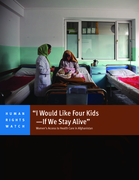
Over the past two decades, Afghanistan has depended on international donor support to fund essential services like health care. But this donor support has been falling for years and will likely to continue do so—perhaps precipitously—following the announcement by United States President Joe Bide
...
n that the US will withdraw all US forces from Afghanistan by September 11, 2021. This decline in funding has already had a harmful—and life-threatening—impact on the lives of many Afghan women and girls, as it affects access to, and quality of, health care.
more
High prices, hard-to-access human insulin, few insulin producers, and weak health systems are just some of the barriers that people with diabetes face a century after insulin was discovered, WHO notes in a new report
Call to action by the Global Leaders Group on Antimicrobial Resistance on reducing antimicrobial discharges from food systems, manufacturing facilities and human health systems into the environment.
French and European food systems need to be trans- formed in order to address health, environmental and social challenges.
2016 ASCO EDUCATIONAL BOOK | asco.org/edbo
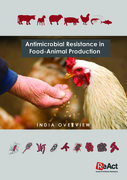
Indian markets caused a stir across the country.1
According to the Centre for Science and the Environment (CSE), a respected New Delhi-based NGO, most honey brands
sold in India contained varying amounts of antibiotics. Their consumption over time could induce resistance to antibiotics,
putting p
...
eople at risk of treatment failure in case of severe infections.
For the study, 12 samples were picked in Delhi, all well-known brands, including one each from Australia and Switzerland.
Antibiotics found included Chloramphenicol and various broad-spectrum drugs such as Ciprofloxacin and Erythromycin.
more
Access to NCD medicines: emergent issues during the COVID-19 pandemic and key structural factors
recommended
The coronavirus disease (COVID-19) pandemic exacerbated pre-existing inequalities in the treatment and care of noncommunicable diseases (NCDs). This report examines the effect of the COVID-19 pandemic on access to NCD medicines, and the policies and
...
strategies implemented by countries and health systems to anticipate and mitigate stresses across NCD medicine supply chains. The full range of upstream and downstream impacts are investigated, including: manufacturing; procurement, importation and last mile delivery; patient-level effects through affordability and availability; and the effects on NCD medicine availability by category of disease. The report culminates in recommended actions and interventions for key stakeholders in the NCD pharmaceutical supply chain, including governments, regulatory authorities, manufacturers and the private sector; as well as directions for future research for improving access and supply chain access resilience.
more
Traditional food markets play important economic, cultural, and social role and are sources of livelihood for millions of people in urban and rural areas. The manual Five keys for safer traditional food
...
markets: risk mitigation in traditional food markets in the Asia-Pacific Region aims to support and guide local authorities, market community, and consumers to transform these markets into safer and healthier places through practical risk mitigation measures and community engagement strategies. The manual provides guidance on the implementation of five keys to promote public health and safety, particularly, in the context of food safety, zoonoses diseases, and infectious respiratory diseases.
more
The availability of controlled medicines is crucial for patients requiring palliative care, pain relief and symptom management. Many individuals worldwide, especially in low- and middle-income countries, continue to experience limited access to thes
...
e essential medicines. Enhancing access to controlled medicines is paramount in promoting universal health coverage. This report offers a detailed situational analysis of policies and programmes aimed at improving access to affordable, high-quality controlled medicines for pain management in the WHO South-East Asia Region. The report identifies the existing barriers, challenges and possible solutions to facilitate access to such medicines across all Member States.
more
The WHO standard: Universal access to rapid tuberculosis diagnostics sets benchmarks to achieve universal access to WHO-recommended rapid diagnostics (WRDs), increase bacteriologically confirmed tub
...
erculosis and drug resistance detection, and reduce the time to diagnosis. WHO-recommended rapid diagnostics are highly accurate, cost-effective, reduce the time to treatment initiation, and impact patient-important outcomes.
more
The coronavirus disease (COVID-19) pandemic exacerbated pre-existing inequalities in the treatment and care of noncommunicable diseases (NCDs). This report examines the effect of the COVID-19 pandemic on access to NCD medicines, and the policies and
...
strategies implemented by countries and health systems to anticipate and mitigate stresses across NCD medicine supply chains. The full range of upstream and downstream impacts are investigated, including: manufacturing; procurement, importation and last mile delivery; patient-level effects through affordability and availability; and the effects on NCD medicine availability by category of disease. The report culminates in recommended actions and interventions for key stakeholders in the NCD pharmaceutical supply chain, including governments, regulatory authorities, manufacturers and the private sector; as well as directions for future research for improving access and supply chain access resilience.
more
The outbreak of COVID-19 comes with unpredictable primary and secondary impacts on vulnerable and food-insecure populations across the world. Mortality and morbidity appear to be most acute for elderly people, and those with underlying h
...
ealth conditions. At the same time, the widely anticipated economic downturn could have a more devastating effect on the world’s poor than the virus itself
more
This technical report describes the results of a cross-sectional survey conducted in Dushanbe, Tajikistan, between April and May 2016, as part of the FEEDcities Project – Eastern Europe and Central Asia. The aim was to describe the local street food
...
environment: the characteristics of the vending sites, the food offered and the nutritional composition of the industrial and homemade foods usually consumed in these settings.
The study was part of a bilateral partnership between WHO and the Institute of Public Health of the University of Porto, Portugal, in collaboration with the Faculty of Medicine, the Faculty of Nutrition and Food Sciences and the Faculty of Pharmacy of the University of Porto (WHO registration numbers 2015/591370 and 2017/698514).
more
This technical report contains the results from the FEEDcities Project – Eastern Europe and Central Asia, a cross-sectional survey of the local urban food environment conducted in Chișinău, Republic of Moldova between June and August 2016. It ch
...
aracterizes the vending sites, the food offered and the nutritional composition of both industrial and homemade street foods. It also describes the nutritional composition of foods sold in supermarkets and fast-food outlets.
The study was conducted within a bilateral partnership between the World Health Organization and the Institute of Public Health of the University of Porto, in collaboration with the Faculty of Medicine, the Faculty of Nutrition and Food Sciences and the Faculty of Pharmacy of the University of Porto (WHO registration 2015/591370 and 2017/698514). The study was funded through a voluntary contribution of the Ministry of Health of the Russian Federation.
more
This technical report presents the results of a cross-sectional survey conducted in Bishkek, Kyrgyzstan, between June and July 2016, as part of the FEEDcities Project – Eastern Europe and Central Asia. The aim was to describe the local street food
...
environment: the characteristics of the vending sites, the food offered and the nutritional composition of the industrial and homemade foods often available in these settings. The report also provides guidance for policies to translate the findings into action.
more
This technical report presents the results of a cross-sectional survey conducted in Banja Luka, the Republika Srpska, Bosnia and Herzegovina, between July and August 2017, as part of the FEEDcities Project (Food Environment Description in cities –
...
eastern Europe and central Asia). The aim of the report is to describe the city’s local street food and takeaway food environment, exploring the characteristics of food vending sites, the industrially produced and homemade foods they typically offer, and the nutritional composition of these foods. Finally, the report provides guidance on how to address its findings through policy action.
more
This technical report presents the results of a cross-sectional survey conducted in Sarajevo, the Federation of Bosnia and Herzegovina, Bosnia and Herzegovina, between June and August 2017, as part of the FEEDcities Project (Food Environment Descrip
...
tion in cities – eastern Europe and central Asia). The aim of the report is to describe the city’s local street food and takeaway food environment, exploring the characteristics of food vending sites, the industrially produced and homemade foods they typically offer, and the nutritional composition of these foods. Finally, the report provides guidance on how to address its findings through policy action.
The study was conducted through a bilateral partnership between the World Health Organization (WHO) and the Institute of Public Health of the University of Porto, in collaboration with the Faculty of Medicine, the Faculty of Nutrition and Food Sciences, the Faculty of Pharmacy of the University of Porto (WHO registration 2015/591370 and 2017/698514) and the Institute of Public Health of the Federation of Bosnia and Herzegovina. The study was funded through a voluntary contribution of the Ministry of Health of the Russian Federation, and through a contribution made by the Swiss Agency for Development and Cooperation (SDC)/Swiss Government to a joint WHO/SDC project, “Reducing Health Risk Factors in Bosnia and Herzegovina: Developing and Advancing Modern and Sustainable Public Health Strategies, Capacities and Services to Improve Population Health”, implemented in Bosnia and Herzegovina.
more
Links to the Humanitarian Charter and international law

This field study to measure access to and use of medicines was undertaken in GHANA in May-June 2008. The study assessed information on the socio-economic level of households, and ac
...
cess to and use of medicines for acute and chronic conditions as well as opinions and perceptions about medicines. The survey was conducted in six regions. In each region, six reference public heath care facilities were selected among those participating in the Level II Facility Survey that was carried out in parallel. Within defined distances from each reference public health care facility, households were selected by purposive cluster sampling. A total of 1065 household respondents were interviewed by means of a structured paper questionnaire
more
Lancet Planet Health 2017 Published Online November 6, 2017 http://dx.doi.org/10.1016/S2542-5196(17)30141-9
Policy note: Cambodia Health Systems in Transition.
The health system includes a mix of public and private providers. The use of private providers is much greater among the wealthy, while the use of informal-sector health providers is greater among the poor. Due to these circumstances there is ... considerable scope to establish appropriate public-private cooperation and to reinforce the regulatory mandate of the Ministry of Health (MOH). more
The health system includes a mix of public and private providers. The use of private providers is much greater among the wealthy, while the use of informal-sector health providers is greater among the poor. Due to these circumstances there is ... considerable scope to establish appropriate public-private cooperation and to reinforce the regulatory mandate of the Ministry of Health (MOH). more
22.9% of surveyed Syrian refugees aged 2 years and above had disabilities (1,374 persons out of 6,003 persons): 13.8% in Azraq camp, 23.5% in Irbid and 30.5% in Zaatari camp. Understanding disability as the level of difficulties a person is facing when performing basic activities that could put him/
...
her at risk of not participating in society, the prevalence of disability found by the study was markedly higher than the existing disability statistics at around 2-3% to less than 10%, many of which used questions focusing on a person’s medical conditions or impairments.
more
Disability. Assessment among Syrian Refugees in Jordan and Lebanon
The growing challenges for people in low and middle-income countries to access new medicines.
Analysis 58
UNAIDS Action Framework: Universal Access for Men who have Sex with Men and Transgender People
Joint United Nations Programme on HIVAIDS (UNAIDS); UNDP
(2009)
C2
Antimicrobials are widely used in food animal production, and use is rapidly increasing.
In an era of growing demand for animal products, there is an increasing trend towards the industrial production of
...
food animals, especially in lower- and middle-income countries (LMICs). One hallmark of this method of animal production is the
use of antimicrobial drugs, which in the majority of cases are administered to healthy animals for purposes other than
treating or controlling disease (termed “therapeutic uses”)
more
The ongoing COVID-19 pandemic presents an exceptional and unprecedented challenge for competent authoritiesa with responsibilities for national food safety control systemsb to continue conducting routine functions and activitie
...
s in accordance with national regulations and international recommendations. In many countries, competent authority staff are largely working from home, teleworking being the normal practice, and all face-to-face meetings cancelled or rescheduled as teleconferences. It is challenging to maintain, without interruption, routine activities such as the inspection of food business operations, certifying exports, control of imported foods, monitoring and surveillance of the safety of the food supply chain, sampling and analysis of food, managing food incidents, providing advice on food safety and food regulations for the food industry, and communicating on food safety issues with the public.
more
This technical report presents results from the FEEDcities Project – Eastern Europe and Central Asia, a cross-sectional survey conducted in Almaty, Aktau and Kyzylorda, Kazakhstan, between July and August 2017, to evaluate the local street food en
...
vironment. It characterized the vending sites, the food offered and the nutritional composition of the industrial and homemade foods available in these settings. The policy implications of the findings are outlined.
The study was conducted within a bilateral partnership between WHO and the Institute of Public Health of the University of Porto, in collaboration with the Faculty of Medicine, the Faculty of Nutrition and Food Sciences and the Faculty of Pharmacy of the University of Porto (WHO registration 2015/591370 and 2017/698514). The study was funded through a biennial collaborative agreement and joint programmes between the Government of Kazakhstan and United Nations agencies in Kazakhstan for Kyzylorda and Mangystau oblasts, a voluntary contribution by the Ministry of Health of the Russian Federation and the Resolve to Save Lives project of Bloomberg Philanthropies.
more
Community health worker teams are potential game-changers in ensuring access to care in vulnerable communities. Who are they? What do they actually do? Can they help South Africa realize universal health coverage? As the proactive arm of the health
...
services, community health workers teams provide household and community education, early screening, tracing and referrals for a range of health and social services. There is little local or global evidence on the household services provided by such teams, beyond specific disease-oriented activities such as for HIV and TB. This paper seeks to address this gap.
more
13 April 2022
Antimicrobial resistance (AMR) is a threat to global health and development and it contributes to millions of deaths worldwide each year. Inappropriate use and overuse of antibiotics are driving an increase in AMR and have a detrimental impact on the effectiveness of these critical medicines. Throug
...
h the Global Action Plan on AMR, WHO is working to improve the surveillance of antimicrobial resistance and reduce inappropriate antibiotic consumption.
There is a recognized need for high-quality resources to improve antibiotic prescribing globally. To address this need, a pragmatic approach was taken by WHO to develop actionable guidance for empiric antibiotic use.
The WHO AWaRe (Access, Watch, Reserve) antibiotic book provides concise, evidence-based guidance on the choice of antibiotic, dose, route of administration, and duration of treatment for more than 30 of the most common clinical infections in children and adults in both primary health care and hospital settings. The information included in the book supports the recommendations for antibiotics listed on the WHO Model Lists of Essential Medicines and Essential Medicines Children and the WHO AWaRe classification of antibiotics.
The WHO AWaRe antibiotic book is accompanied by summary infographics for each infection for both adults and children that provide a quick-reference guide for health care workers at the point of care.
more
The presence of areas not currently under the control of the Government of Ukraine and security risks arising from active ground conflict and shelling continue to drive high access constraints for oblasts in the south and east of Ukraine.
This repo
...
rt aims to provide a comprehensive comparison of access challenges across different oblasts in Ukraine to inform humanitarian responders and support decision-making.
more
FAO’s component of the Global COVID-19 Humanitarian Response Plan
18.5.2020
In the last quarter of 2019 Southern African Regional Interagency Standing Committee Africa (RIASCO) reported that more than 11 million people were experiencing crisis or emergency levels of food insecurity in nine Southern African countries1 due to
...
deepening drought and climate related crisis. The Southern African Development Community (SADC) urged for urgent humanitarian action, and at the beginning of November 2019 Angola, Botswana, Lesotho and Namibia had declared states of drought emergencies, requiring international assistance to address the worsening food insecurity situation.
more
Front. Vet. Sci., 01 December 2021
Cascading risks from rising prices and supply disruptions, April 2022.
Global resource markets are still reeling from the impacts of Russia’s invasion of Ukraine; the two countries are major suppliers of energy, food and fertilizers. Supply disru
...
ption and the sudden imposition, in response to the crisis, of unprecedented economic sanctions, trade restrictions and policy interventions have caused prices of commodities to skyrocket.
Before the conflict, demand for global resources already exceeded supply and drove up prices as economies rebounded after the COVID-19 pandemic. This gave rise to a global cost-of-living crisis, characterized by increasing levels of energy and food poverty. This situation is likely to become much worse as a consequence of the war in Ukraine, and poses a threat to human security, particularly among low-income and vulnerable populations.
more
The agenda focuses on six critical changes necessary for more children suffering from SAM to access effective treatment. Building on lessons from the last decade, and the experiences of other successful health initiatives, the agenda addresses issue
...
s ranging from the creation of a more enabling environment to stronger mechanisms for tracking progress. It provides a diagnosis of the key challenges in each of these areas to-date and the specific solutions needed to turn things around over the next five years. These solutions require a collective effort at global, regional and national levels. The Agenda lays out Action Against Hunger’s commitments and contributions to these joint efforts
more
