
Filter
5679
Text search:
development
goals
Featured
391
1570
Language
5453
155
123
85
82
51
49
47
15
8
7
7
7
7
7
4
4
4
4
4
4
4
3
3
3
3
3
3
3
3
2
2
2
2
2
2
2
2
2
2
1
1
1
1
1
1
1
1
1
1
1
1
1
1
1
1
1
1
1
1
1
1
1
Document type
3306
1093
521
269
262
93
64
20
18
12
11
2
1
Countries
337
210
195
140
120
119
118
115
99
97
96
94
93
91
84
83
82
80
71
70
55
53
53
47
46
43
42
38
34
33
32
31
30
29
27
27
26
25
25
25
22
18
18
17
17
16
16
16
15
15
14
14
13
13
13
12
11
10
10
10
10
10
9
9
8
8
8
7
7
7
7
6
6
6
5
5
5
5
4
4
4
4
4
4
4
4
4
4
4
4
3
3
3
3
3
3
3
3
3
3
3
2
2
2
2
2
2
2
2
2
2
2
2
2
2
2
2
2
2
2
2
2
2
2
1
1
1
1
1
1
1
1
1
1
1
1
1
1
1
1
1
1
1
1
1
Authors & Publishers
673
234
227
200
173
140
121
101
87
38
32
30
29
29
26
25
25
24
23
22
22
22
21
21
21
21
20
20
20
20
20
18
18
17
17
17
17
16
16
16
16
16
15
15
15
14
14
14
13
13
13
12
12
12
12
12
12
12
11
11
11
11
11
11
11
11
11
10
10
10
10
10
9
9
9
9
9
9
9
8
8
8
8
8
8
8
8
8
8
8
8
8
8
8
8
8
7
7
7
7
7
7
7
7
7
7
6
6
6
6
6
6
6
6
6
6
6
6
6
6
6
6
6
6
6
6
6
6
6
6
6
6
6
6
6
5
5
5
5
5
5
5
5
5
5
5
5
5
5
5
5
5
5
5
5
5
5
5
5
5
5
5
5
5
5
5
5
5
5
5
5
5
5
5
5
4
4
4
4
4
4
4
4
4
4
4
4
4
4
4
4
4
4
4
4
4
4
4
4
4
4
4
4
4
4
4
4
4
4
4
4
4
4
4
4
4
4
4
4
4
4
4
4
4
4
4
4
4
4
4
4
4
4
4
3
3
3
3
3
3
3
3
3
3
3
3
3
3
3
3
3
3
3
3
3
3
3
3
3
3
3
3
3
3
3
3
3
3
3
3
3
3
3
3
3
3
3
3
3
3
3
3
3
3
3
3
3
3
3
3
3
3
3
3
3
3
3
3
3
3
3
3
3
3
3
3
3
3
3
3
3
3
3
3
3
3
3
3
3
3
3
3
3
3
3
3
3
3
3
3
3
3
3
3
3
3
3
3
3
3
3
3
3
3
3
3
3
3
3
3
3
3
3
3
3
3
3
3
3
3
3
3
3
3
3
2
2
2
2
2
2
2
2
2
2
2
2
2
2
2
2
2
2
2
2
2
2
2
2
2
2
2
2
2
2
2
2
2
2
2
2
2
2
2
2
2
2
2
2
2
2
2
2
2
2
2
2
2
2
2
2
2
2
2
2
2
2
2
2
2
2
2
2
2
2
2
2
2
2
2
2
2
2
2
2
2
2
2
2
2
2
2
2
2
2
2
2
2
2
2
2
2
2
2
2
2
2
2
2
2
2
2
2
2
2
2
2
2
2
2
2
2
2
2
2
2
2
2
2
2
2
2
2
2
2
2
2
2
2
2
2
2
2
2
2
2
2
2
2
2
2
2
2
2
2
2
2
2
2
2
2
2
2
2
2
2
2
2
2
2
2
2
2
2
2
2
2
2
2
2
2
2
2
2
2
2
2
2
2
2
2
2
2
2
2
2
2
2
2
2
2
2
2
2
2
2
2
2
2
2
2
2
2
2
2
2
2
2
2
2
2
2
2
2
2
2
2
2
2
2
2
2
2
2
2
2
2
2
2
2
2
2
2
2
2
2
2
2
2
2
2
2
2
2
2
2
2
2
2
2
2
2
2
2
2
2
2
2
2
2
2
2
2
2
2
2
2
2
2
2
2
2
2
2
2
2
2
2
2
2
2
2
2
2
2
2
2
2
2
2
2
2
2
2
2
2
2
2
2
2
2
2
2
2
2
2
2
2
2
2
2
2
2
2
2
2
2
2
2
2
2
2
2
2
2
2
1
1
1
1
1
1
1
1
1
1
1
1
1
1
1
1
1
1
1
1
1
1
1
1
1
1
1
1
1
1
1
1
1
1
1
1
1
1
1
1
1
1
1
1
1
1
1
1
1
1
1
1
1
1
1
1
1
1
1
1
1
1
1
1
1
1
1
1
1
1
1
1
1
1
1
1
1
1
1
1
1
1
1
1
1
1
1
1
1
1
1
1
1
1
1
1
1
1
1
1
1
1
1
1
1
1
1
1
1
1
1
1
1
1
1
1
1
1
1
1
1
1
1
1
1
1
1
1
1
1
1
1
1
1
1
1
1
1
1
1
1
1
1
1
1
1
1
1
1
1
1
1
1
1
1
1
1
1
1
1
1
1
1
1
1
1
1
1
1
1
1
1
1
1
1
1
1
1
1
1
1
1
1
1
1
1
1
1
1
1
1
1
1
1
1
1
1
1
1
1
1
1
1
1
1
1
1
1
1
1
1
1
1
1
1
1
1
1
1
1
1
1
1
1
1
1
1
1
1
1
1
1
1
1
1
1
1
1
1
1
1
1
1
1
1
1
1
1
1
1
1
1
1
1
1
1
1
1
1
1
1
1
1
1
1
1
1
1
1
1
1
1
1
1
1
1
1
1
1
1
1
1
1
1
1
1
1
1
1
1
1
1
1
1
1
1
1
1
1
1
1
1
1
1
1
1
1
1
1
1
1
1
1
1
1
1
1
1
1
1
1
1
1
1
1
1
1
1
1
1
1
1
1
1
1
1
1
1
1
1
1
1
1
1
1
1
1
1
1
1
1
1
1
1
1
1
1
1
1
1
1
1
1
1
1
1
1
1
1
1
1
1
1
1
1
1
1
1
1
1
1
1
1
1
1
1
1
1
1
1
1
1
1
1
1
1
1
1
1
1
1
1
1
1
1
1
1
1
1
1
1
1
1
1
1
1
1
1
1
1
1
1
1
1
1
1
1
1
1
1
1
1
1
1
1
1
1
1
1
1
1
1
1
1
1
1
1
1
1
1
1
1
1
1
1
1
1
1
1
1
1
1
1
1
1
1
1
1
1
1
1
1
1
1
1
1
1
1
1
1
1
1
1
1
1
1
1
1
1
1
1
1
1
1
1
1
1
1
1
1
1
1
1
1
1
1
1
1
1
1
1
1
1
1
1
1
1
1
1
1
1
1
1
1
1
1
1
1
1
1
1
1
1
1
1
1
1
1
1
1
1
1
1
1
1
1
1
1
1
1
1
1
1
1
1
1
1
1
1
1
1
1
1
1
1
1
1
1
1
1
1
1
1
1
1
1
1
1
1
1
1
1
1
1
1
1
1
1
1
1
1
1
1
1
1
1
1
1
1
1
1
1
1
1
1
1
1
1
1
1
1
1
1
1
1
1
1
1
1
1
1
1
1
1
1
1
1
1
1
1
1
1
1
1
1
1
1
1
1
1
1
1
1
1
1
1
1
1
1
1
1
1
1
1
1
1
1
1
1
1
1
1
1
1
1
1
1
1
1
1
1
1
1
1
1
1
1
1
1
1
1
1
1
1
1
1
1
1
1
1
1
1
1
1
1
1
1
1
1
1
1
1
1
1
1
1
1
1
1
1
1
1
1
1
1
1
1
1
1
1
1
1
1
1
1
1
1
1
1
1
1
1
1
1
1
1
1
1
1
1
1
1
1
1
1
1
1
1
1
1
1
1
1
1
1
1
1
1
1
1
1
1
1
1
1
1
1
1
1
1
1
1
1
1
1
1
1
1
1
1
1
1
1
1
1
1
1
1
1
1
1
1
1
1
1
1
1
1
1
1
1
1
1
1
1
1
1
1
1
1
1
1
1
1
1
1
1
1
1
1
1
1
1
1
1
1
1
1
1
1
1
1
1
1
1
1
1
1
1
1
1
1
1
1
1
1
1
1
1
1
1
1
1
1
1
1
1
1
1
1
1
1
1
1
1
1
1
1
1
1
1
1
1
1
1
1
1
1
1
1
1
1
1
1
1
1
1
1
1
1
1
1
1
1
1
1
1
1
1
1
1
1
1
1
1
1
1
1
1
1
1
1
1
1
1
1
1
1
1
1
1
1
1
1
1
1
1
1
1
1
1
1
1
1
1
1
1
1
1
1
1
1
1
1
1
1
1
1
1
1
1
1
1
1
1
1
1
1
1
1
1
1
1
1
1
1
1
1
1
1
1
1
1
1
1
1
1
1
1
1
1
1
1
1
1
1
1
1
1
1
1
1
1
1
1
1
1
1
1
1
1
1
1
1
1
1
1
1
1
1
1
1
1
1
1
1
1
1
1
1
1
1
1
1
1
1
1
1
1
1
1
1
1
1
1
1
1
1
1
1
1
1
1
1
1
1
1
1
1
1
1
1
1
1
1
1
1
1
1
1
1
1
1
1
1
1
1
1
1
1
1
1
1
1
1
1
1
1
1
1
1
1
1
1
1
1
1
1
1
1
1
1
1
1
1
1
1
1
1
1
1
1
1
1
1
1
1
1
1
1
1
1
1
1
1
1
1
1
1
1
1
1
1
1
1
1
1
1
1
1
1
1
1
1
1
1
1
1
1
1
1
1
1
1
1
1
1
1
1
1
1
1
1
1
1
1
1
1
1
1
1
1
1
1
1
1
1
1
1
1
1
1
1
1
1
1
1
1
1
1
1
1
1
1
1
1
1
1
1
1
1
1
1
1
1
1
1
1
1
1
1
1
1
1
1
1
1
1
1
1
1
1
1
1
1
1
1
1
1
1
1
1
1
1
1
1
1
1
1
1
1
1
1
1
1
1
1
1
1
1
1
1
1
1
1
1
1
1
1
1
1
1
1
1
1
1
1
1
1
1
1
1
1
1
1
1
1
1
1
1
1
1
1
1
1
1
1
1
1
1
1
1
1
1
1
1
1
1
1
1
1
1
1
1
1
1
1
1
1
1
1
1
1
1
1
1
1
1
1
1
1
1
1
1
1
1
1
1
1
1
1
1
1
1
1
1
1
1
1
1
1
1
1
1
1
1
1
1
1
1
1
1
1
1
1
1
1
1
1
1
1
1
1
1
1
1
1
1
1
1
1
1
1
1
1
1
1
1
1
1
1
1
1
1
1
1
1
1
1
1
1
1
1
1
1
1
1
1
1
1
1
1
1
1
1
1
1
1
1
1
1
1
1
1
1
1
1
1
1
1
1
1
1
1
1
1
1
1
1
1
1
1
1
1
1
1
1
1
1
1
1
1
1
1
1
1
1
1
1
1
1
1
1
1
1
1
1
1
1
1
1
1
1
1
1
1
1
1
1
1
1
1
1
1
1
1
1
1
1
1
1
1
1
1
1
1
1
1
1
1
1
1
1
1
1
1
1
1
1
1
1
1
1
1
1
1
1
1
1
1
1
1
1
1
1
1
1
1
1
1
1
1
1
1
1
1
1
1
1
1
1
1
1
1
1
1
1
1
1
1
1
1
1
1
1
1
1
1
1
1
1
1
1
1
1
1
1
1
1
1
1
1
1
1
1
1
1
1
1
1
1
1
1
1
1
1
1
1
1
1
1
1
1
1
1
1
1
1
1
1
1
1
1
1
1
1
1
1
1
1
1
1
1
1
1
1
1
1
1
1
1
1
1
1
1
1
1
1
1
1
1
1
1
1
1
1
1
1
1
1
1
1
1
1
1
1
1
1
1
1
1
1
1
1
1
1
1
1
1
1
1
1
1
1
1
1
1
1
1
1
1
1
1
1
1
1
1
1
1
1
1
1
1
1
1
1
1
1
1
1
1
1
1
1
1
1
1
1
1
1
1
1
1
1
1
1
1
1
1
1
1
1
1
1
1
1
1
1
1
1
1
1
1
1
1
1
1
1
1
1
1
1
1
1
1
1
1
1
1
1
1
1
1
1
1
1
1
1
1
1
1
1
1
1
1
1
1
1
1
1
1
1
1
1
1
1
1
1
1
1
1
1
1
1
1
1
1
1
1
1
1
1
1
1
1
1
1
1
1
1
1
1
1
1
1
1
1
1
1
1
1
1
1
1
1
1
1
1
1
1
1
1
1
1
1
1
1
1
1
1
1
1
1
1
1
1
1
1
1
1
1
1
1
1
1
1
1
1
1
1
1
1
1
1
1
1
1
1
1
1
1
1
1
1
1
1
1
1
1
1
1
1
1
1
1
1
1
1
1
1
1
1
1
1
1
1
1
1
1
1
1
1
1
1
1
1
1
1
1
1
1
1
1
1
1
1
1
1
1
1
1
1
1
1
1
1
1
1
1
1
1
1
1
1
1
1
1
1
1
1
1
1
1
1
1
1
1
1
1
1
1
1
1
1
1
1
1
1
1
1
1
1
1
1
1
1
1
1
1
1
1
1
1
1
1
1
1
1
1
1
1
1
1
1
1
1
1
1
1
1
1
1
1
1
1
1
1
1
1
1
1
1
1
1
1
1
1
1
1
1
1
1
1
1
1
1
1
1
1
1
1
1
1
1
1
1
1
1
1
1
1
1
1
1
1
1
1
1
1
1
1
1
1
1
1
1
1
1
1
1
1
1
1
1
1
1
1
1
1
1
1
1
1
1
1
1
1
1
1
1
1
1
1
1
1
1
1
1
1
1
1
1
1
1
1
1
1
1
1
1
1
1
1
1
1
1
1
1
1
1
1
1
1
1
1
1
1
1
1
1
1
1
1
1
1
1
1
1
1
1
1
1
1
1
1
1
1
1
1
1
1
1
1
1
1
1
1
1
1
1
1
1
1
1
1
1
1
1
1
1
1
1
1
1
1
1
1
1
1
1
1
1
1
1
1
1
1
1
1
1
1
1
1
1
1
1
1
1
1
1
1
1
1
1
1
1
1
1
1
1
1
1
1
1
1
1
1
1
1
1
1
1
1
1
1
1
1
1
1
1
1
1
1
1
1
1
1
1
1
1
1
1
1
1
1
1
1
1
1
1
1
1
1
1
1
1
1
1
1
1
1
1
1
1
1
1
1
1
1
1
1
1
1
1
1
1
1
1
1
1
1
1
1
1
1
1
1
1
1
1
1
1
1
1
1
1
1
1
1
1
1
1
1
1
1
1
1
1
1
1
1
1
1
1
1
1
1
1
1
1
1
1
1
1
1
1
1
1
1
1
1
1
1
1
1
1
1
1
1
1
1
1
1
1
1
1
1
1
1
1
1
1
1
1
1
1
1
1
1
1
1
1
1
1
1
1
1
1
1
1
1
1
1
1
1
1
1
1
1
1
1
1
1
1
1
1
1
1
1
1
1
1
1
1
1
1
1
1
1
1
1
1
1
1
1
1
1
1
1
1
1
1
1
1
1
1
1
1
1
1
1
1
1
1
1
1
1
1
1
1
1
1
1
1
1
1
1
1
1
1
1
1
1
1
1
1
1
1
1
1
1
1
1
1
1
1
1
1
1
1
1
1
1
1
1
1
1
1
1
1
1
1
1
1
1
1
1
1
1
1
1
1
1
1
1
1
1
1
1
1
1
1
1
1
1
1
1
1
1
1
1
1
1
1
1
1
1
1
1
1
1
1
1
1
1
1
1
1
1
1
1
1
1
1
1
1
1
1
1
1
1
1
1
1
1
1
1
1
1
1
1
1
1
1
1
1
1
1
1
1
1
1
1
1
1
1
1
1
1
1
1
1
1
1
1
1
1
1
1
1
1
1
1
1
1
1
1
1
1
1
1
1
1
1
1
1
1
1
1
1
1
1
1
1
1
1
1
1
1
1
1
1
1
1
1
1
1
1
1
1
1
1
1
1
1
1
1
1
1
1
1
1
1
1
1
1
1
1
1
1
1
1
1
1
1
1
1
1
1
1
1
1
1
1
1
1
1
1
1
1
1
1
1
1
1
1
1
1
1
1
1
1
1
1
1
1
1
1
1
1
1
1
1
1
1
1
1
1
1
1
1
1
1
1
1
1
1
1
1
1
1
1
1
1
1
1
1
1
1
1
1
1
1
1
1
1
1
1
1
1
1
1
1
1
1
1
1
1
1
1
1
1
1
1
1
1
1
1
1
1
1
1
1
1
1
1
1
1
1
1
1
1
1
1
1
1
1
1
1
1
1
1
1
1
1
1
1
1
1
1
1
1
1
1
1
1
1
1
1
1
1
1
1
1
1
1
1
1
1
1
1
1
1
1
1
1
1
1
1
1
1
1
1
1
1
1
1
1
1
1
1
1
1
1
1
1
1
1
1
1
1
1
1
1
1
1
1
1
1
1
1
1
1
1
1
1
1
1
1
1
1
1
1
1
1
1
1
1
1
1
1
1
1
1
1
1
1
1
1
1
1
1
1
1
1
1
1
1
1
1
1
1
1
1
1
1
1
1
1
1
1
1
1
1
1
1
1
1
1
1
1
1
1
1
1
1
1
1
1
1
1
1
1
1
1
1
1
1
1
1
1
1
1
1
1
1
1
1
1
1
1
1
1
1
1
1
1
1
1
1
1
1
1
1
1
1
1
1
1
1
1
1
1
1
1
1
1
1
1
1
1
1
1
1
1
1
1
1
1
1
1
1
1
1
1
1
1
1
1
1
1
1
1
1
1
1
1
1
1
1
1
1
1
1
1
1
1
1
1
1
1
1
1
1
1
1
1
1
1
1
1
1
1
1
1
1
1
1
1
1
1
1
1
1
1
1
1
1
1
1
1
1
1
1
1
1
1
1
1
1
1
1
1
1
1
1
1
1
1
1
1
1
1
1
1
1
1
1
1
1
1
1
1
1
1
1
1
1
1
1
1
1
1
1
1
1
1
1
1
1
1
1
1
1
1
1
1
1
1
1
1
1
1
1
1
1
1
1
1
1
1
1
1
1
1
1
1
1
1
1
1
1
1
1
1
1
1
1
1
1
1
1
1
1
1
1
1
1
1
1
1
1
1
1
1
1
1
1
1
1
1
1
1
1
1
1
1
1
1
1
1
1
1
1
1
1
1
1
1
1
1
1
1
1
1
1
1
1
1
1
1
1
1
1
1
1
1
1
1
1
1
1
1
1
1
1
1
1
1
1
1
1
1
1
1
1
1
1
1
1
1
1
1
1
1
1
1
1
1
1
1
1
1
1
1
1
1
1
1
1
1
1
1
1
1
1
1
1
1
1
1
1
1
1
1
1
1
1
1
1
1
1
1
1
1
1
1
1
1
1
1
1
1
1
1
1
1
1
1
1
1
1
1
1
1
1
1
1
1
1
1
1
1
1
1
1
1
1
1
1
1
1
1
1
1
1
1
1
1
1
1
1
1
1
1
1
1
1
1
1
1
1
1
1
1
1
1
1
1
1
1
1
1
1
1
1
1
1
1
1
1
1
1
1
1
1
1
1
1
1
1
1
1
1
1
1
1
1
1
1
1
1
1
1
1
1
1
1
1
1
1
1
1
1
1
1
1
1
1
1
1
1
1
1
1
1
1
1
1
1
1
1
1
1
1
1
1
1
1
1
1
1
1
1
1
1
1
1
1
1
1
1
1
1
1
1
1
1
1
1
1
1
1
1
1
1
1
1
1
1
1
1
1
1
1
1
1
1
1
1
1
1
1
1
1
1
1
1
1
1
1
1
1
1
1
1
1
1
1
1
1
1
1
1
1
1
1
1
1
1
1
1
1
1
1
1
1
1
1
1
1
1
1
1
1
1
1
1
1
1
1
1
1
1
1
1
1
1
1
1
1
1
1
1
1
1
1
1
1
1
1
1
1
1
1
1
1
1
1
1
1
1
1
1
1
1
1
1
1
1
1
1
1
1
1
1
1
1
1
1
1
1
1
1
1
1
1
1
1
1
1
1
1
1
1
1
1
1
1
1
1
1
1
1
1
1
1
1
1
1
1
1
1
1
1
1
1
1
1
1
1
1
1
1
1
1
1
1
1
1
1
1
1
1
1
1
1
1
1
1
1
1
1
1
1
1
1
1
1
1
1
1
1
1
1
1
1
1
1
1
1
1
1
1
1
1
1
1
1
1
1
1
1
1
1
1
1
1
1
1
1
1
1
1
1
1
1
1
1
1
1
1
1
1
1
1
1
1
1
1
1
1
1
1
1
1
1
1
1
1
1
1
1
1
1
1
1
1
1
1
1
1
1
1
1
1
1
1
1
1
1
1
1
1
1
1
1
1
1
1
1
1
1
1
1
1
1
1
1
1
1
1
1
1
1
1
1
1
1
1
1
1
1
1
1
1
1
1
1
1
1
1
1
1
1
1
1
1
1
1
1
1
1
1
1
1
1
1
1
1
1
1
1
1
1
1
1
1
1
1
1
1
1
1
1
1
1
1
1
1
1
1
1
1
1
1
1
1
1
1
1
1
1
1
1
1
1
1
1
1
1
1
1
1
1
1
1
1
1
1
1
1
1
1
1
1
1
1
1
1
1
1
1
1
1
1
1
1
1
1
1
1
1
1
1
1
1
1
1
1
1
1
1
1
1
1
1
1
1
1
1
1
1
1
1
1
1
1
1
1
1
1
1
1
1
1
1
1
1
1
1
1
1
1
1
1
1
1
1
1
1
1
1
1
1
1
1
1
1
1
1
1
1
1
1
1
1
1
1
1
1
1
1
1
1
1
1
1
1
1
1
1
1
1
1
1
1
1
1
1
1
1
1
1
1
1
1
1
1
1
1
1
1
1
1
1
1
1
1
1
1
1
1
1
1
1
1
1
1
1
1
1
1
1
1
1
1
1
1
1
1
1
1
1
1
1
1
1
1
1
1
1
1
1
1
1
1
1
1
1
1
1
1
1
1
1
1
1
1
1
1
1
1
1
1
1
1
1
1
1
1
1
1
1
1
1
1
1
1
1
1
1
1
1
1
1
1
1
1
1
1
1
1
1
1
1
1
1
1
1
1
1
1
1
1
1
1
1
1
1
1
1
1
1
1
1
1
1
1
1
1
1
1
1
1
1
1
1
1
1
1
1
1
1
1
1
1
1
1
1
1
1
1
1
1
1
1
1
1
1
1
1
1
1
1
1
1
1
1
1
1
1
1
1
1
1
1
1
1
1
1
1
1
1
1
1
1
1
1
1
1
1
1
1
1
1
1
1
1
1
1
1
1
1
1
1
1
1
1
1
1
1
1
1
1
1
1
1
1
1
1
1
1
1
1
1
1
1
1
1
1
1
1
1
1
1
1
1
1
1
1
1
1
1
1
1
1
1
1
1
1
1
1
1
1
1
1
1
1
1
1
1
1
1
1
1
1
1
1
1
1
1
Publication Years
1
1
1434
3730
491
17
2
1
1
1
Category
2189
399
302
301
239
134
31
7
2
2
Toolboxes
445
430
336
314
237
222
185
183
161
145
133
127
113
108
76
69
59
53
41
28
22
16
15
3
2
1
The National pharmaceutical policy aligns itself to the Government vision for development of the health sector, as defined in Vision 2020, the Millennium Development
...
Goals and the Economic Development for Poverty Reduction Strategy and the National Health Policy. The pharmacy policy addresses, among other challenges, the establishment of functional National Medicines Regulatory Authority that will implement all the regulatory functions, lack of local manufacturing facilities, lack of pricing policy of health commodities and technologies in private sector. This policy is based on the following key priorities: the Quality assurance, accessibility and the rational use of medicines, other health commodities and technologies.
more
Integrating neglected tropical diseases into global health and development: fourth WHO report on neglected tropical diseases evaluates the changing global public health landscape; assesses progress towards the 2020 targets; and considers the possibl
...
e core elements of a strategic vision to integrating neglected tropical diseases into the 2030 Agenda of the Sustainable Development Goals.
Advances have been made through expanded interventions delivered through five public health approaches: innovative and intensified disease management; preventive chemotherapy; vector ecology and management; veterinary public health services; and the provision of safe water, sanitation and hygiene. In 2015 alone nearly one billion people were treated for at least one disease and significant gains were achieved in relieving the symptoms and consequences of diseases for which effective tools are scarce; important reductions were achieved in the number of new cases of sleeping sickness, of visceral leishmaniasis in South-East Asia and also of Buruli ulcer.
The report also considers vector control strategies and discusses the importance of the draft WHO Global Vector Control Response 2017–2030. It argues that veterinary public health requires a multifaceted approach across the human–animal interface as well as a multisectoral programme of work to protect and improve the physical, mental and social well-being of humans, including veterinary, water, sanitation and hygiene.
Integration of activities and interventions into broader health systems is crucial, and despite challenges, has the potential to accelerate progress towards universal health coverage while advancing the 2030 Agenda.
In short, this report drives the message home that “no one must be left behind”.
more
The International Conference on Population and Development in 1994 set targets for donor funding to support family planning programmes, and recent initiatives such as FP2020 have renewed focus on the need for adequate funding to rights-based family
...
planning. Disbursements supporting family planning disaggregated by donor, recipient country and year are not available for recent years. We estimate international donor funding for family planning in 2003–13, the period covering the introduction of reproductive health targets to the Millennium Development Goals and up to the beginning of FP2020, and compare funding to unmet need for family planning in recipient countries. We used the dataset of donor disbursements to support reproductive, maternal, newborn and child health developed by the Countdown to 2015 based on the Organization for Economic Cooperation and Development Creditor Reporting System.
more
Financing for malaria control has increased as part of international commitments to achieve the Millennium Development Goals (MDGs). We aimed to identify the unmet financial needs that would be biol
...
ogically and economically equitable and would increase the chances of reaching worldwide malaria-control ambitions.
more
An Overview of Current Evidence with Recommendations for Strengthening Community Health Worker Programs to Accelerate Progress in Achieving the Health-related Millennium Development Goals
Unchecked inequality and failure to protect the rights of poorest women could undermine peace and world’s development goals, new UNFPA report warns:
- Only about half of the world’s women hold
...
paid jobs
- Globally, women earn 77 per cent of what men get
- Three in five women worldwide lack maternity leave, many pay "motherhood penalty"
The report is also available in French: https://www.unfpa.org/sites/default/files/sowp/downloads/UNFPA_PUB_2017_FR_swop_Etat_de_la_population_mondiale.pdf; in Spanish: https://www.unfpa.org/sites/default/files/sowp/downloads/UNFPA_PUB_2017_ES_SWOP_Estado_de_la_Poblacion_Mundial.pdf; in Russian: https://www.unfpa.org/sites/default/files/sowp/downloads/UNFPA_PUB_2017_RU_SWOP_NARODONASELENIE_MIRA_V_2017_GODU.pdf and in Arabic: https://www.unfpa.org/sites/default/files/sowp/downloads/UNFPA_PUB_2017_AR_SWOP_Hl_skn_llm_.pdf
more
Declaration of Astana
recommended
Global Conference on Primary Health Care From Alma-Ata towards universal health coverage and the Sustainable Development Goals
Astana, Kazakhstan, 25 and 26 October 2018
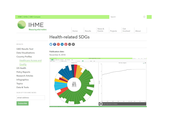
With this tool, users can explore progress made toward achieving the United Nations Sustainable Development Goals (SDGs). Measure progress made by 188 countries from 1990–2015 toward 33 health-re
...
lated indicators, such as mortality rate due to road injuries, prevalence of intimate partner violence among women, maternal mortality ratio, and incidence rate of new HIV cases. See how countries have progressed over time. Share and download figures for later use.
more
Securing the future from drug-resistant infections
Interagency Coordination Group on Antimicrobial Resistance IAGG
World Health Organisation WHO
(2019)
C_WHO
Antimicrobial resistance is a global crisis that threatens a century of progress in health and achievement of the Sustainable Development Goals. There is no time to wait. Unless the world acts urgen
...
tly, antimicrobial resistance will have disastrous impact within a generation.
more
Person-centred recovery planning for mental health and well-being: self-help tool: WHO QualityRights
Ensuring mental health and well-being has become a worldwide imperative and an important target of the Sustainable Development Goals. But in all countries around the world, our response has been woe
...
fully insufficient, and we have made
little progress to advance mental health as a fundamental human right.
One in ten people are affected by a mental health condition, up to 200 million people have an intellectual disability and an estimated 50 million people have dementia. Many persons with mental health conditions, or psychosocial, intellectual, or cognitive disabilities lack access to quality mental health services that respond to their needs and respect their rights and dignity.
more
Ensuring mental health and well-being has become a worldwide imperative and an important target
of the Sustainable Development Goals.
But in all countries around the world, our response has been w
...
oefully insufficient, and we have made
little progress to advance mental health as a fundamental human right.
One in ten people are affected by a mental health condition, up to 200 million people have an
intellectual disability and an estimated 50 million people have dementia. Many persons with mental
health conditions, or psychosocial, intellectual, or cognitive disabilities lack access to quality mental
health services that respond to their needs and respect their rights and dignity.
more
Nurses are critical to deliver on the promise of “leaving no one behind” and the global effort to achieve the Sustainable Development Goals (SDGs). They make a central contribution to national a
...
nd global targets related to a range of health priorities, including universal health coverage, mental health and noncommunicable diseases, emergency preparedness and
response, patient safety, and the delivery of integrated, people-centred care.
No global health agenda can be realized without concerted and sustained efforts to maximize the contributions of the nursing workforce and their roles within interprofessional health teams. To do so requires policy interventions that enable them to have maximum impact and effectiveness by optimizing nurses’ scope and leadership, alongside accelerated investment
in their education, skills and jobs. Such investments will also contribute to the SDG targets related to education, gender, decent work and inclusive economic growth.
This State of the world’s nursing 2020 report, developed by the World Health Organization (WHO) in partnership with the International Council of Nurses and the global Nursing Now campaign, and with the support of governments and wider partners, provides a compelling case on the value of the nursing workforce globally.
more
We created a dataset to generate estimates of donor-reported ‘official development assistance’ and private grants (ODA+) to reproductive, maternal, newborn and child health (RMNCH) by donor, recipient country and activity type over the period 20
...
03–2013. We collected disbursement information from the Organisation for Economic Co-operation and Development Creditor Reporting System (CRS) in January 2015. All 2.1 million records across all sectors were coded based on donor name, project title, short and long descriptions, and CRS code describing the purpose of the disbursement. We classified records according to the degree to which they would promote attainment of Millennium Development Goals 4 and 5 (reproductive and sexual health, maternal and newborn health, and child health). We also classified records according to whether they supported prenatal and neonatal health (PNH). The dataset includes project funding as well as allocating shares of general budget support, health sector support and basket funding. The data can be used to analyse resource flows to RMNCH or to other purposes or beneficiaries of ODA+.
more
Reducing the global suicide mortality rate by a third by 2030 is a target of both the UN Sustainable Development Goals and the WHO Global Mental Health Action Plan. However, an impediment to meeting
...
this goal is the fact that suicide and suicide attempts remain illegal in at least 23 countries worldwide. Decriminalization of suicide and suicide attempts represents one critical step governments can take in their efforts to prevent suicide. The WHO Policy Brief on the health aspects of decriminalization of suicide and suicide attempts cites data and research to make a case for decriminalizing suicide globally. It also includes case examples from countries that have recently decriminalized suicide and suicide attempts — Guyana and Pakistan, Singapore,— providing important insights to policy-makers, legislators, parliamentarians and other decision-makers.
more
Progress in reducing tobacco use is a key indicator for measuring countries’ efforts to implement the WHO Framework Convention on Tobacco Control – target 3.a under the Sustainable Development Goals
...
agenda. Countries have adopted this indicator to report progress also towards the tobacco reduction target under the Global Action Plan for the Prevention and Control of Noncommunicable Diseases 2013–2020 and the WHO’s Global Programme of Work triple billions target. This report presents WHO estimates of tobacco use prevalence for 2022, numbers of users, and trends projected to 2030. Estimates are at global, regional and country-level.
more
The World health statistics report is the annual compilation of health and health-related indicators, which has been published by the World Health Organization since 2005. The 2024 edition reviews more than 50 health-related indicators from the Sustainable
...
Development Goals and WHO’s Thirteenth General Programme of Work. It also highlights the findings from the Global health estimates 2021, notably the impact of the COVID-19 pandemic on life expectancy and healthy life expectancy.
more
This guide focuses on the evaluation of psychosocial programs that are aligned with two main goals: - To promote psychosocial wellbeing by promoting an environment that provides appropriate care, opportunities for
...
development and protects children from exposure to situations that are harmful to their psychosocial wellbeing, and - To respond to psychosocial problems by strengthening social and psychological supports for children who have been exposed to situations that affect their psychological development.
more

The application of digital health technology is growing at a rapid rate in Africa, with the goals of improving the delivery of healthcare services and more effectively reaching out to remote and underserved communities. The lack of enabling guidelin
...
es and standards across the continent, on the other hand, makes it difficult to share data in a meaningful way across the continent.
Considering this, Africa Centres for Disease Control and Prevention (Africa CDC) established a task force of 24 members to provide expertise and guidance in the development of AU HIE guidelines and standards. Members of the task force were subject matter experts working in Africa and internationally on the collection, analysis, and exchange of health information. Some of these experts had been involved in previous consultations on defining Africa CDC’s health information systems strategy. A chairperson, co-chairperson, and secretary were elected to engage the task force members in different technical working groups.
more
Gerechtigkeit zwischen den Geschlechtern zu schaffen ist ein zentrales Anliegen der Weltgemeinschaft. In der
„Agenda 2030 für nachhaltige Entwicklung“ haben die 193 Mitgliedstaaten der Vereinten Nationen dies im Jahr
2015 festgelegt. Kern der Agenda 2030 sind 17 Ziele für na
...
chhaltige Entwicklung (Sustainable Development Goals,
SDG) mit 169 Unterzielen. Geschlechtergerechtigkeit ist dabei ein eigenständiges Ziel mit neun Unterzielen. Hier
und in weiteren neun SDG werden explizit Qürbezüge zu anderen Themen geschaffen.
more
n 2015, Member States of the United Nations adopted the 2030 Agenda for Sustainable Development and its accompanying Sustainable Development Goals
...
(SDGs), with the third goal of the agenda focusing on health – good health and well-being. This has the attainment of universal health coverage (UHC) as its umbrella target. Since then, the WHO Regional Office for Africa has been supporting countries plan, and monitor progress towards this goal. This report represents an analysis of the evidence so far countries are making towards this goal, and includes the effect COVID-19 has had on its attainment so far. It also makes recommendations on how countries can prioritize their health actions post COVID-19, in a manner that allows acceleration of progress towards UHC.
more
Die Handreichung zeigt, wie die von den Vereinten Nationen in 2015 verabschiedete Agenda 2030 mit ihren 17 globalen Zielen für nachhaltige Entwicklung (Sustainable Development Goals, SDGs) in den
...
schulischen Unterricht integriert werden kann und leistet zugleich einen Beitrag zur Realisierung der in den 17 SDGs festgeschriebenen Zielsetzungen.
more
The booklet starts with a general overview of how illicit drugs and the environment are linked within the bigger picture of the Sustainable Development Goals, climate change and environmental sustai
...
nability. It highlights direct and indirect linkages and gives examples of the significant local and individual-level impact that drugs can have on the environment. This is followed by a more in-depth overview of the latest scientific evidence for plant-based drugs and for synthetic drugs. For plant-based drugs, for example, this includes an analysis of the relationship between illicit crop cultivation and deforestation. For synthetic drugs, it includes an analysis of waste composition, volumes, and dumping and discharge, as well as the relation with wastewater treatment.
more

UNFPA aims to achieve three world-changing results by 2030, the deadline for achieving the Sustainable Development Goals. These are: Ending unmet need for family planning, ending gender-based violen
...
ce including harmful practices such as female genital mutilation and child marriage, and ending all preventable maternal deaths. COVID-19 pandemic could critically undermine progress made towards achieving these goals.
more
The government of Rwanda conducted the 2010 Rwanda Demographic and Health Survey (RDHS) to gather up-to-date information for monitoring progress on healthcare programs and policies in Rwanda, including the Economic Development and Poverty Reduction
...
Strategy (EDPRS), the Millennium Development Goals (MDGs),
and Vision 2020. The 2010 RDHS is a follow-up to the 1992, 2000, 2005, and 2007-08 RDHS surveys. Each survey provides data on background characteristics of the respondents, demographic and health indicators, household health expenditures, and domestic violence. The target groups in these surveys were women age 15-49 and men age 15-59
who were randomly selected from households across the country. Information about children age 5 and under also was collected, including the weight and height of the children.
more
MICS surveys measure key indicators that allow countries to generate data for use in
policies and programmes, and to monitor progress towards the Millennium Development Goals (MDGs) and
other inte
...
rnationally agreed upon commitments.
more
This document outlines Rwanda's policy on non-communicable diseases. The overall goal of NCDs Policy is to alleviate the burden of NCDs and their risk factors and protect Rwandan population from premature morbidity and mortality related to NCDs. This policy was developed through a series of consulta
...
tive meetings and workshops of NCDs' core team members of MOH and RBC, National Technical Working Group (TWG), all implementing and non implementing partners and other development partners. This policy was developed in line with the Millennium Development Goals (MDGs), Vision 2020, Rwanda Economic Development Poverty Reduction Strategy (EDPRS II) of 2013-18 and NCDs Global Action Plan 2013-2020 and national Health Policy. This policy focuses on of the following NCDs: Cardiovascular diseases, Chronic Pulmonary Diseases (CPD), Cancers, Diabetes, injuries and disabilities, oral, eye and kidney diseases.
more
March - June 2018
Myanmar introduced Child Death Surveillance and Response (CDSR) in 2015 as an initiative to reduce child (under-5) mortality, an initiative that will contribute to the country’s efforts to meet the Sustainable Development ... Goals (SDG). Technical Guidelines for CDSR were developed in 2015 followed by the development of Training Package in 2016. An Implementation Plan was made in 2016; and this led to all townships implementing CDSR in early 2017. After one year of implementation an assessment was carried out in early 2018.
The assessment was conducted in 3 region/states – Ayeyarwaddy, Magway, Shan South, with information gathered from the state/region, district, township and basic health unit levels. In addition a caretaker interview was conducted to see health-seeking behavior. In addition to these three regions/states, information was also gathered from three other regions/states but only at the region/state level – Mandalay, Yangon, Kachin. more
Myanmar introduced Child Death Surveillance and Response (CDSR) in 2015 as an initiative to reduce child (under-5) mortality, an initiative that will contribute to the country’s efforts to meet the Sustainable Development ... Goals (SDG). Technical Guidelines for CDSR were developed in 2015 followed by the development of Training Package in 2016. An Implementation Plan was made in 2016; and this led to all townships implementing CDSR in early 2017. After one year of implementation an assessment was carried out in early 2018.
The assessment was conducted in 3 region/states – Ayeyarwaddy, Magway, Shan South, with information gathered from the state/region, district, township and basic health unit levels. In addition a caretaker interview was conducted to see health-seeking behavior. In addition to these three regions/states, information was also gathered from three other regions/states but only at the region/state level – Mandalay, Yangon, Kachin. more
Financing Global Health 2018: Countries and Programs in Transition
Institute for Health Metrics and Evaluation (IHME)
Institute for Health Metrics and Evaluation (IHME)
(2019)
C2
This 10th edition of the Institute for Health Metrics and Evaluation’s annual Financing Global Health report provides the most up-to-date estimates of development assistance for health, domestic spending on health, health spending on two key infec
...
tious diseases – malaria and HIV/AIDS – and future scenarios of health spending. Several transitions in global health financing inform this report: the influence of economic development on the composition of health spending; the emergence of other sources of development assistance funds and initiatives; and the increased availability of disease-specific funding data for the global health community. For funders and policymakers with sights on achieving 2030 global health goals, these estimates are of critical importance. They can be used for identifying funding gaps, evaluating the allocation of scarce resources, and comparing funding across time and countries.
more
Updated 17 April 2020
Improving care for women during pregnancy and around the time of childbirth to prevent and treat pre-eclampsia and eclampsia is a necessary step towards the achievement of the health targets of the Sustainable Development
...
Goals (SDGs). Efforts to prevent and reduce morbidity and mortality due to these conditions can help address the profound inequities in maternal and perinatal health globally. To achieve this, healthcare providers, health managers, policy makers and other stakeholders need up-to-date and evidence-informed recommendations to guide clinical policies and practices.
more
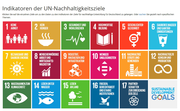
Indikatoren der UN-Nachhaltigkeitsziele
Statistisches Bundesamt
(2019)
C1
Ziel der nationalen Berichtsplattform (NRP) ist die Bereitstellung von Daten für Deutschland zu den globalen Indikatoren der UN-Nachhaltigkeitsziele, den Sustainable Development Goals (SDGs). Das S
...
tatistische Bundesamt ist verantwortlich für die Koordinierung und Veröffentlichung deutscher Daten für die SDG-Indikatoren und für die statistische Berichterstattung über die Fortschritte Deutschlands auf diesem Gebiet. Diese Internetseite ermöglicht es den zuständigen internationalen Organisationen (Custodian Agencies) für einzelne SDG-Indikatoren die Daten direkt herunterzuladen und für die globale Berichterstattung zu nutzen. Zudem bietet sie der interessierten Öffentlichkeit stets aktualisierte Informationen über den Stand von Deutschlands SDG-Indikatoren und detaillierte Angaben zu deren Berechnungsmethodik.
more
Progress in reducing tobacco use is a key indicator for measuring countries’ efforts to implement the WHO Framework Convention on Tobacco Control – target 3.a under the Sustainable Development Goals
...
agenda. Countries have adopted this indicator to report progress also towards the tobacco reduction target under the Global Action Plan for the Prevention and Control of Noncommunicable Diseases 2013–2020 and the WHO’s Global Programme of Work triple billions target.
Fourth edition.
more
Primary health care, as outlined in the 1978 Declaration of Alma-Ata and again 40 years later in the 2018 WHO/UNICEF document A vision for primary health care in the 21st century: towards universal health coverage and the Sustainable Development
...
Goals, is a whole-of-government and whole-of-society approach to health that combines the following three components: multisectoral policy and action; empowered people and communities; and primary care and essential public health functions as the core of integrated health services.(1) Primary health care-oriented health systems are health systems organized and operated so as to make the right to the highest attainable level of health the main goal, while maximizing equity and solidarity. They are composed of a core set of structural and functional elements that support achieving universal coverage and access to services that are acceptable to the population and that are equity enhancing. The term “primary care” refers to a key process in the health system that supports first-contact, accessible, continued, comprehensive and coordinated patient-focused care.
more
The State of the world’s nursing 2020 report provides the latest, most up-to-date evidence on and policy options for the global nursing workforce. It also presents a compelling case for considerable – yet feasible – investment in nursing education, jobs, and leadership.
The primary chapters
...
of the report outline the role and contributions of nurses with respect to the WHO “triple billion” targets; the health labour market and workforce policy levers to address the challenges to nurses working to their full potential; the findings from analysis of National Health Workforce Account (NHWA) data from 191 Member States and progress in relation to the projected shortfall of nurses by 2030; and forward-looking policy options for an agenda to strengthen the nursing workforce to deliver the Sustainable Development Goals, improve health for all, and strengthen the primary health care workforce on our journey towards universal health coverage.
more
This report presents three scenarios on the impact of COVID-19 in Africa using economic growth forecasts, mortality and efforts to ameliorate impact through social grants. Likely effects are examined on per capita income, poverty and the attainment of selected Sustainable
...
Development Goals targets. Africa’s development trajectory has suffered a severe setback, with extreme poverty rising in all the scenarios. The pandemic threatens Africa in several ways, and the report provides policy recommendations to reduce vulnerability and strengthen resilience.
more
The COVID-19 pandemic and in fact all crises – acute or prolonged – remind us that human rights need to be central in all recovery and development efforts. The Sustainable Development
...
Goals will only be achieved if we are able to create equal opportunities for all, address failures exposed and exploited by COVID-19, and apply human rights standards to tackle entrenched, systematic, and intergenerational inequalities, exclusion and discrimination.
We also share examples from Dorcas’ practice and formulate recommendations based on good practices of other organisations as well as our own. With this report, we aim to inform and inspire policy makers and humanitarian and development practitioners on inclusion of the rights of Older People in the current COVID-19 crisis, as well as others yet to come.
more
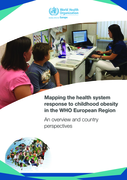
Childhood obesity is a major public health problem globally, which could undermine progress towards achieving the Sustainable Development Goals. Prevention is recognized as the most efficient means
...
of curbing the epidemic; however, given the scale of the problem and the many children who need professional support due to the severity of the disease and/or obesity-related complications, health systems all over Europe must take steps to develop obesity management systems. The aim of this project was to assess the response of health care delivery systems in 19 countries in the WHO European Region to the childhood obesity epidemic.
more
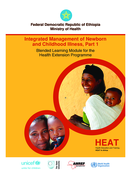
Integrated Management of Newborn and Childhood Illness, Part 1 Blended Learning Module for the Health Extension Programme
HEAT, UNICEF, Open University, AMREF, WHO
Ministry of Health, Federal Democratic Republic of Ethiopia
(2011)
C1
These Blended Learning Modules cover the full range of health promotion, disease prevention, basic management and essential treatment protocols to improve and protect the health of rural communities in Ethiopia. A strong focus is on enabling Ethiopia to meet the Millennium
...
Development Goals to reduce maternal mortality by three-quarters and under-5 child mortality by two-thirds by the year 2015. The Modules cover antenatal care, labour and delivery, postnatal care, the integrated management of newborn and childhood illness, communicable diseases (including HIV/AIDS, malaria, TB, leprosy and other common infectious diseases), family planning, adolescent and youth reproductive health, nutrition and food safety, hygiene and environmental health, non-communicable diseases, health education and community mobilisation, and health planning and professional ethics.
more
This training module is meant to strengthen the capacity of CHVs to prevent the Non Communicable Diseases at the community level . The Government of Kenya is committed to supporting community health initiatives and accelerating the achievement of the KHSS&IP
...
goals, Millennium Development Goals (MDGs) and providing support to Vision 203
more
Healthy communities rely on well-functioning ecosystems. They provide clean air, fresh water, medicines and food security. They also limit disease and stabilize the climate. But biodiversity loss is happening at unprecedented rates, impacting human health worldwide, according to a new state of knowl
...
edge review of the Convention on Biological Diversity (CBD) and WHO.
The report synthesizes the available information on the most important inter-linkages between biodiversity, ecosystem stability, and epidemic infectious diseases such as the Ebola virus; and the connection between biodiversity, nutritional diversity and health. It also covers the potential benefits of closer partnerships between conservation and health, from improved surveillance of infectious diseases in wildlife and human populations, to promoting access to green spaces to promote physical activity and mental health. It also highlights the many areas in which further research is needed.
The Joint report hopes to provide a useful reference for the Sustainable Development Goals and post-2015 development agenda, which represents an unique opportunity to promote integrated approaches to biodiversity and health by highlighting that biodiversity contributes to human well-being, and highlighting that biodiversity needs protection for development to be sustainable.
more
The WHO End TB Strategy aims to end the global TB epidemic by 2030, in alignment with Goal 3 of the United Nations (UN) Sustainable Development Goals (SDGs). Member States of the World Health Organi
...
zation (WHO) and the UN committed to ending the TB epidemic through adoption of WHO’s End TB Strategy and the UN SDGs in 2014 and 2015, respectivel
Almost half of the deaths worldwide caused by TB in 2019 occurred in the WHO South-East Asia Region, home to around a quarter of the global population. Maintaining robust progress in this Region is therefore essential if the global goal of ending the TB epidemic is to be realized. Despite substantial gains made in the Region, the threat to
health worldwide posed by the COVID-19 pandemic has the potential to reverse these gains and eclipse the focus on the global TB emergency.
While continuing to tackle COVID-19-related challenges, countries will need to rapidly and urgently deploy supplementary measures to address the large numbers of missed cases, poor treatment outcomes and, potentially, a higher TB burden.
The Regional Strategic Plan towards Ending TB in the Region 2021–2025 clearly articulates priority interventions, analyses the challenges, bottlenecks and opportunities, and focuses on implementation considerations in the Region.
more
This South-East Asia Regional Strategy for Primary Health Care: 2022-2030 aims to accelerate progress in all countries of the Region towards universal health coverage (UHC), health security and the health-related Sustainable Development
...
Goals (SDGs). It is intended to provide Member States with guidance on facilitating PHC-orientation through the identification of seven values and 12 strategic actions that collectively embody the philosophy and practice of PHC, enunciated in the 1978 Declaration of Alma-Ata and reaffirmed in the 2018 Declaration of Astana.
more
The threats posed by climate change to agriculture are now well known. Climate change has already resulted in a negative trend in mean crop yield per decade, and this is likely to continue as the century unfolds. In Africa, 650 million people are currently dependent on rain- fed agriculture and, des
...
pite progress in the Millennium Development Goals, food and nutrition insecurity remainunacceptably high.
more
A systematic analysis for the Global Burden of Disease Study 2019. The Lancet Vol.399 Issue 10341 p.2129-2154
Human resources for health (HRH) include a range of occupations that aim to promote or improve human health. The UN Sustainable Development
...
Goals (SDGs) and the WHO Health Workforce 2030 strategy have drawn attention to the importance of HRH for achieving policy priorities such as universal health coverage (UHC). Although previous research has found substantial global disparities in HRH, the absence of comparable cross-national estimates of existing workforces has hindered efforts to quantify workforce requirements to meet health system goals. We aimed to use comparable and standardised data sources to estimate HRH densities globally, and to examine the relationship between a subset of HRH cadres and UHC effective coverage performance.
more
Contains data from World Health Organization's data portal covering the following categories:
Mortality and global health estimates, Sustainable development goals, Millennium
...
Development Goals (MDGs), Health systems, Malaria, Tuberculosis, Child health, Infectious diseases, Neglected Tropical Diseases, World Health Statistics, Health financing, Tobacco, Substance use and mental health, Injuries and violence, HIV/AIDS and other STIs, Public health and environment, Nutrition, Urban health, Noncommunicable diseases, Noncommunicable diseases CCS, Negelected tropical diseases, Infrastructure, Essential health technologies, Medical equipment, Demographic and socioeconomic statistics, Health inequality monitor, Health Equity Monitor, Child malnutrition, TOBACCO, Neglected tropical diseases, International Health Regulations (2005) monitoring framework, 0, Insecticide resistance, Oral health, Universal Health Coverage, Global Observatory for eHealth (GOe)
more
The World Health Organization's fourth Country Cooperation Strategy 2022-2026 is an outcome of a consultative process with inputs from the Ministry of Health, various agencies in the health sector, and other relevant stakeholders. It has been developed to provide strategic direction and support towa
...
rd achieving the priorities of the Government of the Kingdom of Eswatini.
It is designed to support the strengthening of health systems and services toward the attainment of Universal Health
Coverage (UHC) and the Sustainable Development Goals targets. The CCS 2022-2026 also presents the collaborative
agenda between the Kingdom of Eswatini and the three levels of WHO, aligns with the strategic priorities of WHO’s
13th General Programme of Work (2019 – 2025), as well as Eswatini’s United Nations Sustainable Development Cooperation Framework (UNSDCF) 2021-2025
more
In 2005, the World Health Organization (WHO) recognized Chagas disease (CD; Trypanosoma cruzi infection) as a neglected tropical disease (NTD) [1] and included it into the global plan to combat NTDs [2]. The Target 3.3 of the United Nations Sustainable Dev
...
elopment Goals (UN/SDG) aims at ending the epidemics of NTDs by 2030 [3]. Mother-to-child (congenital/connatal) transmission is currently the main mode of transmission of T. cruzi over blood transfusions and organ transplantations in vector-free areas within and outside Latin America (LA). Based on recent demonstrations that congenital transmission can be prevented [4–7], WHO has shifted its objective, in 2018, from control to elimination of congenital CD (cCD).
more

Access to health workers who are fit for purpose, motivated and protected is a fundamental force of health service delivery and the achievement of universal health coverage and the health and health-related Sustainable Development
...
Goals. Data and knowledge of the distribution, skill mix and future development needs of the health workforce can mean the difference between enabling or impeding health systems performance, inclusive economic growth and global health security preparedness and response
more

In the last decade, Timor-Leste has made remarkable progress in strengthening its health system and improving the health status of its population. This has resulted in an increased life expectancy, and the achievement of Millennium Development
...
Goals such as a reduction in infant and under-five mortality, an improvement in maternal and child health outcomes, and an increase in immunization coverage. Further, the country has successfully eliminated infectious diseases such as polio, measles, and maternal and neonatal tetanus. There is full political commitment to reducing the incidence of tuberculosis (TB) by 80% and the number of deaths due to TB by 90% by 2030. The country has made great progress in the context of the pandemic, having established numerous quarantine facilities/isolation centres; trained health-care workers; streamlined the procurement and supply of medicines, consumables, personal protective equipment and other equipment; and strengthened the capacity in critical care across secondary and tertiary health care, to better respond to future pandemics and other disaster situations.
more
This document is an output of a WHO cross-programme initiative aiming to improve the prevention, diagnosis and management of anaemia and thereby accelerate reduction in its prevalence. It comes at an important time, midway through the era of the Sustainable
...
Development Goals, when progress in reducing anaemia has stagnated. This framework is based on the core principles of primary health care: meeting people’s health needs through comprehensive promotive, protective, curative, and rehabilitative care along the life course; systematically addressing the broader determinants of health; and empowering individuals, families, and communities to optimize their health
more
Contains data from World Health Organization's data portal covering the following categories:
Mortality and global health estimates, Sustainable development goals, Millennium
...
Development Goals (MDGs), Health systems, Malaria, Tuberculosis, Child health, Infectious diseases, Neglected Tropical Diseases, World Health Statistics, Health financing, Tobacco, Substance use ...
more
This checklist is for any organization or person supporting the routine use of evidence in
the process of policy-making. Evidence-informed policy-making (EIPM) is essential for achieving the Sustainable Development
...
Goals (SDGs) and universal health coverage (UHC). Its importance is emphasized in WHO’s Thirteenth General Programme of
Work 2019–2023 (GPW13). This checklist was developed by the WHO Secretariat of Evidence-Informed Policy Network (EVIPNet) to assist its Member countries in institutionalizing EIPM. Government agencies (i.e. the staff of the Ministry of Health),
knowledge intermediaries and researchers focused on strengthening EIPM will find in this checklist some key steps and tools to help their work. While the health sector is a key target group for EVIPNet, this tool can be applied by stakeholders from
different social sectors
more

Financing Global Health 2017: Funding Universal Health Coverage and the Unfinished HIV/AIDS Agenda
Institute for Health Metrics and Evaluation (IHME)
Institute for Health Metrics and Evaluation (IHME)
(2018)
C2
In 2017, $37.4 billion of development assistance was provided to low- and middleincome countries to maintain or improve health. This amount is down slightly compared to 2016, and since 2010, development
...
assistance for health (DAH) has grown at an annualized rate of 1.0%. While global development assistance for health has seemingly leveled off, global health spending continues to climb, outpacing economic growth in many countries. Total health spending for 2015, the most recent year for which data are available, was estimated to be $9.7 trillion (95% uncertainty interval: 9.7–9.8)*, up 4.7% (3.9–5.6) from the prior year, and accounted for 10% of the world’s total economy. With some sources of health spending growing and other types remaining steady, and with major variations in spending from country to country, it is more important than ever to understand where resources for health come from, where they go, and how they align with health needs. This information is critical for planning and is a necessary catalyst for change as we aim to close the gap on the unfinished agenda of the Millennium Development Goals (MDGs) and move forward toward universal health coverage (UHC) in the Sustainable Development Goals (SDGs) era.
more
This report highlights the work of the World Health Organization (WHO) in Zimbabwe towards contributing to the triple billion targets in the context of the Sustainable Development Goals (SDGs
The majority of developing countries will fail to achieve their targets for Universal Health Coverage (UHC)1 and the health- and poverty-related Sustainable Development Goals (SDGs) unless they take
...
urgent steps to strengthen their health financing. Just over a decade out from the SDG deadline of 2030, 3.6 billion people do not receive the most essential health services they need, and 100 million are pushed into poverty from paying out-of-pocket for health services. The evidence is strong that progress towards UHC, core to SDG 3, will spur inclusive and sustainable economic growth, yet this will not happen unless countries achieve high-performance health financing, defined here as funding levels that are adequate and sustainable; pooling that is sufficient to spread the financial risks of ill-health; and spending that is efficient and equitable to assure desired levels of health service coverage, quality, and financial protection for all people— with resilience and sustainability.
more
Background: To track donor assistance to maternal, newborn, and child health-related activities is necessary to assess progress towards Millennium Development Goals 4 and 5 and to foster donor accou
...
ntability. Our aim was to analyse aid flows to maternal, newborn, and child health for 2005 and 2006 and trends between 2003 and 2006.
Methods: We analysed and coded the complete aid activities database for 2005 and 2006 with methods that we developed previously to track official development assistance. For the 68 Countdown priority countries, we report two indicators for use in monitoring donor disbursements: official development assistance to child health per child and official development assistance to maternal and neonatal health per livebirth.
more
Background: Timely reliable data on aid flows to maternal, newborn, and child health are essential for assessing the adequacy of current levels of funding, and to promote accountability among donors for attainment of the Millennium Development
...
Goals (MDGs) for child and maternal health. We provide global estimates of official development assistance (ODA) to maternal, newborn, and child health in 2003 and 2004, drawing on data reported by high-income donor countries and aid agencies to the Organisation for Economic Development and Cooperation.
Methods: ODA was tracked on a project-by-project basis to 150 developing countries. We applied a standard definition of maternal, newborn, and child health across donors, and included not only funds specific to these areas, but also integrated health funds and disease-specific funds allocated on a proportional distribution basis, using appropriate factors.
more

This report makes clear that there is a path to end AIDS. Taking that path will help ensure preparedness to address other pandemic challenges, and advance progress across the Sustainable Development Goals
...
. The data and real-world examples in the report make it very clear what that path is. It is not a mystery. It is a choice. Some leaders are already following the path—and succeeding. It is inspiring to note that Botswana, Eswatini, Rwanda, the United Republic of Tanzania and Zimbabwe have already achieved the 95–95–95 targets, and at least 16 other countries (including eight in sub-Saharan Africa) are close to doing so.
more
The importance of community and civil society engagement to end TB has been highlighted in various strategies and global commitments. The WHO End TB Strategy, aligned with the United Nations Sustainable Development
...
Goals, emphasizes the role of communities and civil society in ending the TB epidemic by 2030. Furthermore, the political declaration of the 2023 United Nations High-level Meeting on TB highlights the need to ensure people-centred health services, with meaningful engagement of communities in the full spectrum of TB response.
more

This country cooperation strategy (CCS) outlines how the World Health Organization (WHO) will work with the Lao People’s Democratic Republic over the next five years (2024–2028), supporting the implementation of the five-year health sector development
...
plans and the Health Sector Reform Strategy 2021–2030 to attain the Sustainable Development Goals (SDGs) by 2030.
The Lao People’s Democratic Republic experienced substantial economic growth in the 30 years prior to the coronavirus disease (COVID-19) pandemic, contributing to reduced poverty and significant progress toward the SDGs. However, the COVID-19 pandemic brought this development to a halt. It was anticipated that the COVID-19 recovery and the tremendous population growth in recent years would provide opportunities for a shift toward more sustainable and inclusive development in the years ahead. In 2023, however, the contrary was the case. Rural residents, including many ethnic minorities, continued to face marginalization because of limited access to education, health care and economic opportunities.
Despite the challenges of COVID-19 and other disease outbreaks, the country has made significant improvements in health. Nonetheless, progress has been uneven and not everyone has benefited from these achievements. In the mountainous region, many people lack access to quality health care because of the unequal distribution of well-trained health-care workers. Preventable deaths due to poor-quality health care for children and newborns, infants and mothers remain a concern, as do communicable diseases such as sexually transmitted infections and tuberculosis. The increasing burden of noncommunicable diseases and the health impact of worsening climate change further heighten the need for strengthened and resilient health systems, which are at risk due to an underfunded health sector and weak economy.
This CCS aims to address remaining and future challenges as well as health needs while creating an impact that is sustainable. It identifies three strategic priorities and nine deliverables (Table 1) to support the attainment of the national vision of Health for all by all, as articulated in the 9th Health Sector Development Plan 2021–2025. It contributes to the country’s goals to achieve universal health coverage, graduate from least developed country status by 2026 and attain SDGs by 2030.
more
In 2006, the Special Session of African Union Health Ministers adopted the Maputo Plan of Action for implementing the Continental Policy Framework on sexual and reproductive health and rights (SRHR), which expired at the end of 2015. The goal was for all stakeholders and partners to join forces and
...
re-double efforts, so that together, the effective implementation of the Continental Policy framework including universal access to sexual and reproductive health by 2015 in all countries in Africa can be achieved. The Revised Maputo Plan of Action (MPoA) 2016 – 2030 was subsequently endorsed by the African Union Heads of State at the 27th AU Summit in July 2016 in Kigali, Rwanda. The plan reinforces the call for universal access to comprehensive sexual and reproductive health services in Africa and lays foundation to the Sustainable Development Goals, particularly Goal 3 and 5, as well as the African Union Agenda 2063.
more
In 2012, all Member States of the World Health Organization (WHO) endorsed a historical target to reduce premature mortality from noncommunicable diseases
(NCD). This commitment was echoed in 2015 by the United Nations Sustainable Development
...
Goals, which included a target to reduce premature mortality (the
measure of unfulfilled life expectancy and deaths between the ages of 30 and 70 years) from NCD by 30% by the year 2030. The Sustainable Development Goals are especially relevant to cardiovascular disease (CVD), the leading cause of death globally, with increasing prevalence in low- and middle-income countries (LMIC).
more
This document is the second in a series of global reports describing progress towards the 2030 targets set in Ending the neglect to attain the Sustainable Development Goals: a road map for neglected
...
tropical diseases 2021–2030. It describes a wide range of activities, accomplishments and challenges across the portfolio of NTDs and across all six WHO regions. The report presents epidemiological and programmatic data for 2022, which were gathered, compiled and analysed in 2023. In some cases, 2023 data are available and presented; in other cases, less recent information is included, when 2022 data are not available. In addition, it presents the main facts or events that occurred in 2023.
more
WHO’s Country Cooperation Strategy (CCS) defines the Organization’s medium-term vision for working in and with a particular country. The CCS, developed in the context of global and national health priorities, examines the overall health situation in a country, including the state of the health s
...
ector, socioeconomic status and the major health determinants.
This CCS sets out WHO’s strategic framework for collaboration with the Syrian Arab Republic, from June 2022 until June 2025, in light of the 12 years of crisis that have had a devastating impact on the health sector and infrastructure of basic services. It carefully considers the current and projected issues during its transition from continued humanitarian assistance to recovery, resilience and development. The consolidation of health policies and strategies and health system strengthening, based on the strengthening of primary health care (PHC), aims to contribute to the achievement of national and global development and health goals and the targets of the SDGs.
more
This new Policy aims at ensuring that evidence-based, highimpact nutrition interventions are developed and implemented at scale. The Policy will be implemented in line with the overarching National Development Strategy, which considers nutrition as
...
one of the priority area under the social development thematic area.
The Policy is aligned with the Scaling Up Nutrition movement, global declarations and commitments, which Malawi is signatory such as the Sustainable Development Goals and the World Health Assembly targets. The Government of Malawi is indebted to all the people and institutions that were involved in reviewing the Policy. Special appreciation goes to the World Bank, Canadian International Development Agency, United States Agency for International Development – through the Food and Nutrition Technical Assistance III Project, and the United Nations organisations for their financial and technical support.
more
Providing quality, stigma-free services is essential to equitable health care for all and achieving global HIV goals and broader Sustainable Development G
...
oals related to health. Every person has the right to the highest attainable standard of physical and mental health. Countries have a legal obligation to develop and implement legislation and policies that guarantee universal access to quality health services and address the root causes of health disparities, including poverty, stigma and discrimination.
The health sector is uniquely placed to lead in addressing inequity, assuring safe personcentred care for everyone and improving social determinants of health by overcoming taboos and discriminatory or stigmatizing behaviours associated with HIV, viral hepatitis and sexually transmitted infections (STIs). Improving health care quality and reducing stigma work together to enhance health outcomes for people living with HIV. Together, they make health care services more accessible, trustworthy and supportive. This encourages early diagnosis, consistent treatment and improved mental well-being. Thus, people living with HIV are more likely to engage with and benefit from health care services, leading to improved overall health.
more
This Commission report aims to contribute to a new era of multilateral cooperation based on strong UN institutions to reduce the dangers of COVID-19, forestall the next pandemic, and enable the world to achieve the agreed goals of sustainable
...
development, human rights, and peace that governments are committed to pursue as members of the UN. We address this Commission report to the UN member states, the UN agencies and multilateral institutions, and multilateral processes such as the G20 and the G7.
more
The application of digital health technology is growing at a rapid rate in Africa, with the goals of improving the delivery of healthcare services and more effectively reaching out to remote and underserved communities. The lack of enabling guidelin
...
es and standards across the continent, on the other hand, makes it difficult to share data in a meaningful way across the continent.
Considering this, Africa Centres for Disease Control and Prevention (Africa CDC) established a task force of 24 members to provide expertise and guidance in the development of AU HIE guidelines and standards. Members of the task force were subject matter experts working in Africa and internationally on the collection, analysis, and exchange of health information. Some of these experts had been involved in previous consultations on defining Africa CDC’s health information systems strategy. A chairperson, co-chairperson, and secretary were elected to engage the task force members in different technical working groups.
more
Each year, about 210 million women become pregnant and about 140 million newborn babies are delivered. The sheer scale of maternal health issues makes maternal well being and survival vital concerns. A decade after The Lancet published a Series on maternal survival, a new Series of six papers brings
...
our knowledge of maternal health, its epidemiology, successes, and current failings together, and at a crucial time within the sustainable development framework to 2030. The Series concludes with a call to action setting out five key targets which need to be met to ensure the progression of broader sustainable development goals (SDGs).
Open Access
more
This document provides a snapshot view of Rwanda in terms of key socio-economic indicators, political and economic context and the situation of children. It also gives an overview of UNICEF's Country Programme and key achievements.
Rwanda has made significant progress towards economic prosperity an
...
d human development over the past two decades. Rwanda has one of the fastest growing economies in central Africa, and was one of the few countries to achieve all the Millennium Development Goals (MDGs). Political stability, strong governance, fiscal and administrative decentralization, and zero tolerance for corruption are among the key factors supporting the country’s inclusive growth and development.
Rwanda still faces some significant development challenges. Chronic malnutrition (stunting), early childhood development, neonatal mortality, the quality of education, and prevention of violence against children require continued attention.
more
In 2015, the National Institute of Statistics of Rwanda published the Rwanda Poverty Profile Report 2013/2014,which provided a detailed portrait of the extent and nature of poverty in the country, based on information collected by an integrated household living conditions survey (EICV4) undertaken b
...
etween October 2013 and September 2014.
This report complements the study by looking at the trends in poverty between 2010/11 and 2013/14.It is essential to examine changes in poverty over time, because one of the most important goals of economic Sustainable Development Goals is to eliminate severe poverty by 2030.
more
This Policy for community-based health insurance answers the will of the Rwandan government to popularize the fundamental aces of the current policy. This document serves as an update to the first policy that was elaborated and published in 2004, and integrates all the changes that have occurred in
...
the process since then. This new version of the policy for community based health insurance contributes to the fulfillment of the same objectives as the EDPRS and the Millennium Development Goals (MDG). It integrates system experiences but more especially the devices adapted to the challenges with which community base health insurance are confronted at present.
more

Rwanda’s fourth health sector strategic plan (HSSP4) is meant to provide the health sector with a Strategic Plan that will highlight its commitments and priorities for the coming 6 years. It will be fully integrated in the overall economic development
...
plan of the Government. HSSP4 will fulfill the country’s commitment expressed in the national constitution, National Strategy for Transformation (NST) and the aspirations of the Health Sector Policy 2015. The strategies herein adhere to the Universal Health Coverage (UHC) principles towards realisation of the Sustainable Development Goals (SDGs). HSSP4 therefore lays a foundation for Vision 2050 (“The Rwanda We Want”), which will transform Rwanda into a high-income country by 2050. HSSP4 anticipates the epidemiological transition of the country, the increase in population and life expectancy and the expected increase of the health needs of the elderly, notably in Non Communicable Diseases (NCDs). HSSP4 also anticipates a decrease in external financial inflows, hence it is imperative to build secure / resilient health systems.
more

In recent years, Rwanda has been on the fast track to achieve major health improvements for its entire population. With the support of government agencies and various non-governmental partners, the Ministry of Health (MoH) has endeavored to decentralize Rwanda’s health system and bring health serv
...
ices closer to the people. Guided by multitude of national and international development frameworks, Rwanda’s healthcare successes include the establishment of a community health insurance scheme (mutuelle de santé), a system of cooperative-financed community health workers in every village, and interventions for researching, preventing, and treating diseases like HIV/AIDS, TB, and malaria.
As the MoH continues to design innovative means to reach and surpass its prescribed health outcome targets, it will hold as core principles the integration of service provision, the increase in healthcare capacity, and the attainment of sustainable funding sources. Rwanda is committed to achieving the Millennium Development Goals by 2015 and has declared Family Planning (FP) a national priority for poverty reduction and socioeconomic development of the country. Modern contraceptive use has more than quadrupled from 2005 to 2010, rising from 10% to 45%, but the government’s Economic Development and Poverty Reduction Strategy calls for an increase the modern contraceptive prevalence to 70% by 2016. While structural changes in health care and supply chains have led to noteworthy improvements in FP and other services, there are still many challenges that must be overcome. As such, a strategic plan is needed to coordinate FP efforts around a well-defined set of objectives and responsibilities.
more
Nepal has performed exceptionally in improving reproductive, maternal and child health outcomes over the past two decades. In this article, we discuss these achievements and outline a vision for the future of maternal, newborn and child survival in Nepal after the era of the Millennium
...
Development Goals. On the pathway towards quality universal health care services for all, we propose strengthening of health information systems, gradual health system reforms, improvement of existing facility based services, development of integrated service delivery models, improved technical and managerial capacity at district and facility levels. Elimination of all preventable causes of maternal, newborn and child deaths in Nepal should be our collective aspirational goal.
more

WHO, in partnership with the International Society for Prosthetics and Orthotics (ISPO) and the United States Agency for International Development (USAID), has published global standards for prosthetics and orthotics. Its aim is to ensure that prost
...
hetics and orthotics services are people-centred and responsive to every individual’s personal and environmental needs. The standards advocate for the integration of prosthetics and orthotics services into health services, under universal health coverage. Implementation of these standards will support countries to fulfil their obligations under the Convention on the Rights of Persons with Disabilities and towards the Sustainable Development Goals, in particular Goal 3: Ensure healthy lives and promote well-being for all at all ages.
The standards provide guidance on the development of national policies, plans and programmes for prosthetics and orthotics services of the highest standard. The standards are divided into two documents: the standards and an implementation manual. Both documents cover four areas of the health system:
policy (governance, financing and information);
products (prostheses and orthoses);
personnel (workforce);
and provision of services.
The Standards have been developed through consultation with experts from around the globe via a steering group, development group and external review group.
more

WHO, in partnership with the International Society for Prosthetics and Orthotics (ISPO) and the United States Agency for International Development (USAID), has published global standards for prosthetics and orthotics. Its aim is to ensure that prost
...
hetics and orthotics services are people-centred and responsive to every individual’s personal and environmental needs. The standards advocate for the integration of prosthetics and orthotics services into health services, under universal health coverage. Implementation of these standards will support countries to fulfil their obligations under the Convention on the Rights of Persons with Disabilities and towards the Sustainable Development Goals, in particular Goal 3: Ensure healthy lives and promote well-being for all at all ages.
The standards provide guidance on the development of national policies, plans and programmes for prosthetics and orthotics services of the highest standard. The standards are divided into two documents: the standards and an implementation manual. Both documents cover four areas of the health system:
policy (governance, financing and information);
products (prostheses and orthoses);
personnel (workforce);
and provision of services.
The Standards have been developed through consultation with experts from around the globe via a steering group, development group and external review group.
more
Practically, planetary health presents a new way to approach and solve problems. For example, there is
alignment at the highest levels with global policy frameworks – primarily the Convention on Biological
Diversity Aichi Biodiversity Targets, the Paris Climate Agreement, and the Sustainable
...
Development
Goals – which will require collaboration across sectors to make progress. While this alignment validates
integrated concepts like planetary health, it also highlights the need for these concepts to be much
more actionable, so that they can be easily taken up by government decision makers as a way to
achieve goals.
more
“It has never been more urgent for us to come together to end HIV and tuberculosis. We achieve the most when we work together, using all of our strengths, harnessing all of our collective potential to end HIV and tuberculosis for a healthier world as part of the Sustainable
...
Development Goals.” —Michel Sisibé, Executive Director of UNAIDS
more
This Community Health Systems (CHS) Catalog country profile is the 2016 update of a landscape
assessment that was originally conducted by the Advancing Partners & Communities (APC) project
in 2014. The CHS Catalog focuses on 25 countries deemed priority by the United States Agency for
Internation
...
al Development’s (USAID) Office of Population and Reproductive Health, and includes
specific attention to family planning (FP), a core focus of the APC project.
The update comes as many countries are investing in efforts to support the Sustainable Development
Goals and to achieve universal health coverage while modifying policies and strategies to better align
and scale up their community health systems.
The purpose of the CHS Catalog is to provide the most up-to-date information available on community
health systems based on existing policies and related documentation in the 25 countries. Hence, it does
not necessarily capture the realities of policy implementation or service delivery on the ground. APC
has made efforts to standardize the information across country profiles, however, content between
countries may vary due to the availability and quality of the data obtained from policy documents.
more
Over the past decade, the reduction of maternal mortality in Latin America and the Caribbean has shown signs of a marked slowdown and in some cases a reversal, jeopardizing commitments made at the global and regional levels and by the Member States themselves, including those established in the Sust
...
ainable Development Goals.
more
Comprehensive Reviews in Food Science and Food Safety, Vol.12 (2013) pp.234-248
In 2006, the Institute of Food Technologists (IFT) published an Expert Report entitled “Antimicrobial Resistance: Implications for the Food System” (IFT 2006). That report summarized current scientific knowledge pe
...
rtaining to the public-health impact of antimicrobial use in the food system and the development and control of antimicrobial resistance. Since that time, intense interest in this topic has continued within the regulatory and scientific communities as well as the general public. This IFT Scientific Status Summary serves to update that 2006 IFT Expert Report by briefly reviewing new scientific evidence relevant to the goals of the initial report and providing a number of key observations and conclusions.
more
Intra-African migration remains a dominant trend in contemporary African migration. The Strategy frames the Organization’s new orientation with Africa at policy and strategic levels. It is consistent with the goals and objectives of the Global Com
...
pact for Safe, Orderly and Regular Migration (GCM) to which almost all African countries adhere, as well as the 2030 Agenda for sustainable development, the IOM strategic vision, and IOM Migration Governance Framework (MIGoF).
more
This document is intended for countries, foundations, and civil society. It provides a consolidated overview of the Access to COVID-19 Tools (ACT) Accelerator, its goals, and the investments that partners have calculated are required to carry out it
...
s mission. Emergency responses are dynamic by nature. The ACT-Accelerator will regularly adjust its investment needs and update this document as understanding of COVID-19 epidemiology and additional data on the ACT tools become available. For more detailed analysis on the ACT investments for its work in diagnostics, therapeutics and vaccines, please refer to the costed plans of the relevant ‘pillar’. At the time of publication, the investments required for the Health Systems Connector pillar were still under development.
more
Sharing Smart Solutions in Water
Diego J. Rodriguez, Matthijs Schuring, Nansia Constantinou et al.
The World Bank; Water Partnership Program
(2013)
C1
Water security, or having the right amount and quality of water in the right place at the right time, fosters social and economic progress. Where water is sufficient to meet demand, it can promote economy wide growth and enable countries to reach their food security, energy security, and human
...
development goals. Where it is scarce, excessive, or unclean it can exacerbate multiple dimensions of poverty. Neither of these two worlds is protected from future water crises, which are heavily influenced by changing local circumstances
more
Global Sexual and Reproductive Health Service Package for Men and Adolescent Boys
IPPF, UNFPA
(2017)
The Global Sexual and Reproductive Health Service Package for Men and Adolescent Boys has been developed to support providers of sexual and reproductive health (SRH) services to increase the range and quality of services to meet the specific and diverse needs of men and adolescent boys. This package
...
focuses specifically on the provision of such services integrated
within clinical and non-clinical contexts and follows a gender-transformative approach. It covers men and adolescent boys in all their diversity and takes a positive approach to SRH, seeing this not just as the absence of disease, but the positive expression of one’s gender, sex and sexuality. In doing so, this service package contributes to efforts to ensure universal access to sexual and reproductive health and rights (SRHR) as prioritized in the Sustainable Development Goals. This package is in no way intended to detract from the sexual and reproductive health and rights of women and adolescent girls, nor to divert resources, funding or attention from much-needed SRH services and programmes for women and adolescent girls.
more

The Global Reference List of 100 Core Health Indicators is a standard set of core indicators prioritized by the global community to provide concise information on the health situation and trends, including responses at national and global levels.
This second (2018) edition builds on the previous
...
work of the inter-agency working group that was commissioned by global health leaders to reduce reporting burden. The 2018 list of indicators contains modifications and additions to indicators and metadata elements to reflect the recommended health and health-related indicators of the Sustainable Development Goals, including universal health coverage.
more

A guide to increasing coverage and equity in all communities in the African Region
Expanded Programs on Immunization (EPI) is responsible for vaccines and vaccination to control, eliminate and eradicate vaccine preventable diseases (VPDs). Having strong immunization systems to deliver vaccines ... to those who need them most will play a significant role in achieving the health, equity and economic objectives of several global development goals. more
Expanded Programs on Immunization (EPI) is responsible for vaccines and vaccination to control, eliminate and eradicate vaccine preventable diseases (VPDs). Having strong immunization systems to deliver vaccines ... to those who need them most will play a significant role in achieving the health, equity and economic objectives of several global development goals. more
National Tuberculosis Programme
The National Strategic Plan (NSP) for Tuberculosis (TB) 2016-2020 builds on the past experiences for the National Tuberculosis Programme and its partners. This NSP provides a roadmap for delivering quality TB prevention and care service to the entire population, ... as an integral part of the country's move toward Universal Health Coverage. Between 1990 and 2015, Myanmar reduced the prevalence of TB by 50%, meeting the targets set by the Millennium Development Goals. Going forward, the country aims to further accelerate the rate decline. more
The National Strategic Plan (NSP) for Tuberculosis (TB) 2016-2020 builds on the past experiences for the National Tuberculosis Programme and its partners. This NSP provides a roadmap for delivering quality TB prevention and care service to the entire population, ... as an integral part of the country's move toward Universal Health Coverage. Between 1990 and 2015, Myanmar reduced the prevalence of TB by 50%, meeting the targets set by the Millennium Development Goals. Going forward, the country aims to further accelerate the rate decline. more
National Tuberculosis Programme (NTP) is functioning with Regional/State TB centers and 101 vertical TB teams. The NTP covered all 325 townships with DOTS strategy in November 2003 and all 330 townships including five new townships established in NayPyiTaw Union Territory in 2011. "Stop TB Strategy"
...
was introduced in 2007 aiming to achieve the targets linked to the Millennium Development Goals (MDGs) by 2015.
Original file: 17 MB
The preview / download contains only "Contents, Abr., p. 1-3" more
Original file: 17 MB
The preview / download contains only "Contents, Abr., p. 1-3" more
The survey is representative of the Union Territory, its states and regions and urban and rural areas. It was conducted in all the districts and in 296 of the 330 townships of Myanmar. A total of 13,730 households were interviewed. It collects data on the occupations of people, how much income they
...
earn, and how they use this to meet the food, housing, health, education and other needs of their families. The main focus of the survey is to produce estimates of poverty and living conditions, to provide core data inputs into the System of National Accounts and the Consumer Price Index and to support monitoring of the Sustainable Development Goals.
more
Lancet, Published:February 21, 2019DOI:https://doi.org/10.1016/S0140-6736(19)30424-6.
This article announce the establishment of Countdown Global Mental Health, an independent, multistakeholder monitoring and accountability collaboration for mental health, within an initial timeframe of the UN Sust
...
ainable Development Goals (SDGs). The scope of the Countdown will be global since mental health is an issue relevant to all countries. The unit of analysis will be countries or states or provinces within large federated countries. Given the huge disparities between and within countries, we expect the Countdown to be a strong instrument for accountability to decrease population-level disparities for mental health.
more
For the 24th consecutive year, PAHO has published the report Health Situation in the Americas: Core Indicators featuring the latest information on key indicators for the Region of the Americas. This 2018 edition includes data on the 82 core indicators for the countries, territories, and sub regions
...
of the Americas, grouped into the following categories: demographic-socioeconomic, health status, risk factors, service coverage, and health systems. Information is also presented on 22 indicators of the Sustainable Development Goals (SDGs).
more

Mental Health in the Asia-Pacific Region: An Overview
Alexander Lourdes Samy, Zahra Fazli Khalaf, & Wah-Yun Low
International Journal of Behavioral Science
(2015)
CC
Mental health problem is one of the growing major public health issues in the Asia Pacific region. It contributes to the high number of Disability Adjusted Life Years (DALYs), morbidity and mortality in the region. It is expected that leading mental health problems will occur in the low-and middle-i
...
ncome countries (LMICs) and majority of the countries which comes under this category are in the Asia Pacific region. In addition, mental health problem hamper the achievement of Millennium Development Goals (MDGs), particularly MDG 1, MDG 4 and MDG 5. The most common mental health problems in the region are depression, anxiety, posttraumatic stress disorder, suicidal behaviour and substance abuse disorder. Several modifiable and non-modifiable risk factors were identified for the cause of these major mental health issues. Interventions, programmes and policies need to be designed in order to curb mental health problems at all levels.
more
The attainment of Zambia’s goal of being a prosperous and middle-income country by 2030 as stipulated in its Vision 2030 is dependent on among others, a healthy and productive population. Therefore, the Government of the Republic of Zambia (GRZ) has prioritized health as a key socio-economic inves
...
tment in the Seventh National Development Plan 2017-2021. The government is also committed to achieving the targets under the health goal number three and other health related targets under other goals of the 2030 Sustainable Development agenda. Despite progress which has been made in improving the health of Zambians, the country still faces a high burden of communicable diseases and a growing burden of non-communicable diseases. Structural and social deprivation including poverty, inequalities and marginalisation also remain major threats to health. In order to effectively address all the social determinants of health, all sectors should take into account health and well-being as a key element of policy development.
more
Introduction : de nos jours, face à la pénurie grandissante de
personnel de santé qualifié et face au défi de l’atteinte des
Objectifs du Millénaire pour le Développement, la participation
communautaire est devenue une réalité incontournable. Dans
la zone sanitaire Avrankou Adjarra Ak
...
pro-Missérété (3A) du
département de l’Ouémé, les relais sont appuyés par l’UNICEF
et l’ONG Africare. L’objectif de notre travail a été d’étudier
la qualité de l’apport des relais dans la mise en oeuvre de la
PCIME-Communautaire.
2014/2 Vol. 26 | pages 241 à 24 SFSP Santé Publique
Introduction: With the growing shortage of qualified healthcare
professionals and the challenge of achieving the Millennium
Development Goals, community participation has become an
essential reality. In the Avrankou Adjarra Akpro-Missérété (3A)
health zone of the Ouémé department, community volunteers are
supported by UNICEF and the NGO Africare. The objective of this
study was to assess the quality of the contribution of community
volunteers to implementation of community-based integrated
management of childhood illness (IMCI).
SFSP Santé Publique » 2014/2 Vol. 26 | pages 241 à 248
more
Antibiotic resistant bacteria are spreading at an alarming rate and some bacterial infections may once again be untreatable. Antibiotic resistance (ABR), conservatively calculated, causes more than 500 000 deaths every year. This number is projected to rise dramatically if radical actions are not ta
...
ken. Lack of effective antibiotics, diagnostics and vaccines threatens the health of millions and hampers fulfilment of several of the Sustainable Development Goals. Access to effective antibiotics should be part of every adult and child’s right to health.
more
Antibiotic resistant bacteria are spreading at an alarming rate and some bacterial infections may once again be untreatable. Antibiotic resistance (ABR), conservatively calculated, causes more than 500 000 deaths every year. This number is projected to rise dramatically if radical actions are not ta
...
ken. Lack of effective antibiotics, diagnostics and vaccines threatens the health of millions and hampers fulfilment of several of the Sustainable Development Goals. Access to effective antibiotics should be part of every adult and child’s right to health.
more
Despite the considerable improvement in global health, millions of people still lack access to quality health services, including access to effective antimicrobial medicines, or are impoverished as a result of health spending. At the same time, antimicrobial resistance – a consequence of overuse a
...
nd misuse of antimicrobials – is increasingly a barrier to accessing effective care. The declining effectiveness of antibiotics is driven by multiple factors, many of which can be addressed through well functioning primary health care. However, primary health care has not always had much attention in national health sector responses to
antimicrobial resistance, which often focus on tertiary care, laboratory detection and surveillance. The three pillars of primary health care (community engagement, front-line health services including primary care and essential public health, and multisectoral action on wider health determinants) are central not just to Universal Health Coverage and the Sustainable Development Goals, but also to an effective response to antimicrobial resistance.
more
From the 11th to the 18th of July, in Ougadougou (Burkina Faso), Bridging the Gap II held the training activity entitled “The Convention of the Rights of Persons with Disability (CRPD) and inclusion: promotion and integrated protection of the rights of persons with disabilities through synergies b
...
etween institutions and civil society – The Sustainable Development Goals (SDGs), the local regulatory framework and their application” « Formation sur la CDPH, les objectifs du développement durable, le cadre réglementaire national et l’application des règles ». The initiative aimed at strengthening the capacities of the focal points of the National Multisectoral Committee for the Protection and Promotion of Persons with Disability (COMUD/Handicap) in line with the expected results 2 and 3 of the Project Bridging the Gap.
more

Food and nutrition security in the Democratic Republic of the Congo is subject to the relentless impact of conflict, epidemics and climate events that have persisted in the country for decades, further compounded by the global COVID-19 pandemic. Lack of infrastructure and investment in agriculture,
...
health and human capital development combine to impede progress towards the achievement of Sustainable Development Goals 2 and 17. While there are several legal instruments and policies that promote food and nutrition security, poor coordination, weak national capacity and exponential population growth present serious obstacles to the achievement of zero hunger. Political instability and siloed sectoral responses to humanitarian and development needs have also affected results to date.
more
