Filter
5959
Text search:
daily
Featured
587
1560
Language
5786
116
106
78
66
34
27
24
16
14
13
10
9
8
8
8
7
7
6
5
5
5
5
4
4
4
4
3
3
3
3
3
3
3
3
3
3
3
3
2
2
2
2
2
2
2
2
2
2
2
1
1
1
1
1
1
1
1
1
1
1
1
1
1
1
1
1
1
1
1
1
1
Document type
3395
906
720
330
154
140
131
77
33
30
29
9
1
1
1
Countries
352
209
156
152
134
123
122
116
110
109
108
105
97
97
79
75
70
67
67
67
63
60
57
52
46
40
37
37
36
36
35
35
35
34
33
32
29
28
26
26
24
24
23
23
23
22
22
22
20
20
19
17
17
16
16
15
14
14
14
13
12
12
9
9
9
9
8
8
8
8
7
7
7
7
7
6
6
6
6
5
5
5
5
5
5
5
5
5
5
4
4
4
4
4
4
4
3
3
3
3
3
3
3
3
3
3
2
2
2
2
2
2
2
2
2
2
2
2
2
2
2
2
2
1
1
1
1
1
1
1
1
1
1
1
1
1
1
1
1
1
1
1
1
1
1
1
Authors & Publishers
666
294
237
174
143
132
100
83
56
47
46
44
36
35
30
29
28
27
27
25
25
25
24
24
23
22
22
22
20
20
20
20
20
20
20
19
18
18
18
17
17
17
16
16
16
16
16
16
16
16
15
15
15
15
15
14
14
14
14
14
13
13
13
13
13
12
12
12
12
12
12
12
12
12
11
11
11
11
11
11
10
10
10
10
10
10
9
9
9
9
9
9
9
9
9
9
9
9
8
8
8
8
8
8
8
8
8
8
8
8
8
7
7
7
7
7
7
7
7
7
7
7
7
7
7
7
7
7
7
7
6
6
6
6
6
6
6
6
6
6
6
6
6
6
6
6
6
6
6
6
5
5
5
5
5
5
5
5
5
5
5
5
5
5
5
5
5
5
5
5
5
5
5
5
5
5
5
5
5
5
5
5
5
5
5
5
4
4
4
4
4
4
4
4
4
4
4
4
4
4
4
4
4
4
4
4
4
4
4
4
4
4
4
4
4
4
4
4
4
4
4
4
4
4
4
4
4
4
4
4
4
4
4
4
4
4
4
4
4
4
4
4
4
4
4
4
4
4
4
4
4
4
4
4
3
3
3
3
3
3
3
3
3
3
3
3
3
3
3
3
3
3
3
3
3
3
3
3
3
3
3
3
3
3
3
3
3
3
3
3
3
3
3
3
3
3
3
3
3
3
3
3
3
3
3
3
3
3
3
3
3
3
3
3
3
3
3
3
3
3
3
3
3
3
3
3
3
3
3
3
3
3
3
3
3
3
3
3
3
3
3
3
3
3
3
3
3
3
3
3
3
3
3
3
3
3
3
3
3
3
3
3
3
3
3
3
3
3
3
3
3
3
3
3
3
3
3
3
3
3
3
2
2
2
2
2
2
2
2
2
2
2
2
2
2
2
2
2
2
2
2
2
2
2
2
2
2
2
2
2
2
2
2
2
2
2
2
2
2
2
2
2
2
2
2
2
2
2
2
2
2
2
2
2
2
2
2
2
2
2
2
2
2
2
2
2
2
2
2
2
2
2
2
2
2
2
2
2
2
2
2
2
2
2
2
2
2
2
2
2
2
2
2
2
2
2
2
2
2
2
2
2
2
2
2
2
2
2
2
2
2
2
2
2
2
2
2
2
2
2
2
2
2
2
2
2
2
2
2
2
2
2
2
2
2
2
2
2
2
2
2
2
2
2
2
2
2
2
2
2
2
2
2
2
2
2
2
2
2
2
2
2
2
2
2
2
2
2
2
2
2
2
2
2
2
2
2
2
2
2
2
2
2
2
2
2
2
2
2
2
2
2
2
2
2
2
2
2
2
2
2
2
2
2
2
2
2
2
2
2
2
2
2
2
2
2
2
2
2
2
2
2
2
2
2
2
2
2
2
2
2
2
2
2
2
2
2
2
2
2
2
2
2
2
2
2
2
2
2
2
2
2
2
2
2
2
2
2
2
2
2
2
2
2
2
2
2
2
2
2
2
2
2
2
2
2
2
2
2
2
2
2
2
2
2
2
2
2
2
2
2
2
2
2
2
2
2
2
2
2
2
2
2
2
2
2
2
2
2
2
2
2
2
2
2
2
2
2
2
2
2
2
2
2
2
2
2
2
2
2
2
2
2
2
2
2
2
2
2
2
2
2
2
2
2
2
2
2
2
2
2
2
2
2
2
2
2
2
2
2
2
2
2
2
2
2
2
2
2
2
2
2
2
2
2
2
1
1
1
1
1
1
1
1
1
1
1
1
1
1
1
1
1
1
1
1
1
1
1
1
1
1
1
1
1
1
1
1
1
1
1
1
1
1
1
1
1
1
1
1
1
1
1
1
1
1
1
1
1
1
1
1
1
1
1
1
1
1
1
1
1
1
1
1
1
1
1
1
1
1
1
1
1
1
1
1
1
1
1
1
1
1
1
1
1
1
1
1
1
1
1
1
1
1
1
1
1
1
1
1
1
1
1
1
1
1
1
1
1
1
1
1
1
1
1
1
1
1
1
1
1
1
1
1
1
1
1
1
1
1
1
1
1
1
1
1
1
1
1
1
1
1
1
1
1
1
1
1
1
1
1
1
1
1
1
1
1
1
1
1
1
1
1
1
1
1
1
1
1
1
1
1
1
1
1
1
1
1
1
1
1
1
1
1
1
1
1
1
1
1
1
1
1
1
1
1
1
1
1
1
1
1
1
1
1
1
1
1
1
1
1
1
1
1
1
1
1
1
1
1
1
1
1
1
1
1
1
1
1
1
1
1
1
1
1
1
1
1
1
1
1
1
1
1
1
1
1
1
1
1
1
1
1
1
1
1
1
1
1
1
1
1
1
1
1
1
1
1
1
1
1
1
1
1
1
1
1
1
1
1
1
1
1
1
1
1
1
1
1
1
1
1
1
1
1
1
1
1
1
1
1
1
1
1
1
1
1
1
1
1
1
1
1
1
1
1
1
1
1
1
1
1
1
1
1
1
1
1
1
1
1
1
1
1
1
1
1
1
1
1
1
1
1
1
1
1
1
1
1
1
1
1
1
1
1
1
1
1
1
1
1
1
1
1
1
1
1
1
1
1
1
1
1
1
1
1
1
1
1
1
1
1
1
1
1
1
1
1
1
1
1
1
1
1
1
1
1
1
1
1
1
1
1
1
1
1
1
1
1
1
1
1
1
1
1
1
1
1
1
1
1
1
1
1
1
1
1
1
1
1
1
1
1
1
1
1
1
1
1
1
1
1
1
1
1
1
1
1
1
1
1
1
1
1
1
1
1
1
1
1
1
1
1
1
1
1
1
1
1
1
1
1
1
1
1
1
1
1
1
1
1
1
1
1
1
1
1
1
1
1
1
1
1
1
1
1
1
1
1
1
1
1
1
1
1
1
1
1
1
1
1
1
1
1
1
1
1
1
1
1
1
1
1
1
1
1
1
1
1
1
1
1
1
1
1
1
1
1
1
1
1
1
1
1
1
1
1
1
1
1
1
1
1
1
1
1
1
1
1
1
1
1
1
1
1
1
1
1
1
1
1
1
1
1
1
1
1
1
1
1
1
1
1
1
1
1
1
1
1
1
1
1
1
1
1
1
1
1
1
1
1
1
1
1
1
1
1
1
1
1
1
1
1
1
1
1
1
1
1
1
1
1
1
1
1
1
1
1
1
1
1
1
1
1
1
1
1
1
1
1
1
1
1
1
1
1
1
1
1
1
1
1
1
1
1
1
1
1
1
1
1
1
1
1
1
1
1
1
1
1
1
1
1
1
1
1
1
1
1
1
1
1
1
1
1
1
1
1
1
1
1
1
1
1
1
1
1
1
1
1
1
1
1
1
1
1
1
1
1
1
1
1
1
1
1
1
1
1
1
1
1
1
1
1
1
1
1
1
1
1
1
1
1
1
1
1
1
1
1
1
1
1
1
1
1
1
1
1
1
1
1
1
1
1
1
1
1
1
1
1
1
1
1
1
1
1
1
1
1
1
1
1
1
1
1
1
1
1
1
1
1
1
1
1
1
1
1
1
1
1
1
1
1
1
1
1
1
1
1
1
1
1
1
1
1
1
1
1
1
1
1
1
1
1
1
1
1
1
1
1
1
1
1
1
1
1
1
1
1
1
1
1
1
1
1
1
1
1
1
1
1
1
1
1
1
1
1
1
1
1
1
1
1
1
1
1
1
1
1
1
1
1
1
1
1
1
1
1
1
1
1
1
1
1
1
1
1
1
1
1
1
1
1
1
1
1
1
1
1
1
1
1
1
1
1
1
1
1
1
1
1
1
1
1
1
1
1
1
1
1
1
1
1
1
1
1
1
1
1
1
1
1
1
1
1
1
1
1
1
1
1
1
1
1
1
1
1
1
1
1
1
1
1
1
1
1
1
1
1
1
1
1
1
1
1
1
1
1
1
1
1
1
1
1
1
1
1
1
1
1
1
1
1
1
1
1
1
1
1
1
1
1
1
1
1
1
1
1
1
1
1
1
1
1
1
1
1
1
1
1
1
1
1
1
1
1
1
1
1
1
1
1
1
1
1
1
1
1
1
1
1
1
1
1
1
1
1
1
1
1
1
1
1
1
1
1
1
1
1
1
1
1
1
1
1
1
1
1
1
1
1
1
1
1
1
1
1
1
1
1
1
1
1
1
1
1
1
1
1
1
1
1
1
1
1
1
1
1
1
1
1
1
1
1
1
1
1
1
1
1
1
1
1
1
1
1
1
1
1
1
1
1
1
1
1
1
1
1
1
1
1
1
1
1
1
1
1
1
1
1
1
1
1
1
1
1
1
1
1
1
1
1
1
1
1
1
1
1
1
1
1
1
1
1
1
1
1
1
1
1
1
1
1
1
1
1
1
1
1
1
1
1
1
1
1
1
1
1
1
1
1
1
1
1
1
1
1
1
1
1
1
1
1
1
1
1
1
1
1
1
1
1
1
1
1
1
1
1
1
1
1
1
1
1
1
1
1
1
1
1
1
1
1
1
1
1
1
1
1
1
1
1
1
1
1
1
1
1
1
1
1
1
1
1
1
1
1
1
1
1
1
1
1
1
1
1
1
1
1
1
1
1
1
1
1
1
1
1
1
1
1
1
1
1
1
1
1
1
1
1
1
1
1
1
1
1
1
1
1
1
1
1
1
1
1
1
1
1
1
1
1
1
1
1
1
1
1
1
1
1
1
1
1
1
1
1
1
1
1
1
1
1
1
1
1
1
1
1
1
1
1
1
1
1
1
1
1
1
1
1
1
1
1
1
1
1
1
1
1
1
1
1
1
1
1
1
1
1
1
1
1
1
1
1
1
1
1
1
1
1
1
1
1
1
1
1
1
1
1
1
1
1
1
1
1
1
1
1
1
1
1
1
1
1
1
1
1
1
1
1
1
1
1
1
1
1
1
1
1
1
1
1
1
1
1
1
1
1
1
1
1
1
1
1
1
1
1
1
1
1
1
1
1
1
1
1
1
1
1
1
1
1
1
1
1
1
1
1
1
1
1
1
1
1
1
1
1
1
1
1
1
1
1
1
1
1
1
1
1
1
1
1
1
1
1
1
1
1
1
1
1
1
1
1
1
1
1
1
1
1
1
1
1
1
1
1
1
1
1
1
1
1
1
1
1
1
1
1
1
1
1
1
1
1
1
1
1
1
1
1
1
1
1
1
1
1
1
1
1
1
1
1
1
1
1
1
1
1
1
1
1
1
1
1
1
1
1
1
1
1
1
1
1
1
1
1
1
1
1
1
1
1
1
1
1
1
1
1
1
1
1
1
1
1
1
1
1
1
1
1
1
1
1
1
1
1
1
1
1
1
1
1
1
1
1
1
1
1
1
1
1
1
1
1
1
1
1
1
1
1
1
1
1
1
1
1
1
1
1
1
1
1
1
1
1
1
1
1
1
1
1
1
1
1
1
1
1
1
1
1
1
1
1
1
1
1
1
1
1
1
1
1
1
1
1
1
1
1
1
1
1
1
1
1
1
1
1
1
1
1
1
1
1
1
1
1
1
1
1
1
1
1
1
1
1
1
1
1
1
1
1
1
1
1
1
1
1
1
1
1
1
1
1
1
1
1
1
1
1
1
1
1
1
1
1
1
1
1
1
1
1
1
1
1
1
1
1
1
1
1
1
1
1
1
1
1
1
1
1
1
1
1
1
1
1
1
1
1
1
1
1
1
1
1
1
1
1
1
1
1
1
1
1
1
1
1
1
1
1
1
1
1
1
1
1
1
1
1
1
1
1
1
1
1
1
1
1
1
1
1
1
1
1
1
1
1
1
1
1
1
1
1
1
1
1
1
1
1
1
1
1
1
1
1
1
1
1
1
1
1
1
1
1
1
1
1
1
1
1
1
1
1
1
1
1
1
1
1
1
1
1
1
1
1
1
1
1
1
1
1
1
1
1
1
1
1
1
1
1
1
1
1
1
1
1
1
1
1
1
1
1
1
1
1
1
1
1
1
1
1
1
1
1
1
1
1
1
1
1
1
1
1
1
1
1
1
1
1
1
1
1
1
1
1
1
1
1
1
1
1
1
1
1
1
1
1
1
1
1
1
1
1
1
1
1
1
1
1
1
1
1
1
1
1
1
1
1
1
1
1
1
1
1
1
1
1
1
1
1
1
1
1
1
1
1
1
1
1
1
1
1
1
1
1
1
1
1
1
1
1
1
1
1
1
1
1
1
1
1
1
1
1
1
1
1
1
1
1
1
1
1
1
1
1
1
1
1
1
1
1
1
1
1
1
1
1
1
1
1
1
1
1
1
1
1
1
1
1
1
1
1
1
1
1
1
1
1
1
1
1
1
1
1
1
1
1
1
1
1
1
1
1
1
1
1
1
1
1
1
1
1
1
1
1
1
1
1
1
1
1
1
1
1
1
1
1
1
1
1
1
1
1
1
1
1
1
1
1
1
1
1
1
1
1
1
1
1
1
1
1
1
1
1
1
1
1
1
1
1
1
1
1
1
1
1
1
1
1
1
1
1
1
1
1
1
1
1
1
1
1
1
1
1
1
1
1
1
1
1
1
1
1
1
1
1
1
1
1
1
1
1
1
1
1
1
1
1
1
1
1
1
1
1
1
1
1
1
1
1
1
1
1
1
1
1
1
1
1
1
1
1
1
1
1
1
1
1
1
1
1
1
1
1
1
1
1
1
1
1
1
1
1
1
1
1
1
1
1
1
1
1
1
1
1
1
1
1
1
1
1
1
1
1
1
1
1
1
1
1
1
1
1
1
1
1
1
1
1
1
1
1
1
1
1
1
1
1
1
1
1
1
1
1
1
1
1
1
1
1
1
1
1
1
1
1
1
1
1
1
1
1
1
1
1
1
1
1
1
1
1
1
1
1
1
1
1
1
1
1
1
1
1
1
1
1
1
1
1
1
1
1
1
1
1
1
1
1
1
1
1
1
1
1
1
1
1
1
1
1
1
1
1
1
1
1
1
1
1
1
1
1
1
1
1
1
1
1
1
1
1
1
1
1
1
1
1
1
1
1
1
1
1
1
1
1
1
1
1
1
1
1
1
1
1
1
1
1
1
1
1
1
1
1
1
1
1
1
1
1
1
1
1
1
1
1
1
1
1
1
1
1
1
1
1
1
1
1
1
1
1
1
1
1
1
1
1
1
1
1
1
1
1
1
1
1
1
1
1
1
1
1
1
1
1
1
1
1
1
1
1
1
1
1
1
1
1
1
1
1
1
1
1
1
1
1
1
1
1
1
1
1
1
1
1
1
1
1
1
1
1
1
1
1
1
1
1
1
1
1
1
1
1
1
1
1
1
1
1
1
1
1
1
1
1
1
1
1
1
1
1
1
1
1
1
1
1
1
1
1
1
1
1
1
1
1
1
1
1
1
1
1
1
1
1
1
1
1
1
1
1
1
1
1
1
1
1
1
1
1
1
1
1
1
1
1
1
1
1
1
1
1
1
1
1
1
1
1
1
1
1
1
1
1
1
1
1
1
1
1
1
1
1
1
1
1
1
1
1
1
1
1
1
1
1
1
1
1
1
1
1
1
1
1
1
1
1
1
1
1
1
1
1
1
1
1
1
1
1
1
1
1
1
1
1
1
1
1
1
1
1
1
1
1
1
1
1
1
1
1
1
1
1
1
1
1
1
1
1
1
1
1
1
1
1
1
1
1
1
1
1
1
1
1
1
1
1
1
1
1
1
1
1
1
1
1
1
1
1
1
1
1
1
1
1
1
1
1
1
1
1
1
1
1
1
1
1
1
1
1
1
1
1
1
1
1
1
1
1
1
1
1
1
1
1
1
1
1
1
1
1
1
1
1
1
1
1
1
1
1
1
1
1
1
1
1
1
1
1
1
1
1
1
1
1
1
1
1
1
1
1
1
1
1
1
1
1
1
1
1
1
1
1
1
1
1
1
1
1
1
1
1
1
1
1
1
1
1
1
1
1
1
1
1
1
1
1
1
1
1
1
1
1
1
1
1
1
1
1
1
1
1
1
1
1
1
1
1
1
1
1
1
1
1
1
1
1
1
1
1
1
1
1
1
1
1
1
1
1
1
1
1
1
1
1
1
1
1
1
1
1
1
1
1
1
1
1
1
1
1
1
1
1
1
1
1
1
1
1
1
1
1
1
1
1
1
1
1
1
1
1
1
1
1
1
1
1
1
1
1
1
1
1
1
1
1
1
1
1
1
1
1
1
1
1
1
1
1
1
1
1
1
1
1
1
1
1
1
1
1
1
1
1
1
1
1
1
1
1
1
1
1
1
1
1
1
1
1
1
1
1
1
1
1
1
1
1
1
1
1
1
1
1
1
1
1
1
1
1
1
1
1
1
1
1
1
1
1
1
1
1
1
1
1
1
1
1
1
1
1
1
1
1
1
1
1
1
1
1
1
1
1
1
1
1
1
1
1
1
1
1
1
1
1
1
1
1
1
1
1
1
1
1
1
1
1
1
1
1
1
1
1
1
1
1
1
1
1
1
1
1
1
1
1
1
1
1
1
1
1
1
1
1
1
1
1
1
1
1
1
1
1
1
1
1
1
1
1
1
1
1
1
1
1
1
1
1
1
1
1
1
1
1
1
1
1
1
1
1
1
1
1
1
1
1
1
1
1
1
1
1
1
1
1
1
1
1
1
1
1
1
1
1
1
1
1
1
1
1
1
1
1
1
1
1
1
1
1
1
1
1
1
1
1
1
1
1
1
1
1
1
1
1
1
1
1
1
1
1
1
1
1
1
1
1
1
1
1
1
1
1
1
1
1
1
1
1
1
1
1
1
1
1
1
1
1
1
1
1
1
1
1
1
1
1
1
1
1
1
1
1
1
1
1
1
1
1
1
1
1
1
1
1
1
1
1
1
1
1
1
1
1
1
1
1
1
1
1
1
1
1
1
1
1
1
1
1
1
1
1
1
1
1
1
1
1
1
1
1
1
1
1
1
1
1
1
1
1
1
1
1
1
1
1
1
1
1
1
1
1
1
1
1
1
1
1
1
1
1
1
1
1
1
1
1
1
1
1
1
1
1
1
1
1
1
1
1
1
1
1
1
1
1
1
1
1
1
1
1
1
1
1
1
1
1
1
1
1
1
1
1
1
1
1
1
1
1
1
1
1
1
1
1
1
1
1
1
1
1
1
1
1
1
1
1
1
1
1
1
1
1
1
1
1
1
1
1
1
1
1
1
1
1
1
1
1
1
1
1
1
1
1
1
1
1
1
1
1
1
1
1
1
1
1
1
1
1
1
1
1
1
1
1
1
1
1
1
1
1
1
1
1
1
1
1
1
1
1
1
1
1
1
1
1
1
1
1
1
1
1
1
1
1
1
1
1
1
1
1
1
1
1
1
1
1
1
1
1
1
1
1
1
1
1
1
1
1
1
1
1
1
1
1
1
1
1
1
1
1
1
1
1
1
1
1
1
1
1
1
1
1
1
1
1
1
1
1
1
1
1
1
1
1
1
1
1
1
1
1
1
1
1
1
1
1
1
1
1
1
1
1
1
1
1
1
1
1
1
1
1
1
1
1
1
1
1
1
1
1
1
1
1
1
1
1
1
1
1
1
1
1
1
1
1
1
1
1
1
1
1
1
1
1
1
1
1
1
1
1
1
1
1
1
1
1
1
1
1
1
1
1
1
1
1
1
1
1
1
1
1
1
1
1
1
1
1
1
1
1
1
1
1
1
1
1
1
1
1
1
1
1
1
1
1
1
1
1
1
1
1
1
1
1
1
1
1
1
1
1
1
1
1
1
1
1
1
1
1
1
1
1
1
1
1
1
1
1
1
1
1
1
1
1
1
1
1
1
1
1
1
1
1
1
1
1
1
1
1
1
1
1
1
1
1
1
1
1
1
1
1
1
1
1
1
1
1
1
1
1
1
1
1
1
1
1
1
1
1
1
1
1
1
1
1
1
1
1
1
1
1
1
1
1
1
1
1
1
1
1
1
1
1
1
1
1
1
1
1
1
1
1
1
1
1
1
1
1
1
1
1
1
1
1
1
1
1
1
1
1
1
1
1
1
1
1
1
1
1
1
1
1
1
1
1
1
1
1
1
1
1
1
1
1
1
1
1
1
1
1
1
1
1
1
1
1
1
1
1
1
1
1
1
1
1
1
1
1
1
1
1
1
1
1
1
1
1
1
1
1
1
1
1
1
1
1
1
1
1
1
1
1
1
1
1
1
1
1
1
1
1
1
1
1
1
1
1
1
1
1
1
1
1
1
1
1
1
1
1
1
1
1
1
1
1
1
1
1
1
1
1
1
1
1
1
1
1
1
1
1
1
1
1
1
1
1
1
1
1
1
1
1
1
1
1
1
1
1
1
1
1
1
1
1
1
1
1
1
1
1
1
1
1
1
1
1
1
1
1
1
1
1
1
1
1
1
1
1
1
1
1
1
1
1
1
1
1
1
1
1
1
1
1
1
1
1
1
1
1
1
1
1
1
1
1
1
1
1
1
1
1
1
1
1
1
1
1
1
1
1
1
1
1
1
1
1
1
1
1
1
1
1
1
1
1
1
1
1
1
1
1
1
1
1
1
1
1
1
1
1
1
1
1
1
1
1
1
1
1
1
1
1
1
1
1
1
1
1
1
1
1
1
1
1
1
1
1
1
1
1
1
1
1
1
1
1
1
1
1
1
1
1
1
1
1
1
1
1
1
1
1
1
1
1
1
1
1
1
1
1
1
1
1
1
1
1
1
1
1
1
1
1
1
1
1
1
1
1
1
1
1
1
1
1
1
1
1
1
1
1
1
1
1
1
1
1
1
1
1
1
1
1
1
1
1
1
1
1
1
1
1
1
1
1
1
1
1
1
1
1
1
1
1
1
1
1
1
1
1
1
1
1
1
1
1
1
1
1
1
1
1
1
1
1
1
1
1
1
1
1
1
1
1
1
1
1
1
1
1
1
1
1
1
1
1
1
1
1
1
1
1
1
1
1
1
1
1
1
1
1
1
1
1
1
1
1
1
1
1
1
1
1
1
1
1
1
1
1
1
1
1
1
1
1
1
1
1
1
1
1
1
1
1
1
Publication Years
1
1583
3656
676
40
2
1
Category
2248
458
305
299
225
172
43
4
3
2
Toolboxes
612
542
363
286
269
210
199
188
186
165
147
138
134
120
93
92
74
51
42
28
26
20
20
10
2

There are varying Christian perspectives on medical ethics, depending onthe differing beliefs, principles and practicesthat undergird them. Notonly are there numerous Christian churches and organisations but,within and between these, there are varying schools of thought that seek to
...
guide theological and ethical enquiry. In addition, most Christian believers are encouraged to make their own personal ethical decisions. While biblical and theological reflection,especially on the life and teaching of Jesus, will play an important role in many individuals’ decision making, others will base their decisions more loosely on a mixture of their Christian ‘background’, their personal experience and their daily interaction with people and current ideas. It is not possible, therefore, to present a definitive Christian perspective on medical ethics, but it is possible to identify many of the features that contribute, consciously or, perhaps more often, subconsciously, to the perspectives that most Christians have.
more
Across Zimbabwe, 7 million people in urban and rural areas are in urgent need of humanitarian assistance, compared to 5.5 million in August 2019. Since the launch of the Revised Humanitarian Appeal in August 2019, circumstances for millions of Zimbabweans have worsened. Drought and crop failure, exa
...
cerbated by macro-economic challenges and austerity measures, have directly affected vulnerable households in both rural and urban communities. Inflation continues to erode purchasing power and affordability of food and other essential goods is a daily challenge. The delivery of health care, clean water and sanitation, and education has been constrained and millions of people are facing challenges to access vital services.
more
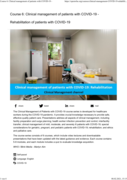
The sixth course of the Clinical Management of Patients with COVID-19 course series is devoted to the rehabilitation of patients with COVID-19. The seven course modules address the manifold and varied rehabilitation needs of patients recovering from COVID-19, including patients with cognitive impair
...
ment, physical deconditioning and weakness, respiratory impairment, swallow impairment, communication impairment and challenges in completing Activities of Daily Living (ADLs). Techniques for rehabilitation also are addressed
more
APS FORTE no SUS: no combate à pandemia
Padilla, M.; R.M. de Oliveira Costa et al.
Organização Pan-Americana da Saúde e Ministério da Saúde
(2021)
C_WHO
Challenged by the health emergency, Primary Health Care (PHC) professionals remodeled their work processes and realized that many of the innovations implemented in an emergency manner to respond to the pandemic of COVID are here to stay. The initiative APS Forte no SUS - no combate à pandemia de CO
...
VID-19 gathered experiences from all over the country, executed by engaged health workers who, despite the difficulties imposed by the new disease, fight daily to improve the offer and care in health in the Unified Health System (SUS). With the help of digital technologies, teams and professionals of the Family Health Strategy overcome daily one of the main challenges of APS in this pandemic: ensuring access to health services. Digital tools gain strength in the agenda for strengthening the SUS, so well represented in this initiative.
more
History has shown that governments tend to deprioritize environmental commitments during times of financial and public crises as they work to mitigate immediate needs—and the age of COVID-19 has been no different. Even though human interaction with wildlife is believed to be the cause of the pande
...
mic, the focus on COVID’s fallout has deprioritized the importance of reversing the damage humans have done to the planet.
COVID has had a multifaceted and detrimental effect on environmental conservation. Not only has funding been diverted to deal with the pandemic, conservation-oriented organizations are operating with minimal staff or have closed entirely. People whose daily work it is to advance environmental science and protect the land and water have become ill or have been forced to stay home because of travel restrictions. Plastic use is at an all-time high.
The good news is that there is an unprecedented opportunity for philanthropy to recharge the effort to protect the planet. This Giving Smarter Guide examines the state of environmental philanthropy, and provides an overview of potential strategic starting points for philanthropy and impact capital to play a role in saving the planet. In addition to offering recommendations specific to the COVID-19 response, the Center for Strategic Philanthropy also asks the questions that philanthropists should consider at the start of their journey into the field of conservation philanthropy.
more
Ukraine has four operational nuclear power plants (NPPs) containing 15 nuclear reactors, as well as two research nuclear reactors, radioactive waste disposal facilities, radioactive sources used in medicine and industry, and Chernobyl NPP that was decommissioned after the 1986 accident but still hos
...
ts two storages for an old spent nuclear fuel units.
Artillery shelling and fires may damage the safety systems and critical supply services of those installations. The State Nuclear Regulatory Inspectorate of Ukraine (SNRIU) has been providing daily updates to the IAEA and the global community on the situation related to the nuclear installations in Ukraine.
more
This is the first part of a five-part package that provides guidance on caregiver skills training for families of children aged 2–9 years with developmental delays or disabilities.
The Caregiver skills training for families of children with developmental delays or disabilities (CST) aims to pro
...
vide caregivers with skills that they can use at home to improve their child’s engagement in activities and communication, and to promote positive behaviour and skills for daily living.
more
1.0 PURPOSE
To define the procedure for the conduct of in-person meetings in both healthcare and community settings in response to COVID-19 and with respect to Public Health and Social Measures (PHSMs) to reduce the risk of disease transmission. A general risk assessment must be conducted to inform
...
context specific recommendations.
2.0 SCOPE
The procedure in this document is applicable to all meetings that require convening people
together physically.
3.0 SAFETY AND HYGIENE PROCEDURE
Before entry into the meeting room/venue:
• Presentation of evidence for complete doses of COVID-19 vaccination (depending on COVID-19 vaccine taken) or negative COVID-19 PCR test done within the last 72 hours, or where applicable proof of daily negative RDT result. The Africa Union Trusted Travel platform, with technical support from the PanaBIOS Consortium has implemented an online system that allows Airlines and Port Health services to authenticate and verify traveler’s COVID-19 results certificates in line with international standards, across Africa and beyond.
• Hand hygiene stations should be available at the points of entry.
• All participants must wear a well fitted mask that covers the nose and mouth. Medical masks should be provided all meeting participants.
more
A guide to management in Primary Health Care. A practical, instructive training guide that has proven its capacity to improve the managerial skills of middle-level health workers responsible for the management or supervision of health services. Presented as an activity-centered working guide, the bo
...
ok uses numerous questionnaires, exercises, practical examples, illustrations, charts, and sample forms to help readers relate advice and suggestions to their own daily problems. Emphasis is placed on ways to improve the management of health services provided by full-time, qualified staff. The guide features 18 chapters presented in four main parts, any one of which can be studied separately or as part of the whole, according to individual learning needs.
more
The Lancet olume 395, ISSUE 10232, P1259-1267, April 18, 2020. Buruli ulcer is a neglected tropical disease caused by Mycobacterium ulcerans infection that damages the skin and subcutis. It is most prevalent in western and central Africa and Australia. Standard antimicrobial treatment with oral rifa
...
mpicin 10 mg/kg plus intramuscular streptomycin 15 mg/kg once daily for 8 weeks (RS8) is highly effective, but streptomycin injections are painful and potentially harmful. We aimed to compare the efficacy and tolerability of fully oral rifampicin 10 mg/kg plus clarithromycin 15 mg/kg extended release once daily for 8 weeks (RC8) with that of RS8 for treatment of early Buruli ulcer lesions.
more
Technical information note. Digital Adherence Technologies (DATs) such as the smart medication container
kit can help to support people affected by TB with their treatment in a modern
and ef-fective way. These technologies are able to deliver reminders and may
help em-power TB affected individual
...
s and their families to take their daily
medication at a time and place that suits them best. They also generate a
digital record of medication intake.
more
Antimicrobial resistance learning channel
recommended
Antimicrobial resistance (AMR) is one of the top 10 global public health threats facing humanity. AMR threatens the effective prevention and treatment of an ever-increasing range of infections caused by bacteria, parasites, viruses and fungi.
It occurs when microorganisms develop resistance to me
...
dicines that are relied upon for treatment, making some conditions difficult or impossible to cure. As a result, infections persist in the body, increasing the risk of disease spread, severe illness and death.
The Antimicrobial Resistance channel offers learning resources to support implementation of the Global Action Plan on AMR (2015), by building health care worker competencies to help combat AMR in their daily clinical practice.
more
Microorganisms . 2022 Jul 14;10(7):1427.
Chagas disease (CD) is endemic in about 21 countries of the Americas. The disease has spread to recently Chagas-free regions, mainly due to migration, and can now also be diagnosed in countries such as the USA, Canada, many European and some African, eastern
...
Mediterranean and western Pacific countries. About 6 million people are infected and 70 million live with a daily risk of infection. Although many efforts have been made to control the disease, and some improvements were achieved, still, less than about 1% of the infected have access to diagnosis and treatment. This causes high morbidity and mortality rates with more than 12,000 deaths per year
more
After 100 years of chemotherapy with impractical and toxic drugs, an oral cure for human African trypanosomiasis (HAT) is available: Fexinidazole. In this case, we review the history of drug discovery for HAT with special emphasis on the discovery, pre-clinical development, and operational challenge
...
s of the clinical trials of fexinidazole. The screening of the Drugs for Neglected Diseases initiative (DNDi) HAT-library by the Swiss TPH had singled out fexinidazole, originally developed by Hoechst (now Sanofi), as the most promising of a series of over 800 nitroimidazoles and related molecules. In cell culture, fexinidazole has an IC50 of around 1 µM against Trypanosoma brucei and is more than 100-fold less toxic to mammalian cells. In the mouse model, fexinidazole cures both the first, haemolymphatic, and the second, meningoencephalitic stage of the infection, the latter at 100 mg/kg twice daily for 5 days. In patients, the clinical trials managed by DNDi and supported by Swiss TPH mainly conducted in the Democratic Republic of the Congo demonstrated that oral fexinidazole is safe and effective for use against first- and early second-stage sleeping sickness. Based on the positive opinion issued by the European Medicines Agency in 2018, the WHO has released new interim guidelines for the treatment of HAT including fexinidazole as the new therapy for first-stage and non-severe second-stage sleeping sickness caused by Trypanosoma brucei gambiense (gHAT). This greatly facilitates the diagnosis and treatment algorithm for gHAT, increasing the attainable coverage and paving the way towards the envisaged goal of zero transmission by 2030.
more

This was a Phase 3, multi-center, randomized, open-label, parallel-group, active control study where 273 male and female patients with first stage Trypanosoma brucei gambiense HAT were treated at six sites: one trypanosomiasis reference center in Angola, one hospital in South Sudan, and four hospita
...
ls in the Democratic Republic of the Congo between August 2005 and September 2009 to support the registration of pafuramidine for treatment of first stage HAT in collaboration with the United States Food and Drug Administration. Patients were treated with either 100 mg of pafuramidine orally twice a day for 10 days or 4 mg/kg pentamidine intramuscularly once daily for 7 days to assess the efficacy and safety of pafuramidine versus pentamidine. Pregnant and lactating women as well as adolescents were included.
more
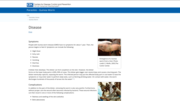
People with Guinea worm disease (GWD) have no symptoms for about 1 year. Then, the person begins to feel ill. Symptoms can include the following:
Slight fever
Itchy rash
Nausea
Vomiting
Diarrhea
Dizziness
A blister then develops. This blister can form anywhere on the skin. However, the blis
...
ter forms on the lower body parts in 80%–90% of cases. This blister gets bigger over several days and causes a burning pain. The blister eventually ruptures, exposing the worm. The infected person may put the affected body part in cool water to ease the symptoms or may enter water to perform daily tasks, such as fetching drinking water. On contact with water, the worm discharges hundreds of thousands of larvae into the water.
more

This Handbook is primarily for educators, to help them learn about mental health issues and better support them in educational environments. The Handbook aims to provide training to teachers, administrators, and people involved in the education of primary school children about the implementation of
...
mental health literacy into daily school life. Such knowledge, skills and attitudes will equip all levels of educators with key tools to support student mental health, manage difficult classroom behavior, and promote students’ wellbeing and academic success.
more
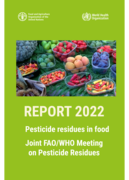
The annual Joint Meeting of the Food and Agriculture Organization of the United Nations (FAO) Panel of Experts on Pesticide Residues in Food and the Environment and the World Health Organization (WHO) Core Assessment Group on Pesticide Residues (JMPR) was held in Rome, Italy, from 13 to 22 September
...
. The FAO panel of experts had met in preparatory sessions from 8 to 12 September. The Meeting was held in pursuance of recommendations made by previous Meetings and accepted by the governing bodies of FAO and WHO that studies should be undertaken jointly by experts to evaluate possible hazards to humans arising from the occurrence of pesticide residues in foods. During the meeting the FAO Panel of Experts was responsible for reviewing pesticide use patterns (use of good agricultural practices), data on the chemistry and composition of the pesticides and methods of analysis for pesticide residues and for estimating the maximum residue levels that might occur as a result of the use of the pesticides according to good agricultural use practices. The WHO Core Assessment Group was responsible for reviewing toxicological and related data and for estimating, where possible and appropriate, acceptable daily intakes (ADIs) and acute reference doses (ARfDs) of the pesticides for humans. This report contains information on ADIs, ARfDs, maximum residue levels, and general principles for the evaluation of pesticides. The recommendations of the Joint Meeting, including further research and information, are proposed for use by Member governments of the respective agencies and other interested parties.
more
Diabetes mellitus has become a serious and chronic metabolic disorder that results from a complex interaction of genetic and environmental factors, principally characterized by hyperglycemia, polyuria, and polyphagia. Uncontrolled high blood sugar can result in a host of diabetic complications. Prol
...
onged diabetes leads to serious complications some of which are life-threatening. The prevalence of diabetes patients is rising at epidemic proportions throughout the world. Every year, a major portion of the annual health budget is spent on diabetes and related illnesses. Multiple risk factors are involved in the etiopathogenesis of the disease and turning the disease into an epidemic. Diabetes, for which there is no cure, apparently can be kept under control by maintaining self-care in daily living, effective diabetes education, with comprehensive improvements in knowledge, attitudes, skills, and management. In this review, we focused on the biochemical aspects of diabetes, risk factors including both environmental and genetic, disease complications, diagnosis, management, and currently available medications for the treatment of diabetes.
more
Since 2016, the Pan American Health Organization (PAHO) has been promoting the implementation of the HEARTS Initiative in the Americas as a regional adaptation of the World Health Organization's Global HEARTS Initiative. During this time, 33 countries in the Region of the Americas have committed to
...
implementing HEARTS, and PAHO has developed many technical resources to support them. Most of these resources are clinical tools for primary healthcare teams and focus on quality improvement. This compendium aims to group all these clinical tools in a single document under a simple format that facilitates their practical implementation in daily clinical practice. The reader will notice that each tool is summarized on a single page and presented in a modular format. Therefore, each tool can be used together or separately as needed. In addition, at the bottom of each tool, the reader will find the references and hyperlinks to access full texts in case deeper knowledge is required.
more
Position statement for adult and paediatric spirometry in South Africa: 2022 update
Maree, D.M.; Swanepoel, R.A.; Swart, F. et al.
African Journal of Thoracic and Critical Care Medicine
(2022)
CC
Spirometry is required as part of the comprehensive evaluation of both adult and paediatric individuals with suspected or confirmed respiratory diseases and occupational assessments. It is used in the categorisation of impairment, grading of severity, assessment of potential progression and response
...
to interventions. Guidelines for spirometry in South Africa are required to improve the quality, standardisation and usefulness in local respiratory practice. The broad principles of spirometry have remained largely unchanged from previous versions of the South African Spirometry Guidelines; however, minor adjustments have been incorporated from more comprehensive international guidelines, including adoption of the Global Lung Function Initiative 2012 (GLI 2012) spirometry reference equations for the South African population.
All equipment should have proof of validation regarding resolution and consistency of the system. Daily calibration must be performed, and equipment quality control processes adhered to. It is important to have standard operating procedures to ensure consistency and quality and, additionally, strict infection control as highlighted during the COVID-19 pandemic.
Adequate spirometry relies on a competent, trained operator, accurate equipment, standardised operating procedures, quality control and patient co-operation. All manoeuvres must be performed strictly according to guidelines, and strict quality assurance methods should be in place, including acceptability criteria (for any given effort) and repeatability (between efforts).
more
The video titled "Physical Activity and Chronic Disease Prevention" emphasizes the importance of regular physical activity in reducing the risk of chronic diseases. It discusses how engaging in consistent exercise can help prevent conditions such as heart disease, diabetes, and certain cancers. The
...
video also provides practical tips for incorporating physical activity into daily routines to enhance overall health and well-being.
more
Diabetes mellitus is one of the most common noncommunicable diseases worldwide. In the Eastern Mediterranean Region there has been a rapid increase in the incidence of diabetes mellitus and it is now the fourth leading cause of death. The increasing prevalence of diabetes mellitus, the emergence of
...
diabetes complications as a cause of early morbidity and mortality, and the enormous and mounting burden on health care systems make diabetes a priority health concern. These guidelines provide up-to-date, reliable and balanced information for the prevention and care of diabetes mellitus in the Region. The information is evidence-based and clearly stated to facilitate the use of the guidelines in daily practice. They are intended to benefit physicians at primary, secondary and tertiary level, general practitioners, internists and family medicine specialists, clinical dieticians and nurses as well as policy-makers at ministries of health. They provide the information necessary for decision-making by health care providers and patients themselves about disease management in the most commonly encountered situations.
more
Diabetes mellitus is one of the most common noncommunicable diseases worldwide. In the Eastern Mediterranean Region there has been a rapid increase in the incidence of diabetes mellitus and it is now the fourth leading cause of death. The increasing prevalence of diabetes mellitus, the emergence of
...
diabetes complications as a cause of early morbidity and mortality, and the enormous and mounting burden on health care systems make diabetes a priority health concern. These guidelines provide up-to-date, reliable and balanced information for the prevention and care of diabetes mellitus in the Region. The information is evidence-based and clearly stated to facilitate the use of the guidelines in daily practice. They are intended to benefit physicians at primary, secondary and tertiary level, general practitioners, internists and family medicine specialists, clinical dieticians and nurses as well as policy-makers at ministries of health. They provide the information necessary for decision-making by health care providers and patients themselves about disease management in the most commonly encountered situations.
more
The National Asthma Education Programme (NAEP) is a registered non-profit organisation whose mission is to provide asthma education to healthcare professionals, patients and the lay public. It was founded in 1994 by Dr Mike Greenblatt and Profs Dave Luyt and Robin Green. This year NAEP celebrates it
...
s 25th anniversary and remains driven by the need to improve the daily lives of numerous asthmatics in South Africa (SA) and Africa.
more
Chronic respiratory diseases, such as asthma and
chronic obstructive pulmonary disease, kill more than
four million people every year and affect hundreds
of millions more. These diseases erode the health
and well-being of the patients and have a negative
impact on families and societies. Women
...
and
children are particularly vulnerable, especially those
in low and middle income countries, where they are
exposed on a daily basis to indoor air pollution from
solid fuels for cooking and heating. In high income
countries, tobacco is the most important risk factor
for chronic respiratory diseases, and in some of
these countries, tobacco use among women and
young people is still increasing.
more
Chronic respiratory diseases, such as asthma and
chronic obstructive pulmonary disease, kill more than
four million people every year and affect hundreds
of millions more. These diseases erode the health
and well-being of the patients and have a negative
impact on families and societies. Women
...
and
children are particularly vulnerable, especially those
in low and middle income countries, where they are
exposed on a daily basis to indoor air pollution from
solid fuels for cooking and heating. In high income
countries, tobacco is the most important risk factor
for chronic respiratory diseases, and in some of
these countries, tobacco use among women and
young people is still increasing.
more
To help parents keep their children healthy and fit, WHO has developed the Child Nutrition and Physical Activity Guide. In addition to parents, the guide may prove to be a useful tool for other adults (such as grandparents or caregivers) working with primary school-aged children.
The Child Nutrit
...
ion and Physical Activity Guide is published only in the Russian language with support from the Ministry of Health of the Russian Federation for use in Russian-speaking countries. It addresses the urgent need in some countries to improve child nutrition, particularly in areas that face a double health burden characterized by coexistence of undernutrition and overweight, obesity or noncommunicable diseases. Many children in those countries never eat breakfast, and their diet consists of large quantities of sweets and sugar-sweetened beverages with almost no vegetables and fruit.
The WHO guide also offers ideas on how to stimulate children’s interest in physical activity, such as active play, exercise or sports. This is especially relevant for countries of the Commonwealth of Independent States (CIS), where, according to the latest findings, schoolchildren have a low participation in organized sports and exercise. On the other hand, a high proportion of schoolchildren walk to school every day. This could be a good starting point for CIS countries to make physical activity a daily habit that not only improves children’s physical health, but also promotes better mental health and well-being.
The guide aims to ensure that children obtain the knowledge and skills to make healthy food choices, critically evaluate their diet and integrate physical activity into daily life.
more
The South African (SA) guidelines for cardiac patients for non-cardiac surgery were developed to address the need for cardiac risk assessment and risk stratification for elective non-cardiac surgical patients in SA, and more broadly in Africa.
The guidelines were developed by updating the Canadian
...
Cardiovascular Society Guidelines on Perioperative Cardiac Risk Assessment
and Management for Patients Who Undergo Non-cardiac Surgery, with a search of literature from African countries and recent publications. The updated proposed guidelines were then evaluated in a Delphi consensus process by SA anaesthesia and vascular surgical experts.
The recommendations in these guidelines are:
1. We suggest that elective non-cardiac surgical patients who are 45 years and older with either a history of coronary artery disease, congestive cardiac failure, stroke or transient ischaemic attack, or vascular surgical patients 18 years or older with peripheral vascular disease require further preoperative risk stratification as their predicted 30-day major adverse cardiac event (MACE) risk exceeds 5%
(conditional recommendation: moderate-quality evidence).
2. We do not recommend routine non-invasive testing for cardiovascular risk stratification prior to elective non-cardiac surgery in adults (strong recommendation: low-to-moderate-quality evidence).
3. We recommend that elective non-cardiac surgical patients who are 45 years and older with a history of coronary artery disease, or stroke or transient ischaemic attack, or congestive cardiac failure or vascular surgical patients 18 years or older with peripheral vascular disease should have preoperative natriuretic peptide (NP) screening (strong recommendation: high-quality evidence).
4. We recommend daily postoperative troponin measurements for 48 - 72 hours for non-cardiac surgical patients who are 45 years and older with a history of coronary artery disease, or stroke or transient ischaemic attack, or congestive cardiac failure or vascular surgical patients 18 years or older with peripheral vascular disease, i.e. (i) a baseline risk >5% for MACE 30 days after elective surgery (if no preoperative NP screening), or (ii) an elevated B-type natriuretic peptide (BNP)/N-terminal-prohormone B-type natriuretic peptide (NT-proBNP) measurement before elective surgery (defined as BNP >99 pg/mL or a NT-proBNP >300 pg/mL) (conditional recommendation: moderate-quality evidence).
Additional recommendations are given for the management of myocardial injury after non-cardiac surgery (MINS) and medications for comorbidities.
more
Background: Worldwide, maternal hypertensive disorders complicate one in ten pregnancies. As a result of changes in the life styles of society, currently, it is becoming a common public life encounter. However, Ethiopia lacks comprehensive and comparable maternal hypertensive disorders, causing burd
...
en and health loss to inform policy and practice.
Objective: To describe the incidence and prevalence of maternal hypertensive disorders and deaths, Disability Adjusted Life Years, and Years Life Lost attributable to maternal hypertensive disorders in Ethiopia and its regional distributions from 1990 to 2019 as part of a collaborative Global Burden of Diseases, (2019) Study.
Methods: The data for this study were collected from surveys, demographic surveillances, medical record reviews, health facility observations and interviews socio-demographic, health care service utilization, and other data sources such as case notifications, scientific literature, and unpublished data as per the Global Burden of Disease protocol and analysis techniques to produce national and regional estimates of maternal hypertensive disorders in Ethiopia. Cause of death ensemble modeling and Bayesian meta-regression disease modeling was employed to ascertain cause of death and morbidity. Each metric was estimated per 100,000 populations with a 95% uncertainty interval (UI).
Results: In the last thirty years, in Ethiopia, , the incidence of maternal hypertensive disorders among young women was raised by 52,596 cases per 100,000 population [199,707 (95% UI 150,261-267,221) to 252,303 (95% UI 191,335-332,524)], while decreased among adolescent women from 67,206 (95% UI 46,887-90,883) to 64, 622 (95% UI; 47,587-84,664) per 100,000 population. The prevalence among women of reproductive age had increased from 94, 818 (95% UI 59,434-135,332) in 1990 to 138, 263 (95% UI 88,447-196,029) in 2019. Between 1990 and 2019, deaths attributable to maternal hypertensive disorders among adolescents and young women had increased by 1.5 and 1.17 times, respectively. In 2019, disability adjusted life years among adolescent, young women and women of reproductive age due to maternal hypertensive disorders was 8,493 (UI 95% 5,370-12,849), 21,812 (UI 95% 14,682-32,139) and 57,867 (UI 95% 41,751-79,165) respectively. The highest daily adjusted life years due to maternal hypertensive disorders had occurred among young women, 13,319 (UI 95% 8,592-19,931) which was higher than 1990 whereas the young women years of life lost had increased.
Conclusions: Based on the finding, increasingly high new cases, prevalence and burden of maternal hypertensive disorders and significant health loss were observed in the last three decades in Ethiopia. Hence, prevention of cases, disabilities, deaths and health losses caused by maternal hypertensive disorders can be prevented by properly advocating lifestyle modifications with specifically designed age-specific interventions. On the top of continuing prevention efforts with newly devised magnesium sulphate administration in the new ANC initiative of the ministry, contextualized, need based, localized, and targeted interventions could be reconstituted. [Ethiop. J. Health Dev. 2023;37 (SI-2)]
more
The war in Gaza has resulted in many hundreds of spinal cord injuries (SCI), which will have a devastating impact on those injured and their families for the rest of their lives.
The optimal management of SCI requires effective pre-hospital care, early specialized imaging (using CT or MRI) and in
...
many cases early surgical interventions by a highly specialised neurosurgical team. Surgery requires many hours of use of a sterile operating room environment and supportive critical care capacity, as well as intensive post-operative care – none of which is currently possible due to the ongoing war, destruction, and disruption of health services in Gaza.
An alternative to surgery is conservative management – this requires intensive nursing care under full spinal precautions for many weeks in order to allow for bone and soft tissue healing and prevent further injury to the spinal cord. The patient is unable to move independently in bed during this period. Those caring for the patient need to be able to safely reposition them every 2 hours, and manage all their bowel and bladder care needs. The patient needs good nutrition and hydration at all times, as well as access to medication to support bowel care, manage pain (including neuropathic pain). A caregiver must remain with the patient to be trained to provide ongoing care and assist with daily care.
more
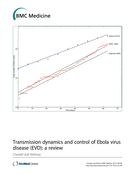
Transmission dynamics and control of Ebola virus disease (EVD): a review
Chowell and Nishiura
(2014)
BMC Medicine 2014, 12:196
http://www.biomedcentral.com/1741-7015/12/196

This collection of forms (in MS Excel) should be used in training and included in the outbreak response guidelines. The forms include tally sheets, check lists, household assessment and missed children forms. They can be adapted to specific national conditions.
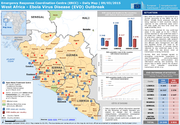
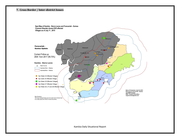
WHO Syria Dashboard COVID-19
recommended
At least 2.2 million people were exposed to the earthquake, about 2,100 people have died, and more than 12,000 were injured as at 20 August. The death toll is expected to rise as the search for victims trapped under rubble continues. The Government has declared a month-long state of emergency for th
...
e most affected departments (LCI 19/08/2021; USAID 18/08/2021 a).
more

Fever Diagnostic Technology Landscape
recommended
1st edition.
Unitaid’s report describes a slate of new devices that can more efficiently identify dangerously ill children so that they can be treated immediately. These tools make it easier to recognize danger signs, and support integrated approaches to reducing childhood deaths from the three
...
greatest childhood killers: malaria, pneumonia and diarrhoea.
The report also highlights tests that can determine whether or not a child has an illness that can be treated with antibiotics. Viral infections are a common cause of childhood fevers, but cannot be cured with antibiotics. Although many children seeking care at clinics have fever, three-quarters by some estimates, only a small fraction of those have an illness that can be treated with an antimalarial or antibiotic drug
more

THIS LEAFLET AIMS AT GUIDING YOU THROUGH THE VERY FIRST DAYS OF AN OUTBREAK
This core package of materials provides a comprehensive introduction to the FAST strategy: a focused approach to stopping TB spread in congregate settings. In English, FAST stands for:
Finding TB cases
Actively,
Separating safely, and
Treating effectively.
FAST focuses health care w
...
orkers on the most important TB transmission control intervention: effective treatment.
FAST can also be extrapolated to national policy where it serves as a framework for allocating resources to interventions that will have the greatest impact on reducing TB transmission.
This core package is composed of a booklet, job aids, posters, and a button which serves as a visual reminder to staff and patients of the importance of this strategy in TB control. FAST can be implemented in both general and TB specific medical settings.
For full package visit: https://drtbnetwork.org/fast-tb-infection-control-strategy-core-package
more
How 2016 became the worst year for Syria's children

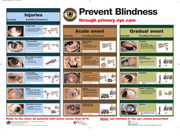
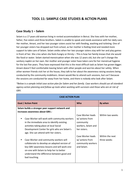
The Guide
Ratgeber Parkinson – Englisch
Accessed: 11.03.2019

Annex 3. Dosages of ARV drugs
World Health Organization
(2019)
C_WHO
Accessed: 19.10.2019
Samples - Memory Game
AIDS Action
(2019)
C2
Accessed: 30.10.2019
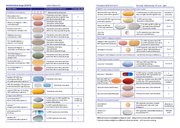
Antiretroviral drugs 2018/19
i-base
(2019)
C2
www.i-Base.info
Accessed: 28.11.2019

This action plan for the Kingdom Saudi Arabia to combat antimicrobial resistance has been formulated in the line of the WHO five objectives. It addresses the need for effective “one health” approach involving coordination among numerous national sectors and actors, including human and veterinary
...
medicine, agriculture, finance, environment, and well-informed consumers. Therefore, a large committee of all stakeholders was formed with five technical subcommittees were established to addresses every aspect
to contain antimicrobial resistance in the country.
more
Accessed: 31.03.2020
COVID-19 - Home-based Care
recommended
How to do it best for the patient and the family
In an effort to limit transmission and achieve pandemic control on the continent, Africa CDC is proposing the following measures to be taken by all Member States:
Remain vigilant
Countries should adapt or adopt best practices, strategies, guidelines and recommendations proposed by the Africa CDC
...
and World Health Organization (WHO), aimed at limiting transmission. Measures taken should strike a balance between saving lives and minimizing the impact of the pandemic on the economy and social wellbeing of citizens.
more
Increasing the Odds: A Series to Understanding Gambling Disorders. Vol.7
All editions of Increasing the Odd sare available as a free download at https://www.icrg.org/resources/monographs
The ANA (American Nurses Association) is a internet platform, where you can find important resources about nursing care, work environment, advocacy, scope of practice and much more. ANA believes that every nurse should be supported to be at their best health, as role models, advocates, and educators
...
for our nation.
more
Research Report
May 5, 2022
Caregiver Part 1: Key Resources
recommended
May 17,2022 MEDBOX Issue Brief no.21

By end of March 2022:
42 COVID-19 detection laboratories were assessed in the 1st Quarter 2022.
23 (55%) Labs are reported fully functional, while 19 (45%) requires assistance to fully operate (i.e., medical supplies, equipment, maintenance, and staffing).
34 (89%) labs have RT-
...
PCR machines, while 4 (11%) doesn’t have.
Most laboratories operate 1 shift of 8 hours 13 (34%), followed by 2 shifts of 16 hours 11 (29%).
Over 1000 testing capacity per day is reported in Tripoli Biotechnical Centre Lab (5,000), Azzawya NCDC Lab (2,500), Tripoli NCDC public health lab (1500), Misrata NCDC Lab (1,300), and Misrata Medical centre Lab (1,300).
The reported needs ranked per priority are equipment, consumables, and staff training; consequently.
more

This document contains summary information on the latest projections from the IHME model on COVID-19 in Peru. The model was run on July 15, 2022, with data through July 10, 2022.
This document contains summary information on the latest projections from the IHME model on COVID-19
in Brazil. The model was run on July 15, 2022, with data through July 13, 2022.
Caregiver: Standard precautions
recommended
Issue Brief 28: Cargiver Toolbox Part 2
A collection of important documents from the category "Standard precautions", including hand hygiene, waste management, infection and prevention control (IPC) measures.
The power relations around global decisions which shape population health can be changed through new alliances and information flows. The Democratising Global Health Governance Initiative, of which WHO Watch is a project, is designed to contribute to improved population health (and health equity) th
...
rough new alliances and information flows.
more
Refugee Health
recommended
An approach to emergency situations. Relief workers face rapidly changing and complex environments, new disease patterns, enormous humanitarian needs and relatively limited resources. The authors of this book use their experience in the area to produce an operational manual of the issues involved in
...
refugee health programs. This book is aimed at professionals involved in public health assistance to refugees and displaced persons. It deals with a variety of specific refugee health issues at the decisional level, and discusses the priorities of intervention during the different phases of a refugee crisis, from emergency to repatriation.
more
Chapter 10 of Pediatric Surgery: This chapter provides an overview of some of the challenges when providing anaesthesia care for children in Africa. The chapter reviews
the cardiac, respiratory, and renal differences of children in comparison to adults. Additionally, it addresses preoperative asses
...
sment, including guidelines for nothing by mouth (NPO, or nil per os), general and regional anaesthesia, intraoperative monitoring, airway management, and postoperative care
more
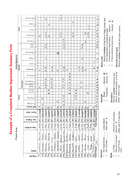
A septic tank takes raw sewage in, allows the solids to settle (sludge) and allows the remaining liquid to flow into the surrounding soil by means of a soakaway. Scum on the surface is also prevented from leaving the tank. Microorganisms in the anaerobic environment in the tank digest the sludge and
...
scum. The system consists of several stages, supply to the tank, the tank itself and the soak field.
more
Zimbabwe Cholera Control Guidelines
recommended
3rd edition
The Global Action Report on Preterm Birth. Presentation
The Panel recommendations on initial combination regimens for the antiretroviral therapy (ART)-naive, HIV-infected patients.
Participant Modules
Role of antidepressants in people with dementia and associated depression
World Health Organization
(2012)
C_WHO
Q4: For people with dementia with associated depression, do antidepressants when compared to placebo/comparator produce benefits/harm in the specified outcomes?

Review of disability issues and rehabilitation services in 29 african countries.
Accessed 24 June 104
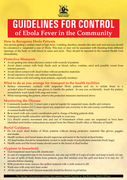
Accessed 1 July 2014
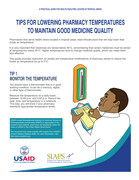
Accessed July 2014
A new mobile learning courses developed by CapacityPlus lead partner IntraHealth International offer specialized guidance on care and prevention for health workers in Ebola-affected areas, delivered through SMS text messages or through interactive voice response on simple mobile phones. The reources
...
will be available on the IntraHealth International website
more
WORKSHOP ON INTERVENTIONS FOR EBOLA PREVENTION FOR PARISH PRIESTS AND RELIGIOUS,
PPC CHAIRPERSONS AND LEADERS OF DIOCESAN ORGANIZATIONS at Diocesan Pastoral and Social Center August 19-20th and 22nd-23th 2014, Caritas Sierra Leone