
Filter
7180
Text search:
control
measures
Featured
690
1883
Language
6916
176
146
118
88
63
39
36
11
11
10
10
10
10
10
8
8
7
7
6
6
6
6
6
6
5
5
5
5
5
5
4
4
4
4
4
4
4
3
3
3
3
3
3
3
3
3
2
2
2
2
2
2
2
2
2
2
1
1
1
1
1
1
1
1
1
Document type
3872
1219
969
405
276
185
93
76
26
20
15
11
9
1
Countries
350
302
207
185
172
166
145
140
138
129
127
108
103
100
98
97
97
97
92
87
82
82
71
67
58
54
53
53
53
49
48
47
46
44
43
43
43
43
42
42
41
38
35
34
34
31
29
26
25
24
24
23
22
22
22
21
20
20
18
17
16
16
15
13
13
13
13
12
12
12
11
11
10
10
10
9
9
8
8
8
8
7
7
7
7
7
6
6
6
6
6
6
6
5
5
5
5
5
5
5
5
5
5
4
4
4
4
4
4
3
3
3
3
3
3
3
3
3
3
3
3
3
3
3
3
2
2
2
2
2
2
2
2
2
2
2
2
2
2
1
1
1
1
1
1
1
1
1
1
1
1
1
1
1
Authors & Publishers
1019
395
278
234
171
142
132
104
79
59
52
49
47
45
43
39
38
36
35
34
32
30
28
28
27
26
26
25
25
25
24
23
23
23
22
22
22
21
21
21
21
21
20
20
20
20
20
20
19
19
19
19
18
18
18
17
16
16
16
16
16
15
15
15
15
15
15
15
14
14
13
13
13
13
12
12
12
12
12
12
12
11
11
11
11
11
11
10
10
10
10
10
10
10
9
9
9
9
9
9
9
8
8
8
8
8
8
8
8
8
8
8
8
8
8
8
7
7
7
7
7
7
7
7
7
7
7
7
7
7
7
7
7
7
7
7
7
6
6
6
6
6
6
6
6
6
6
6
6
6
6
6
6
6
6
6
6
6
6
6
6
6
6
6
6
6
5
5
5
5
5
5
5
5
5
5
5
5
5
5
5
5
5
5
5
5
5
5
5
5
5
5
5
5
5
5
5
5
5
5
5
5
5
5
5
5
5
5
5
5
5
5
5
5
5
4
4
4
4
4
4
4
4
4
4
4
4
4
4
4
4
4
4
4
4
4
4
4
4
4
4
4
4
4
4
4
4
4
4
4
4
4
4
4
4
4
4
4
4
4
4
4
4
4
4
4
4
4
4
4
4
4
4
4
4
4
4
4
4
4
4
3
3
3
3
3
3
3
3
3
3
3
3
3
3
3
3
3
3
3
3
3
3
3
3
3
3
3
3
3
3
3
3
3
3
3
3
3
3
3
3
3
3
3
3
3
3
3
3
3
3
3
3
3
3
3
3
3
3
3
3
3
3
3
3
3
3
3
3
3
3
3
3
3
3
3
3
3
3
3
3
3
3
3
3
3
3
3
3
3
3
3
3
3
3
3
3
3
3
3
3
3
3
3
3
3
3
3
3
3
3
3
3
3
3
3
3
3
3
3
3
3
3
3
3
3
3
3
3
3
3
3
3
3
3
3
3
3
3
3
3
2
2
2
2
2
2
2
2
2
2
2
2
2
2
2
2
2
2
2
2
2
2
2
2
2
2
2
2
2
2
2
2
2
2
2
2
2
2
2
2
2
2
2
2
2
2
2
2
2
2
2
2
2
2
2
2
2
2
2
2
2
2
2
2
2
2
2
2
2
2
2
2
2
2
2
2
2
2
2
2
2
2
2
2
2
2
2
2
2
2
2
2
2
2
2
2
2
2
2
2
2
2
2
2
2
2
2
2
2
2
2
2
2
2
2
2
2
2
2
2
2
2
2
2
2
2
2
2
2
2
2
2
2
2
2
2
2
2
2
2
2
2
2
2
2
2
2
2
2
2
2
2
2
2
2
2
2
2
2
2
2
2
2
2
2
2
2
2
2
2
2
2
2
2
2
2
2
2
2
2
2
2
2
2
2
2
2
2
2
2
2
2
2
2
2
2
2
2
2
2
2
2
2
2
2
2
2
2
2
2
2
2
2
2
2
2
2
2
2
2
2
2
2
2
2
2
2
2
2
2
2
2
2
2
2
2
2
2
2
2
2
2
2
2
2
2
2
2
2
2
2
2
2
2
2
2
2
2
2
2
2
2
2
2
2
2
2
2
2
2
2
2
2
2
2
2
2
2
2
2
2
2
2
2
2
2
2
2
2
2
2
2
2
2
2
2
2
2
2
2
2
2
2
2
2
2
2
2
2
2
2
2
2
2
2
2
2
2
2
2
2
2
2
2
2
2
2
2
2
2
2
2
2
2
2
2
2
2
2
2
2
2
2
2
2
2
2
2
2
2
2
2
2
2
2
2
2
2
2
2
2
2
2
2
2
2
2
2
2
2
2
2
2
2
2
2
2
2
2
2
2
2
2
2
2
1
1
1
1
1
1
1
1
1
1
1
1
1
1
1
1
1
1
1
1
1
1
1
1
1
1
1
1
1
1
1
1
1
1
1
1
1
1
1
1
1
1
1
1
1
1
1
1
1
1
1
1
1
1
1
1
1
1
1
1
1
1
1
1
1
1
1
1
1
1
1
1
1
1
1
1
1
1
1
1
1
1
1
1
1
1
1
1
1
1
1
1
1
1
1
1
1
1
1
1
1
1
1
1
1
1
1
1
1
1
1
1
1
1
1
1
1
1
1
1
1
1
1
1
1
1
1
1
1
1
1
1
1
1
1
1
1
1
1
1
1
1
1
1
1
1
1
1
1
1
1
1
1
1
1
1
1
1
1
1
1
1
1
1
1
1
1
1
1
1
1
1
1
1
1
1
1
1
1
1
1
1
1
1
1
1
1
1
1
1
1
1
1
1
1
1
1
1
1
1
1
1
1
1
1
1
1
1
1
1
1
1
1
1
1
1
1
1
1
1
1
1
1
1
1
1
1
1
1
1
1
1
1
1
1
1
1
1
1
1
1
1
1
1
1
1
1
1
1
1
1
1
1
1
1
1
1
1
1
1
1
1
1
1
1
1
1
1
1
1
1
1
1
1
1
1
1
1
1
1
1
1
1
1
1
1
1
1
1
1
1
1
1
1
1
1
1
1
1
1
1
1
1
1
1
1
1
1
1
1
1
1
1
1
1
1
1
1
1
1
1
1
1
1
1
1
1
1
1
1
1
1
1
1
1
1
1
1
1
1
1
1
1
1
1
1
1
1
1
1
1
1
1
1
1
1
1
1
1
1
1
1
1
1
1
1
1
1
1
1
1
1
1
1
1
1
1
1
1
1
1
1
1
1
1
1
1
1
1
1
1
1
1
1
1
1
1
1
1
1
1
1
1
1
1
1
1
1
1
1
1
1
1
1
1
1
1
1
1
1
1
1
1
1
1
1
1
1
1
1
1
1
1
1
1
1
1
1
1
1
1
1
1
1
1
1
1
1
1
1
1
1
1
1
1
1
1
1
1
1
1
1
1
1
1
1
1
1
1
1
1
1
1
1
1
1
1
1
1
1
1
1
1
1
1
1
1
1
1
1
1
1
1
1
1
1
1
1
1
1
1
1
1
1
1
1
1
1
1
1
1
1
1
1
1
1
1
1
1
1
1
1
1
1
1
1
1
1
1
1
1
1
1
1
1
1
1
1
1
1
1
1
1
1
1
1
1
1
1
1
1
1
1
1
1
1
1
1
1
1
1
1
1
1
1
1
1
1
1
1
1
1
1
1
1
1
1
1
1
1
1
1
1
1
1
1
1
1
1
1
1
1
1
1
1
1
1
1
1
1
1
1
1
1
1
1
1
1
1
1
1
1
1
1
1
1
1
1
1
1
1
1
1
1
1
1
1
1
1
1
1
1
1
1
1
1
1
1
1
1
1
1
1
1
1
1
1
1
1
1
1
1
1
1
1
1
1
1
1
1
1
1
1
1
1
1
1
1
1
1
1
1
1
1
1
1
1
1
1
1
1
1
1
1
1
1
1
1
1
1
1
1
1
1
1
1
1
1
1
1
1
1
1
1
1
1
1
1
1
1
1
1
1
1
1
1
1
1
1
1
1
1
1
1
1
1
1
1
1
1
1
1
1
1
1
1
1
1
1
1
1
1
1
1
1
1
1
1
1
1
1
1
1
1
1
1
1
1
1
1
1
1
1
1
1
1
1
1
1
1
1
1
1
1
1
1
1
1
1
1
1
1
1
1
1
1
1
1
1
1
1
1
1
1
1
1
1
1
1
1
1
1
1
1
1
1
1
1
1
1
1
1
1
1
1
1
1
1
1
1
1
1
1
1
1
1
1
1
1
1
1
1
1
1
1
1
1
1
1
1
1
1
1
1
1
1
1
1
1
1
1
1
1
1
1
1
1
1
1
1
1
1
1
1
1
1
1
1
1
1
1
1
1
1
1
1
1
1
1
1
1
1
1
1
1
1
1
1
1
1
1
1
1
1
1
1
1
1
1
1
1
1
1
1
1
1
1
1
1
1
1
1
1
1
1
1
1
1
1
1
1
1
1
1
1
1
1
1
1
1
1
1
1
1
1
1
1
1
1
1
1
1
1
1
1
1
1
1
1
1
1
1
1
1
1
1
1
1
1
1
1
1
1
1
1
1
1
1
1
1
1
1
1
1
1
1
1
1
1
1
1
1
1
1
1
1
1
1
1
1
1
1
1
1
1
1
1
1
1
1
1
1
1
1
1
1
1
1
1
1
1
1
1
1
1
1
1
1
1
1
1
1
1
1
1
1
1
1
1
1
1
1
1
1
1
1
1
1
1
1
1
1
1
1
1
1
1
1
1
1
1
1
1
1
1
1
1
1
1
1
1
1
1
1
1
1
1
1
1
1
1
1
1
1
1
1
1
1
1
1
1
1
1
1
1
1
1
1
1
1
1
1
1
1
1
1
1
1
1
1
1
1
1
1
1
1
1
1
1
1
1
1
1
1
1
1
1
1
1
1
1
1
1
1
1
1
1
1
1
1
1
1
1
1
1
1
1
1
1
1
1
1
1
1
1
1
1
1
1
1
1
1
1
1
1
1
1
1
1
1
1
1
1
1
1
1
1
1
1
1
1
1
1
1
1
1
1
1
1
1
1
1
1
1
1
1
1
1
1
1
1
1
1
1
1
1
1
1
1
1
1
1
1
1
1
1
1
1
1
1
1
1
1
1
1
1
1
1
1
1
1
1
1
1
1
1
1
1
1
1
1
1
1
1
1
1
1
1
1
1
1
1
1
1
1
1
1
1
1
1
1
1
1
1
1
1
1
1
1
1
1
1
1
1
1
1
1
1
1
1
1
1
1
1
1
1
1
1
1
1
1
1
1
1
1
1
1
1
1
1
1
1
1
1
1
1
1
1
1
1
1
1
1
1
1
1
1
1
1
1
1
1
1
1
1
1
1
1
1
1
1
1
1
1
1
1
1
1
1
1
1
1
1
1
1
1
1
1
1
1
1
1
1
1
1
1
1
1
1
1
1
1
1
1
1
1
1
1
1
1
1
1
1
1
1
1
1
1
1
1
1
1
1
1
1
1
1
1
1
1
1
1
1
1
1
1
1
1
1
1
1
1
1
1
1
1
1
1
1
1
1
1
1
1
1
1
1
1
1
1
1
1
1
1
1
1
1
1
1
1
1
1
1
1
1
1
1
1
1
1
1
1
1
1
1
1
1
1
1
1
1
1
1
1
1
1
1
1
1
1
1
1
1
1
1
1
1
1
1
1
1
1
1
1
1
1
1
1
1
1
1
1
1
1
1
1
1
1
1
1
1
1
1
1
1
1
1
1
1
1
1
1
1
1
1
1
1
1
1
1
1
1
1
1
1
1
1
1
1
1
1
1
1
1
1
1
1
1
1
1
1
1
1
1
1
1
1
1
1
1
1
1
1
1
1
1
1
1
1
1
1
1
1
1
1
1
1
1
1
1
1
1
1
1
1
1
1
1
1
1
1
1
1
1
1
1
1
1
1
1
1
1
1
1
1
1
1
1
1
1
1
1
1
1
1
1
1
1
1
1
1
1
1
1
1
1
1
1
1
1
1
1
1
1
1
1
1
1
1
1
1
1
1
1
1
1
1
1
1
1
1
1
1
1
1
1
1
1
1
1
1
1
1
1
1
1
1
1
1
1
1
1
1
1
1
1
1
1
1
1
1
1
1
1
1
1
1
1
1
1
1
1
1
1
1
1
1
1
1
1
1
1
1
1
1
1
1
1
1
1
1
1
1
1
1
1
1
1
1
1
1
1
1
1
1
1
1
1
1
1
1
1
1
1
1
1
1
1
1
1
1
1
1
1
1
1
1
1
1
1
1
1
1
1
1
1
1
1
1
1
1
1
1
1
1
1
1
1
1
1
1
1
1
1
1
1
1
1
1
1
1
1
1
1
1
1
1
1
1
1
1
1
1
1
1
1
1
1
1
1
1
1
1
1
1
1
1
1
1
1
1
1
1
1
1
1
1
1
1
1
1
1
1
1
1
1
1
1
1
1
1
1
1
1
1
1
1
1
1
1
1
1
1
1
1
1
1
1
1
1
1
1
1
1
1
1
1
1
1
1
1
1
1
1
1
1
1
1
1
1
1
1
1
1
1
1
1
1
1
1
1
1
1
1
1
1
1
1
1
1
1
1
1
1
1
1
1
1
1
1
1
1
1
1
1
1
1
1
1
1
1
1
1
1
1
1
1
1
1
1
1
1
1
1
1
1
1
1
1
1
1
1
1
1
1
1
1
1
1
1
1
1
1
1
1
1
1
1
1
1
1
1
1
1
1
1
1
1
1
1
1
1
1
1
1
1
1
1
1
1
1
1
1
1
1
1
1
1
1
1
1
1
1
1
1
1
1
1
1
1
1
1
1
1
1
1
1
1
1
1
1
1
1
1
1
1
1
1
1
1
1
1
1
1
1
1
1
1
1
1
1
1
1
1
1
1
1
1
1
1
1
1
1
1
1
1
1
1
1
1
1
1
1
1
1
1
1
1
1
1
1
1
1
1
1
1
1
1
1
1
1
1
1
1
1
1
1
1
1
1
1
1
1
1
1
1
1
1
1
1
1
1
1
1
1
1
1
1
1
1
1
1
1
1
1
1
1
1
1
1
1
1
1
1
1
1
1
1
1
1
1
1
1
1
1
1
1
1
1
1
1
1
1
1
1
1
1
1
1
1
1
1
1
1
1
1
1
1
1
1
1
1
1
1
1
1
1
1
1
1
1
1
1
1
1
1
1
1
1
1
1
1
1
1
1
1
1
1
1
1
1
1
1
1
1
1
1
1
1
1
1
1
1
1
1
1
1
1
1
1
1
1
1
1
1
1
1
1
1
1
1
1
1
1
1
1
1
1
1
1
1
1
1
1
1
1
1
1
1
1
1
1
1
1
1
1
1
1
1
1
1
1
1
1
1
1
1
1
1
1
1
1
1
1
1
1
1
1
1
1
1
1
1
1
1
1
1
1
1
1
1
1
1
1
1
1
1
1
1
1
1
1
1
1
1
1
1
1
1
1
1
1
1
1
1
1
1
1
1
1
1
1
1
1
1
1
1
1
1
1
1
1
1
1
1
1
1
1
1
1
1
1
1
1
1
1
1
1
1
1
1
1
1
1
1
1
1
1
1
1
1
1
1
1
1
1
1
1
1
1
1
1
1
1
1
1
1
1
1
1
1
1
1
1
1
1
1
1
1
1
1
1
1
1
1
1
1
1
1
1
1
1
1
1
1
1
1
1
1
1
1
1
1
1
1
1
1
1
1
1
1
1
1
1
1
1
1
1
1
1
1
1
1
1
1
1
1
1
1
1
1
1
1
1
1
1
1
1
1
1
1
1
1
1
1
1
1
1
1
1
1
1
1
1
1
1
1
1
1
1
1
1
1
1
1
1
1
1
1
1
1
1
1
1
1
1
1
1
1
1
1
1
1
1
1
1
1
1
1
1
1
1
1
1
1
1
1
1
1
1
1
1
1
1
1
1
1
1
1
1
1
1
1
1
1
1
1
1
1
1
1
1
1
1
1
1
1
1
1
1
1
1
1
1
1
1
1
1
1
1
1
1
1
1
1
1
1
1
1
1
1
1
1
1
1
1
1
1
1
1
1
1
1
1
1
1
1
1
1
1
1
1
1
1
1
1
1
1
1
1
1
1
1
1
1
1
1
1
1
1
1
1
1
1
1
1
1
1
1
1
1
1
1
1
1
1
1
1
1
1
1
1
1
1
1
1
1
1
1
1
1
1
1
1
1
1
1
1
1
1
1
1
1
1
1
1
1
1
1
1
1
1
1
1
1
1
1
1
1
1
1
1
1
1
1
1
1
1
1
1
1
1
1
1
1
1
1
1
1
1
1
1
1
1
1
1
1
1
1
1
1
1
1
1
1
1
1
1
1
1
1
1
1
1
1
1
1
1
1
1
1
1
1
1
1
1
1
1
1
1
1
1
1
1
1
1
1
1
1
1
1
1
1
1
1
1
1
1
1
1
1
1
1
1
1
1
1
1
1
1
1
1
1
1
1
1
1
1
1
1
1
1
1
1
1
1
1
1
1
1
1
1
1
1
1
1
1
1
1
1
1
1
1
1
1
1
1
1
1
1
1
1
1
1
1
1
1
1
1
1
1
1
1
1
1
1
1
1
1
1
1
1
1
1
1
1
1
1
1
1
1
1
1
1
1
1
1
1
1
1
1
1
1
1
1
1
1
1
1
1
1
1
1
1
1
1
1
1
1
1
1
1
1
1
1
1
1
1
1
1
1
1
1
1
1
1
1
1
1
1
1
1
1
1
1
1
1
1
1
1
1
1
1
1
1
1
1
1
1
1
1
1
1
1
1
1
1
1
1
1
1
1
1
1
1
1
1
1
1
1
1
1
1
1
1
1
1
1
1
1
1
1
1
1
1
1
1
1
1
1
1
1
1
1
1
1
1
1
1
1
1
1
1
1
1
1
1
1
1
1
1
1
1
1
1
1
1
1
1
1
1
1
1
1
1
1
1
1
1
1
1
1
1
1
1
1
1
1
1
1
1
1
1
1
1
1
1
1
1
1
1
1
1
1
1
1
1
1
1
1
1
1
1
1
1
1
1
1
1
1
1
1
1
1
1
1
1
1
1
1
1
1
1
1
1
1
1
1
1
1
1
1
1
1
1
1
1
1
1
1
1
1
1
1
1
1
1
1
1
1
1
1
1
1
1
1
1
1
1
1
1
1
1
1
1
1
1
1
1
1
1
1
1
1
1
1
1
1
1
1
1
1
1
1
1
1
1
1
1
1
1
1
1
1
1
1
1
1
1
1
1
1
1
1
1
1
1
1
1
1
1
1
1
1
1
1
1
1
1
1
1
1
1
1
1
1
1
1
1
1
1
1
1
1
1
1
1
1
1
1
1
1
1
1
1
1
1
1
1
1
1
1
1
1
1
1
1
1
1
1
1
1
1
1
1
1
1
1
1
1
1
1
1
1
1
1
1
1
1
1
1
1
1
1
1
1
1
1
1
1
1
1
1
1
1
1
1
1
1
1
1
1
1
1
1
1
1
1
1
1
1
1
1
1
1
1
1
1
1
1
1
1
1
1
1
1
1
1
1
1
1
1
1
1
1
1
1
1
1
1
1
1
1
1
1
1
1
1
1
1
1
1
1
1
1
1
1
1
1
1
1
1
1
1
1
1
1
1
1
1
1
1
1
1
1
1
1
1
1
1
1
1
1
1
1
1
1
1
1
1
1
1
1
1
1
1
1
1
1
1
1
1
1
1
1
1
1
1
1
1
1
1
1
1
1
1
1
1
1
1
1
1
1
1
1
1
1
1
1
1
1
1
1
1
1
1
1
1
1
1
1
1
1
1
1
1
1
1
1
1
1
1
1
1
1
1
1
1
1
1
1
1
1
1
1
1
1
1
1
1
1
1
1
1
1
1
1
1
1
1
1
1
1
1
1
1
1
1
1
1
1
1
1
1
1
1
1
1
1
1
1
1
1
1
1
1
1
1
1
1
1
1
1
1
1
1
1
1
1
1
1
1
1
1
1
1
1
1
1
1
1
1
1
1
1
1
1
1
1
1
1
1
1
1
1
1
1
1
1
1
1
1
1
1
1
1
1
1
1
1
1
1
1
1
1
1
1
1
1
1
1
1
1
1
1
1
1
1
1
1
1
1
1
1
1
1
1
1
1
1
1
1
1
1
1
1
1
1
1
1
1
1
1
1
1
1
1
1
1
1
1
1
1
1
1
1
1
1
1
1
1
1
1
1
1
1
1
1
1
1
1
1
1
1
1
1
1
1
1
1
1
1
1
1
1
1
1
1
1
1
1
1
1
1
1
1
1
1
1
1
1
1
1
1
1
1
1
1
1
1
1
1
1
1
1
1
1
1
1
1
1
1
1
1
1
1
1
1
1
1
1
1
1
1
1
1
1
1
1
1
1
1
1
1
1
1
1
1
1
1
1
1
1
1
1
1
1
1
1
1
1
1
1
1
1
1
1
1
1
1
1
1
1
1
1
1
1
1
1
1
1
1
1
1
1
1
1
1
1
1
1
1
1
1
1
1
1
1
1
1
1
1
1
1
1
1
1
1
1
1
1
1
1
1
1
1
1
1
1
1
1
1
1
1
1
1
1
1
1
1
1
1
1
1
1
1
1
1
1
1
1
1
1
1
1
1
1
1
1
1
1
1
1
1
1
1
1
1
1
1
1
1
1
1
1
1
1
1
1
1
1
1
1
1
1
1
1
1
1
1
1
1
1
1
1
1
1
1
1
1
1
1
1
1
1
1
1
1
1
1
1
1
1
1
1
1
1
1
1
1
1
1
1
1
1
1
1
1
1
1
1
1
1
1
1
1
1
1
1
1
1
1
1
1
1
1
1
1
1
1
1
1
1
1
1
1
1
1
1
1
1
1
1
1
1
1
1
1
1
1
1
1
1
1
1
1
1
1
1
1
1
1
1
1
1
1
1
1
1
1
1
1
1
1
1
1
1
1
1
1
1
1
1
1
1
1
1
1
1
1
1
1
1
1
1
1
1
1
1
1
1
1
1
1
1
1
1
1
1
1
1
1
1
1
1
1
1
1
1
1
1
1
1
1
1
1
1
1
1
1
1
1
1
1
1
1
1
1
1
1
1
1
1
1
1
1
1
1
1
1
1
1
1
1
1
1
1
1
1
1
1
1
1
1
1
1
1
1
1
1
1
1
1
1
1
1
1
1
1
1
1
1
1
1
1
1
1
1
1
1
1
1
1
1
1
1
1
1
1
1
1
1
1
1
1
1
1
1
1
1
1
1
1
1
1
1
1
1
1
1
1
1
1
1
1
1
1
1
1
1
1
1
1
1
1
1
1
1
1
1
1
1
1
1
1
1
1
1
1
1
1
1
1
1
1
1
1
1
1
1
1
1
1
1
1
1
1
1
1
1
1
1
1
1
1
1
1
1
1
1
1
1
1
1
1
1
1
1
1
1
1
1
1
1
1
1
1
1
1
1
1
1
1
1
1
1
1
1
1
1
1
1
1
1
1
1
1
1
1
1
1
1
1
1
1
1
1
1
1
1
1
1
1
1
1
1
1
1
1
1
1
1
1
1
1
1
1
1
1
1
1
1
1
1
1
1
1
1
1
1
1
1
1
1
1
1
1
1
1
1
1
1
1
1
1
1
1
1
1
1
1
1
1
1
1
1
1
1
1
1
1
1
1
1
1
1
1
1
1
1
1
1
1
1
1
1
1
1
1
1
1
1
1
1
1
1
1
1
1
1
1
1
1
1
1
1
1
1
1
1
1
1
1
1
1
1
1
1
1
1
1
1
1
1
1
1
1
1
1
1
1
1
1
1
1
1
1
1
1
1
1
1
1
1
1
1
1
1
1
1
1
1
1
1
1
1
1
1
1
1
1
1
1
1
1
1
1
1
1
1
1
1
1
1
1
1
1
1
1
1
1
1
1
1
1
1
1
1
1
1
1
1
1
1
1
1
1
1
1
1
1
1
1
1
1
1
1
1
1
1
1
1
1
1
1
1
1
1
1
1
1
1
1
1
1
1
1
1
1
1
1
1
1
1
1
1
1
1
1
1
1
1
1
1
1
1
1
1
1
1
1
1
1
1
1
1
1
1
1
1
1
1
1
1
1
1
1
1
1
1
1
1
1
1
1
1
1
1
1
1
1
1
1
1
1
1
1
1
1
1
1
1
1
1
1
1
1
1
1
1
1
1
1
1
1
1
1
1
1
1
1
1
1
1
1
1
1
1
1
1
1
1
1
1
1
1
1
1
1
1
1
1
1
1
1
1
1
1
1
1
1
1
1
1
1
1
1
1
1
1
1
1
1
1
1
1
1
1
1
1
1
1
1
1
1
1
1
1
1
1
1
1
1
1
1
1
1
1
1
1
1
1
1
1
1
1
1
1
1
1
1
1
1
1
1
1
1
1
1
1
1
1
1
1
1
1
1
1
1
1
1
1
1
1
1
1
1
1
1
1
1
1
1
1
1
1
1
1
1
1
1
1
1
1
1
1
1
1
1
1
1
1
1
1
1
1
1
1
1
1
1
1
1
1
1
1
1
1
1
1
1
1
1
1
1
1
1
1
1
1
1
1
1
1
1
1
1
1
1
1
1
1
1
1
1
1
1
1
1
1
1
1
1
1
1
1
1
1
1
1
1
1
1
1
1
1
1
1
1
1
1
1
1
1
1
1
1
1
1
1
1
1
1
1
1
1
1
1
1
1
1
1
1
1
1
1
1
1
1
1
1
1
1
1
1
1
1
1
1
1
1
1
1
1
1
1
1
1
1
1
1
1
1
1
1
1
1
1
1
1
1
1
1
1
1
1
1
1
1
1
1
1
1
1
1
1
1
1
1
1
1
1
1
1
1
1
1
1
1
1
1
1
1
1
1
1
1
1
1
1
1
1
1
1
1
1
1
1
1
1
1
1
1
1
1
1
1
1
1
1
1
1
1
1
1
1
1
1
1
1
1
1
1
1
1
1
1
1
1
1
1
1
1
1
1
Publication Years
1
2225
4256
651
42
1
1
2
1
Category
2697
475
404
314
285
113
62
8
2
1
Toolboxes
943
483
412
348
322
293
267
257
197
181
172
157
150
143
112
109
94
66
62
59
52
48
17
4
3
2

Birth defect has been an emerging major cause of child mortality in the region. Scarcity of the birth defects information hampers policy decisions and control measures at national level. In order to
...
create evidence for action for birth defects prevention in the region, WHO-SEARO in collaboration with CDC, USA has developed and launched a regional electronic database on birth defects. This surveillance database allows data collection on newborn health, birth defects and stillbirths cases and provides real time information at hospitals and national level.
Training of the hospital health staffs and data managers in the birth defects surveillance network; at regional, national and at hospital levels is recognized as essential for expansion of this database and to assure quality of data. A two days training module for hospital based birth defects surveillance was developed using a guide for operation and facilitator guide. more
Training of the hospital health staffs and data managers in the birth defects surveillance network; at regional, national and at hospital levels is recognized as essential for expansion of this database and to assure quality of data. A two days training module for hospital based birth defects surveillance was developed using a guide for operation and facilitator guide. more
General Objectives
1. Share information on practices on IPC for endemic colonization in a tertiary facility and how those precautions could evolve based on the progress of the event, then further integrating response capabilities, plans and procedures to triage and implement source
...
control measures for case of COVID-19 in your facility.
2. Identify challenges in bed occupancy and staff management between different departments.
3. Conduct gap analysis through reflection on how the scenario could play out in your countries.
4. Identify areas for action in your facilities based on the issues explored in the scenario.
more
The COVID-19 pandemic affects older people disproportionately, especially those living in long-term care facilities (LTCF) with significant impact on mortality and morbidity. Concerted action is needed to mitigate the impact of COVID-19 by enhancing infection prevention and
...
control (IPC) measures within LTCF. The COVID-19 IPC course for LTCF consists of 4 training modules to be used in conjunction with the LTCF communication toolkit and preparedness checklist. This package is tailored for LTCF and based on WHO's in-depth technical guidance on IPC.
This course is also available in the following languages: Bahasa Indonesia - Nederlans
more
Caregiver: Standard precautions
recommended
Issue Brief 28: Cargiver Toolbox Part 2
A collection of important documents from the category "Standard precautions", including hand hygiene, waste management, infection and prevention control (IPC) meas
...
ures.
more
This protocol establishes the principles and definitions of a surveillance system devised by the WHO Health in Prisons Programme (HIPP) to monitor the evolution of COVID-19-related epidemiological data in prisons and other places of detention and to report the main
...
measures adopted to prevent, control and manage the spread of the disease.
more
Introduction: Considering the global prevalence of coronavirus disease 2019 (COVID-19), a vaccine is being developed to control the disease as a complementary solution to hygiene measures—and bett
...
er, in social terms, than social distancing. Given that a vaccine will eventually be produced, information will be needed to support a potential campaign to promote vaccination.
Objective: The aim of this study was to determine the variables affecting the likelihood of refusal and indecision toward a vaccine against COVID-19 and to determine the acceptance of the vaccine for different scenarios of effectiveness and side effects.
Materials and Methods: A multinomial logistic regression method based on the Health Belief Model was used to estimate the current methodology, using data obtained by an online anonymous survey of 370 respondents in Chile.
Results: The results indicate that 49% of respondents were willing to be vaccinated, with 28% undecided or 77% of individuals who would potentially be willing to be inoculated. The main variables that explained the probability of rejection or indecision were associated with the severity of COVID-19, such as, the side effects and effectiveness of the vaccine; perceived benefits, including immunity, decreased fear of contagion, and the protection of oneself and the environment; action signals, such as, responses from ones' family and the government, available information, and specialists' recommendations; and susceptibility, including the contagion rate per 1,000 inhabitants and relatives with COVID-19, among others. Our analysis of hypothetical vaccine scenarios revealed that individuals preferred less risky vaccines in terms of fewer side effects, rather than effectiveness. Additionally, the variables that explained the indecision toward or rejection of a potential COVID-19 vaccine could be used in designing public health policies.
Conclusions: We discovered that it is necessary to formulate specific, differentiated vaccination-promotion strategies for the anti-vaccine and undecided groups based on the factors that explain the probability of individuals refusing or expressing hesitation toward vaccination.
more
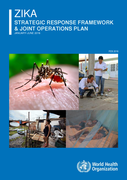
The strategy focuses on mobilizing and coordinating partners, experts and resources to help countries enhance surveillance of the Zika virus and disorders that could be linked to it, improve vector control, effectively communicate risks, guidance an
...
d protection measures, provide medical care to those affected and fast-track research and development of vaccines, diagnostics and therapeutics
more
The Journal of Infectious Diseases, jiy435, https://doi.org/10.1093/infdis/jiy435.
Many outbreaks reported high proportions of infected HWs. Similar HW infection rates and exposure risk factors in both past and recent EVD and MVD outbreaks emphasize the need to improve the implementation of approp
...
riate infection control measures consistently across all healthcare settings.
more
Infectious diseases like COVID-19 can disrupt the environments in which children grow and develop. Disruptions to families, friendships, daily routines and the wider community can have negative consequences for children’s well-being, development and protection. In addition,
...
measures used to prevent and control the spread of COVID-19 can expose children to protection risks. Home-based, facility-based and zonal-based quarantine and isolation measures can all negatively impact children and their families.
The aim of this brief is to support child protection practitioners to better respond to the child protection risks during a COVID-19 pandemic. Part 1 presents the potential child protection risks COVID-19 can pose to children. Part 2 presents programmatic options in line with the 2019 Minimum Standards for Child Protection in Humanitarian Action (CPMS) and the Guidance Note: Protection of Children During Infectious Disease Outbreaks.
more
SARS-CoV-2 infections among children and adolescents cause less severe illness and fewer deaths compared to adults. While a less severe course of infection is a positive outcome, there are concerns that mild symptoms may have led to less testing, resulting in fewer identified cases of COVID-19 in ch
...
ildren. If children with mild or no symptoms transmit the disease, they may act as drivers of transmission within their communities. Understanding symptoms, infectivity and patterns of SARS-CoV-2 transmission in children and adolescents is essential for developing, adapting and improving control measures for COVID-19 across all ages. This is a summary of the current knowledge around SARS-CoV-2 infection acquisition and transmission and COVID-19 disease symptoms in children and adolescents. It aims to inform decisions, based on local contexts, on how to best keep schools, kindergarten and day-care facilities open and what advice to apply to intergenerational mixing.
more
SARS-CoV-2 infections among children and adolescents cause less severe illness and fewer deaths compared to adults. While a less severe course of infection is a positive outcome, there are concerns that mild symptoms may have led to less testing, resulting in fewer identified cases of COVID-19 in ch
...
ildren. If children with mild or no symptoms transmit the disease, they may act as drivers of transmission within their communities. Understanding symptoms, infectivity and patterns of SARS-CoV-2 transmission in children and adolescents is essential for developing, adapting and improving control measures for COVID-19 across all ages. This is a summary of the current knowledge around SARS-CoV-2 infection acquisition and transmission and COVID-19 disease symptoms in children and adolescents. It aims to inform decisions, based on local contexts, on how to best keep schools, kindergarten and day-care facilities open and what advice to apply to intergenerational mixing.
more
SARS-CoV-2 infections among children and adolescents cause less severe illness and fewer deaths compared to adults. While a less severe course of infection is a positive outcome, there are concerns that mild symptoms may have led to less testing, resulting in fewer identified cases of COVID-19 in ch
...
ildren. If children with mild or no symptoms transmit the disease, they may act as drivers of transmission within their communities. Understanding symptoms, infectivity and patterns of SARS-CoV-2 transmission in children and adolescents is essential for developing, adapting and improving control measures for COVID-19 across all ages. This is a summary of the current knowledge around SARS-CoV-2 infection acquisition and transmission and COVID-19 disease symptoms in children and adolescents. It aims to inform decisions, based on local contexts, on how to best keep schools, kindergarten and day-care facilities open and what advice to apply to intergenerational mixing.
more

Surveillance, case investigation and contact tracing for monkeypox: interim guidance 24 June 2022
recommended
The overall goal of surveillance, case investigation and contact tracing in this context is to stop human-to-human transmission to control the outbreak. The key objectives of surveillance and case investigation are to rapidly identify cases and clus
...
ters in order to provide optimal clinical care; to isolate cases to prevent further transmission; to identify, manage and follow up contacts to recognize early signs of infection; to protect frontline health workers; to identify risk groups; and to tailor effective control and prevention measures.
more
Human African trypanosomiasis (HAT) has been an alarming global public health issue. The disease affects mainly poor and marginalized people in low-resource settings and is caused by two subspecies of haemoflagellate parasite, Trypanosoma brucei and transmitted by tsetse flies. Progress made in HAT
...
control during the past decade has prompted increasing global dialogue on its elimination and eradication. The disease is targeted by the World Health Organization (WHO) for elimination as a public health problem by 2020 and to terminate its transmission globally by 2030, along-side other Neglected Tropical Diseases (NTD). Several methods have been used to control tsetse flies and the disease transmitted by them. Old and new tools to control the disease are available with constraints.
Currently, there are no vaccines available. Efforts towards intervention to control the disease over the past decade have seen considerable progress and remarkable success with incidence dropping progressively, reversing the upward trend of reported cases. This gives credence in a real progress in its elimination. This study reviews various control measures, progress and a highlight of control issues, vector and parasite barriers that may have been hindering progress towards its elimination.
more
he pandemic has produced an unprecedented economic and social crisis, and it could generate a food, humanitarian, and political crisis if urgent measures are not taken. The policy options for addressing the pandemic entail consolidating national pla
...
ns and achieving intersectoral consensus. The response should be structured in three nonlinear and interrelated phases—control, reactivation, and rebuilding—involving the participation of technical actors representing not only the field of health but also other social and economic areas. Measures implemented to control the pandemic as well as measures for the reactivation and rebuilding phases will require increased public investment in health until the recommended parameters are achieved.
more
Lymphatic filariasis (LF), a neglected tropical disease, is targeted for global elimination as a public health problem. This article reviews the history of LF control and elimination activities in the countries of the World Health Organization's (WH
...
O) Eastern Mediterranean Region (EMR) over the last 2 decades. In 2000, the estimated at-risk population in EMR countries was 12.6 million people, accounting for approximately 1% of the global disease burden. Of the 22 EMR countries, 3 countries (Egypt, Sudan and Yemen) were LF endemic and the disease was suspected in 4 other countries (Djibouti, Oman, Somalia and Saudi Arabia). After almost 2 decades of implementing sustained control and prevention measures, Egypt and Yemen were successfully validated by the WHO as having achieved the elimination criteria in 2017 and 2019, respectively. In 2018, Sudan completed mapping of LF, reaching 26.2% geographical coverage where mass drug administration (MDA) is required and is scaling-up MDA. Extensive epidemiological assessment indicated the absence of LF transmission in the four suspected countries and no MDA required. Challenges faced during the elimination and post-elimination phases are described and discussed
more
Final Draft narrative December 6, 2012 - This strategic plan, developed through the joint collaboration of all stakeholders in the different sectors is aimed at harnessing and bringing together all the stakeholders who have a role in the prevention, detection and management of epidemic and infectiou
...
s diseases in the country. The plan describes the common epidemic and infectious diseases, the measures that need to be undertaken to ensure their control, the key partners and their roles and sets out milestones to monitor progress.
more
Putting Human Rights at the Heart of the Response
Topic in Focus: COVID-19 and Women’s Human Rights
15 April 2020
Stay-at-home restrictions and other measures restricting the movement of people contribute to an increase in genderbased violen
...
ce, a finding confirmed by media reports, official statements and information received from OHCHR field presences and human rights defenders in many countries.
Women and girls already in abusive situations are more exposed to increased control and restrictions by their abusers, with little or no recourse to seek support. Hotlines receive reports of women being threatened with being thrown out of their homes, exposed to the infection, or having financial resources and medical aid withheld.
more

Ethiopia GATS was implemented by Ethiopia Public Health Institute (EPHI) in collaboration with the Ethiopian Food, Medicine, Health Care Administration and Control Authority (FMHACA), CSA, FMOH and the World Health Orga
...
nization (WHO)country office. Technical assistance for the implementation of the survey was provided by the WHO, the U.S. Centers for Disease Control and Prevention (CDC), and RTI International. Program support was provided by the CDC Foundation.Financial support for Ethiopia GATS was provided by the CDC Foundation with a grant from the Bill & Melinda Gates Foundation.GATS enhances countries’ capacity to design, implement and evaluate tobacco control programs. It also assistscountries to fulfill their obligations under the WHO FCTC to generate comparable data within and across countries. In addition,it allows countries to implement the WHO MPOWER policy package. WHO MPOWERisa technical packagedevelopedtoassist countries in implementing selected demand reduction measures contained in the WHO Framework Convention on Tobacco Control(FCTC)(5).The six MPOWER evidence-based measures contained in the FCTC;
more

The Mexican Constitution sets out the basis for access to health care services and the right to social protection in health for all citizens. The General Health Law establishes that the MoH, together with state governments, is responsibl for the control
...
and eradication of transmissible diseases and must establish the necessary measures to prevent and combat all threats to health.
Consequently, the National Health Plan 2019–2024 proposes universal, effective and free access to health care services, including health and epidemiological surveillance for emergencies, for all Mexicans
more
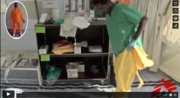
In response to the urgent need for trained health professionals to assist in the efforts to contain the Ebola outbreak in West Africa, Médecins Sans Frontières has been running training sessions in Brussels for international aid workers before they depart for the field. Below are videos used to ac
...
company the training sessions, helping to demonstrate infection control measures.
All videos are without sound to avoid language barriers. All videos are intended to be viewed in training sessions with an experienced Médecins Sans Frontières trainer
A free registration at vimeo is requested
more
In response to the urgent need for trained health professionals to assist in the efforts to contain the Ebola outbreak in West Africa, Médecins Sans Frontières has been running training sessions in Brussels for international aid workers before they depart for the field. Below are videos used to ac
...
company the training sessions, helping to demonstrate infection control measures.All videos are without sound to avoid language barriers. All videos are intended to be viewed in training sessions with an experienced Médecins Sans Frontières trainer
more
The Early Essential Newborn Care Pocket Guide was developed by the WHO Regional Office for the Western Pacific for introducing and scaling-up Early Essential Newborn Care. This step-by-step Guide is intended to provide a portable and practical summary of the up-to-date global evidence for newborn ca
...
re focusing on the first hours and days of life, including infection prevention and control measures during COVID-19. This Guide can be used in all health-care settings by skilled birth attendants (midwives, nurses and doctors) who care for newborns, also by managers to ensure all system measures are put in place for optimal quality of care.
more
The cholera outbreak in the WHO African Region has affected 17 countries over the last two years. The are six countries categorised to be in acute crisis 1 (Democratic Republic of the Congo, Ethiopia, Mozambique, United Republic of Tanzania, Zambia and Zimbabwe). The southern region of the continen
...
t now in the rainy season with outbreaks now resurging. The increase in rainfall levels is now increasing floods in communities and landslides with increased for outbreaks in countries not reporting new confirmed cases. The seasonality of cholera outbreaks are issues for countries to consider and there is need to enhance preparedness and readiness, heighten surveillance and institute preventive and control measures in communities and around border crossings to prevent and mitigate cross border transmission.
more
Ramped-up cancer services could save 7 million lives over the next decade—and addressing huge service gaps between rich and poor countries is key to success, according to this report.
In 2019, over 90% of high-income countries reported that comprehensive cancer treatment services were available
...
through the public health system, compared to fewer than 15% of low-income countries, according to WHO.
But poorer countries can make substantial strides with a universal health coverage approach and use of the latest science to meet their particular needs.
The report lays out proven ways to prevent new cancer cases without breaking the bank, including tobacco-control measures and vaccines that protect against common cancers.
more

As the number of transboundary pest and animal and foodborne disease outbreaks rises, so does the number of people who are chronically hungry due to these and other factors. The correlation can be explained by the link between our health and that of the planet. We rely on land and sea for the produc
...
tion of safe and quality foods for our daily nourishment. Pests and disease epidemics negatively impact the quality, quantity and safety of our food sources, and cripple economic growth and efficiencies in production. Furthermore, the epidemic and endemic levels of the pathogens and disease vectors can be difficult to control. This is why FAO stresses and promotes the special efforts required for cost-effective preventive measures rather than the more expensive control, disinfestation, treatment and disposal measures. When preventive measures are late or difficult, preparedness and contingency plans must be in place to enable rapid response. Early warning systems, based on close monitoring, surveillance, and timely reporting are fundamental to warn and empower communities to safeguard their livelihoods and assets by enhancing disease and pest prevention measures and for government services to take immediate measures to protect communities and national economies.
more
Accessed: 27.04.2020
Leaving no one behind in the Covid-19 Pandemic: a call for urgent global action to include migrants & refugees in the Covid-19 response
People on the move, whether they are economic migrants or forcibly displaced persons such asylum seekers, refugees, and internally displa
...
ced persons (hereafter called migrants & refugees), should be explicitly included in the responses to the coronavirus disease 2019 pandemic. This global public health emergency brings into focus, and may exacerbate, the barriers to healthcare these populations face. Many migrant & refugee populations live in conditions where physical distancing and recommended hygiene measures are particularly challenging. The Covid-19 pandemic reveals the extent of marginalisation migrant & refugee populations face. From an enlightened self-interest perspective, the Covid-19 disease outbreak control measures will only be successful if all populations are included in the response. It is counter- productive to exclude migrant & refugee populations from the preparedness and response to the Covid-19 pandemic.
more
This brief summarizes current evidence and guidance for maintaining safe and effective care across the spectrum of maternal, newborn and infant care while protecting mother and child and health care providers during COVID-19. Furthermore, implications of the principle of “do no harm” are reviewe
...
d for maternal, newborn and infant care delivery during COVID-19, so that this information is conveniently and readily available to clinical and health system policy leaders and stakeholders in countries and communities. Additionally, considerations for safe oxygen delivery as well as key Infection Prevention and Control (IPC) measures at home and in healthcare facilities for pregnant women, newborns and children are described in detail in the brief.
more
21 January 2022
The overall threat posed by Omicron largely depends on four key questions: (i) how transmissible the variant is; (ii) how well vaccines and prior infection protect against infection, transmission, clinical disease and death; (iii) how virulent the variant is compared to other varian
...
ts; and (iv) how populations understand these dynamics, perceive risk and follow control measures, including public health and social measures (PHSM).
more
Environment International Volume 86, January 2016, Pages 14-23
Climate change refers to long-term shifts in weather conditions and patterns of extreme weather events. It may lead to changes in health threat to human beings, multiplying existing health problems. This review examines the scientific e
...
vidences on the impact of climate change on human infectious diseases. It identifies research progress and gaps on how human society may respond to, adapt to, and prepare for the related changes. Based on a survey of related publications between 1990 and 2015, the terms used for literature selection reflect three aspects — the components of infectious diseases, climate variables, and selected infectious diseases. Humans' vulnerability to the potential health impacts by climate change is evident in literature. As an active agent, human beings may control the related health effects that may be effectively controlled through adopting proactive measures, including better understanding of the climate change patterns and of the compound disease-specific health effects, and effective allocation of technologies and resources to promote healthy lifestyles and public awareness. The following adaptation measures are recommended: 1) to go beyond empirical observations of the association between climate change and infectious diseases and develop more scientific explanations, 2) to improve the prediction of spatial–temporal process of climate change and the associated shifts in infectious diseases at various spatial and temporal scales, and 3) to establish locally effective early warning systems for the health effects of predicated climate change.
more
The cholera outbreak has affected 14 countries in the WHO African Region. The climate-induced natural disasters such as cyclone and flooding in the southern African region and drought in the Horn of Africa led to increase in cases of cholera in many of the affected countries. With the rainy season c
...
ommencement in the west African region there is risk of more cholera outbreaks on the horizon. The trend across the region is being closely monitored and this highlights the need for Member States to enhance readiness, heighten surveillance and institute preventive and control measures in communities and around border crossings to prevent and mitigate cross border infection. Since 1 January 2022, a cumulative number of 213 443 cholera cases has been reported to the WHO Regional Office for Africa (AFRO), including 3 951 deaths with a case fatality ratio (CFR) of 1.9% as of 16 July 2023 (Table 1). Malawi accounts for 28% (58 941) of the total cases and 45% (1 766) of all deaths reported, and together with Cameroon, Democratic Republic of the Congo, Mozambique, and Nigeria contribute to 85% (181 300) of the overall caseload and 88% (3 464) of cumulative deaths. In Epidemiologic week 28, six countries Burundi, Cameroon, Ethiopia, Kenya, Malawi and Mozambique reported a total of 667 new cases.
more

Cholera is a transmissible diarrhoeal infection caused by Vibrio cholerae. Endemic and/or epidemic in over 40 countries (mainly in Africa and Asia), cholera continues to be a major global public health issue.
The World Health Organization (WHO) estimates that the number of cases reported worldwid
...
e represents in reality only 5 to 10% of actual cases.
This guide is intended for medical and non-medical staff responding to a cholera outbreak. It attempts to provide concrete answers to the questions and problems faced by staff, based on the recommendations of reference organisations, such as WHO and UNICEF, as well as Médecins Sans Frontières’ experience in the field.
It is divided into 8 chapters. Chapter 1, Cholera overview, outlines the epidemiological and clinical features of cholera. Chapter 2, Outbreak investigation, explains the method and stages of a field investigation, from the alert to implementation of initial activities. Chapter 3, Cholera control measures, details measures and tools to prevent and/or control cholera transmission and mortality in populations affected, or at risk of being affected, by an epidemic (curative care, prevention means and health promotion activities). Chapter 4, Strategies for epidemic response, addresses the roll-out strategies of the measures described in Chapter 3 which depend on context (e.g. urban, rural, endemic, non-endemic setting, etc.), resources and particular constraints. Chapter 5, Cholera case management, details the different stages of cholera treatment, from diagnosis through to cure.
Chapter 6, Setting up cholera treatment facilities, focuses on the installation of treatment facilities that vary in size and complexity according to operational requirements (treatment centres and units and oral rehydration points). Chapter 7, Organisation of cholera treatment facilities, describes the organisation of these specialized facilities in terms of human resources, supply, water, hygiene and sanitation, etc. Chapter 8, Monitoring and evaluation, presents the key data to be collected and analysed during an epidemic to facilitate a tailored response and evaluate its quality and effectiveness.
The guide includes various practical tools in the appendices to facilitate activities (e.g. water quality tests, job descriptions, documents, etc.). Moreover, the toolbox also contains additional tools in editable formats (individual patient file, cholera case register, pictograms).
Despite all efforts, it is possible that certain errors may have been overlooked in this guide. Please inform the authors of any errors detected.
To ensure that this guide continues to evolve while remaining adapted to field realities, please send any comments or suggestions.
more
Alcohol use is deeply embedded in the social landscape of many societies, and some 2300 million people drink alcoholic beverages in most parts of the world. At the same time, more than half of the global population aged 15 years and older reported having abstained from drinking alcohol during the pr
...
evious 12 months. Several major factors have an impact on levels and patterns of alcohol consumption in populations – such as historical trends in alcohol consumption, the availability of alcohol, culture, economic status and implemented alcohol control measures. At the individual level the patterns and levels of alcohol consumption are determined by multiple factors that include gender, age and individual biological and socioeconomic vulnerability factors as well as the policy environment. Prevailing social norms that support drinking behaviour and mixed messages about the harms and benefits of drinking may encourage alcohol consumption, delay appropriate health-seeking behaviour and weaken community action.
more
Alcohol consumption is deeply embedded in the social landscape of many societies. Several major factors have an impact on levels and patterns of alcohol consumption in populations – such as historical trends in alcohol consumption, the availability of alcohol, culture, economic status and trends i
...
n the marketing of alcoholic beverages, as well as implemented alcohol control measures. At the individual level, the patterns and levels of alcohol consumption are determined by many different factors, including gender, age and individual biological and socioeconomic vulnerability factors, as well as the policy environment. Prevailing social norms that support drinking behaviour and mixed messages about the harms and benefits of drinking encourage alcohol consumption delay appropriate health-seeking behaviour and weaken community action
more
This global guidance provided the framework for over 100 countries to develop their NDVPs. This updated (second) version supersedes the previous version published in 16 November 2020. New information has been added on the following areas:
the COVID-19 Partners Platform;
the use of COVID
...
-19 simulation exercises to test deployment strategies;
the indemnity agreement and no-fault compensation programme for vaccines secured through the COVAX Facility in the Advance Market Commitment (AMC) eligible economies;
the availability and use of the WHO-UNICEF COVID-19 Vaccine Introduction and deployment Costing (CVIC) tool;
the COVAX Facility’s humanitarian buffer that enables allocation of vaccine to cover high-risk populations in humanitarian settings;
recommendations for vaccination of pregnant and lactating women;
supplementary information on infection prevention and control (IPC) measures to be used to deliver COVID-19 vaccines safely;
the WHO licensed COVID-19 vaccines product-specific information;
use of geospatial data and digital micro plans for equitable access and delivery of COVID-19 vaccines;
lessons learned from the development of NDVPs and early experiences in COVID-19 vaccine deployment in countries; and
updated additional resources at the end of each chapter.
more
This is a guide for healthcare workers involved in patient care activities in a healthcare setting. It aims to show the type of personal protective equipment or PPE needed to correctly protect oneself. Based on the current available evidence, the WHO recommended PPE for the care of COVID patients ar
...
e CONTACT and DROPLET precautions, with the exception of aerosol producing procedures, which require CONTACT and AIRBORNE (hence, a respirator mask such as N95, FFP2, FFP3). Keeping in mind, PPE is part of a larger infection prevention and control bundle of measures and should be implemented as part of a multimodal strategy of management of COVID-19 patients. Only clinical staff who are trained and competent in the use of PPE should be allowed to enter the patient’s room.
This course is also available in the following languages:
العربية -македонски - 中文 - Shqip - français - ภาษาไทย - Português - Español - Nederlands - Tetun
more
Impact of COVID-19 on Pediatric Asthma: Practice Adjustments and Disease Burden
Papadopoulos, N.G.; Custovic, A.; Deschildre, A. et al.
The Journal of Allergy and Clinical Immunology: In Practice
(2020)
CC
Coronavirus disease 2019 has a mild disease course in children and adolescents. Chronic respiratory conditions, including asthma, have been suggested as risk factors; however, asthma in children is highly variable in both triggers and severity.
During the pandemic, pediatric asthma services limite
...
d consultations and established virtual clinics. However, respondents perceived their patients’ asthma control to be retained or even improved, while treatment adherence was considered increased. Children with asthma were not disproportionately affected by coronavirus disease 2019.
Trigger avoidance and treatment adherence can rapidly improve asthma control in children, even under lockdown pressure. Children/adolescents with asthma do not appear to need additional prophylactic measures from coronavirus disease 2019 when asthma is well-treated. This article analyses the effect of COVID-19 on Asthma in children, providing information for management guidelines.
more
Handbook of COVID-19 Prevention and Treatment
recommended
Handbook of COVID-19 Prevention and Treatment, expecting to share their invaluable practical advice and references with medical staff around the world. This handbook compared and analyzed the experience of other experts in China, and provides good reference to key departments such as hospital infect
...
ion management, nursing, and outpatient clinics. This handbook provides comprehensive guidelines and best practices by China's top experts for coping with COVID-19.
This handbook, provided by the First Affiliated Hospital of Zhejiang University, describes how organizations can minimize the cost while maximizing the effect of measures to manage and control the coronavirus outbreak. The handbook also discusses why hospitals and other healthcare institutions should have command centers when encountering a large-scale emergency in the context of COVID-19. This handbook also includes the following:
- Technical strategies for addressing issues during emergencies.
- Treatment methods to treat the critically ill.
- Efficient clinical decision-making support.
- Best practices for key departments like inflection management and outpatient clinics.
more
Accessed: 22.04.2020
The outbreak and spread of the COVID-19 virus confronts Prison Services daily with new challenges.
Prison Services are dealing with closed environments and this makes it especially difficult to provide for the right care for both, prisoners and staff working in prisons.
Pri
...
son Services are eager to hear from their colleagues in other European countries, how they are dealing with this situation, what approaches and measures they took to keep the situation as much as possible under control.
On this page we would like to gather and share all regulations/protocols/approaches European Prison Services or related organisations have drafted or taken in order to deal with the Covid-19 virus.
more
Tuberculosis in Brazil: the impact of the COVID-19 pandemic
Fernandes Maia, C.M.; Barbosa Martelli, D. R.; Mendes L. da Silveira, D. M.; et al.
Sociedade Brasileira de Pneumologia e Tisiologia
(2022)
CC
J Bras Pneumol. 2022;48(2):e20220082
The spread of Severe Acute Respiratory Syndrome - Coronavirus 2 (SARS-CoV-2) continues to progress, causing damage in several countries of the world due to its rapid transmissibility and significant mortality rates, despite government
...
measures to contain its transmission, such as movement control, the closing of schools, bans on travel and public gatherings, the mandatory use
of masks, and hand hygiene. The coronavirus disease (COVID-19) has clinical manifestations that are similar to those found in other infections also transmitted through the airways, such as pulmonary tuberculosis (TB) Although TB is a global health problem, it is a curable disease, with affordable treatment and prevention. Nonetheless, it remains one of the leading
causes of death from a single infectious agent worldwide, a situation threatened by COVID-19.
more
The WHO health advisory provides guidance to countries on adapting all existing preparedness and response plans and procedures for natural hazards such as cyclones, tropical storms, tornadoes, floods, earthquakes and potential outbreaks of other diseases to their existing COVID-19 strategic prepared
...
ness and response plans. It advises countries to sustain all established public health and social measures to prevent and control COVID-19 while simultaneously preparing for responding to and effectively manage other disaster risks and events. It highlights WHO’s call for local, national, regional and global solidarity to support countries and communities with high levels of vulnerability to natural hazards during the COVID-19 pandemic.
more

Chikungunya virus (CHIKV) is a re-emerging mosquito borne alphavirus responsible
for the recent outbreak in the Americas. Immunologically naïve population in the Americas favors the spread of epidemics. Chikungunya fever is characterized by an abrupt febrile illness, polyarthralgia and maculopapul
...
ar rash. In chikungunya fever, shock or severe hemorrhage is very rarely observed; the onset is more acute and the duration of fever is shorter than dengue disease. The pain is much more pronounced and localized to the joints and tendons in chikungunya fever, in comparison to dengue fever. There is no specific and effective antiviral therapy and vaccines are still in trails. The only effective preventive measures consist of individual protection against mosquito bites and vector control. Disease prevention is important due to the
economic burden it entails. Clinicians need to distinguish chikungunya fever between dengue fever and other diseases to give a successful treatment and prevent disease spreading.
more
Cardiovascular disease (CVD) is the leading cause of global deaths, with the majority occurring in low- and middle-income countries (LMIC). The primary and secondary prevention of CVD is suboptimal throughout the world, but the evidence-practice gaps are much more pronounced in LMIC. Barriers at the
...
patient, health-care provider, and health system level prevent the implementation of optimal primary and secondary prevention. Identification of the particular barriers that exist in resource-constrained settings is necessary to inform effective strategies to reduce the identified evidence-practice gaps. Furthermore, targeting modifiable factors that contribute most significantly to the global burden of CVD, including tobacco use, hypertension, and secondary prevention for CVD will lead to the biggest gains in mortality reduction. We review a select number of novel, resource-efficient strategies to reduce premature mortality from CVD, including: (1) effective measures for tobacco control; (2) implementation of simplified screening and management algorithms for those with or at risk of CVD, (3) increasing the availability and affordability of simplified and cost-effective treatment regimens including combination CVD preventive drug therapy, and (4) simplified delivery of health care through task-sharing (non-physician health workers) and optimizing self-management (treatment supporters). Developing and deploying systems of care that address barriers related to the above, will lead to substantial reductions in CVD and related mortality.
more
Tobacco kills up to half of its users who don’t quit (1-3).
Tobacco kills more than 8 million people each year, including an estimated 1.3 million non-smokers who are exposed to second-hand smoke Around 80% of the world's 1.3 billion tobacco users live in low- and middle-income countries.In 2020,
...
22.3% of the world’s population used tobacco: 36.7% of men and 7.8% of women.
To address the tobacco epidemic, WHO Member States adopted the WHO Framework Convention on Tobacco Control (WHO FCTC) in 2003. Currently 182 countries are Parties to this treaty.
The WHO MPOWER measures are in line with the WHO FCTC and have been shown to save lives and reduce costs from averted healthcare expenditure.
more
The Mediclinic article on silicosis provides an overview of this occupational lung disease caused by inhaling silica dust. It explains that inhaled silica particles lead to lung scarring and nodule formation, progressively impairing breathing. The article outlines symptoms such as shortness of breat
...
h, severe cough, fatigue, loss of appetite, chest pains, and fever. Diagnosis involves a medical examination, detailed occupational history, lung function tests, and imaging like chest X-rays or CT scans to detect lung scarring and nodules. While silicosis is irreversible with no specific cure, management focuses on preventing further silica exposure and treating complications. Preventive measures include maintaining high occupational health standards to control silica dust exposure.
more
The Mediclinic Infohub article on silicosis provides an overview of this occupational lung disease caused by inhaling silica dust. It explains that inhaled silica particles lead to lung scarring and nodule formation, progressively impairing breathing. The article outlines symptoms such as shortness
...
of breath, severe cough, fatigue, loss of appetite, chest pains, and fever. Diagnosis involves a medical examination, detailed occupational history, lung function tests, and imaging like chest X-rays or CT scans to detect lung scarring and nodules. While silicosis is irreversible with no specific cure, management focuses on preventing further silica exposure and treating complications. Preventive measures include maintaining high occupational health standards to control silica dust exposure.
more
Millennium Development Goal 8E aims for affordable access to essential medicines. Essential medicines, as defined by WHO, are those that “satisfy the health-care needs of the majority of the population” and that should therefore “be available at all times in adequate amounts”. However, there
...
is a category of medicines that faces a unique challenge in terms of availability. These are the medicines governed by the international conventions on narcotic and psychotropic substances. “Controlled medicines” is the common definition for pharmaceuticals whose active principles are listed under the 1961 United Nations Single Convention on Narcotic Drugs as amended by the 1972 Protocol, such as morphine and methadone; the 1971 United Nations Convention on Psychotropic Substances, such as diazepam and buprenorphine; and the 1988 United Nations Convention against Illicit Traffic in Narcotic Drugs and Psychotropic Substances, such as ergometrine and ephedrine. The conventions list substances in “Schedules” according to their different levels of potential for abuse and harm, and the commensurate severity of control measures to be applied by countries.
more
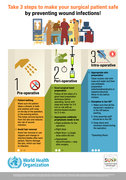
The target audience of this document (and the associated online companion tool) includes WHO country offices
in Member States of the African Region; Member States’ ministries of health and their public health emergency
operation centres; relevant external assessment teams; and partners looking
...
to identify preparedness gaps and
support interventions that help address them. In the event of a suspected or confirmed VHF case, the document also serves to provide any intervening partner with a sense of what structures should be in place, in order to guide
scale-up activities in line with regional and national plans.
more
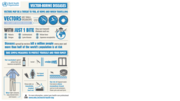
Vectors can be a threat to you, at home and when travelling.
Simple measures for protection.
Noncommunicable diseases - Regional framework for action
World Health Organization (WHO) Regional Office for the Eastern Mediterranean
World Health Organization (WHO) Regional Office for the Eastern Mediterranean
(2024)
C_WHO
The WHO EMRO webpage on the "Regional framework for action" outlines strategies for addressing noncommunicable diseases (NCDs) within the Eastern Mediterranean region. The framework provides a roadmap for countries to reduce the prevalence and impact of NCDs such as cardiovascular diseases, diabetes
...
, cancer, and respiratory illnesses. It emphasizes preventive measures, health promotion, and the integration of NCD management into primary healthcare systems. Key components include policy development, surveillance, and the mobilization of resources to support sustainable NCD initiatives. The framework aims to strengthen regional collaboration to improve health outcomes related to NCDs.
more
The video titled "¿QUÉ ES LA TUBERCULOSIS? - ENFERMEDAD y SÍNTOMAS" (What is Tuberculosis? - Disease and Symptoms) provides an overview of tuberculosis (TB), detailing its causes, transmission methods, symptoms, and treatment options. It emphasizes the importance of early detection and treatment
...
to prevent the spread of TB and highlights the global impact of the disease. The video also discusses preventive measures and the significance of public awareness in combating tuberculosis.
more
The document "Proteksyon Maladi" focuses on preventing waterborne and hygiene-related diseases through practical measures. It emphasizes the importance of personal hygiene, including washing hands with soap and clean water before eating, after using
...
the toilet, and during food preparation. Maintaining personal cleanliness is highlighted as a key step in preventing the spread of diseases.
Water safety is another critical focus, with recommendations to use treated or boiled water for drinking and cooking and to store water in clean, covered containers to prevent contamination. The document also addresses sanitation, encouraging the construction and maintenance of latrines to eliminate open defecation and promoting proper waste disposal to protect the environment and water sources.
Overall, the document serves as an educational resource, providing simple and effective strategies for communities to reduce the risk of diseases and improve public health through better hygiene, sanitation, and water safety practices.
more
The PDF "Vamos proteger-nos da Cólera" provides comprehensive guidance on cholera prevention and response strategies, particularly for use in community health settings. It emphasizes the importance of safe water use by treating water with bleach, boiling it for at least 5 minutes, or using purifica
...
tion tablets like Aquatabs. Handwashing is highlighted as a key measure, especially after using the latrine, before preparing food, and before eating. Sanitation practices include using and maintaining clean latrines or, if unavailable, burying feces far from homes and water sources.
The document also addresses diarrhea treatment, recommending the preparation and use of Oral Rehydration Solution (ORS) with added zinc for effective recovery. It encourages breastfeeding for infants with diarrhea and stresses the importance of cooking food thoroughly, keeping it covered, and ensuring all utensils and surfaces are clean. Proper waste management, including the disposal of household waste, is highlighted to maintain a clean and safe environment.
In emergency situations, the guide advises seeking immediate medical attention for severe diarrhea and emphasizes the prompt burial of bodies during outbreaks to prevent contamination. Additionally, it provides visuals and strategies for community engagement, empowering health workers and communities to promote awareness and adopt effective cholera prevention measures.
more

Soil-transmitted helminths are a group of intestinal worms that include Ascaris lumbricoides (giant roundworm), Trichuris trichiura (whipworm), and Ancylostoma spp. (A. duodenale, A. ceylanicum) and Necator americanus (hookworms). Despite the clear biological differences among the different species,
...
their transmission is characterized by the same sequence of events: (i) infected individuals excrete worm eggs through their stool in soil; (ii) under optimal conditions of moisture and temperature the excreted eggs develop into infectious stages; and (iii) finally, infection occurs through oral uptake (Ascaris, Ancylostoma and Trichuris) or skin penetration (Ancylostoma and Necator) of these infectious stages (embryonated eggs and third stage larvae) that reside in the soil and/or in the environment (referring to their common name).
more
Infection prevention and control (IPC) practices are of critical importance in protecting the function of healthcare services at all levels and mitigating the impact on vulnerable populations. Although the management of possible COVID-19 cases is us
...
ually guided by national policies for specific healthcare facilities, community transmission is currently widespread in most EU/EEA countries and the UK, therefore primary healthcare providers in the community such as GPs, dentists and pharmacists are at risk of being exposed to COVID-19.
more
16 June 2020
PAHO’s Smart Hospitals Project started in 2009 and has been implemented across nine countries in the Caribbean Region. The onset of the COVID-19 pandemic has introduced new lessons to be incorporated as part of Smart Retrofits. This document is intended to describe simple natural and
...
mechanical ventilation measures which can be implemented as an extension of the PAHO Smart Retrofits with the aim of reducing the risk of transmission of viruses like COVID-19.
more
Antimicrobials are used in veterinary medicine to treat infectious diseases in animals caused or complicated by microorganisms, mainly bacteria, or to prevent the development or spread of infection in healthy animals.

The purpose of this guide is to offer recommendations for improving the implementation of non‑pharmacological public health measures during the COVID-19 response and compliance with these measures
...
by population groups in situations of vulnerability. This requires determining the main barriers to implementing these measures so that we can identify the groups and territories most affected during the different phases of the pandemic. With this objective in mind––and within the framework of an equity, human rights, and diversity approach––, policies, strategies, and interventions to accompany the implementation and flexibilization of the measures are recommended to ensure that no one is left behind.
more
Interim Framework for the South-East Asia Region 28 October 2020
WHO practical guidelines. 2nd edition

communicable Disease Toolkit
The Ministry of Health of Saudi Arabia has developed the guidelines to meet the urgent need for up -to-date information and evidence-based recommendations
For the control of vectors and pests of public health importance. Sixth edition
Tuberculosis Infection Control Guidelines
recommended
Second Edition

Draft version 2017
Guidelines for malaria vector control
recommended
these guidelines are updated on 16 February 2021
Please check the new guideline here
https://medbox.org/document/who-guidelines-for-malaria#GO
ECDC Technical Report, Fourth Update 3 July 2020

The far-reaching impacts of the COVID-19 pandemic underscore the critical need for evidence-informed, transparent and inclusive decision-making. Policy-makers have grappled with complex choices amidst uncertainty. They have constantly reassessed response m
...
easures while navigating their economic implications and unintended consequences on societal well-being. Effective communication of the basis for these decisions has also posed a challenge, requiring transparency and public trust.
more
The Asthma Control Questionnaire (ACQ)1 was developed and validated to measure the primary clinical goal of asthma management as identified by international guidelines. They indicate that to achieve good c
...
ontrol, treatment should minimise day and night time symptoms, activity limitation, airway narrowing and rescue bronchodilator use and thus reduce the risk of life-threatening exacerbations and long-term morbidity. The importance of including all aspects of control in the assessment of individual patients was emphasised by a recent factor analysis which showed that clinical asthma is composed of distinct components which are not closely correlated with each other.6 However, in some studies it may not be possible to collect airway calibre or short-acting β2-agonists data. Previous analysis of non-clinical trial data suggested that when ACQ scores are analysed as group data, the heterogeneity of the way in which individual patients present with inadequate control is lost in the estimation of the mean and the need to measure each individual component of asthma control may become unnecessary. In this analysis, ACQ data from a clinical trial was used to evaluate the measurement properties (reliability, responsiveness, validity and interpretability), of three shortened versions of the ACQ. In addition, we have examined whether the precision and accuracy of estimating the effect of the intervention on asthma control was maintained when the two questions concerning airway calibre and short-acting β2-agonists use were omitted from the trial analysis.
more

In Control. A Practical Handbook for Professionals Working in Health Emergencies Internationally
recommended
In Control imparts knowledge, provokes reflection and triggers curiosity. The first half of the book provides an overview of the organisations, principles, frameworks and themes that every professional deploying to health emergencies should be aware
...
of. The second half of the book provides practical advice to help professionals survive and thrive during their mission – from staying healthy, protecting oneself from cyber-attacks and coping with stress to building trust among the host community or dealing with language barriers and the press.
This handbook is free of charge and can be made available in small quantities as long as supply lasts. To order, please send this form to: incontrol-handbook@rki.de
more
15 January 2021
This Aide Memoire is for policy makers, immunization programme managers, infection prevention and control (IPC) focal points at national, sub-national, and facility level, as well as for health workers involved in COVID-19 vaccinati
...
on delivery. This document summarizes the key IPC principles to consider and the precautions to take for safely delivering COVID-19 vaccines. The principles and recommendations provided in this document derive from World Health Organization (WHO) IPC and immunization standards and other guidance in the context of COVID-19. WHO will update these recommendations as new information becomes available. All technical guidance for COVID-19 is available online.
more

2nd edition. The interagency field handbook on malaria control was developed to set out effective malaria control responses in humanitarian emergencies, particularly during the acute phase when reli
...
ance on international humanitarian assistance is greatest. This second edition represents a thorough updating and revision of the first edition. The structure remains similar, but includes an additional chapter on humanitarian coordination. All chapters have been revised to reflect changes in best practices, improvements in technologies, availability of new tools, and changes in WHO recommendations.
more
Part 3: Use Safe Burial Practices
Practical Guidelines for Infection Control in Health Care Facilities
recommended
Manju Vatsa, Duangvadee Sungkhobol, Sudarshan Kumari, et al.
WHO Western Pacific, Manila, and WHO South-East Asia, New Delhi
(2004)
Environmental Health in Emergencies and Disasters
Chapter 10
This World Health Organization (WHO) and the International Labour Organization (ILO) joint guidelines production aims at harnessing the contribution of employers and workers towards the control of TB. It covers all the practical steps involved in es
...
tablishing TB control activities, including (for large employers) starting and running a workplace TB control programme. They are intended for use in all countries in which TB incidence is high and the target audience for the guidelines includes employers, employee organizations, NTP managers, and agencies providing technical support for TB control.
more
Transmission dynamics and control of Ebola virus disease (EVD): a review
Chowell and Nishiura
(2014)
BMC Medicine 2014, 12:196
http://www.biomedcentral.com/1741-7015/12/196
Zika virus is primarily transmitted by the Aedes species of mosquito which is also responsible for the spread of dengue, Chikungunya and yellow fever viruses. In most areas, the primary vector of these viruses is Aedes aegypti, with Aedes albopictus a proven or potential vector in some settings. Wel
...
l-implemented vector control against Aedes using existing tools effectively reduces the transmission of viruses spread by these vectors. Pilot studies are being undertaken on new tools which have potential for future reductions in Aedes populations
more
Chronic Dis Int - Volume 3 Issue 1 - 2016
ISSN 2379-7983
Tuberculosis control in prisons
A. Bone; A. Aerts, M. Grzemska
World Health Organization; International commitee of the Red Cross
(2000)
C_WHO
A manual for programme managers.
БОРЬБА С ТУБЕРКУЛЕЗОМ В ТЮРЬМАХ
Руководство для руководителей программ

Chapter 8, Prison and Health, published
Tuberculosis control in prisons: current situation and research gaps
M. Dara, C. D. Acosta, M. V. S. Vinklers Melchers, et al.
International Journal of Infectious Diseases
(2015)
C2
International Journal of Infectious Diseases 32 (2015) 111–117
Joining efforts to control two trelated global epidemics.
The International Journal of Tuberculosis and Lung Disease 21(5) DOI: 10.5588/ijtld.16.0518

Checklist for Periodic Evaluation of TB Infection Control in Health-Care Facilities
World Health Organization
(2019)
C_WHO
Accessed: 24.11.2019
COVID Response and Containment Measures - Training of ANM, ASHA, AWW
Ministry of Health & Family Welfare Government of India; National Health Mission
Ministry of Health & Family Welfare Government of India; National Health Mission
(2020)
C2
Accessed: 20.04.2020

