
Filter
437
Filtered Results: 437
Text search:
UN
CC
Learn
Featured
Recommendations
41
New Publications
86
Language
Document type
No document type
144
Studies & Reports
117
Guidelines
60
Manuals
50
Strategic & Response Plan
35
Training Material
18
Fact sheets
4
Situation Updates
3
Resource Platforms
2
Infographics
2
Brochures
1
Online Courses
1
Countries / Regions
Global
45
Latin America and the Carribbean
13
Africa
10
Western and Central Europe
9
Ethiopia
8
Syria
8
Ukraine
8
Philippines
6
Bangladesh
6
Rwanda
5
South Africa
5
India
4
Somalia
4
Nepal
4
Cambodia
4
Middle East and North Africa
4
South–East Asia Region
4
Asia
4
Senegal
3
Ghana
3
Pakistan
3
Jordan
3
Afghanistan
3
Sudan
3
Yemen
3
Russia
3
Guinea
2
Burkina Faso
2
Sierra Leone
2
Liberia
2
Nigeria
2
Uganda
2
South Sudan
2
Lebanon
2
Zambia
2
Thailand
2
China
2
Brazil
2
Colombia
2
West and Central Africa
2
Eastern Europe and Central Asia
2
Eastern Europe
2
Djibouti
2
Laos
2
Timor Leste/ East Timor
2
Iran
2
Vietnam
2
Mali
1
Côte d’Ivoire / Ivory Coast
1
USA
1
Saudi Arabia
1
Cameroon
1
Niger
1
Haiti
1
Iraq
1
Germany
1
Turkey
1
Egypt
1
Chad
1
Kenya
1
Tanzania
1
Gambia
1
Indonesia
1
Mauritania
1
Malawi
1
Papua New Guinea
1
Argentina
1
Namibia
1
North Macedonia
1
Hungary
1
Libya
1
Myanmar / Burma
1
East and Southern Africa
1
Western Pacific Region
1
Paraguay
1
Bhutan
1
Poland
1
Palestine
1
Tajikistan
1
Qatar
1
Bulgaria
1
Estonia
1
Romania
1
Moldova
1
Slovakia
1
Denmark
1
Belarus
1
Authors & Publishers
Publication Years
Category
Countries
90
Public Health
44
Key Resources
32
Women & Child Health
31
Clinical Guidelines
26
Capacity Building
17
Pharmacy & Technologies
3
Toolboxes
Mental Health
66
Planetary Health
52
COVID-19
49
Disability
26
HIV
25
Global Health Education
22
TB
19
Rapid Response
14
Conflict
12
NCDs
12
Refugee
11
Caregiver
9
AMR
8
Health Financing Toolbox
8
NTDs
5
Polio
4
Natural Hazards
4
Ebola
3
Pharmacy
3
Cholera
2
Zika
2
Specific Hazards
2
Social Ethics
1
To survive and thrive, children and adolescents need good health, adequate nutrition, security, safety and a supportive clean environment, opportunities for early learning and education, responsive relationships and connectedness, and opportunities ...
Adolescence is a critical stage in life for physical, cognitive and emotional development, shaping future health and well-being. Comprehensive measurement of adolescent health is essential to prioritize health issues, guide interventions and track progress. However, global, regional and national ado...
Webinar.
The purpose of this booklet is to help readers understand why data on children with disabilities are currently inadequate, the difficulties that surround the gathering of high-quality data on disabled children, and why there is a real need to improve the collection, analysis, dissemination...
Overview.
The COVID-19 pandemic is the latest crisis facing the world, but unless humans release their grip on nature, it won’t be the last, according to a new report by the United Nations Development Programme (UNDP), which includes a new experimental index on human progress that takes into acco...
mhGAP Humanitarian Intervention Guide (mhGAP-HIG) training of health-care providers. Training manual
recommended
The mhGAP Humanitarian Intervention Guide (mhGAP-HIG) Training of Health-Care Providers manual is designed to guide facilitators in training non-specialist health care providers to manage mental, neurological and substance use conditions in humanitarian emergency settings.
The manual covers sugge...
The document presents an assessment developed by both institutions as a contribution to the prioritization of education in national response plans to the health emergency and future recovery strategies. "Countries have deployed various response and recovery plans in which education needs to be incor...
Antimicrobial resistance (AMR) is a global human, animal, plant and environment health threat that needs to be addressed by every country. The impacts of AMR are wide-ranging in terms of human health, animal health, food security and safety, environmental effects on ecosystems and biodiversity, and ...
Technical Brief
The purpose of this document is to share good practices and processes concerning the inclusion of disability issues in HIV policy and programming, drawing on specific experiences in Senegal, Ethiopia, Kenya, Rwanda and Cambodia and on lessons learne...
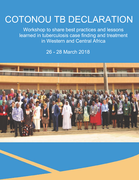
Workshop to share best practices and lessons learned in tuberculosis case finding and treatment in Western and Central Africa, 26 - 28 March 2018
This handbook builds on lessons learned from surveys implemented 2015-2017 and advice provided by the Global task force on TB patient cost surveys. It provides a standardized methodology for conducting health facility-based cross-sectional surveys t...
This paper presents lessons learned from previous flood responses in developing countries, based on a structured review of the literature. It is intended for people working in relief and recovery operations who have to decide if, when and how to int...
By 2100, new UN figures show that 4 of today’s 10 most populous nations will be replaced by African countries.
Brazil, Bangladesh, Russia and Mexico—where populations are projected to stagnate or decline—will drop out. In their place: Democra...
How should humanitarian organisations prepare and respond to COVID-19 in humanitarian settings in low- and middle-income countries?
This Rapid Learning Review outlines 14 actions, insights and ideas for humanitarian actors to consider in their CO...
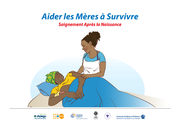
This guide supports the low-dose, high-frequency practice of scenerios needed to maintain competency in prevention and management of postpartum hemorrhage. The document is learner centered and is directly linked to service delivery standards. It is ...

This document highlights the key aspects of safe health-care waste management in order to guide policy-makers, practitioners and facility managers to improve such services in health-care facilities. It is based on the comprehensive WHO handbook Safe management of wastes from health-care activities (...
This document has been developed to provide training and guidance on how to integrate a human rights approach in mental health and related areas, based on international human rights instruments, in particular the UN Convention on the Rights of Perso...
Guidance module.
The QualityRights training and orientation modules have been developed to enhance the knowledge, skills and understanding of key stakeholders on how to promote the rights of people with psychosocial, intellectual or cognitive disabilities, improve the quality of services and suppo...

The QualityRights training and orientation modules have been developed to enhance the knowledge, skills and understanding of key stakeholders on how to promote the rights of people with psychosocial, intellectual or cognitive disabilities, improve the quality of services and support provided in the ...
Sexual exploitation, sexual abuse and sexual harassment (SEAH) violate the rights and wellbeing of the people we serve and the people with whom we serve. Such behaviours are directly in opposition to WHO’s values and our abiding responsibility to do no harm. WHO uses the umbrella term “sexual mi...
