
Filter
385
Text search:
Prävention
Featured
45
32
Language
Document type
84
70
56
38
36
23
22
13
13
9
9
8
3
1
Countries
103
24
11
9
7
7
3
3
3
2
2
2
2
2
2
2
1
1
1
1
1
1
1
1
1
1
1
1
1
1
1
Authors & Publishers
Publication Years
Category
128
128
43
26
16
12
4
Toolboxes
170
39
30
28
25
23
17
14
14
11
10
8
5
5
3
2
2
1
The NCD Alliance website provides information and resources on preventing and controlling non-communicable diseases (NCDs), including cardiovascular diseases, cancer, respiratory diseases, diabetes, and mental health conditions. The Alliance advocates for global health policies, supports countries i
...
The document is a policy brief by the NCD Alliance for the 2023 United Nations High-Level Meeting on Universal Health Coverage (UHC). It highlights the importance of integrating non-communicable diseases (NCDs) into UHC efforts, with the goal of ensuring equitable health access worldwide.
The document, "Sustainable Management of Radiotherapy Facilities and Equipment," by WHO and IAEA, provides guidelines for managing radiotherapy equipment and facilities to ensure effective and safe cancer treatment. It covers essential aspects like preventive and corrective maintenance, funding, inf
...
The document, titled "Prevention and Control of Noncommunicable Diseases: Guidelines for Primary Health Care in Low-Resource Settings," provides the World Health Organization's (WHO) recommendations for managing noncommunicable diseases (NCDs) such as cancer, heart disease, diabetes, and chronic res
...
The document, titled "Prevention and Control of Noncommunicable Diseases: Guidelines for Primary Health Care in Low-Resource Settings," provides the World Health Organization's (WHO) recommendations for managing noncommunicable diseases (NCDs) such as cancer, heart disease, diabetes, and chronic res
...
The document, "Progress on the Prevention and Control of Non-Communicable Diseases," reports on global efforts to reduce the impact of NCDs, such as heart disease, cancer, diabetes, and chronic respiratory diseases, following the commitments made at high-level United Nations meetings. It highlights
...
The document, "Progress on the Prevention and Control of Non-Communicable Diseases," reports on global efforts to reduce the impact of NCDs, such as heart disease, cancer, diabetes, and chronic respiratory diseases, following the commitments made at high-level United Nations meetings. It highlights
...
El documento, "Progreso en la prevención y el control de las enfermedades no transmisibles" (ENT), informa sobre los esfuerzos globales para reducir el impacto de las ENT, como las enfermedades cardíacas, el cáncer, la diabetes y las enfermedades respiratorias crónicas, siguiendo los compromisos
...
Le document, intitulé « Progrès dans la prévention et le contrôle des maladies non transmissibles », rend compte des efforts mondiaux pour réduire l’impact des MNT (maladies non transmissibles), telles que les maladies cardiaques, le cancer, le diabète et les maladies respiratoires chroniq
...
The document, "Progress on the Prevention and Control of Non-Communicable Diseases," reports on global efforts to reduce the impact of NCDs, such as heart disease, cancer, diabetes, and chronic respiratory diseases, following the commitments made at high-level United Nations meetings. It highlights
...
The document, "Progress on the Prevention and Control of Non-Communicable Diseases," reports on global efforts to reduce the impact of NCDs, such as heart disease, cancer, diabetes, and chronic respiratory diseases, following the commitments made at high-level United Nations meetings. It highlights
...
The "Global Action Plan for the Prevention and Control of Noncommunicable Diseases 2013-2020," published by the World Health Organization (WHO), provides a roadmap to reduce premature deaths from noncommunicable diseases (NCDs) like heart disease, cancer, and diabetes. It emphasizes strengthening he
...
The "Global mapping report on multisectoral actions to strengthen the prevention and control of noncommunicable diseases (NCDs) and mental health conditions" by the WHO provides insights into how different countries are implementing multisectoral approaches to address NCDs and mental health issues.
...
Care for persons with noncommunicable diseases (NCDs), such as cardiovascular disease, diabetes, cancer, and chronic obstructive pulmonary disease, is a major health priority for most countries worldwide, particularly for low-middle income countries where the problem seems to be worsening. Globally,
...
The Global Leprosy Strategy 2021–2030 “Towards zero leprosy” was developed through a broad consultative process with all major stakeholders during 2019 and 2020. Valuable inputs were provided by national leprosy programme managers, technical agencies, public health and leprosy experts, funding
...
In 2015, Member States and the global health community committed to reduce premature mortality from
noncommunicable diseases (NCDs) by one third by 2030 (SDG target 3.4). Despite growing efforts, the pace of change in
most countries, and the policies and regulations required to achieve this goal,
...
Medical devices are used for the prevention, diagnosis and treatment of illness and diseases and for rehabilitation. WHO developed guidance on medical device donation in 2011, which has been now reviewed, with new evidence, new references on considerations for medical device solicitation and provisi
...
Chronic respiratory diseases, such as asthma and
chronic obstructive pulmonary disease, kill more than
four million people every year and affect hundreds
of millions more. These diseases erode the health
and well-being of the patients and have a negative
impact on families and societies. Women
...
Chronic respiratory diseases, such as asthma and
chronic obstructive pulmonary disease, kill more than
four million people every year and affect hundreds
of millions more. These diseases erode the health
and well-being of the patients and have a negative
impact on families and societies. Women
...
Asthma is a common breathing condition that affects 20% of all children Asthma tends to run in families, although this is not always the case. You may have seen someone at school who uses an inhaler to help them breathe better and control asthma symptoms.
Asthma is a chronic lung disease, which means it cannot be cured. But with the right treatment asthma can be kept under control so that those affected area be to live completely normal lives enjoyingfull involvement in sport and all other activities.
Asthma usually causes symptoms over a long period and cannot be cured. But asthma can be kept under control so that those affected are able to live enjoying full involvement in sport and all other avtivies. New guidelines for the treatment of asthma put effective control of asthma as the most import
...
People with asthma should be encouraged to take part in any sport they choose. If someone with asthma is having difficulty with sport, it means their asthma may not be under control. You will need to see your doctor to review your controller treatment and the way you use your medications in oder to
...
Video: How asthma is treated.
Video :Health Pot about Prevention, Genetic Test, Prevention of Air Pollution and Spirometry.
The prevalance of asthma an allergy, defined as immunologically mediated hypersensitivity, is increasing. It is estimated that over 20% of the world population suffers from IgE-mediated allergic disease, such as allergic asthma, allergic rhinitis and allergic conjunctivitis, atopic eczema/atopic der
...
For over 23 years, CDC has collaborated in Malawi with local and international partners to strengthen health systems. The office works to prevent, detect and respond to diseases. Efforts include building healthcare workforce capacity, strengthening laboratory systems, and increasing the capacity of
...
Malawi is a small landlocked country in Sub-Saharan Africa with a population expanding rapidly at 3 percent per year.
With most livelihoods dependent on rainfed agriculture, the population is highly vulnerable to the effects of natural disasters, prolonged dry spells and flash floods.
Issue Brief Marburg virus disease (MVD)
recommended
Issue Brief No. 40 provides healthcare professionals with the most relevant treatment guidelines, prevention measures and training material on MVD
Malawi Internationally recommended key policies uptake
HIV testing programmes need to ensure that all clients who test for HIV are provided with correct diagnoses. The accuracy of HIV testing is critical to prevent misdiagnosis, as the consequences of giving an incorrect test result can be serious for clients, HIV testing services, HIV programmes and pu
...
The video titled "¿QUÉ ES LA TUBERCULOSIS? - ENFERMEDAD y SÍNTOMAS" (What is Tuberculosis? - Disease and Symptoms) provides an overview of tuberculosis (TB), detailing its causes, transmission methods, symptoms, and treatment options. It emphasizes the importance of early detection and treatment
...
Pneumonia and diarrhoea account for 23% of under-five mortality and were responsible for an estimated 1.17 million deaths in children under five globally. Furthermore, pneumonia and diarrhoea were responsible for 18% of mortality in children 5–9 years of age, resulting in an estimated 86 000 preve
...
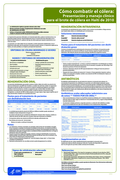
The document titled "Cómo combatir el cólera" (How to Combat Cholera) provides comprehensive guidelines on the clinical presentation and management of cholera, particularly in the context of the 2010 Haiti outbreak.
It emphasizes the importance of rapid rehydration as a lifesaving measure, deta
...
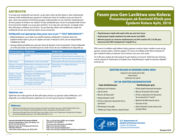
Fason pou Gen Laviktwa sou Kolera
recommended
The document titled "Fason pou Gen Laviktwa sou Kolera" (How to Achieve Victory over Cholera) provides comprehensive guidelines on the clinical presentation and management of cholera, particularly in the context of the 2010 Haiti outbreak. It emphasizes rapid rehydration as a lifesaving measure, det
...
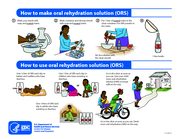
The CDC document "How to make oral rehydration solution (ORS)" provides clear, step-by-step instructions for preparing and using ORS to treat dehydration caused by diarrhea. It emphasizes the importance of using clean water, salt, and sugar in precise proportions to create the solution. The document
...
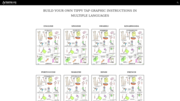
The brochure "How to Build Your Own Tippy Tap", published by SPRING in 2015, provides step-by-step instructions for creating a simple handwashing device called a tippy tap. It highlights the importance of hand hygiene and demonstrates how to construct the device using locally available, low-cost mat
...
Topic: sèvi ak twalèt ak latrin
Organización Panamericana de la Salud (2016)
The document "Proteksyon Maladi" focuses on preventing waterborne and hygiene-related diseases through practical measures. It emphasizes the importance of personal hygiene, including washing hands with soap and clean water before eating, after using the toilet, and during food preparation. Maintaini
...
The document "Prevansyon kont Diare" provides guidance on preventing and managing diarrhea. It explains that diarrhea, caused by pathogens like viruses, bacteria, and parasites, can lead to severe dehydration if untreated. Symptoms include vomiting, fever, and loss of appetite, with severe cases req
...
The document "J-esyon ak bon manipilasyon manje yo" focuses on proper food handling and hygiene practices to prevent contamination and foodborne illnesses. It provides comprehensive guidelines for individuals and communities, emphasizing the importance of food safety. Key recommendations include kee
...
This poster, designed for children, shows they key times for handwashing and demonstrates how to properly wash hands
Hygiene Awareness Manual (Arabic) - GIZ
recommended
The "Hygiene Awareness Manual" focuses on promoting improved hygiene practices within communities, emphasizing personal and household hygiene, water safety, and environmental health. It highlights the importance of handwashing, oral hygiene, and maintaining cleanliness of the skin and clothing as ke
...
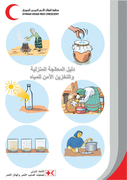
The document focuses on household water treatment methods to ensure access to safe drinking water, particularly in areas with limited access to clean water sources. It highlights the importance of safe water, noting that contaminated water is a major cause of waterborne diseases such as diarrhea and
...
The PDF "Vamos proteger-nos da Cólera" provides comprehensive guidance on cholera prevention and response strategies, particularly for use in community health settings. It emphasizes the importance of safe water use by treating water with bleach, boiling it for at least 5 minutes, or using purifica
...
The PDF "COLERA: Informação para Promotores de Saúde" provides essential guidance for health promoters and activists on cholera. It explains that cholera is characterized by severe watery diarrhea, often resembling rice water, and sometimes vomiting. If not treated promptly, it can lead to death
...
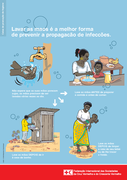
The poster highlights the critical role of handwashing in preventing the spread of infections. It emphasizes the importance of washing hands multiple times a day, even if they do not appear dirty, as handwashing is the most effective way to reduce the risk of illness. Specific recommendations includ
...
A cólera é uma infecção intestinal provocada por uma bactéria conhecida como Vibrio cholerae. Os principais sintomas desta doença são diarréia e vômitos. Transmissão de cólera ocorre principalmente pelo consumo de alimentos contaminados ou água potável. Neste vídeo descrevemos várias
...
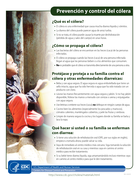
The document titled "Prevención y control del cólera" (Cholera Prevention and Control) provides essential guidance on preventing and managing cholera, a disease characterized by severe watery diarrhea and vomiting. Without prompt treatment, cholera can lead to death due to dehydration within hours
...
These posters can be used to help educate people about good hygiene practices, methods for disinfecting water, and caring for family members who may be at risk of contracting cholera. They are designed for all audiences and the graphics have been made regionally specific.
The World Health Organization (WHO) video titled "Preventing Disease Through Healthy Environments" highlights the significant impact of environmental factors on global health. It reports that in 2012, approximately 12.6 million deaths—nearly one in four worldwide—were attributable to unhealthy e
...
The UNICEF Syria webpage titled "Cholera Resource Material" offers a collection of educational resources aimed at preventing cholera and safeguarding families. These materials, available in Arabic, include posters and flyers on topics such as handwashing, water purification, recognizing cholera symp
...
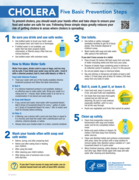
The CDC document outlines five essential steps for preventing cholera. It emphasizes the importance of using treated water for drinking and food preparation, washing hands thoroughly with soap and safe water, cooking food thoroughly and consuming it while hot, using latrines or properly burying fec
...
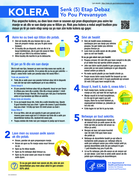
The CDC document titled "KOLERA: Senk (5) Etap Debaz Yo Pou Prevansyon" outlines five essential steps for preventing cholera. It emphasizes the importance of using treated water for drinking and food preparation, washing hands thoroughly with soap and safe water, cooking food thoroughly and consumin
...
The WHO Eastern Mediterranean Regional Office's webpage on cholera information resources provides a comprehensive collection of materials to support understanding and management of cholera outbreaks. It includes posters for public education, recent publications such as Global Defence Against the Inf
...
Diabetes mellitus is a leading cause of mortality and reduced life expectancy. We aim to estimate the burden of diabetes by type, year, regions, and socioeconomic status in 195 countries and territories over the past 28 years, which provide information to achieve the goal of World Health Organizatio
...
This two-site randomised trial compared the effectiveness of a voluntary sector-led, community-based diabetes prevention programme to a waiting-list control group at 6 months, and included an observational follow-up of the intervention arm to 12 months.
96 million American adults - more than 1 - 3 - have prediabetes
The Resolution Population and Individual Approaches to the Prevention and Management of Diabetes and Obesity was approved by the 48th Directing Council of the Pan American Health Organization, September 29- October 3, 2008, in response to the epidemic of obesity and diabetes currently affecting the
...
The World Health Organization (WHO) Global Diabetes Compact (GDC) was created as a global initiative to improve diabetes prevention and care, and to contribute to the global targets to reduce premature mortality due to noncommunicable diseases by one-third by 2030.
The World Health Organization's fact sheet on diabetes provides an overview of the disease, highlighting its increasing prevalence, particularly in low- and middle-income countries. It outlines the main types of diabetes—Type 1, Type 2, and gestational diabetes—detailing their characteristics an
...
The article focuses on "The State of the World’s Children 2023" report published by UNICEF. It highlights the critical role of vaccines in saving lives and the challenges in global immunization efforts, especially for marginalized and underserved children. The report emphasizes the impact of COVID
...
The article focuses on "The State of the World’s Children 2023" report published by UNICEF. It highlights the critical role of vaccines in saving lives and the challenges in global immunization efforts, especially for marginalized and underserved children. The report emphasizes the impact of COVID
...
The article focuses on "The State of the World’s Children 2023" report published by UNICEF. It highlights the critical role of vaccines in saving lives and the challenges in global immunization efforts, especially for marginalized and underserved children. The report emphasizes the impact of COVID
...
The World Health Organization's fact sheet on hypertension provides a comprehensive overview of high blood pressure, highlighting its prevalence, risk factors, and health implications. It emphasizes that hypertension is a major cause of premature death worldwide, with an estimated 1.28 billion adult
...
The "Measure It" page on the Southern African Hypertension Society's website emphasizes the importance of regular blood pressure monitoring. It encourages individuals to measure their blood pressure consistently to detect hypertension early, manage it effectively, and reduce the risk of related heal
...
Obesity and diabetes are affecting the peoples of the Americas at high and increasing rates. National surveys demonstrate that obesity is increasing in prevalence among all age groups; 7% to 12% of children under 5 years old and
one-fi fth of adolescents are obese, while rates of overweight and obe
...
The IDF Diabetes Atlas report highlights the disproportionate prevalence of type 2 diabetes (T2D) among Indigenous Peoples globally. It emphasizes the social and health disparities resulting from colonization, loss of traditional practices, and systemic inequities. The report includes prevalence dat
...
The document provides the NICE Quality Standard for managing Type 2 diabetes in adults (QS209). It outlines evidence-based recommendations for preventing Type 2 diabetes, structured education, continuous glucose monitoring (CGM), medication such as SGLT2 inhibitors, and regular care processes to mon
...
The document "Management of Type 2 Diabetes Mellitus" provides comprehensive guidelines for the diagnosis, prevention, and treatment of type 2 diabetes in adults. It emphasizes the importance of individualized glycemic targets, lifestyle interventions like diet and exercise, and the use of medicatio
...
Air pollution is a major environmental risk factor and contributor to chronic, noncommunicable diseases (NCDs). However, most public health approaches to NCD prevention focus on behavioural and biomedical risk factors, rather than environmental risk factors such as air pollution. This article discus
...
The article "Air Pollution: The Emergence of a Major Global Health Risk Factor" discusses the significant health impacts of air pollution, a leading risk factor for global mortality. It highlights the adverse effects of fine particulate matter (PM2.5) and tropospheric ozone, linking them to cardiova
...
The World Health Organization (WHO) highlights the significant health risks associated with household air pollution, primarily resulting from the use of inefficient and polluting fuels and technologies for cooking, heating, and lighting. In 2020, approximately 2.1 billion people—about one-third of
...
The World Health Organization's Eastern Mediterranean Regional Office (WHO EMRO) highlights the significant health and social consequences of harmful alcohol use. Excessive alcohol consumption is linked to over 200 diseases and injuries, including liver cirrhosis, pancreatitis, various cancers, hemo
...
The study analyzes the global burden of cancer in 2020 attributable to alcohol consumption. Using data from the GLOBOCAN 2020 database and alcohol consumption patterns, it estimates that 4.1% of all new cancer cases globally (approximately 741,300 cases) were caused by alcohol. The most affected can
...
The World Health Organization (WHO) launched the SAFER initiative in 2018 to address the global health and societal challenges posed by alcohol-related harm. The initiative outlines five key strategies aimed at reducing alcohol consumption and its associated consequences. These include strengthening
...
The Federal Centre for Health Education (BZgA) emphasizes the critical role of drug prevention in enhancing public health in Germany. Annually, the country faces significant premature mortality due to substance use: at least 110,000 deaths from smoking, 40,000 from harmful alcohol consumption, and a
...
The pamphlet "What is Addiction" explains addiction as a chronic, relapsing brain disease characterized by compulsive drug seeking and use, despite harmful consequences. It highlights the dangers of different drug categories, including sedatives, stimulants, and hallucinogens, and their potential he
...
The webpage by the National Institute on Drug Abuse (NIDA) discusses strategies for preventing drug misuse and addiction. It highlights the importance of early intervention, education, and support systems to reduce risk factors and strengthen protective factors. The content emphasizes the role of fa
...
The document is a summary report by the World Health Organization (WHO) Regional Office for the Eastern Mediterranean, focusing on a capacity-building workshop held in Abu Dhabi in 2019. The workshop addressed the management and care of substance use disorders, aiming to improve technical and manage
...
Welcome to the Global Information System on Resources for the Prevention and Treatment of Substance Use Disorders. These pages present data collected from WHO Member States in broad categories: governance, policy and financing, service organization and delivery, human resources and national informat
...
The Youth.gov webpage on "Substance Use/Misuse" provides information and resources about preventing and addressing substance abuse among youth. It highlights risk factors, prevention strategies, and support programs designed to reduce substance use and its negative impacts on young people. The site
...
The document reviews strategies for community-based physical activity promotion among older adults, focusing on capacity-building approaches such as coalition building, professional training, raising awareness, and allocating resources. It highlights the importance of community involvement to promot
...
The uploaded document explores the Mediterranean diet and physical activity as effective strategies to prevent and manage non-communicable diseases (NCDs). It discusses the diet's nutritional components, such as olive oil, fruits, and vegetables, and their health benefits, including reduced risk of
...
The World Health Organization's fact sheet on physical activity emphasizes its critical role in maintaining health and well-being. It outlines the benefits of regular physical activity, such as reducing the risk of noncommunicable diseases like heart disease, stroke, diabetes, and certain cancers. T
...
The video titled "Physical Activity and Chronic Disease Prevention" emphasizes the importance of regular physical activity in reducing the risk of chronic diseases. It discusses how engaging in consistent exercise can help prevent conditions such as heart disease, diabetes, and certain cancers. The
...
The article on the PAHO website discusses the health risks of excessive salt consumption, which contributes to numerous deaths worldwide. It highlights that average salt intake significantly exceeds WHO recommendations, particularly in the Americas, and suggests measures like reducing salt in foods
...
In this systematic review, we aimed to examine the feasibility and acceptability of social media interventions targeting physical activity and/or diet for people with NCDs, the effectiveness of improving exercise and diet behaviours, specific design components used to promote user engagement and the
...
The article examines the nutritional and lifestyle-related risk factors contributing to the prevalence of non-communicable diseases (NCDs) such as cardiovascular diseases, diabetes, and cancer in the Eastern Mediterranean Region (EMR). It highlights the transition in the disease burden from communic
...
The article explores the underlying factors influencing unhealthy diets and sedentary lifestyles among adolescents in Kilifi County, Kenya. Using a qualitative approach, the study involved interviews and focus group discussions with adolescents, stakeholders, and young adults. Key findings include a
...
The document addresses the pressing issues of global malnutrition and the urgent need to build workforce capacity in public health nutrition, particularly in low- and middle-income countries. It highlights the dual burden of malnutrition, characterized by the coexistence of undernutrition and overnu
...
The Public Health Burden of Commercial Tobacco Use
The burden of disease and death from commercial tobacco* use in the United States is
overwhelmingly caused by cigarettes and other combustible tobacco products.
Diabetes mellitus is one of the most common noncommunicable diseases worldwide. In the Eastern Mediterranean Region there has been a rapid increase in the incidence of diabetes mellitus and it is now the fourth leading cause of death. The increasing prevalence of diabetes mellitus, the emergence of
...
Diabetes mellitus is one of the most common noncommunicable diseases worldwide. In the Eastern Mediterranean Region there has been a rapid increase in the incidence of diabetes mellitus and it is now the fourth leading cause of death. The increasing prevalence of diabetes mellitus, the emergence of
...
The document "Diabetes in Pregnancy" by NICE (National Institute for Health and Care Excellence) outlines quality standards for managing diabetes in women during pregnancy, with a focus on five key areas. First, it emphasizes the importance of preconception planning for women of childbearing age wit
...
The document "Diabetes in Children and Young People" by NICE (National Institute for Health and Care Excellence) provides quality standards for the diagnosis, management, and support of diabetes in children and adolescents.
The document "Diabetes and Ramadan: Practical Guidelines 2021," published by Elsevier, provides updated guidance for managing diabetes during Ramadan fasting. Developed by the International Diabetes Federation (IDF) and the Diabetes and Ramadan (DAR) International Alliance, the guidelines address ke
...
The article "Can we prevent cardiovascular diseases in low- and middle-income countries?" by Claude Lenfant discusses the growing threat of cardiovascular diseases (CVDs) in developing countries. It highlights that while CVD is already the leading cause of death globally, low- and middle-income coun
...
The workshop aimed to support countries in the prioritization and acceleration of NCD prevention and management with a specific focus on accelerating the prevention and control of hypertension and diabetes, identifying the most impactful NCD interventions within their context, closing the gaps in ca
...
The Global Status Report on Noncommunicable Diseases (NCDs) 2014 by the World Health Organization outlines the global impact of NCDs, including cardiovascular diseases, cancer, diabetes, and chronic respiratory diseases, which are responsible for a significant portion of global mortality, particular
...
