
Filter
11151
Text search:
Impact
Featured
866
2649
Language
9863
962
372
279
200
140
90
90
24
23
19
18
14
13
13
12
11
11
10
10
9
9
7
7
7
7
6
6
6
5
5
5
5
5
5
5
4
4
4
4
4
4
4
4
3
3
3
3
3
3
3
3
2
2
2
2
2
2
2
1
1
1
1
1
1
1
1
1
1
Document type
5880
2201
1276
519
453
320
177
127
66
56
30
23
17
1
1
Countries
508
340
298
214
195
195
192
191
187
182
180
177
170
170
161
157
145
139
137
137
136
125
125
105
86
84
83
83
82
81
79
75
74
72
72
71
70
69
65
65
60
60
58
58
58
57
49
48
47
45
41
40
40
36
34
32
31
29
26
25
24
23
22
21
20
20
20
20
19
19
18
18
18
17
17
14
14
13
13
13
12
12
12
12
11
11
10
10
10
10
10
9
9
9
8
8
8
8
8
8
7
7
6
6
6
6
6
6
6
6
6
6
5
5
5
5
5
4
4
4
4
4
4
4
3
3
3
3
3
3
3
3
3
3
3
2
2
2
2
2
2
2
2
2
2
2
2
2
1
1
1
1
1
1
1
1
1
1
1
1
Authors & Publishers
1321
522
499
321
296
241
194
190
158
116
90
62
51
50
50
48
45
44
44
44
43
41
40
39
38
38
38
38
38
37
37
36
36
35
34
34
34
34
33
32
31
29
29
28
28
27
27
27
27
25
25
25
24
24
24
24
23
23
23
23
23
23
23
23
23
22
22
22
21
21
21
21
21
20
20
19
19
19
18
18
18
17
16
16
16
16
16
16
15
15
15
15
15
14
14
13
13
13
13
13
13
12
12
12
12
12
12
12
12
12
12
12
12
12
12
12
12
12
11
11
11
11
11
11
11
11
11
11
11
11
11
10
10
10
10
10
10
10
10
10
10
10
10
10
10
10
10
10
10
9
9
9
9
9
9
9
9
9
9
9
9
9
9
9
9
9
8
8
8
8
8
8
8
8
8
8
8
8
8
8
8
8
8
8
8
8
8
8
8
8
8
8
8
8
8
8
8
8
7
7
7
7
7
7
7
7
7
7
7
7
7
7
7
7
7
7
7
7
7
7
7
7
7
7
7
7
7
7
7
7
7
6
6
6
6
6
6
6
6
6
6
6
6
6
6
6
6
6
6
6
6
6
6
6
6
6
6
6
6
6
6
6
6
6
6
6
6
6
6
6
6
6
6
6
6
6
6
5
5
5
5
5
5
5
5
5
5
5
5
5
5
5
5
5
5
5
5
5
5
5
5
5
5
5
5
5
5
5
5
5
5
5
5
5
5
5
5
5
5
5
5
5
5
5
5
5
5
5
5
5
5
5
5
5
5
5
5
5
5
5
5
5
5
5
5
5
5
5
5
5
5
5
5
5
5
5
5
5
5
5
5
5
4
4
4
4
4
4
4
4
4
4
4
4
4
4
4
4
4
4
4
4
4
4
4
4
4
4
4
4
4
4
4
4
4
4
4
4
4
4
4
4
4
4
4
4
4
4
4
4
4
4
4
4
4
4
4
4
4
4
4
4
4
4
4
4
4
4
4
4
4
4
4
4
4
4
4
4
4
4
4
4
4
4
4
4
4
4
4
4
4
4
4
4
4
4
4
4
4
4
4
4
4
4
4
4
4
4
4
4
4
4
4
3
3
3
3
3
3
3
3
3
3
3
3
3
3
3
3
3
3
3
3
3
3
3
3
3
3
3
3
3
3
3
3
3
3
3
3
3
3
3
3
3
3
3
3
3
3
3
3
3
3
3
3
3
3
3
3
3
3
3
3
3
3
3
3
3
3
3
3
3
3
3
3
3
3
3
3
3
3
3
3
3
3
3
3
3
3
3
3
3
3
3
3
3
3
3
3
3
3
3
3
3
3
3
3
3
3
3
3
3
3
3
3
3
3
3
3
3
3
3
3
3
3
3
3
3
3
3
3
3
3
3
3
3
3
3
3
3
3
3
3
3
3
3
3
3
3
3
3
3
3
3
3
3
3
3
3
3
3
3
3
3
3
3
3
3
3
3
3
3
3
3
3
3
3
3
3
3
3
3
3
3
3
3
3
3
3
3
3
3
3
3
3
3
3
3
3
3
3
3
3
3
3
3
3
3
3
3
3
3
3
3
3
3
3
3
3
3
3
3
3
3
3
3
3
3
3
3
3
3
3
3
3
3
3
3
2
2
2
2
2
2
2
2
2
2
2
2
2
2
2
2
2
2
2
2
2
2
2
2
2
2
2
2
2
2
2
2
2
2
2
2
2
2
2
2
2
2
2
2
2
2
2
2
2
2
2
2
2
2
2
2
2
2
2
2
2
2
2
2
2
2
2
2
2
2
2
2
2
2
2
2
2
2
2
2
2
2
2
2
2
2
2
2
2
2
2
2
2
2
2
2
2
2
2
2
2
2
2
2
2
2
2
2
2
2
2
2
2
2
2
2
2
2
2
2
2
2
2
2
2
2
2
2
2
2
2
2
2
2
2
2
2
2
2
2
2
2
2
2
2
2
2
2
2
2
2
2
2
2
2
2
2
2
2
2
2
2
2
2
2
2
2
2
2
2
2
2
2
2
2
2
2
2
2
2
2
2
2
2
2
2
2
2
2
2
2
2
2
2
2
2
2
2
2
2
2
2
2
2
2
2
2
2
2
2
2
2
2
2
2
2
2
2
2
2
2
2
2
2
2
2
2
2
2
2
2
2
2
2
2
2
2
2
2
2
2
2
2
2
2
2
2
2
2
2
2
2
2
2
2
2
2
2
2
2
2
2
2
2
2
2
2
2
2
2
2
2
2
2
2
2
2
2
2
2
2
2
2
2
2
2
2
2
2
2
2
2
2
2
2
2
2
2
2
2
2
2
2
2
2
2
2
2
2
2
2
2
2
2
2
2
2
2
2
2
2
2
2
2
2
2
2
2
2
2
2
2
2
2
2
2
2
2
2
2
2
2
2
2
2
2
2
2
2
2
2
2
2
2
2
2
2
2
2
2
2
2
2
2
2
2
2
2
2
2
2
2
2
2
2
2
2
2
2
2
2
2
2
2
2
2
2
2
2
2
2
2
2
2
2
2
2
2
2
2
2
2
2
2
2
2
2
2
2
2
2
2
2
2
2
2
2
2
2
2
2
2
2
2
2
2
2
2
2
2
2
2
2
2
2
2
2
2
2
2
2
2
2
2
2
2
2
2
2
2
2
2
2
2
2
2
2
2
2
2
2
2
2
2
2
2
2
2
2
2
2
2
2
2
2
2
2
2
2
2
2
2
2
2
2
2
2
2
2
2
2
2
2
2
2
2
2
2
2
2
2
2
2
2
2
2
2
2
2
2
2
2
2
2
2
2
2
2
2
2
2
2
2
2
2
2
2
2
2
2
2
2
2
2
2
2
2
2
2
2
2
2
2
2
2
2
2
2
2
2
2
2
2
2
2
2
2
2
2
2
2
2
2
2
2
2
2
2
2
2
2
2
2
2
2
2
2
2
2
2
2
1
1
1
1
1
1
1
1
1
1
1
1
1
1
1
1
1
1
1
1
1
1
1
1
1
1
1
1
1
1
1
1
1
1
1
1
1
1
1
1
1
1
1
1
1
1
1
1
1
1
1
1
1
1
1
1
1
1
1
1
1
1
1
1
1
1
1
1
1
1
1
1
1
1
1
1
1
1
1
1
1
1
1
1
1
1
1
1
1
1
1
1
1
1
1
1
1
1
1
1
1
1
1
1
1
1
1
1
1
1
1
1
1
1
1
1
1
1
1
1
1
1
1
1
1
1
1
1
1
1
1
1
1
1
1
1
1
1
1
1
1
1
1
1
1
1
1
1
1
1
1
1
1
1
1
1
1
1
1
1
1
1
1
1
1
1
1
1
1
1
1
1
1
1
1
1
1
1
1
1
1
1
1
1
1
1
1
1
1
1
1
1
1
1
1
1
1
1
1
1
1
1
1
1
1
1
1
1
1
1
1
1
1
1
1
1
1
1
1
1
1
1
1
1
1
1
1
1
1
1
1
1
1
1
1
1
1
1
1
1
1
1
1
1
1
1
1
1
1
1
1
1
1
1
1
1
1
1
1
1
1
1
1
1
1
1
1
1
1
1
1
1
1
1
1
1
1
1
1
1
1
1
1
1
1
1
1
1
1
1
1
1
1
1
1
1
1
1
1
1
1
1
1
1
1
1
1
1
1
1
1
1
1
1
1
1
1
1
1
1
1
1
1
1
1
1
1
1
1
1
1
1
1
1
1
1
1
1
1
1
1
1
1
1
1
1
1
1
1
1
1
1
1
1
1
1
1
1
1
1
1
1
1
1
1
1
1
1
1
1
1
1
1
1
1
1
1
1
1
1
1
1
1
1
1
1
1
1
1
1
1
1
1
1
1
1
1
1
1
1
1
1
1
1
1
1
1
1
1
1
1
1
1
1
1
1
1
1
1
1
1
1
1
1
1
1
1
1
1
1
1
1
1
1
1
1
1
1
1
1
1
1
1
1
1
1
1
1
1
1
1
1
1
1
1
1
1
1
1
1
1
1
1
1
1
1
1
1
1
1
1
1
1
1
1
1
1
1
1
1
1
1
1
1
1
1
1
1
1
1
1
1
1
1
1
1
1
1
1
1
1
1
1
1
1
1
1
1
1
1
1
1
1
1
1
1
1
1
1
1
1
1
1
1
1
1
1
1
1
1
1
1
1
1
1
1
1
1
1
1
1
1
1
1
1
1
1
1
1
1
1
1
1
1
1
1
1
1
1
1
1
1
1
1
1
1
1
1
1
1
1
1
1
1
1
1
1
1
1
1
1
1
1
1
1
1
1
1
1
1
1
1
1
1
1
1
1
1
1
1
1
1
1
1
1
1
1
1
1
1
1
1
1
1
1
1
1
1
1
1
1
1
1
1
1
1
1
1
1
1
1
1
1
1
1
1
1
1
1
1
1
1
1
1
1
1
1
1
1
1
1
1
1
1
1
1
1
1
1
1
1
1
1
1
1
1
1
1
1
1
1
1
1
1
1
1
1
1
1
1
1
1
1
1
1
1
1
1
1
1
1
1
1
1
1
1
1
1
1
1
1
1
1
1
1
1
1
1
1
1
1
1
1
1
1
1
1
1
1
1
1
1
1
1
1
1
1
1
1
1
1
1
1
1
1
1
1
1
1
1
1
1
1
1
1
1
1
1
1
1
1
1
1
1
1
1
1
1
1
1
1
1
1
1
1
1
1
1
1
1
1
1
1
1
1
1
1
1
1
1
1
1
1
1
1
1
1
1
1
1
1
1
1
1
1
1
1
1
1
1
1
1
1
1
1
1
1
1
1
1
1
1
1
1
1
1
1
1
1
1
1
1
1
1
1
1
1
1
1
1
1
1
1
1
1
1
1
1
1
1
1
1
1
1
1
1
1
1
1
1
1
1
1
1
1
1
1
1
1
1
1
1
1
1
1
1
1
1
1
1
1
1
1
1
1
1
1
1
1
1
1
1
1
1
1
1
1
1
1
1
1
1
1
1
1
1
1
1
1
1
1
1
1
1
1
1
1
1
1
1
1
1
1
1
1
1
1
1
1
1
1
1
1
1
1
1
1
1
1
1
1
1
1
1
1
1
1
1
1
1
1
1
1
1
1
1
1
1
1
1
1
1
1
1
1
1
1
1
1
1
1
1
1
1
1
1
1
1
1
1
1
1
1
1
1
1
1
1
1
1
1
1
1
1
1
1
1
1
1
1
1
1
1
1
1
1
1
1
1
1
1
1
1
1
1
1
1
1
1
1
1
1
1
1
1
1
1
1
1
1
1
1
1
1
1
1
1
1
1
1
1
1
1
1
1
1
1
1
1
1
1
1
1
1
1
1
1
1
1
1
1
1
1
1
1
1
1
1
1
1
1
1
1
1
1
1
1
1
1
1
1
1
1
1
1
1
1
1
1
1
1
1
1
1
1
1
1
1
1
1
1
1
1
1
1
1
1
1
1
1
1
1
1
1
1
1
1
1
1
1
1
1
1
1
1
1
1
1
1
1
1
1
1
1
1
1
1
1
1
1
1
1
1
1
1
1
1
1
1
1
1
1
1
1
1
1
1
1
1
1
1
1
1
1
1
1
1
1
1
1
1
1
1
1
1
1
1
1
1
1
1
1
1
1
1
1
1
1
1
1
1
1
1
1
1
1
1
1
1
1
1
1
1
1
1
1
1
1
1
1
1
1
1
1
1
1
1
1
1
1
1
1
1
1
1
1
1
1
1
1
1
1
1
1
1
1
1
1
1
1
1
1
1
1
1
1
1
1
1
1
1
1
1
1
1
1
1
1
1
1
1
1
1
1
1
1
1
1
1
1
1
1
1
1
1
1
1
1
1
1
1
1
1
1
1
1
1
1
1
1
1
1
1
1
1
1
1
1
1
1
1
1
1
1
1
1
1
1
1
1
1
1
1
1
1
1
1
1
1
1
1
1
1
1
1
1
1
1
1
1
1
1
1
1
1
1
1
1
1
1
1
1
1
1
1
1
1
1
1
1
1
1
1
1
1
1
1
1
1
1
1
1
1
1
1
1
1
1
1
1
1
1
1
1
1
1
1
1
1
1
1
1
1
1
1
1
1
1
1
1
1
1
1
1
1
1
1
1
1
1
1
1
1
1
1
1
1
1
1
1
1
1
1
1
1
1
1
1
1
1
1
1
1
1
1
1
1
1
1
1
1
1
1
1
1
1
1
1
1
1
1
1
1
1
1
1
1
1
1
1
1
1
1
1
1
1
1
1
1
1
1
1
1
1
1
1
1
1
1
1
1
1
1
1
1
1
1
1
1
1
1
1
1
1
1
1
1
1
1
1
1
1
1
1
1
1
1
1
1
1
1
1
1
1
1
1
1
1
1
1
1
1
1
1
1
1
1
1
1
1
1
1
1
1
1
1
1
1
1
1
1
1
1
1
1
1
1
1
1
1
1
1
1
1
1
1
1
1
1
1
1
1
1
1
1
1
1
1
1
1
1
1
1
1
1
1
1
1
1
1
1
1
1
1
1
1
1
1
1
1
1
1
1
1
1
1
1
1
1
1
1
1
1
1
1
1
1
1
1
1
1
1
1
1
1
1
1
1
1
1
1
1
1
1
1
1
1
1
1
1
1
1
1
1
1
1
1
1
1
1
1
1
1
1
1
1
1
1
1
1
1
1
1
1
1
1
1
1
1
1
1
1
1
1
1
1
1
1
1
1
1
1
1
1
1
1
1
1
1
1
1
1
1
1
1
1
1
1
1
1
1
1
1
1
1
1
1
1
1
1
1
1
1
1
1
1
1
1
1
1
1
1
1
1
1
1
1
1
1
1
1
1
1
1
1
1
1
1
1
1
1
1
1
1
1
1
1
1
1
1
1
1
1
1
1
1
1
1
1
1
1
1
1
1
1
1
1
1
1
1
1
1
1
1
1
1
1
1
1
1
1
1
1
1
1
1
1
1
1
1
1
1
1
1
1
1
1
1
1
1
1
1
1
1
1
1
1
1
1
1
1
1
1
1
1
1
1
1
1
1
1
1
1
1
1
1
1
1
1
1
1
1
1
1
1
1
1
1
1
1
1
1
1
1
1
1
1
1
1
1
1
1
1
1
1
1
1
1
1
1
1
1
1
1
1
1
1
1
1
1
1
1
1
1
1
1
1
1
1
1
1
1
1
1
1
1
1
1
1
1
1
1
1
1
1
1
1
1
1
1
1
1
1
1
1
1
1
1
1
1
1
1
1
1
1
1
1
1
1
1
1
1
1
1
1
1
1
1
1
1
1
1
1
1
1
1
1
1
1
1
1
1
1
1
1
1
1
1
1
1
1
1
1
1
1
1
1
1
1
1
1
1
1
1
1
1
1
1
1
1
1
1
1
1
1
1
1
1
1
1
1
1
1
1
1
1
1
1
1
1
1
1
1
1
1
1
1
1
1
1
1
1
1
1
1
1
1
1
1
1
1
1
1
1
1
1
1
1
1
1
1
1
1
1
1
1
1
1
1
1
1
1
1
1
1
1
1
1
1
1
1
1
1
1
1
1
1
1
1
1
1
1
1
1
1
1
1
1
1
1
1
1
1
1
1
1
1
1
1
1
1
1
1
1
1
1
1
1
1
1
1
1
1
1
1
1
1
1
1
1
1
1
1
1
1
1
1
1
1
1
1
1
1
1
1
1
1
1
1
1
1
1
1
1
1
1
1
1
1
1
1
1
1
1
1
1
1
1
1
1
1
1
1
1
1
1
1
1
1
1
1
1
1
1
1
1
1
1
1
1
1
1
1
1
1
1
1
1
1
1
1
1
1
1
1
1
1
1
1
1
1
1
1
1
1
1
1
1
1
1
1
1
1
1
1
1
1
1
1
1
1
1
1
1
1
1
1
1
1
1
1
1
1
1
1
1
1
1
1
1
1
1
1
1
1
1
1
1
1
1
1
1
1
1
1
1
1
1
1
1
1
1
1
1
1
1
1
1
1
1
1
1
1
1
1
1
1
1
1
1
1
1
1
1
1
1
1
1
1
1
1
1
1
1
1
1
1
1
1
1
1
1
1
1
1
1
1
1
1
1
1
1
1
1
1
1
1
1
1
1
1
1
1
1
1
1
1
1
1
1
1
1
1
1
1
1
1
1
1
1
1
1
1
1
1
1
1
1
1
1
1
1
1
1
1
1
1
1
1
1
1
1
1
1
1
1
1
1
1
1
1
1
1
1
1
1
1
1
1
1
1
1
1
1
1
1
1
1
1
1
1
1
1
1
1
1
1
1
1
1
1
1
1
1
1
1
1
1
1
1
1
1
1
1
1
1
1
1
1
1
1
1
1
1
1
1
1
1
1
1
1
1
1
1
1
1
1
1
1
1
1
1
1
1
1
1
1
1
1
1
1
1
1
1
1
1
1
1
1
1
1
1
1
1
1
1
1
1
1
1
1
1
1
1
1
1
1
1
1
1
1
1
1
1
1
1
1
1
1
1
1
1
1
1
1
1
1
1
1
1
1
1
1
1
1
1
1
1
1
1
1
1
1
1
1
1
1
1
1
1
1
1
1
1
1
1
1
1
1
1
1
1
1
1
1
1
1
1
1
1
1
1
1
1
1
1
1
1
1
1
1
1
1
1
1
1
1
1
1
1
1
1
1
1
1
1
1
1
1
1
1
1
1
1
1
1
1
1
1
1
1
1
1
1
1
1
1
1
1
1
1
1
1
1
1
1
1
1
1
1
1
1
1
1
1
1
1
1
1
1
1
1
1
1
1
1
1
1
1
1
1
1
1
1
1
1
1
1
1
1
1
1
1
1
1
1
1
1
1
1
1
1
1
1
1
1
1
1
1
1
1
1
1
1
1
1
1
1
1
1
1
1
1
1
1
1
1
1
1
1
1
1
1
1
1
1
1
1
1
1
1
1
1
1
1
1
1
1
1
1
1
1
1
1
1
1
1
1
1
1
1
1
1
1
1
1
1
1
1
1
1
1
1
1
1
1
1
1
1
1
1
1
1
1
1
1
1
1
1
1
1
1
1
1
1
1
1
1
1
1
1
1
1
1
1
1
1
1
1
1
1
1
1
1
1
1
1
1
1
1
1
1
1
1
1
1
1
1
1
1
1
1
1
1
1
1
1
1
1
1
1
1
1
1
1
1
1
1
1
1
1
1
1
1
1
1
1
1
1
1
1
1
1
1
1
1
1
1
1
1
1
1
1
1
1
1
1
1
1
1
1
1
1
1
1
1
1
1
1
1
1
1
1
1
1
1
1
1
1
1
1
1
1
1
1
1
1
1
1
1
1
1
1
1
1
1
1
1
1
1
1
1
1
1
1
1
1
1
1
1
1
1
1
1
1
1
1
1
1
1
1
1
1
1
1
1
1
1
1
1
1
1
1
1
1
1
1
1
1
1
1
1
1
1
1
1
1
1
1
1
1
1
1
1
1
1
1
1
1
1
1
1
1
1
1
1
1
1
1
1
1
1
1
1
1
1
1
1
1
1
1
1
1
1
1
1
1
1
1
1
1
1
1
1
1
1
1
1
1
1
1
1
1
1
1
1
1
1
1
1
1
1
1
1
1
1
1
1
1
1
1
1
1
1
1
1
1
1
1
1
1
1
1
1
1
1
1
1
1
1
1
1
1
1
1
1
1
1
1
1
1
1
1
1
1
1
1
1
1
1
1
1
1
1
1
1
1
1
1
1
1
1
1
1
1
1
1
1
1
1
1
1
1
1
1
1
1
1
1
1
1
1
1
1
1
1
1
1
1
1
1
1
1
1
1
1
1
1
1
1
1
1
1
1
1
1
1
1
1
1
1
1
1
1
1
1
1
1
1
1
1
1
1
1
1
1
1
1
1
1
1
1
1
1
1
1
1
1
1
1
1
1
1
1
1
1
1
1
1
1
1
1
1
1
1
1
1
1
1
1
1
1
1
1
1
1
1
1
1
1
1
1
1
1
1
1
1
1
1
1
1
1
1
1
1
1
1
1
1
1
1
1
1
1
1
1
1
1
1
1
1
1
1
1
1
1
1
1
1
1
1
1
1
1
1
1
1
1
1
1
1
1
1
1
1
1
1
1
1
1
1
1
1
1
1
1
1
1
1
1
1
1
1
1
1
1
1
1
1
1
1
1
1
1
1
1
1
1
1
1
1
1
1
1
1
1
1
1
1
1
1
1
1
1
1
1
1
1
1
1
1
1
1
1
1
1
1
1
1
1
1
1
1
1
1
1
1
1
1
1
1
1
1
1
1
1
1
1
1
1
1
1
1
1
1
1
1
1
1
1
1
1
1
1
1
1
1
1
1
1
1
1
1
1
1
1
1
1
1
1
1
1
1
1
1
1
1
1
1
1
1
1
1
1
1
1
1
1
1
1
1
1
1
1
1
1
1
1
1
1
1
1
1
1
1
1
1
1
1
1
1
1
1
1
1
1
1
1
1
1
1
1
1
1
1
1
1
1
1
1
1
1
1
1
1
1
1
1
1
1
1
1
1
1
1
1
1
1
1
1
1
1
1
1
1
1
1
1
1
1
1
1
1
1
1
1
1
1
1
1
1
1
1
1
1
1
1
1
1
1
1
1
1
1
1
1
1
1
1
1
1
1
1
1
1
1
1
1
1
1
1
1
1
1
1
1
1
1
1
1
1
1
1
1
1
1
1
1
1
1
1
1
1
1
1
1
1
1
1
1
1
1
1
1
1
1
1
1
1
1
1
1
1
1
1
1
1
1
1
1
1
1
1
1
1
1
1
1
1
1
1
1
1
1
1
1
1
1
1
1
1
1
1
1
1
1
1
1
1
1
1
1
1
1
1
1
1
1
1
1
1
1
1
1
1
1
1
1
1
1
1
1
1
1
1
1
1
1
1
1
1
1
1
1
1
1
1
1
1
1
1
1
1
1
1
1
1
1
1
1
1
1
1
1
1
1
1
1
1
1
1
1
1
1
1
1
1
1
1
1
1
1
1
1
1
1
1
1
1
1
1
1
1
1
1
1
1
1
1
1
1
1
1
1
1
1
1
1
1
1
1
1
1
1
1
1
1
1
1
1
1
1
1
1
1
1
1
1
1
1
1
1
1
1
1
1
1
1
1
1
1
1
1
1
1
1
1
1
1
1
1
1
1
1
1
1
1
1
1
1
1
1
1
1
1
1
1
1
1
1
1
1
1
1
1
1
1
1
1
1
1
1
1
1
1
1
1
1
1
1
1
1
1
1
1
1
1
1
1
1
1
1
1
1
1
1
1
1
1
1
1
1
1
1
1
1
1
1
1
1
1
1
1
1
1
1
1
1
1
1
1
1
1
1
1
1
1
1
1
1
1
1
1
1
1
1
1
1
1
1
1
1
1
1
1
1
1
1
1
1
1
1
1
1
1
1
1
1
1
1
1
1
1
1
1
1
1
1
1
1
1
1
1
1
1
1
1
1
1
1
1
1
1
1
1
1
1
1
1
1
1
1
1
1
1
1
1
1
1
1
1
1
1
1
1
1
1
1
1
1
1
1
1
1
1
1
1
1
1
1
1
1
1
1
1
1
1
1
1
1
1
1
1
1
1
1
1
1
1
1
1
1
1
1
1
1
1
1
1
1
1
1
1
1
1
1
1
1
1
1
1
1
1
1
1
1
1
1
1
1
1
1
1
1
1
1
1
1
1
1
1
1
1
1
1
1
1
1
1
1
1
1
1
1
1
1
1
1
1
1
1
1
1
1
1
1
1
1
1
1
1
1
1
1
1
1
1
1
1
1
1
1
1
1
1
1
1
1
1
1
1
1
1
1
1
1
1
1
1
1
1
1
1
1
1
1
1
1
1
1
1
1
1
1
1
1
1
1
1
1
1
1
1
1
1
1
1
1
1
1
1
1
1
1
1
1
1
1
1
1
1
1
1
1
1
1
1
1
1
1
1
1
1
1
1
1
1
1
1
1
1
1
1
1
1
1
1
1
1
1
1
1
1
1
1
1
1
1
1
1
1
1
1
1
1
1
1
1
1
1
1
1
1
1
1
1
1
1
1
1
1
1
1
1
1
1
1
1
1
1
1
1
1
1
1
1
1
1
1
1
1
1
1
1
1
1
1
1
1
1
1
1
1
1
1
1
1
1
1
1
1
1
1
1
1
1
1
1
1
1
1
1
1
1
1
1
1
1
1
1
1
1
1
1
1
1
1
1
1
1
1
1
1
1
1
1
1
1
1
1
1
1
1
1
1
1
1
1
1
1
1
1
1
1
1
1
1
1
1
1
1
1
1
1
1
1
1
1
1
1
1
1
1
1
1
1
1
1
1
1
1
1
1
1
1
1
1
1
1
1
1
1
1
1
1
1
1
1
1
1
1
1
1
1
1
1
1
1
1
1
1
1
1
1
1
1
1
1
1
1
1
1
1
1
1
1
1
1
1
1
1
1
1
1
1
1
1
1
1
1
1
1
1
1
1
1
1
1
1
1
1
1
1
1
1
1
1
1
1
1
1
1
1
1
1
1
1
1
1
1
1
1
1
1
1
1
1
1
1
1
1
1
1
1
1
1
1
1
1
1
1
1
1
1
1
1
1
1
1
1
1
1
1
1
1
1
1
1
1
1
1
1
1
1
1
1
1
1
1
1
1
1
1
1
1
1
1
1
1
1
1
1
1
1
1
1
1
1
1
1
1
1
1
1
1
1
1
1
1
1
1
1
1
1
1
1
1
1
1
1
1
1
1
1
1
1
1
1
1
1
1
1
1
1
1
1
1
1
1
1
1
1
1
1
1
1
1
1
1
1
1
1
1
1
1
1
1
1
1
1
1
1
1
1
1
1
1
1
1
1
1
1
1
1
1
1
1
1
1
1
1
1
1
1
1
1
1
1
1
1
1
1
1
1
1
1
1
1
1
1
1
1
1
1
1
1
1
1
1
1
1
1
1
1
1
1
1
1
1
1
1
1
1
1
1
1
1
1
1
1
1
1
1
1
1
1
1
1
1
1
1
1
1
1
1
1
1
1
1
1
1
1
1
1
1
1
1
1
1
1
1
1
1
1
1
1
1
1
1
1
1
1
1
1
1
1
1
1
1
1
1
1
1
1
1
1
1
1
1
1
1
1
1
1
1
1
1
1
1
1
1
1
1
1
1
1
1
1
1
1
1
1
1
1
1
1
1
1
1
1
1
1
1
1
1
1
1
1
1
1
1
1
1
1
1
1
1
1
1
1
1
1
1
1
1
1
1
1
1
1
1
1
1
1
1
1
1
1
1
1
1
1
1
1
1
1
1
1
1
1
1
1
1
1
1
1
1
1
1
1
1
1
1
1
1
1
1
1
1
1
1
1
1
1
1
1
1
1
1
1
1
1
1
1
1
1
1
1
1
1
1
1
1
1
1
1
1
1
1
1
1
1
1
1
1
1
1
1
1
1
1
1
1
1
1
1
1
1
1
1
1
1
1
1
1
1
1
1
1
1
1
1
1
1
1
1
1
1
1
1
1
1
1
1
1
1
1
1
1
1
1
1
1
1
1
1
1
1
1
1
1
1
1
1
1
1
1
1
1
1
1
1
1
1
1
1
1
1
1
1
1
1
1
1
1
1
1
1
1
1
1
1
1
1
1
1
1
1
1
1
1
1
1
1
1
1
1
1
1
1
1
1
1
1
1
1
1
1
1
1
1
1
1
1
1
1
1
1
1
1
1
1
1
1
1
1
1
1
1
1
1
1
1
1
1
1
1
1
1
1
1
1
1
1
1
1
1
1
1
1
1
1
1
1
1
1
1
1
1
1
1
1
1
1
1
1
1
1
1
1
1
1
1
1
1
1
1
1
1
1
1
1
1
1
1
1
1
1
1
1
1
1
1
1
1
1
1
1
1
1
1
1
1
1
1
1
1
1
1
1
1
1
1
1
1
1
1
1
1
1
1
1
1
1
1
1
1
1
1
1
1
1
1
1
1
1
1
1
1
1
1
1
1
1
1
1
1
1
1
1
1
1
1
1
1
1
1
1
1
1
1
1
1
1
1
1
1
1
1
1
1
1
1
1
1
1
1
1
1
1
1
1
1
1
1
1
1
1
1
1
1
1
1
1
1
1
1
1
1
1
1
1
1
1
1
1
1
1
1
1
1
1
1
1
1
1
1
1
1
1
1
1
1
1
1
1
1
1
1
1
1
1
1
1
1
1
1
1
1
1
1
1
1
1
1
1
1
1
1
1
1
1
1
1
1
1
1
1
1
1
1
1
1
1
1
1
1
1
1
1
1
1
1
1
1
1
1
1
1
1
1
1
1
1
1
1
1
1
1
1
1
1
1
1
1
1
1
1
1
1
1
1
1
1
1
1
1
1
1
1
1
1
1
1
1
1
1
1
1
1
1
1
1
1
1
1
1
1
1
1
1
1
1
1
1
1
1
1
1
1
1
1
1
1
1
1
1
1
1
1
1
1
1
1
1
1
1
1
1
1
1
1
1
1
1
1
1
1
1
1
1
1
1
1
1
1
1
1
1
1
1
1
1
1
1
1
1
1
1
1
1
1
1
1
1
1
1
1
1
1
1
1
1
1
1
1
1
1
1
1
1
1
1
1
1
1
1
1
1
1
1
1
1
1
1
1
1
1
1
1
1
1
1
1
1
1
1
1
1
1
1
1
1
1
1
1
1
1
1
1
1
1
1
1
1
1
1
1
1
1
1
1
1
1
1
1
1
1
1
1
1
1
1
1
1
1
1
1
1
1
1
1
1
1
1
1
1
1
1
1
1
1
1
1
1
1
1
1
1
1
1
1
1
1
1
1
1
1
1
1
1
1
1
1
1
1
1
1
1
1
1
1
1
1
1
1
1
1
1
1
1
1
1
1
1
1
1
1
1
1
1
1
1
1
1
1
1
1
1
1
1
1
1
1
1
1
1
1
1
1
1
1
1
1
1
1
1
1
1
1
1
1
1
1
1
1
1
1
1
1
1
1
1
1
1
1
1
1
1
1
1
1
1
1
1
1
1
1
1
1
1
1
1
1
1
1
1
1
1
1
1
1
1
1
1
1
1
1
1
1
1
1
1
1
1
1
1
1
1
1
1
1
1
1
1
1
1
1
1
1
1
1
1
1
1
1
1
1
1
1
1
1
1
1
1
1
1
1
1
1
1
1
1
1
1
1
1
1
1
1
1
1
1
1
1
1
1
1
1
1
1
1
1
1
1
1
1
1
1
1
1
1
1
1
1
1
1
1
1
1
1
1
1
1
1
1
1
1
1
1
1
1
1
1
1
1
1
1
1
1
1
1
1
1
1
1
1
1
1
1
1
1
1
1
1
1
1
1
1
1
1
1
1
1
1
1
1
1
1
1
1
1
1
1
1
1
1
1
1
1
1
1
1
1
1
1
1
1
1
1
1
1
1
1
1
1
1
1
1
1
1
1
1
1
1
1
1
1
1
1
1
1
1
1
1
1
1
1
1
1
1
1
1
1
1
1
1
1
1
1
1
1
1
1
1
1
1
1
1
1
1
1
1
1
1
1
1
1
1
1
1
1
1
1
1
1
1
1
1
1
1
1
1
1
1
1
1
1
1
1
1
1
1
1
1
1
1
1
1
1
1
1
1
1
1
1
1
1
1
1
1
1
1
1
1
1
1
1
1
1
1
1
1
1
1
1
1
1
1
1
1
1
1
1
1
1
1
1
1
1
1
1
1
1
1
1
1
1
1
1
1
1
1
1
1
1
1
1
1
1
1
1
1
1
1
1
1
1
1
1
1
1
1
1
1
1
1
1
1
1
1
1
1
1
1
1
1
1
1
1
1
1
1
1
1
1
1
1
1
1
1
1
1
1
1
1
1
1
1
1
1
1
1
1
1
1
1
1
1
1
1
1
1
1
1
1
1
1
1
1
1
1
1
1
1
1
1
1
1
1
1
1
1
1
1
1
1
1
1
1
1
1
1
1
1
1
1
1
1
1
1
1
1
1
1
1
1
1
1
1
1
1
1
1
1
1
1
1
1
1
1
1
1
1
1
1
1
1
1
1
1
1
1
1
1
1
1
1
1
1
1
1
1
1
1
1
1
1
1
1
1
1
1
1
1
1
1
1
1
1
1
1
1
1
1
1
1
1
1
1
1
1
1
1
1
1
1
1
1
1
1
1
1
1
1
1
1
1
1
1
1
1
1
1
1
1
1
1
1
1
1
1
1
1
1
1
1
1
1
1
1
1
1
1
1
1
1
1
1
1
1
1
1
1
1
1
1
1
1
1
1
1
1
1
1
1
1
1
1
1
1
1
1
1
1
1
1
1
1
1
1
1
1
1
1
1
1
1
1
1
1
1
1
1
1
1
1
1
1
1
1
1
1
1
1
1
1
1
1
1
1
1
1
1
1
1
1
1
1
1
1
1
1
1
1
1
1
1
1
1
1
1
1
1
1
1
1
1
1
1
1
1
1
1
1
1
1
1
1
1
1
1
1
1
1
1
1
1
1
1
1
1
1
1
1
1
1
1
1
1
1
1
1
1
1
1
1
1
1
1
1
1
1
1
1
1
1
1
1
1
1
1
1
1
1
1
1
1
1
1
1
1
1
1
1
1
1
1
1
1
1
1
1
1
1
1
1
1
1
1
1
1
1
1
1
1
1
1
1
1
1
1
1
1
1
1
1
1
1
1
1
1
1
1
1
1
1
1
1
1
1
1
1
1
1
1
1
1
1
1
1
1
1
1
1
1
1
1
1
1
1
1
1
1
1
1
1
1
1
1
1
1
1
1
1
1
1
1
1
1
1
1
1
1
1
1
1
1
1
1
1
1
1
1
1
1
1
1
1
1
1
1
1
1
1
1
1
1
1
1
1
1
1
1
1
1
1
1
1
1
1
1
1
1
1
1
1
1
1
1
1
1
1
1
1
1
1
1
1
1
1
1
1
1
1
1
1
1
1
1
1
1
1
1
1
1
1
1
1
1
1
1
1
1
1
1
1
1
1
1
1
1
1
1
1
1
1
1
1
1
1
1
1
1
1
1
1
1
1
1
1
1
1
1
1
1
1
1
1
1
1
1
1
1
1
1
1
1
1
1
1
1
1
1
1
1
1
1
1
1
1
1
1
1
1
1
1
1
1
1
1
1
1
1
1
1
1
1
1
1
1
1
1
1
1
1
1
1
1
1
1
1
1
1
1
1
1
1
1
1
1
1
1
1
1
1
1
1
1
1
1
1
1
1
1
1
1
1
1
1
1
1
1
1
1
1
1
1
1
1
1
1
1
1
1
1
1
1
1
1
1
1
1
1
1
1
1
1
1
1
1
1
1
1
1
1
1
1
1
1
1
1
1
1
1
1
1
1
1
1
1
1
1
1
1
1
1
1
1
1
1
1
1
1
1
1
1
1
1
1
1
1
1
1
1
1
1
1
1
1
1
1
1
1
1
1
1
1
1
1
1
1
1
1
1
1
1
1
1
1
1
1
1
1
1
1
1
1
1
1
1
1
1
1
1
1
1
1
1
1
1
1
1
1
1
1
1
1
1
1
1
1
1
1
1
1
1
1
1
1
1
1
1
1
1
1
1
1
1
1
1
1
1
1
1
1
1
1
1
1
1
1
1
1
1
1
1
1
1
1
1
1
1
1
1
1
1
1
1
1
1
1
1
1
1
1
1
1
1
1
1
1
1
1
1
1
1
1
1
1
1
1
1
1
1
1
1
1
1
1
1
1
1
1
1
1
1
1
1
1
1
1
1
1
1
1
1
1
1
1
1
1
1
1
1
1
1
1
1
1
1
1
1
1
1
1
1
1
1
1
1
1
1
1
1
1
1
1
1
1
1
1
1
1
1
1
1
1
1
1
1
1
1
1
1
1
1
1
1
1
1
1
1
1
1
1
1
1
1
1
1
1
1
1
1
1
1
1
1
1
1
1
1
1
1
1
1
1
1
1
1
1
1
1
1
1
1
1
1
1
1
1
1
1
1
1
1
1
1
1
1
1
1
1
1
1
1
1
1
1
1
1
1
1
1
1
1
1
1
1
1
1
1
1
1
1
1
1
1
1
1
1
1
1
1
1
1
1
1
1
1
1
1
1
1
1
1
1
1
1
1
1
1
1
1
1
1
1
1
1
1
1
1
1
1
1
1
1
1
1
1
1
1
1
1
1
1
1
1
1
1
1
1
1
1
1
1
1
1
1
1
1
1
1
1
1
1
1
1
1
1
1
1
1
1
1
1
1
1
1
1
1
1
1
1
1
1
1
1
1
1
1
1
1
1
1
1
1
1
1
1
1
1
1
1
1
1
1
1
1
1
1
1
1
1
1
1
1
1
1
1
1
1
1
1
1
1
1
1
1
1
1
1
1
1
1
1
1
1
1
1
1
1
1
1
1
1
1
1
1
1
1
1
1
1
1
1
1
1
1
1
1
1
1
1
1
1
1
1
1
1
1
1
1
1
1
1
1
1
1
1
1
1
1
1
1
1
1
1
1
1
1
1
1
1
1
1
1
1
1
1
1
1
1
1
1
1
1
1
1
1
1
1
1
1
1
1
1
1
1
1
1
1
1
1
1
1
1
1
1
1
1
1
1
1
1
1
1
1
1
1
1
1
1
1
1
1
1
1
1
1
1
1
1
1
1
1
1
1
1
1
1
1
1
1
1
1
1
1
1
1
1
1
1
1
1
1
1
1
1
1
1
1
1
1
1
1
1
1
1
1
1
1
1
1
1
1
1
1
1
1
1
1
1
1
1
1
1
1
1
1
1
1
1
1
1
1
1
1
1
1
1
1
1
1
1
1
1
1
1
1
1
1
1
1
1
1
1
1
1
1
1
1
1
1
1
1
1
1
1
1
1
1
1
1
1
1
1
1
1
1
1
1
1
1
1
1
1
1
1
1
1
1
1
1
1
1
1
1
1
1
1
1
1
1
1
1
1
1
1
1
1
1
1
1
1
1
1
1
1
1
1
1
1
1
1
1
1
1
1
1
1
1
1
1
1
1
1
1
1
1
1
1
1
1
1
1
1
1
1
1
1
1
1
1
1
1
1
1
1
1
1
1
1
1
1
1
1
1
1
1
1
1
1
1
1
1
1
1
1
1
1
1
1
1
1
1
1
1
1
1
1
1
1
1
1
1
1
1
1
1
1
1
1
1
1
1
1
1
1
1
1
1
1
1
1
1
1
1
1
1
1
1
1
1
1
1
1
1
1
1
1
1
1
1
1
1
1
1
1
1
1
1
1
1
1
1
1
1
1
1
1
1
1
1
1
1
1
1
1
1
1
1
1
1
1
1
1
1
1
1
1
1
1
1
1
1
1
1
1
1
1
1
1
1
1
1
1
1
1
1
1
1
1
1
1
1
1
1
1
1
1
1
1
1
1
1
1
1
1
1
1
1
1
1
1
1
1
1
1
1
1
1
1
1
1
1
1
1
1
1
1
1
1
1
1
1
1
1
1
1
1
1
1
1
1
1
1
1
1
1
1
1
1
1
1
1
1
1
1
1
1
1
1
1
1
1
1
1
1
1
1
1
1
1
1
1
1
1
1
1
1
1
1
1
1
1
1
1
1
1
1
1
1
1
1
1
1
1
1
1
1
1
1
1
1
1
1
1
1
1
1
1
1
1
1
1
1
1
1
1
1
1
1
1
1
1
1
1
1
1
1
1
1
1
1
1
1
1
1
1
1
1
1
1
1
1
1
1
1
1
1
1
1
1
1
1
1
1
1
1
1
1
1
1
1
1
1
1
1
1
1
1
1
1
1
1
1
1
1
1
1
1
1
1
1
1
1
1
1
1
1
1
1
1
1
1
1
1
1
1
1
1
1
1
1
1
1
1
1
1
1
1
1
1
1
1
1
1
1
1
1
1
1
1
1
1
1
1
1
1
1
1
1
1
Publication Years
1
1
3442
6771
901
31
4
Category
4002
681
611
562
444
211
71
12
3
3
Toolboxes
1212
900
807
555
508
456
361
316
295
280
279
253
244
232
216
183
140
120
65
64
61
60
59
8
2
2
This report addresses the impact of emergency shelter programs in the development of post-relief economies and in building incomes of affected populations. It provides a review and analysis of the available literature relevant to understanding the e
...
conomic impact of emergency shelter programs, additional research conducted by CHF International on income development of beneficiaries of emergency shelter programs, and the first steps toward rigorous and accurate measurement of the impact of these programs on the incomes of beneficiaries. Each of these analysis provides information useful to future programmers of relief assistance.
more
The Economic Impact of Ebola on Sub-Saharan Africa: Updated Estimates for 2015
The World Bank
(2015)
Most African Countries Avoid Major Economic Loss but Impact on Guinea, Liberia, Sierra Leone Remains Crippling
Confronting the gender impact of Ebola virus disease in Guinea, Liberia, and Sierra Leone
UN Development Programme
(2015)
UNDP Africa Policy Note
A call for national and regional containment, recovery and prevention
Case studies from Freetown-Western Area and Moyamba Districts
This manual aims to provide practical guidance to field workers in order to maximise the nutritional impact of food security & livelihoods (FSL) interventions. This requires the systematic use of a ‘nutrition lens’ at each step of the project cy
...
cle and a close collaboration between sectors.
more
DEMOGRAPHIC RESEARCH, VOLUME 36, ARTICLE 37, PAGES 1081-1108; PUBLISHED 5 APRIL 2017; http://www.demographic-research.org/Volumes/Vol36/37/; DOI: 10.4054/DemRes.2017.36.37
“The children are psychologically crushed and tired.
When we do activities like singing with them, they
don’t respond at all. They don’t laugh like they
would normally. They draw images of children
being butchered in the war, or tanks, or the siege
and the lack of food.”
Teacher in the
...
besieged town of Madaya to Save the Children
more

Take Action on Antimicrobial Resistance.For students in college and university
This is a booklet that is suitable for readers with a developed intellect. It is well summarized in a way that captures the most important facts to remember and actions to take against AMR.
Reducing the humanitarian impact of the use of explosive weapons in populated areas is a key priority for the United
Nations, the International Committee of the Red Cross (ICRC), civil society and an increasing number of Member States.
The Unite
...
d Nations Secretary-General has expressly called on parties to conflict to avoid the use in populated areas of
explosive weapons with wide-area effects.
While the use of explosive weapons in populated areas may in some circumstances be lawful under international
humanitarian law (IHL), empirical evidence reveals a foreseeable and often widespread pattern of harm to civilians,
particularly from explosive weapons with wide-area effects.
Many types of explosive weapons exist and are currently in use. These include air-delivered bombs, artillery projectiles,
missiles and rockets, mortar bombs, and improvised explosive devices (IEDs). Some are launched from the air and
others are surface launched. Whilst different technical features dictate their accuracy of delivery and explosive effect,
these weapons generally create a zone of blast and fragmentation with the potential to kill, injure or damage anyone
or anything within that zone. This makes their use in populated areas – such as towns, cities, markets and camps for
refugees and displaced persons or other concentrations of civilians – particularly problematic. The problems increase
further if the effects of the weapon extend across a wide-area either because of the scale of blast that they produce; their
inaccuracy; the use of multiple munitions across an area; or a combination thereof.
more
This report investigates the impact of potential misclassification of samples on HIV prevalence estimates for 23 surveys conducted from 2010-2014. In addition to visual inspection of laboratory results, we examined how accounting for potential miscl
...
assification of HIV status through Bayesian latent class models affected the prevalence estimates. Two types of Bayesian models were specified: a model that only uses the individual dichotomous test results and a continuous model that uses the quantitative information of the EIA (i.e., the signal-to-cutoff values). Overall, we found that adjusted prevalence estimates matched the surveys’ original results, with overlapping uncertainty intervals. This suggested that misclassification of HIV status should not affect the prevalence estimates in most surveys. However, our analyses suggested that two surveys may be problematic. The prevalence could have been overestimated in the Uganda AIDS Indicator Survey 2011 and the Zambia Demographic and Health Survey 2013-14, although the magnitude of overestimation remains difficult to ascertain. Interpreting results from the Uganda survey is difficult because of the lack of internal quality control and potential violation of the multivariate normality assumption of the continuous Bayesian latent class model. In conclusion, despite the limitations of our latent class models, our analyses suggest that prevalence estimates from most of the surveys reviewed are not affected by sample misclassification.
more
The Covid-19 pandemic has so far infected more than 30 million people in the world, having major impact on global health with collateral damage. In Mozambique, a public state of emergency was declared at the end of March 2020. This has limited peopl
...
e's movements and reduced public services, leading to a decrease in the number of people accessing health care facilities. An implementation research project, The Alert Community for a Prepared Hospital, has been promoting access to maternal and child health care, in Natikiri, Nampula, for the last four years. Nampula has the second highest incidence of Covid-19. The purpose of this study is to assess the impact of Covid-19 pandemic Government restrictions on access to maternal and child healthcare services. We compared health centres in Nampula city with healthcare centres in our research catchment area. We wanted to see if our previous research interventions have led to a more resilient response from the community.
METHODS: Mixed-methods research, descriptive, cross-sectional, retrospective, using a review of patient visit documentation. We compared maternal and child health care unit statistical indicators from March-May 2019 to the same time-period in 2020. We tested for significant changes in access to maternal and child health services, using KrushKall Wallis, One-way Anova and mean and standard deviation tests. We compared interviews with health professionals, traditional birth attendants and patients in the two areas. We gathered data from a comparable city health centre and the main city referral hospital. The Marrere health centre and Marrere General Hospital were the two Alert Community for a Prepared Hospital intervention sites.
RESULTS: Comparing 2019 quantitative maternal health services access indicators with those from 2020, showed decreases in most important indicators: family planning visits and elective C-sections dropped 28%; first antenatal visit occurring in the first trimester dropped 26%; hospital deliveries dropped a statistically significant 4% (p = 0.046), while home deliveries rose 74%; children vaccinated down 20%.
CONCLUSION: Our results demonstrated the negative collateral effects of Covid-19 pandemic Government restrictions, on access to maternal and child healthcare services, and highlighted the need to improve the health information system in Mozambique.
more
The report examines some of the underlying causes of domestic violence and the impact on children of being exposed to violence in the home.
This is the Technical Annex for the BRACED report: Measuring changes in household resilience as a result of BRACED activities in Myanmar.
The Socio-Economic Impact of People Living with HIV at the Household Level in Myanmar
Cercone, James; Pinder, Étoile; Pothuis, Michal et al.
The Republic of the Union of Myanmar, Ministry of Health and Sports; UNDP
(2016)
C1
The study collected data on the impact of HIV-related diseases on income, revenues, economic dependency, consumption, education, health, food security, stigma, discrimination, quality of life, and migration. The study also assessed people living wit
...
h chronic diseases in order to compare the impact of living with HIV/AIDS with the impact of living with a chronic disease.
Stigma, discrimination, and socio-economic exclusion continue to affect the rights and socio-economic opportunities of people living with HIV in Myanmar. Households with a family member who has HIV, have lower incomes, fewer assets and lower home-ownership, compared to households that are not affected by HIV. They also have more household debt, and their families pay a higher rate of interest compared to families not affected by HIV. more
Stigma, discrimination, and socio-economic exclusion continue to affect the rights and socio-economic opportunities of people living with HIV in Myanmar. Households with a family member who has HIV, have lower incomes, fewer assets and lower home-ownership, compared to households that are not affected by HIV. They also have more household debt, and their families pay a higher rate of interest compared to families not affected by HIV. more
Growing Up in Conflict: The Impact on Children's Mental Health and Psychosocial Well-being
Maria Bray, Sabine Rakotomalala, Leslie Snider, Saji Thomas
UNICEF, Wendy Ager, Pierette James
(2015)
Report on the symposium 26–28 May 2015, New Babylon Meeting Center, The Hague
STUDY REPORT | This study of the impact of the Nepal earthquake of 25 April, 2015, aims to understand the impact factors leading to the exclusion of older people and persons with disabilities from h
...
umanitarian action, barriers to their inclusion, and the extent to which their skills and knowledge were utilised to promote inclusive humanitarian action and, using this understanding, to formulate a set of recommendations for promoting inclusion. These recommendations will be used to sensitise the broader humanitarian community to the need for inclusive disaster risk management practices in future emergency responses which pay attention to factors such as gender, age, disability and ethnicity, and build upon the capacities of older people and persons with disabilities.
more
The magnitude and complexity of these mental health conditions caused by prolonged and extensive trauma requires a diagnosis fitting the unique context of the Syrian conflict. Over half a million people have been killed since the beginning of the conflict in 2011, and more than 6.4 million are inter
...
nally displaced with over 5 million living as refugees. SAMS documents the multi-dimensional nature of mental health disorders afflicting Syrians, including accounts of refugee experiences from Eastern Ghouta, Idlib, and beyond. This qualitative report seeks to raise awareness about increasing mental health needs, while sharing personal stories of those who have been affected by the trauma of the conflict.
more
Progress towards targets of the Global action plan on dementia
World Psychiatry16:2 - June 2017
First published: 12 May 2017
https://doi.org/10.1002/wps.20428
Volume16, Issue2; Pages 213-214
Yemen has already lost 2 decades of Human Development
The study warns of exponentially growing impacts of conflict on human development. It projects that if the war ends in 2022, development gains will have been set back by 26 years — almost a generation. If it continues through 2030, that setbac
...
k will increase to four decades.
Large File 35 MB!!!
more
Estimating the impact of expanded access to antiretroviral therapy on maternal, paternal and double orphans in sub-Saharan Africa, 2009-2020
Aranka Anema1,2*, C. G. Au-Yeung; M. Joffres; et al.
BMC Medicine; AIDS Research and Therapy
(2011)
CC
Anema et al. AIDS Research and Therapy 2011, 8:13 http://www.aidsrestherapy.com/content/8/1/13
WHO
Considering programmatic implications of rising levels of HIV drug resistance: finalizing the Global Action Plan
Webinars 12 13 Dec 2016
Global Action with local impact - Why Advocacy Matters 2011-2014
Global Network of People Living with HIV (GNP+)
(2019)
C2
Advocacy achievements of the bridging the gaps global partners
Accessed: 17.11.2019
• Clashes continued between the Syrian Democratic Forces (SDF), the Syrian Arab Army (SAA), and Turkish backed forces, concentrated around the M4 highway and Tal Tamer district in Al-Hasakeh. Further displacement was reported.
• Several civilian casualties occurred due to improvised explosive
...
devices (IEDs) in Afrin, Quamishli, and along the Tell Abiad-Ras al-Ain corridor. On 16 November, a car bomb in Al Bab, Aleppo reportedly killed 14 people and injured 27, including civilians.
• On 13 November, Alouk water station was repaired following reconnection of the Debarseyah supply line, again restoring water to 460,000 people in Al-Hasakeh city and surrounding areas
more
Monitoring HIV impact using population-based surveys
UNAIDS (Joint United Nations Programme on HIVAIDS); World Health Organization (WHO)
UNAIDS (Joint United Nations Programme on HIVAIDS); World Health Organization (WHO)
(2015)
C2
UNAIDS/WHO Working group
HIV/AIDS and STI surveillance 2015 / Reference
A WFP analysis of the economic and food security implications of the pandemic
In this paper they make estimates of the potential short-term economic impact of COVID-19 on global monetary poverty through contractions in per capita household income or consumption.
The estimates are based on three scenarios: low, medium, and
...
high global contractions of 5, 10, and 20 per cent; we calculate the impact of each of these scenarios on the poverty headcount using the international poverty lines of US$1.90, US$3.20 and US$5.50 per day.
The estimates show that COVID poses a real challenge to the UN Sustainable Development Goal of ending poverty by 2030 because global poverty could increase for the first time since 1990 and, depending on the poverty line, such increase could represent a reversal of approximately a decade in the world’s progress in reducing poverty.
In some regions the adverse impacts could result in poverty levels similar to those recorded 30 years ago. Under the most extreme scenario of a 20 per cent income or consumption contraction, the number of people living in poverty could increase by 420–580 million, relative to the latest official recorded figures for 2018.
more
The COVID-19 pandemic is causing untold fear and suffering for older people across the world. As of 26 April, the virus itself has already taken the lives of some 193,710 people, and fatality rates for those over 80 years of age is five times the global average. As the virus spreads rapidly to devel
...
oping countries, likely overwhelming health and social protection systems, the mortality rate for older persons could climb even higher.
Less visible but no less worrisome are the broader effects: health care denied for conditions unrelated to COVID-19; neglect and abuse in institutions and care facilities; an increase in poverty and unemployment; the dramatic impact on well-being and mental health; and the trauma of stigma and discrimination.
more
South Africa reported it fist case of COVID-19 on 5 March 2020. While the first cases were imported, local transmission has led to a rapid increase in the number of cases. As of 21 April 2020, more than 3,400 cases and 58 deaths had been confirmed. On 15 March, President Cyril Ramaphosa declared a n
...
ational state of disaster, and the government has since taken several measures to curb the spread of the virus, including closing borders, implementing strict social distancing measures and a 35-day nation-wide lockdown. These measures, along with the global economic shock caused by the pandemic, are expected to generate rising needs requiring an immediate and urgent response. Although South Africa is considered an upper-middle-income country, the amount of disparities—social, economic, and gender—make the country particularly vulnerable during this emergency.
more
It is too early to know the full impact of COVID-19 on Africa. To date the experience has been varied. There are causes for concern, but also reasons for hope. Early estimates were pessimistic regarding the pandemic’s
...
impact on the continent. But the relatively low numbers of COVID-19 cases reported thus far have raised hopes that African countries may be spared the worst of the pandemic. While the virus is present in all African countries, most countries have recorded fewer than 1,000 cases. The African Union acted swiftly, endorsing a joint continental strategy in February, and complementing efforts by Member States and Regional Economic Communities by providing a public health platform.
more
This report provides an overview of the key information gaps and limitations in interpreting existing COVID-19 data
While many of the countries hit by the COVID-19 in the first few months of the year are now beginning to relax lockdown measures as infection and death rates fall, in the regions most affected by HIV, TB and malaria, such as Africa, South Asia and Latin America, the pandemic continues to accelerate.
...
In lower resource settings, lockdowns are less effective and hard to sustain, and clinical care facilities are extremely limited. In such environments, the response to COVID-19 must focus on containing the pandemic’s spread as far as possible through testing, contact tracing and isolation, protecting the health workforce through training and the provision of personal protective equipment (PPE) and minimizing the knock-on impact on other diseases through shoring up fragile health systems, and adapting existing disease programs.
more
This document briefly describes the macroeconomic performance before the spread of the coronavirus (COVID-19), which is mainly characterized by severe economic depression, economic and financial sanctions by the Trump administration, and tight fiscal space that constrains to undertake additional mea
...
sures. It estimates three economic scenarios based on different oil price assumptions for 2020. The negative effects of the quarantine on the economy are estimated using the two biggest shocks faced by Venezuela in its recent history. It emphasizes the relevance of foreign currency and external financing to mitigate the pandemic’s impact. Finally, this paper discusses the economic measures taken by the government.
more
Over nine years of protracted and violent conflict in Syria has decimated its health system,killed an estimated 586,000 people and forcibly displaced more than half the 22 million pre-war population from their homes. As of June 2020, a total of 6.2 million Syrians (of whom 40% are children) are inte
...
rnally displaced (IDPs) and 5.5 million are refugees. Over half of Syria’s population (11.7 million) are in-need of humanitarian aid across the whole of Syria
more
Previous pandemics have demonstrated that more people could die from the indirect consequences of an outbreak than from the disease itself. As the fight against the pandemic is pushing millions into poverty and hunger, COVID-19 will likely be no different.
The two-year impact report for the Access to COVID-19 Tools (ACT) Accelerator details impact, case studies and timelines of key milestones for the Diagnostics, Therapeutics and Vaccines pillars, as
...
well as the Health Systems and Response Connector.
more

The COVID-19 pandemic has exacerbated and added yet another layer of vulnerability to an already dire web of vulnerabilities of girls in the African continent, which constitute about 49% of the total child population. Critically, gender equality and girls’ multidimensional vulnerability have been
...
accentuated to an unprecedented level. The pandemic has triggered major concerns about the potential reversal of the strides achieved over the years towards gender equality and human development in Africa.
more
An estimated 99% of children worldwide – or more than 2.3 billion children – live in one of the 186 countries that have implemented some form of restrictions due to COVID-191. Although children are not at a high risk of direct harm from the virus, they are disproportionately affected by its hid
...
den impacts.
more
Background paper 13
The Independent Panel for Pandemic Preparedness and Response
May 2021
The report shows that older people are not getting the healthcare treatments they desperately need. The COVID-19 response has disrupted services for non-communicable diseases such as cancer and diabetes, communicable diseases such as malaria, and much-needed services for mental health. Combined with
...
a loss of income, many older people are unable to get the medicines they need.
A Summary is available in Russian and Arabic
more
تحمل العبء الأكبر على كبار السن في الدول ذات الدخل 19تأثير جائحة الكوفيد-2020المتدني والمتوسط - رؤى من عام
The report shows that older people are not getting the healthcare treatments they desperately need. The COVID-1
...
9 response has disrupted services for non-communicable diseases such as cancer and diabetes, communicable diseases such as malaria, and much-needed services for mental health. Combined with a loss of income, many older people are unable to get the medicines they need.
A Summary is available in Russian and Arabic
more

Nurses are critical to quality of care. They practice patient empathy and strong communication to impact patient safety and improve patient satisfaction. On this internet platform you can find an online guide for quality of care.
This guide provide
...
s detailed insights and resources on the following topics:
- A Look At Ways That Nurses Can Impact Quality of Care
- Statistics about The Most Common Places Where Nurses Work in the US
- An Overview of the Impact of Nurses in Healthcare Settings
- A Look At Delivering Patient Satisfaction in Healthcare
- Key Aspects of Patient Satisfaction
- Ways to Practice Patient Empathy in a Healthcare Setting
- How Person-Centered Healthcare Leads to Better Health Outcomes
- And much more!
You can also download a brochure if you get registered.
more
Alors que de nombreux pays touchés par le COVID-19 au cours des premiers mois de l'année commencent maintenant à assouplir les mesures de confinement à mesure que les taux d'infection et de mortalité diminuent, dans les régions les plus touchées par le VIH, la tuberculose et le paludisme, com
...
me l'Afrique, l'Asie du Sud et l'Amérique latine, la pandémie continue de s'accélérer. Dans les environnements à faibles ressources, les mesures de confinement sont moins efficaces et difficiles à maintenir, et les installations de soins cliniques sont extrêmement limitées. Dans de tels environnements, la réponse à COVID-19 doit se concentrer sur l'endiguement de la propagation de la pandémie par le dépistage, la recherche des contacts et l'isolement, la protection du personnel de santé par la formation et la fourniture d'équipements de protection individuelle (EPI) et la réduction de l'impact sur d'autres maladies par le renforcement des systèmes de santé fragiles et l'adaptation des programmes existants.
more
From the start of the COVID-19 pandemic until August 2021, extreme weather events have affected at least 139.2 million people and killed at least 17,242 people in at least 433 unique events. These figures are certainly an underestimate, as they do not include estimates of numbers of people affected
...
by extreme temperatures, or mortality during drought events.
One dimension of the compound risk of COVID-19 and climate extremes was the additional challenge of preparing for and responding to disasters during the pandemic, such as the constraints of physical distancing during evacuations and response operations.
more
In 2015, 5.9 million children under age five died (1). The major causes of child deaths globally are pneumonia, prematurity, intrapartum-related complications, neonatal sepsis, congenital anomalies, diarrhoea, injuries and malaria (2). Most of these diseases and conditions are at least partially cau
...
sed by the environment. It was estimated in 2012 that 26% of childhood deaths and 25% of the total disease burden in children under five could be prevented through the reduction of environmental risks such as air pollution, unsafe water, sanitation and inadequate hygiene or chemicals.
more
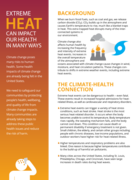
Climate change also affects human health by increasing the frequency and intensity of extreme heat events. Increases in
the overall temperature of the atmosphere and oceans associated with climate change cause changes in wind, moisture, and heat circulation patterns. These changes contribute to shi
...
fts in extreme weather events, including extreme heat events.
more
ITHIM refers to a range of related models and tools developed at CEDAR to perform integrated assessment of the health effects of transport scenarios and policies at the urban and national level. The health effects of transport policies are modelled through the changes in physical activity, road traf
...
fic injury risk, and exposure to fine particulate matter (PM2.5) air pollution.
more
This policy brief draws from the latest evidence on the impact of vaccination program start date and vaccine rollout rates on health benefits. The objective is to support policymakers on decisions to procure COVID-19 vaccines and roll out vaccinatio
...
n programmes in countries, especially those
where large proportions of the population remain unvaccinated.
more
Climate Change & Heat and Impact on Health
recommended
MEDBOX Issue Brief no.23.
The intent of this Issue Brief is to raise awareness about heat waves as a result of climate change and its impact on
health. More information on the topic of climate change and planetary health you can find in our PLANET
...
ARY
HEALTH TOOLBOX www.planetaryhealthbox.org
more
Tuberculosis in Brazil: the impact of the COVID-19 pandemic
Fernandes Maia, C.M.; Barbosa Martelli, D. R.; Mendes L. da Silveira, D. M.; et al.
Sociedade Brasileira de Pneumologia e Tisiologia
(2022)
CC
J Bras Pneumol. 2022;48(2):e20220082
The spread of Severe Acute Respiratory Syndrome - Coronavirus 2 (SARS-CoV-2) continues to progress, causing damage in several countries of the world due to its rapid transmissibility and significant mortality rates, despite government measures to contain its tra
...
nsmission, such as movement control, the closing of schools, bans on travel and public gatherings, the mandatory use
of masks, and hand hygiene. The coronavirus disease (COVID-19) has clinical manifestations that are similar to those found in other infections also transmitted through the airways, such as pulmonary tuberculosis (TB) Although TB is a global health problem, it is a curable disease, with affordable treatment and prevention. Nonetheless, it remains one of the leading
causes of death from a single infectious agent worldwide, a situation threatened by COVID-19.
more
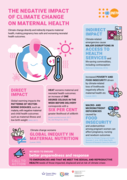
This infographic looks at how climate change directly and indirectly impacts maternal health, making pregnancy less safe and worsening neonatal health outcomes.

The number of people facing acute food insecurity1 is growing at an alarming rate in the European Union (EU) Member States of Central Eastern Europe. COVID-19 and the resulting disruption to global markets, trade, and food supply chains have negatively affected food security since 2020; now, this ha
...
s been compounded by the Russian invasion of Ukraine. Women and girls who have been displaced from Ukraine into Hungary are facing tremendous obstacles to their safety and wellbeing, particularly given the link between food insecurity and gender-based violence (GBV). Urgent policy responses and concrete actions are needed to support low-income households and vulnerable communities, particularly women and their families displaced from Ukraine, to stem this growing crisis.
more
As part of the UN’s data strategy—which seeks to nurture data as a strategic asset for insight, impact and integrity—UNAIDS plays an indispensable role in generating data for effective action against the AIDS pandemic. It leads the
world’s
...
most extensive data collection on HIV epidemiology, programme coverage, policy and finance, and it publishes the most authoritative and up-to-date information on the HIV pandemic and response. The UNAIDS database of countryreported data is a foundational pillar for global and regional AIDS programmes, research, advocacy and resource mobilization
more
This report assesses the impact of the conflict in Ukraine and its implications for organized crime and security-related issues for neighbouring countries, with a focus on Moldova.
These include:
Organized crime and illicit trafficking (includin
...
g trafficking in persons, drugs, arms, illicit tobacco, and other goods); Cybercrimes and fraud; Disinformation and propaganda; and Chemical, Biological, Radiological, and Nuclear (CBRN) threats.
more
The war has not only triggered the largest movement of refugees in Europe since the end of the Second World War.
Its manifold effects can be seen worldwide: forexample, consumer prices have risen and, in view of blocked grain exports of wheat, barley, and maize, food security in Africa is at risk.
...
This issue brief summarizes the impact the conflict has and had on global food security.
more
The South-East Asia regional programme to eliminate lymphatic filariasis (LF) was launched in 2000. This study presents the progress and impact of the programme in the region.

Health innovation is the creation and implementation of novel processes, products, programmes, policies or systems that lead to transformations or improvements in health and equity. This is the first instalment of "Innovation for Health," a knowledge product series dedicated to showcasing health inn
...
ovation in the Western Pacific and the roles governments can play. This case study documents the health innovation aimed at achieving equity in access to cataract surgical services in Malaysia, examines its enablers and barriers for further scaling up, and serves as a reference for Member States seeking new approaches to decentralize and deliver services to the unreached.
more
Assessing the Impact of Workforce Nutrition Programmes on Nutrition, Health and Business Outcomes: A Review of the Global Evidence and Future Research Agenda
Dhillon, C.N.; Ortenzi, F.
International Journal of Environmental Research and Public Health
(2023)
CC
One in three people globally suffers from at least one form of malnutrition, leading to poor health outcomes and low productivity in the workplace. The workplace offers an important, relatively unexploited opportunity to address malnutrition in all its forms. This narrative literature review aims to
...
understand the impact of workforce nutrition programmes on nutrition, health, and business outcomes, based on high-strength-of-evidence studies. We used PubMed as our primary research database, complemented by Google Scholar, to identify systematic reviews, meta-analyses, and randomised controlled trials published between January 2010 and October 2021. In total, 26 records were included. We found that comprehensive workforce nutrition programmes, including a variety of intervention areas, and/or programmes targeting high-risk categories of workers (overweight/obese or (pre-)diabetic) were more likely to be effective on nutrition, health, and business outcomes. Within comprehensive and targeted programmes, individualised counselling and worksite environmental modifications were often mentioned as the most effective components. However, a high degree of heterogeneity in outcome measures and programme designs made it difficult to draw strong conclusions on the impact of workforce nutrition interventions. Limited evidence was found on business outcomes, longer-term effects of interventions, and programme implementation in LMICs. Therefore, further research is needed to address these evidence gaps.
more
Allergic rhinitis (AR) and asthma are inflammatory conditions of the airways that often occur concomitantly. This global survey was undertaken to understand patient perspectives regarding symptoms, treatments, and the impact on their well-being of c
...
omorbid AR and asthma.
more
Global update on HIV treatment 2013: Results, impact and opportunities
World Health Organization; UNICEF; UNAIDS
(2013)
Chapter 1 provides new data on the latest developments in the global treatment effort, highlighting positive trends as well as aspects that require improvement. Chapter 2 summarizes the impact of the scale-up in reducing AIDS-related mortality and n
...
ew HIV infections. Chapter 3 examines the sequence of steps in the continuum of care from HIV diagnosis to successful provision of ART services and outlines key supportive innovations. Chapter 4 discusses the implications and anticipated impact of the new "Consolidated guidelines on the use of ARV drugs for treating and preventing HIV infection
more
No publication year indicated
World Relief published a new report revealing the immense impact of COVID-19 on the world's poor. This report is one of the most comprehensive of its kind, corresponding to the two-year anniversary of when the World Health Organization declared COVI
...
D-19 to be a global pandemic.
more
The report covers possible developments in Indonesia over the next 10 months (to end 2016). Four scenarios are outlined:
Delayed Second Crop Harvest
Delayed and Reduced Second Crop Harvest
La Niña disrupts main rural sources of income
Soaring rice prices
The scenarios wer
...
e developed during a two-day workshop in Jakarta, Indonesia involving 21 organisations. Scenarios are a description of situations that could occur; a set of informed assumptions about a development that may require humanitarian action to support strategic planning, create awareness, provide early warning and promote preparedness activities for those responding to the crisis.
more
El Niño is over but its impact on children is set to worsen as disease, malnutrition continue to spread
In Eastern and Southern Africa alone, 26.5 million children are in need of aid
For practitioners in humanitarian and development contexts
The Namibia Population-based HIV Impact Assessment (NAMPHIA) 2017 | The Ministry of Health and Services is leading the NAMPHIA survey in collaboration with the Namibia Statistics Agency (NSA) and the Namibia Institute of Pathology (NIP). The survey
...
is supported by the United States President’s Emergency Plan for AIDS Relief (PEPFAR), through the U.S. Centers for Disease Control and Prevention (CDC). | The goal of NAMPHIA is to examine the current distribution of the HIV epidemic and assess the impact of Namibia’s prevention, care and treatment response across all 14 regions of Namibia.
more
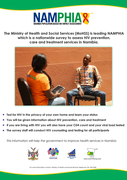
The Namibia Population-based HIV Impact Assessment (NAMPHIA) 2017 | The Ministry of Health and Services is leading the NAMPHIA survey in collaboration with the Namibia Statistics Agency (NSA) and the Namibia Institute of Pathology (NIP). The survey
...
is supported by the United States President’s Emergency Plan for AIDS Relief (PEPFAR), through the U.S. Centers for Disease Control and Prevention (CDC). | The goal of NAMPHIA is to examine the current distribution of the HIV epidemic and assess the impact of Namibia’s prevention, care and treatment response across all 14 regions of Namibia.
more
The Namibia Population-based HIV Impact Assessment (NAMPHIA) 2017 | The Ministry of Health and Services is leading the NAMPHIA survey in collaboration with the Namibia Statistics Agency (NSA) and the Namibia Institute of Pathology (NIP). The survey
...
is supported by the United States President’s Emergency Plan for AIDS Relief (PEPFAR), through the U.S. Centers for Disease Control and Prevention (CDC). | The goal of NAMPHIA is to examine the current distribution of the HIV epidemic and assess the impact of Namibia’s prevention, care and treatment response across all 14 regions of Namibia.
more
HIV/TB Research Meeting; March 3, 2013
TB and HIV concept note - Investing for impact against tuberculosis and HIV
The Global Fund To fight AIDS, Tuberculosis and Malaria
(2015)
C2
Single TB and HIV Concept Note Albania 2016-2018 27 April 2015
Children in Kabwe are especially at risk because they are more likely to ingest lead dust when playing in the soil, their brains and bodies are still developing, and they absorb four to five times as much lead as adults. The consequences for children who are exposed to high levels of lead and are no
...
t treated include reading and learning barriers or disabilities; behavioral problems; impaired growth; anemia; brain, liver, kidney, nerve, and stomach damage; coma and convulsions; and death. After prolonged exposure, the effects are irreversible. Lead also increases the risk of miscarriage and can be transmitted through both the placenta and breastmilk.
more
HIV testing in Europe - Evaluation of the impact of the ECDC guidance on HIV testing: increasing uptake and effectiveness in the European Union
European Centre for Disease Prevention and Control (ECDC)
European Centre for Disease Prevention and Control (ECDC)
(2016)
C2
Technical Report
19 April 2020
To contain the spread of COVID-19 and to keep infections at a manageable level, many countries have instituted lockdowns and social distancing. In India, a nationwide 21-day lockdown was announced with effect from 25 March 2020. This lockdown is expected to avert a sudden and large in
...
crease in the number of infections in the short term. Additionally, interventions such as social distancing and isolation of infected individuals over several months could reduce peak infections. Interventions such as frequent handwashing, reduced mass gatherings, contact tracing, and quarantines could slow transmission and reduce overall infections.
more
The COVID-19 pandemic has affected everyone, including key populations at higher risk of HIV. And the gains made against other infectious diseases, including HIV, are at risk of being reversed as a result of disruptions caused by COVID-19. This is the background to a new report published by FHI 360,
...
in collaboration with UNAIDS, which gives advice on how to minimize the impacts of COVID-19 on key populations.
more
