
Filter
4038
Filtered Results: 4038
Text search:
non
communicable
diseases
Featured
Recommendations
326
New Publications
933
Language
Document type
No document type
1840
Studies & Reports
936
Guidelines
473
Strategic & Response Plan
213
Manuals
171
Fact sheets
131
Training Material
58
Infographics
57
Resource Platforms
51
Situation Updates
30
Videos
28
Brochures
20
Dashboards/Maps
16
Online Courses
13
App
1
Countries / Regions
Global
510
India
144
Africa
124
South Africa
123
Kenya
119
Western and Central Europe
89
Ethiopia
85
Latin America and the Carribbean
79
Nepal
66
Sierra Leone
65
Uganda
63
Liberia
62
Bangladesh
56
Myanmar / Burma
55
Nigeria
53
Malawi
48
Ukraine
48
Indonesia
46
Zambia
43
Syria
42
Ghana
41
Rwanda
40
Philippines
39
South–East Asia Region
39
Namibia
35
Tanzania
34
Asia
34
Eastern Europe
34
Congo, Democratic Republic of
25
Mozambique
24
Lesotho
24
Cambodia
22
East and Southern Africa
22
West and Central Africa
22
Eastern Europe and Central Asia
19
North America
19
South Sudan
18
Zimbabwe
16
Middle East and North Africa
15
Western Pacific Region
15
Russia
15
Guinea
13
Brazil
13
Botswana
13
Yemen
13
Haiti
12
Pakistan
12
Germany
12
Burkina Faso
10
Senegal
10
Moldova
10
Afghanistan
9
Thailand
9
Sudan
9
Eswatini/ Swaziland
9
Venezuela
9
Somalia
8
Iraq
8
Jordan
8
Colombia
8
Paraguay
8
Argentina
7
USA
6
Cameroon
6
China
6
Kyrgyzstan
6
Lebanon
5
Peru
5
Chile
5
Palestine
5
Iran
5
Vietnam
5
Saudi Arabia
4
Turkey
4
Benin
4
Central African Republic
4
Angola
4
Laos
4
Kazakhstan
4
Georgia
4
Mali
3
Papua New Guinea
3
Madagascar
3
Sri Lanka
3
Poland
3
Southern Africa
3
Timor Leste/ East Timor
3
Tajikistan
3
Turkmenistan
3
Jamaica
3
Mauritius
3
United Kingdom
3
Bosnia and Herzegovina
3
Guinea-Bissau
2
Togo
2
Egypt
2
North Macedonia
2
Hungary
2
Ecuador
2
El Salvador
2
Bolivia
2
Mexico
2
Fiji
2
Bhutan
2
Albania
2
Romania
2
Japan
2
Portugal
2
Spain
2
Azerbaijan
2
Belarus
2
Côte d’Ivoire / Ivory Coast
1
Morocco
1
Gambia
1
Ireland
1
Singapore
1
Serbia
1
Croatia
1
Burundi
1
Greece
1
Libya
1
Other region
1
Djibouti
1
Armenia
1
Mongolia
1
Qatar
1
Bulgaria
1
Estonia
1
Maldives
1
Tunisia
1
Israel
1
Latvia
1
Barbados
1
United Arab Emirates
1
Authors & Publishers
Publication Years
Category
Countries
1494
Public Health
821
Clinical Guidelines
322
Women & Child Health
137
Key Resources
128
Capacity Building
88
Pharmacy & Technologies
35
Annual Report MEDBOX
2
General Guidelines
1
Toolboxes
NCDs
763
COVID-19
259
Mental Health
242
HIV
172
TB
171
Planetary Health
166
Rapid Response
122
Global Health Education
113
Conflict
102
Caregiver
98
AMR
83
Disability
80
NTDs
63
Ebola
58
Natural Hazards
49
Refugee
49
Health Financing Toolbox
40
Pharmacy
29
Zika
22
Polio
16
Specific Hazards
12
Cholera
11
Social Ethics
6
South Sudan
1
Typhoon
1
Health Financing
1
WHO-OHCHR launch new guidance to improve laws addressing human rights abuses in mental health care
Ahead of World Mental Health Day, the World Health Organization (WHO) and the Office of the High Commissioner on Human Rights (OHCHR) are jointly launching a new guidance, entitled "Mental health, h...
This document presents the World Health Organization Operational framework for building climate resilient and low carbon health systems*. ***The framework's goal is to increase the climate resilience of health systems to protect and improve the health of communities in an unstable and changing clima...
The World Food Programme (WFP) has taken important steps to progress disability inclusion across its programming and operations. In late 2022, WFP commissioned the Nossal Institute, University of Melbourne in partnership with the Faculty of Psychology, Universitas Gadjah Mada, Indonesia to identify ...
Background
Asthma remains highly prevalent, with more severe symptoms in low-income to middle-income countries (LMICs) compared with high-income countries. Identifying risk factors for severe asthma symptoms can assist with improving outcomes. We aimed to determine the prevalence, severity and ris...
Language influences the way we think, how we perceive reality, and how we behave. With respect to HIV, language can embody stigma and discrimination, which impacts access to testing, acquisition of HIV, and engagement with treatment. Language plays a role in supporting respect and empowerment of ind...
The 2023 meeting of the WHO Clinical Consortium on Healthy Ageing (CCHA) was the group’s ninth gathering and took place in Geneva 5–7 December 2023. The meeting was structured around seven panels, with a series of technical presentations, plenary discussions and group work, and a final session o...
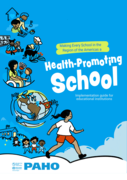
Every day, schools engage in numerous activities that help promote the health and well-being of students, families, and communities. There is clear evidence of the benefits of the health-promoting schools (HPS) approach, not only for improving overall health outcomes (physical, mental, and social) i...
Some testing done

Project Paper to provide an additional grant for: Human Development Systems Strengthening Project (HDSSP)(P145965, H9360)

IN THE AMOUNT OF SDR 21.8 MILLION (US$30 MILLION EQUIVALENT) WITH AN ADDITIONAL GRANT FROM THE GLOBAL FINANCING FACILITY (GFF) IN THE AMOUNT OF US$ 10 MILLION TO THE DEMOCRATIC REPUBLIC OF CONGO FOR A HUMAN DEVELOPMENT SYSTEMS STRENGTHENING PROJECT
he pandemic has produced an unprecedented economic and social crisis, and it could generate a food, humanitarian, and political crisis if urgent measures are not taken. The policy options for addressing the pandemic entail consolidating national plans and achieving intersectoral consensus. The respo...

Consolidated guidelines on the Use of Antiretroviral Drugs for Treating and Preventing HIV Infection
recommended
2nd edition. These guidelines provide guidance on the diagnosis of human immunodeficiency virus (HIV) infection, the use of antiretroviral (ARV) drugs for treating and preventing HIV infection and the care of people living with HIV. They are structured along the continuum of HIV testing, prevention,...
Bridging the Gap
European Union Standards for Tuberculosis Care 2017 Estonian Version
