
Filter
4272
Text search:
hiv
policies
Featured
346
1367
Language
3880
190
137
54
50
40
39
20
14
11
9
7
6
6
6
5
4
4
3
3
3
3
3
3
3
3
3
3
3
3
2
2
2
2
2
2
2
2
2
2
2
1
1
1
1
1
1
1
1
1
1
1
1
1
1
1
1
1
1
1
Document type
2846
542
418
159
148
51
49
26
11
11
8
1
1
Countries
189
186
122
119
115
113
111
104
101
99
97
83
76
73
67
67
64
63
63
61
60
48
47
45
41
40
40
39
38
37
37
32
31
29
28
27
26
24
24
24
23
23
19
18
17
17
15
14
14
13
12
12
11
11
11
10
10
9
8
8
8
8
8
7
7
6
6
6
6
6
5
5
5
5
5
4
4
4
4
4
4
3
3
3
3
3
3
3
3
3
3
3
3
2
2
2
2
2
2
2
2
2
2
2
2
2
2
2
1
1
1
1
1
1
1
1
1
1
1
1
1
1
1
1
1
1
1
1
1
1
1
1
1
1
Authors & Publishers
344
238
224
176
152
108
97
91
58
37
34
31
29
29
27
26
26
26
24
23
21
20
20
19
19
19
18
18
17
16
16
15
15
15
14
14
14
13
13
13
13
13
13
12
12
12
11
11
11
11
11
11
11
10
10
10
10
10
9
9
9
9
9
9
9
9
9
9
8
8
8
8
8
8
8
8
8
8
8
8
8
8
7
7
7
7
7
7
7
7
7
7
7
7
7
7
7
7
6
6
6
6
6
6
6
6
6
6
6
6
6
6
6
6
6
6
6
5
5
5
5
5
5
5
5
5
5
5
5
5
5
5
5
5
5
5
5
5
5
5
5
5
5
5
5
5
5
5
5
5
5
5
5
4
4
4
4
4
4
4
4
4
4
4
4
4
4
4
4
4
4
4
4
4
4
4
4
4
4
4
4
4
4
4
4
4
4
4
4
4
4
4
4
4
4
4
4
4
4
4
4
4
4
4
4
4
4
4
4
4
4
4
4
4
4
4
4
4
4
4
3
3
3
3
3
3
3
3
3
3
3
3
3
3
3
3
3
3
3
3
3
3
3
3
3
3
3
3
3
3
3
3
3
3
3
3
3
3
3
3
3
3
3
3
3
3
3
3
3
3
3
3
3
3
3
3
3
3
3
3
3
3
3
3
3
3
3
3
3
3
3
3
3
3
3
3
3
3
3
3
3
3
3
3
3
3
3
3
3
3
3
3
3
3
3
3
3
3
3
3
3
3
3
3
3
3
3
3
3
3
3
2
2
2
2
2
2
2
2
2
2
2
2
2
2
2
2
2
2
2
2
2
2
2
2
2
2
2
2
2
2
2
2
2
2
2
2
2
2
2
2
2
2
2
2
2
2
2
2
2
2
2
2
2
2
2
2
2
2
2
2
2
2
2
2
2
2
2
2
2
2
2
2
2
2
2
2
2
2
2
2
2
2
2
2
2
2
2
2
2
2
2
2
2
2
2
2
2
2
2
2
2
2
2
2
2
2
2
2
2
2
2
2
2
2
2
2
2
2
2
2
2
2
2
2
2
2
2
2
2
2
2
2
2
2
2
2
2
2
2
2
2
2
2
2
2
2
2
2
2
2
2
2
2
2
2
2
2
2
2
2
2
2
2
2
2
2
2
2
2
2
2
2
2
2
2
2
2
2
2
2
2
2
2
2
2
2
2
2
2
2
2
2
2
2
2
2
2
2
2
2
2
2
2
2
2
2
2
2
2
2
2
2
2
2
2
2
2
2
2
2
2
2
2
2
2
2
2
2
2
2
2
2
2
2
2
2
2
2
2
2
2
2
2
2
2
2
2
2
2
2
2
2
2
2
2
2
2
2
2
2
2
2
2
2
2
2
2
2
2
2
2
2
2
2
2
2
2
2
2
2
2
2
2
2
2
2
2
2
2
2
2
2
2
2
2
2
2
2
2
2
2
2
2
2
2
2
2
2
2
1
1
1
1
1
1
1
1
1
1
1
1
1
1
1
1
1
1
1
1
1
1
1
1
1
1
1
1
1
1
1
1
1
1
1
1
1
1
1
1
1
1
1
1
1
1
1
1
1
1
1
1
1
1
1
1
1
1
1
1
1
1
1
1
1
1
1
1
1
1
1
1
1
1
1
1
1
1
1
1
1
1
1
1
1
1
1
1
1
1
1
1
1
1
1
1
1
1
1
1
1
1
1
1
1
1
1
1
1
1
1
1
1
1
1
1
1
1
1
1
1
1
1
1
1
1
1
1
1
1
1
1
1
1
1
1
1
1
1
1
1
1
1
1
1
1
1
1
1
1
1
1
1
1
1
1
1
1
1
1
1
1
1
1
1
1
1
1
1
1
1
1
1
1
1
1
1
1
1
1
1
1
1
1
1
1
1
1
1
1
1
1
1
1
1
1
1
1
1
1
1
1
1
1
1
1
1
1
1
1
1
1
1
1
1
1
1
1
1
1
1
1
1
1
1
1
1
1
1
1
1
1
1
1
1
1
1
1
1
1
1
1
1
1
1
1
1
1
1
1
1
1
1
1
1
1
1
1
1
1
1
1
1
1
1
1
1
1
1
1
1
1
1
1
1
1
1
1
1
1
1
1
1
1
1
1
1
1
1
1
1
1
1
1
1
1
1
1
1
1
1
1
1
1
1
1
1
1
1
1
1
1
1
1
1
1
1
1
1
1
1
1
1
1
1
1
1
1
1
1
1
1
1
1
1
1
1
1
1
1
1
1
1
1
1
1
1
1
1
1
1
1
1
1
1
1
1
1
1
1
1
1
1
1
1
1
1
1
1
1
1
1
1
1
1
1
1
1
1
1
1
1
1
1
1
1
1
1
1
1
1
1
1
1
1
1
1
1
1
1
1
1
1
1
1
1
1
1
1
1
1
1
1
1
1
1
1
1
1
1
1
1
1
1
1
1
1
1
1
1
1
1
1
1
1
1
1
1
1
1
1
1
1
1
1
1
1
1
1
1
1
1
1
1
1
1
1
1
1
1
1
1
1
1
1
1
1
1
1
1
1
1
1
1
1
1
1
1
1
1
1
1
1
1
1
1
1
1
1
1
1
1
1
1
1
1
1
1
1
1
1
1
1
1
1
1
1
1
1
1
1
1
1
1
1
1
1
1
1
1
1
1
1
1
1
1
1
1
1
1
1
1
1
1
1
1
1
1
1
1
1
1
1
1
1
1
1
1
1
1
1
1
1
1
1
1
1
1
1
1
1
1
1
1
1
1
1
1
1
1
1
1
1
1
1
1
1
1
1
1
1
1
1
1
1
1
1
1
1
1
1
1
1
1
1
1
1
1
1
1
1
1
1
1
1
1
1
1
1
1
1
1
1
1
1
1
1
1
1
1
1
1
1
1
1
1
1
1
1
1
1
1
1
1
1
1
1
1
1
1
1
1
1
1
1
1
1
1
1
1
1
1
1
1
1
1
1
1
1
1
1
1
1
1
1
1
1
1
1
1
1
1
1
1
1
1
1
1
1
1
1
1
1
1
1
1
1
1
1
1
1
1
1
1
1
1
1
1
1
1
1
1
1
1
1
1
1
1
1
1
1
1
1
1
1
1
1
1
1
1
1
1
1
1
1
1
1
1
1
1
1
1
1
1
1
1
1
1
1
1
1
1
1
1
1
1
1
1
1
1
1
1
1
1
1
1
1
1
1
1
1
1
1
1
1
1
1
1
1
1
1
1
1
1
1
1
1
1
1
1
1
1
1
1
1
1
1
1
1
1
1
1
1
1
1
1
1
1
1
1
1
1
1
1
1
1
1
1
1
1
1
1
1
1
1
1
1
1
1
1
1
1
1
1
1
1
1
1
1
1
1
1
1
1
1
1
1
1
1
1
1
1
1
1
1
1
1
1
1
1
1
1
1
1
1
1
1
1
1
1
1
1
1
1
1
1
1
1
1
1
1
1
1
1
1
1
1
1
1
1
1
1
1
1
1
1
1
1
1
1
1
1
1
1
1
1
1
1
1
1
1
1
1
1
1
1
1
1
1
1
1
1
1
1
1
1
1
1
1
1
1
1
1
1
1
1
1
1
1
1
1
1
1
1
1
1
1
1
1
1
1
1
1
1
1
1
1
1
1
1
1
1
1
1
1
1
1
1
1
1
1
1
1
1
1
1
1
1
1
1
1
1
1
1
1
1
1
1
1
1
1
1
1
1
1
1
1
1
1
1
1
1
1
1
1
1
1
1
1
1
1
1
1
1
1
1
1
1
1
1
1
1
1
1
1
1
1
1
1
1
1
1
1
1
1
1
1
1
1
1
1
1
1
1
1
1
1
1
1
1
1
1
1
1
1
1
1
1
1
1
1
1
1
1
1
1
1
1
1
1
1
1
1
1
1
1
1
1
1
1
1
1
1
1
1
1
1
1
1
1
1
1
1
1
1
1
1
1
1
1
1
1
1
1
1
1
1
1
1
1
1
1
1
1
1
1
1
1
1
1
1
1
1
1
1
1
1
1
1
1
1
1
1
1
1
1
1
1
1
1
1
1
1
1
1
1
1
1
1
1
1
1
1
1
1
1
1
1
1
1
1
1
1
1
1
1
1
1
1
1
1
1
1
1
1
1
1
1
1
1
1
1
1
1
1
1
1
1
1
1
1
1
1
1
1
1
1
1
1
1
1
1
1
1
1
1
1
1
1
1
1
1
1
1
1
1
1
1
1
1
1
1
1
1
1
1
1
1
1
1
1
1
1
1
1
1
1
1
1
1
1
1
1
1
1
1
1
1
1
1
1
1
1
1
1
1
1
1
1
1
1
1
1
1
1
1
1
1
1
1
1
1
1
1
1
1
1
1
1
1
1
1
1
1
1
1
1
1
1
1
1
1
1
1
1
1
1
1
1
1
1
1
1
1
1
1
1
1
1
1
1
1
1
1
1
1
1
1
1
1
1
1
1
1
1
1
1
1
1
1
1
1
1
1
1
1
1
1
1
1
1
1
1
1
1
1
1
1
1
1
1
1
1
1
1
1
1
1
1
1
1
1
1
1
1
1
1
1
1
1
1
1
1
1
1
1
1
1
1
1
1
1
1
1
1
1
1
1
1
1
1
1
1
1
1
1
1
1
1
1
1
1
1
1
1
1
1
1
1
1
1
1
1
1
1
1
1
1
1
1
1
1
1
1
1
1
1
1
1
1
1
1
1
1
1
1
1
1
1
1
1
1
1
1
1
1
1
1
1
1
1
1
1
1
1
1
1
1
1
1
1
1
1
1
1
1
1
1
1
1
1
1
1
1
1
1
1
1
1
1
1
1
1
1
1
1
1
1
1
1
1
1
1
1
1
1
1
1
1
1
1
1
1
1
1
1
1
1
1
1
1
1
1
1
1
1
1
1
1
1
1
1
1
1
1
1
1
1
1
1
1
1
1
1
1
1
1
1
1
1
1
1
1
1
1
1
1
1
1
1
1
1
1
1
1
1
1
1
1
1
1
1
1
1
1
1
1
1
1
1
1
1
1
1
1
1
1
1
1
1
1
1
1
1
1
1
1
1
1
1
1
1
1
1
1
1
1
1
1
1
1
1
1
1
1
1
1
1
1
1
1
1
1
1
1
1
1
1
1
1
1
1
1
1
1
1
1
1
1
1
1
1
1
1
1
1
1
1
1
1
1
1
1
1
1
1
1
1
1
1
1
1
1
1
1
1
1
1
1
1
1
1
1
1
1
1
1
1
1
1
1
1
1
1
1
1
1
1
1
1
1
1
1
1
1
1
1
1
1
1
1
1
1
1
1
1
1
1
1
1
1
1
1
1
1
1
1
1
1
1
1
1
1
1
1
1
1
1
1
1
1
1
1
1
1
1
1
1
1
1
1
1
1
1
1
1
1
1
1
1
1
1
1
1
1
1
1
1
1
1
1
1
1
1
1
1
1
1
1
1
1
1
1
1
1
1
1
1
1
1
1
1
1
1
1
1
1
1
1
1
1
1
1
1
1
1
1
1
1
1
1
1
1
1
1
1
1
1
1
1
1
1
1
1
1
1
1
1
1
1
1
1
1
1
1
1
1
1
1
1
1
1
1
1
1
1
1
1
1
1
1
1
1
1
1
1
1
1
1
1
1
1
1
1
1
1
1
1
1
1
1
1
1
1
1
1
1
1
1
1
1
1
1
1
1
1
1
1
1
1
1
1
1
1
1
1
1
1
1
1
1
1
1
1
1
1
1
1
1
1
1
1
1
1
1
1
1
1
1
1
1
1
1
1
1
1
1
1
1
1
1
1
1
1
1
1
1
1
1
1
1
1
1
1
1
1
1
1
1
1
1
1
1
1
1
1
1
1
1
1
1
1
1
1
1
1
1
1
1
1
1
1
1
1
1
1
1
1
1
1
1
1
1
1
1
1
1
1
1
1
1
1
1
1
1
1
1
1
1
1
1
1
1
1
1
1
1
1
1
1
1
1
1
1
1
1
1
1
1
1
1
1
1
1
1
1
1
1
1
1
1
1
1
1
1
1
1
1
1
1
1
1
1
1
1
1
1
1
1
1
1
1
1
1
1
1
1
1
1
1
1
1
1
1
1
1
1
1
1
1
1
1
1
1
1
1
1
1
1
1
1
1
1
1
1
1
1
1
1
1
1
1
1
1
1
1
1
1
1
1
1
1
1
1
1
1
1
1
1
1
1
1
1
1
1
1
1
1
1
1
1
1
1
1
1
1
1
1
1
1
1
1
1
1
1
1
1
1
1
1
1
1
1
1
1
1
1
1
1
1
1
1
1
1
1
1
1
1
1
1
1
1
1
1
1
1
1
1
1
1
1
1
1
1
1
1
1
1
1
1
1
1
1
1
1
1
1
1
1
1
1
1
1
1
1
1
1
1
1
1
1
1
1
1
1
1
1
1
1
1
1
1
1
1
1
1
1
1
1
1
1
1
1
1
1
1
1
1
1
1
1
1
1
1
1
1
1
1
1
1
1
1
1
1
1
1
1
1
1
1
1
1
1
1
1
1
1
1
1
1
1
1
1
1
1
1
1
1
1
1
1
1
1
1
1
1
1
1
1
1
1
1
1
1
1
1
1
1
1
1
1
1
1
1
1
1
1
1
1
1
1
1
1
1
1
1
1
1
1
1
1
1
1
1
1
1
1
1
1
1
1
1
1
1
1
1
1
1
1
1
1
1
1
1
1
1
1
1
1
1
1
1
1
1
1
1
1
1
1
1
1
1
1
1
1
1
1
1
1
1
1
1
1
1
1
1
1
1
1
1
1
1
1
1
1
1
1
1
1
1
1
1
1
1
1
1
1
1
1
1
1
1
1
1
1
1
1
1
1
1
1
1
1
1
1
1
1
1
1
1
1
1
1
1
1
1
1
1
1
1
1
1
1
1
1
1
1
1
1
1
1
1
1
1
1
1
1
1
1
1
1
1
1
1
1
1
1
1
1
1
1
1
1
1
1
1
1
1
1
1
1
1
1
1
1
1
1
1
1
1
1
1
1
1
1
1
1
1
1
1
1
1
1
1
1
1
1
1
1
1
1
1
1
1
1
1
1
1
1
1
1
1
1
1
1
1
1
1
1
1
1
1
1
1
1
1
1
1
1
1
1
1
1
1
1
1
1
1
1
1
1
1
1
1
1
1
1
1
1
1
1
1
1
1
1
1
1
1
1
1
1
1
1
1
1
1
1
1
1
1
1
1
1
1
1
1
1
1
1
1
1
1
1
1
1
1
1
1
1
1
1
1
1
1
1
1
1
1
1
1
1
1
1
1
1
1
1
1
1
1
1
1
1
1
1
1
1
1
1
1
1
1
1
1
1
1
1
1
1
1
1
1
1
1
1
1
1
1
1
1
1
1
1
1
1
1
1
1
1
1
1
1
1
1
1
1
1
1
1
1
1
1
1
1
1
1
1
1
1
1
1
1
1
1
1
1
1
1
1
1
1
1
1
1
1
1
1
1
1
1
1
1
1
1
1
1
1
1
1
1
1
1
1
1
1
1
1
1
1
1
1
1
1
1
1
1
1
1
1
1
1
1
1
1
1
1
1
1
1
1
1
1
1
1
1
1
1
1
1
1
1
1
1
1
1
1
1
1
1
1
1
1
1
1
1
1
1
1
1
1
1
1
1
1
1
1
1
1
1
1
1
1
1
1
1
1
1
1
1
1
1
1
1
1
1
1
1
1
1
1
1
1
1
1
1
1
1
1
1
1
1
1
1
1
1
1
1
1
1
1
1
1
1
1
1
1
1
1
1
1
1
1
1
1
1
1
1
1
1
1
1
1
1
1
1
1
1
1
1
1
1
1
1
1
1
1
1
1
1
1
1
1
1
1
1
1
1
1
1
1
1
1
1
1
1
1
1
1
1
1
1
1
1
1
1
1
1
1
1
1
1
1
1
1
1
1
1
1
1
1
1
1
1
1
1
1
1
1
1
1
1
1
1
1
1
1
1
1
1
1
1
1
1
1
1
1
1
1
1
1
1
1
1
1
1
1
1
1
1
1
1
1
1
1
1
1
1
1
1
1
1
1
1
1
1
1
1
1
1
1
1
1
1
1
1
1
1
1
1
1
1
1
1
1
1
1
1
1
1
1
1
1
1
1
1
1
1
1
1
1
1
1
1
1
Publication Years
1
769
3069
419
14
Category
2188
253
231
166
128
56
31
5
Toolboxes
622
454
162
147
122
106
92
66
62
57
57
49
45
45
36
36
34
23
12
8
8
8
2
South Africa has faced many challenges over the past two decades, accomplishing profound positive changes in the social structure and government of the nation. This has not yet fully translated into better health for the population, however, particularly the poorest segment. In fact, the p
...
opulation has lost ground since the 1990s in virtually all important health indicators, leaving South Africa with a high burden of infectious disease.
August 2011, Vol. 101, No. 8 SAMJ
more
In the kingdom of Bahrain, the national antibiotic committee will set the framework for the national response to AMR, especially bacterial resistance to antibiotics. It will be aligned with the World Health Organization’s (WHO) Global Action Plan on Antimicrobial Resistance, and with standards and
...
guidelines from the Food and Agriculture Organization of the United Nations (FAO) and the World Organisation for Animal Health (OIE).
more

Antimicrobial resistance is one of the most important threats to the health worldwide. Antimicrobial resistance or drug resistance is the reduction of the pharmaceutical effects of a drug against a disease or reduction of its effectiveness in improving the clinical signs of a disease. Antimicrobial
...
resistance occurs naturally but misuse of antibiotics in human and animals significantly accelerates the process of developing antimicrobial resistance. In fact, antimicrobial resistance refers to the resistance of a microorganism to one or more antimicrobial drugs which had been previously sensitive to these drugs. Antimicrobial resistance can occur in a wide variety of pathogens including bacteria, parasites, viruses, fungi, and cancer cells and may threaten the life of every person, in every age, and in every country
more
The objectives of NAP are aligned with the global action plan based on national needs and priorities. The emphasis is on One Health approach with all sectors especially human health, animal health and environment contributing towards minimizing the emergence and impact of AMR in Jordan.

Using the WHO model list of essential medicines to update a national essential medicines list
Since 1977, WHO has been working with countries to design the package of essential medicines as an integral component of treatment within the continuum of care, developing and disseminating the Model List
...
of Essential Medicines (Model List). WHO is committed to supporting Member States in sharing best practices in selecting
essential medicines, and in developing processes for the selection of medicines for national essential medicines lists (national EMLs, or NEMLs) consistent with the evidence-based methods used for updating the WHO Model List.
more
Myanmar, as a country going through rapid socio-political transition and institutional development also suffers with a high burden of infectious disease. An ongoing challenge has been to effectively reach its 51 million population, most of whom battle tuberculosis, acute respiratory infections, diar
...
rhoea and malaria including amongst under-five children.
Limited research data on the occurrence of resistant organisms in the nation have, makes it hard to estimate the exact antimicrobial resistance (AMR) scenario. Limited peer reviewed evidence indicates significant divergence from the average resistance trends in APAC region. Nevertheless, several key steps by Government of Myanmar have been instrumental in paving the way for the country to join other nations in the South East Asia Region to speed up its plan on addressing the AMR crisis. Combating antimicrobial resistance would, however, require highest political commitment, multi-sectoral coordination, sustained investment and technical assistance.
more
The National Department of Health and Department of Agriculture, Forestry and Fisheries have collectively engaged to determine the key interventions that will form the basis for this strategy taking into account the recommendations from the WHO and OIE.
The development and implementation of a Natio
...
nal Antimicrobial Resistance Strategy Framework that complements international efforts is a major step towards containment of the growing threat of antimicrobial resistance in human and animal health. Global partnerships need to be strengthened because the responsibility for reducing resistance is a shared one. This responsibility is not only limited to the health care sector, but calls for collaborative action in all sectors - human, animal and agriculture.
The National Antimicrobial Resistance Strategy Framework will affect South Africa’s response to this looming threat. We already have the tools and expertise to make a difference, now all we need is to work together toward a better future.
more
Spread of resistance to antimicrobial agents (AMR) does not know national borders and has reached dimensions, which require immediate actions at the national, regional and global levels.
Antibiotic resistance is a natural biological response to improper use of antimicrobial agents (AMA); increasing
...
number of essential drugs, which become ineffective, contributing to selection, survival and replication of resistant strains of microorganisms. When chosen antimicrobials prove to be ineffective, the second- or third-line drugs need to be used although
in the majority of cases these drugs are more expensive, less safe and not always available.
more

Interium guidance, 25 June 2021Timely and accurate diagnostic testing is an essential tool in preventing and controlling the spread of COVID-19. This document describes recommendations for national testing strategies and the use of PCR and rapid antigen tests in different transmission scenarios of t
...
he COVID-19 outbreak, including how testing might be rationalized in low resource settings. All testing should be followed by a strong public health response including isolating those who test positive and providing them care, contact tracing and quarantine of contacts.
more
The State of the world’s nursing 2020 report provides the latest, most up-to-date evidence on and policy options for the global nursing workforce. It also presents a compelling case for considerable – yet feasible – investment in nursing education, jobs, and leadership.
The primary chapters
...
of the report outline the role and contributions of nurses with respect to the WHO “triple billion” targets; the health labour market and workforce policy levers to address the challenges to nurses working to their full potential; the findings from analysis of National Health Workforce Account (NHWA) data from 191 Member States and progress in relation to the projected shortfall of nurses by 2030; and forward-looking policy options for an agenda to strengthen the nursing workforce to deliver the Sustainable Development Goals, improve health for all, and strengthen the primary health care workforce on our journey towards universal health coverage.
more
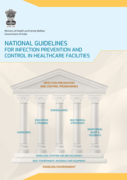
Infection Prevention and Control Programmes
January 2020
COVID Reference 2021.6 EN
recommended
6th edition 13 January 2021 CR 2021.6.10, uploaded on 27 May 2021
Find eight editions: Deutsch | English | Español | Français | Italiano | Português | Tiếng Việt | Türkçe
https://covidreference.com/download
Putting Human Rights at the Heart of the Response
Topic in Focus: COVID-19 and Women’s Human Rights
15 April 2020
Stay-at-home restrictions and other measures restricting the movement of people contribute to an increase in genderbased violence, a finding confirmed by media reports, official
...
statements and information received from OHCHR field presences and human rights defenders in many countries.
Women and girls already in abusive situations are more exposed to increased control and restrictions by their abusers, with little or no recourse to seek support. Hotlines receive reports of women being threatened with being thrown out of their homes, exposed to the infection, or having financial resources and medical aid withheld.
more
Community-based health care, including outreach and campaigns,in the context of the COVID-19 pandemic
recommended
The COVID-19 pandemic is challenging health systems across the world. Rapidly increasing demand for care of people with COVID-19 is compounded by fear, misinformation and limitations on the movement of people and supplies that disrupt the delivery of frontline health care for all people...
This g
...
uidance addresses the specific role of community-based health care in the pandemic context and outlines the adaptations needed to keep people safe, maintain continuity of essential services and ensure an effective response to COVID-19. It is intended for decision-makers and managers at the national and subnational levels and complements a range of other guidance, including that on priority public health interventions, facility-based care, and risk communication and community engagement in the setting of the COVID-19 pandemic.
more
This document provides guidance on the implementation of the shielding approach in urban areas in LICs and crisis-affected regions. It is intended for the community itself, national and local governance institutions, and humanitarian and development actors operating in the country.
Only 8,730 asylum applications were registered in the EU+ in April, the lowest since at least 2008, and a massive 87% decrease from pre-COVID-19 levels in January and February.
The European Asylum Support Office (EASO) has released a special report which shows that the COVID-19 related travel restr
...
ictions and national health measures which were imposed during the past few months led to a dramatic cut in asylum applications in Europe.
more
This brief considers the rationale for shielding individuals at high risk of severe disease or death from COVID-19 in low- and middleincome countries. It provides an overview of proposed approaches to shielding, discusses the categories of individuals who may be identified for shielding, and outline
...
s the likely difficulties of these measures and ways to mitigate them.
more
COVID-19 has turned the world upside down. Everything has been impacted. How we live and interact with each other, how we work and communicate, how we move around and travel. Every aspect of our lives has been affected.
This guidance note aims to provide practical support to service providers operating Women and Girls Safe Spaces (WGSS) on how to adapt programming in the context of the COVID-19 pandemic.
