
Filter
949
Text search:
Justice
inclusive
Featured
68
231
Language
Document type
583
189
67
37
33
18
7
6
3
2
2
1
Countries
46
30
27
24
20
20
19
19
18
16
16
15
15
14
14
13
12
12
12
11
11
11
10
10
10
9
9
9
8
7
7
7
7
6
6
6
6
6
6
5
5
5
5
4
4
4
4
4
4
4
3
3
3
3
3
3
3
3
3
2
2
2
2
2
2
2
2
2
2
2
2
2
2
1
1
1
1
1
1
1
1
1
1
1
1
1
1
1
1
1
1
1
1
1
1
1
1
1
1
1
1
1
Authors & Publishers
Publication Years
Category
340
54
45
22
13
7
2
1
Toolboxes
166
95
80
65
52
44
37
34
16
16
16
16
14
14
8
8
5
3
2
1
1
1
1
PLOS ONE | https://doi.org/10.1371/journal.pone.0192765 February 23, 2018
UNAIDS 2017 / Reference
Generating evidence for policy and action on HIV and social protection
UNAIDS | 2016–2021 Strategy
Accessed: 20.11.2019
Guidelines.
The guidelines set out essential actions that humanitarian actors must take in order to effectively identify and respond to the needs and rights of persons with disabilities who are most at risk of being left behind in humanitarian settings.
The recommended actions in each chapter pl
...
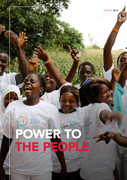
The report shows that where people and communities living with and affected by HIV are engaged in decision-making and HIV service delivery, new infections decline and more people living with HIV gain access to treatment. When people have the power to choose, to know, to thrive, to demand and to work
...
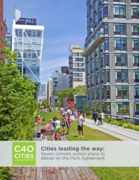
Cities can help nations achieve their Paris Agreement commitment by supporting the implementation of transformational actions to increase the supply of renewable energy, improve building energy efficiency, increase access to affordable, low carbon transport options, and change consumption patterns.
...
Ce plan d’action qui est arrivée à son terme en décembre 2015, a permis de mettre en œuvre plusieurs stratégies combinées ayant abouti à des avancées significatives. Parmi les résultats obtenus, il est noté un TPC de 21,2 % avec des besoins non satisfaits (BNS) estimés à 25,2% (EDS con
...

Agenda item 5, UNAIDS/PCB (43)/18.
11-13 December 2018 | Geneva, Switzerland
UNAIDS Programme Coordinating Board
Issue date: 23 November 2018
Le rapport 2016 fait état de la situation du VIH dans notre pays en rappelant les enjeux et défis en rapport avec le contexte international. Il renseigne également sur la situation du VIH, les financements et programmes mis en œuvre et les résultats obtenus.

Le rapport 2016 fait état de la situation du VIH dans notre pays en rappelant les enjeux et défis en rapport avec le contexte international. Il renseigne également sur la situation du VIH, les financements et programmes mis en œuvre et les résultats obtenus.
Les indicateurs démographiques
Obligations internationales
Constitution
Legislation
Décisions des cours et tribunaux
Politiques et Programmes
Organismes en charge des personnes handicapées
etc.
As part of the new strategy preparation, USAID/Senegal requested assistance with a gender assessment. This study was conducted from March 20 to April 11, 2010. It was supported jointly by the Women in Development Indefinite Quantity Contract (WID IQC) Task Order 1 ShortTerm Technical Assistance and
...
Revised Version 2011
The increasing global trend of Antimicrobial resistance (AMR) has gradually emerged as a major public health challenge for the entire world. AMR has spread to almost all countries and regions, including Pakistan owing to the “misuse and overuse” of Antimicrobials, contributing to the increasing
...
How we respond both now and going forward will help mitigate the impact of COVID-19, and to the extent possible preserve children’s rights to Survive, Learn, and Be Protected. We will focus our efforts on the most critical work essential to maintaining these commitments to the extent possible.

This policy brief has been developed in response to the contemporary challenge of antibiotic resistance (ABR). ABR poses a formidable threat to global health and sustainable development. It is now increasingly recognized that the systematic neglect of cultural factors is one of the biggest obs
...
While the COVID-19 pandemic threatens all members of society, persons with disabilities are disproportionately impacted due to attitudinal, environmental and institutional barriers that are reproduced in the COVID-19 response.
It is too early to know the full impact of COVID-19 on Africa. To date the experience has been varied. There are causes for concern, but also reasons for hope. Early estimates were pessimistic regarding the pandemic’s impact on the continent. But the relatively low numbers of COVID-19 cases report
...
The document at hand presents key findings from a project undertaken globally between July 2014 and May 2015 to assess progress made by UNHCR country and regional operations to effectively protect lesbian, gay, bisexual, and transgender, and intersex (LGBTI) asylum-seekers and refugees. Globally, 10
...
