
Filter
5733
Text search:
public
health
authorities
Featured
537
1484
Language
5593
155
118
81
76
52
39
22
11
10
9
9
8
8
7
7
6
6
6
5
5
5
5
5
5
5
5
4
4
4
4
4
4
4
4
4
3
3
3
3
3
3
3
3
2
2
2
2
2
2
2
2
2
2
2
2
1
1
1
1
1
1
1
1
1
Document type
2983
995
791
354
273
115
91
80
14
11
10
10
1
Countries
254
185
158
119
113
110
99
98
97
87
86
82
80
79
75
75
73
69
62
61
60
55
51
51
50
46
43
42
38
37
36
36
34
33
32
31
30
30
30
30
30
29
29
27
24
24
22
21
20
19
19
19
17
17
17
16
16
16
15
15
15
15
13
13
12
12
12
12
11
11
11
10
10
10
9
9
8
8
8
8
7
7
7
7
6
6
6
6
6
6
6
5
5
5
5
5
5
5
5
5
5
5
4
4
4
4
4
4
4
4
4
4
4
3
3
3
3
3
3
3
3
3
3
3
3
2
2
2
2
2
2
2
2
2
2
2
2
2
2
2
1
1
1
1
1
1
1
1
1
1
1
1
1
1
1
1
1
Authors & Publishers
1087
419
247
209
188
132
130
105
63
49
43
43
43
41
34
28
28
28
27
26
24
24
23
23
23
22
22
22
22
22
22
22
21
19
19
19
19
19
17
16
16
16
15
15
15
14
14
13
13
13
13
12
12
12
11
11
11
11
11
10
10
10
10
10
10
10
10
10
10
10
10
9
9
9
9
9
9
9
8
8
8
8
8
8
8
8
8
8
8
8
8
8
7
7
7
7
7
7
7
7
7
7
7
7
7
7
7
7
7
6
6
6
6
6
6
6
6
6
6
6
6
6
6
6
6
5
5
5
5
5
5
5
5
5
5
5
5
5
5
5
5
5
5
5
5
5
5
5
5
5
5
5
5
5
5
5
4
4
4
4
4
4
4
4
4
4
4
4
4
4
4
4
4
4
4
4
4
4
4
4
4
4
4
4
4
4
4
4
4
4
4
4
4
4
4
4
4
4
4
4
4
4
4
4
4
3
3
3
3
3
3
3
3
3
3
3
3
3
3
3
3
3
3
3
3
3
3
3
3
3
3
3
3
3
3
3
3
3
3
3
3
3
3
3
3
3
3
3
3
3
3
3
3
3
3
3
3
3
3
3
3
3
3
3
3
3
3
3
3
3
3
3
3
3
3
3
3
3
3
3
3
3
3
3
3
3
3
3
3
3
3
3
3
3
3
3
3
2
2
2
2
2
2
2
2
2
2
2
2
2
2
2
2
2
2
2
2
2
2
2
2
2
2
2
2
2
2
2
2
2
2
2
2
2
2
2
2
2
2
2
2
2
2
2
2
2
2
2
2
2
2
2
2
2
2
2
2
2
2
2
2
2
2
2
2
2
2
2
2
2
2
2
2
2
2
2
2
2
2
2
2
2
2
2
2
2
2
2
2
2
2
2
2
2
2
2
2
2
2
2
2
2
2
2
2
2
2
2
2
2
2
2
2
2
2
2
2
2
2
2
2
2
2
2
2
2
2
2
2
2
2
2
2
2
2
2
2
2
2
2
2
2
2
2
2
2
2
2
2
2
2
2
2
2
2
2
2
2
2
2
2
2
2
2
2
2
2
2
2
2
2
2
2
2
2
2
2
2
2
2
2
2
2
2
2
2
2
2
2
2
2
2
2
2
2
2
2
2
2
2
2
2
2
2
2
2
2
2
2
2
2
2
2
2
2
2
2
2
2
2
2
2
2
2
2
2
2
2
2
2
2
2
2
2
2
2
2
2
2
2
2
2
2
2
2
2
2
2
2
2
2
2
2
2
2
2
2
2
2
2
2
2
2
2
2
2
2
2
2
2
2
2
2
2
2
2
2
2
2
2
2
2
2
2
1
1
1
1
1
1
1
1
1
1
1
1
1
1
1
1
1
1
1
1
1
1
1
1
1
1
1
1
1
1
1
1
1
1
1
1
1
1
1
1
1
1
1
1
1
1
1
1
1
1
1
1
1
1
1
1
1
1
1
1
1
1
1
1
1
1
1
1
1
1
1
1
1
1
1
1
1
1
1
1
1
1
1
1
1
1
1
1
1
1
1
1
1
1
1
1
1
1
1
1
1
1
1
1
1
1
1
1
1
1
1
1
1
1
1
1
1
1
1
1
1
1
1
1
1
1
1
1
1
1
1
1
1
1
1
1
1
1
1
1
1
1
1
1
1
1
1
1
1
1
1
1
1
1
1
1
1
1
1
1
1
1
1
1
1
1
1
1
1
1
1
1
1
1
1
1
1
1
1
1
1
1
1
1
1
1
1
1
1
1
1
1
1
1
1
1
1
1
1
1
1
1
1
1
1
1
1
1
1
1
1
1
1
1
1
1
1
1
1
1
1
1
1
1
1
1
1
1
1
1
1
1
1
1
1
1
1
1
1
1
1
1
1
1
1
1
1
1
1
1
1
1
1
1
1
1
1
1
1
1
1
1
1
1
1
1
1
1
1
1
1
1
1
1
1
1
1
1
1
1
1
1
1
1
1
1
1
1
1
1
1
1
1
1
1
1
1
1
1
1
1
1
1
1
1
1
1
1
1
1
1
1
1
1
1
1
1
1
1
1
1
1
1
1
1
1
1
1
1
1
1
1
1
1
1
1
1
1
1
1
1
1
1
1
1
1
1
1
1
1
1
1
1
1
1
1
1
1
1
1
1
1
1
1
1
1
1
1
1
1
1
1
1
1
1
1
1
1
1
1
1
1
1
1
1
1
1
1
1
1
1
1
1
1
1
1
1
1
1
1
1
1
1
1
1
1
1
1
1
1
1
1
1
1
1
1
1
1
1
1
1
1
1
1
1
1
1
1
1
1
1
1
1
1
1
1
1
1
1
1
1
1
1
1
1
1
1
1
1
1
1
1
1
1
1
1
1
1
1
1
1
1
1
1
1
1
1
1
1
1
1
1
1
1
1
1
1
1
1
1
1
1
1
1
1
1
1
1
1
1
1
1
1
1
1
1
1
1
1
1
1
1
1
1
1
1
1
1
1
1
1
1
1
1
1
1
1
1
1
1
1
1
1
1
1
1
1
1
1
1
1
1
1
1
1
1
1
1
1
1
1
1
1
1
1
1
1
1
1
1
1
1
1
1
1
1
1
1
1
1
1
1
1
1
1
1
1
1
1
1
1
1
1
1
1
1
1
1
1
1
1
1
1
1
1
1
1
1
1
1
1
1
1
1
1
1
1
1
1
1
1
1
1
1
1
1
1
1
1
1
1
1
1
1
1
1
1
1
1
1
1
1
1
1
1
1
1
1
1
1
1
1
1
1
1
1
1
1
1
1
1
1
1
1
1
1
1
1
1
1
1
1
1
1
1
1
1
1
1
1
1
1
1
1
1
1
1
1
1
1
1
1
1
1
1
1
1
1
1
1
1
1
1
1
1
1
1
1
1
1
1
1
1
1
1
1
1
1
1
1
1
1
1
1
1
1
1
1
1
1
1
1
1
1
1
1
1
1
1
1
1
1
1
1
1
1
1
1
1
1
1
1
1
1
1
1
1
1
1
1
1
1
1
1
1
1
1
1
1
1
1
1
1
1
1
1
1
1
1
1
1
1
1
1
1
1
1
1
1
1
1
1
1
1
1
1
1
1
1
1
1
1
1
1
1
1
1
1
1
1
1
1
1
1
1
1
1
1
1
1
1
1
1
1
1
1
1
1
1
1
1
1
1
1
1
1
1
1
1
1
1
1
1
1
1
1
1
1
1
1
1
1
1
1
1
1
1
1
1
1
1
1
1
1
1
1
1
1
1
1
1
1
1
1
1
1
1
1
1
1
1
1
1
1
1
1
1
1
1
1
1
1
1
1
1
1
1
1
1
1
1
1
1
1
1
1
1
1
1
1
1
1
1
1
1
1
1
1
1
1
1
1
1
1
1
1
1
1
1
1
1
1
1
1
1
1
1
1
1
1
1
1
1
1
1
1
1
1
1
1
1
1
1
1
1
1
1
1
1
1
1
1
1
1
1
1
1
1
1
1
1
1
1
1
1
1
1
1
1
1
1
1
1
1
1
1
1
1
1
1
1
1
1
1
1
1
1
1
1
1
1
1
1
1
1
1
1
1
1
1
1
1
1
1
1
1
1
1
1
1
1
1
1
1
1
1
1
1
1
1
1
1
1
1
1
1
1
1
1
1
1
1
1
1
1
1
1
1
1
1
1
1
1
1
1
1
1
1
1
1
1
1
1
1
1
1
1
1
1
1
1
1
1
1
1
1
1
1
1
1
1
1
1
1
1
1
1
1
1
1
1
1
1
1
1
1
1
1
1
1
1
1
1
1
1
1
1
1
1
1
1
1
1
1
1
1
1
1
1
1
1
1
1
1
1
1
1
1
1
1
1
1
1
1
1
1
1
1
1
1
1
1
1
1
1
1
1
1
1
1
1
1
1
1
1
1
1
1
1
1
1
1
1
1
1
1
1
1
1
1
1
1
1
1
1
1
1
1
1
1
1
1
1
1
1
1
1
1
1
1
1
1
1
1
1
1
1
1
1
1
1
1
1
1
1
1
1
1
1
1
1
1
1
1
1
1
1
1
1
1
1
1
1
1
1
1
1
1
1
1
1
1
1
1
1
1
1
1
1
1
1
1
1
1
1
1
1
1
1
1
1
1
1
1
1
1
1
1
1
1
1
1
1
1
1
1
1
1
1
1
1
1
1
1
1
1
1
1
1
1
1
1
1
1
1
1
1
1
1
1
1
1
1
1
1
1
1
1
1
1
1
1
1
1
1
1
1
1
1
1
1
1
1
1
1
1
1
1
1
1
1
1
1
1
1
1
1
1
1
1
1
1
1
1
1
1
1
1
1
1
1
1
1
1
1
1
1
1
1
1
1
1
1
1
1
1
1
1
1
1
1
1
1
1
1
1
1
1
1
1
1
1
1
1
1
1
1
1
1
1
1
1
1
1
1
1
1
1
1
1
1
1
1
1
1
1
1
1
1
1
1
1
1
1
1
1
1
1
1
1
1
1
1
1
1
1
1
1
1
1
1
1
1
1
1
1
1
1
1
1
1
1
1
1
1
1
1
1
1
1
1
1
1
1
1
1
1
1
1
1
1
1
1
1
1
1
1
1
1
1
1
1
1
1
1
1
1
1
1
1
1
1
1
1
1
1
1
1
1
1
1
1
1
1
1
1
1
1
1
1
1
1
1
1
1
1
1
1
1
1
1
1
1
1
1
1
1
1
1
1
1
1
1
1
1
1
1
1
1
1
1
1
1
1
1
1
1
1
1
1
1
1
1
1
1
1
1
1
1
1
1
1
1
1
1
1
1
1
1
1
1
1
1
1
1
1
1
1
1
1
1
1
1
1
1
1
1
1
1
1
1
1
1
1
1
1
1
1
1
1
1
1
1
1
1
1
1
1
1
1
1
1
1
1
1
1
1
1
1
1
1
1
1
1
1
1
1
1
1
1
1
1
1
1
1
1
1
1
1
1
1
1
1
1
1
1
1
1
1
1
1
1
1
1
1
1
1
1
1
1
1
1
1
1
1
1
1
1
1
1
1
1
1
1
1
1
1
1
1
1
1
1
1
1
1
1
1
1
1
1
1
1
1
1
1
1
1
1
1
1
1
1
1
1
1
1
1
1
1
1
1
1
1
1
1
1
1
1
1
1
1
1
1
1
1
1
1
1
1
1
1
1
1
1
1
1
1
1
1
1
1
1
1
1
1
1
1
1
1
1
1
1
1
1
1
1
1
1
1
1
1
1
1
1
1
1
1
1
1
1
1
1
1
1
1
1
1
1
1
1
1
1
1
1
1
1
1
1
1
1
1
1
1
1
1
1
1
1
1
1
1
1
1
1
1
1
1
1
1
1
1
1
1
1
1
1
1
1
1
1
1
1
1
1
1
1
1
1
1
1
1
1
1
1
1
1
1
1
1
1
1
1
1
1
1
1
1
1
1
1
1
1
1
1
1
1
1
1
1
1
1
1
1
1
1
1
1
1
1
1
1
1
1
1
1
1
1
1
1
1
1
1
1
1
1
1
1
1
1
1
1
1
1
1
1
1
1
1
1
1
1
1
1
1
1
1
1
1
1
1
1
1
1
1
1
1
1
1
1
1
1
1
1
1
1
1
1
1
1
1
1
1
1
1
1
1
1
1
1
1
1
1
1
1
1
1
1
1
1
1
1
1
1
1
1
1
1
1
1
1
1
1
1
1
1
1
1
1
1
1
1
1
1
1
1
1
1
1
1
1
1
1
1
1
1
1
1
1
1
1
1
1
1
1
1
1
1
1
1
1
1
1
1
1
1
1
1
1
1
1
1
1
1
1
1
1
1
1
1
1
1
1
1
1
1
1
1
1
1
1
1
1
1
1
1
1
1
1
1
1
1
1
1
1
1
1
1
1
1
1
1
1
1
1
1
1
1
1
1
1
1
1
1
1
1
1
1
1
1
1
1
1
1
1
1
1
1
1
1
1
1
1
1
1
1
1
1
1
1
1
1
1
1
1
1
1
1
1
1
1
1
1
1
1
1
1
1
1
1
1
1
1
1
1
1
1
1
1
1
1
1
1
1
1
1
1
1
1
1
1
1
1
1
1
1
1
1
1
1
1
1
1
1
1
1
1
1
1
1
1
1
1
1
1
1
1
1
1
1
1
1
1
1
1
1
1
1
1
1
1
1
1
1
1
1
1
1
1
1
1
1
1
1
1
1
1
1
1
1
1
1
1
1
1
1
1
1
1
1
1
1
1
1
1
1
1
1
1
1
1
1
1
1
1
1
1
1
1
1
1
1
1
1
1
1
1
1
1
1
1
1
1
1
1
1
1
1
1
1
1
1
1
1
1
1
1
1
1
1
1
1
1
1
1
1
1
1
1
1
1
1
1
1
1
1
1
1
1
1
1
1
1
1
1
1
1
1
1
1
1
1
1
1
1
1
1
1
1
1
1
1
1
1
1
1
1
1
1
1
1
1
1
1
1
1
1
1
1
1
1
1
1
1
1
1
1
1
1
1
1
1
1
1
1
1
1
1
1
1
1
1
1
1
1
1
1
1
1
1
1
1
1
1
1
1
1
1
1
1
1
1
1
1
1
1
1
1
1
1
1
1
1
1
1
1
1
1
1
1
1
1
1
1
1
1
1
1
1
1
1
1
1
1
1
1
1
1
1
1
1
1
1
1
1
1
1
1
1
1
1
1
1
1
1
1
1
1
1
1
1
1
1
1
1
1
1
1
1
1
1
1
1
1
1
1
1
1
1
1
1
1
1
1
1
1
1
1
1
1
1
1
1
1
1
1
1
1
1
1
1
1
1
1
1
1
1
1
1
1
1
1
1
1
1
1
1
1
1
1
1
1
1
1
1
1
1
1
1
1
1
1
1
1
1
1
1
1
1
1
1
1
1
1
1
1
1
1
1
1
1
1
1
1
1
1
1
1
1
1
1
1
1
1
1
1
1
1
1
1
1
1
1
1
1
1
1
1
1
1
1
1
1
1
1
1
1
1
1
1
1
1
1
1
1
1
1
1
1
1
1
1
1
1
1
1
1
1
1
1
1
1
1
1
1
1
1
1
1
1
1
1
1
1
1
1
1
1
1
1
1
1
1
1
1
1
1
1
1
1
1
1
1
1
1
1
1
1
1
1
1
1
1
1
1
1
1
1
1
1
1
1
1
1
1
1
1
1
1
1
1
1
1
1
1
1
1
1
1
1
1
1
1
1
1
1
1
1
1
1
1
1
1
1
1
1
1
1
1
1
1
1
1
1
1
1
1
1
1
1
1
1
1
1
1
1
1
1
1
1
1
1
1
1
1
1
1
1
1
1
1
1
1
1
1
1
1
1
1
1
1
1
1
1
1
1
1
1
1
1
1
1
1
1
1
1
1
1
1
1
1
1
1
1
1
1
1
1
1
1
1
1
1
1
1
1
1
1
1
1
1
1
1
1
1
1
1
1
1
1
1
1
1
1
1
1
1
1
1
1
1
1
1
1
1
1
1
1
1
1
1
1
1
1
1
1
1
1
1
1
1
1
1
1
1
1
1
1
1
1
1
1
1
1
1
1
1
1
1
1
1
1
1
1
1
1
1
1
1
1
1
1
1
1
1
1
1
1
1
1
1
1
1
1
1
1
1
1
1
1
1
1
1
1
1
1
1
1
1
1
1
1
1
1
1
1
1
1
1
1
1
1
1
1
1
1
1
1
1
1
1
1
1
1
1
1
1
1
1
1
1
1
1
1
1
1
1
1
1
1
1
1
1
1
1
1
1
1
1
1
1
1
1
1
1
1
1
1
1
1
1
1
1
1
1
1
1
1
1
1
1
1
1
1
1
1
1
1
1
1
1
1
1
1
1
1
1
1
1
1
1
1
1
1
1
1
1
1
1
1
1
1
1
1
1
1
1
1
1
1
1
1
1
1
1
1
1
1
1
1
1
1
1
1
1
1
1
1
1
1
1
1
1
1
1
1
1
1
1
1
1
1
1
1
1
1
1
1
1
1
1
1
1
1
1
1
1
1
1
1
1
1
1
1
1
1
1
1
1
1
1
1
1
1
1
1
1
1
1
1
1
1
1
1
1
1
1
1
1
1
1
1
1
1
1
1
1
1
1
1
1
1
1
1
1
1
1
1
1
1
1
1
1
1
1
1
1
1
1
1
1
1
1
1
1
1
1
1
1
1
1
1
1
1
1
1
1
1
1
1
1
1
1
1
1
1
1
1
1
1
1
1
1
1
1
1
1
1
1
1
1
1
1
1
1
1
1
1
1
1
1
1
1
1
1
1
1
1
1
1
1
1
1
1
1
1
1
1
1
1
1
1
1
1
1
1
1
1
1
1
1
1
1
1
1
1
1
1
1
1
1
1
1
1
1
1
1
1
1
1
1
1
1
1
1
1
1
1
1
1
1
1
1
1
1
1
1
1
1
1
1
1
1
1
1
1
1
1
1
1
1
1
1
1
1
1
1
1
1
1
Publication Years
1
1869
3335
489
33
4
1
1
Category
1780
462
368
301
273
102
83
9
3
1
Toolboxes
671
378
366
291
269
229
228
212
199
161
157
150
121
116
114
109
70
64
54
52
43
39
10
5
1

Timor-Leste’s vulnerability to natural hazards means if particular care is not taken in the development of the country’s infrastructure, it will remain at risk to disruption.
Timor-Leste developed the 2008 National Disaster Risk Management Policy, which lays out the government’s vison of ... its disaster management process from the national to the village level. Additionally, through the United Nations Development Program (UNDP), they have conducted national hazards, vulnerability and risk assessments. Through Plan International they have initiated the integration of disaster management education into public schools. Although the Government of Timor-Leste considers DRM as a priority and supports the dissemination of DRM policy to the district levels, the current Strategic Development Plan 2011-2030 of Timor-Leste has not explicitly reflected nor integrated DRM as one of its development priorities. Disaster Management is included in the Strategic Plan Document of MSS 2009-2012. more
Timor-Leste developed the 2008 National Disaster Risk Management Policy, which lays out the government’s vison of ... its disaster management process from the national to the village level. Additionally, through the United Nations Development Program (UNDP), they have conducted national hazards, vulnerability and risk assessments. Through Plan International they have initiated the integration of disaster management education into public schools. Although the Government of Timor-Leste considers DRM as a priority and supports the dissemination of DRM policy to the district levels, the current Strategic Development Plan 2011-2030 of Timor-Leste has not explicitly reflected nor integrated DRM as one of its development priorities. Disaster Management is included in the Strategic Plan Document of MSS 2009-2012. more
As the number of transboundary pest and animal and foodborne disease outbreaks rises, so does the number of people who are chronically hungry due to these and other factors. The correlation can be explained by the link between our health and that of
...
the planet. We rely on land and sea for the production of safe and quality foods for our daily nourishment. Pests and disease epidemics negatively impact the quality, quantity and safety of our food sources, and cripple economic growth and efficiencies in production. Furthermore, the epidemic and endemic levels of the pathogens and disease vectors can be difficult to control. This is why FAO stresses and promotes the special efforts required for cost-effective preventive measures rather than the more expensive control, disinfestation, treatment and disposal measures. When preventive measures are late or difficult, preparedness and contingency plans must be in place to enable rapid response. Early warning systems, based on close monitoring, surveillance, and timely reporting are fundamental to warn and empower communities to safeguard their livelihoods and assets by enhancing disease and pest prevention measures and for government services to take immediate measures to protect communities and national economies.
more
Short, imaged-based course and poster that do not require high levels of literacy. These are designed to support locations with weaker health systems that are ill-prepared to deal with COVID-19 (2019-novel coronavirus).
BMJ Global Health2020;5:e002914. doi:10.1136/bmjgh-2020-002914
The evidence produced in mathematical models plays a key role in shaping policy decisions in pandemics. A key question is therefore how well pandemic models relate to their implementation contexts. Drawing on the cases of Ebola and in
...
fluenza, we map how sociological and anthropological research contributes in the modelling of pandemics to consider lessons for COVID-19. We show how models detach from their implementation contexts through their connections with global narratives of pandemic response, and how sociological and anthropological research can help to locate models differently. This potentiates multiple models of pandemic response attuned to their emerging situations in an iterative and adaptive science. We propose a more open approach to the modelling of pandemics which envisages the model as an intervention of deliberation in situations of evolving uncertainty. This challenges the ‘business-as-usual’ of evidence-based approaches in global health by accentuating all science, within and beyond pandemics, as ‘emergent’ and ‘adaptive’.
more
Sudan recorded the first COVID-19 case on 13 March 2020 and, at the beginning of July, the Federal Ministry of Health had confirmed that nearly 10,000 people had contracted the virus, including over 600 who died from the disease across the country.
...
Although more than 70 per cent of the confirmed cases are in the Khartoum area, COVID-19 has spread throughout the country, with the highest numbers recorded in the central and eastern states. With extremely low testing capacity — around 800 samples per day, the lowest in the region — the official figures of confirmed cases likely underestimate the extent of the pandemic and the actual situation is unknown.
more

Updated version – September 2020
The COVID-19 pandemic is affecting everyone. Globally, millions of people have been infected with the virus, while hundreds of thousands have lost their lives. In Moldova, the pandemic is placing an ever-increasing pressure on the
...
health care and social protection systems, causing major disruptions to economic processes and limitations to social life, deepening inequalities and proving how vulnerable we are.
more
This document lays out economic arguments for investing in the Access to COVID-19 Tools Accelerator (ACT-Accelerator). Framed within an overall context that recognizes the broader human health and societal impacts of the COVID-19 crisis, ACT-Acceler
...
ator's Economic Investment Case argues that investment in ACT-Accelerator is the world’s best bet and most viable solution for restarting the global economy. It is intended for governments, multilaterals, civil society, businesses and foundations and all those interested in the work required to change the course of the pandemic. The global deployment of ACT-Accelerator’s comprehensive package of tools will reduce the severity of COVID-19 disease, enabling countries to transition out of the crisis thereby restarting domestic and international economic engines driving our global economy.
more
“I Would Like To Go To School”. Barriers to Education for Children with Disabilities in Lebanon
Human Rights Watch
(2018)
This report finds that although Lebanese law bars schools from discriminating against children with disabilities, public and private schools exclude many children with disabilities. For those allowed to enroll, schools often lack reasonable accommod
...
ations, such as modifications to the classroom environment and curricula or teaching methods to address children’s needs. Schools also require the families of children with disabilities to pay extra fees and expenses that in effect are discriminatory.
more
16 Days of Activism against gender-based violence campaign ended on 10 December. A series of events organized by UNHCR and other agencies operating in the Rohingya response increased attention on issues in particular affecting women and girls: The Refugee Relief an
...
d Repatriation Commisisoner and camp authorities strongly collaborated with the agencies to
demonstate Bangladesh’s commitment to ending gender-based violence for refugees
more
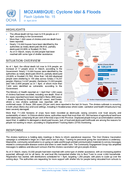
The official death toll has risen to 518 people as of 1 April, according to the Government.
• More than 1,000 cases of cholera and one death have been reported.
• Nearly 110,000 houses have been identified by the authorities as totally destroy
...
ed (59,910), partially destroyed (33,925) or flooded (15,784).
• As of 31 March, nearly 33,000 people had been reached with some type of shelter assistance
more
Gender-based violence is a life-threatening, global health and human rights issue that violates international human rights law and principles of gender equality. It is also a threat to lasting peace and an affront to our common humanity. United Nati
...
ons Member States have called for urgent action to end GBV in emergencies, recognizing that in crises, the risk of GBV is heightened, particularly for women and adolescent girls.
more
This document provides guidance on the implementation of the shielding approach in camps and camp-like settings for refugees and internally displaced persons. It is intended for the displaced community itself, humanitarian actors and camp coordination / management
...
authorities.
more
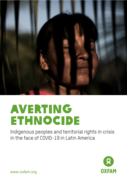
There are indigenous communities at high risk in every country of the region. At stake are the lives of 45 million people who belong to more than 800 indigenous peoples. Of these, some 100 are spread across several countries, around 200 maintain voluntary isolation or are in initial contact, and nea
...
rly 500 are at risk of disappearing due to their reduced numbers. Due to their lower immune resistance, their lack of access to hospital care and the increasing penetration of extractive activities in their territories, indigenous communities in voluntary isolation or in initial contact are cause for particular concern.
Far from hospitals and the news cameras, indigenous people in Latin American become ill and die without access to the means needed to protect themselves. They face the pandemic in conditions of social exclusion, racism and discrimination, which highlights historical inequalities and extreme precariousness in basic and health services.
more
The brief highlights some findings as part of a project on Innovation for Cancer Care in Africa (ICCA)1. The study provides insights on the experiences of 62 Tanzanian cancer patients, the journey from their first symptoms to the point of diagnosis and treatment. The project brings together research
...
ers from Tanzania, Kenya, India and the United Kingdom to address the opportunities and challenges of linking industry and health systems to widen access to cancer care in Tanzania and Kenya.
more
When war breaks out in cities, the complexity and interconnectedness of the urban environment poses many problems for civilians. For persons with disabilities, the impact can be even worse and aggravate existing barriers and risks. Armed forces, authoritie
...
s, first responders, humanitarian actors and other persons living in the city itself need to be aware of the specific risks that persons with disabilities face so they can help to reduce them. This factsheet draws attention to some of the biggest risks and makes recommendations on how National Red Cross and Red Crescent Societies could better identify what support persons with disabilities need and incorporate this support into their own operations. It also makes recommendations for how National Societies could promote disability-inclusive interpretations and implementation of international humanitarian law among parties to armed conflict.
more
This document updates the 2009 ECDC guidance on chlamydia control in Europe. It was developed by a technical expert group which conducted a critical review of the scientific evidence on the epidemiology of chlamydia and the effectiveness of screening programmes.
The aim of this guidance is to suppo
...
rt Member States to develop, implement or improve strategies for chlamydia control. This guidance describes the current evidence base behind the proposed options, highlights key gaps in knowledge, and suggests effective options for national chlamydia control strategies. It is directed primarily at policy advisors but should also be useful for programme managers and experts in sexual health.
more
Interim Guidcance March 2020
People affected by humanitarian crises, particularly those displaced and/or living in camps and camp-like settings, are often faced with specific challenges and vulnerabilities that must be taken into consideration when planning for readiness and response operations for
...
the COVID-19 outbreak. They are frequently neglected, stigmatized, and may face difficulties in accessing health services that are otherwise available to the general population. In the context of this Interim Guidance, the people in humanitarian situations affected by this guidance may include internally displaced persons (IDPs), host communities, asylum seekers, refugees and returnees, and migrants when in similar situations. While further adaptations might be needed for some population groups, including those living in slums this interim guidance is issued to assist field staff to immediately respond to urgent needs.
more

Aligned to the Lancet Migration Global Statement to include migrants and refugees incountries’response to COVID-19, this update focuses on Mexico’s challenges and opportunities to build an inclusive response that is based on a contextualized adaptation of there commendations published by th
...
e Lancet Migration. A critical component for this analysis is the recognition of migration as a social determinant of health, which acts as a major risk factor for populations subjected to violence, trauma and forced exile while in the face of a global pandemic.
more
In its report from 2014, the Working Group outlines the various factors influencing vaccine acceptance or refusal, and what can be done to create social norms around vaccine acceptance and to encourage the general public regarding the necessity of v
...
accination.
more
A toolkit for pharmacists.
Emerging data show that medication errors and adverse events cause significant harm to patients’ health and
well-being. It is estimated that the burden of adverse events due to medicines is now comparable to that of
w
...
idespread diseases, such as malaria or tuberculosis.1 The impacts of medication errors also represent a
burden for health systems, with the annual cost associated with medication errors estimated at USD 42 billion
worldwideharm
more
