
Filter
3799
Text search:
school
safety
Featured
329
1039
Language
3647
113
75
66
50
35
17
15
11
9
9
8
7
6
6
5
5
5
5
4
4
4
4
4
4
4
4
4
4
4
3
3
3
3
3
3
3
3
3
2
2
2
2
2
2
2
2
2
2
2
2
2
2
2
1
1
1
1
1
1
1
1
1
1
Document type
2131
643
468
210
151
73
54
39
9
8
8
2
1
Countries
153
115
108
88
86
86
85
80
78
75
69
66
64
60
49
45
42
39
38
38
37
36
36
32
30
29
29
28
23
22
21
21
20
19
18
18
17
17
16
16
16
15
15
15
15
15
15
15
14
13
13
13
12
11
11
11
9
8
7
7
6
6
6
6
6
5
5
5
5
5
4
4
4
4
4
4
4
4
4
4
4
3
3
3
3
3
3
3
2
2
2
2
2
2
2
2
2
2
2
2
2
2
2
2
2
2
2
2
2
2
1
1
1
1
1
1
1
1
1
1
1
1
1
1
1
1
1
1
1
1
1
1
1
1
1
1
Authors & Publishers
443
172
144
109
100
94
65
63
57
41
38
26
25
22
21
21
21
20
20
19
19
19
18
16
16
15
14
13
13
12
12
12
11
11
11
11
11
11
10
10
10
10
10
10
10
10
9
9
9
9
9
9
9
8
8
8
8
8
7
7
7
7
7
7
7
7
7
7
7
7
7
6
6
6
6
6
6
6
6
6
6
6
6
6
6
6
6
6
5
5
5
5
5
5
5
5
5
5
5
5
5
5
5
5
5
5
5
5
5
5
5
4
4
4
4
4
4
4
4
4
4
4
4
4
4
4
4
4
4
4
4
4
4
4
4
4
4
4
4
4
4
4
4
4
4
4
4
4
4
4
4
4
4
4
4
4
4
4
3
3
3
3
3
3
3
3
3
3
3
3
3
3
3
3
3
3
3
3
3
3
3
3
3
3
3
3
3
3
3
3
3
3
3
3
3
3
3
3
3
3
3
3
3
3
3
3
3
3
3
3
3
3
3
3
3
3
3
3
3
3
3
3
3
3
3
3
3
3
3
3
3
3
3
3
3
3
3
3
3
3
2
2
2
2
2
2
2
2
2
2
2
2
2
2
2
2
2
2
2
2
2
2
2
2
2
2
2
2
2
2
2
2
2
2
2
2
2
2
2
2
2
2
2
2
2
2
2
2
2
2
2
2
2
2
2
2
2
2
2
2
2
2
2
2
2
2
2
2
2
2
2
2
2
2
2
2
2
2
2
2
2
2
2
2
2
2
2
2
2
2
2
2
2
2
2
2
2
2
2
2
2
2
2
2
2
2
2
2
2
2
2
2
2
2
2
2
2
2
2
2
2
2
2
2
2
2
2
2
2
2
2
2
2
2
2
2
2
2
2
2
2
2
2
2
2
2
2
2
2
2
2
2
2
2
2
2
2
2
2
2
2
2
2
2
2
2
2
2
2
2
2
2
2
2
2
2
2
2
2
2
2
2
2
2
2
2
2
2
2
2
2
2
2
2
2
2
2
2
2
2
2
2
2
2
2
2
2
2
2
2
2
2
2
2
2
2
2
2
2
2
2
2
2
2
2
2
2
2
2
2
2
2
2
1
1
1
1
1
1
1
1
1
1
1
1
1
1
1
1
1
1
1
1
1
1
1
1
1
1
1
1
1
1
1
1
1
1
1
1
1
1
1
1
1
1
1
1
1
1
1
1
1
1
1
1
1
1
1
1
1
1
1
1
1
1
1
1
1
1
1
1
1
1
1
1
1
1
1
1
1
1
1
1
1
1
1
1
1
1
1
1
1
1
1
1
1
1
1
1
1
1
1
1
1
1
1
1
1
1
1
1
1
1
1
1
1
1
1
1
1
1
1
1
1
1
1
1
1
1
1
1
1
1
1
1
1
1
1
1
1
1
1
1
1
1
1
1
1
1
1
1
1
1
1
1
1
1
1
1
1
1
1
1
1
1
1
1
1
1
1
1
1
1
1
1
1
1
1
1
1
1
1
1
1
1
1
1
1
1
1
1
1
1
1
1
1
1
1
1
1
1
1
1
1
1
1
1
1
1
1
1
1
1
1
1
1
1
1
1
1
1
1
1
1
1
1
1
1
1
1
1
1
1
1
1
1
1
1
1
1
1
1
1
1
1
1
1
1
1
1
1
1
1
1
1
1
1
1
1
1
1
1
1
1
1
1
1
1
1
1
1
1
1
1
1
1
1
1
1
1
1
1
1
1
1
1
1
1
1
1
1
1
1
1
1
1
1
1
1
1
1
1
1
1
1
1
1
1
1
1
1
1
1
1
1
1
1
1
1
1
1
1
1
1
1
1
1
1
1
1
1
1
1
1
1
1
1
1
1
1
1
1
1
1
1
1
1
1
1
1
1
1
1
1
1
1
1
1
1
1
1
1
1
1
1
1
1
1
1
1
1
1
1
1
1
1
1
1
1
1
1
1
1
1
1
1
1
1
1
1
1
1
1
1
1
1
1
1
1
1
1
1
1
1
1
1
1
1
1
1
1
1
1
1
1
1
1
1
1
1
1
1
1
1
1
1
1
1
1
1
1
1
1
1
1
1
1
1
1
1
1
1
1
1
1
1
1
1
1
1
1
1
1
1
1
1
1
1
1
1
1
1
1
1
1
1
1
1
1
1
1
1
1
1
1
1
1
1
1
1
1
1
1
1
1
1
1
1
1
1
1
1
1
1
1
1
1
1
1
1
1
1
1
1
1
1
1
1
1
1
1
1
1
1
1
1
1
1
1
1
1
1
1
1
1
1
1
1
1
1
1
1
1
1
1
1
1
1
1
1
1
1
1
1
1
1
1
1
1
1
1
1
1
1
1
1
1
1
1
1
1
1
1
1
1
1
1
1
1
1
1
1
1
1
1
1
1
1
1
1
1
1
1
1
1
1
1
1
1
1
1
1
1
1
1
1
1
1
1
1
1
1
1
1
1
1
1
1
1
1
1
1
1
1
1
1
1
1
1
1
1
1
1
1
1
1
1
1
1
1
1
1
1
1
1
1
1
1
1
1
1
1
1
1
1
1
1
1
1
1
1
1
1
1
1
1
1
1
1
1
1
1
1
1
1
1
1
1
1
1
1
1
1
1
1
1
1
1
1
1
1
1
1
1
1
1
1
1
1
1
1
1
1
1
1
1
1
1
1
1
1
1
1
1
1
1
1
1
1
1
1
1
1
1
1
1
1
1
1
1
1
1
1
1
1
1
1
1
1
1
1
1
1
1
1
1
1
1
1
1
1
1
1
1
1
1
1
1
1
1
1
1
1
1
1
1
1
1
1
1
1
1
1
1
1
1
1
1
1
1
1
1
1
1
1
1
1
1
1
1
1
1
1
1
1
1
1
1
1
1
1
1
1
1
1
1
1
1
1
1
1
1
1
1
1
1
1
1
1
1
1
1
1
1
1
1
1
1
1
1
1
1
1
1
1
1
1
1
1
1
1
1
1
1
1
1
1
1
1
1
1
1
1
1
1
1
1
1
1
1
1
1
1
1
1
1
1
1
1
1
1
1
1
1
1
1
1
1
1
1
1
1
1
1
1
1
1
1
1
1
1
1
1
1
1
1
1
1
1
1
1
1
1
1
1
1
1
1
1
1
1
1
1
1
1
1
1
1
1
1
1
1
1
1
1
1
1
1
1
1
1
1
1
1
1
1
1
1
1
1
1
1
1
1
1
1
1
1
1
1
1
1
1
1
1
1
1
1
1
1
1
1
1
1
1
1
1
1
1
1
1
1
1
1
1
1
1
1
1
1
1
1
1
1
1
1
1
1
1
1
1
1
1
1
1
1
1
1
1
1
1
1
1
1
1
1
1
1
1
1
1
1
1
1
1
1
1
1
1
1
1
1
1
1
1
1
1
1
1
1
1
1
1
1
1
1
1
1
1
1
1
1
1
1
1
1
1
1
1
1
1
1
1
1
1
1
1
1
1
1
1
1
1
1
1
1
1
1
1
1
1
1
1
1
1
1
1
1
1
1
1
1
1
1
1
1
1
1
1
1
1
1
1
1
1
1
1
1
1
1
1
1
1
1
1
1
1
1
1
1
1
1
1
1
1
1
1
1
1
1
1
1
1
1
1
1
1
1
1
1
1
1
1
1
1
1
1
1
1
1
1
1
1
1
1
1
1
1
1
1
1
1
1
1
1
1
1
1
1
1
1
1
1
1
1
1
1
1
1
1
1
1
1
1
1
1
1
1
1
1
1
1
1
1
1
1
1
1
1
1
1
1
1
1
1
1
1
1
1
1
1
1
1
1
1
1
1
1
1
1
1
1
1
1
1
1
1
1
1
1
1
1
1
1
1
1
1
1
1
1
1
1
1
1
1
1
1
1
1
1
1
1
1
1
1
1
1
1
1
1
1
1
1
1
1
1
1
1
1
1
1
1
1
1
1
1
1
1
1
1
1
1
1
1
1
1
1
1
1
1
1
1
1
1
1
1
1
1
1
1
1
1
1
1
1
1
1
1
1
1
1
1
1
1
1
1
1
1
1
1
1
1
1
1
1
1
1
1
1
1
1
1
1
1
1
1
1
1
1
1
1
1
1
1
1
1
1
1
1
1
1
1
1
1
1
1
1
1
1
1
1
1
1
1
1
1
1
1
1
1
1
1
1
1
1
1
1
1
1
1
1
1
1
1
1
1
1
1
1
1
1
1
1
1
1
1
1
1
1
1
1
1
1
1
1
1
1
1
1
1
1
1
1
1
1
1
1
1
1
1
1
1
1
1
1
1
1
1
1
1
1
1
1
1
1
1
1
1
1
1
1
1
1
1
1
1
1
1
1
1
1
1
1
1
1
1
1
1
1
1
1
1
1
1
1
1
1
1
1
1
1
1
1
1
1
1
1
1
1
1
1
1
1
1
1
1
1
1
1
1
1
1
1
1
1
1
1
1
1
1
1
1
1
1
1
1
1
1
1
1
1
1
1
1
1
1
1
1
1
1
1
1
1
1
1
1
1
1
1
1
1
1
1
1
1
1
1
1
1
1
1
1
1
1
1
1
1
1
1
1
1
1
1
1
1
1
1
1
1
1
1
1
1
1
1
1
1
1
1
1
1
1
1
1
1
1
1
1
1
1
1
1
1
1
1
1
1
1
1
1
1
1
1
1
1
1
1
1
1
1
1
1
1
1
1
1
1
1
1
1
1
1
1
1
1
1
1
1
1
1
1
1
1
1
1
1
1
1
1
1
1
1
1
1
1
1
1
1
1
1
1
1
1
1
1
1
1
1
1
1
1
1
1
1
1
1
1
1
1
1
1
1
1
1
1
1
1
1
1
1
1
1
1
1
1
1
1
1
1
1
1
1
1
1
1
1
1
1
1
1
1
1
1
1
1
1
1
1
1
1
1
1
1
1
1
1
1
1
1
1
1
1
1
1
1
1
1
1
1
1
1
1
1
1
1
1
1
1
1
1
1
1
1
1
1
1
1
1
1
1
1
1
1
1
1
1
1
1
1
1
1
1
1
1
1
1
1
1
1
1
1
1
1
1
1
1
1
1
1
1
1
1
1
1
1
1
1
1
1
1
1
1
1
1
1
1
1
1
1
1
1
1
1
1
1
1
1
1
1
1
1
1
1
1
1
1
1
1
1
1
1
1
1
1
1
1
1
1
1
1
1
1
1
1
1
1
1
1
1
1
1
1
1
1
1
1
1
1
1
1
1
1
1
1
1
1
1
1
1
1
1
1
1
1
1
1
1
1
1
1
1
1
1
1
1
1
1
1
1
1
1
1
1
1
1
1
1
1
1
1
1
1
1
1
1
1
1
1
1
1
1
1
1
1
1
1
1
1
1
1
1
1
1
1
1
1
1
1
1
1
1
1
1
1
1
1
1
1
1
1
1
1
1
1
1
1
1
1
1
1
1
1
1
1
1
1
1
1
1
1
1
1
1
1
1
1
1
1
1
1
1
1
1
1
1
1
1
1
1
1
1
1
1
1
1
1
1
1
1
1
1
1
1
1
1
1
1
1
1
1
1
1
1
1
1
1
1
1
1
1
1
1
1
1
1
1
1
1
1
1
1
1
1
1
1
1
1
1
1
1
1
1
1
1
1
1
1
1
1
1
1
1
1
1
1
1
1
1
1
1
1
1
1
1
1
1
1
1
1
1
1
1
1
1
1
1
1
1
1
1
1
1
1
1
1
1
1
1
1
1
1
1
1
1
1
1
1
1
1
1
1
1
1
1
1
1
1
1
1
1
1
1
1
1
1
1
1
1
1
1
1
1
1
1
1
1
1
1
1
1
1
1
1
1
1
1
1
1
1
1
1
1
1
1
1
1
1
1
1
1
1
1
1
1
1
1
1
1
1
1
1
1
1
1
1
1
1
1
1
1
1
1
1
1
1
1
1
1
1
1
1
1
1
1
1
1
1
1
1
1
1
1
1
1
1
1
1
1
1
1
1
1
1
1
1
1
1
1
1
1
1
1
1
1
1
1
1
1
1
1
1
1
1
1
1
1
1
1
1
1
1
1
1
1
1
1
1
1
1
1
1
1
1
1
1
1
1
1
1
1
1
1
1
1
1
1
1
1
1
1
1
1
1
1
1
1
1
1
1
1
1
1
1
1
1
1
1
1
1
1
1
1
1
1
1
1
1
1
1
1
1
1
1
1
1
1
1
1
1
1
1
1
1
1
1
1
1
1
1
1
1
1
1
1
1
1
1
1
1
1
1
1
1
1
1
1
1
1
1
1
1
1
1
1
1
1
1
1
1
1
1
1
1
1
1
1
1
1
1
1
1
1
1
1
1
1
1
1
1
1
1
1
1
1
1
1
1
1
1
1
1
1
1
1
1
1
1
1
1
1
1
1
1
1
1
1
1
1
1
1
1
1
1
1
1
1
1
1
1
1
1
1
1
1
1
1
1
1
1
1
1
1
1
1
1
1
1
1
1
1
1
1
1
1
1
1
1
1
1
1
1
1
1
1
1
1
1
1
1
1
1
1
1
1
1
1
1
1
1
1
1
1
1
1
1
1
1
1
1
1
1
1
1
1
1
1
1
1
1
1
1
1
1
1
1
1
1
1
1
1
1
1
1
1
1
1
1
1
1
1
1
1
1
1
1
1
1
1
1
1
1
1
1
1
1
1
1
1
1
1
1
1
1
1
1
1
1
1
1
1
1
1
1
1
1
1
1
1
1
1
1
1
1
1
1
1
1
1
1
1
1
1
1
1
1
1
1
1
1
1
1
1
1
1
1
1
1
1
1
1
1
1
1
1
1
1
1
1
1
1
1
1
1
1
1
1
1
1
1
1
1
1
1
1
1
1
1
1
1
1
1
1
1
1
1
1
1
1
1
1
1
1
1
1
1
1
1
1
1
1
1
1
1
1
1
1
1
1
1
1
1
1
1
1
1
1
1
1
1
1
1
1
1
1
1
1
1
1
1
1
1
1
1
1
1
1
1
1
1
1
1
1
1
1
1
1
1
1
1
1
1
1
1
1
1
1
1
1
1
1
1
1
1
1
1
1
1
1
1
1
1
1
1
1
1
1
1
1
1
1
1
1
1
1
1
1
1
1
1
1
1
1
1
1
1
1
1
1
1
1
1
1
1
1
1
1
1
1
1
1
1
1
1
1
1
1
1
1
1
1
1
1
1
1
1
1
1
1
1
1
1
1
1
1
1
1
1
1
1
1
1
1
1
1
1
1
1
1
1
1
1
1
1
1
1
1
1
1
1
1
Publication Years
1065
2376
340
16
2
Category
1359
272
240
221
180
81
10
4
1
Toolboxes
390
389
214
189
167
150
120
106
106
100
92
89
80
72
61
61
53
19
15
15
15
14
10
2
2
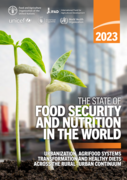
This report is the annual global monitoring report documenting progress towards Sustainable Development Goal (SDG) 2 targets 2.1 and 2.2. This year’s report explores the links between urbanization and changing food systems and how these changes are impacting the availability, affordability and des
...
irability of healthy diets, food security and malnutrition in all its forms. It shows that understanding the ways in which urbanization is shaping food systems will require using a rural-urban continuum lens. By mapping the interlinkages across the rural-urban continuum, governments can identify challenges created by urbanization and suitable policies, technologies, investments and governance mechanisms to help address them.
more
The standards define 10 key competencies for health and care workers to support self-care in their clinical practice as well as the specific, measurable behaviours that demonstrate those competencies, focusing on people-centredness; decision-making; effective communication; collaboration; evidence-i
...
nformed practice, and personal conduct.
more
The knowledge guide is the second publication in the Self-care competency framework to support health and care workers.
This describes how health and care workers can apply each of the 10 competency standards in their work, detailing the necessary knowledge, skills and attitudes that underpin the
...
required behaviours.
more
The objective of Critical Considerations and Actions for Achieving Universal Access to Sexual and Reproductive Health in the Context of Universal Health Coverage through a Primary Health Care Approach is to provide guidance to WHO Member States for ensuring progress towards universal access to compr
...
ehensive sexual and reproductive health (SRH) in the context of primary health care (PHC)- and universal health coverage (UHC)-related policy and strategy reforms.
more

In Control: A Practical Handbook for Professionals Working in Health Emergencies Internationally RKI
The greatest risk to persons engaging in international medical emergency response is poor preparation.
The In Control handbook hopes to provide a remedy.
At the time of writing, we are living through the Coronavirus (COVID-19) pandemic, a health emergency that disregards physical borders, brin
...
gs into focus social inequalities and affects people on every continent. This shared challenge requires unprecedented measures and the collaboration of the brightest minds to support global health protection through this crisis and beyond. Healthcare infrastructures have to be strengthened, public health capacities and processes upgraded, medical countermeasures and vaccinations found and psychosocial side-effects treated.
Solidarity is the normative order of the day and the human species has to collaborate to face this invisible threat. Hiding and living in fear is not an option in this interconnected world. We have both a responsibility and an opportunity to make substantial contributions to a safer, healthier and more sustainable future for us all.
The existence of this handbook is an impressive example of solidarity. Over 50 authors from more than 15 institutes and organisations have come together voluntarily within a very short time to make their expertise available and enable cross-sectoral thinking. Knowledge is bundled, resources are combined, information gaps are filled. The In Control handbook is not a theoretical treatise of possible dangers, but a collection of subject-matter expertise, written by experts and practitioners who have shaped health topics over the past 20 years in the most diverse corners of the world.
The Centre for International Health Protection at the Robert Koch Institute (RKI) is collaborating with its partners and investing heavily in the build-up of operational know-how and capacity to support health crisis response abroad. This is done by preparing and enabling professionals to deploy safely across the world to assist those in need. In Control addresses the multi-faceted challenges of an international deployment. Readers will find not only technical medical information, but also insights into, for example, the fragility of our environment, the cultural differences that influence risk communication or the dilemmas arising from social distancing. Legal principles are highlighted, along with ethical guidance to ensure that our actions and decisions correspond to the highest moral standards.
more
The 2020 Financing for Sustainable Development Report, the fifth report of the Inter-agency Task Force on Financing for Development, provides a comprehensive assessment of the state of sustainable finance. Prepared by more than 60 agencies of the United Nations system and partner international organ
...
izations, the report brings together a wide range of expertise and perspectives. It puts forward a set of policy recommendations to mobilize financing flows, and align them with economic, social and environmental priorities. These recommendations should assist Member States and all other stakeholders as they work toward fully implementing the Addis Agenda and achieve the SDGs.
more
The 2021 Financing for Sustainable Development Report responds to the request made by Member States to review the impact of the COVID-19 pandemic on nancing for sustainable development, and to propose recommendations to rebuild better. The report underlines the need for policy actions to ensure e e
...
ctive support until the recovery is rmly underway. Its thematic chapter discusses the systemic and interlinked nature of risk in a tightly intertwined world, and the importance of providing nancing for risk reduction and resilience and nancing that is risk-informed and resilient. With the collaboration of more than 60 agencies of the United Nations system and partner international organizations, the report provides much needed guidance to Member States to take action towards a more resilient future.
more
The Mapping Antimicrobial Resistance and Antimicrobial Use Partnership (MAAP) project has conducted a multi-year, multi-country study that provides stark insights on the under-reported depth of the antimicrobial resistance (AMR) crisis across Africa and lays out urgent policy recommendations to addr
...
ess the emergency.
MAAP reviewed 819,584 AMR records from 2016-2019, from 205 laboratories across Burkina Faso, Cameroon, Eswatini, Gabon, Ghana, Kenya, Malawi, Nigeria, Senegal, Sierra Leone, Tanzania, Uganda, Zambia, and Zimbabwe. MAAP also reviewed data from 327 hospital and community pharmacies and 16 national-level AMC datasets.
more

The development of this draft Proposed programme budget 2022–2023 comes at a unique moment for WHO. The world is in the grip of the coronavirus disease (COVID-19) pandemic and faces health, social and economic consequences on an unprecedented scale. Although it is not known when the COVID-19 pande
...
mic will end, recent encouraging vaccine results, in addition to the examples of countries that have achieved good results through public health measures, hold out the prospect of better days ahead. The full impact of the pandemic cannot yet be determined. But whatever its implications, the Secretariat will rise to the challenge and is ready to adapt so that it is fully equipped to support Member States for any eventuality in the future – to make sure that the world will never again have to face this kind of crisis.
more

Cholera remains an issue of major public health importance in Kenya. Kenya has in recent years experienced outbreaks affecting different parts of the country

Ebola disease and Marburg disease outbreaks continue to occur in Africa, with increased frequency. In addition to resulting in high mortality and morbidity, the outbreaks generate fear and mistrust about the response activities within the communities affected.
Infection prevention and control (IP
...
C) is a key pillar in the outbreak response; adherence to IPC practices can prevent and control transmission of infections to health and care workers, patients and their family members.
During the 2014-2016 West African Ebola disease outbreak, there was an urgent need for rapid IPC guidance to help support ministries of health, health-care providers and non-governmental organizations (NGOs). In response, WHO produced several documents related to the outbreak based on expert opinion, including IPC-specific documents and documents on clinical management that also referenced key IPC principles and practices. Since that time, many practices in the field have become institutionalized.
more
This report makes clear that there is a path to end AIDS. Taking that path will help ensure preparedness to address other pandemic challenges, and advance progress across the Sustainable Development Goals. The data and real-world examples in the report make it very clear what that path is. It is not
...
a mystery. It is a choice. Some leaders are already following the path—and succeeding. It is inspiring to note that Botswana, Eswatini, Rwanda, the United Republic of Tanzania and Zimbabwe have already achieved the 95–95–95 targets, and at least 16 other countries (including eight in sub-Saharan Africa) are close to doing so.
more

Cholera is a major health risk in many parts of the world, affecting millions of people every year. Since mid-2021, the world has been facing an acute upsurge of the 7th cholera pandemic, which is characterized by the number, size and concurrence of multiple outbreaks, the spread to areas that had b
...
een free of cholera for decades and alarmingly high mortality rates. The mortality associated with these outbreaks is of particular concern as many countries have reported higher case fatality ratios (CFR) than in previous years
more
The environment in which young people live, learn and play significantly affects their decisions about whether to consume alcohol. Environmental factors are the main risk factors driving alcohol consumption and related harm among young people. Environments that normalize alcohol consumption – term
...
ed alcogenic environments – include contexts with unregulated advertising and marketing of alcoholic beverages, higher alcohol outlet density, products designed to facilitate affordability and low prices of alcoholic beverages. A recent body of research evidence has emerged related to the measurement, functional significance and consequences of living in alcogenic environments. This includes findings on the complex and bidirectional interactions among alcohol acceptability, availability and affordability and how they create and perpetuate alcogenic environments. Comprehensive and enforced alcohol control policies are effective at delaying the age of onset and lowering alcohol prevalence and frequency among young people. Evidence consistently confirms the effectiveness of designing and implementing alcohol control policies that regulate upstream the drivers of alcogenic environment, including alcohol availability, acceptability and affordability. These policies need to be multipronged and address the complex interactions between these drivers and the local alcohol culture
more
Developmental disabilities are common. Yet, children with developmental disabilities have been neglected in health systems planning and policy provisions for health and continue to experience stigmatization, institutionalization, barriers to access health care and inequalities in health and educatio
...
n outcomes.
Using findings from research and practice and guided by the tenets of international human rights conventions, this WHO-UNICEF Global Report on children with developmental disabilities provides principles and approaches to intentionally include the needs and aspirations of children and young people with developmental disabilities in policy, programming and public health monitoring. It makes the case for greater accountability and proposes 10 priority actions to accelerate changes towards inclusive environments and responsive multisectoral care systems for children with developmental disabilities.
more
This document seeks to help health communication professionals working on the topic of immunization more effectively communicate about Events Supposedly Attributed to Vaccination and Immunization (ESAVI) by building trust in National Immunization Programs, understanding risk perceptions related to v
...
accination, and responding to false information related to vaccination. It includes practical dos and don’ts regarding risk communication and community engagement processes and principles, messaging, risk perceptions, handling false information, collaborating with partners, and pharmacovigilance, as well as real-world examples.
more

World Vision’s Gender Equality and Social Inclusion (GESI) approach actively strives to examine, question, and change harmful social norms and power imbalances as a means of reaching gender equality and social inclusion objectives in a programme area.
This reference guide is designed to help WASH
...
practitioners implement GESI-transformative WASH programmes by supporting change across all five GESI domains – access, decision-making, participation, systems, and well-being. It provides information on how to design, implement, monitor and evaluate a WASH project or programme to address GESI.
more
The key actions, activities, and approaches in this document are organized within each of the 5Cs (see Table 1 in the PDF) and those of the Strategic preparedness and response plan (SPRP) pillars as follows:
National action plan key activities, prioritized for the current context and the current
...
understanding of the threat of SARS-CoV-2
A. Transition from emergency response to longer term COVID-19 disease management.
B. Integrate activities into routine systems.
C. Strengthen global health security.
Special considerations for fragile, conflict-affected and vulnerable (including humanitarian) settings
WHO global and regional support to Member States to implement their national action plans
Key guidance documents for reference
This is a living document that will be updated to incorporate new technical guidance in response to the evolving epidemiological situation. National plans should be implemented in accordance with the principles of inclusiveness, respect for human rights, and equity.
more
In an ambitious new era for health development under the 2030 Agenda for Sustainable Development, WHO and
its partners have a solid foundation of success on which to build. Health plays a fundamental role in development
and is the central focus of Sustainable Development Goal 3, “Ensure healthy
...
lives and promote well-being for all
at all ages”. It is also relevant to all the Sustainable Development Goals. Understanding the significance of the
role of health is a prerequisite for successful collective action on the social, economic and environmental
determinants of health
more
WHO-OHCHR launch new guidance to improve laws addressing human rights abuses in mental health care
Ahead of World Mental Health Day, the World Health Organization (WHO) and the Office of the High Commissioner on Human Rights (OHCHR) are jointly launching a new guidance, entitled "Mental health, h
...
uman rights and legislation: guidance and practice", to support countries to reform legislation in order to end human rights abuses and increase access to quality mental health care.
Human rights abuses and coercive practices in mental health care, supported by existing legislation and policies, are still far too common. Involuntary hospitalization and treatment, unsanitary living conditions and physical, psychological, and emotional abuse characterize many mental health services across the world.
more
