
Filter
3914
Text search:
environmental
assessment
Featured
403
1025
Language
3752
107
95
73
51
33
28
17
8
7
6
5
5
5
4
4
4
4
3
3
3
3
3
3
3
3
3
2
2
2
2
2
2
2
2
2
2
2
2
2
1
1
1
1
1
1
1
1
1
1
1
1
1
1
1
1
1
1
1
Document type
2099
746
511
222
188
47
43
27
10
7
5
4
1
Countries
197
127
115
91
87
86
76
74
73
72
66
65
63
59
58
56
55
55
53
51
36
35
35
34
32
28
25
24
24
24
22
22
21
21
20
20
20
20
19
18
17
16
16
16
15
14
12
12
12
12
12
12
11
11
11
11
10
10
9
8
8
7
6
6
6
5
5
5
5
5
4
4
4
4
4
4
4
3
3
3
3
3
3
3
3
3
3
3
3
2
2
2
2
2
2
2
2
2
2
2
2
2
2
2
2
2
2
2
2
2
1
1
1
1
1
1
1
1
1
1
1
1
1
1
1
1
1
1
1
1
1
1
1
1
1
1
1
1
1
1
1
1
1
Authors & Publishers
551
168
150
137
115
69
64
52
46
28
22
21
21
19
18
17
17
16
15
15
15
15
14
14
14
13
12
12
12
11
11
11
11
11
11
11
10
10
10
10
10
10
10
9
9
9
9
9
9
9
9
9
9
9
9
8
8
8
8
8
8
8
7
7
7
7
7
7
7
7
7
7
6
6
6
6
6
6
6
6
6
6
6
6
6
6
6
5
5
5
5
5
5
5
5
5
5
5
5
5
5
5
5
5
5
5
5
5
5
5
5
5
5
5
5
5
5
5
5
5
4
4
4
4
4
4
4
4
4
4
4
4
4
4
4
4
4
4
4
4
4
4
4
4
4
4
4
4
4
4
4
4
4
4
4
4
4
4
4
3
3
3
3
3
3
3
3
3
3
3
3
3
3
3
3
3
3
3
3
3
3
3
3
3
3
3
3
3
3
3
3
3
3
3
3
3
3
3
3
3
3
3
3
3
3
3
3
3
3
3
3
3
3
3
3
3
3
3
3
3
3
3
3
3
3
2
2
2
2
2
2
2
2
2
2
2
2
2
2
2
2
2
2
2
2
2
2
2
2
2
2
2
2
2
2
2
2
2
2
2
2
2
2
2
2
2
2
2
2
2
2
2
2
2
2
2
2
2
2
2
2
2
2
2
2
2
2
2
2
2
2
2
2
2
2
2
2
2
2
2
2
2
2
2
2
2
2
2
2
2
2
2
2
2
2
2
2
2
2
2
2
2
2
2
2
2
2
2
2
2
2
2
2
2
2
2
2
2
2
2
2
2
2
2
2
2
2
2
2
2
2
2
2
2
2
2
2
2
2
2
2
2
2
2
2
2
2
2
2
2
2
2
2
2
2
2
2
2
2
2
2
2
2
2
2
2
2
2
2
2
2
2
2
2
2
2
2
2
2
2
2
2
2
2
2
2
2
2
2
2
2
2
2
2
2
2
2
2
2
2
2
2
2
2
2
2
2
2
2
2
2
2
2
2
2
2
2
2
2
2
2
2
2
2
2
2
2
2
2
2
2
2
2
2
2
2
2
2
2
2
2
2
2
2
2
2
2
2
2
2
2
2
2
2
2
2
2
2
2
2
2
2
2
2
2
2
1
1
1
1
1
1
1
1
1
1
1
1
1
1
1
1
1
1
1
1
1
1
1
1
1
1
1
1
1
1
1
1
1
1
1
1
1
1
1
1
1
1
1
1
1
1
1
1
1
1
1
1
1
1
1
1
1
1
1
1
1
1
1
1
1
1
1
1
1
1
1
1
1
1
1
1
1
1
1
1
1
1
1
1
1
1
1
1
1
1
1
1
1
1
1
1
1
1
1
1
1
1
1
1
1
1
1
1
1
1
1
1
1
1
1
1
1
1
1
1
1
1
1
1
1
1
1
1
1
1
1
1
1
1
1
1
1
1
1
1
1
1
1
1
1
1
1
1
1
1
1
1
1
1
1
1
1
1
1
1
1
1
1
1
1
1
1
1
1
1
1
1
1
1
1
1
1
1
1
1
1
1
1
1
1
1
1
1
1
1
1
1
1
1
1
1
1
1
1
1
1
1
1
1
1
1
1
1
1
1
1
1
1
1
1
1
1
1
1
1
1
1
1
1
1
1
1
1
1
1
1
1
1
1
1
1
1
1
1
1
1
1
1
1
1
1
1
1
1
1
1
1
1
1
1
1
1
1
1
1
1
1
1
1
1
1
1
1
1
1
1
1
1
1
1
1
1
1
1
1
1
1
1
1
1
1
1
1
1
1
1
1
1
1
1
1
1
1
1
1
1
1
1
1
1
1
1
1
1
1
1
1
1
1
1
1
1
1
1
1
1
1
1
1
1
1
1
1
1
1
1
1
1
1
1
1
1
1
1
1
1
1
1
1
1
1
1
1
1
1
1
1
1
1
1
1
1
1
1
1
1
1
1
1
1
1
1
1
1
1
1
1
1
1
1
1
1
1
1
1
1
1
1
1
1
1
1
1
1
1
1
1
1
1
1
1
1
1
1
1
1
1
1
1
1
1
1
1
1
1
1
1
1
1
1
1
1
1
1
1
1
1
1
1
1
1
1
1
1
1
1
1
1
1
1
1
1
1
1
1
1
1
1
1
1
1
1
1
1
1
1
1
1
1
1
1
1
1
1
1
1
1
1
1
1
1
1
1
1
1
1
1
1
1
1
1
1
1
1
1
1
1
1
1
1
1
1
1
1
1
1
1
1
1
1
1
1
1
1
1
1
1
1
1
1
1
1
1
1
1
1
1
1
1
1
1
1
1
1
1
1
1
1
1
1
1
1
1
1
1
1
1
1
1
1
1
1
1
1
1
1
1
1
1
1
1
1
1
1
1
1
1
1
1
1
1
1
1
1
1
1
1
1
1
1
1
1
1
1
1
1
1
1
1
1
1
1
1
1
1
1
1
1
1
1
1
1
1
1
1
1
1
1
1
1
1
1
1
1
1
1
1
1
1
1
1
1
1
1
1
1
1
1
1
1
1
1
1
1
1
1
1
1
1
1
1
1
1
1
1
1
1
1
1
1
1
1
1
1
1
1
1
1
1
1
1
1
1
1
1
1
1
1
1
1
1
1
1
1
1
1
1
1
1
1
1
1
1
1
1
1
1
1
1
1
1
1
1
1
1
1
1
1
1
1
1
1
1
1
1
1
1
1
1
1
1
1
1
1
1
1
1
1
1
1
1
1
1
1
1
1
1
1
1
1
1
1
1
1
1
1
1
1
1
1
1
1
1
1
1
1
1
1
1
1
1
1
1
1
1
1
1
1
1
1
1
1
1
1
1
1
1
1
1
1
1
1
1
1
1
1
1
1
1
1
1
1
1
1
1
1
1
1
1
1
1
1
1
1
1
1
1
1
1
1
1
1
1
1
1
1
1
1
1
1
1
1
1
1
1
1
1
1
1
1
1
1
1
1
1
1
1
1
1
1
1
1
1
1
1
1
1
1
1
1
1
1
1
1
1
1
1
1
1
1
1
1
1
1
1
1
1
1
1
1
1
1
1
1
1
1
1
1
1
1
1
1
1
1
1
1
1
1
1
1
1
1
1
1
1
1
1
1
1
1
1
1
1
1
1
1
1
1
1
1
1
1
1
1
1
1
1
1
1
1
1
1
1
1
1
1
1
1
1
1
1
1
1
1
1
1
1
1
1
1
1
1
1
1
1
1
1
1
1
1
1
1
1
1
1
1
1
1
1
1
1
1
1
1
1
1
1
1
1
1
1
1
1
1
1
1
1
1
1
1
1
1
1
1
1
1
1
1
1
1
1
1
1
1
1
1
1
1
1
1
1
1
1
1
1
1
1
1
1
1
1
1
1
1
1
1
1
1
1
1
1
1
1
1
1
1
1
1
1
1
1
1
1
1
1
1
1
1
1
1
1
1
1
1
1
1
1
1
1
1
1
1
1
1
1
1
1
1
1
1
1
1
1
1
1
1
1
1
1
1
1
1
1
1
1
1
1
1
1
1
1
1
1
1
1
1
1
1
1
1
1
1
1
1
1
1
1
1
1
1
1
1
1
1
1
1
1
1
1
1
1
1
1
1
1
1
1
1
1
1
1
1
1
1
1
1
1
1
1
1
1
1
1
1
1
1
1
1
1
1
1
1
1
1
1
1
1
1
1
1
1
1
1
1
1
1
1
1
1
1
1
1
1
1
1
1
1
1
1
1
1
1
1
1
1
1
1
1
1
1
1
1
1
1
1
1
1
1
1
1
1
1
1
1
1
1
1
1
1
1
1
1
1
1
1
1
1
1
1
1
1
1
1
1
1
1
1
1
1
1
1
1
1
1
1
1
1
1
1
1
1
1
1
1
1
1
1
1
1
1
1
1
1
1
1
1
1
1
1
1
1
1
1
1
1
1
1
1
1
1
1
1
1
1
1
1
1
1
1
1
1
1
1
1
1
1
1
1
1
1
1
1
1
1
1
1
1
1
1
1
1
1
1
1
1
1
1
1
1
1
1
1
1
1
1
1
1
1
1
1
1
1
1
1
1
1
1
1
1
1
1
1
1
1
1
1
1
1
1
1
1
1
1
1
1
1
1
1
1
1
1
1
1
1
1
1
1
1
1
1
1
1
1
1
1
1
1
1
1
1
1
1
1
1
1
1
1
1
1
1
1
1
1
1
1
1
1
1
1
1
1
1
1
1
1
1
1
1
1
1
1
1
1
1
1
1
1
1
1
1
1
1
1
1
1
1
1
1
1
1
1
1
1
1
1
1
1
1
1
1
1
1
1
1
1
1
1
1
1
1
1
1
1
1
1
1
1
1
1
1
1
1
1
1
1
1
1
1
1
1
1
1
1
1
1
1
1
1
1
1
1
1
1
1
1
1
1
1
1
1
1
1
1
1
1
1
1
1
1
1
1
1
1
1
1
1
1
1
1
1
1
1
1
1
1
1
1
1
1
1
1
1
1
1
1
1
1
1
1
1
1
1
1
1
1
1
1
1
1
1
1
1
1
1
1
1
1
1
1
1
1
1
1
1
1
1
1
1
1
1
1
1
1
1
1
1
1
1
1
1
1
1
1
1
1
1
1
1
1
1
1
1
1
1
1
1
1
1
1
1
1
1
1
1
1
1
1
1
1
1
1
1
1
1
1
1
1
1
1
1
1
1
1
1
1
1
1
1
1
1
1
1
1
1
1
1
1
1
1
1
1
1
1
1
1
1
1
1
1
1
1
1
1
1
1
1
1
1
1
1
1
1
1
1
1
1
1
1
1
1
1
1
1
1
1
1
1
1
1
1
1
1
1
1
1
1
1
1
1
1
1
1
1
1
1
1
1
1
1
1
1
1
1
1
1
1
1
1
1
1
1
1
1
1
1
1
1
1
1
1
1
1
1
1
1
1
1
1
1
1
1
1
1
1
1
1
1
1
1
1
1
1
1
1
1
1
1
1
1
1
1
1
1
1
1
1
1
1
1
1
1
1
1
1
1
1
1
1
1
1
1
1
1
1
1
1
1
1
1
1
1
1
1
1
1
1
1
1
1
1
1
1
1
1
1
1
1
1
1
1
1
1
1
1
1
1
1
1
1
1
1
1
1
1
1
1
1
1
1
1
1
1
1
1
1
1
1
1
1
1
1
1
1
1
1
1
1
1
1
1
1
1
1
1
1
1
1
1
1
1
1
1
1
1
1
1
1
1
1
1
1
1
1
1
1
1
1
1
1
1
1
1
1
1
1
1
1
1
1
1
1
1
1
1
1
1
1
1
1
1
1
1
1
1
1
1
1
1
1
1
1
1
1
1
1
1
1
1
1
1
1
1
1
1
1
1
1
1
1
1
1
1
1
1
1
1
1
1
1
1
1
1
1
1
1
1
1
1
1
1
1
1
1
1
1
1
1
1
1
1
1
1
1
1
1
1
1
1
1
1
1
1
1
1
1
1
1
1
1
1
1
1
1
1
1
1
1
1
1
1
1
1
1
1
1
1
1
1
1
1
1
1
1
1
1
1
1
1
1
1
1
1
1
1
1
1
1
1
1
1
1
1
1
1
1
1
1
1
1
1
1
1
1
1
1
1
1
1
1
1
1
1
1
1
1
1
1
1
1
1
1
1
1
1
1
1
1
1
1
1
1
1
1
1
1
1
1
1
1
1
1
1
1
1
1
1
1
1
1
1
1
1
1
1
1
1
1
1
1
1
1
1
1
1
1
1
1
1
1
1
1
1
1
1
1
1
1
1
1
1
1
1
1
1
1
1
1
1
1
1
1
1
1
1
1
1
1
1
1
1
1
1
1
1
1
1
1
1
1
1
1
1
1
1
1
1
1
1
1
1
1
1
1
1
1
1
1
1
1
1
1
1
1
1
1
1
1
1
1
1
1
1
1
1
1
1
1
1
1
1
1
1
1
1
1
1
1
1
1
1
1
1
1
1
1
1
1
1
1
1
1
1
1
1
1
1
1
1
1
1
1
1
1
1
1
1
1
1
1
1
1
1
1
1
1
1
1
1
1
1
1
1
1
1
1
1
1
1
1
1
1
1
1
1
1
1
1
1
1
1
1
1
1
1
1
1
1
1
1
1
1
1
1
1
1
1
1
1
1
1
1
1
1
1
1
1
1
1
1
1
1
1
1
1
1
1
1
1
1
1
1
1
1
1
1
1
1
1
1
1
1
1
1
1
1
1
1
1
1
1
1
1
1
1
1
1
1
1
1
1
1
1
1
1
1
1
1
1
1
1
1
1
1
1
1
1
1
1
1
1
1
1
1
1
1
1
1
1
1
1
1
1
1
1
1
1
1
1
1
1
1
1
1
1
1
1
1
1
1
1
1
1
1
1
1
1
1
1
1
1
1
1
1
1
1
1
1
1
1
1
1
1
1
1
1
1
1
1
1
1
1
1
1
1
1
1
1
1
1
1
1
1
1
1
1
1
1
1
1
1
1
1
1
1
1
1
1
1
1
1
1
1
1
1
1
1
1
1
1
1
1
1
1
1
1
1
1
1
1
1
1
1
1
1
1
1
1
1
1
1
1
1
1
1
1
1
1
1
1
1
1
1
1
1
1
1
1
1
1
1
1
1
1
1
1
1
1
1
1
1
1
1
1
1
1
1
1
1
1
1
1
1
1
1
1
1
1
1
1
1
1
1
1
1
1
1
1
1
1
1
1
1
1
1
1
1
1
1
1
1
1
1
1
1
1
1
1
1
1
1
1
1
1
1
1
1
1
1
1
1
1
1
1
1
1
1
1
1
1
1
1
1
1
1
1
1
1
1
1
1
1
1
1
1
1
1
1
1
1
1
1
1
1
1
1
1
1
1
1
1
1
1
1
1
1
1
1
1
1
1
1
1
1
1
1
1
1
1
1
1
1
1
1
1
1
1
1
1
1
1
1
1
1
1
1
1
1
1
1
1
1
1
1
1
1
1
1
1
1
1
1
1
1
1
1
1
1
1
1
1
1
1
1
1
1
1
1
1
1
1
1
1
1
1
1
1
1
1
1
1
1
1
1
1
1
1
1
1
1
1
1
1
1
1
1
1
1
1
1
1
1
1
1
1
1
1
1
1
1
1
1
1
1
1
1
1
1
1
1
1
1
1
1
1
1
1
1
1
1
1
1
1
1
1
1
1
1
1
1
1
1
1
1
1
1
1
1
1
1
1
1
1
1
1
1
1
1
1
1
1
1
1
1
1
1
1
1
1
1
1
1
1
1
1
1
1
1
1
1
1
1
1
1
1
1
1
1
1
1
1
1
1
1
1
1
1
1
1
1
1
1
1
1
1
1
1
1
1
1
1
1
1
1
1
1
1
1
1
1
1
1
1
1
1
1
1
1
1
1
1
1
1
1
1
1
1
1
1
1
1
1
1
1
1
1
1
1
1
1
1
1
1
1
1
1
1
Publication Years
1
1
1116
2394
375
26
1
Category
1413
273
266
214
144
68
43
6
2
Toolboxes
377
300
265
216
159
153
135
122
116
107
99
94
91
89
85
65
52
40
39
36
30
17
8
4
2

Esta publicación presenta la Agenda para las Américas sobre salud, medioambiente y cambio climático 2021-2030. Esta agenda es un llamamiento al sector de la salud para que lidere la labor a fin de abordar los determinantes ambientales de la salud en la Región de las Américas. La Organización P
...
anamericana de la Salud (OPS) colaborará con sus Estados Miembros para alcanzar el propósito y el objetivo de esta agenda de promover el bienestar de todos a todas las edades, utilizando un enfoque sostenible y equitativo en el que se otorgue prioridad a la reducción de las inequidades en la salud. La agenda se ha elaborado bajo la égida de la Estrategia mundial de la OMS sobre salud, medio ambiente y cambio climático, y se basa en los compromisos establecidos en la Agenda de Salud Sostenible para las Américas 2018-2030 y el Plan Estratégico de la OPS 2020-2025. La agenda se elaboró en consulta con el grupo técnico asesor y mediante un proceso de toma de decisiones basado en el consenso con los Estados Miembros durante el período 2019-2020. Con la finalidad de alcanzar el Objetivo de Desarrollo Sostenible 3, la agenda se centra en: mejorar el desempeño de los programas e instituciones de salud pública ambiental; fomentar sistemas de salud sostenibles y resilientes desde el punto de vista medioambiental; y promover ciudades y comunidades saludables y resilientes desde el punto de vista medioambiental. Su aplicación será específica para cada contexto y se basará en las necesidades y realidades de los diversos países. Beneficiará a los países y territorios al promover prácticas de buena gobernanza, fortalecer el liderazgo y la coordinación en el sector de la salud, fomentar la acción intersectorial, centrarse en la prevención primaria, y mejorar la evidencia disponible y la comunicación. Facilitará el acceso a los recursos humanos, técnicos y financieros necesarios para abordar los determinantes ambientales de la salud y garantizará que la Región se involucre plenamente en los procesos y acuerdos mundiales sobre salud, medioambiente y cambio climático.
more
Cette publication présente le Programme sur la santé, l’environnement et les changements climatiques pour les Amériques 2021-2030. Le Programme est un appel à l’action au secteur de la santé pour qu’il prenne l’initiative d’agir sur les déterminants environnementaux de la santé dans
...
les Amériques. L’Organisation panaméricaine de la Santé (OPS) travaillera avec les États Membres pour atteindre son but et son objectif, qui consistent à permettre à tous de vivre en bonne santé et à promouvoir le bien-être de tous à tout âge, en employant une approche durable et équitable qui accorde la priorité à la réduction des iniquités en matière de santé. Le programme a été élaboré sous l’égide de la Stratégie mondiale de l’OMS sur la santé, l’environnement et les changements climatiques et s’appuie sur les engagements énoncés dans le Programme d’action sanitaire durable pour les Amériques 2018-2030 et le Plan stratégique de l’OPS 2020-2025. Le programme a été élaboré en consultation avec le groupe consultatif technique et par un processus décisionnel consensuel avec les États Membres au cours de la période 2019-2020. En vue de la réalisation de l’objectif de développement durable 3, le programme se concentre sur l’amélioration de la performance des programmes et des institutions de santé publique environnementale, la promotion de systèmes de santé résilients et durables sur le plan environnemental et la promotion de villes et de communautés saines et résilientes sur le plan environnemental. Sa mise en œuvre sera adaptée au contexte, en fonction des besoins et des réalités des pays. Il profitera aux pays et aux territoires en encourageant les pratiques de bonne gouvernance, en renforçant les rôles de leadership et de coordination du secteur de la santé, en favorisant l’action intersectorielle, en se concentrant sur la prévention primaire et en améliorant les données probantes et la communication. Il facilitera l’accès aux ressources humaines, techniques et financières nécessaires pour agir sur les déterminants environnementaux de la santé et fera en sorte que la Région soit pleinement engagée dans les processus et les accords mondiaux en matière de santé, d’environnement et de changements climatiques.
more
Esta publicação apresenta a Agenda para as Américas sobre Saúde, Meio Ambiente e Mudança Climática 2021–2030 (a Agenda). Esta Agenda é um apelo ao setor da saúde para que se posicione na vanguarda da abordagem aos determinantes ambientais da saúde nas Américas. A Organização Pan-Americ
...
ana da Saúde (OPAS) trabalhará com os Estados Membros para alcançar a meta e objetivo desta agenda: assegurar uma vida saudável e promover o bem-estar para todos, em todas as idades, usando um enfoque sustentável e equitativo que priorize a redução das iniquidades em saúde. A Agenda foi desenvolvido sob a égide da Estratégia Mundial da Organização Mundial da Saúde (OMS) sobre a Saúde, o Meio Ambiente e a Mudança Climática e se baseia nos compromissos estabelecidos na Agenda de Saúde Sustentável para as Américas 2018–2030 e no Plano Estratégico da OPAS 2020–2025. A Agenda foi desenvolvida em consulta com o Grupo Técnico Assessor (GTA), por meio de um processo decisório consensual com os Estados Membros, durante os anos de 2019 e 2020. Para alcançar o Objetivo de Desenvolvimento Sustentável 3, a Agenda enfoca: melhoria do desempenho dos programas e instituições de saúde pública ambiental; promoção de sistemas de saúde ambientalmente resilientes e sustentáveis; e promoção de cidades e comunidades ambientalmente saudáveis e resilientes. A implementação da Agenda deverá ser contextual, com base nas necessidades e realidades de cada país. Ela beneficiará países e territórios ao promover boas práticas de governança; fortalecer as funções de liderança e coordenação do setor da saúde; favorecer ações intersetoriais; focar na prevenção primária; e melhorar as evidências e a comunicação. Facilitará o acesso aos recursos humanos, técnicos e financeiros necessários para abordar os determinantes ambientais da saúde e garantir que a Região esteja totalmente engajada nos processos e acordos globais de saúde, meio ambiente e mudança climática. O objetivo desta Agenda é fortalecer a capacidade dos atores da saúde, tanto no setor da saúde quanto em outros setores, para abordarem e se adaptarem aos determinantes ambientais da saúde (DAS), priorizando as populações que vivem em condições de vulnerabilidade, a fim de atingir o Resultado Intermediário 18 do Plano Estratégico da OPAS 2020–2025, diretamente, e vários outros resultados do Plano, indiretamente. Para enfrentar e se adaptar aos desafios dos DEA na Região, será necessária uma abordagem integrada e baseada em evidências dentro do setor da saúde e entre os setores, possibilitada e favorecida por boas práticas de governança, mecanismos de gestão adequados, vontade política de alto nível e dotação adequada de recursos humanos, técnicos, tecnológicos e financeiros.
more
Connecting global priorities: biodiversity and human health: a state of knowledge review
English Analysis on World about Climate Change and Environment, Food and Nutrition and more; published on 07 Oct 2021 by IEP
English Analysis on World about Agriculture, Climate Change and Environment, Drought, Flood and more; published on 27 Oct 2021 by GCA
Contact tracing and quarantine in the context of COVID-19: interim guidance, 6 July 2022
recommended
Contact tracing for COVID-19 is the process of identifying, assessing, and managing people who have been exposed to someone who has been infected with the SARS-CoV-2 virus, while quarantine is the separation of contacts from other people after exposure to a probable or confirmed case of SARS-CoV-2 i
...
nfection. In the context of growing global population immunity from COVID-19 vaccination and past SARS-CoV-2 infection, WHO recommends that identification, contact, quarantine and follow-up should be prioritized for individuals at high risk who have been in contact with a confirmed or probable case of SARS-CoV-2 infection, rather than targeting all contacts. This updated guidance also introduces shorter recommended quarantine periods, including the ability to further shorten quarantine through the use of testing. National and local health authorities should use risk-based approaches to contact tracing and quarantine that include reviewing and adjusting to their local circumstances and disease epidemiology, population immunity, their health system’s capacities, and risk tolerance.
more
Low- and middle-income countries (LMICs) experience a high disease burden for epilepsy, a chronic neurological condition.The authors evaluate the cost-effectiveness of community health workers (CHWs) to improve adherence to medication for epilepsy in South Africa. They found that utilizing CHWs to i
...
mprove medication adherence was cost-effective.
more
Mohamed et al. BMC Public Health 2018, 18(Suppl 3):1215
https://doi.org/10.1186/s12889-018-6053-xpre-
access free courses in more than 60 languages
Globally, the cancer burden is rising, exerting significant strain on
populations and health systems at all levels of income. There are
concerted efforts towards enhancing access to comprehensive
cancer prevention and control initiatives.
This document summarizes current WHO guidance for public health surveillance of coronavirus disease 2019 (COVID-19) in humans caused by infection with severe acute respiratory syndrome coronavirus 2 (SARS-CoV-2).
New elements include:
update of contact definitions, in line with latest cont
...
act tracing guidance
update of detection strategies in line with updated version of WHO SARS-CoV-2 testing guidance
reinfection evidence standardization and surveillance: molecular, genomic and immunological evidence of reinfection
inclusion of clinical case definition of Post COVID-19 condition as defined by WHO
definition of breakthrough infection
more
This Eye health strategic plan presents the Ministry of Health’s five
year proposed strategies for eye care in Kenya. It sets the strategic
direction for the National Eye Health Care System and presents
information on the priorities, objectives and indicators that the
Ministry has adopted espe
...
cially with regard to the main eye diseases
and conditions in the country and health system strengthening.
more
Although Kenyans enjoy comparatively good health, the prevalence of
chronic disease is increasing and our ageing population is placing evergrowing pressures on the finite resources of our health system.
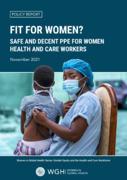
One of the many gender inequities in the health and care workforce that COVID-19 has exposed is around the fit and design of Personal Protective Equipment (PPE). The rapid onset and scale of COVID-19 led to shortages of PPE in most countries, causing preventable infection and mortality among healthc
...
are workers and others on the front lines. Even though most health workers are women, manufacturing specifications for medical PPE are usually drawn up based on the male body and there have been many reports of PPE not designed for women's bodies.
more
