
Filter
1325
Text search:
chemical
safety
Featured
173
354
Language
Document type
654
246
191
123
48
23
23
6
6
5
Countries
64
50
41
34
27
25
24
23
22
21
20
20
20
19
18
17
17
15
15
14
14
13
10
9
8
8
7
7
6
6
5
5
4
4
4
4
4
4
4
4
4
3
3
3
3
3
3
3
3
3
2
2
2
2
2
2
2
2
2
2
2
2
2
1
1
1
1
1
1
1
1
1
1
1
1
1
1
1
1
1
1
1
1
1
1
1
1
1
1
1
1
1
1
1
1
1
1
Authors & Publishers
Publication Years
Category
470
133
95
69
48
30
29
2
1
Toolboxes
97
93
93
83
79
74
59
53
46
40
38
34
29
21
17
16
14
12
9
5
3
2
1
1
The war in Ukraine has had devasting impact on women and girls
worldwide, widening gender gaps and increasing rates of food insecurity, malnutrition and energy poverty. This brief reviews the available evidence of that impact, recommending urgent attention to its consequences for women and girls. I
...
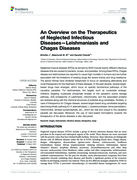
Front Chem. 2021; 9: 622286.
Published online 2021 Mar 12. doi: 10.3389/fchem.2021.622286
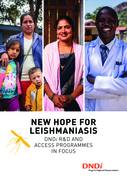
Leishmaniasis is a climate-sensitive disease. Changes in temperature, rainfall, and humidity can have strong impacts on
the sandfly vector, altering their distribution and influencing their survival and population sizes. Increased temperatures shorten vector development time, reduce Leishmania para
...

Dracunculiasis (Guinea worm disease), caused by the parasite Dracunculus medinensis, is traditionally acquired by drinking water containing copepods (water fleas) infected with D. medinensis larvae, but in recent years also appears increasingly to be transmitted by eating fish or other aquatic anima
...
Globally, environmental pollution and other environmental risks cause 24% of all deaths, and these deaths are largely preventable. A shift towards policies and actions that minimize risks to health and promote health and sustainable personal and societal choices will reduce environmental risks to he
...
2nd edition
Environmental Health in Emergencies and Disasters
Chapter 10
Structural, Non-structural and Functional Indicators
With this World Health Day, WHO is drawing attention to a group of diseases that are spread by insects and other vectors, the heavy health and economic burdens they impose, and what needs to be done to reduce these burdens. Many of these diseases have been historically confined to distinct geographi
...
A process for improving community awareness and preparedness for technological hazards and environmental emergencies

Drinking-water quality regulations and standards developed or revised in accordance with this guidance will reflect the best practices identified in the WHO Guidelines for Drinking-water Quality to most effectively protect public health. Moreover, the regulations and standards will consider local ne
...
WHO Guidance for Climate Resilient and Environmentally Sustainable Health Care Facilities
recommended
The aim of this guidance is to enhance the capacity of health care facilities to protect and improve the health of their target communities in an unstable and changing climate; and to empower health care facilities to be environmentally sustainable, by optimizing the use of resources and minimizing
...
Known avoidable environmental risks to health cause at least 12.6 million deaths every year, and account for about one quarter of the global burden of disease (2016 data) (1). Air pollution alone causes about 7 million
deaths a year, placing it among the top global risks to health (2). Global envir
...
A framework to implement the Agenda for the Americas on Health, Environment, and Climate Change 2021–2030
Minimizing risk of developing antibiotic resistance and aquatic ecotoxicity in the environment resulting from the manufacturing of human antibiotic.
The Standard, facilitated by BSI Standards Limited (BSI), provides clear guidance to manufacturers in the global antibiotic supply chain to ensure t
...

This country cooperation strategy (CCS) outlines how the World Health Organization (WHO) will work with the Lao People’s Democratic Republic over the next five years (2024–2028), supporting the implementation of the five-year health sector development plans and the Health Sector Reform Strategy
...
