
Filter
2592
Text search:
North
Africa
Featured
219
633
Language
2384
119
90
57
57
31
24
9
8
7
6
6
6
5
4
4
4
4
4
4
3
3
3
3
2
2
2
2
2
2
2
2
2
2
2
2
2
2
1
1
1
1
1
1
1
1
1
1
1
1
1
1
1
1
1
1
1
1
1
1
1
1
Document type
1363
661
214
97
82
59
33
30
26
11
7
5
3
1
Countries
185
138
101
97
91
87
84
84
82
72
70
68
65
64
64
50
47
47
44
39
37
36
33
30
29
27
25
24
24
23
23
22
21
20
16
16
16
16
15
15
14
14
13
12
12
12
11
10
10
10
10
10
9
9
9
9
9
8
7
7
7
7
7
7
6
6
6
6
6
6
5
5
5
5
5
5
4
4
4
4
4
4
4
4
3
3
3
3
3
3
3
3
3
3
3
2
2
2
2
2
2
2
2
2
2
2
2
2
2
2
1
1
1
1
1
1
1
1
1
1
1
1
1
1
1
1
1
1
1
1
1
1
1
1
1
Authors & Publishers
260
164
114
77
64
59
57
51
48
44
41
37
21
21
21
17
14
12
12
11
11
11
10
10
10
10
9
9
9
9
9
8
8
8
8
8
7
7
7
7
7
7
7
7
7
6
6
6
6
6
6
6
6
6
6
6
6
6
6
5
5
5
5
5
5
5
5
5
5
5
5
4
4
4
4
4
4
4
4
4
4
4
4
4
4
4
4
4
4
4
4
4
4
4
4
4
4
4
4
4
4
4
4
4
4
4
4
4
4
4
4
4
4
3
3
3
3
3
3
3
3
3
3
3
3
3
3
3
3
3
3
3
3
3
3
3
3
3
3
3
3
3
3
3
3
3
3
3
3
3
3
3
3
3
3
3
3
3
3
3
3
3
3
3
3
3
3
3
3
3
3
3
2
2
2
2
2
2
2
2
2
2
2
2
2
2
2
2
2
2
2
2
2
2
2
2
2
2
2
2
2
2
2
2
2
2
2
2
2
2
2
2
2
2
2
2
2
2
2
2
2
2
2
2
2
2
2
2
2
2
2
2
2
2
2
2
2
2
2
2
2
2
2
2
2
2
2
2
2
2
2
2
2
2
2
2
2
2
2
2
2
2
2
2
2
2
2
2
2
2
2
2
2
2
2
2
2
2
2
2
2
2
2
2
2
2
2
2
2
2
2
2
2
2
2
2
2
2
2
2
2
2
2
2
2
2
2
2
2
2
2
2
2
2
2
2
2
2
2
2
2
2
2
2
2
2
2
2
2
2
2
2
2
2
2
2
2
2
2
1
1
1
1
1
1
1
1
1
1
1
1
1
1
1
1
1
1
1
1
1
1
1
1
1
1
1
1
1
1
1
1
1
1
1
1
1
1
1
1
1
1
1
1
1
1
1
1
1
1
1
1
1
1
1
1
1
1
1
1
1
1
1
1
1
1
1
1
1
1
1
1
1
1
1
1
1
1
1
1
1
1
1
1
1
1
1
1
1
1
1
1
1
1
1
1
1
1
1
1
1
1
1
1
1
1
1
1
1
1
1
1
1
1
1
1
1
1
1
1
1
1
1
1
1
1
1
1
1
1
1
1
1
1
1
1
1
1
1
1
1
1
1
1
1
1
1
1
1
1
1
1
1
1
1
1
1
1
1
1
1
1
1
1
1
1
1
1
1
1
1
1
1
1
1
1
1
1
1
1
1
1
1
1
1
1
1
1
1
1
1
1
1
1
1
1
1
1
1
1
1
1
1
1
1
1
1
1
1
1
1
1
1
1
1
1
1
1
1
1
1
1
1
1
1
1
1
1
1
1
1
1
1
1
1
1
1
1
1
1
1
1
1
1
1
1
1
1
1
1
1
1
1
1
1
1
1
1
1
1
1
1
1
1
1
1
1
1
1
1
1
1
1
1
1
1
1
1
1
1
1
1
1
1
1
1
1
1
1
1
1
1
1
1
1
1
1
1
1
1
1
1
1
1
1
1
1
1
1
1
1
1
1
1
1
1
1
1
1
1
1
1
1
1
1
1
1
1
1
1
1
1
1
1
1
1
1
1
1
1
1
1
1
1
1
1
1
1
1
1
1
1
1
1
1
1
1
1
1
1
1
1
1
1
1
1
1
1
1
1
1
1
1
1
1
1
1
1
1
1
1
1
1
1
1
1
1
1
1
1
1
1
1
1
1
1
1
1
1
1
1
1
1
1
1
1
1
1
1
1
1
1
1
1
1
1
1
1
1
1
1
1
1
1
1
1
1
1
1
1
1
1
1
1
1
1
1
1
1
1
1
1
1
1
1
1
1
1
1
1
1
1
1
1
1
1
1
1
1
1
1
1
1
1
1
1
1
1
1
1
1
1
1
1
1
1
1
1
1
1
1
1
1
1
1
1
1
1
1
1
1
1
1
1
1
1
1
1
1
1
1
1
1
1
1
1
1
1
1
1
1
1
1
1
1
1
1
1
1
1
1
1
1
1
1
1
1
1
1
1
1
1
1
1
1
1
1
1
1
1
1
1
1
1
1
1
1
1
1
1
1
1
1
1
1
1
1
1
1
1
1
1
1
1
1
1
1
1
1
1
1
1
1
1
1
1
1
1
1
1
1
1
1
1
1
1
1
1
1
1
1
1
1
1
1
1
1
1
1
1
1
1
1
1
1
1
1
1
1
1
1
1
1
1
1
1
1
1
1
1
1
1
1
1
1
1
1
1
1
1
1
1
1
1
1
1
1
1
1
1
1
1
1
1
1
1
1
1
1
1
1
1
1
1
1
1
1
1
1
1
1
1
1
1
1
1
1
1
1
1
1
1
1
1
1
1
1
1
1
1
1
1
1
1
1
1
1
1
1
1
1
1
1
1
1
1
1
1
1
1
1
1
1
1
1
1
1
1
1
1
1
1
1
1
1
1
1
1
1
1
1
1
1
1
1
1
1
1
1
1
1
1
1
1
1
1
1
1
1
1
1
1
1
1
1
1
1
1
1
1
1
1
1
1
1
1
1
1
1
1
1
1
1
1
1
1
1
1
1
1
1
1
1
1
1
1
1
1
1
1
1
1
1
1
1
1
1
1
1
1
1
1
1
1
1
1
1
1
1
1
1
1
1
1
1
1
1
1
1
1
1
1
1
1
1
1
1
1
1
1
1
1
1
1
1
1
1
1
1
1
1
1
1
1
1
1
1
1
1
1
1
1
1
1
1
1
1
1
1
1
1
1
1
1
1
1
1
1
1
1
1
1
1
1
1
1
1
1
1
1
1
1
1
1
1
1
1
1
1
1
1
1
1
1
1
1
1
1
1
1
1
1
1
1
1
1
1
1
1
1
1
1
1
1
1
1
1
1
1
1
1
1
1
1
1
1
1
1
1
1
1
1
1
1
1
1
1
1
1
1
1
1
1
1
1
1
1
1
1
1
1
1
1
1
1
1
1
1
1
1
1
1
1
1
1
1
1
1
1
1
1
1
1
1
1
1
1
1
1
1
1
1
1
1
1
1
1
1
1
1
1
1
1
1
1
1
1
1
1
1
1
1
1
1
1
1
1
1
1
1
1
1
1
1
1
1
1
1
1
1
1
1
1
1
1
1
1
1
1
1
1
1
1
1
1
1
1
1
1
1
1
1
1
1
1
1
1
1
1
1
1
1
1
1
1
1
1
1
1
1
1
1
1
1
1
1
1
1
1
1
1
1
1
1
1
1
1
1
1
1
1
1
1
1
1
1
1
1
1
1
1
1
1
1
1
1
1
1
1
1
1
1
1
1
1
1
1
1
1
1
1
1
1
1
1
1
1
1
1
1
1
1
1
1
1
1
1
1
1
1
1
1
1
1
1
1
1
1
1
1
1
1
1
1
1
1
1
1
1
1
1
1
1
1
1
1
1
1
1
1
1
1
1
1
1
1
1
1
1
1
1
1
1
1
1
1
1
1
1
1
1
1
1
1
1
1
1
1
1
1
1
1
1
1
1
1
1
1
1
1
1
1
1
1
1
1
1
1
1
1
1
1
1
1
1
1
1
1
1
1
1
1
1
1
1
1
1
1
1
1
1
1
1
1
1
1
1
1
1
1
1
1
1
1
1
1
1
1
1
1
1
1
1
1
1
1
1
1
1
1
1
1
1
1
1
1
1
1
1
1
1
1
1
1
1
1
1
1
1
1
1
1
1
1
1
1
1
1
1
1
1
1
1
1
1
1
1
1
1
1
1
1
1
1
1
1
1
1
1
1
1
1
1
1
1
1
1
1
1
1
1
1
1
1
1
1
1
1
1
1
1
1
1
1
1
1
1
1
1
1
1
1
1
1
1
1
1
1
1
1
1
1
1
1
1
1
1
1
1
1
1
1
1
1
1
1
1
1
1
1
1
1
1
1
1
1
1
1
1
1
1
1
1
1
1
1
1
1
1
1
1
1
1
1
1
1
1
1
1
1
1
1
1
1
1
1
1
1
1
1
1
1
1
1
1
1
1
1
1
1
1
1
1
1
1
1
1
1
1
1
1
1
1
1
1
1
1
1
1
1
1
1
1
1
1
1
1
1
1
1
1
1
1
1
1
1
1
1
1
1
1
1
1
1
1
1
1
1
1
1
1
1
1
1
1
1
1
1
1
1
1
1
1
1
1
1
1
1
1
1
1
1
1
1
1
1
1
1
1
1
1
1
1
1
1
1
1
1
1
1
1
1
1
1
1
1
1
1
1
1
1
1
1
1
1
1
1
1
1
1
1
1
1
1
1
1
1
1
1
1
1
1
1
1
1
1
1
1
1
1
1
1
1
1
1
1
1
1
1
1
1
1
1
1
1
1
1
1
1
1
1
1
1
1
1
1
1
1
1
1
1
1
1
1
1
1
1
1
1
1
1
1
1
1
1
1
1
1
1
1
1
1
1
1
1
1
1
1
1
1
1
1
1
1
1
1
1
1
1
1
1
1
1
1
1
1
1
1
1
1
1
1
1
1
1
1
1
1
1
1
1
1
1
1
1
1
1
1
1
1
1
1
1
1
1
1
1
1
1
1
1
1
1
1
1
1
1
1
1
1
1
1
1
1
1
1
1
1
1
1
1
1
1
1
1
1
1
1
1
1
1
1
1
1
1
1
1
1
1
1
1
1
1
1
1
1
1
1
1
1
1
1
1
1
1
1
1
1
1
1
1
1
1
1
1
1
1
1
1
1
1
1
1
1
1
1
1
1
1
1
1
1
1
1
1
1
1
1
1
1
1
1
1
1
1
1
1
1
1
1
1
1
1
1
1
1
1
1
1
1
1
1
1
1
1
1
1
1
1
1
1
1
1
1
1
1
1
1
1
1
1
1
1
1
1
1
1
1
1
1
1
1
1
1
1
1
1
1
1
1
1
1
1
1
1
1
1
1
1
1
1
1
1
1
1
1
1
1
1
1
1
1
1
1
1
1
1
1
1
1
1
1
1
1
1
1
1
1
1
1
1
1
1
1
1
1
1
1
1
1
1
1
1
1
1
1
1
1
1
1
1
1
1
1
1
1
1
1
1
1
1
1
1
1
1
1
1
1
1
1
1
1
1
1
1
1
1
1
1
1
1
1
1
1
1
1
1
1
1
1
1
1
1
1
1
1
1
1
1
1
1
1
1
1
1
1
1
1
1
1
1
1
1
1
1
1
1
1
1
1
1
1
1
1
1
1
1
1
1
1
1
1
1
1
1
1
1
1
1
1
1
1
1
1
1
1
1
1
1
1
1
1
1
1
1
1
1
1
1
1
1
1
1
1
1
1
1
1
1
1
1
1
1
1
1
1
1
1
1
1
1
1
1
1
1
1
1
1
1
1
1
1
1
1
1
1
1
1
1
1
1
1
1
1
1
1
1
1
1
1
1
1
1
1
1
1
1
1
1
1
1
1
1
1
1
1
1
1
1
1
1
1
1
1
1
1
1
1
1
1
1
1
1
1
1
1
1
1
1
1
1
1
1
1
1
1
1
1
1
1
1
1
1
1
1
1
1
1
1
1
1
1
1
1
1
1
1
1
1
1
1
1
1
1
1
1
1
1
1
1
1
1
1
1
1
1
1
1
1
1
1
1
1
1
1
1
1
1
1
1
1
1
1
1
1
1
1
1
1
1
1
1
1
1
1
1
1
1
1
1
1
1
1
1
1
1
1
1
1
1
1
1
1
1
1
1
1
1
1
1
1
1
1
1
1
1
1
1
1
1
1
1
1
1
1
1
1
1
1
1
1
1
1
1
1
1
1
1
1
1
1
1
1
1
1
1
1
1
1
1
1
1
1
1
1
1
1
1
1
1
1
1
1
1
1
1
1
1
1
1
1
1
1
1
1
1
1
1
1
1
1
1
1
1
1
1
1
1
1
1
1
1
1
1
1
1
1
1
1
1
1
1
1
1
1
1
1
1
1
1
1
1
1
1
1
1
1
1
1
1
1
1
1
1
1
1
1
1
1
1
1
1
1
1
1
1
1
1
1
1
1
1
1
1
1
1
1
1
1
1
1
1
1
1
1
1
1
1
1
1
1
1
1
1
1
1
1
1
1
1
1
1
1
1
1
1
1
1
1
1
1
1
1
1
1
1
1
1
1
1
1
1
1
1
1
1
1
1
1
1
1
1
1
1
1
1
1
1
1
1
1
1
1
1
1
1
1
1
Publication Years
775
1628
175
14
Category
973
162
153
130
86
26
10
4
1
1
Toolboxes
273
237
176
157
107
95
89
85
85
75
69
64
63
53
38
37
36
27
20
19
17
9
7
1
1
Gambiense human African trypanosomiasis is a deadly infectious disease affecting West and Central Africa, South Sudan and Uganda, and transmitted between humans by tsetse flies. The disease has caused several major epidemics, the latest one in the 1
...
990s. Thanks to recent innovations such as rapid diagnostic tests for population screening, a single-dose oral treatment and a highly efficient vector control strategy, interruption of transmission of the causative parasite is now within reach. If indeed gHAT has an exclusively human reservoir, this could even result in eradication of the disease. Even if there were an animal reservoir, on the basis of epidemiological data, it plays a limited role. Maintaining adequate postelimination surveillance in known historic foci, using the newly developed tools, should be sufficient to prevent any future resurgence.
more
Integrating Clinical Research into Epidemic Response: The Ebola Experience
Gerald Keusch, Keith McAdam, Patricia Cuff, Michelle Mancher, and Emily R. Busta
National Academies of Sciences, Engineering, and Medicine
(2017)
C1
The 2014–2015 Ebola epidemic in western Africa was the longest and most deadly Ebola epidemic in history, resulting in 28,616 cases and 11,310 deaths in Guinea, Liberia, and Sierra Leone. The Ebola virus has been known since 1976, when two separat
...
e outbreaks were identified in the Democratic Republic of Congo (then Zaire) and South Sudan (then Sudan). However, because all Ebola outbreaks prior to that in West Africa in 2014–2015 were relatively isolated and of short duration, little was known about how to best manage patients to improve survival, and there were no approved therapeutics or vaccines. When the World Heath Organization declared the 2014-2015 epidemic a public health emergency of international concern in August 2014, several teams began conducting formal clinical trials in the Ebola affected countries during the outbreak.
more
Response to the tropical cyclone in southern Africa
Ebola virus disease outbreak in the Democratic Republic of the Congo
Meningitis outbreak in Togo
Lassa fever outbreak in Liberia.
Yemen’s war has become one of the world’s worst humanitarian catastrophes . In September 2014, the Ansarallah (Houthi) movement allied with former President Ali Abdullah Saleh to seize control over the capital city Sana’a and renegotiate Yemen’s fragile power-sharing agreement, and then seve
...
ral months later pursued President Abed Rabbo Mansour Hadi south to Aden . In March 2015, Saudi Arabia and the United Arab Emirates launched a military intervention, ostensibly to restore Hadi to power . More than 1,000 days later, that war has settled into a brutal stalemate . Officially, the Houthis remain in control of Sana’a and much of the north, while the Saudi-UAE coalition controls much of the south . A comprehensive Saudi-UAE blockade and air campaign has caused incipient famine conditions, the spread of communicable diseases such as cholera and diphtheria, and a wave of internal displacement .
more
Cancer is an emerging public health problem in sub-Saharan Africa due to population growth, ageing and westernisation of lifestyles. In this piece, we use data from Mozambique over a 50-year period to illustrate cancer epidemiological trends in low
...
-income and middle-income countries to hypothesise potential circumstances and factors that could explain changes in cancer burden and to discuss surveillance weaknesses and potential improvements. This epidemiological transition deserves increasing policy attention.
more
Because malaria cases are seen relatively rarely in North America, misdiagnosis by clinicians and laboratorians has been a commonly documented problem in published reports. However, malaria may be a common illness in areas where it is transmitted an
...
d therefore the diagnosis of malaria should routinely be considered for any febrile person who has traveled to an area with known malaria transmission in the past several months preceding symptom onset.
more

Uganda hosts approximately 1.1 million refugees making it Africa’s largest refugee hosting country and one of the five largest refugee hosting countries in the world. Most recently, throughout 2016- 2018, Uganda was impacted by three parallel emer
...
gencies from South Sudan, the Democratic Republic of the Congo (DRC), and Burundi. In view of the on-going conflicts and famine
vulnerabilities in the Great Lakes Region, more refugee influxes and protracted refugee situations are anticipated in the foreseeable future. The unprecedented mass influx of refugees into Uganda in 2016-2018 has put enormous pressure on
the country’s basic service provision, in particular health and education services. Refugees share all social services with the local host communities. The refugee hosting districts are among the least developed districts in the country, and thus the additional refugee population is putting a high strain on already limited resources.
more
Onchocerciasis used to be an important public health problem in Africa, with over 37 million people infected and millions suffering from debilitating skin disease, terrible itching, impaired vision and
blindness. But the epidemiological situation h
...
as improved dramatically over the last two decades. Community directed treatment with ivermectin has effectively brought the disease under control in most endemic areas where onchocerciasis is no longer a public health risk.
more
Human rabies remains a significant public health problem in Africa with outbreaks reported in most countries. In Nigeria–the most populous country in Africa–rabies causes a significant public he
...
alth burden partly due to perennial obstacles to implementing a national prevention and control program.
more
A new reportshows that people in some 25 countries are set to face devasting levels of hunger in coming months due to the fallout from the COVID-19 pandemic. While the greatest concentration of need is in Africa, countries in Latin America and the C
...
aribbean, and in the Middle East and Asia – including middle-income countries - are also being ravaged by crippling levels of food insecurity
more
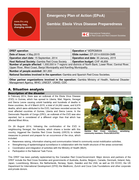
In February 2014, there was an outbreak of the Ebola Virus Disease (EVD) in Guinea, which has spread to Liberia, Mali, Nigeria, Senegal and Sierra Leone causing untold hardship and hundreds of deaths in these countries. As of 6 March 2015, a total of 24,282 cases, and 9,976 deaths, which were attrib
...
uted to the EVD, had been recorded across the most affected countries of Guinea, Liberia and Sierra Leone. In the Democratic Republic of Congo (DRC), an outbreak of the EVD was also reported, but is considered of a different origin than that which has affected West Africa.
more
Learning from the Use of Data, Information, and Digital Technologies in the West Africa Ebola Outbreak Response
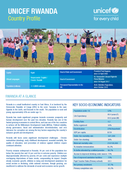
This document provides a snapshot view of Rwanda in terms of key socio-economic indicators, political and economic context and the situation of children. It also gives an overview of UNICEF's Country Programme and key achievements.
Rwanda has made significant progress towards economic prosperity an
...
d human development over the past two decades. Rwanda has one of the fastest growing economies in central Africa, and was one of the few countries to achieve all the Millennium Development Goals (MDGs). Political stability, strong governance, fiscal and administrative decentralization, and zero tolerance for corruption are among the key factors supporting the country’s inclusive growth and development.
Rwanda still faces some significant development challenges. Chronic malnutrition (stunting), early childhood development, neonatal mortality, the quality of education, and prevention of violence against children require continued attention.
more
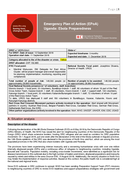
Following the declaration of the 9th Ebola Disease Outbreak (EVD) on 8 May 2018 by the Democratic Republic of Congo (DRC) Ministry of Health, the WHO has raised the alert for neighbouring countries of the Democratic Republic of the Congo (DRC) which share extensive borders, hosting DRC refugees and
...
are used as corridors for DRC population movement. On 1 August 2018, just one week after the declaration of the end of the Ebola outbreak in Equator province, the 10th Ebola epidemic of the DRC was declared in the provinces of North Kivu and Ituri, which are among the most populated provinces in the DRC that also share borders with Uganda and Rwanda.
more
A “catastrophic” combination of drought and communities’ declining resilience has left an estimated 2.3 million people facing severe acute food insecurity – up from an estimate of 1.7 million people a month ago.
Communities across southern Afric
...
a have been affected by drought since late 2018.
This year, large parts of southern and western Zambia received their lowest seasonal rainfall totals since at least 1981, the base year from which normal rainfall is benchmarked. At the same time, northern and eastern parts of the country were affected by flash floods and waterlogging, resulting in poor harvests.
more
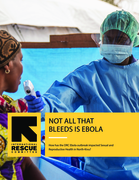
Not all that bleeds is Ebola
recommended
How has the DRC Ebola outbreak impacted Sexual and Reproductive Health in North-Kivu?
Recommendations (more specifics found in the assessment):
1. Sexual and reproductive health needs and services are to be embedded in the EVD response from the ou
...
tset.
2. Reduce delays at every stage of the patient journey, particularly for women experiencing obstetric complications, including complications from abortion.
3. Support individuals and communities to mitigate SRH risks posed during and after EVD epidemic:
4. Formulate SRH guidelines for the EVD context involving experts in all relevant fields.
more
Kenya is home to 4 million girls and women who have experienced FGM. Overall, 21 per cent of girls and women aged 15 to 49 years have undergone the practice, varying from 98 per cent in the North Eastern region to 1 per cent in the Western region
This is the 42nd situation report for the multi-country outbreak of mpox, which provides an update on the epidemiological situation of mpox in Africa (including countries in the WHO African Region and some countries in the WHO Eastern Mediterranean
...
Region), with data as of 3 November 2024.
more
J Infect Dis. (2012) 206 (suppl. 1): S61-S67
Influenza data gaps in sub-Saharan Africa include incidence, case fatality, seasonal patterns, and associations with prevalent disorders. The authors found that the burden of influenza was small during 2
...
007–2010 in this paediatric hospital in Kenya. Influenza A virus subtype H3N2 predominated, and 2009 pandemic influenza A virus subtype H1N1 had little impact
more
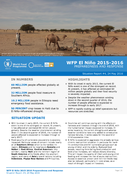
IN NUMBERS
60 MILLION people affected globally at present.
32 MILLION people food insecure in Southern Africa.
10.2 MILLION people in Ethiopia need emergency food assistance.
50 PERCENT crop losses in Haiti due to El Niño-influenc
...
ed drought.
more
