
Filter
437
Text search:
Global
Heat
Health
Information
Network
Featured
Recommendations
58
New Publications
110
Language
Document type
No document type
182
Studies & Reports
130
Guidelines
52
Manuals
34
Strategic & Response Plan
19
Training Material
12
Situation Updates
3
Fact sheets
3
Resource Platforms
2
Countries / Regions
Global
43
India
16
Myanmar / Burma
10
Nigeria
8
Bangladesh
7
South–East Asia Region
7
Liberia
6
Latin America and the Carribbean
6
Sierra Leone
5
Uganda
5
South Africa
5
Malawi
5
Africa
5
USA
4
Philippines
4
Syria
4
Kenya
4
Western and Central Europe
4
Asia
4
Congo, Democratic Republic of
3
Ghana
3
Nepal
3
Tanzania
3
Yemen
3
Middle East and North Africa
3
Guinea
2
Ethiopia
2
South Sudan
2
Cambodia
2
Rwanda
2
Namibia
2
Brazil
2
North Macedonia
2
West and Central Africa
2
Western Pacific Region
2
Eastern Europe and Central Asia
2
Guinea-Bissau
1
Zimbabwe
1
Somalia
1
Pakistan
1
Iraq
1
Germany
1
Lebanon
1
Zambia
1
Chad
1
Thailand
1
Mozambique
1
Central African Republic
1
Argentina
1
Peru
1
Ukraine
1
Ecuador
1
Bolivia
1
Lesotho
1
Chile
1
East and Southern Africa
1
Paraguay
1
Eastern Europe
1
Russia
1
Latvia
1
Authors & Publishers
Publication Years
Category
Countries
116
Key Resources
36
Clinical Guidelines
35
Public Health
24
Women & Child Health
21
Pharmacy & Technologies
13
Capacity Building
8
General Guidelines
1
Protection & Security
1
Toolboxes
Planetary Health
109
Global Health Education
33
COVID-19
25
Rapid Response
20
TB
17
HIV
15
Ebola
12
Natural Hazards
12
Mental Health
12
Conflict
11
Caregiver
11
Pharmacy
11
NTDs
11
Specific Hazards
9
Refugee
8
NCDs
8
AMR
6
Disability
4
Polio
4
Cholera
3
Social Ethics
1
Nature Sustainability | VOL 2 | APRIL 2019 | 267–273 | www.nature.com/natsustain

Agriculture is highly exposed to climate change, as farming activities directly depend on climatic conditions. Agriculture also contributes to climate change through the release of greenhouse gases into the atmosphere. Two powerful greenhouse gases are by-products of agricultural activity:
Methan
...

National-scale databases and reliability issue
Background report
Standard Operating Procedures for Implementation of TB Activities at HIV/AIDS Service Delivery Sites
AIDSFree Case study series
This publication is made possible by the generous support of the American people through the U.S. President’s Emergency Plan for AIDS Relief (PEPFAR) and the U.S. Agency for International Development (USAID) under the terms of Cooperative Agreement AID-OAA-A-14-00046
...
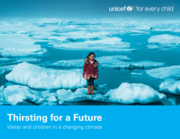
Children without access to safe water are more likely to die in infancy -- and throughout childhood -- from diseases caused by
water-borne bacteria, to which their small bodies are more vulnerable.
The number of new Ebola infections in Sierra Leone is declining, despite the outbreak continuing to claim lives. New cases have dropped to around 9-12 per week, according to recent WHO figures. There were over 500 cases per week at the height of the crisis around late November 2014.
The impact on t
...
Strengthening Community responses to HIv Treatment and Prevention
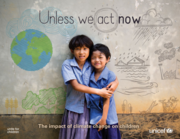
Today’s children, and their children, are the ones who will live with the consequences of climate change.
En esta publicación se presenta un método integral para brindar apoyo a los Estados Miembros de la Organización Panamericana de la Salud (OPS) en la preparación para la respuesta a los riesgos para la salud relacionados con el calor en la Región de las Américas. Se basa en los documentos de al
...
