
Filter
5570
Text search:
Assessment,
monitoring
and
evaluation
Featured
561
1645
Language
5364
136
86
85
48
39
22
16
9
9
6
6
5
5
5
4
4
4
4
4
4
4
4
4
3
3
3
3
3
3
3
3
2
2
2
2
2
2
2
2
2
2
2
2
1
1
1
1
1
1
1
1
1
1
1
1
1
Document type
3387
752
716
324
225
74
45
24
8
7
6
1
Countries
232
225
190
140
130
117
116
115
112
102
102
93
91
88
87
87
86
71
70
56
54
52
50
46
42
39
39
37
34
31
30
30
29
28
28
26
24
24
23
23
22
20
20
19
19
19
18
17
17
17
16
15
14
14
12
12
11
11
11
10
9
9
9
8
7
7
7
7
7
6
6
6
5
5
5
4
4
4
4
4
4
4
4
4
3
3
3
3
3
3
3
3
3
3
3
3
3
3
2
2
2
2
2
2
2
2
2
2
2
2
2
2
2
2
2
2
2
2
2
1
1
1
1
1
1
1
1
1
1
1
1
1
1
1
1
1
1
1
1
1
1
1
1
Authors & Publishers
807
335
240
179
151
101
100
95
86
44
41
41
32
30
29
28
27
25
24
24
24
24
24
23
23
22
22
22
21
21
21
20
20
20
18
18
18
18
18
18
17
15
14
14
14
14
14
14
14
14
13
13
13
12
12
12
12
12
11
11
11
11
11
10
10
10
10
9
9
9
9
9
9
9
9
9
9
8
8
8
8
8
8
8
8
8
8
8
7
7
7
7
7
7
7
7
7
7
7
7
7
7
7
7
7
7
7
6
6
6
6
6
6
6
6
6
6
6
6
6
6
6
6
6
6
6
6
6
6
6
6
6
6
6
6
6
5
5
5
5
5
5
5
5
5
5
5
5
5
5
5
5
5
5
5
5
5
5
5
5
5
5
5
5
5
5
5
5
5
5
4
4
4
4
4
4
4
4
4
4
4
4
4
4
4
4
4
4
4
4
4
4
4
4
4
4
4
4
4
4
4
4
4
4
4
4
4
4
4
4
4
4
4
4
4
4
4
4
4
4
4
4
4
4
3
3
3
3
3
3
3
3
3
3
3
3
3
3
3
3
3
3
3
3
3
3
3
3
3
3
3
3
3
3
3
3
3
3
3
3
3
3
3
3
3
3
3
3
3
3
3
3
3
3
3
3
3
3
3
3
3
3
3
3
3
3
3
3
3
3
3
3
3
3
3
3
3
3
3
3
3
3
3
3
3
3
3
3
3
3
3
3
3
3
3
3
3
3
3
3
3
3
3
3
3
3
3
3
3
3
3
2
2
2
2
2
2
2
2
2
2
2
2
2
2
2
2
2
2
2
2
2
2
2
2
2
2
2
2
2
2
2
2
2
2
2
2
2
2
2
2
2
2
2
2
2
2
2
2
2
2
2
2
2
2
2
2
2
2
2
2
2
2
2
2
2
2
2
2
2
2
2
2
2
2
2
2
2
2
2
2
2
2
2
2
2
2
2
2
2
2
2
2
2
2
2
2
2
2
2
2
2
2
2
2
2
2
2
2
2
2
2
2
2
2
2
2
2
2
2
2
2
2
2
2
2
2
2
2
2
2
2
2
2
2
2
2
2
2
2
2
2
2
2
2
2
2
2
2
2
2
2
2
2
2
2
2
2
2
2
2
2
2
2
2
2
2
2
2
2
2
2
2
2
2
2
2
2
2
2
2
2
2
2
2
2
2
2
2
2
2
2
2
2
2
2
2
2
2
2
2
2
2
2
2
2
2
2
2
2
2
2
2
2
2
2
2
2
2
2
2
2
2
2
2
2
2
2
2
2
2
2
2
2
2
2
2
2
2
2
2
2
2
2
2
2
2
2
2
2
2
2
2
2
2
2
2
2
2
2
2
2
2
2
2
2
2
2
2
2
2
2
2
2
2
2
2
2
2
2
2
2
2
2
2
2
2
2
2
2
2
2
2
2
2
2
2
2
2
2
2
2
2
2
2
2
2
2
2
2
2
2
2
2
2
1
1
1
1
1
1
1
1
1
1
1
1
1
1
1
1
1
1
1
1
1
1
1
1
1
1
1
1
1
1
1
1
1
1
1
1
1
1
1
1
1
1
1
1
1
1
1
1
1
1
1
1
1
1
1
1
1
1
1
1
1
1
1
1
1
1
1
1
1
1
1
1
1
1
1
1
1
1
1
1
1
1
1
1
1
1
1
1
1
1
1
1
1
1
1
1
1
1
1
1
1
1
1
1
1
1
1
1
1
1
1
1
1
1
1
1
1
1
1
1
1
1
1
1
1
1
1
1
1
1
1
1
1
1
1
1
1
1
1
1
1
1
1
1
1
1
1
1
1
1
1
1
1
1
1
1
1
1
1
1
1
1
1
1
1
1
1
1
1
1
1
1
1
1
1
1
1
1
1
1
1
1
1
1
1
1
1
1
1
1
1
1
1
1
1
1
1
1
1
1
1
1
1
1
1
1
1
1
1
1
1
1
1
1
1
1
1
1
1
1
1
1
1
1
1
1
1
1
1
1
1
1
1
1
1
1
1
1
1
1
1
1
1
1
1
1
1
1
1
1
1
1
1
1
1
1
1
1
1
1
1
1
1
1
1
1
1
1
1
1
1
1
1
1
1
1
1
1
1
1
1
1
1
1
1
1
1
1
1
1
1
1
1
1
1
1
1
1
1
1
1
1
1
1
1
1
1
1
1
1
1
1
1
1
1
1
1
1
1
1
1
1
1
1
1
1
1
1
1
1
1
1
1
1
1
1
1
1
1
1
1
1
1
1
1
1
1
1
1
1
1
1
1
1
1
1
1
1
1
1
1
1
1
1
1
1
1
1
1
1
1
1
1
1
1
1
1
1
1
1
1
1
1
1
1
1
1
1
1
1
1
1
1
1
1
1
1
1
1
1
1
1
1
1
1
1
1
1
1
1
1
1
1
1
1
1
1
1
1
1
1
1
1
1
1
1
1
1
1
1
1
1
1
1
1
1
1
1
1
1
1
1
1
1
1
1
1
1
1
1
1
1
1
1
1
1
1
1
1
1
1
1
1
1
1
1
1
1
1
1
1
1
1
1
1
1
1
1
1
1
1
1
1
1
1
1
1
1
1
1
1
1
1
1
1
1
1
1
1
1
1
1
1
1
1
1
1
1
1
1
1
1
1
1
1
1
1
1
1
1
1
1
1
1
1
1
1
1
1
1
1
1
1
1
1
1
1
1
1
1
1
1
1
1
1
1
1
1
1
1
1
1
1
1
1
1
1
1
1
1
1
1
1
1
1
1
1
1
1
1
1
1
1
1
1
1
1
1
1
1
1
1
1
1
1
1
1
1
1
1
1
1
1
1
1
1
1
1
1
1
1
1
1
1
1
1
1
1
1
1
1
1
1
1
1
1
1
1
1
1
1
1
1
1
1
1
1
1
1
1
1
1
1
1
1
1
1
1
1
1
1
1
1
1
1
1
1
1
1
1
1
1
1
1
1
1
1
1
1
1
1
1
1
1
1
1
1
1
1
1
1
1
1
1
1
1
1
1
1
1
1
1
1
1
1
1
1
1
1
1
1
1
1
1
1
1
1
1
1
1
1
1
1
1
1
1
1
1
1
1
1
1
1
1
1
1
1
1
1
1
1
1
1
1
1
1
1
1
1
1
1
1
1
1
1
1
1
1
1
1
1
1
1
1
1
1
1
1
1
1
1
1
1
1
1
1
1
1
1
1
1
1
1
1
1
1
1
1
1
1
1
1
1
1
1
1
1
1
1
1
1
1
1
1
1
1
1
1
1
1
1
1
1
1
1
1
1
1
1
1
1
1
1
1
1
1
1
1
1
1
1
1
1
1
1
1
1
1
1
1
1
1
1
1
1
1
1
1
1
1
1
1
1
1
1
1
1
1
1
1
1
1
1
1
1
1
1
1
1
1
1
1
1
1
1
1
1
1
1
1
1
1
1
1
1
1
1
1
1
1
1
1
1
1
1
1
1
1
1
1
1
1
1
1
1
1
1
1
1
1
1
1
1
1
1
1
1
1
1
1
1
1
1
1
1
1
1
1
1
1
1
1
1
1
1
1
1
1
1
1
1
1
1
1
1
1
1
1
1
1
1
1
1
1
1
1
1
1
1
1
1
1
1
1
1
1
1
1
1
1
1
1
1
1
1
1
1
1
1
1
1
1
1
1
1
1
1
1
1
1
1
1
1
1
1
1
1
1
1
1
1
1
1
1
1
1
1
1
1
1
1
1
1
1
1
1
1
1
1
1
1
1
1
1
1
1
1
1
1
1
1
1
1
1
1
1
1
1
1
1
1
1
1
1
1
1
1
1
1
1
1
1
1
1
1
1
1
1
1
1
1
1
1
1
1
1
1
1
1
1
1
1
1
1
1
1
1
1
1
1
1
1
1
1
1
1
1
1
1
1
1
1
1
1
1
1
1
1
1
1
1
1
1
1
1
1
1
1
1
1
1
1
1
1
1
1
1
1
1
1
1
1
1
1
1
1
1
1
1
1
1
1
1
1
1
1
1
1
1
1
1
1
1
1
1
1
1
1
1
1
1
1
1
1
1
1
1
1
1
1
1
1
1
1
1
1
1
1
1
1
1
1
1
1
1
1
1
1
1
1
1
1
1
1
1
1
1
1
1
1
1
1
1
1
1
1
1
1
1
1
1
1
1
1
1
1
1
1
1
1
1
1
1
1
1
1
1
1
1
1
1
1
1
1
1
1
1
1
1
1
1
1
1
1
1
1
1
1
1
1
1
1
1
1
1
1
1
1
1
1
1
1
1
1
1
1
1
1
1
1
1
1
1
1
1
1
1
1
1
1
1
1
1
1
1
1
1
1
1
1
1
1
1
1
1
1
1
1
1
1
1
1
1
1
1
1
1
1
1
1
1
1
1
1
1
1
1
1
1
1
1
1
1
1
1
1
1
1
1
1
1
1
1
1
1
1
1
1
1
1
1
1
1
1
1
1
1
1
1
1
1
1
1
1
1
1
1
1
1
1
1
1
1
1
1
1
1
1
1
1
1
1
1
1
1
1
1
1
1
1
1
1
1
1
1
1
1
1
1
1
1
1
1
1
1
1
1
1
1
1
1
1
1
1
1
1
1
1
1
1
1
1
1
1
1
1
1
1
1
1
1
1
1
1
1
1
1
1
1
1
1
1
1
1
1
1
1
1
1
1
1
1
1
1
1
1
1
1
1
1
1
1
1
1
1
1
1
1
1
1
1
1
1
1
1
1
1
1
1
1
1
1
1
1
1
1
1
1
1
1
1
1
1
1
1
1
1
1
1
1
1
1
1
1
1
1
1
1
1
1
1
1
1
1
1
1
1
1
1
1
1
1
1
1
1
1
1
1
1
1
1
1
1
1
1
1
1
1
1
1
1
1
1
1
1
1
1
1
1
1
1
1
1
1
1
1
1
1
1
1
1
1
1
1
1
1
1
1
1
1
1
1
1
1
1
1
1
1
1
1
1
1
1
1
1
1
1
1
1
1
1
1
1
1
1
1
1
1
1
1
1
1
1
1
1
1
1
1
1
1
1
1
1
1
1
1
1
1
1
1
1
1
1
1
1
1
1
1
1
1
1
1
1
1
1
1
1
1
1
1
1
1
1
1
1
1
1
1
1
1
1
1
1
1
1
1
1
1
1
1
1
1
1
1
1
1
1
1
1
1
1
1
1
1
1
1
1
1
1
1
1
1
1
1
1
1
1
1
1
1
1
1
1
1
1
1
1
1
1
1
1
1
1
1
1
1
1
1
1
1
1
1
1
1
1
1
1
1
1
1
1
1
1
1
1
1
1
1
1
1
1
1
1
1
1
1
1
1
1
1
1
1
1
1
1
1
1
1
1
1
1
1
1
1
1
1
1
1
1
1
1
1
1
1
1
1
1
1
1
1
1
1
1
1
1
1
1
1
1
1
1
1
1
1
1
1
1
1
1
1
1
1
1
1
1
1
1
1
1
1
1
1
1
1
1
1
1
1
1
1
1
1
1
1
1
1
1
1
1
1
1
1
1
1
1
1
1
1
1
1
1
1
1
1
1
1
1
1
1
1
1
1
1
1
1
1
1
1
1
1
1
1
1
1
1
1
1
1
1
1
1
1
1
1
1
1
1
1
1
1
1
1
1
1
1
1
1
1
1
1
1
1
1
1
1
1
1
1
1
1
1
1
1
1
1
1
1
1
1
1
1
1
1
1
1
1
1
1
1
1
1
1
1
1
1
1
1
1
1
1
1
1
1
1
1
1
1
1
1
1
1
1
1
1
1
1
1
1
1
1
1
1
1
1
1
1
1
1
1
1
1
1
1
1
1
1
1
1
1
1
1
1
1
1
1
1
1
1
1
1
1
1
1
1
1
1
1
1
1
1
1
1
1
1
1
1
1
1
1
1
1
1
1
1
1
1
1
1
1
1
1
1
1
1
1
1
1
1
1
1
1
1
1
1
1
1
1
1
1
1
1
1
1
1
1
1
1
1
1
1
1
1
1
1
1
1
1
1
1
1
1
1
1
1
1
1
1
1
1
1
1
1
1
1
1
1
1
1
1
1
1
1
1
1
1
1
1
1
1
1
1
1
1
1
1
1
1
1
1
1
1
1
1
1
1
1
1
1
1
1
1
1
1
1
1
1
1
1
1
1
1
1
1
1
1
1
1
1
1
1
1
1
1
1
1
1
1
1
1
1
1
1
1
1
1
1
1
1
1
1
1
1
1
1
1
1
1
1
1
1
1
1
1
1
1
1
1
1
1
1
1
1
1
1
1
1
1
1
1
1
1
1
1
1
1
1
1
1
1
1
1
1
1
1
1
1
1
1
1
1
1
1
1
1
1
1
1
1
1
1
1
1
1
1
1
1
1
1
1
1
1
1
1
1
1
1
1
1
1
1
1
1
1
1
1
1
1
1
1
1
1
1
1
1
1
1
1
1
1
1
1
1
1
1
1
1
1
1
1
1
1
1
1
1
1
1
1
1
1
1
1
1
1
1
1
1
1
1
1
1
1
1
1
1
1
1
1
1
1
1
1
1
1
1
1
1
1
1
1
1
1
1
1
1
1
1
1
1
1
1
1
1
1
1
1
1
1
1
1
1
1
1
1
1
1
1
1
1
1
1
1
1
1
1
1
1
1
1
1
1
1
1
1
1
1
1
1
1
1
1
1
1
1
1
1
1
1
1
1
1
1
1
1
1
1
1
1
1
1
1
1
1
1
1
1
1
1
1
1
1
1
1
1
1
1
1
1
1
1
1
1
1
1
1
1
1
1
1
1
1
1
1
1
1
1
1
1
1
1
1
1
1
1
1
1
1
1
1
1
1
1
1
1
1
1
1
1
1
1
1
1
1
1
1
1
1
1
1
1
1
1
1
1
1
1
1
1
1
1
1
1
1
1
1
1
1
1
1
1
1
1
1
1
1
1
1
1
1
1
1
1
1
1
1
1
1
1
1
1
1
1
1
1
1
1
1
1
1
1
1
1
1
1
1
1
1
1
1
1
1
1
1
1
1
1
1
1
1
1
1
1
1
1
1
1
1
1
1
1
1
1
1
1
1
1
1
1
1
1
1
1
1
1
1
1
1
1
1
1
1
1
1
1
1
1
1
1
1
1
1
1
1
1
1
1
1
1
1
1
1
1
1
1
1
1
1
1
1
1
1
1
1
1
1
1
1
1
1
1
1
1
1
1
1
1
1
1
1
1
1
1
1
1
1
1
1
1
1
1
1
1
1
1
1
1
1
1
1
1
1
1
1
1
1
1
1
1
1
1
1
1
1
1
1
1
1
1
1
1
1
1
1
1
1
1
1
1
1
1
1
1
1
1
1
1
1
1
1
1
1
1
1
1
1
1
1
1
1
1
1
1
1
1
1
1
1
1
1
1
1
1
1
1
1
1
1
1
1
1
1
1
1
1
1
1
1
1
1
1
1
1
1
1
1
1
1
1
1
1
1
1
1
1
1
1
1
1
1
1
1
1
1
1
1
1
1
1
1
1
1
1
1
1
1
1
1
1
1
1
1
1
1
1
1
1
1
1
1
1
1
1
1
1
1
1
1
1
1
1
1
1
1
1
1
1
1
1
1
1
1
1
1
1
1
1
1
1
1
1
1
1
1
1
1
1
1
1
1
1
1
1
1
1
1
1
1
1
1
1
1
1
1
1
1
1
1
1
1
1
1
1
1
1
1
1
1
1
1
1
1
1
1
1
1
1
1
1
1
1
1
1
1
1
1
1
1
1
1
1
1
1
1
1
1
1
1
1
1
1
1
1
1
1
1
1
1
1
1
1
1
1
1
1
1
1
1
1
1
1
1
1
1
1
1
1
1
1
1
1
1
1
1
1
1
1
1
1
1
1
1
1
1
1
1
1
1
1
1
1
1
1
1
1
1
1
1
1
1
1
1
1
1
1
1
1
1
1
1
1
1
1
1
1
1
1
1
1
1
1
1
1
1
1
1
1
1
1
1
1
1
1
1
1
1
1
1
1
1
1
1
1
1
1
1
1
1
1
1
1
1
1
1
1
1
1
1
1
1
1
1
1
1
1
1
1
1
1
1
1
1
1
1
1
1
1
1
1
1
1
1
1
1
1
1
1
1
1
1
1
1
1
1
1
1
1
1
1
1
1
1
1
1
1
1
1
1
1
1
1
1
1
1
1
1
1
1
1
1
1
1
1
1
1
1
1
1
1
1
1
1
1
1
1
1
1
1
1
1
1
1
1
1
1
1
1
1
1
1
1
1
1
1
1
1
1
1
1
1
1
1
1
1
1
1
1
1
1
1
1
1
1
1
1
1
1
1
1
1
1
1
1
1
1
1
1
1
1
1
1
1
1
1
1
1
1
1
1
1
1
1
1
1
1
1
1
1
1
1
1
1
1
1
1
1
1
1
1
1
1
1
1
1
1
1
1
1
1
1
1
1
1
1
1
1
1
1
1
1
1
1
1
1
1
1
1
1
1
1
1
1
1
1
1
1
1
1
1
1
1
1
1
1
1
1
1
1
1
1
1
1
1
1
1
1
1
1
1
1
1
1
1
1
1
1
1
1
1
1
1
1
1
1
1
1
1
1
1
1
1
1
1
1
1
1
1
1
1
1
1
1
1
1
1
1
1
1
1
1
1
1
1
1
1
1
1
1
1
1
1
1
1
1
1
1
1
1
1
1
1
1
1
1
1
1
1
1
1
1
1
1
1
1
1
1
1
1
1
1
1
1
1
1
1
1
1
1
1
1
1
1
1
1
1
1
1
1
1
1
1
1
1
1
1
1
1
1
1
1
1
1
1
1
1
1
1
1
1
1
1
1
1
1
1
1
1
1
1
1
1
1
1
1
1
1
1
1
1
1
1
1
1
1
1
1
1
1
1
1
1
1
1
1
1
1
1
1
1
1
1
1
1
1
1
1
1
1
1
1
1
1
1
1
1
1
1
1
1
1
1
1
1
1
1
1
1
1
1
1
1
1
1
1
1
1
1
1
1
1
1
1
1
1
1
1
1
1
1
1
1
1
1
1
1
1
1
1
1
1
1
1
1
1
1
1
1
1
1
1
1
1
1
1
1
1
1
1
1
1
1
1
1
1
1
1
1
1
1
1
1
1
1
1
1
1
1
1
1
1
1
1
1
1
1
1
1
1
1
1
1
1
1
1
1
1
1
1
1
1
1
1
1
1
1
1
1
1
1
1
1
1
1
1
1
1
1
1
1
1
1
1
1
1
1
1
1
1
1
1
1
1
1
1
1
1
1
1
1
1
1
1
1
1
1
1
1
1
1
1
1
1
1
1
1
1
1
1
1
1
1
1
1
1
1
1
1
1
1
1
1
1
1
1
1
1
1
1
1
1
1
1
1
1
1
1
1
1
1
1
1
1
1
1
1
1
1
1
1
1
1
1
1
1
1
1
1
1
1
1
1
1
1
1
1
1
1
1
1
1
1
1
1
1
1
1
1
1
1
1
1
1
1
1
1
1
1
1
1
1
1
1
1
1
1
1
1
1
1
1
1
1
1
1
1
1
1
1
1
1
1
1
1
1
1
1
1
1
1
1
1
1
1
1
1
1
1
1
1
1
1
1
1
1
1
1
1
1
1
1
1
1
1
1
1
1
1
1
1
1
1
1
1
1
1
1
1
1
1
1
1
1
1
1
1
1
1
1
1
1
1
1
1
1
1
1
1
1
1
1
1
1
1
1
1
1
1
1
1
1
1
1
1
1
1
1
1
1
1
1
1
1
1
1
1
1
1
1
1
1
1
1
1
1
1
1
1
1
1
1
1
1
1
1
1
1
1
1
1
1
1
1
1
1
1
1
Publication Years
1
1263
3709
569
27
1
Category
2138
471
333
306
294
118
62
7
2
Toolboxes
406
368
317
306
209
191
186
173
162
144
128
124
105
92
85
78
75
32
32
32
30
29
5
5
1
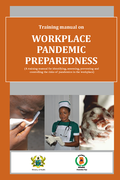
Workplace Pandemic Preparedness. Training Manual
recommended
Ministry of Health Ghana; NADMO Ghana
GiZ Deutsche Gesellschaft für Internationale Zusammenarbeit
(2013)
C1
A training manual for identifying, assessing, preventing and controlling the risks of pandemics in the workplace. This training manual has been developed for both medical and non-medical personnel
...
who may be called upon to lead emergency response, (eg epidemic outbreak, etc), ensure effective containment whiles work continues and essential goods and services continue to be supplied.
The manual provides insight into some of the local epidemics experienced in Ghana such as Cholera, Cerebrospinal meningitis (CSM) and Influenza(s), the causes, signs and symptoms and preventive measures with a view to increasing knowledge among management, staff and their families as well as immediate communities within which they work.
more
Recovery partnership preparation package: Building capacity to reactivate safe essential health services and sustain health service resilience.
In the aftermath of an emergency, the recovery partnership preparation package supports the establishmen
...
t and implementation of institutional health partnerships, or ‘twinning partnerships’. These partnerships focus on shared learning and improvement in the services that are being delivered. The Twinning Partnerships for Improvement (TPI) approach supports capacity-building, the re-establishment of safe essential health services and encourages joint long term efforts on service delivery strengthening
more
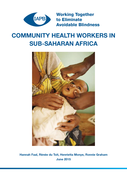
Community Health Workers in Sub Saharan Africa
recommended
A booklet on how CHWs were addressing eye health across Africa based on desk research and a survey in 23 countries
Section One
summarizes UNHCR’s mandate of international protecdtion and the aim and principles of emergency
response;
Section Two
deals with emergency management;
Section Three
covers the vi
...
tal sectors and problem areas in refugee emergencies, including health, food, sanitation
and water, as well as key field activities underpinning the operations such as logistics, community
services and registration. The chapters in this section start with a summary so that readers, who
might not need the full level of detail in each of these chapters, can understand the basic principles of
the subject quickly;
Section Four
gives guidance on the support to field operations, primarily administration and staffing;
The Appendices
include a “Toolbox” which gathers, in one location, the standards, indicators and useful references
used throughout the handbook;
more
The Blueprint is intended to guide programming, resource allocation, and commitments to achieve the national objective of a contraceptive prevalence rate (CPR) of 36 percent by 2018.
This is a detailed manual giving a step by step approach to undertaking the pharmacovigilance of antiretrovirals. It is intended to be a source of practical advice for Pharmacovigilance Centres and health professionals involved in HIV/AIDS preventio
...
n and treatment programmes. A number of WHO publications are available that provide a background to pharmacovigilance and, as far as possible, that material will not be repeated here. Health officials, planners, the staff of Pharmacovigilance Centres, public health teams and all health workers should become familiar with these publications, which are: • Safety of Medicines: A guide to detecting and reporting adverse drug reactions
more
Summary of current WHO recommendations and guidance on programmatic approaches

Final Draft narrative December 6, 2012 - This strategic plan, developed through the joint collaboration of all stakeholders in the different sectors is aimed at harnessing and bringing together all the stakeholders who have a role in the prevention,
...
detection and management of epidemic and infectious diseases in the country. The plan describes the common epidemic and infectious diseases, the measures that need to be undertaken to ensure their control, the key partners and their roles and sets out milestones to monitor progress.
more

Robust clinical research capacity in low- and middle-income countries is key to stemming the spread of epidemics, according to a new report from the International Vaccines Task Force (IVTF). The report lays out how to develop the political support,
...
financing and coordination required to build this capacity as a crucial component of global epidemic preparedness. The IVTF was convened by the World Bank Group (WBG) and the Coalition for Epidemic Preparedness Innovations (CEPI) in October 2017.
more

This report highlights key achievements registered by the Ministry of Health, affiliated institutions, implementing agencies both at central and decentralized levels in 2013-2014. Generally, the Health Sector accomplishments
...
and programs routine data for 2013-2014 confirm that Rwanda maintains its progress towards the realization of health-related MDGs and national health targets as well.
more

In recent years, Rwanda has been on the fast track to achieve major health improvements for its entire population. With the support of government agencies and various non-governmental partners, the Ministry of Health (MoH) has endeavored to decentra
...
lize Rwanda’s health system and bring health services closer to the people. Guided by multitude of national and international development frameworks, Rwanda’s healthcare successes include the establishment of a community health insurance scheme (mutuelle de santé), a system of cooperative-financed community health workers in every village, and interventions for researching, preventing, and treating diseases like HIV/AIDS, TB, and malaria.
As the MoH continues to design innovative means to reach and surpass its prescribed health outcome targets, it will hold as core principles the integration of service provision, the increase in healthcare capacity, and the attainment of sustainable funding sources. Rwanda is committed to achieving the Millennium Development Goals by 2015 and has declared Family Planning (FP) a national priority for poverty reduction and socioeconomic development of the country. Modern contraceptive use has more than quadrupled from 2005 to 2010, rising from 10% to 45%, but the government’s Economic Development and Poverty Reduction Strategy calls for an increase the modern contraceptive prevalence to 70% by 2016. While structural changes in health care and supply chains have led to noteworthy improvements in FP and other services, there are still many challenges that must be overcome. As such, a strategic plan is needed to coordinate FP efforts around a well-defined set of objectives and responsibilities.
more

In where under-five mortality is high and vitamin A deficiency is a public health problem, two high-dose supplements of vitamin A per year, spaced four to six months apart, can strengthen children’s immune systems
...
and improve their chances of survival.
During much of early childhood – from 6 months to 5years of age – two high doses of vitamin A every year can prevent blindness and hearing loss, boost children’s immunity against diseases like measles and diarrhoea and provide critical protection against death. Like all forms of malnutrition, vitamin A deficiency is a marker of inequality. In countries where diets are lacking in vitamin A and infections and deaths are prevalent, supplementation programmes give vulnerable children a better chance to survive, develop and thrive. more
During much of early childhood – from 6 months to 5years of age – two high doses of vitamin A every year can prevent blindness and hearing loss, boost children’s immunity against diseases like measles and diarrhoea and provide critical protection against death. Like all forms of malnutrition, vitamin A deficiency is a marker of inequality. In countries where diets are lacking in vitamin A and infections and deaths are prevalent, supplementation programmes give vulnerable children a better chance to survive, develop and thrive. more
Digital Comprehensive Summaries of Uppsala Dissertations from the Faculty of Medicine | The aim of this study was to explore the risk factors for stillbirth and neonatal death and change in perinata
...
l outcomes after the introduction of helping Babies Breathe Quality Improvement Cycle in Nepal.
more

The current SEARVAP (South-East Asia regional vaccine action plan) describes a set of regional goals and objectives for immunization and control of vaccine-preventable diseases for 2016 – 2020
...
and highlights priority actions, targets and indicators that address the specific needs and challenges of countries in the Region.
more

This toolkit for integrated vector management (IVM) is designed to help national and regional programme managers coordinate across sectors to design and run large IVM programmes.
The toolkit pr ... ovides the technical detail required to plan, implement, monitor and evaluate an IVM approach. IVM can be used when the aim is to control or eliminate vector-borne diseases and can also contribute to insecticide resistance management. This toolkit provides information on where vector-borne diseases are endemic and what interventions should be used, presenting case studies on IVM as well as relevant guidance documents for reference.
The diseases that are the focus of this toolkit are malaria, lymphatic filariasis, dengue, leishmaniasis, onchocerciasis, human African trypanosomiasis and schistosomiasis. It also includes information on other viral diseases (Rift Valley fever, West Nile fever, Chikungunya, yellow fever) and trachoma. If other vector-borne diseases appear in a country or area, vector control with an IVM approach should be adopted, as per national priorities. more
The toolkit pr ... ovides the technical detail required to plan, implement, monitor and evaluate an IVM approach. IVM can be used when the aim is to control or eliminate vector-borne diseases and can also contribute to insecticide resistance management. This toolkit provides information on where vector-borne diseases are endemic and what interventions should be used, presenting case studies on IVM as well as relevant guidance documents for reference.
The diseases that are the focus of this toolkit are malaria, lymphatic filariasis, dengue, leishmaniasis, onchocerciasis, human African trypanosomiasis and schistosomiasis. It also includes information on other viral diseases (Rift Valley fever, West Nile fever, Chikungunya, yellow fever) and trachoma. If other vector-borne diseases appear in a country or area, vector control with an IVM approach should be adopted, as per national priorities. more
The Capacity Project used the Learning for Performance (LFP) approach to develop the family planning (FP), HIV/AIDS and gender components included in the competency-based A1 nursing and midwifery pr
...
e-service curricula. LFP was also used to adapt the Rwanda national FP curriculum to an on-the-job training approach. This study documents the implementation of the and the lessons learned from its application in preservice education and in-service training in Rwanda.
more

The Republic of the Union of Myanmar is at a historic moment, with a new civilian government assuming power in 2016. The country graduated to lower-middle-income status in 2015, and has made significant progress in reducing poverty, improving food s
...
ecurity and addressing malnutrition.
The remaining challenges to food and nutrition security and achievement of Sustainable Development Goal 2 targets include continued population displacements resulting from conflict, vulnerability to extreme weather events, poverty, limited social protection coverage, high malnutrition and persistent gender inequalities. more
The remaining challenges to food and nutrition security and achievement of Sustainable Development Goal 2 targets include continued population displacements resulting from conflict, vulnerability to extreme weather events, poverty, limited social protection coverage, high malnutrition and persistent gender inequalities. more

This Manual is primarily intended for community level volunteers trained in Community Based Disaster Risk Management (CBDRM) and CBDRM Practitioners and Professionals.
The year of publication ... is not specified in the document. more
The year of publication ... is not specified in the document. more

The purpose of this ‘Facilitator Guidebook’ is to help the Course Coordinator deliver and document consistently high-quality CBDRR training courses.
- Module 1: Understanding the Basics: introduces the participants to the basics of CBDRR i ... mplementation of MRCS, general aspects of CBDRR in the context of Myanmar.
- Module 2: Implementing the Program: introduces the participants to the 9 CBDRR steps that are followed by MRCS when implementing community- and school-based programs and key points.
- Module 3: Ensuring Sustainability: introduces the participants to two aspects that are often forgotten when it comes to program implementation.
- Module 4: Being a Facilitator:introduces the participants to facilitation skills and some exercises are carried out that willhelp the participants to be a facilitator of the course themselves in the end. more
- Module 1: Understanding the Basics: introduces the participants to the basics of CBDRR i ... mplementation of MRCS, general aspects of CBDRR in the context of Myanmar.
- Module 2: Implementing the Program: introduces the participants to the 9 CBDRR steps that are followed by MRCS when implementing community- and school-based programs and key points.
- Module 3: Ensuring Sustainability: introduces the participants to two aspects that are often forgotten when it comes to program implementation.
- Module 4: Being a Facilitator:introduces the participants to facilitation skills and some exercises are carried out that willhelp the participants to be a facilitator of the course themselves in the end. more
Following the encouraging initial results of the pilot project, the Ministry of Health is committed to increasing access to MDR-TB diagnosis, treatment and care. An expansion plan for the programmatic management of drug-resistant TB has been develop
...
ed and forms part of the Five Year National Strategic Plan for TB Control, 2011-2015. The long-term goals of the MDR-TB expansion plan are threefold:
1. Diagnosis of MDR-TB in all groups of patients at risk for MDR-TB
2. Diagnosis of MDR-TB in all HIV-infected TB patients
3. MDR-TB treatment for all patients diagnosed with MDR-TB under WHO-endorsed treatment protocols more
1. Diagnosis of MDR-TB in all groups of patients at risk for MDR-TB
2. Diagnosis of MDR-TB in all HIV-infected TB patients
3. MDR-TB treatment for all patients diagnosed with MDR-TB under WHO-endorsed treatment protocols more
