Filter
8601
Filtered Results: 8601
Text search:
economy
Featured
Recommendations
547
New Publications
2170
Language
Document type
No document type
4699
Studies & Reports
1869
Guidelines
762
Strategic & Response Plan
373
Manuals
366
Fact sheets
232
Situation Updates
96
Training Material
95
Infographics
46
Resource Platforms
34
Brochures
19
Online Courses
4
Videos
4
Dashboards/Maps
1
App
1
Countries / Regions
Global
419
India
295
Kenya
252
Ethiopia
192
Nepal
174
Western and Central Europe
166
Latin America and the Carribbean
161
Myanmar / Burma
160
Liberia
153
Sierra Leone
152
Uganda
147
Nigeria
142
South Africa
141
Rwanda
132
Bangladesh
124
Syria
120
Zambia
119
Malawi
118
Africa
116
Tanzania
108
Ukraine
102
Ghana
89
Venezuela
88
Philippines
76
Brazil
73
Eastern Europe
72
Congo, Democratic Republic of
70
Mozambique
68
South Sudan
65
Cambodia
65
Indonesia
62
Zimbabwe
59
Namibia
58
Yemen
57
Lesotho
54
Asia
54
West and Central Africa
53
South–East Asia Region
53
Germany
52
East and Southern Africa
50
Colombia
46
Guinea
45
Russia
44
Senegal
43
Haiti
43
Middle East and North Africa
43
Burkina Faso
38
Cameroon
38
Botswana
32
Eastern Europe and Central Asia
31
Lebanon
30
Pakistan
28
Afghanistan
28
Paraguay
28
Peru
27
Sudan
26
Central African Republic
26
Benin
24
Jordan
20
Thailand
20
Argentina
20
Eswatini/ Swaziland
18
Vietnam
18
Somalia
17
Ecuador
16
Bolivia
16
Chile
16
Western Pacific Region
16
China
15
Angola
15
Moldova
15
Mali
14
Iraq
14
USA
12
Sri Lanka
12
Tajikistan
12
Palestine
11
Guinea-Bissau
10
Côte d’Ivoire / Ivory Coast
10
Madagascar
10
Albania
10
El Salvador
9
Libya
9
Laos
9
Spain
9
Niger
8
Egypt
8
Mexico
8
Kyrgyzstan
8
North America
8
Portugal
8
Turkey
7
Guatemala
7
Southern Africa
7
Georgia
7
Burundi
6
Honduras
6
Poland
6
Romania
6
Iran
6
Jamaica
6
Chad
5
Papua New Guinea
5
North Macedonia
5
Hungary
5
Bhutan
5
Turkmenistan
5
Gambia
4
Greece
4
Italy
4
Kazakhstan
4
Japan
4
Saudi Arabia
3
Malaysia
3
Serbia
3
Armenia
3
Canada
3
Timor Leste/ East Timor
3
Uzbekistan
3
Mauritius
3
Tunisia
3
United Kingdom
3
Belarus
3
Bosnia and Herzegovina
3
Togo
2
Singapore
2
Croatia
2
Nicaragua
2
Other region
2
Djibouti
2
Mongolia
2
Congo-Brazzaville
2
Qatar
2
Lithuania
2
France
2
Azerbaijan
2
Israel
2
Morocco
1
Mauritania
1
Ireland
1
Vanuatu
1
Dominican Republic
1
Solomon Islands
1
North Korea
1
Bulgaria
1
Estonia
1
Slovakia
1
Gabon
1
Uruguay
1
Denmark
1
Maldives
1
Norway
1
Algeria
1
Morocco
1
French Guyana
1
Latvia
1
Authors & Publishers
Publication Years
Category
Countries
3422
Public Health
462
Women & Child Health
378
Key Resources
373
Clinical Guidelines
358
Capacity Building
124
Pharmacy & Technologies
35
Annual Report MEDBOX
2
Toolboxes
COVID-19
811
Mental Health
683
HIV
524
Planetary Health
491
Disability
437
TB
337
Conflict
299
AMR
241
Global Health Education
225
Refugee
209
Caregiver
176
Ebola
175
Rapid Response
172
NCDs
167
NTDs
166
Health Financing Toolbox
158
Natural Hazards
125
Social Ethics
89
Pharmacy
87
Specific Hazards
45
Polio
38
Cholera
28
Zika
26
Typhoon
5
Health Financing
3
South Sudan
2
Mothers and healthcare workers who support them have many questions and concerns about whether it is safe for mothers with confirmed or suspected COVID-19 to be close to and breastfeed their babies during the pandemic.
To address their questions, WHO has released a list of Frequently asked question...
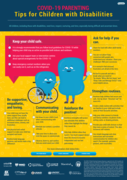
In April 2020, the UN launched a coordinated global humanitarian response plan (GHRP) to fight COVID-19 in some of the world’s most vulnerable countries and address the needs of the most vulnerable people. This tips sheet provides practical tips to strengthen disability inclusion within the new up...
У Плані екстреного реагування з подолання пандемії коронавірусної інфекції covid-19 представлені заходи, які будуть запроваджені гуманітарними організаціямÐ...
This note provides information and practical guidance to support gender-based violence (GBV) practitioners to integrate attention to disability into GBV prevention, risk mitigation and response efforts during the COVID-19 pandemic. This document complements other resources relating to GBV and COVID-...
Several countries have demonstrated that COVID-19 transmission from one person to another can be slowed or stopped. This document has been prepared based on the evidence currently available about Coronavirus disease 2019 (COVID-19) transmission (human-to-human transmission primarily via respiratory...
The spread of COVID-19 poses a challenge for emerging markets such as those in Africa and Latin America. While governments around the world are suffering from a shortage of ventilators, hospital beds, and personal protective equipment, availability of these items is already extremely limited in some...
This is a short technical brief with important steps and resources on how country programs can track and address rumors around COVID-19 (as needed). The guide includes a number of great resources and links while also sharing nuggets from global, collective thinking around rumors.
This document is developed using technical input from the Interim Guidance on Scaling-up COVID-19 Outbreak in Readiness and Response Operations in Camps and Camp-like Settings and Key Considerations for Selecting Health Infrastructure for the Response to COVID 19 in addition to other tec...
The COVID-19 pandemic is causing untold fear and suffering for older people across the world. As of 26 April, the virus itself has already taken the lives of some 193,710 people, and fatality rates for those over 80 years of age is five times the global average. As the virus spreads rapidly to devel...
The interim Emergency Response Preparedness (ERP) guidance is designed to be a short technical step-by-step guide aimed at non-Humanitarian Response Plan (HRP) countries to support the development, or strengthening, of preparedness measures to ensure that country teams are operationally ready to imp...
- Interim guide: May 2020 update.
On the 25th of March, the GPEI circulated the first update of the interim guide to help ensure continuity of the programme’s operations in the context of the COVID-19 pandemic, as well as its support to the pandemic response while also ensuring the safety of its ...

Over 1 million women in Burkina Faso caught between conflict and COVID-19
More than a million women and girls in Burkina Faso are facing increased sexual violence, hunger and water shortage as a result of the coronavirus pandemic on top of the existing conflict, said Oxfam today.
In its report “...
UN human rights experts today called on States to protect the rights of migrants and their families, regardless of their migration status, during and after the COVID-19 pandemic.
COVID-19 epidemic in Yemen
COVID-19 is thought to be widespread although the actual situation is unclear due to limited reporting and a fear, in Houthi-controlled areas, of seeking medical help. At least 50 people displaying COVID-like symptoms are dying each day. The probability of a high number...
The WHO COVID-19 Clinical management: living guidance contains the Organization’s most up-to-date recommendations for the clinical management of people with COVID-19. Providing guidance that is comprehensive and holistic for the optimal care of COVID-19 patients throughout their entire illness is ...