
Filter
4247
Text search:
core
set
Featured
370
1209
Language
4133
101
83
50
47
46
27
26
16
7
7
6
6
5
5
4
4
4
4
4
4
3
3
3
3
3
3
3
3
3
3
3
3
2
2
2
2
2
2
2
2
2
1
1
1
1
1
1
1
1
1
1
1
1
1
1
Document type
2398
686
494
293
213
81
32
25
10
8
3
2
1
Countries
200
151
115
104
93
90
89
89
87
83
77
71
68
65
61
61
57
55
52
48
45
40
38
37
34
31
29
28
26
25
25
24
23
23
20
20
20
19
19
17
17
16
15
14
14
14
13
13
12
12
11
11
11
10
10
10
9
8
8
8
7
7
7
7
7
7
6
5
5
4
4
4
4
4
4
4
4
3
3
3
3
3
3
3
3
3
2
2
2
2
2
2
2
2
2
2
2
2
2
2
2
2
2
2
2
2
2
2
1
1
1
1
1
1
1
1
1
1
1
1
1
1
1
1
1
1
1
1
1
1
1
1
1
1
1
1
1
1
1
Authors & Publishers
565
204
162
139
137
89
89
76
68
42
40
39
27
27
26
22
22
21
19
19
19
18
18
17
16
15
14
14
14
14
14
14
13
13
13
12
12
12
12
12
12
11
11
11
11
11
11
11
11
10
10
10
10
10
10
10
9
9
9
9
9
9
9
8
8
8
8
8
8
8
8
8
8
7
7
7
7
7
7
7
7
7
7
7
6
6
6
6
6
6
6
6
6
6
6
6
6
6
6
6
5
5
5
5
5
5
5
5
5
5
5
5
5
5
5
5
5
5
5
5
5
5
5
5
5
5
5
5
5
5
5
5
5
5
5
4
4
4
4
4
4
4
4
4
4
4
4
4
4
4
4
4
4
4
4
4
4
4
4
4
4
4
4
4
4
4
4
4
4
4
4
4
4
4
4
4
4
4
4
3
3
3
3
3
3
3
3
3
3
3
3
3
3
3
3
3
3
3
3
3
3
3
3
3
3
3
3
3
3
3
3
3
3
3
3
3
3
3
3
3
3
3
3
3
3
3
3
3
3
3
3
3
3
3
3
3
3
3
3
3
3
3
3
3
3
3
3
3
3
3
3
3
3
3
3
3
3
3
3
3
3
3
3
3
2
2
2
2
2
2
2
2
2
2
2
2
2
2
2
2
2
2
2
2
2
2
2
2
2
2
2
2
2
2
2
2
2
2
2
2
2
2
2
2
2
2
2
2
2
2
2
2
2
2
2
2
2
2
2
2
2
2
2
2
2
2
2
2
2
2
2
2
2
2
2
2
2
2
2
2
2
2
2
2
2
2
2
2
2
2
2
2
2
2
2
2
2
2
2
2
2
2
2
2
2
2
2
2
2
2
2
2
2
2
2
2
2
2
2
2
2
2
2
2
2
2
2
2
2
2
2
2
2
2
2
2
2
2
2
2
2
2
2
2
2
2
2
2
2
2
2
2
2
2
2
2
2
2
2
2
2
2
2
2
2
2
2
2
2
2
2
2
2
2
2
2
2
2
2
2
2
2
2
2
2
2
2
2
2
2
2
2
2
2
2
2
2
2
2
2
2
2
2
2
2
2
2
2
2
2
2
2
2
2
2
2
2
2
2
2
2
2
2
2
2
2
2
2
2
2
2
2
2
2
1
1
1
1
1
1
1
1
1
1
1
1
1
1
1
1
1
1
1
1
1
1
1
1
1
1
1
1
1
1
1
1
1
1
1
1
1
1
1
1
1
1
1
1
1
1
1
1
1
1
1
1
1
1
1
1
1
1
1
1
1
1
1
1
1
1
1
1
1
1
1
1
1
1
1
1
1
1
1
1
1
1
1
1
1
1
1
1
1
1
1
1
1
1
1
1
1
1
1
1
1
1
1
1
1
1
1
1
1
1
1
1
1
1
1
1
1
1
1
1
1
1
1
1
1
1
1
1
1
1
1
1
1
1
1
1
1
1
1
1
1
1
1
1
1
1
1
1
1
1
1
1
1
1
1
1
1
1
1
1
1
1
1
1
1
1
1
1
1
1
1
1
1
1
1
1
1
1
1
1
1
1
1
1
1
1
1
1
1
1
1
1
1
1
1
1
1
1
1
1
1
1
1
1
1
1
1
1
1
1
1
1
1
1
1
1
1
1
1
1
1
1
1
1
1
1
1
1
1
1
1
1
1
1
1
1
1
1
1
1
1
1
1
1
1
1
1
1
1
1
1
1
1
1
1
1
1
1
1
1
1
1
1
1
1
1
1
1
1
1
1
1
1
1
1
1
1
1
1
1
1
1
1
1
1
1
1
1
1
1
1
1
1
1
1
1
1
1
1
1
1
1
1
1
1
1
1
1
1
1
1
1
1
1
1
1
1
1
1
1
1
1
1
1
1
1
1
1
1
1
1
1
1
1
1
1
1
1
1
1
1
1
1
1
1
1
1
1
1
1
1
1
1
1
1
1
1
1
1
1
1
1
1
1
1
1
1
1
1
1
1
1
1
1
1
1
1
1
1
1
1
1
1
1
1
1
1
1
1
1
1
1
1
1
1
1
1
1
1
1
1
1
1
1
1
1
1
1
1
1
1
1
1
1
1
1
1
1
1
1
1
1
1
1
1
1
1
1
1
1
1
1
1
1
1
1
1
1
1
1
1
1
1
1
1
1
1
1
1
1
1
1
1
1
1
1
1
1
1
1
1
1
1
1
1
1
1
1
1
1
1
1
1
1
1
1
1
1
1
1
1
1
1
1
1
1
1
1
1
1
1
1
1
1
1
1
1
1
1
1
1
1
1
1
1
1
1
1
1
1
1
1
1
1
1
1
1
1
1
1
1
1
1
1
1
1
1
1
1
1
1
1
1
1
1
1
1
1
1
1
1
1
1
1
1
1
1
1
1
1
1
1
1
1
1
1
1
1
1
1
1
1
1
1
1
1
1
1
1
1
1
1
1
1
1
1
1
1
1
1
1
1
1
1
1
1
1
1
1
1
1
1
1
1
1
1
1
1
1
1
1
1
1
1
1
1
1
1
1
1
1
1
1
1
1
1
1
1
1
1
1
1
1
1
1
1
1
1
1
1
1
1
1
1
1
1
1
1
1
1
1
1
1
1
1
1
1
1
1
1
1
1
1
1
1
1
1
1
1
1
1
1
1
1
1
1
1
1
1
1
1
1
1
1
1
1
1
1
1
1
1
1
1
1
1
1
1
1
1
1
1
1
1
1
1
1
1
1
1
1
1
1
1
1
1
1
1
1
1
1
1
1
1
1
1
1
1
1
1
1
1
1
1
1
1
1
1
1
1
1
1
1
1
1
1
1
1
1
1
1
1
1
1
1
1
1
1
1
1
1
1
1
1
1
1
1
1
1
1
1
1
1
1
1
1
1
1
1
1
1
1
1
1
1
1
1
1
1
1
1
1
1
1
1
1
1
1
1
1
1
1
1
1
1
1
1
1
1
1
1
1
1
1
1
1
1
1
1
1
1
1
1
1
1
1
1
1
1
1
1
1
1
1
1
1
1
1
1
1
1
1
1
1
1
1
1
1
1
1
1
1
1
1
1
1
1
1
1
1
1
1
1
1
1
1
1
1
1
1
1
1
1
1
1
1
1
1
1
1
1
1
1
1
1
1
1
1
1
1
1
1
1
1
1
1
1
1
1
1
1
1
1
1
1
1
1
1
1
1
1
1
1
1
1
1
1
1
1
1
1
1
1
1
1
1
1
1
1
1
1
1
1
1
1
1
1
1
1
1
1
1
1
1
1
1
1
1
1
1
1
1
1
1
1
1
1
1
1
1
1
1
1
1
1
1
1
1
1
1
1
1
1
1
1
1
1
1
1
1
1
1
1
1
1
1
1
1
1
1
1
1
1
1
1
1
1
1
1
1
1
1
1
1
1
1
1
1
1
1
1
1
1
1
1
1
1
1
1
1
1
1
1
1
1
1
1
1
1
1
1
1
1
1
1
1
1
1
1
1
1
1
1
1
1
1
1
1
1
1
1
1
1
1
1
1
1
1
1
1
1
1
1
1
1
1
1
1
1
1
1
1
1
1
1
1
1
1
1
1
1
1
1
1
1
1
1
1
1
1
1
1
1
1
1
1
1
1
1
1
1
1
1
1
1
1
1
1
1
1
1
1
1
1
1
1
1
1
1
1
1
1
1
1
1
1
1
1
1
1
1
1
1
1
1
1
1
1
1
1
1
1
1
1
1
1
1
1
1
1
1
1
1
1
1
1
1
1
1
1
1
1
1
1
1
1
1
1
1
1
1
1
1
1
1
1
1
1
1
1
1
1
1
1
1
1
1
1
1
1
1
1
1
1
1
1
1
1
1
1
1
1
1
1
1
1
1
1
1
1
1
1
1
1
1
1
1
1
1
1
1
1
1
1
1
1
1
1
1
1
1
1
1
1
1
1
1
1
1
1
1
1
1
1
1
1
1
1
1
1
1
1
1
1
1
1
1
1
1
1
1
1
1
1
1
1
1
1
1
1
1
1
1
1
1
1
1
1
1
1
1
1
1
1
1
1
1
1
1
1
1
1
1
1
1
1
1
1
1
1
1
1
1
1
1
1
1
1
1
1
1
1
1
1
1
1
1
1
1
1
1
1
1
1
1
1
1
1
1
1
1
1
1
1
1
1
1
1
1
1
1
1
1
1
1
1
1
1
1
1
1
1
1
1
1
1
1
1
1
1
1
1
1
1
1
1
1
1
1
1
1
1
1
1
1
1
1
1
1
1
1
1
1
1
1
1
1
1
1
1
1
1
1
1
1
1
1
1
1
1
1
1
1
1
1
1
1
1
1
1
1
1
1
1
1
1
1
1
1
1
1
1
1
1
1
1
1
1
1
1
1
1
1
1
1
1
1
1
1
1
1
1
1
1
1
1
1
1
1
1
1
1
1
1
1
1
1
1
1
1
1
1
1
1
1
1
1
1
1
1
1
1
1
1
1
1
1
1
1
1
1
1
1
1
1
1
1
1
1
1
1
1
1
1
1
1
1
1
1
1
1
1
1
1
1
1
1
1
1
1
1
1
1
1
1
1
1
1
1
1
1
1
1
1
1
1
1
1
1
1
1
1
1
1
1
1
1
1
1
1
1
1
1
1
1
1
1
1
1
1
1
1
1
1
1
1
1
1
1
1
1
1
1
1
1
1
1
1
1
1
1
1
1
1
1
1
1
1
1
1
1
1
1
1
1
1
1
1
1
1
1
1
1
1
1
1
1
1
1
1
1
1
1
1
1
1
1
1
1
1
1
1
1
1
1
1
1
1
1
1
1
1
1
1
1
1
1
1
1
1
1
1
1
1
1
1
1
1
1
1
1
1
1
1
1
1
1
1
1
1
1
1
1
1
1
1
1
1
1
1
1
1
1
1
1
1
1
1
1
1
1
1
1
1
1
1
1
1
1
1
1
1
1
1
1
1
1
1
1
1
1
1
1
1
1
1
1
1
1
1
1
1
1
1
1
1
1
1
1
1
1
1
1
1
1
1
1
1
1
1
1
1
1
1
1
1
1
1
1
1
1
1
1
1
1
1
1
1
1
1
1
1
1
1
1
1
1
1
1
1
1
1
1
1
1
1
1
1
1
1
1
1
1
1
1
1
1
1
1
1
1
1
1
1
1
1
1
1
1
1
1
1
1
1
1
1
1
1
1
1
1
1
1
1
1
1
1
1
1
1
1
1
1
1
1
1
1
1
1
1
1
1
1
1
1
1
1
1
1
1
1
1
1
1
1
1
1
1
1
1
1
1
1
1
1
1
1
1
1
1
1
1
1
1
1
1
1
1
1
1
1
1
1
1
1
1
1
1
1
1
1
1
1
1
1
1
1
1
1
1
1
1
1
1
1
1
1
1
1
1
1
1
1
1
1
1
1
1
1
1
1
1
1
1
1
1
1
1
1
1
1
1
1
1
1
1
1
1
1
1
1
1
1
1
1
1
1
1
1
1
1
1
1
1
1
1
1
1
1
1
1
1
1
1
1
1
1
1
1
1
1
1
1
1
1
1
1
1
1
1
1
1
1
1
1
1
1
1
1
1
1
1
1
1
1
1
1
1
1
1
1
1
1
1
1
1
1
1
1
1
1
1
1
1
1
1
1
1
1
1
1
1
1
1
1
1
1
1
1
1
1
1
1
1
1
1
1
1
1
1
1
1
1
1
1
1
1
1
1
1
1
1
1
1
1
1
1
1
1
1
1
1
1
1
1
1
1
1
1
1
1
1
1
1
1
1
1
1
1
1
1
1
1
1
1
1
1
1
1
1
1
1
1
1
1
1
1
1
1
1
1
1
1
1
1
1
1
1
1
1
1
1
1
1
1
1
1
1
1
1
1
1
1
1
1
1
1
1
1
1
1
1
1
1
1
1
1
1
1
1
1
1
1
1
1
1
1
1
1
1
1
1
1
1
1
1
1
1
1
1
1
1
1
1
1
1
1
1
1
1
1
1
1
1
1
1
1
1
1
1
1
1
1
1
1
1
1
1
1
1
1
1
1
1
1
1
1
1
1
1
1
1
1
1
1
1
1
1
1
1
1
1
1
1
1
1
1
1
1
1
1
1
1
1
1
1
1
1
1
1
1
1
1
1
1
1
1
1
1
1
1
1
1
1
1
1
1
1
1
1
1
1
1
1
1
1
1
1
1
1
1
1
1
1
1
1
1
1
1
1
1
1
1
1
1
1
1
1
1
1
1
1
1
1
1
1
1
1
1
1
1
1
1
1
1
1
1
1
1
1
1
1
1
1
1
1
1
1
1
1
1
1
1
1
1
1
1
1
1
1
1
1
1
1
1
1
1
1
1
1
1
1
1
1
1
1
1
1
1
1
1
1
1
1
1
1
1
1
1
1
1
1
1
1
1
1
1
1
1
1
1
1
1
1
1
1
1
1
1
1
1
1
1
1
1
1
1
1
1
1
1
1
1
1
1
1
1
1
1
1
1
1
1
1
1
1
1
1
1
1
1
1
1
1
1
1
1
1
1
1
1
1
1
1
1
1
1
1
1
1
1
1
1
1
1
1
1
1
1
1
1
1
1
1
1
1
1
1
1
1
1
1
1
1
1
1
1
1
1
1
1
1
1
1
1
1
1
1
1
1
1
1
1
1
1
1
1
1
1
1
1
1
1
1
1
1
1
1
1
1
1
1
1
1
1
1
1
1
1
1
1
1
1
1
1
1
1
1
1
1
1
1
1
1
1
1
1
1
1
1
1
1
1
1
1
1
1
1
1
1
1
1
1
1
1
1
1
1
1
1
1
1
1
1
1
1
1
1
1
1
1
1
1
1
1
1
1
1
1
1
1
1
1
1
1
1
1
1
1
1
1
1
1
1
1
1
1
1
1
1
1
1
1
1
1
1
1
1
1
1
1
1
1
1
1
1
1
1
1
1
1
1
1
1
1
1
1
1
1
1
1
1
1
1
1
1
1
1
1
1
1
1
1
1
1
1
1
1
1
1
1
1
1
1
1
1
1
1
1
1
1
1
1
1
1
1
1
1
1
1
1
1
1
1
1
1
1
1
1
1
1
1
1
1
1
1
1
1
1
1
1
1
1
1
1
1
1
1
1
1
1
1
1
1
1
1
1
1
1
1
1
1
1
1
1
1
1
1
1
1
1
1
1
1
1
1
1
1
1
1
1
1
1
1
1
1
1
1
1
1
1
1
1
1
1
1
1
1
1
1
1
1
1
1
1
1
1
1
1
1
1
1
1
1
1
1
1
1
1
1
1
1
1
1
1
1
1
1
1
1
1
1
1
1
1
1
1
1
1
1
1
1
1
1
1
1
1
1
1
1
1
1
1
1
1
1
1
1
1
1
1
1
1
1
1
1
1
1
1
1
1
1
1
1
1
1
1
1
1
1
1
1
1
1
1
1
1
1
1
1
1
1
1
1
1
1
1
1
1
1
1
1
1
1
1
1
1
1
1
1
1
1
1
1
1
1
1
1
1
1
1
1
1
1
1
1
1
1
1
1
1
1
1
1
1
1
1
1
1
1
1
1
1
1
1
Publication Years
1
1150
2749
326
17
2
1
1
Category
1546
270
259
252
222
123
43
7
2
1
Toolboxes
320
296
274
208
177
155
154
146
140
132
100
91
91
72
65
62
57
53
36
29
25
15
13
4
1
The purpose of this guidance is to assist WHO Member States, and other stakeholders, in the establishment and development of programmes of integrated surveillance of antimicrobial resistance in foodborne bacteria (i.e., bacteria commonly transmitted by food). In this guidance, “integrated surveill
...
ance of antimicrobial resistance in foodborne bacteria” is defined as the collection, validation, analyses and reporting of relevant microbiological and epidemiological data on antimicrobial resistance in foodborne bacteria from humans, animals, and food, and on relevant antimicrobial use in humans and animals. Integrated surveillance of antimicrobial resistance in foodborne bacteria therefore includes data from relevant food chain sectors (animals, food and humans) and includes data on both antimicrobial resistance and antimicrobial use. Integrated surveillance of antimicrobial resistance for foodborne bacteria expands on traditional public health surveillance to include multiple elements of the food chain, and to include antimicrobial use data, to better understand the sources of infection and transmission routes.
more
The animal health subsector within the agriculture sector is the gatekeeper of antimicrobial resistance (AMR) in livestock, aquaculture, animal products, and the immediate animal environment. In support of member countries taking responsibility for and moving forward with putting AMR monitoring and
...
surveillance in place for the animal sector, the Food and Agriculture Organization of the United Nations Regional Office for Asia and the Pacific (FAO-RAP) developed a regional AMR surveillance framework, each pillar of which is complemented by a guideline to reinforce its progressive implementation. The first of this series, Volume 1: Monitoring and surveillance of antimicrobial resistance in bacteria from healthy food animals intended for consumption, is centered on healthy animals reaching consumers and on the protection of public health.
more

The era of effective antibiotics is coming to a close. In just a few generations, many “miracle medicines”have been beaten into ineffectiveness by the bacteria they were intended to eradicate. Bacteria quickly adapt to the presence of antibacterial agents in order
...
to survive. The misuse of antibiotics,which is an international problem, only exacerbates the steady evolution of resistance. In August 2010, the journal Lancet Infectious Diseases posed the question "Is this the end of antibiotics?" documentingthe rapid spread of multidrug-resistant bacteriaand predicting that 10 years remain in the useful life of many agents.
more
As a public good, antimicrobial medicines require rational use if their effectiveness is to be preserved. However, up to 50% of antibiotic use is inappropriate, adding considerable costs to patient care, and increasing morbidity and mortality. In addition, there is compelling evidence that antimicro
...
bial resistance is driven by the volume of antimicrobial agents used. High rates of antimicrobial resistance to common treatments are currently reported all over the world, both in health care settings and in the community. For over two decades, the Region of the Americas has been a pioneer in confronting antimicrobial resistance from a public health perspective. However, those efforts need to be stepped up if we are to have an impact on antimicrobial resistance and want to quantify said impact.
more
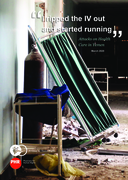
Indiscriminate attacks on health care have contributed to an epic humanitarian catastrophe in Yemen. A new report tracks these attacks in the hope of holding perpetrators on all sides accountable.
It details how both Houthi forces—with their use of wide-area impact weapons—and the Saudi-Emir
...
ati coalition—with their aerial attacks—have flagrantly disregarded the special status of health facilities and personnel in conflict zones.
more
According to the United Nations, Yemen has been the "Worst humanitarian crisis in the world," for the past two years. Despite the Hudaydah Agreement signed in December 2018, the fighting continued in many areas of the country, such as Hajjah in the north, Al Dhale' e in the south and Hudaydah along
...
the west coast. Within a year, another 400,000 Yemenis were forced to flee their homes, eventually adding up to one-eighth of the entire Yemeni population who had become displaced at least once, over the last five years.
In 2019, unprecedented heavy rain and flooding from May onwards caused catastrophic damage to homes and the families’ livelihoods, adding to their misery. Thousands of families who had already lost their home due to the fighting had yet again, their temporary shelters, beddings and essential kitchen supplies, destroyed.
more
Antimicrobial resistance (AMR) is a serious public health concern with economic, social and political implications that are global in scope, and cross all environmental and ethnic boundaries. As a global threat, AMR risks the achievements of modern medicine, and has the po
...
tential to impact overall global development. It is important, therefore, to elevate AMR beyond health as part of a larger development agenda in the context of the Sustainable Development Goals (SDGs). This report provides in-depth technical discussions in areas that have direct implications to the containment of AMR as a development agenda. The report is organized in five chapters which served as the technical background documents for the Biregional Technical Consultation on AMR in Asia, 14-15 April 2016. More information from the meeting is available in the WHO Meeting Report: Biregional Technical Consultation on Antimicrobial Resistance in Asia. The meeting was the first time senior officials from the Ministry of Health and Ministry of Agriculture across Asia came together to tackle AMR
more
The most significant finding of the case study for integrating antimicrobial resistance (AMR)into existing programs and mobilising resources for funding in Nigeria, is that most of the AMR activities within the Nigerian National Action Plan (NAP)canalready be incorporated within exi
...
sting programs of the Federal Ministry of Health (FMOH), Federal Ministry of Agriculture and Rural Development (FMARD) and their agencies or institutes. Certain programs and initiatives already have an AMR element incorporated or could,with little effort,include some additional AMR actions, however much is already being planned and has started with existing federal funding and existing staffing and other resources including development partner support and is being driven by significant political will from the ministries as well as implementation support from the Nigerian Centers for Disease Control as the focal point.
more
This working paper was conceived to offer practical tips and suggestions on how to establish and sustain the multisectoral coordination needed to develop and implement National Action Plans on AMR (NAPs). It is intended for anyone with responsibility for addressing AMR at country level. Drawing on b
...
oth the published literature and the operational experience of four ‘focal countries’ (Ethiopia, Kenya, Philippines and Thailand), it summarizes lessons learned and the latest thinking on multisectoral working to achieve effective AMR action. The experience in focal countries points to a number of tools and tactics that can be used to help establish and enhance sustainable multisectoral collaboration for AMR action. These can be grouped into four categories: political commitment, resources, governance mechanisms, and practical management.
more
This paper was developed to support AMR coordination committees and others tasked with addressing AMR at country level to do just that. Drawing on the published literature and the operational experience and expertise of different LMICs, the paper points to six key strategies for success and offers a
...
series of practical tips and suggestions on how to implement each one.
more
This interim guidance has been updated with advice on safe and appropriate home care for patients with coronavirus disease 2019 (COVID-19) and on the public health measures related to the management of their contacts.
This handbook follows a comprehensive approach to health system strengthening at borders in order to support IHR national focal points and other national agencies in developing and implementing evidence-based action plans for IHR capacity development at ground crossings. The approach includes the mo
...
vement of travellers and baggage, cargo, containers, conveyances, goods and postal parcels across ground crossings, as well as the interaction with adjacent border communities. Other factors can be considered, if needed, throughout the risk assessment.
more
The infectious disease burden in India is among the highest in the world. A large amount of antibiot-ics are consumed in fighting infections, some of them saving lives, but every use adding to antibiotic resistance in bacteria. Antibiotic use is increasing steadily (table 1), particularly
...
certain antibiotic classes (beta-lactam antibacterials), most notably in the more prosperous states. Resistance follows in lock-step.
more
South Africa has faced many challenges over the past two decades, accomplishing profound positive changes in the social structure and government of the nation. This has not yet fully translated into better health for the population, however, particularly the poorest segment. In fact, the p
...
opulation has lost ground since the 1990s in virtually all important health indicators, leaving South Africa with a high burden of infectious disease.
August 2011, Vol. 101, No. 8 SAMJ
more
This guidance document is based on research of social media activity related to antibiotic use at EU level, as well as on a survey of the social media activities of EAAD partner organisations, mostly EU umbrella organisations of patients and health professionals. The research showed that there is al
...
ready some social media activity on prudent antibiotic use and that a few potential influencers are emerging. Similarly, the survey of the EU-wide partners of EAAD showed that respondents are becoming active on social media platforms.
more
The objectives of NAP are aligned with the global action plan based on national needs and priorities. The emphasis is on One Health approach with all sectors especially human health, animal health and environment contributing towards minimizing the emergence and impact of AMR in Jordan.
ຢາຕ້ານເຊື້ອຈຸລະຊີບ (Antimicrobial medicines) ມີຄວາມສໍາຄັນຫຼາຍຕໍ່ວຽກງານການແພດ, ສາທາລະນະສຸກ, ສຸຂະພາບສັດ ແລະ ການຜະລິດອາຫານ. ເນà
...
º·່ອງຈາກວ່າ ຢາດັ່ງກ່າວນີ້ ແມ່ນໃຊ້ເພື່ອປ້ອງກັນ ແລະ ປິ່ນປົວພະຍາດຊືມເຊື້ອ ທີ່ມີ ຈໍາພວກເຊື້ອຈຸລິນຊີ (Bacteria) ເປັນຫນື່ງໃນສາເຫດທີ່ເຮັດໃຫ້ຄົນ ແລະ ສັດເສຍຊີວິດ ໃຫ້ຫຼຸດລົງໄດ້ ແລະ ມີບົດບາດຫຼາຍໃນວົງ ການແພດແຜນປະຈຸບັນ ເປັນຕົ້ນແມ່ນ ການຜ່າຕັດ ຊຶ່ງມີຄວາມສ່ຽງຕໍ່ການຕິດເຊື້ອໄດ້ງ່າຍຈຶ່ງຈໍາເປັນຕ້ອງໄດ້ເພິ່ງພາຢາຕ້ານເຊື້ອຈຸລະ ຊີບ ທີ່ມີປະສິດທິພາບເພື່ອປ້ອງກັນ ແລະ ປິ່ນປົວການຕິດເຊື້ອທີ່ອາດເກີດຂຶ້ນ. ນອກຈາກນີ້ແລ້ວ ມັນຍັງມີຄວາມຈໍາເປັນສໍາລັບ ປ້ອງກັນ ແລະ ປິ່ນປົວ ໃນວຽກງານສັດຕະວະແພດ ແລະ ການກະສິກໍາ ເປັນຕົ້ນ: ການລ້ຽງສັດ, ການປະມົງ, ການປູກຝັງ ແລະ ມີຄວາມສໍາຄັນຕໍ່ ສຸຂະພາບສັດ ພືດ ຕ່ອງໂສ້ການຜະລິດອາຫານ ແລະ ເສດຖະກິດຂອງຊາດອີກດ້ວຍ.
more
Antimicrobials have been a critical public health tool since the discovery of penicillin in 1928, saving the lives of millions of people around the world. Today, however, the emergence of drug resistance is reversing the miracles of the past eighty years, with drug choices for the treatment of many
...
infections becoming increasingly limited, expensive, and, in some cases, non-existent.
Conscious of the public health threats of AMR to both humans, animals and the environment, the ministries of health and sanitation, agriculture forestry and food security and the environmental protection agency put together a national multi-sectoral coordinating group tasked with the responsibility of establishing mechanisms to integrate all initiatives into a single concerted action and development of the national AMR strategic plan (2018-2022). The National Strategic Plan on Antimicrobial Resistance is the first approach which addresses AMR specifically.
more
The National Department of Health and Department of Agriculture, Forestry and Fisheries have collectively engaged to determine the key interventions that will form the basis for this strategy taking into account the recommendations from the WHO and OIE.
The development and implementation of a Natio
...
nal Antimicrobial Resistance Strategy Framework that complements international efforts is a major step towards containment of the growing threat of antimicrobial resistance in human and animal health. Global partnerships need to be strengthened because the responsibility for reducing resistance is a shared one. This responsibility is not only limited to the health care sector, but calls for collaborative action in all sectors - human, animal and agriculture.
The National Antimicrobial Resistance Strategy Framework will affect South Africa’s response to this looming threat. We already have the tools and expertise to make a difference, now all we need is to work together toward a better future.
more
The purpose of these guidelines is to give practical advice to doctors so that all services and models of care used by doctors and health workers are encouraged to consider the use of telemedicine as a part of normal practice. These guidelines will assist the medical practitioner in pursuing a sound
...
course of action to provide effective and safe medical care founded on current information, available resources, and patient needs to ensure patient and provider safety.
more
