
Filter
3824
Text search:
weight
Featured
387
1092
Language
3711
68
63
44
31
25
14
11
10
10
8
7
7
5
5
5
5
4
4
4
4
4
3
3
3
3
3
3
3
3
3
3
3
3
2
2
2
2
2
2
2
2
2
2
2
2
1
1
1
1
1
1
1
1
1
1
1
1
1
1
1
1
Document type
2421
482
467
176
91
65
54
25
18
13
9
1
1
1
Countries
311
140
135
102
95
94
78
74
71
66
66
64
59
51
49
47
45
44
40
33
32
32
30
28
28
28
24
24
23
20
20
20
18
17
17
15
14
14
13
13
13
12
11
11
9
9
9
8
8
7
7
7
7
7
6
5
5
5
5
5
5
5
4
4
4
4
4
4
3
3
3
3
3
3
3
3
3
3
3
2
2
2
2
2
2
2
2
2
2
2
2
2
2
2
2
2
1
1
1
1
1
1
1
1
1
1
1
1
1
1
1
1
1
1
1
1
1
1
1
1
1
1
1
1
1
1
1
1
1
1
1
Authors & Publishers
401
219
164
120
105
101
82
73
50
34
29
29
24
24
23
22
19
19
18
18
18
16
16
15
15
14
14
14
14
13
13
13
13
13
12
12
12
12
12
12
11
11
11
11
10
10
10
10
10
9
9
9
9
9
9
9
8
8
8
8
8
8
8
8
8
8
8
8
7
7
7
7
7
7
7
7
7
7
7
7
7
6
6
6
6
6
6
6
6
6
6
6
6
6
6
6
6
6
5
5
5
5
5
5
5
5
5
5
5
5
5
5
5
5
5
4
4
4
4
4
4
4
4
4
4
4
4
4
4
4
4
4
4
4
4
4
4
4
4
4
4
4
4
4
4
4
4
4
4
4
4
4
4
4
4
4
4
4
4
3
3
3
3
3
3
3
3
3
3
3
3
3
3
3
3
3
3
3
3
3
3
3
3
3
3
3
3
3
3
3
3
3
3
3
3
3
3
3
3
3
3
3
3
3
3
3
3
3
3
3
3
3
3
3
3
3
3
3
3
3
3
3
3
3
3
3
3
3
3
3
3
3
3
2
2
2
2
2
2
2
2
2
2
2
2
2
2
2
2
2
2
2
2
2
2
2
2
2
2
2
2
2
2
2
2
2
2
2
2
2
2
2
2
2
2
2
2
2
2
2
2
2
2
2
2
2
2
2
2
2
2
2
2
2
2
2
2
2
2
2
2
2
2
2
2
2
2
2
2
2
2
2
2
2
2
2
2
2
2
2
2
2
2
2
2
2
2
2
2
2
2
2
2
2
2
2
2
2
2
2
2
2
2
2
2
2
2
2
2
2
2
2
2
2
2
2
2
2
2
2
2
2
2
2
2
2
2
2
2
2
2
2
2
2
2
2
2
2
2
2
2
2
2
2
2
2
2
2
2
2
2
2
2
2
2
2
2
2
2
2
2
2
2
2
2
2
2
2
2
2
2
2
2
2
2
2
2
2
2
2
2
2
2
2
2
2
2
2
2
2
2
2
2
2
2
2
2
2
2
2
2
2
2
2
2
2
2
2
2
2
2
2
2
2
2
2
2
2
2
2
2
2
2
2
2
2
2
2
2
2
2
2
2
2
2
2
2
2
2
2
2
2
2
2
2
2
2
2
2
2
2
2
1
1
1
1
1
1
1
1
1
1
1
1
1
1
1
1
1
1
1
1
1
1
1
1
1
1
1
1
1
1
1
1
1
1
1
1
1
1
1
1
1
1
1
1
1
1
1
1
1
1
1
1
1
1
1
1
1
1
1
1
1
1
1
1
1
1
1
1
1
1
1
1
1
1
1
1
1
1
1
1
1
1
1
1
1
1
1
1
1
1
1
1
1
1
1
1
1
1
1
1
1
1
1
1
1
1
1
1
1
1
1
1
1
1
1
1
1
1
1
1
1
1
1
1
1
1
1
1
1
1
1
1
1
1
1
1
1
1
1
1
1
1
1
1
1
1
1
1
1
1
1
1
1
1
1
1
1
1
1
1
1
1
1
1
1
1
1
1
1
1
1
1
1
1
1
1
1
1
1
1
1
1
1
1
1
1
1
1
1
1
1
1
1
1
1
1
1
1
1
1
1
1
1
1
1
1
1
1
1
1
1
1
1
1
1
1
1
1
1
1
1
1
1
1
1
1
1
1
1
1
1
1
1
1
1
1
1
1
1
1
1
1
1
1
1
1
1
1
1
1
1
1
1
1
1
1
1
1
1
1
1
1
1
1
1
1
1
1
1
1
1
1
1
1
1
1
1
1
1
1
1
1
1
1
1
1
1
1
1
1
1
1
1
1
1
1
1
1
1
1
1
1
1
1
1
1
1
1
1
1
1
1
1
1
1
1
1
1
1
1
1
1
1
1
1
1
1
1
1
1
1
1
1
1
1
1
1
1
1
1
1
1
1
1
1
1
1
1
1
1
1
1
1
1
1
1
1
1
1
1
1
1
1
1
1
1
1
1
1
1
1
1
1
1
1
1
1
1
1
1
1
1
1
1
1
1
1
1
1
1
1
1
1
1
1
1
1
1
1
1
1
1
1
1
1
1
1
1
1
1
1
1
1
1
1
1
1
1
1
1
1
1
1
1
1
1
1
1
1
1
1
1
1
1
1
1
1
1
1
1
1
1
1
1
1
1
1
1
1
1
1
1
1
1
1
1
1
1
1
1
1
1
1
1
1
1
1
1
1
1
1
1
1
1
1
1
1
1
1
1
1
1
1
1
1
1
1
1
1
1
1
1
1
1
1
1
1
1
1
1
1
1
1
1
1
1
1
1
1
1
1
1
1
1
1
1
1
1
1
1
1
1
1
1
1
1
1
1
1
1
1
1
1
1
1
1
1
1
1
1
1
1
1
1
1
1
1
1
1
1
1
1
1
1
1
1
1
1
1
1
1
1
1
1
1
1
1
1
1
1
1
1
1
1
1
1
1
1
1
1
1
1
1
1
1
1
1
1
1
1
1
1
1
1
1
1
1
1
1
1
1
1
1
1
1
1
1
1
1
1
1
1
1
1
1
1
1
1
1
1
1
1
1
1
1
1
1
1
1
1
1
1
1
1
1
1
1
1
1
1
1
1
1
1
1
1
1
1
1
1
1
1
1
1
1
1
1
1
1
1
1
1
1
1
1
1
1
1
1
1
1
1
1
1
1
1
1
1
1
1
1
1
1
1
1
1
1
1
1
1
1
1
1
1
1
1
1
1
1
1
1
1
1
1
1
1
1
1
1
1
1
1
1
1
1
1
1
1
1
1
1
1
1
1
1
1
1
1
1
1
1
1
1
1
1
1
1
1
1
1
1
1
1
1
1
1
1
1
1
1
1
1
1
1
1
1
1
1
1
1
1
1
1
1
1
1
1
1
1
1
1
1
1
1
1
1
1
1
1
1
1
1
1
1
1
1
1
1
1
1
1
1
1
1
1
1
1
1
1
1
1
1
1
1
1
1
1
1
1
1
1
1
1
1
1
1
1
1
1
1
1
1
1
1
1
1
1
1
1
1
1
1
1
1
1
1
1
1
1
1
1
1
1
1
1
1
1
1
1
1
1
1
1
1
1
1
1
1
1
1
1
1
1
1
1
1
1
1
1
1
1
1
1
1
1
1
1
1
1
1
1
1
1
1
1
1
1
1
1
1
1
1
1
1
1
1
1
1
1
1
1
1
1
1
1
1
1
1
1
1
1
1
1
1
1
1
1
1
1
1
1
1
1
1
1
1
1
1
1
1
1
1
1
1
1
1
1
1
1
1
1
1
1
1
1
1
1
1
1
1
1
1
1
1
1
1
1
1
1
1
1
1
1
1
1
1
1
1
1
1
1
1
1
1
1
1
1
1
1
1
1
1
1
1
1
1
1
1
1
1
1
1
1
1
1
1
1
1
1
1
1
1
1
1
1
1
1
1
1
1
1
1
1
1
1
1
1
1
1
1
1
1
1
1
1
1
1
1
1
1
1
1
1
1
1
1
1
1
1
1
1
1
1
1
1
1
1
1
1
1
1
1
1
1
1
1
1
1
1
1
1
1
1
1
1
1
1
1
1
1
1
1
1
1
1
1
1
1
1
1
1
1
1
1
1
1
1
1
1
1
1
1
1
1
1
1
1
1
1
1
1
1
1
1
1
1
1
1
1
1
1
1
1
1
1
1
1
1
1
1
1
1
1
1
1
1
1
1
1
1
1
1
1
1
1
1
1
1
1
1
1
1
1
1
1
1
1
1
1
1
1
1
1
1
1
1
1
1
1
1
1
1
1
1
1
1
1
1
1
1
1
1
1
1
1
1
1
1
1
1
1
1
1
1
1
1
1
1
1
1
1
1
1
1
1
1
1
1
1
1
1
1
1
1
1
1
1
1
1
1
1
1
1
1
1
1
1
1
1
1
1
1
1
1
1
1
1
1
1
1
1
1
1
1
1
1
1
1
1
1
1
1
1
1
1
1
1
1
1
1
1
1
1
1
1
1
1
1
1
1
1
1
1
1
1
1
1
1
1
1
1
1
1
1
1
1
1
1
1
1
1
1
1
1
1
1
1
1
1
1
1
1
1
1
1
1
1
1
1
1
1
1
1
1
1
1
1
1
1
1
1
1
1
1
1
1
1
1
1
1
1
1
1
1
1
1
1
1
1
1
1
1
1
1
1
1
1
1
1
1
1
1
1
1
1
1
1
1
1
1
1
1
1
1
1
1
1
1
1
1
1
1
1
1
1
1
1
1
1
1
1
1
1
1
1
1
1
1
1
1
1
1
1
1
1
1
1
1
1
1
1
1
1
1
1
1
1
1
1
1
1
1
1
1
1
1
1
1
1
1
1
1
1
1
1
1
1
1
1
1
1
1
1
1
1
1
1
1
1
1
1
1
1
1
1
1
1
1
1
1
1
1
1
1
1
1
1
1
1
1
1
1
1
1
1
1
1
1
1
1
1
1
1
1
1
1
1
1
1
1
1
1
1
1
1
1
1
1
1
1
1
1
1
1
1
1
1
1
1
1
1
1
1
1
1
1
1
1
1
1
1
1
1
1
1
1
1
1
1
1
1
1
1
1
1
1
1
1
1
1
1
1
1
1
1
1
1
1
1
1
1
1
1
1
1
1
1
1
1
1
1
1
1
1
1
1
1
1
1
1
1
1
1
1
1
1
1
1
1
1
1
1
1
1
1
1
1
1
1
1
1
1
1
1
1
1
1
1
1
1
1
1
1
1
1
1
1
1
1
1
1
1
1
1
1
1
1
1
1
1
1
1
1
1
1
1
1
1
1
1
1
1
1
1
1
1
1
1
1
1
1
1
1
1
1
1
1
1
1
1
1
1
1
1
1
1
1
1
1
1
1
1
1
1
1
1
1
1
1
1
1
1
1
1
1
1
1
1
1
1
1
1
1
1
1
1
1
1
1
1
1
1
1
1
1
1
1
1
1
1
1
1
1
1
1
1
1
1
1
1
1
1
1
1
1
1
1
1
1
1
1
1
1
1
1
1
1
1
1
1
1
1
1
1
1
1
1
1
1
1
1
1
1
1
1
1
1
1
1
1
1
1
1
1
1
1
1
1
1
1
1
1
1
1
1
1
1
1
1
1
1
1
1
1
1
1
1
1
1
1
1
1
1
1
1
1
1
1
1
1
1
1
1
1
1
1
1
1
1
1
1
1
1
1
1
1
1
1
1
1
1
1
1
1
1
1
1
1
1
1
1
1
1
1
1
1
1
1
1
1
1
1
1
1
1
1
1
1
1
1
1
1
1
1
1
1
1
1
1
1
1
1
1
1
1
1
1
1
1
1
1
1
1
1
1
1
1
1
1
1
1
1
1
1
1
1
1
1
1
1
1
1
1
1
1
1
1
1
1
1
1
1
1
1
1
1
1
1
1
1
1
1
1
1
1
1
1
1
1
1
1
1
1
1
1
1
1
1
1
1
1
1
1
1
1
1
1
1
1
1
1
1
1
1
1
1
1
1
1
1
1
1
1
1
1
1
1
1
1
1
1
1
1
1
1
1
1
1
1
1
1
1
1
1
1
1
1
1
1
1
1
1
1
1
1
1
1
1
1
1
1
1
1
1
1
1
1
1
1
1
1
1
1
1
1
1
1
1
1
1
1
1
1
1
1
1
1
1
1
1
1
1
1
1
1
1
1
1
1
1
1
1
1
1
1
1
1
1
1
1
1
1
1
1
1
1
1
1
1
1
1
1
1
1
1
1
1
1
1
1
1
1
1
1
1
1
1
1
1
1
1
1
1
1
1
1
1
1
1
1
1
1
1
1
1
1
1
1
1
1
1
1
1
1
1
1
1
1
1
1
1
1
1
1
1
1
1
1
1
1
1
1
1
1
1
1
1
1
1
1
1
1
1
1
1
1
1
1
1
1
1
1
1
1
1
1
1
1
1
1
1
1
1
1
1
1
1
1
1
1
1
1
1
1
1
1
1
1
1
1
1
1
1
1
1
1
1
1
1
1
1
1
1
1
1
1
1
1
1
1
1
1
1
1
1
1
1
1
1
1
1
1
1
1
1
1
1
1
1
1
1
1
1
1
1
1
1
1
1
1
1
1
1
1
1
1
1
1
1
1
1
1
1
1
1
1
1
1
1
1
1
1
1
1
1
1
1
1
1
1
1
1
1
1
1
1
1
1
1
1
1
1
1
1
1
1
1
1
1
1
1
1
1
1
1
1
1
1
1
1
1
1
1
1
1
1
1
1
1
1
1
1
1
1
1
1
1
1
1
1
1
1
1
1
1
1
1
1
1
1
1
1
1
1
1
1
1
1
1
1
1
1
1
1
1
1
1
1
1
1
1
1
1
1
1
1
1
1
1
1
1
1
1
1
1
1
1
1
1
1
1
1
1
1
1
1
1
1
1
1
1
1
1
1
1
1
1
1
1
1
1
1
1
1
1
1
1
1
1
1
1
1
1
1
1
1
1
1
1
1
1
1
1
1
1
1
1
1
1
1
1
1
1
1
1
1
1
1
1
1
1
1
1
1
1
1
1
1
1
1
1
1
1
1
1
1
1
1
1
1
1
1
1
1
1
1
1
1
1
1
1
1
1
1
1
1
1
1
1
1
1
1
1
1
1
1
1
1
1
1
1
1
1
1
1
1
1
1
1
1
1
1
1
1
1
1
1
1
1
1
1
1
1
1
1
1
1
1
1
1
1
1
1
1
1
1
1
1
1
1
1
1
1
1
1
1
1
1
1
1
1
1
1
1
1
1
1
1
1
1
1
1
1
1
1
1
1
1
1
1
1
1
1
1
1
1
1
1
1
1
1
1
1
1
1
1
1
1
1
1
1
1
1
1
1
1
1
1
1
1
1
1
1
1
1
1
1
1
1
1
1
1
1
1
1
1
1
1
1
1
1
1
1
1
1
1
1
1
1
1
1
1
1
1
1
1
1
1
1
1
1
1
1
1
1
1
1
1
1
1
1
1
1
1
1
1
1
1
1
1
1
1
1
1
1
1
1
1
1
1
1
1
1
1
1
1
1
1
1
1
1
1
1
1
1
1
1
1
1
1
1
1
1
1
1
1
1
1
1
1
1
1
1
1
1
1
1
1
1
1
1
1
1
1
1
1
1
1
1
1
1
1
1
1
1
1
1
1
1
1
1
1
1
1
1
1
1
1
1
1
1
1
1
1
1
1
1
1
1
1
1
1
1
1
1
1
1
1
1
1
1
1
1
1
1
1
1
1
1
1
1
1
1
1
1
1
1
1
1
1
1
1
1
1
1
1
1
1
1
1
1
1
1
1
1
1
1
1
1
1
1
1
1
1
1
1
1
1
1
1
1
1
1
1
1
1
1
1
1
1
1
1
1
1
1
1
1
1
1
1
1
1
1
1
1
1
1
1
1
1
1
1
1
1
1
1
1
1
1
1
1
1
1
1
1
1
1
1
1
1
1
1
1
Publication Years
727
2564
502
29
2
Category
1585
402
321
236
125
112
42
4
1
Toolboxes
280
234
213
139
138
127
112
107
89
81
74
73
72
54
50
49
47
23
21
20
16
15
11
1
1
1
The target audience for this training course is non-clinicians such as Home Based Carers, Community Caregivers, Youth Care Workers, Peer educators, Community Health Workers etc. primarily those who will be providing adherence counselling to clients with HIV, TB, Hypertension and Diabetes. This group
...
of non-clinicians play a vital role in helping to reduce the workload of nursing staff. Amongst others, non- clinicians educate clients and provide emotional support in a manner that makes each client feel like they are receiving focused, individual attention. Non-clinicians are often in close contact with communities and, therefore, able to understand and play a role in alleviating health service barriers in the community.
Facility managers may also be part of the target audience in order to ensure that they understand the components of the minimum package of interventions to support linkage, adherence and retention in care.
Further, their attendance seeks to ensure that non-clinicians receive necessary assistance and support when they have to implement what they have learned back into their workplaces.
more
STANDARD OPERATING PROCEDURES
PARTICIPANT GUIDE
This Participant Guide has been designed to assist health facilities and community based non-clinicians to develop skills to provide linkage to care, adherence and retention in care services for chronic conditions
This report summarizes the latest scientific knowledge on the links between exposure to air pollution and adverse health effects in children. It is intended to inform and motivate individual and collective action by health care professionals to prevent damage to children’s health from exposure to
...
air pollution.
Air pollution is a major environmental health threat. Exposure to fine particles in both the ambient environment and in the household causes about seven million premature deaths each year. Ambient air pollution alone imposes enormous costs on the global economy, amounting to more than US$ 5 trillion in total welfare losses in 2013.
This public health crisis is receiving more attention, but one critical aspect is often overlooked: how air pollution affects children in uniquely damaging ways. Recent data released by the World Health Organization (WHO) show that air pollution has a vast and terrible impact on child health and survival. Globally, 93% of all children live in environments with air pollution levels above the WHO guidelines (see the full report, Air pollution and child health: prescribing clean air. More than one in every four deaths of children under 5 years of age is directly or indirectly related to environmental risks. Both ambient air pollution and household air pollution contribute to respiratory tract infections that resulted in 543 000 deaths in children under the age of 5 years in 2016.
more
The Ideal Clinic manual has been developed to assist managers at various levels of healthcare service provision to correctly interpret and understand the requirement for achieving the elements as depicted in the Ideal Clinic framework/dashboard. It can therefore be regarded as a reference document w
...
hich guides the managers to determine the status of Ideal Clinic framework/dashboard elements in a facility.
more
The Adult Standard Treatment Guidelines and Essential Medicines List for Hospital Level provide a platform for transparency to enable equitable access to safe, effective, and affordable treatment options at hospital level taking into consideration the changing clinical needs of our population and th
...
e pragmatic implications of the introducing a new health technology.
more
Guidelines for the Prevention and Contaiment of of Antimicrobial Resistance in South African Hospitals
recommended
These guidelines form part of efforts to institutionalize the prevention and containment of antimicrobial resistance (AMR) in healthcare facilities in South Africa, as outlined in the Antimicrobial Resistance Strategic Framework and Implementation Plan. The focus of these guidelines is on two interr
...
elated aspects of prevention of healthcare associated infections (HAIs) and their spread; and the application of antimicrobial stewardship (AMS) practices at hospital level. They aim to serve as a practical, step-by-step or ‘how-to’ guide, addressing the infection prevention and AMS components of a robust response in a hospital. They draw on
evidence from various international guidance documents and standards for interventions that have been shown to be successful in infection
prevention and AMS programmes. These interventions have been customised to the South African hospital setting based on local
experiences in the public and private health sectors. This was done through a series of workshops and requests for comment involving
country-level experts.
more
Communication to Healthcare Professionals Mar-2020
This guideline is intended to assist healthcare professionals in the participation of very important process of continuous surveillance of safety and efficacy of the health products which are used in their clinical practice. Continuous evaluation o
...
f medicines’ benefit and harm help to achieve the ultimate goal of safe and effective treatments available to patients.
The guideline is intended to assist healthcare professionals in the reporting of suspected adverse drug reactions (ADRs) associated with the use of all registered health products, including medicines, old medicines, medical devices and in-vitro diagnostics (IVDs).
more
This report is part of the gender and noncommunicable diseases (NCDs) initiative launched by the WHO Regional Office for Europe, which aims to strengthen the response to NCDs through a gender approach. It is part of a series of country profiles and a synthesis report. The country profile of Ukraine
...
presents a gender analysis of the WHO STEPwise survey (STEPS) data to support international commitments to reducing the burden of NCDs with evidence and knowledge exchange. A gender analysis of STEPS NCD risk-factor survey data describes how risk factors for chronic diseases differ between and among men and women by exploring and tracking the direction and magnitude of trends in risk factors and accessing services by sociodemographic variables. Important differences hide even in sex-disaggregated data that need to be unpacked through sociodemographic characteristics, because men and women are not homogenous groups. The report also recognizes gaps in evidence and calls for further analysis of the impact of gender-based inequalities.
more
The strategic framework gives guidance to public and private health facilities and health workers on compliance with standards relating to IPC practices. To further assist health facilities to implement the IPC strategic framework, this practical implementation manual has been developed in parallel
...
to accompany the document.
These implementation strategies should be read in conjunction with the National Infection Prevention and Control (IPC) Strategic Framework (2020) to support an IPC programme at health facility level towards reducing healthcare-associated infections (HAI) and antimicrobial resistance (AMR). This manual is aligned with the World Health Organization (WHO) Core Component IPC programme recommendations and highlights the essentials for developing and improving IPC at health facility level in a systematic, stepwise manner for South Africa. It supports the Framework for the Prevention and Containment of AMR in South African Hospitals (2018).
more
Reviewed Essential Medicines List July 2021

A summary of health effects, resources, and adaptation examples from health departments funded by CDC’s Climate and Health Program
A summary of what we know
A guide for hospital trusts' hotel services, procurement teams and caterers to provide more sustainable food.
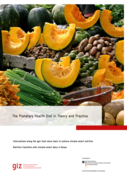
On the global scale, the impacts of the current food system on the environment are severe. The agro-industrial revolution has made it possible to increase food production at a price.
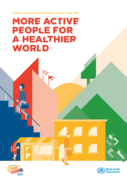
Regular physical activity is proven to help prevent and treat noncommunicable diseases (NCDs) such as heart disease, stroke, diabetes and breast and colon cancer. It also helps to prevent hypertension, overweight and obesity and can improve mental health, quality of life
and well-being.
In 2015, 5.9 million children under age five died (1). The major causes of child deaths globally are pneumonia, prematurity, intrapartum-related complications, neonatal sepsis, congenital anomalies, diarrhoea, injuries and malaria (2). Most of these diseases and conditions are at least partially cau
...
sed by the environment. It was estimated in 2012 that 26% of childhood deaths and 25% of the total disease burden in children under five could be prevented through the reduction of environmental risks such as air pollution, unsafe water, sanitation and inadequate hygiene or chemicals.
more
En 2015, murieron 5,9 millones de niños menores de cinco años (1). Las principales causas de muerte en los niños a nivel mundial son la neumonía, la prematuridad, las complicaciones durante el parto, la sepsis neonatal, las anomalías congénitas, las enfermedades diarreicas, las lesiones
...
y la malaria (2). La mayoría de estas enfermedades y condiciones son provocadas al menos en parte por el medio ambiente.
more
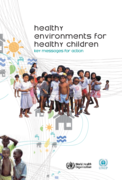
This booklet presents key messages for action, summarized from a set of
chapters on different environmental health issues.
En 2015, 5,9 millions d'enfants de moins de cinq ans sont décédés (1). Les principales causes de mortalité infantile dans le monde sont la pneumonie, la prématurité, les complications durant l'accouchement, la septicémie néonatale, les anomalies congénitales, la diarrhée, les tra
...
umatismes accidentels et le paludisme (2). La plupart de ces maladies et de ces problèmes sont, du moins en partie, causés par l'environnement. On a estimé en 2012 que 26 % des décès infantiles et 25 % de la charge totale de morbidité des enfants de moins de cinq ans pourraient être évités par la réduction des risques environnement aux tels que la pollution de l'air, l'insalubrité de l'eau, les mauvaises conditions d'hygiène et d'assainissement ou les produits chimiques.
more
