
Filter
4384
Text search:
mental
health
access
to
care
Featured
424
977
Language
4234
105
100
77
60
36
29
24
13
10
7
7
7
6
5
5
5
5
5
5
5
4
4
4
4
4
3
3
3
3
3
3
3
3
3
3
3
2
2
2
2
2
2
2
2
2
2
1
1
1
1
1
1
1
1
1
1
1
1
1
1
1
1
1
1
1
1
1
Document type
2525
755
466
242
163
72
71
51
17
9
9
2
1
Countries
181
179
124
119
105
83
83
79
78
76
74
72
69
62
61
60
55
52
49
48
48
42
42
36
35
32
30
29
28
28
26
24
23
21
20
20
19
18
18
18
15
15
15
15
15
15
15
14
14
14
13
13
13
12
11
11
11
11
11
10
10
10
10
9
8
8
8
7
7
7
7
7
6
5
5
5
5
5
5
4
4
4
4
4
4
4
4
3
3
3
3
3
3
3
3
3
3
3
2
2
2
2
2
2
2
2
2
2
2
2
2
2
2
2
1
1
1
1
1
1
1
1
1
1
1
1
1
1
1
1
1
1
1
1
1
1
1
Authors & Publishers
526
223
191
133
127
91
81
75
63
61
38
32
30
30
30
29
27
25
25
24
24
24
23
22
22
20
19
19
18
18
18
17
16
16
16
15
14
13
13
13
12
12
12
12
11
11
11
10
10
10
10
10
10
10
10
10
10
10
9
9
9
9
9
9
8
8
8
8
8
8
8
8
8
8
8
8
7
7
7
7
7
7
7
7
7
7
7
7
7
7
7
7
6
6
6
6
6
6
6
6
6
6
6
6
6
6
6
6
6
6
5
5
5
5
5
5
5
5
5
5
5
5
5
5
5
5
5
5
5
5
5
5
5
5
5
5
5
5
4
4
4
4
4
4
4
4
4
4
4
4
4
4
4
4
4
4
4
4
4
4
4
4
4
4
4
4
4
4
4
4
4
4
4
4
4
4
4
4
4
4
4
4
4
4
4
4
4
4
4
4
3
3
3
3
3
3
3
3
3
3
3
3
3
3
3
3
3
3
3
3
3
3
3
3
3
3
3
3
3
3
3
3
3
3
3
3
3
3
3
3
3
3
3
3
3
3
3
3
3
3
3
3
3
3
3
3
3
3
3
3
3
3
3
3
3
3
3
3
3
3
3
3
3
3
3
3
3
3
2
2
2
2
2
2
2
2
2
2
2
2
2
2
2
2
2
2
2
2
2
2
2
2
2
2
2
2
2
2
2
2
2
2
2
2
2
2
2
2
2
2
2
2
2
2
2
2
2
2
2
2
2
2
2
2
2
2
2
2
2
2
2
2
2
2
2
2
2
2
2
2
2
2
2
2
2
2
2
2
2
2
2
2
2
2
2
2
2
2
2
2
2
2
2
2
2
2
2
2
2
2
2
2
2
2
2
2
2
2
2
2
2
2
2
2
2
2
2
2
2
2
2
2
2
2
2
2
2
2
2
2
2
2
2
2
2
2
2
2
2
2
2
2
2
2
2
2
2
2
2
2
2
2
2
2
2
2
2
2
2
2
2
2
2
2
2
2
2
2
2
2
2
2
2
2
2
2
2
2
2
2
2
2
2
2
2
2
2
2
2
2
2
2
2
2
2
2
2
2
2
2
2
2
2
2
2
2
2
2
2
2
2
2
2
2
2
2
2
2
2
2
2
2
2
2
2
2
2
2
2
2
2
2
2
2
2
2
2
2
2
2
2
2
2
2
2
2
2
2
2
2
2
1
1
1
1
1
1
1
1
1
1
1
1
1
1
1
1
1
1
1
1
1
1
1
1
1
1
1
1
1
1
1
1
1
1
1
1
1
1
1
1
1
1
1
1
1
1
1
1
1
1
1
1
1
1
1
1
1
1
1
1
1
1
1
1
1
1
1
1
1
1
1
1
1
1
1
1
1
1
1
1
1
1
1
1
1
1
1
1
1
1
1
1
1
1
1
1
1
1
1
1
1
1
1
1
1
1
1
1
1
1
1
1
1
1
1
1
1
1
1
1
1
1
1
1
1
1
1
1
1
1
1
1
1
1
1
1
1
1
1
1
1
1
1
1
1
1
1
1
1
1
1
1
1
1
1
1
1
1
1
1
1
1
1
1
1
1
1
1
1
1
1
1
1
1
1
1
1
1
1
1
1
1
1
1
1
1
1
1
1
1
1
1
1
1
1
1
1
1
1
1
1
1
1
1
1
1
1
1
1
1
1
1
1
1
1
1
1
1
1
1
1
1
1
1
1
1
1
1
1
1
1
1
1
1
1
1
1
1
1
1
1
1
1
1
1
1
1
1
1
1
1
1
1
1
1
1
1
1
1
1
1
1
1
1
1
1
1
1
1
1
1
1
1
1
1
1
1
1
1
1
1
1
1
1
1
1
1
1
1
1
1
1
1
1
1
1
1
1
1
1
1
1
1
1
1
1
1
1
1
1
1
1
1
1
1
1
1
1
1
1
1
1
1
1
1
1
1
1
1
1
1
1
1
1
1
1
1
1
1
1
1
1
1
1
1
1
1
1
1
1
1
1
1
1
1
1
1
1
1
1
1
1
1
1
1
1
1
1
1
1
1
1
1
1
1
1
1
1
1
1
1
1
1
1
1
1
1
1
1
1
1
1
1
1
1
1
1
1
1
1
1
1
1
1
1
1
1
1
1
1
1
1
1
1
1
1
1
1
1
1
1
1
1
1
1
1
1
1
1
1
1
1
1
1
1
1
1
1
1
1
1
1
1
1
1
1
1
1
1
1
1
1
1
1
1
1
1
1
1
1
1
1
1
1
1
1
1
1
1
1
1
1
1
1
1
1
1
1
1
1
1
1
1
1
1
1
1
1
1
1
1
1
1
1
1
1
1
1
1
1
1
1
1
1
1
1
1
1
1
1
1
1
1
1
1
1
1
1
1
1
1
1
1
1
1
1
1
1
1
1
1
1
1
1
1
1
1
1
1
1
1
1
1
1
1
1
1
1
1
1
1
1
1
1
1
1
1
1
1
1
1
1
1
1
1
1
1
1
1
1
1
1
1
1
1
1
1
1
1
1
1
1
1
1
1
1
1
1
1
1
1
1
1
1
1
1
1
1
1
1
1
1
1
1
1
1
1
1
1
1
1
1
1
1
1
1
1
1
1
1
1
1
1
1
1
1
1
1
1
1
1
1
1
1
1
1
1
1
1
1
1
1
1
1
1
1
1
1
1
1
1
1
1
1
1
1
1
1
1
1
1
1
1
1
1
1
1
1
1
1
1
1
1
1
1
1
1
1
1
1
1
1
1
1
1
1
1
1
1
1
1
1
1
1
1
1
1
1
1
1
1
1
1
1
1
1
1
1
1
1
1
1
1
1
1
1
1
1
1
1
1
1
1
1
1
1
1
1
1
1
1
1
1
1
1
1
1
1
1
1
1
1
1
1
1
1
1
1
1
1
1
1
1
1
1
1
1
1
1
1
1
1
1
1
1
1
1
1
1
1
1
1
1
1
1
1
1
1
1
1
1
1
1
1
1
1
1
1
1
1
1
1
1
1
1
1
1
1
1
1
1
1
1
1
1
1
1
1
1
1
1
1
1
1
1
1
1
1
1
1
1
1
1
1
1
1
1
1
1
1
1
1
1
1
1
1
1
1
1
1
1
1
1
1
1
1
1
1
1
1
1
1
1
1
1
1
1
1
1
1
1
1
1
1
1
1
1
1
1
1
1
1
1
1
1
1
1
1
1
1
1
1
1
1
1
1
1
1
1
1
1
1
1
1
1
1
1
1
1
1
1
1
1
1
1
1
1
1
1
1
1
1
1
1
1
1
1
1
1
1
1
1
1
1
1
1
1
1
1
1
1
1
1
1
1
1
1
1
1
1
1
1
1
1
1
1
1
1
1
1
1
1
1
1
1
1
1
1
1
1
1
1
1
1
1
1
1
1
1
1
1
1
1
1
1
1
1
1
1
1
1
1
1
1
1
1
1
1
1
1
1
1
1
1
1
1
1
1
1
1
1
1
1
1
1
1
1
1
1
1
1
1
1
1
1
1
1
1
1
1
1
1
1
1
1
1
1
1
1
1
1
1
1
1
1
1
1
1
1
1
1
1
1
1
1
1
1
1
1
1
1
1
1
1
1
1
1
1
1
1
1
1
1
1
1
1
1
1
1
1
1
1
1
1
1
1
1
1
1
1
1
1
1
1
1
1
1
1
1
1
1
1
1
1
1
1
1
1
1
1
1
1
1
1
1
1
1
1
1
1
1
1
1
1
1
1
1
1
1
1
1
1
1
1
1
1
1
1
1
1
1
1
1
1
1
1
1
1
1
1
1
1
1
1
1
1
1
1
1
1
1
1
1
1
1
1
1
1
1
1
1
1
1
1
1
1
1
1
1
1
1
1
1
1
1
1
1
1
1
1
1
1
1
1
1
1
1
1
1
1
1
1
1
1
1
1
1
1
1
1
1
1
1
1
1
1
1
1
1
1
1
1
1
1
1
1
1
1
1
1
1
1
1
1
1
1
1
1
1
1
1
1
1
1
1
1
1
1
1
1
1
1
1
1
1
1
1
1
1
1
1
1
1
1
1
1
1
1
1
1
1
1
1
1
1
1
1
1
1
1
1
1
1
1
1
1
1
1
1
1
1
1
1
1
1
1
1
1
1
1
1
1
1
1
1
1
1
1
1
1
1
1
1
1
1
1
1
1
1
1
1
1
1
1
1
1
1
1
1
1
1
1
1
1
1
1
1
1
1
1
1
1
1
1
1
1
1
1
1
1
1
1
1
1
1
1
1
1
1
1
1
1
1
1
1
1
1
1
1
1
1
1
1
1
1
1
1
1
1
1
1
1
1
1
1
1
1
1
1
1
1
1
1
1
1
1
1
1
1
1
1
1
1
1
1
1
1
1
1
1
1
1
1
1
1
1
1
1
1
1
1
1
1
1
1
1
1
1
1
1
1
1
1
1
1
1
1
1
1
1
1
1
1
1
1
1
1
1
1
1
1
1
1
1
1
1
1
1
1
1
1
1
1
1
1
1
1
1
1
1
1
1
1
1
1
1
1
1
1
1
1
1
1
1
1
1
1
1
1
1
1
1
1
1
1
1
1
1
1
1
1
1
1
1
1
1
1
1
1
1
1
1
1
1
1
1
1
1
1
1
1
1
1
1
1
1
1
1
1
1
1
1
1
1
1
1
1
1
1
1
1
1
1
1
1
1
1
1
1
1
1
1
1
1
1
1
1
1
1
1
1
1
1
1
1
1
1
1
1
1
1
1
1
1
1
1
1
1
1
1
1
1
1
1
1
1
1
1
1
1
1
1
1
1
1
1
1
1
1
1
1
1
1
1
1
1
1
1
1
1
1
1
1
1
1
1
1
1
1
1
1
1
1
1
1
1
1
1
1
1
1
1
1
1
1
1
1
1
1
1
1
1
1
1
1
1
1
1
1
1
1
1
1
1
1
1
1
1
1
1
1
1
1
1
1
1
1
1
1
1
1
1
1
1
1
1
1
1
1
1
1
1
1
1
1
1
1
1
1
1
1
1
1
1
1
1
1
1
1
1
1
1
1
1
1
1
1
1
1
1
1
1
1
1
1
1
1
1
1
1
1
1
1
1
1
1
1
1
1
1
1
1
1
1
1
1
1
1
1
1
1
1
1
1
1
1
1
1
1
1
1
1
1
1
1
1
1
1
1
1
1
1
1
1
1
1
1
1
1
1
1
1
1
1
1
1
1
1
1
1
1
1
1
1
1
1
1
1
1
1
1
1
1
1
1
1
1
1
1
1
1
1
1
1
1
1
1
1
1
1
1
1
1
1
1
1
1
1
1
1
1
1
1
1
1
1
1
1
1
1
1
1
1
1
1
1
1
1
1
1
1
1
1
1
1
1
1
1
1
1
1
1
1
1
1
1
1
1
1
1
1
1
1
1
1
1
1
1
1
1
1
1
1
1
1
1
1
1
1
1
1
1
1
1
1
1
1
1
1
1
1
1
1
1
1
1
1
1
1
1
1
1
1
1
1
1
1
1
1
1
1
1
1
1
1
1
1
1
1
1
1
1
1
1
1
1
1
1
1
1
1
1
1
1
1
1
1
1
1
1
1
1
1
1
1
1
1
1
1
1
1
1
1
1
1
1
1
1
1
1
1
1
1
1
1
1
1
1
1
1
1
1
1
1
1
1
1
1
1
1
1
1
1
1
1
1
1
1
1
1
1
1
1
1
1
1
1
1
1
1
1
1
1
1
1
1
1
1
1
1
1
1
1
1
1
1
1
1
1
1
1
1
1
1
1
1
1
1
1
1
1
1
1
1
1
1
1
1
1
1
1
1
1
1
1
1
1
1
1
1
1
1
1
1
1
1
1
1
1
1
1
1
1
1
1
1
1
1
1
1
1
1
1
1
1
1
1
1
1
1
1
1
1
1
1
1
1
1
1
1
1
1
1
1
1
1
1
1
1
1
1
1
1
1
1
1
1
1
1
1
1
1
1
1
1
1
1
1
1
1
1
1
1
1
1
1
1
1
1
1
1
1
1
1
1
1
1
1
1
1
1
1
1
1
1
1
1
1
1
1
1
1
1
1
1
1
1
1
1
1
1
1
1
1
1
1
1
1
1
1
1
1
1
1
1
1
1
1
1
1
1
1
1
1
1
1
1
1
1
1
1
1
1
1
1
1
1
1
1
1
1
1
1
1
1
1
1
1
1
1
1
1
1
1
1
1
1
1
1
1
1
1
1
1
1
1
1
1
1
1
1
1
1
1
1
1
1
1
1
1
1
1
1
1
1
1
1
1
1
1
1
1
1
1
1
1
1
1
1
1
1
1
1
1
1
1
1
1
1
1
1
1
1
1
1
1
1
1
1
1
1
1
1
1
1
1
1
1
1
1
1
1
1
1
1
1
1
1
1
1
1
1
1
1
1
1
1
1
1
1
1
1
1
1
1
1
1
1
1
1
1
1
1
1
1
1
1
1
1
1
1
1
1
1
1
1
1
1
1
1
1
1
1
1
1
1
1
1
1
1
1
1
1
1
1
1
1
1
1
1
1
1
1
1
1
1
1
1
1
1
1
1
1
1
1
1
1
1
1
1
1
1
1
1
1
1
1
1
1
1
1
1
1
1
1
1
1
1
1
1
1
1
1
1
1
1
1
1
1
1
1
1
1
1
1
1
1
1
1
1
1
1
1
1
1
1
1
1
1
1
1
1
1
1
1
1
1
1
1
1
1
1
1
1
1
1
1
1
1
1
1
1
1
1
1
1
1
1
1
1
1
1
1
1
1
1
1
1
1
1
1
1
1
1
1
1
1
1
1
1
1
1
1
1
1
1
1
1
1
1
1
1
1
1
1
1
1
1
1
1
1
1
1
1
1
1
1
1
1
1
1
1
1
1
1
1
1
1
1
1
1
1
1
1
1
1
1
1
1
1
1
1
1
1
1
1
1
1
1
1
1
1
1
1
1
1
1
1
1
1
1
1
1
1
1
1
1
1
1
1
1
1
1
1
1
1
1
1
1
1
1
1
1
1
1
1
1
1
1
1
1
1
1
1
1
1
1
1
1
1
1
1
1
1
1
1
1
1
1
1
1
1
1
1
1
1
1
1
1
1
1
1
1
1
1
1
1
1
1
1
1
1
1
1
1
1
1
1
1
1
1
1
1
1
1
1
1
1
1
1
1
1
1
1
1
1
1
1
1
1
1
1
1
1
1
1
1
1
1
1
1
1
1
1
1
1
1
1
1
1
1
1
1
1
1
1
1
1
1
1
1
1
1
1
1
1
1
1
1
1
1
1
1
1
1
1
1
1
1
1
1
1
1
1
1
1
1
1
1
1
1
1
1
1
1
1
1
1
1
1
1
1
1
1
1
1
1
1
1
1
1
1
1
1
1
1
1
1
1
1
1
1
1
1
1
1
1
1
1
1
1
1
1
1
1
1
1
1
1
1
1
1
1
1
1
1
1
1
1
1
1
1
1
1
1
1
1
1
1
1
1
1
1
1
1
1
1
1
1
1
1
1
1
1
1
1
1
1
1
1
1
1
1
1
1
1
1
1
1
1
1
1
1
1
1
1
1
1
1
1
1
1
1
1
1
1
1
1
1
1
1
1
1
1
1
1
1
1
1
1
1
1
1
1
1
1
1
1
1
1
1
1
1
1
1
1
1
1
1
1
1
1
1
1
1
1
1
1
1
1
1
1
1
1
1
1
1
1
1
1
1
1
1
1
1
1
1
1
1
1
1
1
1
1
1
1
1
1
1
1
1
1
1
1
1
1
1
1
1
1
1
1
1
1
1
1
1
1
1
1
1
1
1
1
1
1
1
1
1
1
1
1
1
1
1
1
1
1
1
1
1
1
1
1
1
1
1
1
1
1
1
1
1
1
1
1
1
1
1
1
1
1
1
1
1
1
1
1
1
1
1
1
1
1
1
1
1
1
1
1
1
1
1
1
1
1
1
1
1
1
1
1
1
1
1
1
1
1
1
1
1
1
1
1
1
1
1
1
1
1
1
1
1
1
1
1
1
1
1
1
1
1
1
1
1
1
1
1
1
1
1
1
1
1
1
1
1
1
1
1
1
1
1
1
1
1
1
1
1
1
1
1
1
1
1
1
1
1
1
1
1
1
1
1
1
1
1
1
1
1
1
1
1
1
1
1
1
1
1
1
1
1
1
1
1
1
1
1
1
1
1
1
1
1
1
1
1
1
1
1
1
1
1
1
1
1
1
1
1
1
1
1
1
1
1
1
1
1
1
1
1
1
1
1
1
1
1
1
1
1
1
1
1
1
1
1
1
1
1
1
1
1
1
1
1
1
1
1
1
1
1
1
1
1
1
1
1
1
1
1
1
1
1
1
1
1
1
1
1
1
1
1
1
1
1
1
1
1
1
1
1
1
1
1
1
1
1
1
1
1
1
1
1
1
1
1
1
1
1
1
1
1
1
1
1
1
1
1
1
1
1
1
1
1
1
1
1
1
1
1
1
1
1
1
1
1
1
1
1
1
1
Publication Years
1310
2646
407
20
1
Category
1532
257
248
222
120
105
12
4
3
1
Toolboxes
752
440
332
315
200
143
139
124
111
89
76
65
63
57
46
37
25
23
18
13
10
8
5
3
1
Conflict
In early October, Ukrainian forces continued recapturing areas of southern and eastern oblasts, notably Lyman (Donetsk oblast). The liberation of thousands of square kilometres resulted in the grim discovery of two new mass graves in Lyman and Sviatohirsk (containing of 120 civilian bodi
...
es). Shelling and missile strikes continue to cause the majority of casualties with 1,043 civilian casualties registered by OHCHR in October. Five waves of missile attacks on urban centres were recorder in October alone, leading to widespread disruption of energy supply with millions of citizens being deprived from electricity and water at times during the month.
more

Background: Traumatic stress may arise from various incidents often leading to posttraumatic stress disorder (PTSD). The lifetime prevalence of PTSD is estimated at 1% – 2% in Western Europe, 6% – 9% in North America and at just over 10% in coun
...
tries exposed to long-term
violence. In South Africa, the lifetime prevalence for PTSD in the general population is estimated at 2.3%.
Aim: To examine the prevalence of posttraumatic stress symptomatology and related psychological functioning in a community sample of adolescents.
Setting: Low-socioeconomic communities in KwaZulu-Natal.
more
Catalysing the HIV response for adolescents
Unicef; UNAIDS
(2018)
In eastern and southern Africa
#EndAdolescentAIDS
July 2018
- A global call to action
- Case studies
- Blogs
- Next steps
April 2020
This Guidance Note offers a list of recommendations based on a combination of WHO guidelines, good practice and expert advice based on the latest scientific research. The situation with COVID-19 is evolving rapidly and the guidance will continue
...
to be updated if and when new evidence or information becomes available.
more

This report makes clear that there is a path to end AIDS. Taking that path will help ensure preparedness to address other pandemic challenges, and advance progress across the Sustainable Development
...
Goals. The data and real-world examples in the report make it very clear what that path is. It is not a mystery. It is a choice. Some leaders are already following the path—and succeeding. It is inspiring to note that Botswana, Eswatini, Rwanda, the United Republic of Tanzania and Zimbabwe have already achieved the 95–95–95 targets, and at least 16 other countries (including eight in sub-Saharan Africa) are close to doing so.
more
It is our hope and prayer that the guidance and multiple tools provided herein to manage
the entire lifecycle of a food security program are useful to our food security staff, our
local partners,
...
and our fellow international Cooperating Sponsors throughout the world.
more

Looking forward, the 2019-2020 Regional Refugee Response Plan (RRRP) for the DRC situation aims at addressing the needs of new arrivals of Congolese refugees in the region, and those in protracted situations. By supporting livelihoods opportunities and through a resilience-based approach, refugees w
...
ill be able to contribute to the development of their host countries, and of their country of origin upon their return. Given the limited capacity of host communities to support the impact of massive numbers of refugees, the response strategy will also address the needs of local populations, strengthening peaceful co-existence and building social cohesion.
more
Briefing note | 16 March 2020
Do no harm, equality, transparency, humanity: values should guide the criminal justice sector’s response to coronavirus
At the time of publishing there were more than 164,000* confirmed cases of COVID- 19, the nov
...
el form of Coronavirus, affecting 110 countries with more than 6,470 deaths. In this briefing we assess the current situation of COVID-19 outbreaks and prevention measures in prisons** and wider impacts of responses to governments on people in criminal justice systems. This briefing note argues for action to be taken now and immediately, given the risk people in prison are exposed to, including prison staff.
more
The COVID-19 pandemic has exacerbated and added yet another layer of vulnerability to an already dire web of vulnerabilities of girls in the African continent, which constitute about 49% of the total child population. Critically, gender equality and
...
girls’ multidimensional vulnerability have been accentuated to an unprecedented level. The pandemic has triggered major concerns about the potential reversal of the strides achieved over the years towards gender equality and human development in Africa.
more
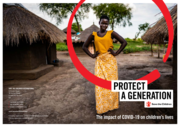
An estimated 99% of children worldwide – or more than 2.3 billion children – live in one of the 186 countries that have implemented some form of restrictions due to COVID-191. Although children are not at a high risk of direct harm from the vir
...
us, they are disproportionately affected by its hidden impacts.
more
The Camp Managment Toolkit
recommended
Applicable to both IDP and refugee scenarios, the Toolkit incorporates a wide range of relevant information on managing displaced populations living in communal settings (collective centres, spontaneous sites, established camps, etc.). Large scale d
...
isplacements caused by recent conflict and natural disaster events have created a high demand for the Toolkit, which has proven an invaluable resource for field practitioners, government actors and displaced populations since its original release in 2004.
Available in other languages
more
COVID-19 infection affects all age groups including newborns, however, literature is scarce on the fetal and neonatal outcomes of babies exposed in-utero, especially in Africa. The objectiveof this study was to document the peri
...
natal outcomes of COVID-19 pregnancies and deliveries that occurredduring the pandemic in Nigeria.
more
Despite the stated centrality of protection in humanitarian action and a growing attention to protection activities, the evaluation of protection has received relatively little attention. This pilot guide seeks
...
to fill this gap, providing insights and guidance to those evaluating protection in the context of humanitarian action
more
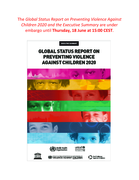
The Global Status Report on Preventing Violence Against Children 2020 - Executive Summary
recommended
The report – Global Status Report on Preventing Violence Against Children 2020 – is the first of its kind, charting progress in 155 countries against the “INSPIRE” framework, a set of seven strategies for preventing and responding to violenc
...
e against children. The report signals a clear need in all countries to scale up efforts to implement them. While nearly all countries (88%) have key laws in place to protect children against violence, less than half of countries (47%) said these were being strongly enforced.
The report includes the first ever global homicide estimates specifically for children under 18 years of age – previous estimates were based on data that included 18 to 19-year olds. It finds that, in 2017, around 40,000 children were victims of homicide.
more
Over nine years of protracted and violent conflict in Syria has decimated its health system,killed an estimated 586,000 people and forcibly displaced more than half the 22 million pre-war population from their homes. As of June 2020, a total of 6.2
...
million Syrians (of whom 40% are children) are internally displaced (IDPs) and 5.5 million are refugees. Over half of Syria’s population (11.7 million) are in-need of humanitarian aid across the whole of Syria
more
23 Dec 2020. The aim of this document is to provide an update on the knowledge surrounding the role of children in the transmission of SARS-CoV-2 and the role of schools in the COVID-19 pandemic, based on the experience in the EU from August–Decem
...
ber, 2020. This document also addresses transmission to and from staff in school settings, school-related mitigation measures including risk communication, testing, contact tracing and the efficacy of partial and full school closures. This document draws upon and updates evidence presented in the previous report from ECDC on this topic, which was published on August 6, 2020
more
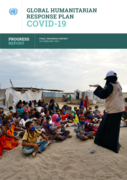
2020 was a year like no other. Amidst on-going humanitarian crises, largely fuelled by conflict and violence but also driven by the effects of climate change – such as the largest locust infestation in a generation – the world had to contend wit
...
h a global pandemic. In less than one year (March-December 2020), more than 82 million COVID-19 cases and 1.8 million deaths were recorded. In that timeframe, out of the global COVID-19 totals, 30 per cent of COVID-19 cases and 39 per cent deaths were recorded in GHRP countries.
more
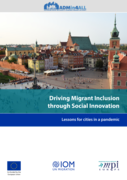
The rapid arrival of millions of asylum seekers and migrants in Europe in 2015–16 forced cities both large and small to rethink their approach to immigrant inclusion.
Addendum: 2020 mid-year COVID-19 revision,summary of the reprioritisation & additional requirements in response to COVID-19
In June and July 2020, a mid-year revision of the 2020 Burundi Regional Refugee Response Plan (RRRP) was undertaken as an i
...
nter-agency consultative process to discuss and document the reprioritization of activities and corresponding budgets for the rest of the year, taking into account the impacts of COVID-19 and other developments.
more
The EiE Competency Framework builds on the INEE Minimum Standards to articulate a set of required, valued and recognized competencies for the humanitarian and education in the emergencies sectors. It broadly describes expected standards of performan
...
ce across a number of competencies that can be applied to different roles within an organization or sector. The framework provides a common lexicon for core humanitarian and technical competencies and defines expected knowledge, skills and attributes for each.
The framework is intended to inform staff recruitment, learning and professional development, performance management, planning, and organizational design. It is a sector-wide guidance to advance the accountability, effectiveness, and predictability of educational preparedness, response and recovery for affected populations.
The framework is primarily intended for use by EiE practitioners in humanitarian contexts. However, it is also relevant at the global level or in development settings in support of planning and emergency preparedness. It is best used in conjunction with the Core Humanitarian Competency Framework (CHCF) and where applicable, the Child Protection in Humanitarian Action (CPHA) Competency Framework. It is transferable across people, countries, and cultures and can be a valuable tool for entry-, mid-, and senior level professional development.
Available in English, Arabic, French, Portuguese and Spanish
more
