Filter
2406
Text search:
stock
management
Featured
230
876
Language
2236
150
20
15
14
10
9
7
7
5
4
2
1
1
1
1
1
1
1
Document type
1477
335
288
107
104
30
29
27
3
2
2
1
1
Countries
128
103
96
74
71
70
69
65
63
58
52
50
49
48
48
42
42
35
32
30
29
28
26
25
25
24
23
21
20
20
20
19
16
16
15
15
13
13
12
12
12
12
11
11
10
10
9
9
8
6
6
6
6
6
5
5
4
4
4
4
4
4
4
4
4
4
4
4
3
3
3
3
3
3
3
3
2
2
2
2
2
2
2
2
2
2
2
2
2
2
2
1
1
1
1
1
1
1
1
1
1
1
1
1
1
1
1
1
1
1
1
1
1
1
1
1
Authors & Publishers
229
109
77
60
55
46
46
45
44
19
18
17
16
14
14
14
13
13
13
13
12
12
12
11
11
11
10
10
10
9
9
9
9
9
8
8
8
8
8
8
8
7
7
7
7
7
7
7
7
7
7
6
6
6
6
6
6
6
6
6
6
6
6
6
6
5
5
5
5
5
5
5
5
5
5
5
5
5
5
5
5
5
5
5
5
5
4
4
4
4
4
4
4
4
4
4
4
4
4
4
4
4
4
4
4
4
4
4
4
4
4
3
3
3
3
3
3
3
3
3
3
3
3
3
3
3
3
3
3
3
3
3
3
3
3
3
3
3
3
3
3
3
3
3
3
3
3
3
3
3
3
3
3
3
3
3
3
3
3
3
3
3
3
3
3
3
3
3
3
3
3
3
3
3
3
3
3
2
2
2
2
2
2
2
2
2
2
2
2
2
2
2
2
2
2
2
2
2
2
2
2
2
2
2
2
2
2
2
2
2
2
2
2
2
2
2
2
2
2
2
2
2
2
2
2
2
2
2
2
2
2
2
2
2
2
2
2
2
2
2
2
2
2
2
2
2
2
2
2
2
2
2
2
2
2
2
2
2
2
2
2
2
2
2
2
2
2
2
2
2
2
2
2
2
2
2
2
2
2
2
2
2
2
2
2
2
2
2
2
2
2
2
2
2
2
2
2
2
2
2
2
2
2
2
2
2
2
2
2
2
2
2
2
2
2
2
2
2
2
2
2
2
2
2
2
2
2
2
2
2
2
1
1
1
1
1
1
1
1
1
1
1
1
1
1
1
1
1
1
1
1
1
1
1
1
1
1
1
1
1
1
1
1
1
1
1
1
1
1
1
1
1
1
1
1
1
1
1
1
1
1
1
1
1
1
1
1
1
1
1
1
1
1
1
1
1
1
1
1
1
1
1
1
1
1
1
1
1
1
1
1
1
1
1
1
1
1
1
1
1
1
1
1
1
1
1
1
1
1
1
1
1
1
1
1
1
1
1
1
1
1
1
1
1
1
1
1
1
1
1
1
1
1
1
1
1
1
1
1
1
1
1
1
1
1
1
1
1
1
1
1
1
1
1
1
1
1
1
1
1
1
1
1
1
1
1
1
1
1
1
1
1
1
1
1
1
1
1
1
1
1
1
1
1
1
1
1
1
1
1
1
1
1
1
1
1
1
1
1
1
1
1
1
1
1
1
1
1
1
1
1
1
1
1
1
1
1
1
1
1
1
1
1
1
1
1
1
1
1
1
1
1
1
1
1
1
1
1
1
1
1
1
1
1
1
1
1
1
1
1
1
1
1
1
1
1
1
1
1
1
1
1
1
1
1
1
1
1
1
1
1
1
1
1
1
1
1
1
1
1
1
1
1
1
1
1
1
1
1
1
1
1
1
1
1
1
1
1
1
1
1
1
1
1
1
1
1
1
1
1
1
1
1
1
1
1
1
1
1
1
1
1
1
1
1
1
1
1
1
1
1
1
1
1
1
1
1
1
1
1
1
1
1
1
1
1
1
1
1
1
1
1
1
1
1
1
1
1
1
1
1
1
1
1
1
1
1
1
1
1
1
1
1
1
1
1
1
1
1
1
1
1
1
1
1
1
1
1
1
1
1
1
1
1
1
1
1
1
1
1
1
1
1
1
1
1
1
1
1
1
1
1
1
1
1
1
1
1
1
1
1
1
1
1
1
1
1
1
1
1
1
1
1
1
1
1
1
1
1
1
1
1
1
1
1
1
1
1
1
1
1
1
1
1
1
1
1
1
1
1
1
1
1
1
1
1
1
1
1
1
1
1
1
1
1
1
1
1
1
1
1
1
1
1
1
1
1
1
1
1
1
1
1
1
1
1
1
1
1
1
1
1
1
1
1
1
1
1
1
1
1
1
1
1
1
1
1
1
1
1
1
1
1
1
1
1
1
1
1
1
1
1
1
1
1
1
1
1
1
1
1
1
1
1
1
1
1
1
1
1
1
1
1
1
1
1
1
1
1
1
1
1
1
1
1
1
1
1
1
1
1
1
1
1
1
1
1
1
1
1
1
1
1
1
1
1
1
1
1
1
1
1
1
1
1
1
1
1
1
1
1
1
1
1
1
1
1
1
1
1
1
1
1
1
1
1
1
1
1
1
1
1
1
1
1
1
1
1
1
1
1
1
1
1
1
1
1
1
1
1
1
1
1
1
1
1
1
1
1
1
1
1
1
1
1
1
1
1
1
1
1
1
1
1
1
1
1
1
1
1
1
1
1
1
1
1
1
1
1
1
1
1
1
1
1
1
1
1
1
1
1
1
1
1
1
1
1
1
1
1
1
1
1
1
1
1
1
1
1
1
1
1
1
1
1
1
1
1
1
1
1
1
1
1
1
1
1
1
1
1
1
1
1
1
1
1
1
1
1
1
1
1
1
1
1
1
1
1
1
1
1
1
1
1
1
1
1
1
1
1
1
1
1
1
1
1
1
1
1
1
1
1
1
1
1
1
1
1
1
1
1
1
1
1
1
1
1
1
1
1
1
1
1
1
1
1
1
1
1
1
1
1
1
1
1
1
1
1
1
1
1
1
1
1
1
1
1
1
1
1
1
1
1
1
1
1
1
1
1
1
1
1
1
1
1
1
1
1
1
1
1
1
1
1
1
1
1
1
1
1
1
1
1
1
1
1
1
1
1
1
1
1
1
1
1
1
1
1
1
1
1
1
1
1
1
1
1
1
1
1
1
1
1
1
1
1
1
1
1
1
1
1
1
1
1
1
1
1
1
1
1
1
1
1
1
1
1
1
1
1
1
1
1
1
1
1
1
1
1
1
1
1
1
1
1
1
1
1
1
1
1
1
1
1
1
1
1
1
1
1
1
1
1
1
1
1
1
1
1
1
1
1
1
1
1
1
1
1
1
1
1
1
1
1
1
1
1
1
1
1
1
1
1
1
1
1
1
1
1
1
1
1
1
1
1
1
1
1
1
1
1
1
1
1
1
1
1
1
1
1
1
1
1
1
1
1
1
1
1
1
1
1
1
1
1
1
1
1
1
1
1
1
1
1
1
1
1
1
1
1
1
1
1
1
1
1
1
1
1
1
1
1
1
1
1
1
1
1
1
1
1
1
1
1
1
1
1
1
1
1
1
1
1
1
1
1
1
1
1
1
1
1
1
1
1
1
1
1
1
1
1
1
1
1
1
1
1
1
1
1
1
1
1
1
1
1
1
1
1
1
1
1
1
1
1
1
1
1
1
1
1
1
1
1
1
1
1
1
1
1
1
1
1
1
1
1
1
1
1
1
1
1
1
1
1
1
1
1
1
1
1
1
1
1
1
1
1
1
1
1
1
1
1
1
1
1
1
1
1
1
1
1
1
1
1
1
1
1
1
1
1
1
1
1
1
1
1
1
1
1
1
1
1
1
1
1
1
1
1
1
1
1
1
1
1
1
1
1
1
1
1
1
1
1
1
1
1
1
1
1
1
1
1
1
1
1
1
1
1
1
1
1
1
1
1
1
1
1
1
1
1
1
1
1
1
1
1
1
1
1
1
1
1
1
1
1
1
1
1
1
1
1
1
1
1
1
1
1
1
1
1
1
1
1
1
1
1
1
1
1
1
1
1
1
1
1
1
1
1
1
1
1
1
1
1
1
1
1
1
1
1
1
1
1
1
1
1
1
1
1
1
1
1
1
1
1
1
1
1
1
1
1
1
1
1
1
1
1
1
1
1
1
1
1
1
1
1
1
1
1
1
1
1
1
1
1
1
1
1
1
1
1
1
1
1
1
1
1
1
1
1
1
1
1
1
1
1
1
1
1
1
1
1
1
1
1
1
1
1
1
1
1
1
1
1
1
1
1
1
1
1
1
1
1
1
1
1
1
1
1
1
1
1
1
1
1
1
1
1
1
1
1
1
1
1
1
1
1
1
1
1
1
1
1
1
1
1
1
1
1
1
1
1
1
1
1
1
1
1
1
1
1
1
1
1
1
1
1
1
1
1
1
1
1
1
1
1
1
1
1
1
1
1
1
1
1
1
1
1
1
1
1
1
1
1
1
1
1
1
1
1
1
1
1
1
1
1
1
1
1
1
1
1
1
1
1
1
1
1
1
1
1
1
1
1
1
1
1
1
1
1
1
1
1
1
1
1
1
1
1
1
1
1
1
1
1
1
1
1
1
1
1
1
1
1
1
1
1
1
1
1
1
1
1
1
1
1
1
1
1
1
1
1
1
1
1
1
1
1
1
1
1
1
1
1
1
1
1
1
1
1
1
1
1
1
1
1
1
1
1
1
1
1
1
1
1
1
1
1
1
1
1
1
1
1
1
1
1
1
1
1
1
1
1
1
1
1
1
1
1
1
Publication Years
520
1645
223
17
1
Category
1223
165
102
98
94
37
23
3
Toolboxes
171
151
133
87
82
81
81
68
66
52
51
42
41
36
30
27
25
25
21
16
7
6
5
2
1
1
Phil. Trans. R. Soc. B (2010) 365, 2959–2971; doi:10.1098/rstb.2010.0143.
Agricultural ecosystems provide humans with food, forage, bioenergy and pharmaceuticals and are essential to human wellbeing. These systems rely on ecosystem services provided by natural ecosystems, including pollination, b
...
iological pest control, maintenance of soil structure and fertility, nutrient cycling and hydrological services. Preliminary assessments indicate that the value of these ecosystem services to agriculture is enormous and often underappreciated. Agroecosystems also produce a variety of ecosystem services, such as regulation of soil and water quality, carbon sequestration, support for biodiversity and cultural services. Depending on management practices, agriculture can also be the source of numerous disservices, including loss of wildlife habitat, nutrient runoff, sedimentation of waterways, greenhouse gas emissions, and pesticide poisoning of humans and non-target species. The tradeoffs that may occur between provisioning services and other ecosystem services and disservices should be evaluated in terms of spatial scale, temporal scale and reversibility. As more effective methods for valuing ecosystem services become available, the potential for ‘win–win’ scenarios increases. Under all scenarios, appropriate agricultural management practices are critical to realizing the benefits of ecosystem services and reducing disservices from agricultural activities.
more
The world is facing an unprecedented range of emergencies. In reaction to these complex adversities, many people experience considerable distress and impairment, and a minority may even go on to develop mental health conditions. Meanwhile, those with pre-existing mental health conditions may experie
...
nce a worsening of their condition and are at risk of neglect, abandonment, abuse and lack of access to support. Unfortunately, evidence-based mental health care is often extremely limited in humanitarian settings. In response, the World Health Organization (WHO) and the United Nations High Commissioner for Refugees (UNHCR) published the Mental Health Gap Action Programme (mhGAP) Humanitarian Intervention Guide (mhGAP-HIG) in 2015. This practical tool supports health-care providers in assessing and offering first-line management of mental, neurological and substance use (MNS) conditions in humanitarian emergency settings.
2 December 2021. The current report, Stories of change from four countries: Building capacity for integrating mental health care within health services across humanitarian settings, describes efforts in four countries to build evidence-based mental health systems in humanitarian emergency settings using the mhGAP-HIG. This report includes three sections, the first describing the importance of scaling up mental health care in emergency contexts, the second outlining case studies (“stories of change”) to scale up the Mental Health Gap Action Programme (mhGAP) programme in four settings and the third describing lessons learned by stakeholders.
more
RESULTS: Between 76 and 97% of the PHCS offered RMCAH services before the lockdown. Except in antenatal, delivery and adolescent care, there was a decline of between 2 and 6% in all the services during the lockdown and up to 10% decline after the lockdown with variation across and within States. Dur
...
ing the lockdown. Full-service delivery was reported by 75.2% whereas 24.8% delivered partial services. There was a significant reduction in clients' utilization of the services during the lockdown, and the difference between States before the pandemic, during, and after the lockdown. Reported difficulties during the lockdown included stock-out of drugs (25.7%), stock-out of contraceptives (25.1%), harassment by the law enforcement agents (76.9%), and transportation difficulties (55.8%). Only 2% of the PHCs reported the availability of gowns, 18% had gloves, 90.1% had hand sanitizers, and a temperature checker was available in 94.1%. Slightly above 10% identified clients with symptoms of COVID-19.
CONCLUSIONS: The large proportion of PHCs who provided RMCAH services despite the lockdown demonstrates resilience. Considering the several difficulties reported, and the limited provision of primary protective equipment more effort by the government and non-governmental agencies is recommended to strengthen delivery of sexual and reproductive health in primary health centres in Nigeria during the pandemic.
more
The Joint Monitoring Programme (JMP) report – Progress on household drinking water, sanitation and hygiene 2000 - 2020 – presents estimates on household access to safely managed drinking water, sanitation and hygiene services over the past five years, and assesses progress toward achieving the s
...
ixth sustainable development goal (SDG) to ‘Ensure availability and sustainable management of water and sanitation for all by 2030’.
more
Rabies has an enormous impact on both agriculture and conservation biology, but its greatest burden is undeniably on public health. As such, routine methods for rapid risk assessment after human exposures to rabies as well as applications for laboratory-based surveillance, production of biologicals
...
and management of this infectious disease are critical. Given its mandate to improve human health and control disease among its Member States, WHO has led the production of this fifth edition of Laboratory techniques in rabies.
more
Global growth is projected to slow significantly amid high inflation, tight monetary policy, and more restrictive credit conditions. The possibility of more widespread bank turmoil and tighter monetary policy could result in even weaker global growth and lead to financial dislocations in the most vu
...
lnerable emerging market and developing economies (EMDEs). Comprehensive policy action is needed to foster macroeconomic and financial stability. Among many EMDEs, and especially in low-income countries, bolstering fiscal sustainability will require generating higher revenues, making spending more efficient, and improving debt management practices. Continued international cooperation is also necessary to tackle climate change, support populations affected by crises and hunger, and provide debt relief where needed.
more
Climate change is one of the biggest crises of our time. Climate threats range from higher temperatures, heavy rainfalls and floods, erratic precipitation, droughts, desertification, and land degradation. This has negative implications on the quality and quantity of natural resources, such as land a
...
nd water, agricultural productivity, rural livelihood options, food prices, and nutrition security, particularly when there is a lack of adaptation capacities and preparedness measures (Pacillo, 2024). Farmers are at the forefront of the climate crisis where their livelihoods are being jeopardized, and they are faced with many challenges to secure water, energy, and agriculture inputs, and maintain agriculture productivity. This heightens the risk of competition over natural resources and aggravates grievances and structural inequalities related to land rights and ownership as well as land access, management, and governance. In Africa, land-related issues are among the triggers of many violent disputes (Medina et al, 2024). For instance, communal violence in Nigeria and Sudan is tied to competition over scarce fertile land and poor resource governance (Bruce and Bourdeaux, 2013).
more
Results from the baseline study indicated that schoolgirls in the southwestern refugee settlement context lacked access to the menstrual hygiene knowledge and products required for them to manage their menstruation in a healthy and dignified manner. Although UNHCR mandates that all women and girls o
...
f reproductive age are to receive distributions of disposable sanitary pads, soap and underwear, 71% of the girls reported not having enough menstrual products, 65% reported not having enough soap and 59% reported not having enough underwear. 44% percent also reported that they didn’t have enough information about menstrual hygiene.
more
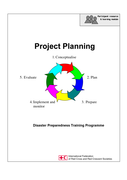
Disaster Preparedness Training Programme
A resource for improving menstraul hygiene around the world.
Comprehensive guidance with examples of good practice, information for colleagues and pupils in class and tips on how to break the taboo
Conducting a physical count SOP
recommended
Last revised 2015.
Original Word document on: http://www.epnetwork.org/Resources/Standard%20Operating%20Procedure/Physical%20Count_SOP.doc
Handbook for Disaster Assessment
Laura Ortíz, Omar D. Bello, Liudmila Ortega et al.
Economic Commission for Latin America and the Caribbean (ECLAC),
(2014)
This handbook reflects and updates the work that ECLAC has done in recent decades to establish a methodology for estimating the economic consequences of a disaster, and thus determine the financing required to rebuild and return the affected area to normal. The handbook's third edition strengthens p
...
rocedures for estimating the effects of disasters, for distinguishing between losses and additional costs and systematizing the links that exist between different sectors of the economy
more

A guide for effective aid
The present book deals not only with emergency response, but also with measures designed to reduce the impact of disasters on environmental health infrastructure, such as water supply and sanitation facilities. It also aims to strengthen the ability of people to withstand the disruption of their acc
...
ustomed infrastructure and systems for environmental health (e.g. shelter, water supply, sanitation, vector control etc.) and to recover rapidly.
more
Sanitation In Emergencies
WHO
(2015)
excreta disposal in emergencies

Standard operating procedures for controlling Ebola and Marburg virus epidemics
World Health Organization
(2014)
Provisional recommendations May 2014
The Handbook on Law and Disaster Risk Reduction (the Handbook) has been developed to provide guidance on how to use the Checklist and conduct related legislative reviews and reform processes. While the methodology for using the Checklist needs to be tailored to each country’s context and respectiv
...
e needs, the Handbook is intended to provide general guidance on key steps to consider.
more