
Filter
3043
Text search:
national
malaria
policy
Featured
247
1078
Language
2928
78
40
34
24
18
12
9
6
2
2
1
1
1
1
1
1
1
1
1
1
1
1
1
1
1
1
1
1
Document type
1992
494
263
108
98
33
25
17
6
4
2
1
Countries
133
111
97
97
94
94
86
85
84
84
75
67
62
60
54
50
48
47
46
39
32
30
29
27
26
25
24
23
22
22
20
19
19
19
19
16
16
16
15
15
15
14
13
10
9
8
8
7
7
7
7
7
6
6
6
6
6
6
6
5
5
5
5
5
5
5
4
4
4
4
4
4
3
3
3
3
3
3
3
3
3
2
2
2
2
2
2
2
2
2
1
1
1
1
1
1
1
1
1
1
1
1
1
1
1
1
1
1
1
1
1
1
1
1
Authors & Publishers
321
149
127
119
107
82
74
63
49
21
19
19
19
18
17
17
17
16
16
15
15
15
14
14
14
13
12
12
11
11
11
11
11
11
11
10
10
10
9
9
9
9
8
8
8
8
7
7
7
7
7
7
7
7
7
7
7
7
6
6
6
6
6
6
6
6
6
6
6
6
6
6
5
5
5
5
5
5
5
5
5
5
5
5
5
5
5
5
5
5
5
5
4
4
4
4
4
4
4
4
4
4
4
4
4
4
4
4
4
4
4
4
4
4
4
4
4
4
4
4
4
4
4
4
4
4
4
4
4
4
3
3
3
3
3
3
3
3
3
3
3
3
3
3
3
3
3
3
3
3
3
3
3
3
3
3
3
3
3
3
3
3
3
3
3
3
3
3
3
3
3
3
3
3
3
3
3
3
3
3
3
3
3
3
3
3
3
3
3
3
3
3
3
3
3
3
3
3
3
3
3
3
3
3
3
3
3
3
2
2
2
2
2
2
2
2
2
2
2
2
2
2
2
2
2
2
2
2
2
2
2
2
2
2
2
2
2
2
2
2
2
2
2
2
2
2
2
2
2
2
2
2
2
2
2
2
2
2
2
2
2
2
2
2
2
2
2
2
2
2
2
2
2
2
2
2
2
2
2
2
2
2
2
2
2
2
2
2
2
2
2
2
2
2
2
2
2
2
2
2
2
2
2
2
2
2
2
2
2
2
2
2
2
2
2
2
2
2
2
2
2
2
2
2
2
2
2
2
2
2
2
2
2
2
2
2
2
2
2
2
2
2
2
2
2
2
2
2
2
2
2
2
2
2
2
2
2
2
2
2
2
2
2
2
2
2
2
2
2
2
2
2
2
2
2
2
2
2
2
2
2
2
2
2
2
2
2
2
2
2
2
2
2
2
2
2
2
2
2
2
2
2
1
1
1
1
1
1
1
1
1
1
1
1
1
1
1
1
1
1
1
1
1
1
1
1
1
1
1
1
1
1
1
1
1
1
1
1
1
1
1
1
1
1
1
1
1
1
1
1
1
1
1
1
1
1
1
1
1
1
1
1
1
1
1
1
1
1
1
1
1
1
1
1
1
1
1
1
1
1
1
1
1
1
1
1
1
1
1
1
1
1
1
1
1
1
1
1
1
1
1
1
1
1
1
1
1
1
1
1
1
1
1
1
1
1
1
1
1
1
1
1
1
1
1
1
1
1
1
1
1
1
1
1
1
1
1
1
1
1
1
1
1
1
1
1
1
1
1
1
1
1
1
1
1
1
1
1
1
1
1
1
1
1
1
1
1
1
1
1
1
1
1
1
1
1
1
1
1
1
1
1
1
1
1
1
1
1
1
1
1
1
1
1
1
1
1
1
1
1
1
1
1
1
1
1
1
1
1
1
1
1
1
1
1
1
1
1
1
1
1
1
1
1
1
1
1
1
1
1
1
1
1
1
1
1
1
1
1
1
1
1
1
1
1
1
1
1
1
1
1
1
1
1
1
1
1
1
1
1
1
1
1
1
1
1
1
1
1
1
1
1
1
1
1
1
1
1
1
1
1
1
1
1
1
1
1
1
1
1
1
1
1
1
1
1
1
1
1
1
1
1
1
1
1
1
1
1
1
1
1
1
1
1
1
1
1
1
1
1
1
1
1
1
1
1
1
1
1
1
1
1
1
1
1
1
1
1
1
1
1
1
1
1
1
1
1
1
1
1
1
1
1
1
1
1
1
1
1
1
1
1
1
1
1
1
1
1
1
1
1
1
1
1
1
1
1
1
1
1
1
1
1
1
1
1
1
1
1
1
1
1
1
1
1
1
1
1
1
1
1
1
1
1
1
1
1
1
1
1
1
1
1
1
1
1
1
1
1
1
1
1
1
1
1
1
1
1
1
1
1
1
1
1
1
1
1
1
1
1
1
1
1
1
1
1
1
1
1
1
1
1
1
1
1
1
1
1
1
1
1
1
1
1
1
1
1
1
1
1
1
1
1
1
1
1
1
1
1
1
1
1
1
1
1
1
1
1
1
1
1
1
1
1
1
1
1
1
1
1
1
1
1
1
1
1
1
1
1
1
1
1
1
1
1
1
1
1
1
1
1
1
1
1
1
1
1
1
1
1
1
1
1
1
1
1
1
1
1
1
1
1
1
1
1
1
1
1
1
1
1
1
1
1
1
1
1
1
1
1
1
1
1
1
1
1
1
1
1
1
1
1
1
1
1
1
1
1
1
1
1
1
1
1
1
1
1
1
1
1
1
1
1
1
1
1
1
1
1
1
1
1
1
1
1
1
1
1
1
1
1
1
1
1
1
1
1
1
1
1
1
1
1
1
1
1
1
1
1
1
1
1
1
1
1
1
1
1
1
1
1
1
1
1
1
1
1
1
1
1
1
1
1
1
1
1
1
1
1
1
1
1
1
1
1
1
1
1
1
1
1
1
1
1
1
1
1
1
1
1
1
1
1
1
1
1
1
1
1
1
1
1
1
1
1
1
1
1
1
1
1
1
1
1
1
1
1
1
1
1
1
1
1
1
1
1
1
1
1
1
1
1
1
1
1
1
1
1
1
1
1
1
1
1
1
1
1
1
1
1
1
1
1
1
1
1
1
1
1
1
1
1
1
1
1
1
1
1
1
1
1
1
1
1
1
1
1
1
1
1
1
1
1
1
1
1
1
1
1
1
1
1
1
1
1
1
1
1
1
1
1
1
1
1
1
1
1
1
1
1
1
1
1
1
1
1
1
1
1
1
1
1
1
1
1
1
1
1
1
1
1
1
1
1
1
1
1
1
1
1
1
1
1
1
1
1
1
1
1
1
1
1
1
1
1
1
1
1
1
1
1
1
1
1
1
1
1
1
1
1
1
1
1
1
1
1
1
1
1
1
1
1
1
1
1
1
1
1
1
1
1
1
1
1
1
1
1
1
1
1
1
1
1
1
1
1
1
1
1
1
1
1
1
1
1
1
1
1
1
1
1
1
1
1
1
1
1
1
1
1
1
1
1
1
1
1
1
1
1
1
1
1
1
1
1
1
1
1
1
1
1
1
1
1
1
1
1
1
1
1
1
1
1
1
1
1
1
1
1
1
1
1
1
1
1
1
1
1
1
1
1
1
1
1
1
1
1
1
1
1
1
1
1
1
1
1
1
1
1
1
1
1
1
1
1
1
1
1
1
1
1
1
1
1
1
1
1
1
1
1
1
1
1
1
1
1
1
1
1
1
1
1
1
1
1
1
1
1
1
1
1
1
1
1
1
1
1
1
1
1
1
1
1
1
1
1
1
1
1
1
1
1
1
1
1
1
1
1
1
1
1
1
1
1
1
1
1
1
1
1
1
1
1
1
1
1
1
1
1
1
1
1
1
1
1
1
1
1
1
1
1
1
1
1
1
1
1
1
1
1
1
1
1
1
1
1
1
1
1
1
1
1
1
1
1
1
1
1
1
1
1
1
1
1
1
1
1
1
1
1
1
1
1
1
1
1
1
1
1
1
1
1
1
1
1
1
1
1
1
1
1
1
1
1
1
1
1
1
1
1
1
1
1
1
1
1
1
1
1
1
1
1
1
1
1
1
1
1
1
1
1
1
1
1
1
1
1
1
1
1
1
1
1
1
1
1
1
1
1
1
1
1
1
1
1
1
1
1
1
1
1
1
1
1
1
1
1
1
1
1
1
1
1
1
1
1
1
1
1
1
1
1
1
1
1
1
1
1
1
1
1
1
1
1
1
1
1
1
1
1
1
1
1
1
1
1
1
1
1
1
1
1
1
1
1
1
1
1
1
1
1
1
1
1
1
1
1
1
1
1
1
1
1
1
1
1
1
1
1
1
1
1
1
1
1
1
1
1
1
1
1
1
1
1
1
1
1
1
1
1
1
1
1
1
1
1
1
1
1
1
1
1
1
1
1
1
1
1
1
1
1
1
1
1
1
1
1
1
1
1
1
1
1
1
1
1
1
1
1
1
1
1
1
1
1
1
1
1
1
1
1
1
1
1
1
1
1
1
1
1
1
1
1
1
1
1
1
1
1
1
1
1
1
1
1
1
1
1
1
1
1
1
1
1
1
1
1
1
1
1
1
1
1
1
1
1
1
1
1
1
1
1
1
1
1
1
1
1
1
1
1
1
1
1
1
1
1
1
1
1
1
1
1
1
1
1
1
1
1
1
1
1
1
1
1
1
1
1
1
1
1
1
1
1
1
1
1
1
1
1
1
1
1
1
1
1
1
1
1
1
1
1
1
1
1
1
1
1
1
1
1
1
1
1
1
1
1
1
1
1
1
1
1
1
1
1
1
1
1
1
1
1
1
1
1
1
1
1
1
1
1
1
1
1
1
1
1
1
1
1
1
1
1
1
1
1
1
1
1
1
1
1
1
1
1
1
1
1
1
1
1
1
1
1
1
1
1
1
1
1
1
1
1
1
1
1
1
1
1
1
1
1
1
1
1
1
1
1
1
1
1
1
1
1
1
1
1
1
1
1
1
1
1
1
1
1
1
1
1
1
1
1
1
1
1
1
1
1
1
1
1
1
1
1
1
1
1
1
1
1
1
1
1
1
1
1
1
1
1
1
1
1
1
1
1
1
1
1
1
1
1
1
1
1
1
1
1
1
1
1
1
1
1
1
1
1
1
1
1
1
1
1
1
1
1
1
1
1
1
1
1
1
1
1
1
1
1
1
1
1
1
1
1
1
1
1
1
1
1
1
1
1
1
1
1
1
1
1
1
1
1
1
1
1
1
1
1
1
1
1
1
1
1
1
1
1
1
1
1
1
1
1
1
1
1
1
1
1
1
1
1
1
1
1
1
1
1
1
1
1
1
1
1
1
1
1
1
1
1
1
1
1
1
1
1
1
1
1
1
1
1
1
1
1
1
1
1
1
1
1
1
1
1
1
1
1
1
1
1
1
1
1
1
1
1
1
1
1
1
1
1
1
1
1
1
1
1
1
1
1
1
1
1
1
1
1
1
1
1
1
1
1
1
1
1
1
1
1
1
1
1
1
1
1
1
1
1
1
1
1
1
1
1
1
1
1
1
1
1
1
1
1
1
1
1
1
1
1
1
1
1
1
1
1
1
1
1
1
1
1
1
1
1
1
1
1
1
1
1
1
1
1
1
1
1
1
1
1
1
1
1
1
1
1
1
1
1
1
1
1
1
1
1
1
1
1
1
1
1
1
1
1
1
1
1
1
1
1
1
1
1
1
1
1
1
1
1
1
1
1
1
1
1
1
1
1
1
1
1
1
1
1
1
1
1
1
1
1
1
1
1
1
1
1
1
1
1
1
1
1
1
1
1
1
1
1
1
1
1
1
1
1
1
1
1
1
1
1
1
1
1
1
1
1
1
1
1
1
1
1
1
1
1
1
1
1
1
1
1
1
1
1
1
1
1
1
1
1
1
1
1
1
1
1
1
1
1
1
1
1
1
1
1
1
1
1
1
1
1
1
1
1
1
1
1
1
1
1
1
1
1
1
1
1
1
1
1
1
1
1
1
1
1
1
1
1
1
1
1
1
1
1
1
1
1
1
1
1
1
1
1
1
1
1
1
1
1
1
1
1
1
1
1
1
1
1
1
1
1
1
1
1
1
1
1
1
1
1
1
1
1
1
1
1
1
1
1
1
1
1
1
1
1
1
1
1
1
1
1
1
1
1
1
1
1
1
1
1
1
1
1
1
1
1
1
1
1
1
1
1
1
1
1
1
1
1
1
1
1
1
1
1
1
1
1
1
1
1
1
1
1
1
1
1
1
1
1
1
1
1
1
1
1
1
1
1
1
1
1
1
1
1
1
1
1
1
1
1
1
1
1
1
1
1
1
1
1
1
1
1
1
1
1
1
1
1
1
1
1
1
1
1
1
1
1
1
1
1
1
1
1
1
1
1
1
1
1
1
1
1
1
1
Publication Years
532
2174
322
15
Category
1453
190
176
159
98
37
36
Toolboxes
324
196
113
112
111
83
75
71
60
56
55
53
51
50
35
24
17
15
15
11
7
5
4
1
Review of the national tuberculosis programme in Romania
P. de Colombani, V. Hollo, N. Jansen, et al.
World Health Organization; European Centre for disease prevention and Control
(2015)
C_WHO
10–21 March 2014

The National Strategic Plan for HIV/AIDS and STIs 2017-2024 spells out the objectives and targets that we have jointly committed to achieve. The plan describes the strategies and activities that will need to be implemented on the ground across India
...
's 36 States and Union Territories with the help of AIDS Control Societies, District AIDS Prevention and Control Units, Regional Institutes, communities, development partners and the private sector. We must urgently scale up our efforts to avert new HIV infections and provide care and treatment to people living with HIV to materialise our commitment of ending AIDS in India by 2030.
more
The purpose of Volume 2 is to provide a full set of reference data showing performance over the period of the previous National Health Plan 2001–2010, to provide a baseline against which performance over the next ten years can be measured, an
...
d to highlight in greater detail some of the context against which the policies and strategies described in Volume 1 can be understood.
This Part A of Volume 2 provides data and context from a whole-of-country perspective. The data will be useful for provinces and national-level program staff within the National Department of Health to establish benchmarks and targets in the Five-year Strategic Implementation Plans to be developed to support implementation of this Plan. Additionally, this Volume will serve as a reference manual for all health sector stakeholders.
Original file: 77 MB more
This Part A of Volume 2 provides data and context from a whole-of-country perspective. The data will be useful for provinces and national-level program staff within the National Department of Health to establish benchmarks and targets in the Five-year Strategic Implementation Plans to be developed to support implementation of this Plan. Additionally, this Volume will serve as a reference manual for all health sector stakeholders.
Original file: 77 MB more
The National Health Plan (NHP) aims to strengthen the country’s health system and pave the way towards Universal Health Coverage (UHC),choosing a path that is explicitly pro-poor. The main goal of NHP 2017-2021 is to extend access to a Basic Essen
...
tial Package of Health Services (EPHS) to the entire population by 2020 while increasing financial protection.
more

National Tuberculosis Programme and Senior Paediatricians
This guideline was first developed in 2007 but further updated in 2012 and 2016 to ensure the use of the latest evidence-based international recommendations on childhood TB. The guidelin ... es will fill the gaps in a systematic approach to TB in children and will help to achieve an internationally recommended standard of care at all levels of the health system in Myanmar. more
This guideline was first developed in 2007 but further updated in 2012 and 2016 to ensure the use of the latest evidence-based international recommendations on childhood TB. The guidelin ... es will fill the gaps in a systematic approach to TB in children and will help to achieve an internationally recommended standard of care at all levels of the health system in Myanmar. more
Revised
Ministerial policy dialogue on HIV and related comorbidities in eastern Europe and central Asia (EECA)
World Health Organization (Europe); Government of the Netherlands; UNAIDS
(2019)
C_WHO
Amsterdam, the Netherlands, 23 July 2018
Meeting Report
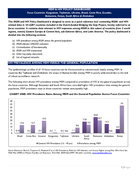
MSM & HIV policy Dashboard Focus Countries: Kyrgyzstan, Tajikistan, Ukraine, Brazil, Costa Rica, Ecuador, Botswana, Kenya, South Africa & Zimbabwe
MPact Global Action for Gay Men’s Health and Rights
(2019)
C2
Accessed: 04.10.2019

In concordance with the global and WHO activities on ARC, the Ministry of Health and Family Welfare (MoHFW) in Bangladesh has come forward and initiative was taken to conduct program for containment of antimicrobial resistance in Bangladesh. Director, Disease Control and Line Director, Communicable
...
Disease Control, DGHS was selected as a national focal point to coordinate the national program. Since AMR is a multi-faceted problem, conduction of activities in well-coordinated manner through One Health approach is very important.
more

In Vietnam, most of the examination and treatment facilities are facing with of spread of bacteria resistant to many antibiotics. The level and speed of drug resistance are increasing, at alarming level. The burden of drug resistance is increasing due to the increasing cost of treatment, prolonged t
...
reatment,. That will affect patients’ health, community and social development. In the future, many
nations will be able to face the possibility of having no effective drugs to treat infectious diseases if they do not make appropriate interventions.
more
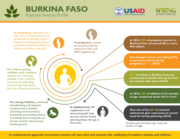
Burkina Faso - National Anemia Profile
SPRING - Strengthening Partnerships, Results and Innovations in Nutrition Globally
USAID - from the americain people
(2015)
C2
A multisectoral approach to prevent anemia will save lives and improve the wellbeing of mothers, infants, and children

Antimicrobial resistance is one of the most important threats to the health worldwide. Antimicrobial resistance or drug resistance is the reduction of the pharmaceutical effects of a drug against a disease or reduction of its effectiveness in improving the clinical signs of a disease. Antimicrobial
...
resistance occurs naturally but misuse of antibiotics in human and animals significantly accelerates the process of developing antimicrobial resistance. In fact, antimicrobial resistance refers to the resistance of a microorganism to one or more antimicrobial drugs which had been previously sensitive to these drugs. Antimicrobial resistance can occur in a wide variety of pathogens including bacteria, parasites, viruses, fungi, and cancer cells and may threaten the life of every person, in every age, and in every country
more
Namibia is no exception to the growingglobal concern on the increasing burden of NCDs. Namibia is an upper middle income country with fast economic growth since independence in 1990. The country is bearing the double burden of communicable and noncommunicable diseases and rapid urbanizat
...
ion. There is also high income inequality among the population.
more

The report highlights key trends and developments in laws affecting people living with HIV and key populations in Asia and the Pacific over the five-year period 2014–2019. It updates the legal and policy review conducted in 2016 for UNAIDS, UNDP a
...
nd the United Nations Economic and Social Commission for Asia and the Pacific (ESCAP). A database of laws of the 38 Member States of ESCAP was created as part of this review. The database identifies laws that are either punitive or enabling for people living with HIV and key populations in Asia and the Pacific.
more
This report, published in conjunction with a summary overview of results of rounds 1–8, is the eighth and final report in a series of laboratory-based evaluations of rapid diagnostic tests (RDTs) for malaria. It provides a comparative measure of
...
their performance in a standardized way to distinguish between well and poorly performing tests.
These results constitute the laboratory evaluation component of the WHO prequalification process for malaria RDTs and inform the current WHO procurement recommendations. In round 8, 35 RDTs from 17 manufacturers were assessed. For the first time the evaluation included an assessment of product performance against a panel of P. falciparum parasites with pfhrp2/3 gene deletions and therefore not expressing HRP2.
more
Ahead of World Malaria Day, the WHO Global Malaria Programme published a new operational strategy outlining its priorities and key activities up to 2030 to help change the trajectory of
...
malaria trends, with a view to achieving the global malaria targets. The strategy outlines 4 strategic objectives where WHO will focus its efforts, including developing norms and standards, introducing new tools and innovation, promoting strategic information for impact, and providing technical leadership of the global malaria response.
In recent years, progress towards critical targets of the WHO Global technical strategy for malaria 2016-2030 has stalled, particularly in countries that carry a high burden of the disease. In 2022 there were an estimated 608 000 malaria-related deaths and 249 million new malaria cases globally, with young children in Africa bearing the brunt of the disease.
Millions of people continue to miss out on the services they need to prevent, detect, and treat malaria. Additionally, progress in global malaria control has been hampered by resource constraints, humanitarian crises, climate change and biological threats such as drug and insecticide resistance.
“A shift in the global malaria response is urgently needed across the entire malaria ecosystem to prevent avoidable deaths and achieve the targets of the WHO global malaria strategy,” notes Dr Daniel Ngamije, Director of the Global Malaria Programme. “This shift should seek to address the root causes of the disease and be centred around accessibility, efficiency, sustainability, equity and integration.”
more
