
Filter
3467
Text search:
child
growth
Featured
271
1161
Language
3354
56
53
39
28
19
10
9
7
5
4
3
3
3
2
2
2
2
2
2
2
1
1
1
1
1
1
1
1
1
1
1
1
1
1
1
1
1
1
1
1
1
1
1
Document type
2331
523
257
121
102
56
29
20
9
9
6
1
Countries
207
148
129
106
104
89
87
86
85
81
75
73
72
66
65
62
55
42
39
38
37
33
33
33
33
32
28
26
25
25
23
22
20
20
18
17
15
13
13
12
12
10
10
9
9
9
9
8
8
8
8
8
8
7
7
7
7
7
6
6
6
6
6
5
5
5
4
4
4
4
4
4
4
3
3
3
3
3
2
2
2
2
2
2
2
2
2
2
2
1
1
1
1
1
1
1
1
1
1
1
1
1
1
1
1
1
1
1
1
1
1
1
1
1
1
1
1
1
1
1
1
1
Authors & Publishers
283
147
121
104
92
75
68
60
53
41
29
25
25
24
20
19
18
17
17
17
16
16
16
16
15
15
14
14
14
12
12
11
11
11
11
11
10
10
10
10
10
10
10
10
10
9
9
9
9
9
9
8
8
8
8
8
8
8
8
7
7
7
7
7
7
7
7
7
7
7
7
6
6
6
6
6
6
6
6
6
6
6
6
6
6
6
5
5
5
5
5
5
5
5
5
5
5
5
5
5
5
5
5
5
5
5
5
5
5
5
5
4
4
4
4
4
4
4
4
4
4
4
4
4
4
4
4
4
4
4
4
4
4
4
4
4
4
4
4
4
4
4
4
4
4
4
4
4
4
4
4
4
4
4
4
4
4
4
4
4
3
3
3
3
3
3
3
3
3
3
3
3
3
3
3
3
3
3
3
3
3
3
3
3
3
3
3
3
3
3
3
3
3
3
3
3
3
3
3
3
3
3
3
3
3
3
3
3
3
3
3
3
3
3
3
3
3
3
3
3
3
3
3
3
3
3
3
3
3
3
3
3
3
3
3
3
3
3
3
3
3
3
3
3
3
2
2
2
2
2
2
2
2
2
2
2
2
2
2
2
2
2
2
2
2
2
2
2
2
2
2
2
2
2
2
2
2
2
2
2
2
2
2
2
2
2
2
2
2
2
2
2
2
2
2
2
2
2
2
2
2
2
2
2
2
2
2
2
2
2
2
2
2
2
2
2
2
2
2
2
2
2
2
2
2
2
2
2
2
2
2
2
2
2
2
2
2
2
2
2
2
2
2
2
2
2
2
2
2
2
2
2
2
2
2
2
2
2
2
2
2
2
2
2
2
2
2
2
2
2
2
2
2
2
2
2
2
2
2
2
2
2
2
2
2
2
2
2
2
2
2
2
2
2
2
2
2
2
2
2
2
2
2
2
2
2
2
2
2
2
2
2
2
2
2
2
2
2
2
2
2
2
2
2
2
2
2
2
2
2
2
2
2
2
2
2
2
2
2
2
2
2
2
2
2
2
1
1
1
1
1
1
1
1
1
1
1
1
1
1
1
1
1
1
1
1
1
1
1
1
1
1
1
1
1
1
1
1
1
1
1
1
1
1
1
1
1
1
1
1
1
1
1
1
1
1
1
1
1
1
1
1
1
1
1
1
1
1
1
1
1
1
1
1
1
1
1
1
1
1
1
1
1
1
1
1
1
1
1
1
1
1
1
1
1
1
1
1
1
1
1
1
1
1
1
1
1
1
1
1
1
1
1
1
1
1
1
1
1
1
1
1
1
1
1
1
1
1
1
1
1
1
1
1
1
1
1
1
1
1
1
1
1
1
1
1
1
1
1
1
1
1
1
1
1
1
1
1
1
1
1
1
1
1
1
1
1
1
1
1
1
1
1
1
1
1
1
1
1
1
1
1
1
1
1
1
1
1
1
1
1
1
1
1
1
1
1
1
1
1
1
1
1
1
1
1
1
1
1
1
1
1
1
1
1
1
1
1
1
1
1
1
1
1
1
1
1
1
1
1
1
1
1
1
1
1
1
1
1
1
1
1
1
1
1
1
1
1
1
1
1
1
1
1
1
1
1
1
1
1
1
1
1
1
1
1
1
1
1
1
1
1
1
1
1
1
1
1
1
1
1
1
1
1
1
1
1
1
1
1
1
1
1
1
1
1
1
1
1
1
1
1
1
1
1
1
1
1
1
1
1
1
1
1
1
1
1
1
1
1
1
1
1
1
1
1
1
1
1
1
1
1
1
1
1
1
1
1
1
1
1
1
1
1
1
1
1
1
1
1
1
1
1
1
1
1
1
1
1
1
1
1
1
1
1
1
1
1
1
1
1
1
1
1
1
1
1
1
1
1
1
1
1
1
1
1
1
1
1
1
1
1
1
1
1
1
1
1
1
1
1
1
1
1
1
1
1
1
1
1
1
1
1
1
1
1
1
1
1
1
1
1
1
1
1
1
1
1
1
1
1
1
1
1
1
1
1
1
1
1
1
1
1
1
1
1
1
1
1
1
1
1
1
1
1
1
1
1
1
1
1
1
1
1
1
1
1
1
1
1
1
1
1
1
1
1
1
1
1
1
1
1
1
1
1
1
1
1
1
1
1
1
1
1
1
1
1
1
1
1
1
1
1
1
1
1
1
1
1
1
1
1
1
1
1
1
1
1
1
1
1
1
1
1
1
1
1
1
1
1
1
1
1
1
1
1
1
1
1
1
1
1
1
1
1
1
1
1
1
1
1
1
1
1
1
1
1
1
1
1
1
1
1
1
1
1
1
1
1
1
1
1
1
1
1
1
1
1
1
1
1
1
1
1
1
1
1
1
1
1
1
1
1
1
1
1
1
1
1
1
1
1
1
1
1
1
1
1
1
1
1
1
1
1
1
1
1
1
1
1
1
1
1
1
1
1
1
1
1
1
1
1
1
1
1
1
1
1
1
1
1
1
1
1
1
1
1
1
1
1
1
1
1
1
1
1
1
1
1
1
1
1
1
1
1
1
1
1
1
1
1
1
1
1
1
1
1
1
1
1
1
1
1
1
1
1
1
1
1
1
1
1
1
1
1
1
1
1
1
1
1
1
1
1
1
1
1
1
1
1
1
1
1
1
1
1
1
1
1
1
1
1
1
1
1
1
1
1
1
1
1
1
1
1
1
1
1
1
1
1
1
1
1
1
1
1
1
1
1
1
1
1
1
1
1
1
1
1
1
1
1
1
1
1
1
1
1
1
1
1
1
1
1
1
1
1
1
1
1
1
1
1
1
1
1
1
1
1
1
1
1
1
1
1
1
1
1
1
1
1
1
1
1
1
1
1
1
1
1
1
1
1
1
1
1
1
1
1
1
1
1
1
1
1
1
1
1
1
1
1
1
1
1
1
1
1
1
1
1
1
1
1
1
1
1
1
1
1
1
1
1
1
1
1
1
1
1
1
1
1
1
1
1
1
1
1
1
1
1
1
1
1
1
1
1
1
1
1
1
1
1
1
1
1
1
1
1
1
1
1
1
1
1
1
1
1
1
1
1
1
1
1
1
1
1
1
1
1
1
1
1
1
1
1
1
1
1
1
1
1
1
1
1
1
1
1
1
1
1
1
1
1
1
1
1
1
1
1
1
1
1
1
1
1
1
1
1
1
1
1
1
1
1
1
1
1
1
1
1
1
1
1
1
1
1
1
1
1
1
1
1
1
1
1
1
1
1
1
1
1
1
1
1
1
1
1
1
1
1
1
1
1
1
1
1
1
1
1
1
1
1
1
1
1
1
1
1
1
1
1
1
1
1
1
1
1
1
1
1
1
1
1
1
1
1
1
1
1
1
1
1
1
1
1
1
1
1
1
1
1
1
1
1
1
1
1
1
1
1
1
1
1
1
1
1
1
1
1
1
1
1
1
1
1
1
1
1
1
1
1
1
1
1
1
1
1
1
1
1
1
1
1
1
1
1
1
1
1
1
1
1
1
1
1
1
1
1
1
1
1
1
1
1
1
1
1
1
1
1
1
1
1
1
1
1
1
1
1
1
1
1
1
1
1
1
1
1
1
1
1
1
1
1
1
1
1
1
1
1
1
1
1
1
1
1
1
1
1
1
1
1
1
1
1
1
1
1
1
1
1
1
1
1
1
1
1
1
1
1
1
1
1
1
1
1
1
1
1
1
1
1
1
1
1
1
1
1
1
1
1
1
1
1
1
1
1
1
1
1
1
1
1
1
1
1
1
1
1
1
1
1
1
1
1
1
1
1
1
1
1
1
1
1
1
1
1
1
1
1
1
1
1
1
1
1
1
1
1
1
1
1
1
1
1
1
1
1
1
1
1
1
1
1
1
1
1
1
1
1
1
1
1
1
1
1
1
1
1
1
1
1
1
1
1
1
1
1
1
1
1
1
1
1
1
1
1
1
1
1
1
1
1
1
1
1
1
1
1
1
1
1
1
1
1
1
1
1
1
1
1
1
1
1
1
1
1
1
1
1
1
1
1
1
1
1
1
1
1
1
1
1
1
1
1
1
1
1
1
1
1
1
1
1
1
1
1
1
1
1
1
1
1
1
1
1
1
1
1
1
1
1
1
1
1
1
1
1
1
1
1
1
1
1
1
1
1
1
1
1
1
1
1
1
1
1
1
1
1
1
1
1
1
1
1
1
1
1
1
1
1
1
1
1
1
1
1
1
1
1
1
1
1
1
1
1
1
1
1
1
1
1
1
1
1
1
1
1
1
1
1
1
1
1
1
1
1
1
1
1
1
1
1
1
1
1
1
1
1
1
1
1
1
1
1
1
1
1
1
1
1
1
1
1
1
1
1
1
1
1
1
1
1
1
1
1
1
1
1
1
1
1
1
1
1
1
1
1
1
1
1
1
1
1
1
1
1
1
1
1
1
1
1
1
1
1
1
1
1
1
1
1
1
1
1
1
1
1
1
1
1
1
1
1
1
1
1
1
1
1
1
1
1
1
1
1
1
1
1
1
1
1
1
1
1
1
1
1
1
1
1
1
1
1
1
1
1
1
1
1
1
1
1
1
1
1
1
1
1
1
1
1
1
1
1
1
1
1
1
1
1
1
1
1
1
1
1
1
1
1
1
1
1
1
1
1
1
1
1
1
1
1
1
1
1
1
1
1
1
1
1
1
1
1
1
1
1
1
1
1
1
1
1
1
1
1
1
1
1
1
1
1
1
1
1
1
1
1
1
1
1
1
1
1
1
1
1
1
1
1
1
1
1
1
1
1
1
1
1
1
1
1
1
1
1
1
1
1
1
1
1
1
1
1
1
1
1
1
1
1
1
1
1
1
1
1
1
1
1
1
1
1
1
1
1
1
1
1
1
1
1
1
1
1
1
1
1
1
1
1
1
1
1
1
1
1
1
1
1
1
1
1
1
1
1
1
1
1
1
1
1
1
1
1
1
1
1
1
1
1
1
1
1
1
1
1
1
1
1
1
1
1
1
1
1
1
1
1
1
1
1
1
1
1
1
1
1
1
1
1
1
1
1
1
1
1
1
1
1
1
1
1
1
1
1
1
1
1
1
1
1
1
1
1
1
1
1
1
1
1
1
1
1
1
1
1
1
1
1
1
1
1
1
1
1
1
1
1
1
1
1
1
1
1
1
1
1
1
1
1
1
1
1
1
1
1
1
1
1
1
1
1
1
1
1
1
1
1
1
1
1
1
1
1
1
1
1
1
1
1
1
1
1
1
1
1
1
1
1
1
1
1
1
1
1
1
1
1
1
1
1
1
1
1
1
1
1
1
1
1
1
1
1
1
1
1
1
1
1
1
1
1
1
1
1
1
1
1
1
1
1
1
1
1
1
1
1
1
1
1
1
1
1
1
1
1
1
1
1
1
1
1
1
1
1
1
1
1
1
1
1
1
1
1
1
1
1
1
1
1
1
1
1
1
1
1
1
1
1
1
1
1
1
1
1
1
1
1
1
1
1
1
1
1
1
1
1
1
1
1
1
1
1
1
1
1
1
1
1
1
1
1
1
1
1
1
1
1
1
1
1
1
1
1
1
1
1
1
1
1
1
1
1
1
1
1
1
1
1
1
1
1
1
1
1
1
1
1
1
1
1
1
1
1
1
1
1
1
1
1
1
1
1
1
1
1
1
1
1
1
1
1
1
1
1
1
1
1
1
1
1
1
1
1
1
1
1
1
1
1
1
1
1
1
1
1
1
1
1
1
1
1
1
1
1
1
1
1
1
1
1
1
1
1
1
1
1
1
1
1
1
1
1
1
1
1
1
1
1
1
1
1
1
1
1
1
1
1
1
1
1
1
1
1
1
1
1
1
1
1
1
1
1
1
1
1
1
1
1
1
1
1
1
1
1
1
1
1
1
1
1
1
1
1
1
1
1
1
1
1
1
1
1
1
1
1
1
1
1
1
1
1
1
1
1
1
1
1
1
1
1
1
1
1
1
1
1
1
1
1
1
1
1
1
1
1
1
1
1
1
1
1
1
1
1
1
1
1
1
1
1
1
1
1
1
1
1
1
1
1
1
1
1
1
1
1
1
1
1
1
1
1
1
1
1
1
1
1
1
1
1
1
1
1
1
1
1
1
1
1
1
1
1
1
1
1
1
1
1
1
1
1
1
1
1
1
1
1
1
1
1
1
1
1
1
1
1
1
1
1
1
1
1
1
1
1
1
1
1
1
1
1
1
1
1
1
1
1
1
1
1
1
1
1
1
1
1
1
1
1
1
1
1
1
1
1
1
1
1
1
1
1
1
1
1
1
1
1
1
1
1
1
1
1
1
1
1
1
1
1
1
1
1
1
1
1
1
1
1
1
1
1
1
1
1
1
1
1
1
1
1
1
1
1
1
1
1
1
1
1
1
1
1
1
1
1
1
1
1
1
1
1
1
1
1
1
1
1
1
1
1
1
1
1
1
1
1
1
1
1
1
1
1
1
1
1
1
1
1
1
1
1
1
1
1
1
1
1
1
1
1
1
1
1
1
1
1
1
1
1
1
1
1
1
1
1
1
1
1
1
1
1
1
1
1
1
1
1
1
1
1
1
1
1
1
1
1
1
1
1
1
1
1
1
1
1
1
1
1
1
1
1
1
1
1
1
1
1
1
1
1
1
1
1
1
1
1
1
1
1
1
1
1
1
1
1
1
1
1
1
1
1
1
1
1
1
1
1
1
1
1
1
1
1
1
1
1
1
1
1
1
1
1
1
1
1
1
1
1
1
1
1
1
1
1
1
1
1
1
1
1
1
1
1
1
1
1
1
1
1
1
1
1
1
1
1
1
1
1
1
1
1
1
1
1
1
1
1
1
1
1
1
1
1
1
1
1
1
1
1
Publication Years
634
2434
385
12
1
1
Category
1723
292
208
180
99
77
6
3
2
Toolboxes
224
205
158
132
122
109
98
87
77
56
53
52
47
41
35
33
27
27
26
18
12
4
3
2
1
Creating a Healing Environment - Volume II: Technical Papers
John Frederick
International Labour Organization IPEC & Trafficking in Children-South Asia (TICSA)
(2002)
C1
Psycho-Social Rehabilitation and Occupational Integration of Child Survivors of Trafficking and Other Worst Forms of Child Labour |

Background book on Management of the Child with a Serious Infection or Severe Malnutrition
With a focus on Pakistan and Nigeria’s most vulnerable communities, this report provides insight about the role that community push-back is playing in the transmission of the polio virus and how the Global Polio Eradication Initiative (GPEI) can mitigate these social risks to reach every missed
...
child.
more
Kenya : National Communications Strategy
NATIONAL AIDS and STIs CONTROL PROGRAMME (NASCOP), MINISTRY OF PUBLIC HEALTH AND SANITATION
Ministry of health
(2012)
C1
Towards the Elimination of Mother-to-Child Transmission of HIV and keeping mothers Alive. 2012-2015
Plan Benin used the Integrated Management for Child Illnesses (IMCI) framework in creating the project "Collaborative Approach to Community based Malaria Prevention.” The project targeted 20 pilot villages in the communes of Aplahoué and Djakotom
...
ey, with the goal of reducing maternal and infant mortality related to malaria in the Couffo district. In order to assess the effects of the project on the beneficiary communities, the evaluation was initiated to measure the progress and the perfomance outcomes achieved at the end of the pilot stage. The evaluation was conducted from March to April 2009.
more
As this report shows,
reports of child abuse and of children
witnessing violence between their
parents and caregivers have increased.
Ending violence against children is
increasingly within our reach. D
Dissertation submitted in part fulfilment of the requirements for a Masters degree at the Centre for International Health and Development (CIHD) at University College London (UCL) Institute of Child Health (ICH)
The user has given permission for th
...
e uploaded document to be reproduced and made publicly available on the source website
more

A companion to the Child Friendly Schools Manual
WASH in Schools aims to improve the health and learning performance of school-aged children – and, by extension, that of their families – by reducing the incidence of water and sanitation-related diseases. Every ... child friendly school requires appropriate WASH initiatives that keep the school environment clean and free of smells and inhibit the transmission of harmful bacteria, viruses and parasites. more
WASH in Schools aims to improve the health and learning performance of school-aged children – and, by extension, that of their families – by reducing the incidence of water and sanitation-related diseases. Every ... child friendly school requires appropriate WASH initiatives that keep the school environment clean and free of smells and inhibit the transmission of harmful bacteria, viruses and parasites. more
By 2100, new UN figures show that 4 of today’s 10 most populous nations will be replaced by African countries.
Brazil, Bangladesh, Russia and Mexico—where populations are projected to stagnate or decline—will drop out. In their place: Democratic Republic of the Congo, Ethiopia, Tanzania and E
...
gypt. All 4 are projected to more double in population.
Top 10 rankings in population growth by 2100 include only 2 non-African nations—Pakistan and the US.
c1China will shrink by 374 million fewer people—more than the entire US population.
more
Regional monitoring strategy
Alonso González, Mónica
Pan American Health Organization (Regional Office of the World Health Organization); Unicef, et al.
(2010)
C_WHO
Regional Initiative for the Elimination of Mother-to-Child Transmission of HIV and Congenital Syphilis in Latin America and the Caribbean
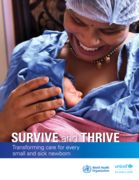
Just about everyone has experienced the joy that a healthy newborn child brings to parents, families and communities. But the arrival of a newborn who is small or sick often results in immediate worry and sadness. When the infant is at high risk of
...
death or disability, these concerns can be a tremendous additional burden.
more

Namibia is no exception to the growingglobal concern on the increasing burden of NCDs. Namibia is an upper middle income country with fast economic growth since independence in 1990. The country is bearing the double burden of communicable
...
and noncommunicable diseases and rapid urbanization. There is also high income inequality among the population.
more
The primary audience for this guideline includes health-care professionals who are responsible for developing national and local health-care protocols and policies, as well as managers of maternal and child health programmes and policy-makers in all
...
settings. The guideline will also be useful to those directly providing care to pregnant women and preterm infants, such as obstetricians, paediatricians, midwives, nurses and general practitioners. The information in this guideline will be useful for developing job aids and tools for pre- and in-service training of health workers to enhance their delivery of maternal and neonatal care relating to preterm birth.
more
The Relationship between the Health Service Environment and Service Utilization: Linking Population Data to Health Facilities Data in Haiti and Malawi.
Wenjuan Wang, Rebecca Winter, Lindsay Mallick, Lia Florey, Clara Burgert-Brucker, and Emily Carter
ICF International
(2015)
C2
DHS Analytical Studies No. 51
Child Health, Family Planning, Geographic Information, HIV, Malaria, Maternal Health
Cancer is an emerging public health problem in sub-Saharan Africa due to population growth, ageing and westernisation of lifestyles. In this piece, we use data from Mozambique over a 50-year period to illustrate cancer epidemiological trends in low
...
-income and middle-income countries to hypothesise potential circumstances and factors that could explain changes in cancer burden and to discuss surveillance weaknesses and potential improvements. This epidemiological transition deserves increasing policy attention.
more
Over 2 million children worldwide are living with HIV infection and 95% reside in sub-Saharan Africa with the majority infected through mother-to-child transmission. Infected children have a high mortality with 50% dying by 2 years of age. Their cli
...
nical presentation includes common childhood infections, opportunistic infections and conditions associated with HIV/AIDS immune suppression.
more
Preliminary fndings from a global survey of urban young people on the air they breathe and a child health co-benefts analysis of radical decarbonisation of 16 global cities.
Background:Neonatal mortality accounts for 43% of global under-five deaths and is decreasing more slowly than maternal or child mortality. Donor funding has increased for maternal, newborn, and child
...
health (MNCH), but no analysis to date has disaggregated aid for newborns. We evaluated if and how aid flows for newborn care can be tracked, examined changes in the last decade, and considered methodological implications for tracking funding for specific population groups or diseases. MethodsandFindings:We critically reviewed and categorised previous analyses of aid to specific populations, diseases, or types of activities. We then developed and refined key terms related to newborn survival in seven languages and searched titles and descriptions of donor disbursement records in the Organisation for Economic Co-operation and Development’s Creditor Reporting System database, 2002–2010. We compared results with the Countdown to 2015 database of aid for MNCH (2003–2008) and the search strategy used by the Institute for Health Metrics and Evaluation. Prior to 2005, key terms related to newborns were rare in disbursement records but their frequency increased markedly thereafter. Only two mentions were found of ‘‘stillbirth’’ and only nine references were found to ‘‘fetus’’ in any spelling variant or language
more
It summarizes guidance on how to manage – and when to refer – children and adolescents presenting with common complaints and conditions. It includes information to enable primary health care providers to coordinate the continued care of children and adolescents with long-term conditions and dise
...
ases managed by specialists. Preventive and promotive measures from the newborn period to adolescence include advice on the timing and content of well-child visits, the promotion of early childhood development and health messages for adolescents.
This Pocket Book aims to improve the diagnosis and management of common conditions in children and adolescents that can be managed at the outpatient level. It helps to improve the use of laboratory and other diagnostic measures and the rational use of essential drugs and equipment.
more
Today, the World Health Organization (WHO) is advancing the global fight against acute malnutrition in children under 5 with the launch of its new guideline on the prevention and management of wasting and nutritional oedema (acute malnutrition). This milestone is a crucial response to the persistent
...
global issue of acute malnutrition, which affects millions of children worldwide.
In 2015, the world committed to achieving the Sustainable Development Goals (SDGs), including the ambitious target of eliminating malnutrition in all of its forms by 2030. However, despite these commitments, the proportion of children with acute malnutrition has persisted at a worrying level, affecting an estimated 45 million children under five worldwide in 2022.
In 2022, approximately 7.3 million children received treatment for severe acute malnutrition (SAM). Although treatment coverage has increased, children with SAM in many of the worst affected countries are still unable to access the full necessary care for them to recover.
The Global Action Plan (GAP) on child wasting recognized the need for updated normative guidance to support governments in the prevention and management of acute malnutrition. WHO answered this call to action and developed a comprehensive guideline that provides evidence-based recommendations and good practice statements and will be followed by guidance and tools for implementation.
more
