
Filter
3589
Text search:
Water
Quality
Interventions
Featured
376
1160
Language
3516
72
47
31
31
18
14
7
6
6
5
5
4
4
3
3
3
3
2
2
2
2
2
2
1
1
1
1
1
1
1
1
1
1
1
1
1
1
1
Document type
2066
605
405
192
188
55
35
27
7
5
1
1
Countries
149
145
139
109
103
98
92
89
88
81
80
68
67
66
61
61
55
50
45
43
40
38
37
30
29
27
26
25
25
25
24
23
22
22
21
19
17
15
15
15
13
12
11
11
11
11
11
10
10
10
10
9
9
9
7
7
7
7
7
6
6
6
6
6
6
5
5
5
5
5
5
5
4
4
4
4
4
3
3
3
3
3
3
3
3
3
3
3
2
2
2
2
2
2
2
2
2
2
2
2
2
2
1
1
1
1
1
1
1
1
1
1
1
1
1
1
1
1
1
1
1
1
1
1
1
1
1
1
1
1
1
1
1
Authors & Publishers
430
139
115
109
109
102
60
48
48
31
27
23
22
20
19
19
18
18
18
18
17
16
15
15
14
14
13
13
13
13
13
13
12
12
12
12
11
11
11
11
11
10
10
10
10
10
10
10
10
9
9
9
8
8
8
8
8
8
8
8
8
7
7
7
7
7
7
7
7
7
7
7
7
7
7
7
7
6
6
6
6
6
6
6
6
6
6
6
6
6
6
6
5
5
5
5
5
5
5
5
5
5
5
5
5
5
5
5
5
5
4
4
4
4
4
4
4
4
4
4
4
4
4
4
4
4
4
4
4
4
4
4
4
4
4
4
4
4
4
4
4
4
4
4
4
4
4
4
4
4
3
3
3
3
3
3
3
3
3
3
3
3
3
3
3
3
3
3
3
3
3
3
3
3
3
3
3
3
3
3
3
3
3
3
3
3
3
3
3
3
3
3
3
3
3
3
3
3
3
3
3
3
3
3
3
3
3
3
3
3
3
3
3
3
3
3
3
3
3
3
3
3
3
3
3
3
3
3
3
3
3
3
3
3
3
2
2
2
2
2
2
2
2
2
2
2
2
2
2
2
2
2
2
2
2
2
2
2
2
2
2
2
2
2
2
2
2
2
2
2
2
2
2
2
2
2
2
2
2
2
2
2
2
2
2
2
2
2
2
2
2
2
2
2
2
2
2
2
2
2
2
2
2
2
2
2
2
2
2
2
2
2
2
2
2
2
2
2
2
2
2
2
2
2
2
2
2
2
2
2
2
2
2
2
2
2
2
2
2
2
2
2
2
2
2
2
2
2
2
2
2
2
2
2
2
2
2
2
2
2
2
2
2
2
2
2
2
2
2
2
2
2
2
2
2
2
2
2
2
2
2
2
2
2
2
2
2
2
2
2
2
2
2
2
2
2
2
2
2
2
2
2
2
2
2
2
2
2
2
2
2
2
2
2
2
2
2
2
2
2
2
2
2
2
2
2
2
2
2
2
2
2
2
2
2
2
2
2
2
2
2
2
2
2
2
2
2
2
2
2
2
2
1
1
1
1
1
1
1
1
1
1
1
1
1
1
1
1
1
1
1
1
1
1
1
1
1
1
1
1
1
1
1
1
1
1
1
1
1
1
1
1
1
1
1
1
1
1
1
1
1
1
1
1
1
1
1
1
1
1
1
1
1
1
1
1
1
1
1
1
1
1
1
1
1
1
1
1
1
1
1
1
1
1
1
1
1
1
1
1
1
1
1
1
1
1
1
1
1
1
1
1
1
1
1
1
1
1
1
1
1
1
1
1
1
1
1
1
1
1
1
1
1
1
1
1
1
1
1
1
1
1
1
1
1
1
1
1
1
1
1
1
1
1
1
1
1
1
1
1
1
1
1
1
1
1
1
1
1
1
1
1
1
1
1
1
1
1
1
1
1
1
1
1
1
1
1
1
1
1
1
1
1
1
1
1
1
1
1
1
1
1
1
1
1
1
1
1
1
1
1
1
1
1
1
1
1
1
1
1
1
1
1
1
1
1
1
1
1
1
1
1
1
1
1
1
1
1
1
1
1
1
1
1
1
1
1
1
1
1
1
1
1
1
1
1
1
1
1
1
1
1
1
1
1
1
1
1
1
1
1
1
1
1
1
1
1
1
1
1
1
1
1
1
1
1
1
1
1
1
1
1
1
1
1
1
1
1
1
1
1
1
1
1
1
1
1
1
1
1
1
1
1
1
1
1
1
1
1
1
1
1
1
1
1
1
1
1
1
1
1
1
1
1
1
1
1
1
1
1
1
1
1
1
1
1
1
1
1
1
1
1
1
1
1
1
1
1
1
1
1
1
1
1
1
1
1
1
1
1
1
1
1
1
1
1
1
1
1
1
1
1
1
1
1
1
1
1
1
1
1
1
1
1
1
1
1
1
1
1
1
1
1
1
1
1
1
1
1
1
1
1
1
1
1
1
1
1
1
1
1
1
1
1
1
1
1
1
1
1
1
1
1
1
1
1
1
1
1
1
1
1
1
1
1
1
1
1
1
1
1
1
1
1
1
1
1
1
1
1
1
1
1
1
1
1
1
1
1
1
1
1
1
1
1
1
1
1
1
1
1
1
1
1
1
1
1
1
1
1
1
1
1
1
1
1
1
1
1
1
1
1
1
1
1
1
1
1
1
1
1
1
1
1
1
1
1
1
1
1
1
1
1
1
1
1
1
1
1
1
1
1
1
1
1
1
1
1
1
1
1
1
1
1
1
1
1
1
1
1
1
1
1
1
1
1
1
1
1
1
1
1
1
1
1
1
1
1
1
1
1
1
1
1
1
1
1
1
1
1
1
1
1
1
1
1
1
1
1
1
1
1
1
1
1
1
1
1
1
1
1
1
1
1
1
1
1
1
1
1
1
1
1
1
1
1
1
1
1
1
1
1
1
1
1
1
1
1
1
1
1
1
1
1
1
1
1
1
1
1
1
1
1
1
1
1
1
1
1
1
1
1
1
1
1
1
1
1
1
1
1
1
1
1
1
1
1
1
1
1
1
1
1
1
1
1
1
1
1
1
1
1
1
1
1
1
1
1
1
1
1
1
1
1
1
1
1
1
1
1
1
1
1
1
1
1
1
1
1
1
1
1
1
1
1
1
1
1
1
1
1
1
1
1
1
1
1
1
1
1
1
1
1
1
1
1
1
1
1
1
1
1
1
1
1
1
1
1
1
1
1
1
1
1
1
1
1
1
1
1
1
1
1
1
1
1
1
1
1
1
1
1
1
1
1
1
1
1
1
1
1
1
1
1
1
1
1
1
1
1
1
1
1
1
1
1
1
1
1
1
1
1
1
1
1
1
1
1
1
1
1
1
1
1
1
1
1
1
1
1
1
1
1
1
1
1
1
1
1
1
1
1
1
1
1
1
1
1
1
1
1
1
1
1
1
1
1
1
1
1
1
1
1
1
1
1
1
1
1
1
1
1
1
1
1
1
1
1
1
1
1
1
1
1
1
1
1
1
1
1
1
1
1
1
1
1
1
1
1
1
1
1
1
1
1
1
1
1
1
1
1
1
1
1
1
1
1
1
1
1
1
1
1
1
1
1
1
1
1
1
1
1
1
1
1
1
1
1
1
1
1
1
1
1
1
1
1
1
1
1
1
1
1
1
1
1
1
1
1
1
1
1
1
1
1
1
1
1
1
1
1
1
1
1
1
1
1
1
1
1
1
1
1
1
1
1
1
1
1
1
1
1
1
1
1
1
1
1
1
1
1
1
1
1
1
1
1
1
1
1
1
1
1
1
1
1
1
1
1
1
1
1
1
1
1
1
1
1
1
1
1
1
1
1
1
1
1
1
1
1
1
1
1
1
1
1
1
1
1
1
1
1
1
1
1
1
1
1
1
1
1
1
1
1
1
1
1
1
1
1
1
1
1
1
1
1
1
1
1
1
1
1
1
1
1
1
1
1
1
1
1
1
1
1
1
1
1
1
1
1
1
1
1
1
1
1
1
1
1
1
1
1
1
1
1
1
1
1
1
1
1
1
1
1
1
1
1
1
1
1
1
1
1
1
1
1
1
1
1
1
1
1
1
1
1
1
1
1
1
1
1
1
1
1
1
1
1
1
1
1
1
1
1
1
1
1
1
1
1
1
1
1
1
1
1
1
1
1
1
1
1
1
1
1
1
1
1
1
1
1
1
1
1
1
1
1
1
1
1
1
1
1
1
1
1
1
1
1
1
1
1
1
1
1
1
1
1
1
1
1
1
1
1
1
1
1
1
1
1
1
1
1
1
1
1
1
1
1
1
1
1
1
1
1
1
1
1
1
1
1
1
1
1
1
1
1
1
1
1
1
1
1
1
1
1
1
1
1
1
1
1
1
1
1
1
1
1
1
1
1
1
1
1
1
1
1
1
1
1
1
1
1
1
1
1
1
1
1
1
1
1
1
1
1
1
1
1
1
1
1
1
1
1
1
1
1
1
1
1
1
1
1
1
1
1
1
1
1
1
1
1
1
1
1
1
1
1
1
1
1
1
1
1
1
1
1
1
1
1
1
1
1
1
1
1
1
1
1
1
1
1
1
1
1
1
1
1
1
1
1
1
1
1
1
1
1
1
1
1
1
1
1
1
1
1
1
1
1
1
1
1
1
1
1
1
1
1
1
1
1
1
1
1
1
1
1
1
1
1
1
1
1
1
1
1
1
1
1
1
1
1
1
1
1
1
1
1
1
1
1
1
1
1
1
1
1
1
1
1
1
1
1
1
1
1
1
1
1
1
1
1
1
1
1
1
1
1
1
1
1
1
1
1
1
1
1
1
1
1
1
1
1
1
1
1
1
1
1
1
1
1
1
1
1
1
1
1
1
1
1
1
1
1
1
1
1
1
1
1
1
1
1
1
1
1
1
1
1
1
1
1
1
1
1
1
1
1
1
1
1
1
1
1
1
1
1
1
1
1
1
1
1
1
1
1
1
1
1
1
1
1
1
1
1
1
1
1
1
1
1
1
1
1
1
1
1
1
1
1
1
1
1
1
1
1
1
1
1
1
1
1
1
1
1
1
1
1
1
1
1
1
1
1
1
1
1
1
1
1
1
1
1
1
1
1
1
1
1
1
1
1
1
1
1
1
1
1
1
1
1
1
1
1
1
1
1
1
1
1
1
1
1
1
1
1
1
1
1
1
1
1
1
1
1
1
1
1
1
1
1
1
1
1
1
1
1
1
1
1
1
1
1
1
1
1
1
1
1
1
1
1
1
1
1
1
1
1
1
1
1
1
1
1
1
1
1
1
1
1
1
1
1
1
1
1
1
1
1
1
1
1
1
1
1
1
1
1
1
1
1
1
1
1
1
1
1
1
1
1
1
1
1
1
1
1
1
1
1
1
1
1
1
1
1
1
1
1
1
1
1
1
1
1
1
1
1
1
1
1
1
1
1
1
1
1
1
1
1
1
1
1
1
1
1
1
1
1
1
1
1
1
1
1
1
1
1
1
1
1
1
1
1
1
1
1
1
1
1
1
1
1
1
1
1
1
1
1
1
1
1
1
1
1
1
1
1
1
1
1
1
1
1
1
1
1
1
1
1
1
1
1
1
1
1
1
1
1
1
1
1
1
1
1
1
1
1
1
1
1
1
1
1
1
1
1
1
1
1
1
1
1
1
1
1
1
1
1
1
1
1
1
1
1
1
1
1
1
1
1
1
1
1
1
1
1
1
1
1
1
1
1
1
1
1
1
1
1
1
1
1
1
1
1
1
1
1
1
1
1
1
1
1
1
1
1
1
1
1
1
1
1
1
1
1
1
1
1
1
1
1
1
1
1
1
1
1
1
1
1
1
1
1
1
1
1
1
1
1
1
1
1
1
1
1
1
1
1
1
1
1
1
1
1
1
1
1
1
1
1
1
1
1
1
1
1
1
1
1
1
1
1
1
1
1
1
1
1
1
1
1
1
1
1
1
1
1
1
1
1
1
1
1
1
1
1
1
1
1
1
1
1
1
1
1
1
1
1
1
1
1
1
1
1
1
1
1
1
1
1
1
1
1
1
1
1
1
1
1
1
1
1
1
1
1
1
1
1
1
1
1
1
1
1
1
1
1
1
1
1
1
1
1
1
1
1
1
1
1
1
1
1
1
1
1
1
1
1
1
1
1
1
1
1
1
1
1
1
1
1
1
1
1
1
1
1
1
1
1
1
1
1
1
1
1
1
1
1
1
1
1
1
1
1
1
1
1
1
1
1
1
1
1
1
1
1
1
1
1
1
1
1
1
1
1
1
1
1
1
1
1
1
1
1
1
1
1
1
1
1
1
1
1
1
1
1
1
1
1
1
1
1
1
1
1
1
1
1
1
1
1
1
1
1
1
1
1
1
1
1
1
1
1
1
1
1
1
1
1
1
1
1
1
1
1
1
1
1
1
1
1
1
1
1
1
1
1
1
1
1
1
1
1
1
1
1
1
1
1
1
1
1
1
1
1
1
1
1
1
1
1
1
1
1
1
1
1
1
1
1
1
1
1
1
1
1
1
1
1
1
1
1
1
1
1
1
1
1
1
1
1
1
1
1
1
1
1
1
1
1
1
1
1
1
1
1
1
1
1
1
1
1
1
1
1
1
1
1
1
1
1
1
1
1
1
1
1
1
1
1
1
1
1
1
1
1
1
1
1
1
1
1
1
1
1
1
1
1
1
1
1
1
1
1
1
1
1
1
1
1
1
1
1
1
1
1
1
1
1
1
1
1
1
1
1
1
1
1
1
1
1
1
1
1
1
1
1
1
1
1
1
1
1
1
1
1
1
1
1
1
1
1
1
1
1
1
1
1
1
1
1
1
1
1
1
1
1
1
1
1
1
1
1
Publication Years
908
2300
366
13
1
1
Category
1566
260
212
211
209
74
23
5
2
Toolboxes
222
218
176
161
151
140
123
119
115
111
93
91
76
75
64
45
35
35
27
16
13
11
5
5
2
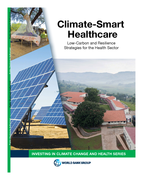
Climate change is damaging human health now and is projected to have a greater impact in the future. Low- and middle-income countries are seeing the worst effects as they are most vulnerable to climate shifts and least able to adapt given weak health systems and poor infrastructure. Low-carbon appro
...
ach can provide effective, cheaper care while at the same time being climate smart. Low-carbon healthcare can advance institutional strategies toward low-carbon development and health-strengthening imperatives and inspire other development institutions and investors working in this space. Low-carbon healthcare provides an approach for designing, building, operating, and investing in health systems and facilities that generate minimal amounts of greenhouse gases. It puts health systems on a climate-smart development path, aligning health development and delivery with global climate goals. This approach saves money by reducing energy and resource costs. It can improve the quality of care in a diversity of settings. By prompting ministries of health to tackle climate change mitigation and foster low-carbon healthcare, the development community can help governments strengthen local capacity and support better community health.
more
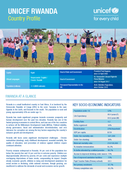
This document provides a snapshot view of Rwanda in terms of key socio-economic indicators, political and economic context and the situation of children. It also gives an overview of UNICEF's Country Programme and key achievements.
Rwanda has made significant progress towards economic prosperity an
...
d human development over the past two decades. Rwanda has one of the fastest growing economies in central Africa, and was one of the few countries to achieve all the Millennium Development Goals (MDGs). Political stability, strong governance, fiscal and administrative decentralization, and zero tolerance for corruption are among the key factors supporting the country’s inclusive growth and development.
Rwanda still faces some significant development challenges. Chronic malnutrition (stunting), early childhood development, neonatal mortality, the quality of education, and prevention of violence against children require continued attention.
more

The main objectives of these guidelines are to:
1. contribute to the quality assurance of medicinal plant materials used as the source for herbal medicines to improve the quality, safety and ef ... ficacy of finished herbal products; 2. guide the formulation of national and/or regional GACP guidelines and GACP monographs for medicinal plants and related standard operating procedures; and 3. encourage and support the sustainable cultivation and collection of medicinal plants of good quality in ways that respect and support the conservation of medicinal plants and the environment in general. These guidelines concern the cultivation and collection of medicinal plants and include certain post-harvest operations. more
1. contribute to the quality assurance of medicinal plant materials used as the source for herbal medicines to improve the quality, safety and ef ... ficacy of finished herbal products; 2. guide the formulation of national and/or regional GACP guidelines and GACP monographs for medicinal plants and related standard operating procedures; and 3. encourage and support the sustainable cultivation and collection of medicinal plants of good quality in ways that respect and support the conservation of medicinal plants and the environment in general. These guidelines concern the cultivation and collection of medicinal plants and include certain post-harvest operations. more
For handwashing to be effective, it needs to be practiced consistently and thoroughly. Even when people have access to soap and water, and know how and why to wash their hands, many still do not properly wash their hands consistently at critical tim
...
es. The handwashing behavior change challenge is not only to encourage people to wash their hands with soap, but to do so correctly and at all critical times.
Nudges are one example of a behavior change tool that can encourage people to wash their hands.
Although the evidence base for nudges is still emerging and nudges for handwashing have been tested primarily in single contexts or on a limited scale, this brief and infographic answer some frequently asked questions about nudges and provides examples of how they have been used in efforts to increase handwashing. more
Nudges are one example of a behavior change tool that can encourage people to wash their hands.
Although the evidence base for nudges is still emerging and nudges for handwashing have been tested primarily in single contexts or on a limited scale, this brief and infographic answer some frequently asked questions about nudges and provides examples of how they have been used in efforts to increase handwashing. more
Digital Comprehensive Summaries of Uppsala Dissertations from the Faculty of Medicine | The aim of this study was to explore the risk factors for stillbirth and neonatal death and change in perinatal outcomes after the introduction of helping Babies Breathe
...
Quality Improvement Cycle in Nepal.
more
The target audience for this guideline is primarily for health care providers nurses, doctors, social workers and other people involved in HIV response in Rwanda so that they are capable of offering quality care services to patients over a long time
...
. The new National Guidelines for Prevention and Management of HIV and STIs are articulated in accordance to treat all HIV+ patients regardless of CD4 count and a new service delivery model to support its implementation.
more

Globally, it is estimated that 128.6 million people are currently in need of humanitarian assistance. Of these individuals, approximately one-fourth are women and girls of reproductive age. Although family planning is one of the most life-saving, empowering, and cost-effective
...
interventions for women and girls, it remains an overwhelming gap in emergency responses due to a lack of prioritisation and funding. Consequently, many women and girls are forced to contend with an unmet need for family planning and unplanned pregnancies in addition to the traumas of conflict, disaster, and displacement.
more
The National Guidelines for HIV-1 Viral Load Laboratory Testing support plans to scale up viral load (VL) testing to reach the 90-90-90 targets in India. This phased scale-up includes the setup of 70 additional VL testing laboratories nationally. These guidelines include laboratory design considerat
...
ions, a summary of VL technologies, and specimen collection and handling as well as transportation and storage guidance. Quality control and quality assurance requirements are described as well as laboratory safety issues. The guidelines also describe the VL laboratory network to be developed with supply chain management issues and commodities described. Annexes include laboratory registers and reporting forms.
more
With the goal of ending viral hepatitis as a public health threat by 2030, the Regional Action Plan will provide an actionable framework for implementing evidence-based interventions at scale. It will be informed through strategic monitoring of the
...
response, that must be equitable and sustainable and allow for innovations for acceleration and reaching out to all in need with health services. A major reduction in prices of newer drugs to potentially cure hepatitis C offers an added opportunity to work towards its elimination.
more
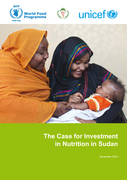
Over the period 2015 to 2019, scaling up a package of selected nutrition-specific and nutrition sensitive interventions to cover 90 per cent of Sudan would:
- Reduce the under-five mortality rate to 49/1,000 live births
- Reduce the preva ... lence of stunting to 25 per cent
- Reduce the prevalence of wasting (global acute malnutrition – GAM) to 6 per cent
- Increase exclusive breastfeeding to 63 per cent
- Reduce iron deficiency anaemia among pregnant women to 26 per cent. more
- Reduce the under-five mortality rate to 49/1,000 live births
- Reduce the preva ... lence of stunting to 25 per cent
- Reduce the prevalence of wasting (global acute malnutrition – GAM) to 6 per cent
- Increase exclusive breastfeeding to 63 per cent
- Reduce iron deficiency anaemia among pregnant women to 26 per cent. more
This Community Health Systems (CHS) Catalog country profile is the 2016 update of a landscape
assessment that was originally conducted by the Advancing Partners & Communities (APC) project
in 2014. The CHS Catalog focuses on 25 countries deemed priority by the United States Agency for
Internation
...
al Development’s (USAID) Office of Population and Reproductive Health, and includes
specific attention to family planning (FP), a core focus of the APC project.
The update comes as many countries are investing in efforts to support the Sustainable Development
Goals and to achieve universal health coverage while modifying policies and strategies to better align
and scale up their community health systems.
The purpose of the CHS Catalog is to provide the most up-to-date information available on community
health systems based on existing policies and related documentation in the 25 countries. Hence, it does
not necessarily capture the realities of policy implementation or service delivery on the ground. APC
has made efforts to standardize the information across country profiles, however, content between
countries may vary due to the availability and quality of the data obtained from policy documents.
more
Guidelines.
The guidelines set out essential actions that humanitarian actors must take in order to effectively identify and respond to the needs and rights of persons with disabilities who are most at risk of being left behind in humanitarian settings.
The recommended actions in each chapter pl
...
ace persons with disabilities at the centre of humanitarian action, both as actors and as members of affected populations. They are specific to persons with disabilities and to the context of humanitarian action and build on existing and more general standards and guidelines.
These are the first humanitarian guidelines to be developed with and by persons with disabilities and their representative organizations in association with traditional humanitarian stakeholders. Based on the outcomes of a comprehensive global and regional multi-stakeholder consultation process, they are designed to promote the implementation of quality humanitarian programmes in all contexts and across all regions, and to establish and increase both the inclusion of persons with disabilities and their meaningful participation in all decisions that concern them.
more

In Vietnam, most of the examination and treatment facilities are facing with of spread of bacteria resistant to many antibiotics. The level and speed of drug resistance are increasing, at alarming level. The burden of drug resistance is increasing due to the increasing cost of treatment, prolonged t
...
reatment,. That will affect patients’ health, community and social development. In the future, many
nations will be able to face the possibility of having no effective drugs to treat infectious diseases if they do not make appropriate interventions.
more
Nosocomial infections, or hospital-acquired infec-tions (HAI), are among the most significant causesof morbidity and mortality in healthcare settingsthroughout the world.Prevention of HAIs iscentral to providing high quality and safe health-care, e
...
ven in settings with limited resources.Transmission of infectious agents between patientsby health workers and irrational use of antibioticsare two important preventable factors involved inmany HAIs.
more
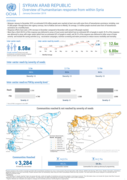
January - December 2019
First published April 2020
• Between January to December 2019, an estimated 8.58 million people were reached at least once with some form of humanitarian assistance, including over
91,000 people through three inter-agency convoys, two to Rukban and one to Menbij. On
...
average, 3.4 million people received some form of humanitarian
assistance on a monthly basis.
• Response efforts have seen a 39% increase in December compared to November with around 4.88 people reached.
• More than a third (38.5%) of this response was delivered to areas of most acute need (which host an estimated 40% of people in need); 25.3% of the response
was delivered to areas with major needs (which host an estimated 42% of people in need); and 36.2% of the response was delivered to other areas of lower
severity and include life-saving activities (e.g.: vaccination campaigns, nutrition screening and water provision) to reduce excess morbidity and mortality.
more
Housing at the forefront of the response to COVID-19: Discussion paper on policy options for Myanmar
Urban poor communities including the homeless, residents of informal settlements, residents at risk of being evicted, Internally Displaced Persons (IDPs), undocumented persons, low-income renters, as well as homeowners are perhaps at greatest risk from both COVID-19 and the response
...
interventions to it.
more
Priority medical devices list for the COVID-19 response and associated technical specifications
recommended
23 February 2021
This document describes the medical devices required for the clinical management of COVID-19, selected and prioritized according to the latest available evidence and interim guidelines. This includes: oxygen therapy, pulse oximeters, patient monitors, thermometers, infusion and suc
...
tion pumps, X-ray, ultrasound and CT scanners as well as personal protective equipment. In order to facilitate access to quality assured priority medical devices, the document also includes technical and performance characteristics, related standards, accessories and consumables. It is intended for policy-makers and planning officers in Ministries of Health, procurement and regulatory agencies, intergovernmental and international agencies as well as the medical device industry.
This document is an update to the List of priority medical devices for COVID-19 case management and Technical specifications for invasive and non-invasive ventilators for COVID-19.
This document complements the Technical specifications of personal protective equipment for COVID-19.
more
This document outlines the evaluation process that WHO undertakes to assess novel tools and strategies targeted at VBDs. Its aim is to articulate the linkage between the generation of evidence that demonstrates public health impact of novel interventions
...
, and the development of policy recommendations based on the generated data. The document defines standards for the evaluation process, as well as the steps that an applicant needs to undertake, along with some guiding principles that aim to support applicants in the development of submissions with WHO.
more
National emergency medical teams are the best option for providing immediate and appropriate surge response for emergencies directly affecting populations, while international teams may help relieve overwhelmed health systems. The efficiency and effectiveness of countries and local authorities in mo
...
bilizing existing resources is only as good as the quality of care they are able to provide. This publication serves as a practical guide for teams and aims to compliment emergency response systems, fostering seamless collaboration with all emergency response actors and networks
more
In line with the National Mental Health Strategy for Lebanon (2015-2020), this guide answers the objective of the Mental Health and Psychosocial Support task force: “Development and provision of staff care interventions for persons working in the
...
MHPSS and Protection sectors”. It aims at preventing burnout, improving the wellbeing of staff, and managing difficult situations resulting from work conditions.
more
