
Filter
991
Text search:
UN
Women,
UNFPA
Featured
Recommendations
59
New Publications
356
Language
Document type
No document type
654
Studies & Reports
142
Guidelines
71
Strategic & Response Plan
59
Manuals
29
Situation Updates
22
Fact sheets
6
Training Material
4
Infographics
2
Resource Platforms
1
Online Courses
1
Countries / Regions
Myanmar / Burma
46
Sierra Leone
40
Liberia
32
Nepal
32
Bangladesh
30
Global
29
Syria
26
Kenya
25
Nigeria
24
Malawi
22
Uganda
21
Ethiopia
20
Congo, Democratic Republic of
19
Zambia
19
Yemen
17
India
15
Rwanda
15
South Sudan
14
Latin America and the Carribbean
14
Mozambique
13
Ukraine
13
Lesotho
12
Namibia
11
Senegal
10
Haiti
10
Tanzania
10
South–East Asia Region
10
Ghana
9
Zimbabwe
9
Philippines
9
Venezuela
9
Guinea
8
Burkina Faso
8
Indonesia
8
Colombia
7
Asia
7
Africa
7
Somalia
6
Pakistan
6
Cambodia
6
Benin
6
Central African Republic
6
Brazil
6
Moldova
6
Afghanistan
5
South Africa
5
Botswana
5
Middle East and North Africa
5
Albania
5
Burundi
4
Sri Lanka
4
East and Southern Africa
4
Jordan
3
Germany
3
Lebanon
3
Thailand
3
Argentina
3
Peru
3
Eswatini/ Swaziland
3
Madagascar
3
West and Central Africa
3
Western and Central Europe
3
Laos
3
Togo
2
Papua New Guinea
2
Sudan
2
Mexico
2
Western Pacific Region
2
Paraguay
2
Palestine
2
Russia
2
Mali
1
Côte d’Ivoire / Ivory Coast
1
Egypt
1
North Macedonia
1
Hungary
1
Bolivia
1
Chile
1
Eastern Europe and Central Asia
1
Poland
1
Eastern Europe
1
Timor Leste/ East Timor
1
Romania
1
Slovakia
1
Georgia
1
Vietnam
1
Turkmenistan
1
Mauritius
1
Authors & Publishers
Publication Years
Category
Countries
515
Women & Child Health
129
Clinical Guidelines
32
Public Health
29
Key Resources
19
Capacity Building
10
Pharmacy & Technologies
4
General Guidelines
1
Toolboxes
HIV
127
COVID-19
79
Conflict
60
Mental Health
33
Disability
25
Ebola
25
Natural Hazards
21
Refugee
21
Global Health Education
17
Health Financing Toolbox
12
Rapid Response
10
Caregiver
10
Zika
9
TB
6
Planetary Health
6
Pharmacy
5
AMR
3
Polio
2
Typhoon
1
NCDs
1
Accessed on 20.10.2020
L͛analyse des tendances récentes montre que le Burkina Faso a enregistré une réduction significative de la mortalité infanto-juvénile. Même si aucune des cibles des OMD 4 et 5 n͛a été atteinte par le pays, le taux de mortalité infanto-juvénile est passé de 129
...
Conflict and Health 2015, 9:8 doi:10.1186/s13031-015-0035-8
Lancet Glob Health 2015; 3: e396–409. Open Access
A supplement to The State of the World’s Children Report 2009
The information provided here can be used to understand the current situation, increase attention to preterm births in Rwanda and to inform dialogue and action among stakeholders. Data can be used to identify the most important risk factors to target and gaps in care in order to identify and impleme
...
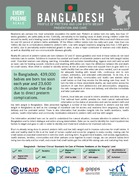
The information provided here can be used to understand the current situation, increase attention to preterm births in Rwanda and to inform dialogue and action among stakeholders. Data can be used to identify the most important risk factors to target and gaps in care in order to identify and impleme
...
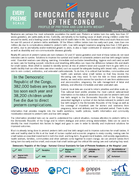
The information provided here can be used to understand the current situation, increase attention to preterm births in Rwanda and to inform dialogue and action among stakeholders. Data can be used to identify the most important risk factors to target and gaps in care in order to identify and impleme
...
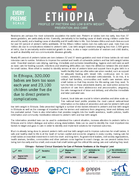
The information provided here can be used to understand the current situation, increase attention to preterm births in Rwanda and to inform dialogue and action among stakeholders. Data can be used to identify the most important risk factors to target and gaps in care in order to identify and impleme
...
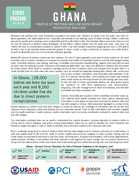
The information provided here can be used to understand the current situation, increase attention to preterm births in Rwanda and to inform dialogue and action among stakeholders. Data can be used to identify the most important risk factors to target and gaps in care in order to identify and impleme
...
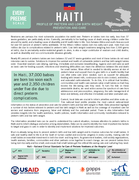
The information provided here can be used to understand the current situation, increase attention to preterm births in Rwanda and to inform dialogue and action among stakeholders. Data can be used to identify the most important risk factors to target and gaps in care in order to identify and impleme
...
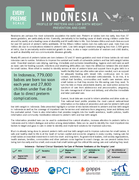
The information provided here can be used to understand the current situation, increase attention to preterm births in Rwanda and to inform dialogue and action among stakeholders. Data can be used to identify the most important risk factors to target and gaps in care in order to identify and impleme
...
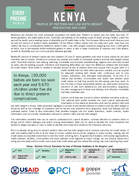
The information provided here can be used to understand the current situation, increase attention to preterm births in Rwanda and to inform dialogue and action among stakeholders. Data can be used to identify the most important risk factors to target and gaps in care in order to identify and impleme
...
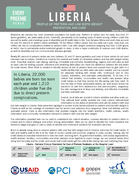
The information provided here can be used to understand the current situation, increase attention to preterm births in Rwanda and to inform dialogue and action among stakeholders. Data can be used to identify the most important risk factors to target and gaps in care in order to identify and impleme
...
