
Filter
3725
Text search:
demographic
Featured
176
1275
Language
3538
117
58
32
18
18
12
12
7
2
2
2
1
1
1
1
1
1
1
1
1
1
1
1
1
1
1
1
1
1
1
1
1
1
1
Document type
2513
682
196
101
85
59
26
24
19
12
3
1
1
Countries
170
148
141
129
123
117
115
108
106
101
95
83
82
80
80
79
68
67
57
56
51
50
50
49
49
38
37
35
34
31
29
29
27
21
20
20
20
20
19
18
18
17
16
14
14
13
13
12
12
12
12
12
11
10
10
10
10
9
9
8
8
8
8
8
7
7
7
7
6
6
6
6
5
5
5
5
5
5
4
4
4
4
4
3
3
3
3
3
3
2
2
2
2
2
2
2
2
2
2
2
2
1
1
1
1
1
1
1
1
1
1
1
1
1
1
1
1
1
1
1
1
1
1
1
1
1
1
1
1
Authors & Publishers
290
172
116
114
97
77
75
69
56
48
35
32
27
26
25
24
23
21
19
19
18
17
16
15
15
14
14
14
13
13
13
12
12
12
11
10
10
10
10
10
10
9
9
9
9
9
9
9
9
9
9
8
8
8
8
7
7
7
7
7
7
7
7
7
7
7
7
7
7
7
7
6
6
6
6
6
6
6
6
6
6
6
6
6
6
6
6
6
6
6
5
5
5
5
5
5
5
5
5
5
5
5
5
5
5
5
5
5
5
5
5
5
5
5
5
5
5
5
4
4
4
4
4
4
4
4
4
4
4
4
4
4
4
4
4
4
4
4
4
4
4
4
4
4
4
4
4
4
4
4
4
4
4
4
4
4
3
3
3
3
3
3
3
3
3
3
3
3
3
3
3
3
3
3
3
3
3
3
3
3
3
3
3
3
3
3
3
3
3
3
3
3
3
3
3
3
3
3
3
3
3
3
3
3
3
3
3
3
3
3
3
3
3
3
3
3
3
3
3
3
3
3
3
3
3
3
3
3
3
3
3
3
3
3
3
3
3
3
3
3
3
3
3
3
3
3
3
3
3
3
3
3
2
2
2
2
2
2
2
2
2
2
2
2
2
2
2
2
2
2
2
2
2
2
2
2
2
2
2
2
2
2
2
2
2
2
2
2
2
2
2
2
2
2
2
2
2
2
2
2
2
2
2
2
2
2
2
2
2
2
2
2
2
2
2
2
2
2
2
2
2
2
2
2
2
2
2
2
2
2
2
2
2
2
2
2
2
2
2
2
2
2
2
2
2
2
2
2
2
2
2
2
2
2
2
2
2
2
2
2
2
2
2
2
2
2
2
2
2
2
2
2
2
2
2
2
2
2
2
2
2
2
2
2
2
2
2
2
2
2
2
2
2
2
2
2
2
2
2
2
2
2
2
2
2
2
2
2
2
2
2
2
2
2
2
2
2
2
2
2
2
2
2
2
2
2
2
2
2
2
2
2
2
2
2
2
2
2
2
2
2
2
2
2
2
2
2
2
2
2
2
2
2
2
2
2
2
2
2
2
2
2
2
2
2
2
2
2
2
2
2
2
2
2
2
2
2
2
2
2
2
2
2
2
2
2
2
2
2
2
2
2
2
2
2
2
2
2
2
2
2
2
2
2
1
1
1
1
1
1
1
1
1
1
1
1
1
1
1
1
1
1
1
1
1
1
1
1
1
1
1
1
1
1
1
1
1
1
1
1
1
1
1
1
1
1
1
1
1
1
1
1
1
1
1
1
1
1
1
1
1
1
1
1
1
1
1
1
1
1
1
1
1
1
1
1
1
1
1
1
1
1
1
1
1
1
1
1
1
1
1
1
1
1
1
1
1
1
1
1
1
1
1
1
1
1
1
1
1
1
1
1
1
1
1
1
1
1
1
1
1
1
1
1
1
1
1
1
1
1
1
1
1
1
1
1
1
1
1
1
1
1
1
1
1
1
1
1
1
1
1
1
1
1
1
1
1
1
1
1
1
1
1
1
1
1
1
1
1
1
1
1
1
1
1
1
1
1
1
1
1
1
1
1
1
1
1
1
1
1
1
1
1
1
1
1
1
1
1
1
1
1
1
1
1
1
1
1
1
1
1
1
1
1
1
1
1
1
1
1
1
1
1
1
1
1
1
1
1
1
1
1
1
1
1
1
1
1
1
1
1
1
1
1
1
1
1
1
1
1
1
1
1
1
1
1
1
1
1
1
1
1
1
1
1
1
1
1
1
1
1
1
1
1
1
1
1
1
1
1
1
1
1
1
1
1
1
1
1
1
1
1
1
1
1
1
1
1
1
1
1
1
1
1
1
1
1
1
1
1
1
1
1
1
1
1
1
1
1
1
1
1
1
1
1
1
1
1
1
1
1
1
1
1
1
1
1
1
1
1
1
1
1
1
1
1
1
1
1
1
1
1
1
1
1
1
1
1
1
1
1
1
1
1
1
1
1
1
1
1
1
1
1
1
1
1
1
1
1
1
1
1
1
1
1
1
1
1
1
1
1
1
1
1
1
1
1
1
1
1
1
1
1
1
1
1
1
1
1
1
1
1
1
1
1
1
1
1
1
1
1
1
1
1
1
1
1
1
1
1
1
1
1
1
1
1
1
1
1
1
1
1
1
1
1
1
1
1
1
1
1
1
1
1
1
1
1
1
1
1
1
1
1
1
1
1
1
1
1
1
1
1
1
1
1
1
1
1
1
1
1
1
1
1
1
1
1
1
1
1
1
1
1
1
1
1
1
1
1
1
1
1
1
1
1
1
1
1
1
1
1
1
1
1
1
1
1
1
1
1
1
1
1
1
1
1
1
1
1
1
1
1
1
1
1
1
1
1
1
1
1
1
1
1
1
1
1
1
1
1
1
1
1
1
1
1
1
1
1
1
1
1
1
1
1
1
1
1
1
1
1
1
1
1
1
1
1
1
1
1
1
1
1
1
1
1
1
1
1
1
1
1
1
1
1
1
1
1
1
1
1
1
1
1
1
1
1
1
1
1
1
1
1
1
1
1
1
1
1
1
1
1
1
1
1
1
1
1
1
1
1
1
1
1
1
1
1
1
1
1
1
1
1
1
1
1
1
1
1
1
1
1
1
1
1
1
1
1
1
1
1
1
1
1
1
1
1
1
1
1
1
1
1
1
1
1
1
1
1
1
1
1
1
1
1
1
1
1
1
1
1
1
1
1
1
1
1
1
1
1
1
1
1
1
1
1
1
1
1
1
1
1
1
1
1
1
1
1
1
1
1
1
1
1
1
1
1
1
1
1
1
1
1
1
1
1
1
1
1
1
1
1
1
1
1
1
1
1
1
1
1
1
1
1
1
1
1
1
1
1
1
1
1
1
1
1
1
1
1
1
1
1
1
1
1
1
1
1
1
1
1
1
1
1
1
1
1
1
1
1
1
1
1
1
1
1
1
1
1
1
1
1
1
1
1
1
1
1
1
1
1
1
1
1
1
1
1
1
1
1
1
1
1
1
1
1
1
1
1
1
1
1
1
1
1
1
1
1
1
1
1
1
1
1
1
1
1
1
1
1
1
1
1
1
1
1
1
1
1
1
1
1
1
1
1
1
1
1
1
1
1
1
1
1
1
1
1
1
1
1
1
1
1
1
1
1
1
1
1
1
1
1
1
1
1
1
1
1
1
1
1
1
1
1
1
1
1
1
1
1
1
1
1
1
1
1
1
1
1
1
1
1
1
1
1
1
1
1
1
1
1
1
1
1
1
1
1
1
1
1
1
1
1
1
1
1
1
1
1
1
1
1
1
1
1
1
1
1
1
1
1
1
1
1
1
1
1
1
1
1
1
1
1
1
1
1
1
1
1
1
1
1
1
1
1
1
1
1
1
1
1
1
1
1
1
1
1
1
1
1
1
1
1
1
1
1
1
1
1
1
1
1
1
1
1
1
1
1
1
1
1
1
1
1
1
1
1
1
1
1
1
1
1
1
1
1
1
1
1
1
1
1
1
1
1
1
1
1
1
1
1
1
1
1
1
1
1
1
1
1
1
1
1
1
1
1
1
1
1
1
1
1
1
1
1
1
1
1
1
1
1
1
1
1
1
1
1
1
1
1
1
1
1
1
1
1
1
1
1
1
1
1
1
1
1
1
1
1
1
1
1
1
1
1
1
1
1
1
1
1
1
1
1
1
1
1
1
1
1
1
1
1
1
1
1
1
1
1
1
1
1
1
1
1
1
1
1
1
1
1
1
1
1
1
1
1
1
1
1
1
1
1
1
1
1
1
1
1
1
1
1
1
1
1
1
1
1
1
1
1
1
1
1
1
1
1
1
1
1
1
1
1
1
1
1
1
1
1
1
1
1
1
1
1
1
1
1
1
1
1
1
1
1
1
1
1
1
1
1
1
1
1
1
1
1
1
1
1
1
1
1
1
1
1
1
1
1
1
1
1
1
1
1
1
1
1
1
1
1
1
1
1
1
1
1
1
1
1
1
1
1
1
1
1
1
1
1
1
1
1
1
1
1
1
1
1
1
1
1
1
1
1
1
1
1
1
1
1
1
1
1
1
1
1
1
1
1
1
1
1
1
1
1
1
1
1
1
1
1
1
1
1
1
1
1
1
1
1
1
1
1
1
1
1
1
1
1
1
1
1
1
1
1
1
1
1
1
1
1
1
1
1
1
1
1
1
1
1
1
1
1
1
1
1
1
1
1
1
1
1
1
1
1
1
1
1
1
1
1
1
1
1
1
1
1
1
1
1
1
1
1
1
1
1
1
1
1
1
1
1
1
1
1
1
1
1
1
1
1
1
1
1
1
1
1
1
1
1
1
1
1
1
1
1
1
1
1
1
1
1
1
1
1
1
1
1
1
1
1
1
1
1
1
1
1
1
1
1
1
1
1
1
1
1
1
1
1
1
1
1
1
1
1
1
1
1
1
1
1
1
1
1
1
1
1
1
1
1
1
1
1
1
1
1
1
1
1
1
1
1
1
1
1
1
1
1
1
1
1
1
1
1
1
1
1
1
1
1
1
1
1
1
1
1
1
1
1
1
1
1
1
1
1
1
1
1
1
1
1
1
1
1
1
1
1
1
1
1
1
1
1
1
1
1
1
1
1
1
1
1
1
1
1
1
1
1
1
1
1
1
1
1
1
1
1
1
1
1
1
1
1
1
1
1
1
1
1
1
1
1
1
1
1
1
1
1
1
1
1
1
1
1
1
1
1
1
1
1
1
1
1
1
1
1
1
1
1
1
1
1
1
1
1
1
1
1
1
1
1
1
1
1
1
1
1
1
1
1
1
1
1
1
1
1
1
1
1
1
1
1
1
1
1
1
1
1
1
1
1
1
1
1
1
1
1
1
1
1
1
1
1
1
1
1
1
1
1
1
1
1
1
1
1
1
1
1
1
1
1
1
1
1
1
1
1
1
1
1
1
1
1
1
1
1
1
1
1
1
1
1
1
1
1
1
1
1
1
1
1
1
1
1
1
1
1
1
1
1
1
1
1
1
1
1
1
1
1
1
1
1
1
1
1
1
1
1
1
1
1
1
1
1
1
1
1
1
1
1
1
1
1
1
1
1
1
1
1
1
1
1
1
1
1
1
1
1
1
1
1
1
1
1
1
1
1
1
1
1
1
1
1
1
1
1
1
1
1
1
1
1
1
1
1
1
1
1
1
1
1
1
1
1
1
1
1
1
1
1
1
1
1
1
1
1
1
1
1
1
1
1
1
1
1
1
1
1
1
1
1
1
1
1
1
1
1
1
1
1
1
1
1
1
1
1
1
1
1
1
1
1
1
1
1
1
1
1
1
1
1
1
1
1
1
1
1
1
1
1
1
1
1
1
1
1
1
1
1
1
1
1
1
1
1
1
1
1
1
1
1
1
1
1
1
1
1
1
1
1
1
1
1
1
1
1
1
1
1
1
1
1
1
1
1
1
1
1
1
1
1
1
1
1
1
1
1
1
1
1
1
1
1
1
1
1
1
1
1
1
1
1
1
1
1
1
1
1
1
1
1
1
1
1
1
1
1
1
1
1
1
1
1
1
1
1
1
1
1
1
1
1
1
1
1
1
1
1
1
1
1
1
1
1
1
1
1
1
1
1
1
1
1
1
1
1
1
1
1
1
1
1
1
1
1
1
1
1
1
1
1
1
1
1
1
1
1
1
1
1
1
1
1
1
1
1
1
1
1
1
1
1
1
1
1
1
1
1
1
1
1
1
1
1
1
1
1
1
1
1
1
1
1
1
1
1
1
1
1
1
1
1
1
1
1
1
1
1
1
1
1
1
1
1
1
1
1
1
1
1
1
1
1
1
1
1
1
1
1
1
1
1
1
1
1
1
1
1
1
1
1
1
1
1
1
1
1
1
1
1
1
1
1
1
1
1
1
1
1
1
1
1
1
1
1
1
1
1
1
1
1
1
1
1
1
1
1
1
1
1
1
1
1
1
1
1
1
1
1
1
1
1
1
1
1
1
1
1
1
1
1
1
1
1
1
1
1
1
1
1
1
1
1
1
1
1
1
1
1
1
1
1
1
1
1
1
1
1
1
1
1
1
1
1
1
1
1
1
1
1
1
1
1
1
1
1
1
1
1
1
1
1
1
1
1
1
1
1
1
1
1
1
1
1
1
1
1
1
1
1
1
1
1
1
1
1
1
1
1
1
1
1
1
1
1
1
1
1
1
1
1
1
1
1
1
1
1
1
1
1
1
1
1
1
1
1
1
1
1
1
1
1
1
1
1
1
1
1
1
1
1
1
1
1
1
1
1
1
1
1
1
1
1
1
1
1
1
1
1
1
1
1
1
1
1
1
1
1
1
1
1
1
1
1
1
1
1
1
1
1
1
1
1
1
1
1
1
1
1
1
1
1
1
1
1
1
1
1
1
1
1
1
1
1
1
1
1
1
1
1
1
1
1
1
1
1
1
1
1
1
1
1
1
1
1
1
1
1
1
1
1
1
1
1
1
1
1
1
1
1
1
1
1
1
1
1
1
1
1
1
1
1
1
1
1
1
1
1
1
1
1
1
1
1
1
1
1
1
1
1
1
1
1
1
1
1
1
1
1
1
1
1
1
1
1
1
1
1
1
1
1
1
1
1
1
1
1
1
1
1
1
1
1
1
1
1
1
1
1
1
1
1
1
1
1
1
1
1
1
1
1
1
1
1
1
1
1
1
1
1
1
1
1
1
1
1
1
1
1
1
1
1
1
1
1
1
1
1
1
1
1
1
1
1
1
1
1
1
1
1
1
1
1
1
1
1
1
1
1
1
1
1
1
1
1
1
1
1
1
1
1
1
1
1
1
1
1
1
1
1
1
1
1
1
1
1
1
1
1
1
1
1
1
1
1
1
1
1
1
1
1
1
1
1
1
1
1
1
1
1
1
1
1
1
1
1
1
1
1
1
1
1
1
1
1
1
1
1
1
1
1
1
1
1
1
1
1
1
1
1
1
1
1
1
1
1
1
1
1
1
1
1
1
1
1
1
1
1
1
1
1
1
1
1
1
1
1
1
1
1
1
1
1
1
1
1
1
1
1
1
1
1
1
1
1
1
1
1
1
1
1
1
1
1
1
1
1
1
1
1
1
1
1
1
1
1
1
1
1
1
1
1
1
1
1
1
1
1
1
1
1
1
1
1
1
1
1
1
1
1
1
1
1
1
1
1
1
1
1
1
1
1
1
1
1
1
1
1
1
1
1
1
1
1
1
1
1
1
1
1
1
1
1
1
1
1
1
1
1
1
1
1
1
1
1
1
1
1
1
1
1
1
1
1
1
1
1
1
1
1
1
1
1
1
1
1
1
1
1
1
1
1
1
1
1
1
1
1
1
1
1
1
1
1
1
1
1
1
1
1
1
1
1
1
1
1
1
1
1
1
1
1
1
1
1
1
1
1
1
1
1
1
1
1
1
1
1
1
1
1
1
1
1
1
1
1
1
1
1
1
1
1
1
1
1
1
1
1
1
1
1
1
1
1
1
1
1
1
1
1
1
1
1
1
1
1
1
1
1
1
1
1
1
1
1
1
1
1
1
1
1
1
1
1
1
1
1
1
1
1
1
1
1
1
1
1
1
1
1
1
1
1
1
1
1
1
1
1
1
1
1
1
1
1
1
1
1
1
1
1
1
1
1
1
1
1
1
1
1
1
1
1
1
1
1
1
1
1
1
1
1
1
1
1
1
1
1
1
1
1
1
1
1
1
1
1
1
1
1
1
1
1
1
1
1
1
1
1
1
1
1
1
1
1
1
1
1
1
1
1
1
1
1
1
1
1
1
1
1
1
1
1
1
1
1
1
1
1
1
1
1
1
1
1
1
1
1
1
1
1
1
1
1
1
1
1
1
1
1
1
1
1
1
1
1
1
1
1
1
1
1
1
1
1
1
1
1
1
1
1
1
Publication Years
726
2702
286
8
2
1
Category
2136
192
175
141
96
28
13
6
Toolboxes
268
222
163
119
118
115
70
69
61
58
56
56
54
51
49
27
24
21
11
11
7
6
5
1
This report is the first of its kind. It brings together various data sets to present the current status of hand hygiene, highlight lagging progress, and call governments and supporting agencies to action, offering numerous inspiring examples of change.
During the COVID-19 pandemic, hand hygiene
...
received unprecedented attention and became a central pillar in national COVID prevention strategies. However, concern with hand hygiene should not only be as temporary public health measure in times of crisis, but as a vital everyday behaviour that contributes to health and economic resilience. Hand hygiene is a highly cost-effective investment, providing outsized health benefits for relatively little cost.
Despite efforts to promote hand hygiene, the rates of access to hand hygiene facilities remain stubbornly low. If current rates of progress continue, by the end of the SDG era in 2030, 1.9 billion people will still lack facilities to wash their hands at home.
This report presents a compelling case for investment in five key ‘accelerators’ as a pathway towards achieving hand hygiene for all – governance, financing, capacity development, data and information, and innovation. These accelerators are identified under the UN-Water SDG 6 Global Acceleration Framework.
more
This implementation brief addresses integration of HIV testing services into family planning (FP) services. It is intended as a practical resource for national health programmes seeking to introduce or scale up HIV testing and linkage to HIV prevention, sexually transmitted infection, and antiretrov
...
iral therapy services in FP.
This document highlights emerging good practices and country experiences of integrated HIV prevention and testing services within FP and advocates for increased linkage for FP clients to HIV services according to their needs. It also brings together information on models of integration of HIV testing into FP services, programme examples from east and southern Africa and guidance on the implementation monitoring process.
more
Healthy communities rely on well-functioning ecosystems. They provide clean air, fresh water, medicines and food security. They also limit disease and stabilize the climate. But biodiversity loss is happening at unprecedented rates, impacting human health worldwide, according to a new state of knowl
...
edge review of the Convention on Biological Diversity (CBD) and WHO.
The report synthesizes the available information on the most important inter-linkages between biodiversity, ecosystem stability, and epidemic infectious diseases such as the Ebola virus; and the connection between biodiversity, nutritional diversity and health. It also covers the potential benefits of closer partnerships between conservation and health, from improved surveillance of infectious diseases in wildlife and human populations, to promoting access to green spaces to promote physical activity and mental health. It also highlights the many areas in which further research is needed.
The Joint report hopes to provide a useful reference for the Sustainable Development Goals and post-2015 development agenda, which represents an unique opportunity to promote integrated approaches to biodiversity and health by highlighting that biodiversity contributes to human well-being, and highlighting that biodiversity needs protection for development to be sustainable.
more

This report aims to support countries in the necessary transition toward healthier, more sustainable diets by integrating biodiversity in food-based interventions to support nutrition and health. It is intended to help guide decision-makers in the health, nutrition and other sectors, to:
Consider
...
the important role of biodiversity in food systems for the development of integrated interventions to support healthy, diverse and sustainable diets;
To focus investments and country support for more comprehensive, coordinated and cross-cutting public health and nutrition projects and policies; and
To strengthen the resilience of food systems, health systems, and societies, each of which are each increasingly compromised by widespread ecological degradation, biodiversity loss and climate change.
Biodiversity at every level (genetic, species and ecosystem level) is a foundational pillar for food security, nutrition, and dietary quality. It is the basic source of variety in essential foods, nutrients, vitamins and minerals, and medicines, and underpins life-sustaining ecosystem services. It is a core environmental determinant of health, often a vital ingredient of healthy nutritional outcomes and livelihoods, gender equality, social equity, and other health determinants.
Biodiversity can play a more prominent role in planning for nutritional outcomes in various ways, e.g. by facilitating the production of nutritious fruits and plant products, sustaining livelihoods through more efficient production and increasing the diversity of products available in markets. This Guidance presents and expands on six core building blocks for mainstreaming biodiversity for nutrition and health:
Cross-sectoral knowledge development and knowledge co-production;
Enabling environments;
Integration;
Conservation and the wider use of biodiversity;
Education and awareness-raising;
Monitoring and evaluation;
This WHO report builds on an unprecedented opportunity to mainstream biodiversity in order to support healthy and sustainable diets, and offers the necessary technical guidance to catalyze and support a transformation of the global food system and transition to healthier, more sustainable diets.
more
Global Biodiversity Outlook (GBO) is the flagship publication of the Convention on Biological Diversity (CBD). It is a periodic report that summarizes the latest data on the status and trends of biodiversity and draws conclusions relevant to the further implementation of the Convention.
GBO-5 pro
...
vides global summary of progress towards the Aichi Biodiversity Targets and is based on a range of indicators, research studies and assessments (in particular the IPBES Global Assessment on Biodiversity and Ecosystem Services), as well as the national reports provided by countries on their implementation of the CBD. The national reports provide rich information about the steps taken in countries worldwide in support of biodiversity conservation, sustainable use, and the fair and equitable sharing of benefits. This body of Information provides a wealth of information on the successes and challenges in implementing the Strategic Plan for Biodiversity 2011-2020 and in reaching the Aichi Biodiversity Targets.
This Outlook draws on the lessons learned during the first two decades of this century to clarify the transitions needed if we are to realize the vision agreed by world governments for 2050, ‘Living in Harmony with Nature’.
more
Urbanization, land use, global trade and industrialization have led to profound and negative impacts on nature, biodiversity and ecosystems across the world. The ongoing depletion of natural resources not only afects environmental conditions but also has an enormous impact on the well-being and secu
...
rity of societies.
This report provides an overview of the impacts of the natural environment on human health. It presents the ways nature and ecosystems can support and protect health and well-being, and describes how nature degradation and loss of biodiversity can threaten human health.
more
You are currently intervening or wishing to intervene in a dense urban context to
respond to issues of food security and improve livelihood conditions? This handbook
is for you!
Following the evaluation of all of its sack-gardening projects, SOLIDARITÉS
INTERNATIONAL (SI) wished to formalise
...
its experience through this technical
handbook.
NGOs, including SI, are increasingly led to intervene in contexts of high density (whether
in camps or in slums): this handbook is thus set within this dynamic.
It provides the keys for assessing the relevance of a sack-gardening project, as well as
the tools for its implementation. Nonetheless, all methodologies and tools proposed
in this handbook shall be further contextualised in case of a replication of this project.
more
This Study presents the key results of a research that analyses the implications of an ambitious agroecological transition across Europe, following the TYFA scenario. Published in 2018, what it proposes by 2050 is fully aligned with the objectives that the European Farm to Fork and Biodiversity stra
...
tegies aim to achieve by 2030, in particular regarding the decrease in pesticides, nitrogen, and antibiotics on the supply side, and the transition towards more plant-based diets on the demand side. Using a world biomass balance model (GlobAgri-AgT), the impact of the TYFA scenario in the EU on world land use, the EU physical trade balance, the provision of calories and global food security is analysed in addition to key policy levers to spur the transition.
more

Unhealthy diets and excess body weight are leading risk factors for death and disability in the WHO European Region. Addressing malnutrition in all its forms is essential to ensure health and well-being for all and, consequently, sustainable development. It requires coherent and innovative actions c
...
overing the entire food system and across other sectors to ensure access to a diversified, balanced and healthy diet for all.
more

High prices, hard-to-access human insulin, few insulin producers, and weak health systems are just some of the barriers that people with diabetes face a century after insulin was discovered, WHO notes in a new report
Testing men for HIV during their partner’s pregnancy can guide couples-based HIV prevention and treatment, but testing rates remain low. We investigated a combination approach, using evidence-based strategies, to increase HIV testing in male partners of HIV-positive and HIV-negative
...
pregnant women.
more
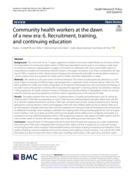
This is the sixth of our 11-paper supplement entitled “Community Health Workers at the Dawn of New Era”. Expectations of community health workers (CHWs) have expanded in recent years to encompass a wider array
of services to numerous subpopulations, engage communities to collaborate with and to
...
assist health systems in responding to complex and sometimes intensive threats. In this paper, we explore a set of key considerations for training of CHWs in response to their enhanced and changing roles and provide actionable recommendations based on
current evidence and case examples for health systems leaders and other stakeholders to utilize.
more
Regional guide for determining health workforce staffing norms and standards for health facilities
WHO Universal Health CoverageLife Course Cluster, WHO Regional Office
WHO Regional Office for Africa
(2021)
C_WHO
This study aimed to analyze the geographical distribution of coronavirus disease 2019 (COVID-19) and to identify high-risk areas in space and time for the occurrence of cases and deaths in the indigenous population of Brazil. This is an ecological study carried out between 24 March and 26 October 20
...
20 whose units of analysis were the Special Indigenous Sanitary Districts. The Getis-Ord General G and Getis-Ord Gi* techniques were used to verify the spatial association of the phenomena and a retrospective space–time scan was performed. There were 32 041 confirmed cases of COVID-19 and 471 deaths. The non-randomness of cases (z score = 5.40; P < 0.001) and deaths (z score = 3.83; P < 0.001) were confirmed. Hotspots were identified for cases and deaths in the north and midwest regions of Brazil. Sixteen high-risk space–time clusters were identified for the occurrence of cases with a higher RR = 21.23 (P < 0.001) and four risk clusters for deaths with a higher RR = 80.33 (P < 0.001). These clusters were identified from 22 May and were active until 10 October 2020. The results indicate critical areas in the indigenous territories of Brazil and contribute to better directing the actions of control of COVID-19 in this population.
more
This bi-weekly brief details the latest developments in scientific knowledge and public health policy from around the world as well as updates to the COVID-19-related guidance from Africa CDC, WHO and other public health agencies.
The COVID-19 pandemic led to school closures around the world, affecting almost 1.6 billion students. The effects of even short disruptions in a child’s schooling on their learning and well-being have been shown to be acute and long lasting. The capacities of education systems to respond to the cr
...
isis by delivering remote learning and support to children and families have been diverse yet uneven.
This report reviews the emerging evidence on remote learning throughout the global school closures during the COVID-19 pandemic to help guide decision-makers to build more effective, sustainable, and resilient education systems for current and future crises.
more
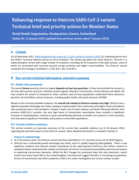
21 January 2022
The overall threat posed by Omicron largely depends on four key questions: (i) how transmissible the variant is; (ii) how well vaccines and prior infection protect against infection, transmission, clinical disease and death; (iii) how virulent the variant is compared to other varian
...
ts; and (iv) how populations understand these dynamics, perceive risk and follow control measures, including public health and social measures (PHSM).
more
