
Filter
3706
Text search:
World
Health
Organization
(WHO),
The
Global
Fund
Featured
284
1077
Language
3534
105
83
73
54
35
20
20
6
5
3
3
3
2
2
2
2
2
2
2
2
2
2
1
1
1
1
1
1
1
1
1
1
1
1
1
1
1
1
1
Document type
2184
702
349
170
157
47
46
34
8
4
3
2
Countries / Regions
200
113
96
90
83
80
80
73
72
68
64
60
55
55
54
54
51
49
47
43
38
37
35
35
34
33
31
30
30
28
28
27
27
26
25
25
24
19
19
18
18
16
16
15
15
14
13
12
11
11
11
11
10
10
10
9
9
8
8
8
8
8
7
7
7
7
7
6
6
6
5
5
5
5
4
4
4
4
4
4
4
4
3
3
3
3
3
3
3
3
3
3
3
2
2
2
2
2
2
2
2
2
2
2
2
2
2
2
2
2
2
2
2
1
1
1
1
1
1
1
1
1
1
1
1
1
1
1
1
1
1
Authors & Publishers
531
220
178
144
139
138
126
75
63
61
37
30
26
21
20
20
20
19
19
19
19
18
17
15
15
14
14
14
13
13
12
12
12
12
11
11
11
11
10
10
10
10
10
10
10
10
10
9
9
9
9
9
9
8
8
8
8
8
7
7
7
7
7
7
7
7
7
7
7
7
7
7
7
6
6
6
6
6
6
6
6
6
6
6
6
6
6
6
5
5
5
5
5
5
5
5
5
5
5
5
5
5
5
5
5
5
5
5
5
5
5
5
5
5
4
4
4
4
4
4
4
4
4
4
4
4
4
4
4
4
4
4
4
4
4
4
4
4
4
4
4
4
4
4
4
4
4
4
4
4
4
4
4
4
3
3
3
3
3
3
3
3
3
3
3
3
3
3
3
3
3
3
3
3
3
3
3
3
3
3
3
3
3
3
3
3
3
3
3
3
3
3
3
3
3
3
3
3
3
3
3
3
3
3
3
3
3
3
3
3
3
3
3
3
3
3
3
3
3
3
3
3
3
3
3
3
3
3
3
3
3
3
3
3
3
3
3
3
3
3
3
3
3
3
3
3
2
2
2
2
2
2
2
2
2
2
2
2
2
2
2
2
2
2
2
2
2
2
2
2
2
2
2
2
2
2
2
2
2
2
2
2
2
2
2
2
2
2
2
2
2
2
2
2
2
2
2
2
2
2
2
2
2
2
2
2
2
2
2
2
2
2
2
2
2
2
2
2
2
2
2
2
2
2
2
2
2
2
2
2
2
2
2
2
2
2
2
2
2
2
2
2
2
2
2
2
2
2
2
2
2
2
2
2
2
2
2
2
2
2
2
2
2
2
2
2
2
2
2
2
2
2
2
2
2
2
2
2
2
2
2
2
2
2
2
2
2
2
2
2
2
2
2
2
2
2
2
2
2
2
2
2
2
2
2
2
2
2
2
2
2
2
2
2
2
2
2
2
2
2
2
2
2
2
2
2
2
2
2
2
2
2
2
2
2
2
2
2
2
2
2
2
2
2
2
2
2
2
2
2
2
2
2
1
1
1
1
1
1
1
1
1
1
1
1
1
1
1
1
1
1
1
1
1
1
1
1
1
1
1
1
1
1
1
1
1
1
1
1
1
1
1
1
1
1
1
1
1
1
1
1
1
1
1
1
1
1
1
1
1
1
1
1
1
1
1
1
1
1
1
1
1
1
1
1
1
1
1
1
1
1
1
1
1
1
1
1
1
1
1
1
1
1
1
1
1
1
1
1
1
1
1
1
1
1
1
1
1
1
1
1
1
1
1
1
1
1
1
1
1
1
1
1
1
1
1
1
1
1
1
1
1
1
1
1
1
1
1
1
1
1
1
1
1
1
1
1
1
1
1
1
1
1
1
1
1
1
1
1
1
1
1
1
1
1
1
1
1
1
1
1
1
1
1
1
1
1
1
1
1
1
1
1
1
1
1
1
1
1
1
1
1
1
1
1
1
1
1
1
1
1
1
1
1
1
1
1
1
1
1
1
1
1
1
1
1
1
1
1
1
1
1
1
1
1
1
1
1
1
1
1
1
1
1
1
1
1
1
1
1
1
1
1
1
1
1
1
1
1
1
1
1
1
1
1
1
1
1
1
1
1
1
1
1
1
1
1
1
1
1
1
1
1
1
1
1
1
1
1
1
1
1
1
1
1
1
1
1
1
1
1
1
1
1
1
1
1
1
1
1
1
1
1
1
1
1
1
1
1
1
1
1
1
1
1
1
1
1
1
1
1
1
1
1
1
1
1
1
1
1
1
1
1
1
1
1
1
1
1
1
1
1
1
1
1
1
1
1
1
1
1
1
1
1
1
1
1
1
1
1
1
1
1
1
1
1
1
1
1
1
1
1
1
1
1
1
1
1
1
1
1
1
1
1
1
1
1
1
1
1
1
1
1
1
1
1
1
1
1
1
1
1
1
1
1
1
1
1
1
1
1
1
1
1
1
1
1
1
1
1
1
1
1
1
1
1
1
1
1
1
1
1
1
1
1
1
1
1
1
1
1
1
1
1
1
1
1
1
1
1
1
1
1
1
1
1
1
1
1
1
1
1
1
1
1
1
1
1
1
1
1
1
1
1
1
1
1
1
1
1
1
1
1
1
1
1
1
1
1
1
1
1
1
1
1
1
1
1
1
1
1
1
1
1
1
1
1
1
1
1
1
1
1
1
1
1
1
1
1
1
1
1
1
1
1
1
1
1
1
1
1
1
1
1
1
1
1
1
1
1
1
1
1
1
1
1
1
1
1
1
1
1
1
1
1
1
1
1
1
1
1
1
1
1
1
1
1
1
1
1
1
1
1
1
1
1
1
1
1
1
1
1
1
1
1
1
1
1
1
1
1
1
1
1
1
1
1
1
1
1
1
1
1
1
1
1
1
1
1
1
1
1
1
1
1
1
1
1
1
1
1
1
1
1
1
1
1
1
1
1
1
1
1
1
1
1
1
1
1
1
1
1
1
1
1
1
1
1
1
1
1
1
1
1
1
1
1
1
1
1
1
1
1
1
1
1
1
1
1
1
1
1
1
1
1
1
1
1
1
1
1
1
1
1
1
1
1
1
1
1
1
1
1
1
1
1
1
1
1
1
1
1
1
1
1
1
1
1
1
1
1
1
1
1
1
1
1
1
1
1
1
1
1
1
1
1
1
1
1
1
1
1
1
1
1
1
1
1
1
1
1
1
1
1
1
1
1
1
1
1
1
1
1
1
1
1
1
1
1
1
1
1
1
1
1
1
1
1
1
1
1
1
1
1
1
1
1
1
1
1
1
1
1
1
1
1
1
1
1
1
1
1
1
1
1
1
1
1
1
1
1
1
1
1
1
1
1
1
1
1
1
1
1
1
1
1
1
1
1
1
1
1
1
1
1
1
1
1
1
1
1
1
1
1
1
1
1
1
1
1
1
1
1
1
1
1
1
1
1
1
1
1
1
1
1
1
1
1
1
1
1
1
1
1
1
1
1
1
1
1
1
1
1
1
1
1
1
1
1
1
1
1
1
1
1
1
1
1
1
1
1
1
1
1
1
1
1
1
1
1
1
1
1
1
1
1
1
1
1
1
1
1
1
1
1
1
1
1
1
1
1
1
1
1
1
1
1
1
1
1
1
1
1
1
1
1
1
1
1
1
1
1
1
1
1
1
1
1
1
1
1
1
1
1
1
1
1
1
1
1
1
1
1
1
1
1
1
1
1
1
1
1
1
1
1
1
1
1
1
1
1
1
1
1
1
1
1
1
1
1
1
1
1
1
1
1
1
1
1
1
1
1
1
1
1
1
1
1
1
1
1
1
1
1
1
1
1
1
1
1
1
1
1
1
1
1
1
1
1
1
1
1
1
1
1
1
1
1
1
1
1
1
1
1
1
1
1
1
1
1
1
1
1
1
1
1
1
1
1
1
1
1
1
1
1
1
1
1
1
1
1
1
1
1
1
1
1
1
1
1
1
1
1
1
1
1
1
1
1
1
1
1
1
1
1
1
1
1
1
1
1
1
1
1
1
1
1
1
1
1
1
1
1
1
1
1
1
1
1
1
1
1
1
1
1
1
1
1
1
1
1
1
1
1
1
1
1
1
1
1
1
1
1
1
1
1
1
1
1
1
1
1
1
1
1
1
1
1
1
1
1
1
1
1
1
1
1
1
1
1
1
1
1
1
1
1
1
1
1
1
1
1
1
1
1
1
1
1
1
1
1
1
1
1
1
1
1
1
1
1
1
1
1
1
1
1
1
1
1
1
1
1
1
1
1
1
1
1
1
1
1
1
1
1
1
1
1
1
1
1
1
1
1
1
1
1
1
1
1
1
1
1
1
1
1
1
1
1
1
1
1
1
1
1
1
1
1
1
1
1
1
1
1
1
1
1
1
1
1
1
1
1
1
1
1
1
1
1
1
1
1
1
1
1
1
1
1
1
1
1
1
1
1
1
1
1
1
1
1
1
1
1
1
1
1
1
1
1
1
1
1
1
1
1
1
1
1
1
1
1
1
1
1
1
1
1
1
1
1
1
1
1
1
1
1
1
1
1
1
1
1
1
1
1
1
1
1
1
1
1
1
1
1
1
1
1
1
1
1
1
1
1
1
1
1
1
1
1
1
1
1
1
1
1
1
1
1
1
1
1
1
1
1
1
1
1
1
1
1
1
1
1
1
1
1
1
1
1
1
1
1
1
1
1
1
1
1
1
1
1
1
1
1
1
1
1
1
1
1
1
1
1
1
1
1
1
1
1
1
1
1
1
1
1
1
1
1
1
1
1
1
1
1
1
1
1
1
1
1
1
1
1
1
1
1
1
1
1
1
1
1
1
1
1
1
1
1
1
1
1
1
1
1
1
1
1
1
1
1
1
1
1
1
1
1
1
1
1
1
1
1
1
1
1
1
1
1
1
1
1
1
1
1
1
1
1
1
1
1
1
1
1
1
1
1
1
1
1
1
1
1
1
1
1
1
1
1
1
1
1
1
1
1
1
1
1
1
1
1
1
1
1
1
1
1
1
1
1
1
1
1
1
1
1
1
1
1
1
1
1
1
1
1
1
1
1
1
1
1
1
1
1
1
1
1
1
1
1
1
1
1
1
1
1
1
1
1
1
1
1
1
1
1
1
1
1
1
1
1
1
1
1
1
1
1
1
1
1
1
1
1
1
1
1
1
1
1
1
1
1
1
1
1
1
1
1
1
1
1
1
1
1
1
1
1
1
1
1
1
1
1
1
1
1
1
1
1
1
1
1
1
1
1
1
1
1
1
1
1
1
1
1
1
1
1
1
1
1
1
1
1
1
1
1
1
1
1
1
1
1
1
1
1
1
1
1
1
1
1
1
1
1
1
1
1
1
1
1
1
1
1
1
1
1
1
1
1
1
1
1
1
1
1
1
1
1
1
1
1
1
1
1
1
1
1
1
1
1
1
1
1
1
1
1
1
1
1
1
1
1
1
1
1
1
1
1
1
1
1
1
1
1
1
1
1
1
1
1
1
1
1
1
1
1
1
1
1
1
1
1
1
1
1
1
1
1
1
1
1
1
1
1
1
1
1
1
1
1
1
1
1
1
1
1
1
1
1
1
1
1
1
1
1
1
1
1
1
1
1
1
1
1
1
1
1
1
1
1
1
1
1
1
1
1
1
1
1
1
1
1
1
1
1
1
1
1
1
1
1
1
1
1
1
1
1
1
1
1
1
1
1
1
1
1
1
1
1
1
1
1
1
1
1
1
1
1
1
1
1
1
1
1
1
1
1
1
1
1
1
1
1
1
1
1
1
1
1
1
1
1
1
1
1
1
1
1
1
1
1
1
1
1
1
1
1
1
1
1
1
1
1
1
1
1
1
1
1
1
1
1
1
1
1
1
1
1
1
1
1
1
1
1
1
1
1
1
1
1
1
1
1
1
1
1
1
1
1
1
1
1
1
1
1
1
1
1
1
1
1
1
1
1
1
1
1
1
1
1
1
1
1
1
1
1
1
1
1
1
1
1
1
1
1
1
1
1
1
1
1
1
1
1
1
1
1
1
1
1
1
1
1
1
1
1
1
1
1
1
1
1
1
1
1
1
1
1
1
1
1
1
1
1
1
1
1
1
1
1
1
1
1
1
1
1
1
1
1
1
1
1
1
1
1
1
1
1
1
1
1
1
1
1
1
1
1
1
1
1
1
1
1
1
1
1
1
1
1
1
1
1
1
1
1
1
1
1
1
1
1
1
1
1
1
1
1
1
1
1
1
1
1
1
1
1
1
1
1
1
1
1
1
1
1
1
1
1
1
1
1
1
1
1
1
1
1
1
1
1
1
1
1
1
1
1
1
1
1
1
1
1
1
1
1
1
1
1
1
1
1
1
1
1
1
1
1
1
1
1
1
1
1
1
1
1
1
1
1
1
1
1
1
1
1
1
1
1
1
1
1
1
1
1
1
1
1
1
1
1
1
1
1
1
1
1
1
1
1
1
1
1
1
1
1
1
1
1
1
1
1
1
1
1
1
1
1
1
1
1
1
1
1
1
1
1
1
1
1
1
1
1
1
1
1
1
1
1
1
1
1
1
1
1
1
1
1
1
1
1
1
1
1
1
1
1
1
1
1
1
1
1
1
1
1
1
1
1
1
1
1
1
1
1
1
1
1
1
1
1
1
1
1
1
1
1
1
1
1
1
1
1
1
1
1
1
1
1
1
1
1
1
1
1
1
1
1
1
1
1
1
1
1
1
1
1
1
1
1
1
1
1
1
1
1
1
1
1
1
1
1
1
1
1
1
1
1
1
1
1
1
1
1
1
1
1
1
1
1
1
1
1
1
1
1
1
1
1
1
1
1
1
1
1
1
1
1
1
1
1
1
1
1
1
1
1
1
1
1
1
1
1
1
1
1
1
1
1
1
1
1
1
1
1
1
1
1
1
1
1
1
1
1
1
1
1
1
1
1
1
1
1
1
1
1
1
1
1
1
1
1
1
1
1
1
1
1
1
1
1
1
1
1
1
1
1
1
1
1
1
1
1
1
1
1
1
1
1
1
1
1
1
1
1
1
1
1
1
1
1
1
1
1
1
1
1
1
1
1
1
1
1
1
1
1
1
1
1
1
1
1
1
1
1
1
1
1
1
1
1
1
1
1
1
1
1
1
1
1
1
1
1
1
1
1
1
1
1
1
1
1
1
1
1
1
1
1
1
1
1
1
1
1
1
1
1
1
1
1
1
1
1
1
1
1
1
1
1
1
1
1
1
1
1
1
1
1
1
1
1
1
1
Publication Years
1041
2409
247
8
1
Category
1376
282
214
201
156
54
26
4
2
Toolboxes
435
282
254
158
146
144
130
103
93
87
86
82
81
61
49
46
41
30
27
12
11
10
7
2
2
1
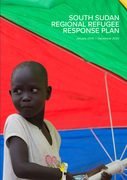
UNHCR, the UN Refuge Agency, and NGO partners are launching an appeal for US$2.7 billion to address the live-saving humanitarian needs of South Sudanese refugees in 2019 and 2020.
Five years on sin
...
ce the onset of a brutal civil war, over 2.2 million South Sudanese refugees have sought safety in six neighboring countries Uganda, Sudan, Ethiopia, Kenya, the Democratic Republic of the Congo (DRC) and Central African Republic (CAR). Another 1.9 million remain internally displaced inside South Sudan
more
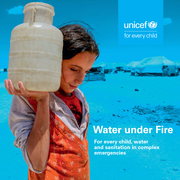
UNICEF trucks water to the camps where people displaced by the conflict have temporarily settled. UNICEF also installed latrines, showers and water storage tanks in
...
the camps and distributed family hygiene kits to protect children against waterborne diseases.
more
Advance Family Planning - Advocacy Portfolio
recommended
Adapted from well-established decision-making concepts and honed through practical application in resource-limited settings, the AFP Advocacy Portfolio includes:
1. Advocate for Family Planning, an introduction to AFP’s approach.
2. Develop a St
...
rategy, featuring a tool to understand your context and AFP SMART: A Guide to Quick Wins, our 9-step approach to developing a focused, collaborative advocacy strategy that leads to quick wins.
3. Implement a Plan, tools to monitor your impact and make your case to decision makers.
4. Capture Results, with the AFP Results Cascade: A User’s Guide, a monitoring and evaluation tool that provides instructions to track a quick win or series of quick wins to long-term impact, and case study writing guidance.
more
Through public-private partnerships, the government of Rwanda can make more efficient use of public resources by targeting and meeting the needs of specific populations and thus help ensure family p
...
lanning services and products will be available to all Rwandans in the long term. This report aims to inform stakeholders working to strengthen family planning through multisectoral partnerships about Rwanda’s family market.
more
BMJ Global Health2020;5:e001980. doi:10.1136/bmjgh-2019-00198
The Leonard Cheshire Disability and Inclusive Development Centre | University College London | 4 Taviton Street | London WC1H OBT | United Kingdom| Principal Investigator: Dr Raymond Lang | Email: r.lang@ucl.ac.uk | Tel: +44 (0)207 679 1519 | Resear
...
ch Commissioned by the Southern African Federation of the Disabled’s (SAFOD) |
DFID-funded Research Programme
more
Report commissioned by the IASC Inter-Agency Humanitarian Evaluations Steering Group as part of the Syria Coordinated Accountability and Lessons Learning Initiative
The Lancet Published Online September 13, 2016 http://dx.doi.org/10.1016/S0140-6736(16)31404-0
Donor government disbursements to combat HIV in low- and middle-income countries totaled US$8 billion in 2018, little changed from the US$8.1 billion total in 2017 and from the levels of a decade ag
...
o, finds a new report from the Kaiser Family Foundation (KFF) and the Joint United Nations Programme on HIV/AIDS (UNAIDS)
more

The MSF qualification scheme is concerned with the pharmaceutical quality assessment for drugs. This procedure is applicable to products for international supply, i.e. products supplied through
...
the MSF procurement centres. This qualification procedure is not applicable for local purchase, i.e. purchase of drugs within the project countries. For quality assurance principles and assessment of drugs for local purchase refer to the guideline for local pharmaceutical market assessment.
more

The annual Development Co-operation Report brings new evidence, analysis and ideas on
sustainable development to members of the OECD Development Assistance Committee (DAC) and
...
the international community more broadly. The objectives are to promote best practices and innovation in development co-operation and to inform and shape policy reform and behaviour change to realise better lives and the Sustainable Development Goals for all
more

The Indonesian government has reformed its laws, policies, and institutions to better manage disaster risk since the significant 2004 Indian Ocean Tsunami.
...
The Government of Indonesia now has contingency plans for every disaster-prone city which identifies its vulnerabilities, outlines the relief response, and builds overall preparedness. In 2007, the government introduced a disaster management bill that incorporated disaster management prevention into disaster management response. In 2008, Indonesia created the National Disaster Management Agency (Badan Nasional Penanggulangan Bencana, BNPB). The new shift led to the strengthening of the country’s disaster management agency, and the addition of district branches and representatives. Despite the progress made, more work is needed at the local level as well as integration of disaster risk reduction in government departments.11 Under Indonesia’s 2007 Disaster Management law, provincial and district administrations are mandated to head disaster management during a crisis.
more
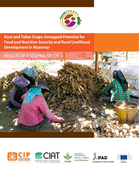
This scoping study done in Myanmar offers the chance for FoodSTART+ to explore prospects for future partnerships in another important country of the region.
...
The study was done from October 2016 to February 2017 and included visits to selected major potato and cassava production areas to meet with respective stakeholders and market actors.
Although root and tuber crop (RTC) production in Myanmar has gradually increased since the late 1990s, they still lag behind the other major crops like rice. No RTCs are included in the country’s list of primary important crops even though potatoes are regularly consumed in daily meals while other common RTCs like cassava, elephant foot yam and sweetpotato are consumed occasionally. RTCs primarily contribute to food security and livelihoods through the income generated from their sale, whether fresh or processed, rather than directly through consumption. more
Although root and tuber crop (RTC) production in Myanmar has gradually increased since the late 1990s, they still lag behind the other major crops like rice. No RTCs are included in the country’s list of primary important crops even though potatoes are regularly consumed in daily meals while other common RTCs like cassava, elephant foot yam and sweetpotato are consumed occasionally. RTCs primarily contribute to food security and livelihoods through the income generated from their sale, whether fresh or processed, rather than directly through consumption. more
Miles to go
UNAIDS (Joint United Nations Programme on HIVAIDS)
UNAIDS (Joint United Nations Programme on HIVAIDS)
(2018)
C2
Global AIDS Update 2018
Closing Gaps
Breaking Barriers
Righting injustices
Review Article: Journal of Nutritional Health & Food Science
Vitamin Deficiency and Tuberculosis: Need for Urgent Clinical Page 1- 6
J Nepal Health Res Counc 2012 May;10(21):82-87
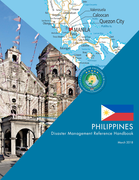
The Philippine Government, International Non-government Organizations (INGOs) and local NGOs are all making attempts to address the impact of disasters and climate change at various levels.
...
The Philippine Government has made significant strides in the implementation of disaster risk reduction (DRR) planning and activities through the development of the National Disaster Risk Reduction and Management Council (NDRRMC) which acts as the lead agency for DRR in the Philippines. The disaster focal points are the NDRRMC and the Office of Civil Defence (OCD). The Department of Social Welfare and Development (DSWD) is responsible for leading immediate disaster relief efforts.
The Armed Forces of the Philippines (AFP) is a primary responder in disasters and have been deployed frequently to several disaster relief operations in the country in recent years. The Philippines has endured disasters that involve national and international assistance. more
The Armed Forces of the Philippines (AFP) is a primary responder in disasters and have been deployed frequently to several disaster relief operations in the country in recent years. The Philippines has endured disasters that involve national and international assistance. more

Sustainability Criteria for CBR Programmes – Two Case studies of Provincial Programmes in Vietnam
Mijnarends DM, Pham D, Swaans K, et al.
Disability, CBR & Inclusive Development Journal (DCIDJ)
(2011)
CC
This paper aims to explore the conditions needed for sustainable community based rehabilitation (CBR) programmes for persons with disabilities in Vietnam, and to identify the conditions and opportun
...
ities missing at present for the implementation of such programmes.
more
Zambia Refugees Economies: Livelihoods and Challenges
M. Nyamazana, G. Koyi, P. Funjika and E. Chibwili
UNHCR; Institute of Economic and Social Research (INESOR), University of Zambia; Refugee Studies Centre, UK
(2017)
C1
The study on refugee economies shows that refugees and former refugees are contributing positively to Zambia’s economy in various ways and have the potential to contribute even further if legal an
...
d other obstacles are removed.
The study targeted mainly Congolese, Burundian, Somali, and Rwandan refugees as well as former refugees from Rwanda and Angola in urban areas and the two rural refugee settlements, Mayukwayukwa (Kaoma District/Western Province) and Meheba (Kaulumbila District/North-Western Province).
more
Humanitarian Accountability Report
James Darcy, Jessica Alexander, Maria Kiani et al.
Humanitarian Accountability Partnership (HAP)
(2013)
The report offers an overview of the progress the humanitarian sector has made and the obstacles
...
it has faced over the past 10 years. Accountability is no longer just a fashionable term, there is now a shared understanding of what it takes to be accountable. From changes at policy level, to concrete actions taken in the field, this report documents this sector-wide shift. It also shows that being accountable to the people we aim to serve is not just the right thing to do, it is also the best way to ensure programmes are relevant, effective, efficient and sustainable
more
